

The first time I tried buying from Taobao, one thing was immediately clear:
This wasn’t built for beginners.
Everything is in Chinese. Payment doesn’t always go through. Shipping feels unclear and overwhelming.
It’s no surprise that most people quickly look for easier options — AliExpress, Temu, Shein.
And to be fair, those platforms are easier.
But after spending time on all of them, something became obvious:
Taobao still outperforms most alternatives — by a wide margin.
The catch?
You just need to approach it differently.
Let’s break down why.
Taobao Prices Are Still the Lowest (And It’s Not Even Close)
The biggest reason is simple: price.
Taobao isn’t designed for international buyers.
It’s a domestic Chinese marketplace — which means:
- No international markup
- No middleman pricing
- Direct access to manufacturers and wholesalers
Compare that to platforms like AliExpress or Temu:
- Products are often resold versions of Taobao listings
- Prices include built-in margins for international buyers
I’ve personally compared the same items across platforms.
A hoodie that costs $8–$10 on Taobao?
You’ll often see it listed for $18–$25 elsewhere.
You’re not paying for a better product.
You’re paying for convenience.
The Product Selection Is on Another Level
Taobao is massive.
Not “big” — massive.
You’re not limited to curated listings or trending products.
You get access to:
- Small independent sellers
- Factory-direct listings
- Niche designs you won’t find anywhere else
- Custom or made-to-order items
This is where alternatives fall short.
Platforms like Shein or Temu are highly optimized — but also highly filtered.
What you see is what they choose to show you.
On Taobao?
You’re browsing the source.
Trends Start on Taobao (Not the Other Way Around)
Here’s something most people don’t realize:
A lot of “trending” products on global platforms actually start on Taobao.
Sellers test designs, launch products, and iterate quickly — because they’re closer to the supply chain.
By the time something shows up on:
- Shein
- Temu
- AliExpress
…it’s already been filtered, selected, and marked up.
“Bad Quality” on Taobao Is Usually User Error
Let’s address the biggest myth:
“Taobao products are low quality.”
That’s not entirely wrong — but it’s also not the full picture.
Taobao has:
- Extremely high-quality products
- Extremely low-quality products
The difference comes down to how you choose sellers.
Experienced buyers look at:
- Store ratings (hearts, diamonds, crowns)
- Real customer photos
- Detailed reviews
- Return rates
If you ignore these, yes — you’ll get burned.
But that’s not a Taobao problem. That’s a selection problem.
The Discount System Is Way More Powerful
Most international platforms keep things simple:
👉 The price you see is (almost) the final price.
Taobao works differently.
There’s an entire ecosystem of discounts:
- Store coupons
- Platform coupons
- Seasonal events (618, Double 11)
- Cross-store promotions
- Bulk pricing
At first, it feels messy.
But once you understand it?
You can stack discounts in ways that aren’t possible on other platforms.
This is why local buyers often pay even less than the listed price.
So Why Do People Switch to Alternatives?
If Taobao is better, why do so many people avoid it?
Simple:
Because it’s not beginner-friendly.
Here are the real pain points:
- ❌ Language barrier
- ❌ Payment limitations (Alipay issues)
- ❌ Complicated shipping system
- ❌ No built-in international support
And honestly — these are valid problems.
For a long time, I avoided Taobao for exactly these reasons.
The Real Solution: Don’t Switch Platforms — Change How You Buy
This is where everything clicked for me.
Instead of switching to alternatives…
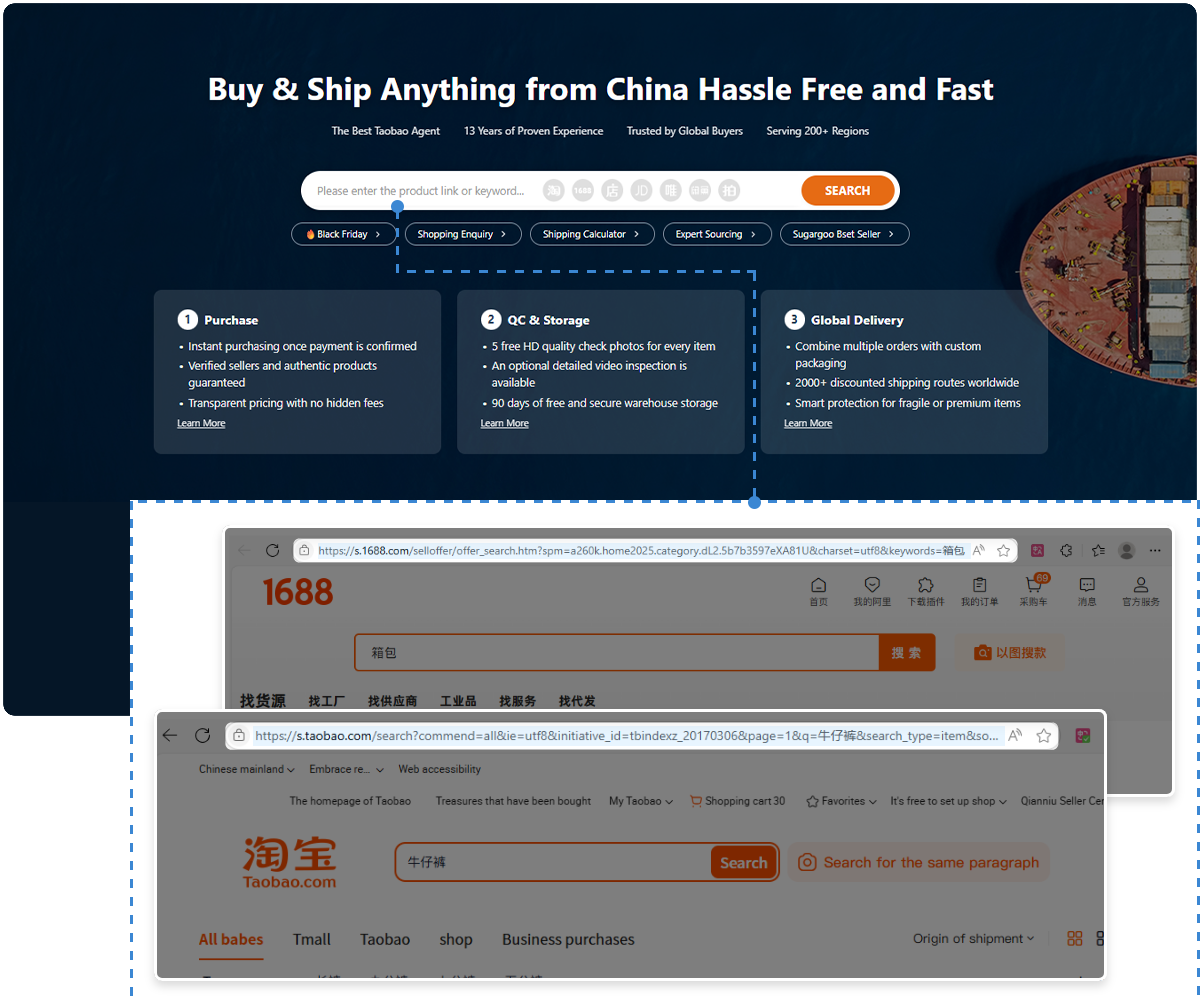
I started using a buying agent.
Not because I wanted to — but because it solved all the friction.
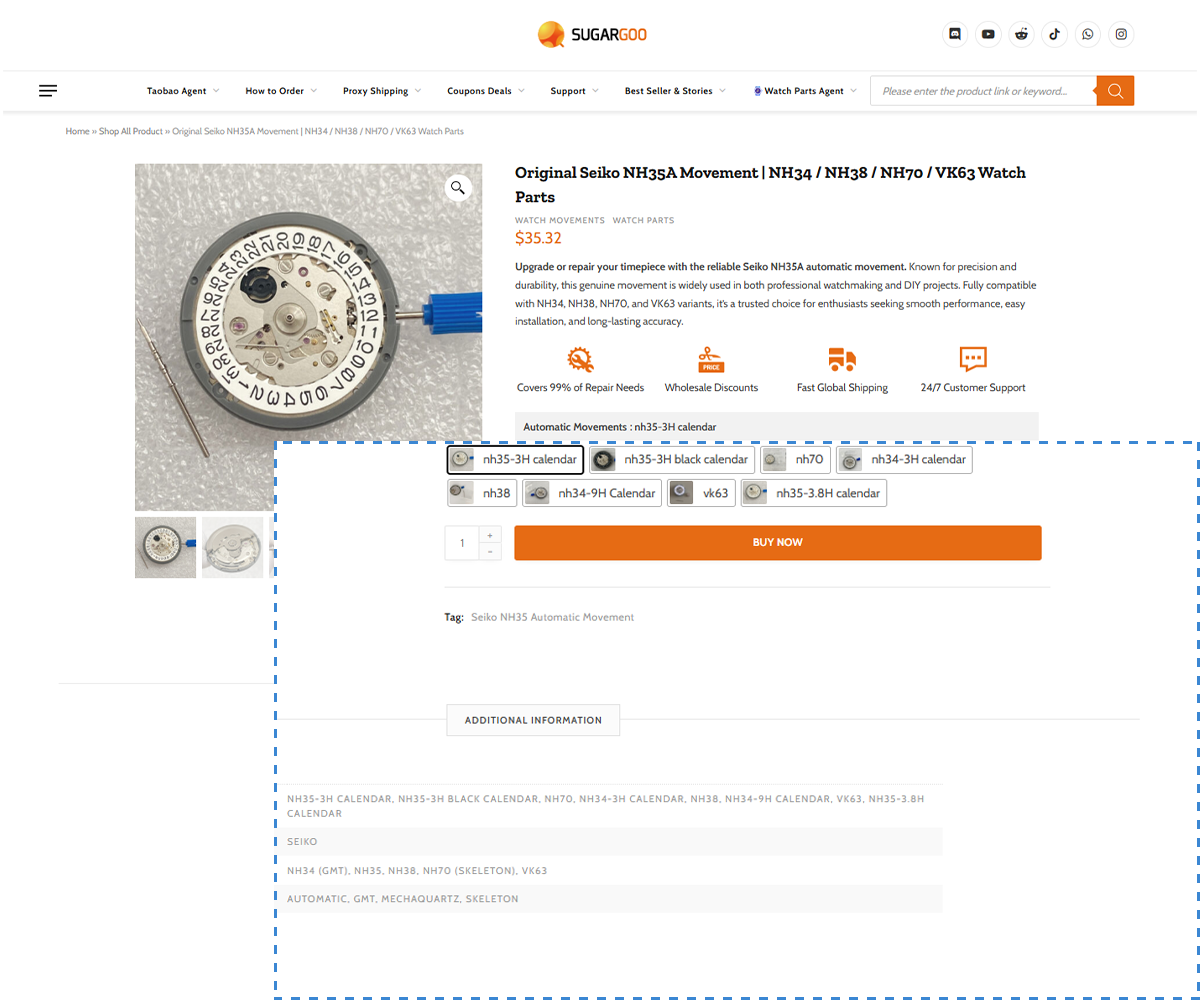
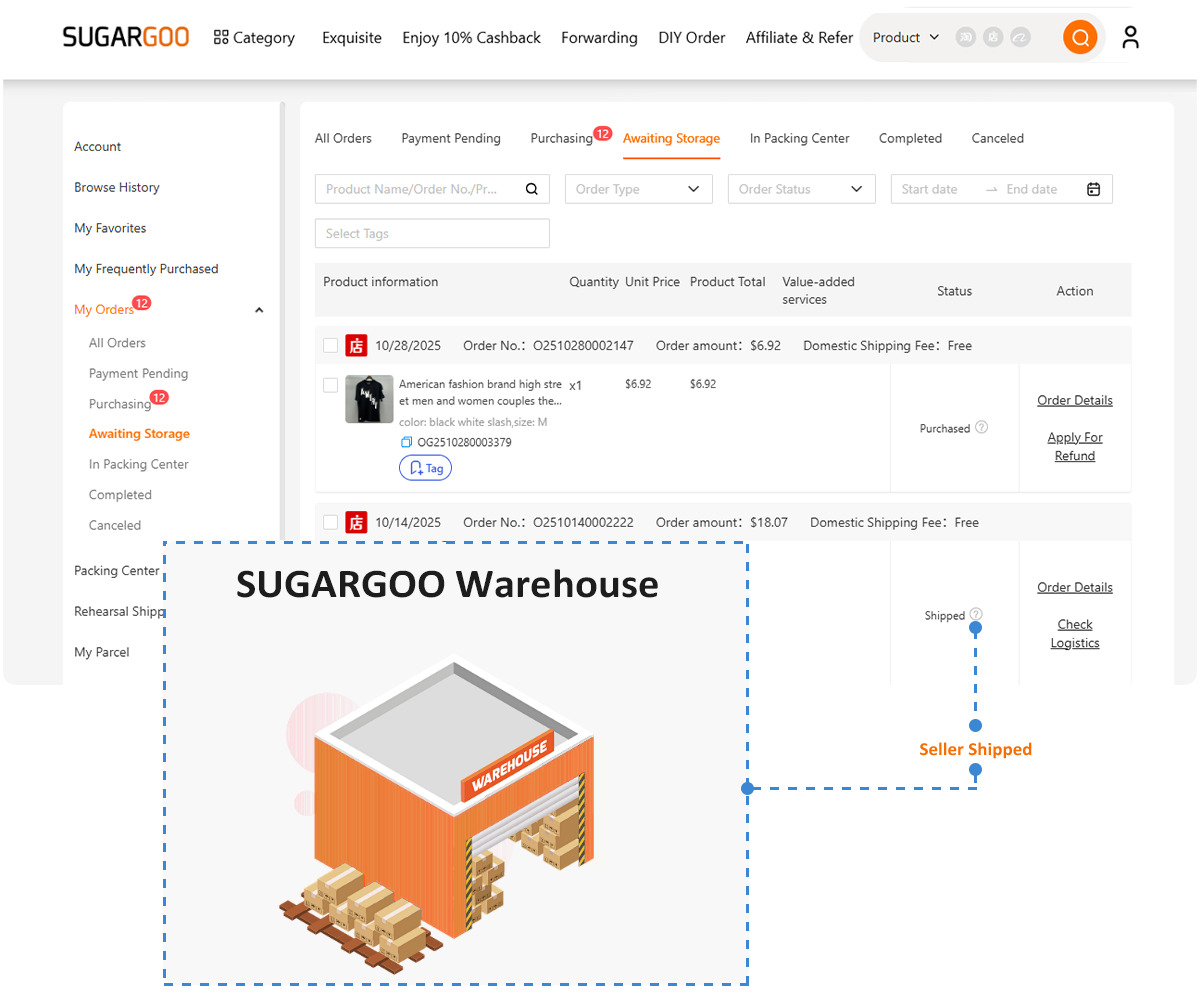
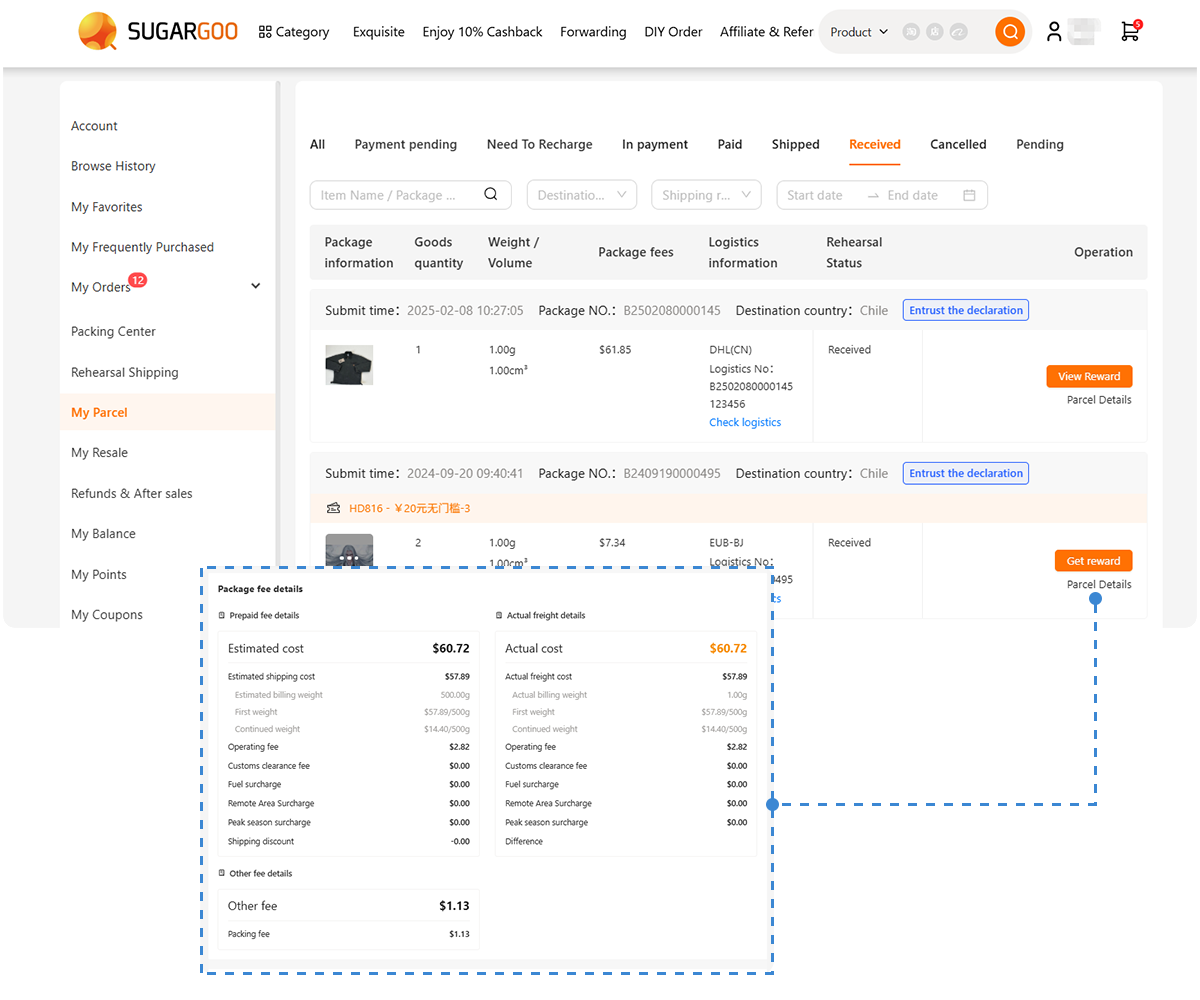
One example is Sugargoo.
Here’s what changed:
- I could browse Taobao links more easily
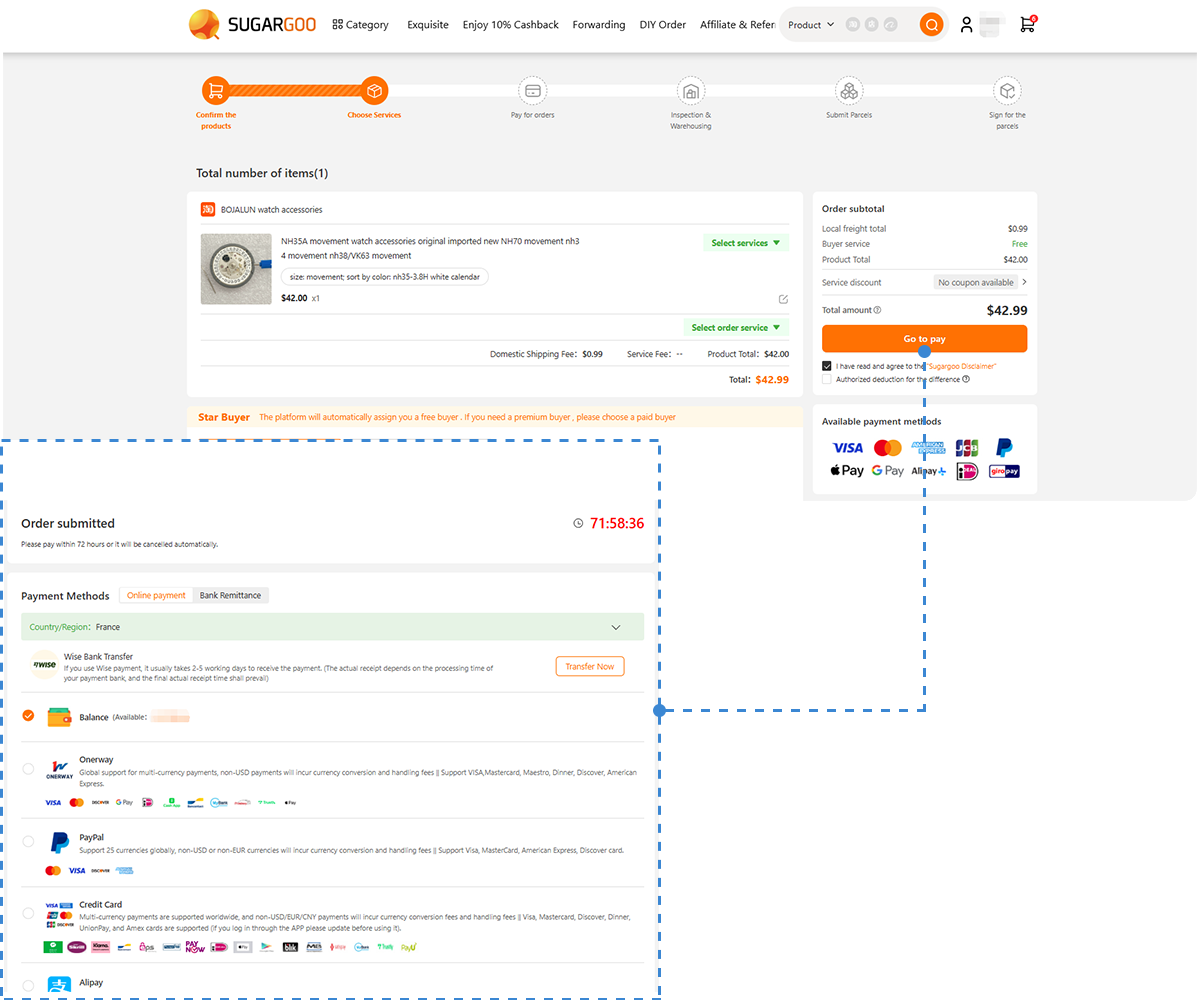
- I could pay using international methods (Visa, Apple Pay, Google Pay, Airwallex, etc.)
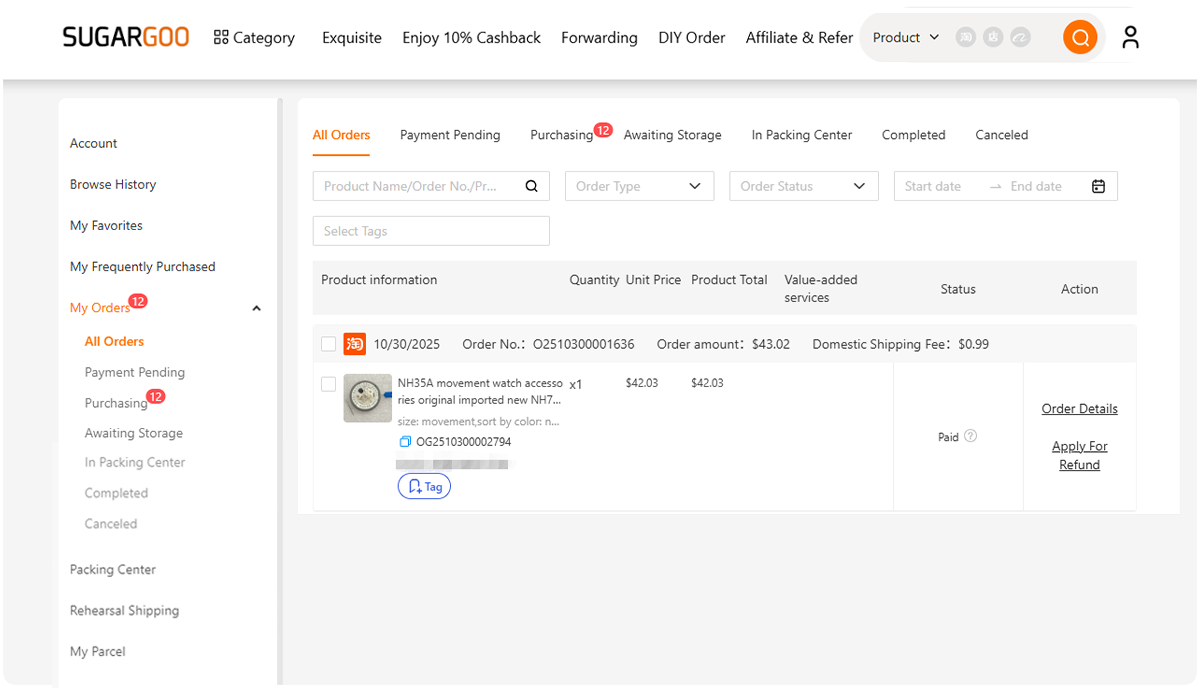
- Orders were handled locally in China
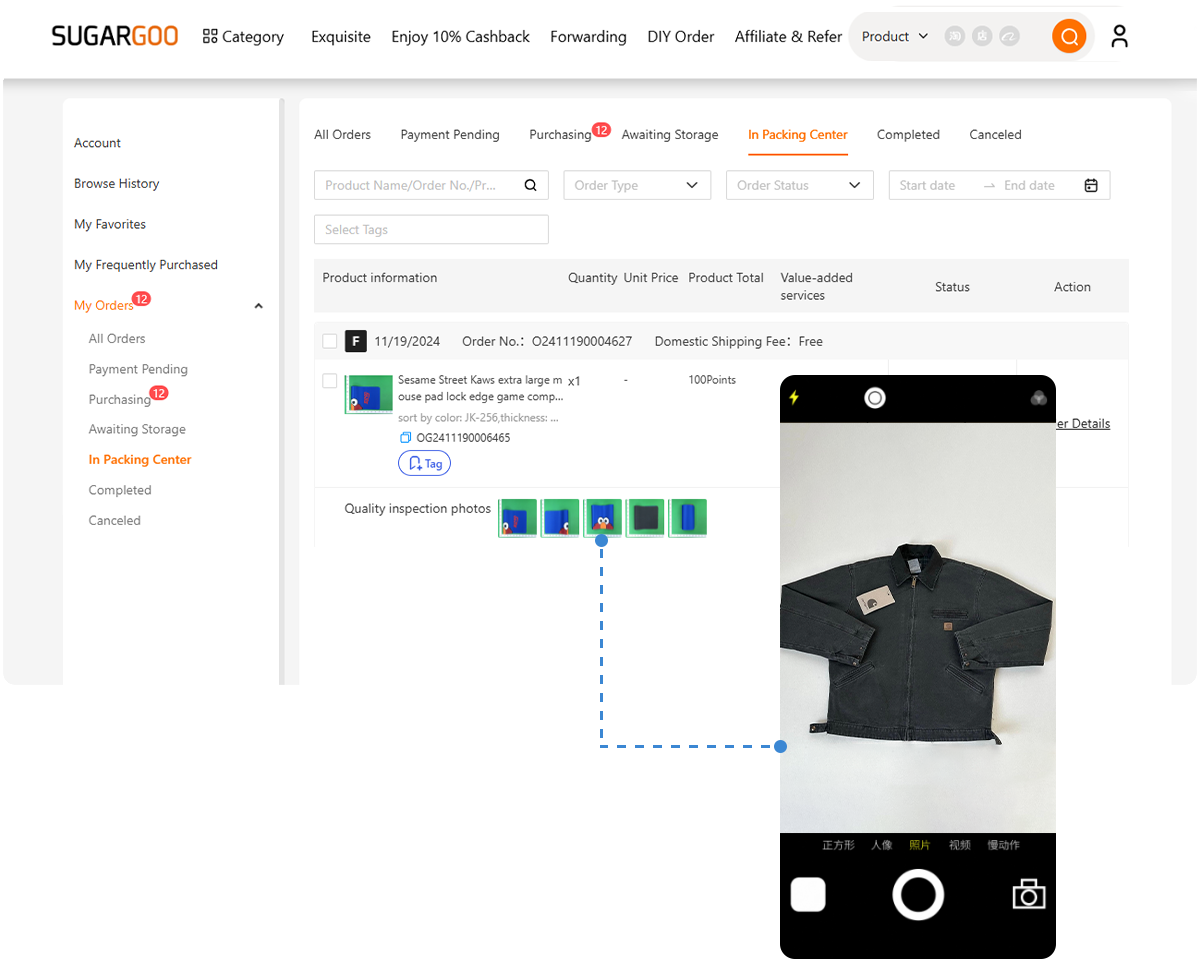
- Items were inspected before shipping
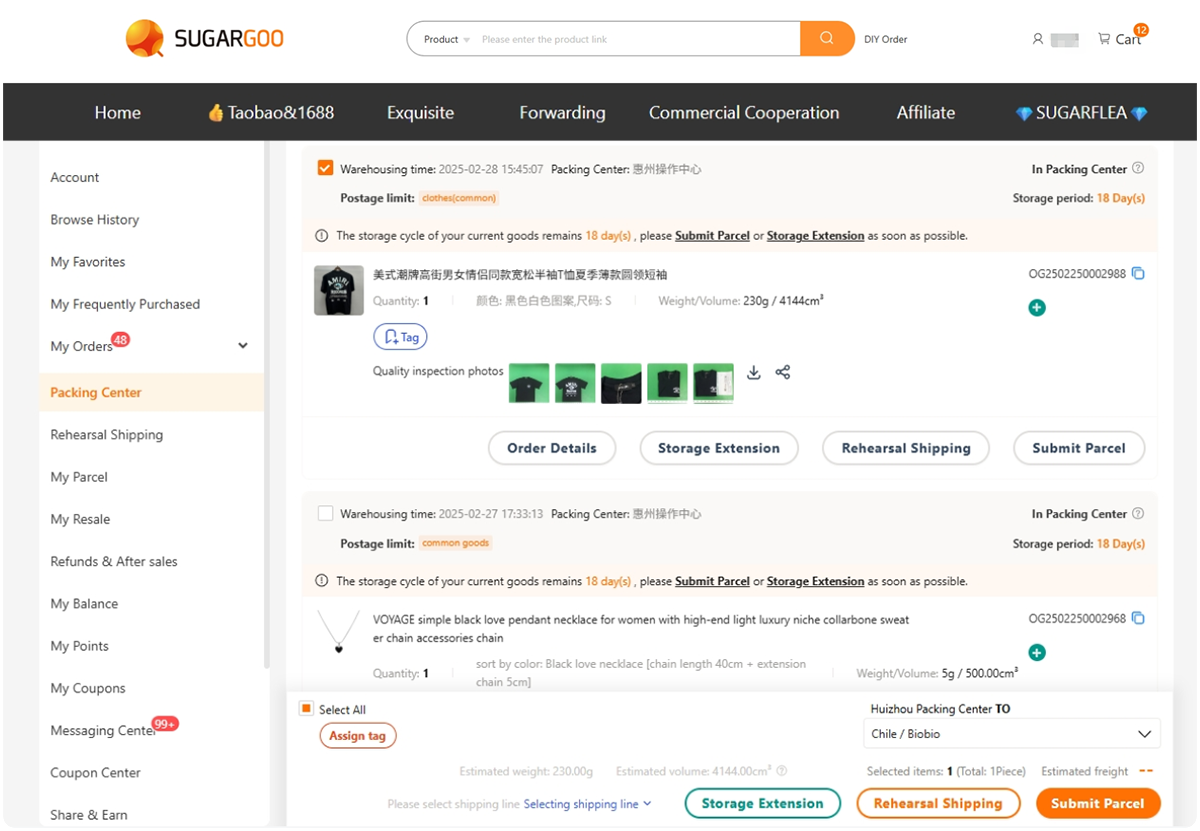
- Multiple purchases were combined into one package
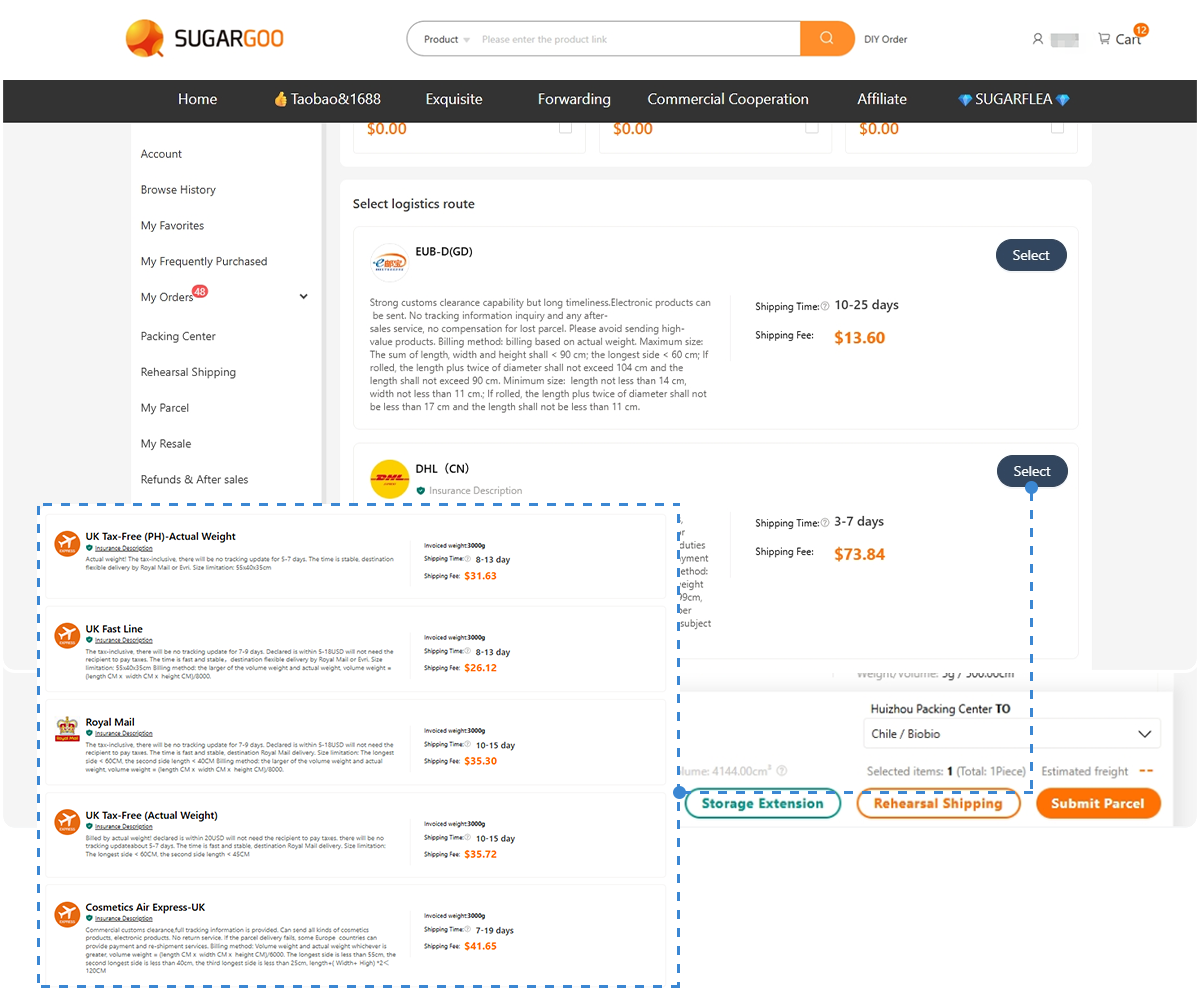
- Shipping options were much clearer
Suddenly, Taobao felt usable.
And more importantly:
I was still getting the original Taobao prices.
Taobao vs Alternatives (Quick Comparison)
Here’s a simple breakdown:
| Category | Taobao | Alternatives (AliExpress / Temu / Shein) |
| Price | ⭐⭐⭐⭐⭐ | ⭐⭐⭐ |
| Product Variety | ⭐⭐⭐⭐⭐ | ⭐⭐⭐ |
| Trend Speed | ⭐⭐⭐⭐⭐ | ⭐⭐⭐ |
| Ease of Use | ⭐⭐ | ⭐⭐⭐⭐⭐ |
| International Access | ⭐⭐ | ⭐⭐⭐⭐⭐ |
Taobao is harder to use — but far more powerful.
Taobao Isn’t the Problem — Your Workflow Is
If you want something fast and simple, alternatives work.
No learning curve. No friction.
But if you care about:
- Getting the lowest prices
- Finding unique products
- Accessing the real market
Taobao is still unmatched.
The key difference is this:
Beginner buyers switch platforms. Experienced buyers change their strategy.
And once you figure that out, everything becomes easier.