

If you’ve only heard people talk about China’s Double 11 sale, Taobao 618 might feel like the less famous sibling. But for some categories, that’s actually not true.
A lot of experienced shoppers keep an eye on 618 because the discounts can be genuinely good, especially for electronics accessories, fashion, collectibles, and those oddly specific products you somehow only ever find on Chinese marketplaces.
The catch is obvious if you’re outside China: Taobao is not exactly built for international shoppers.
Even getting to checkout can feel like a project. Product pages are in Chinese, payment can get confusing, and some sellers simply don’t want to deal with overseas shipping.
Still, people outside China buy from Taobao all the time. The process just looks different from ordering on Amazon or Temu.
So if you’re wondering whether Taobao 618 in 2026 is worth paying attention to, here’s the practical version—not the “everything is amazing” version.
What is Taobao 618?
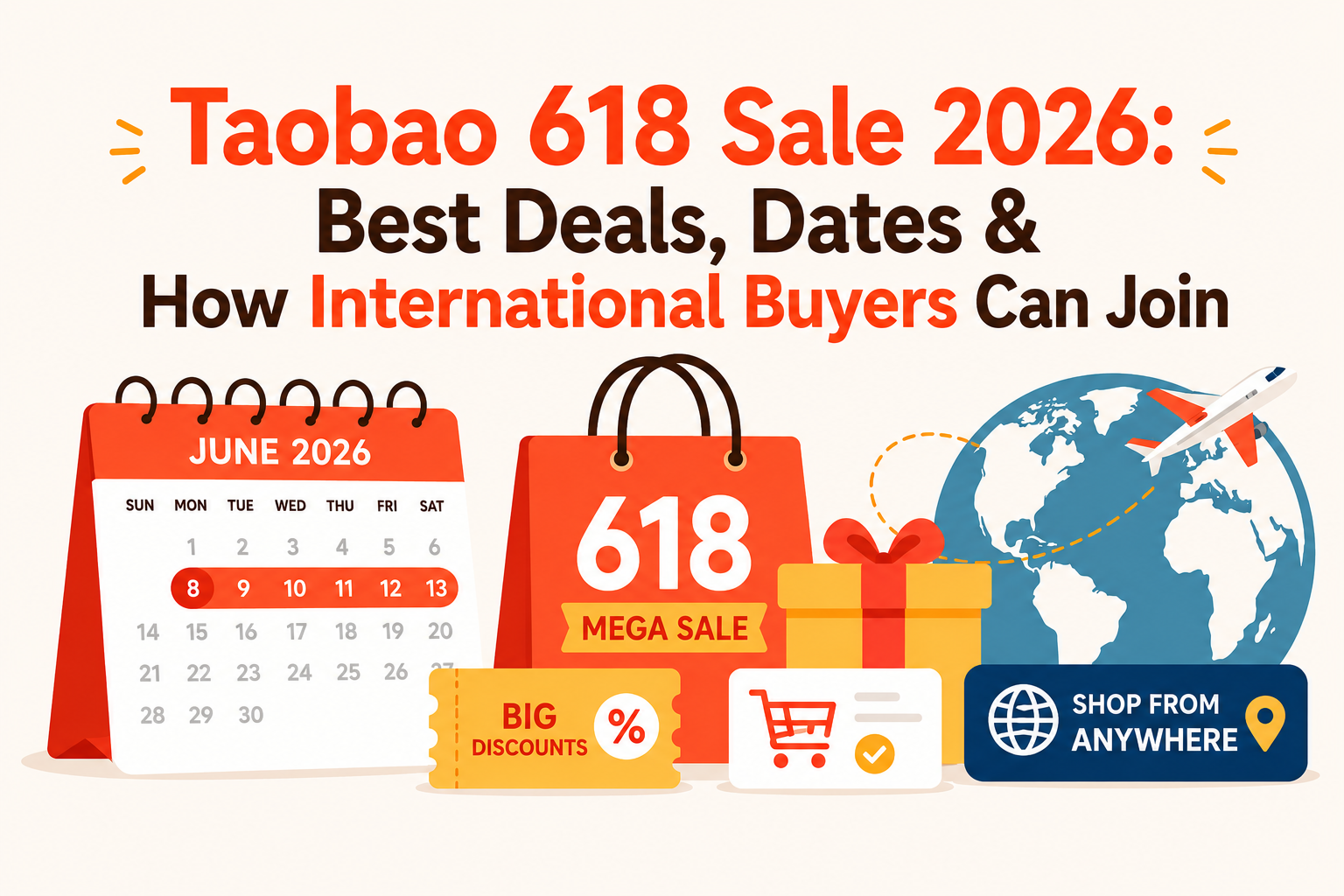
At its core, 618 is China’s big mid-year shopping event, centered around June 18. If you’re planning to shop, Taobao sale calendar can help you track the key discount phases, pre-sale periods, and major promotion dates.
It originally started elsewhere (JD.com gets credit for that), but Taobao and Tmall have long since made it part of their own shopping calendar. And despite the name, it’s not really just a one-day event anymore.
That’s probably the first thing international shoppers misunderstand.
The promotions usually stretch across weeks. Some sellers start pushing discounts in late May. Others save better pricing for early June. Some deals peak on June 18. Some disappear before that.
It’s messy, which is very on-brand for major online sales.
When does the Taobao 618 sale start in 2026?
Unless Taobao changes its usual pattern, you’ll probably start seeing activity before June officially gets going.
Late May is often the “warming up” stage. Coupon campaigns start appearing, sellers begin teasing promotions, and people start filling wishlists instead of checking out immediately.
Early June is where actual buying tends to happen.
That’s usually when pre-sale pricing appears, sometimes with deposit mechanics, sometimes just straight discounts. If you’re after something popular, waiting until June 18 itself isn’t always smart.
By the time the “main day” arrives, some of the strongest offers are already gone.
Then there’s the weird post-sale window where some sellers quietly discount leftover stock.
So if your plan is “I’ll just shop on June 18,” that’s not necessarily the best strategy.
What’s actually worth buying during Taobao 618?
Not everything.
That sounds obvious, but big sale events have a way of making random products feel urgent.
The categories that usually make the most sense are the ones Taobao already does well.
Electronics accessories are a classic example. Mechanical keyboards, chargers, phone accessories, earbuds, desk gadgets—that sort of thing.
Fashion is another obvious one, especially if you already know your sizing and have a rough idea which sellers are decent. Taobao has ridiculous variety here, which is both a strength and a problem.
Home organization stuff can be surprisingly worth it too. Storage products, desk accessories, small kitchen tools, decor pieces. Individually they’re cheap enough that buying several at once can make shipping economics work better.
And then there’s the niche stuff.
Anime figures. Cosplay. Collectibles. Plush toys. Random hobby gear.
That’s where Taobao tends to beat more mainstream international platforms simply because selection gets absurd.
Beauty can be hit or miss. I’d be much more cautious there unless you already trust the seller.
Can international buyers actually join Taobao 618?
Yes.
Whether you want to do it directly is a different question.
Technically, some Taobao sellers offer international shipping. Sometimes checkout works smoothly.
Sometimes it absolutely doesn’t.
That unpredictability is why a lot of overseas buyers use purchasing agents instead of trying to wrestle with Taobao’s native checkout flow.
It removes a lot of avoidable friction.
Buying from Taobao outside China gets much easier with an agent
This is usually the part where people either give up or realize there’s a workaround.
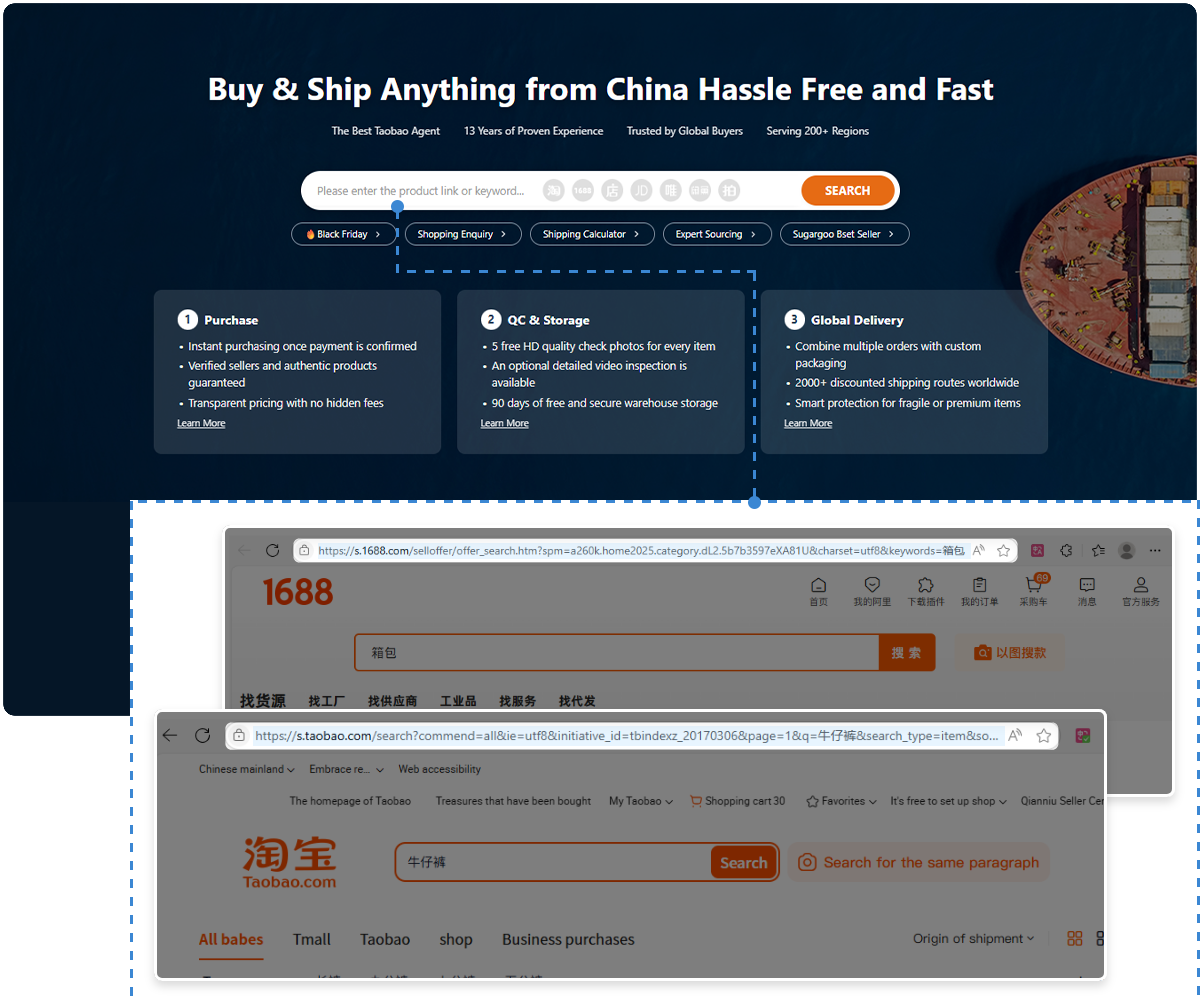
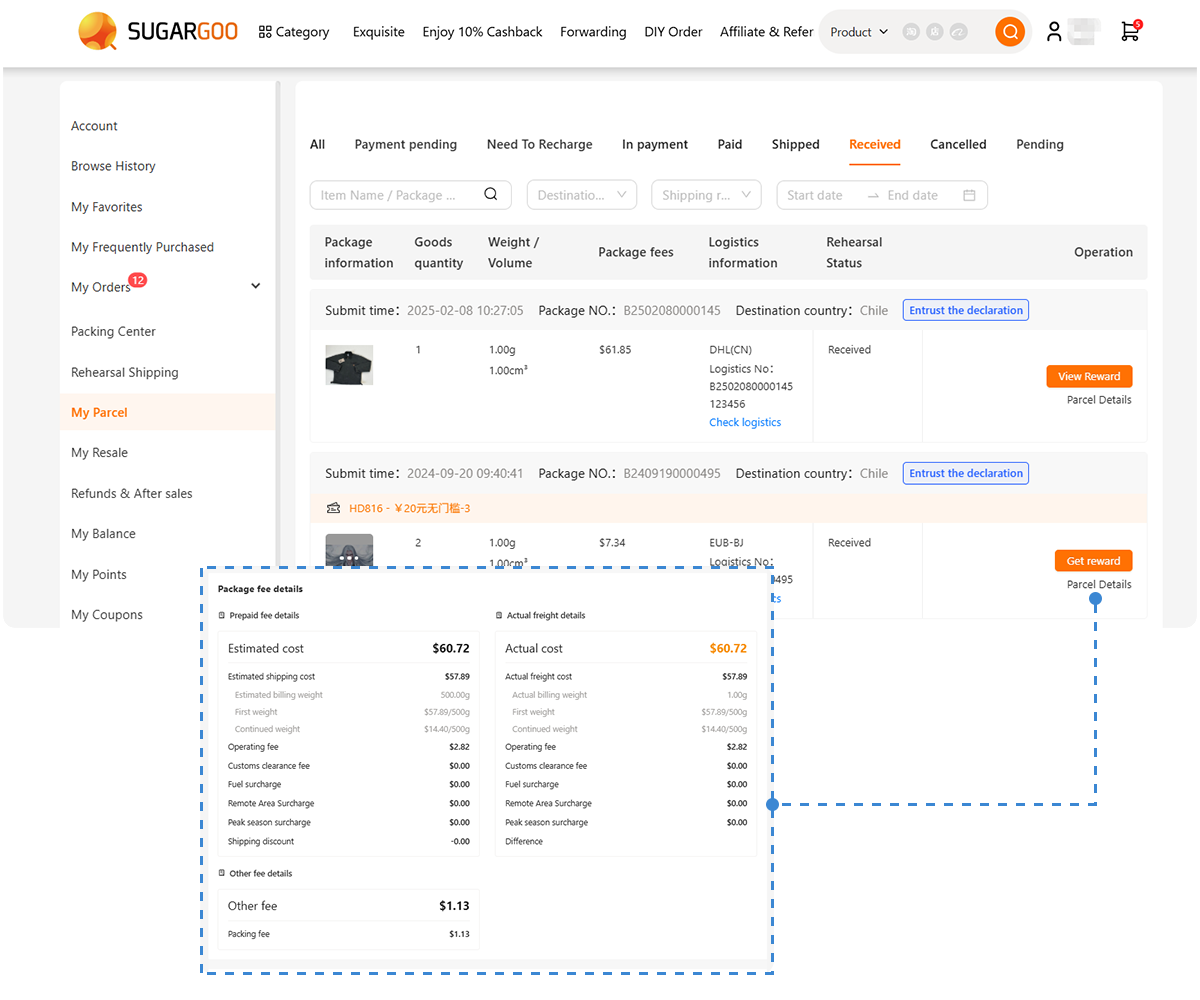
Instead of trying to navigate Taobao’s payment and shipping system yourself, many international shoppers use platforms like Sugargoo.
The setup is pretty straightforward.
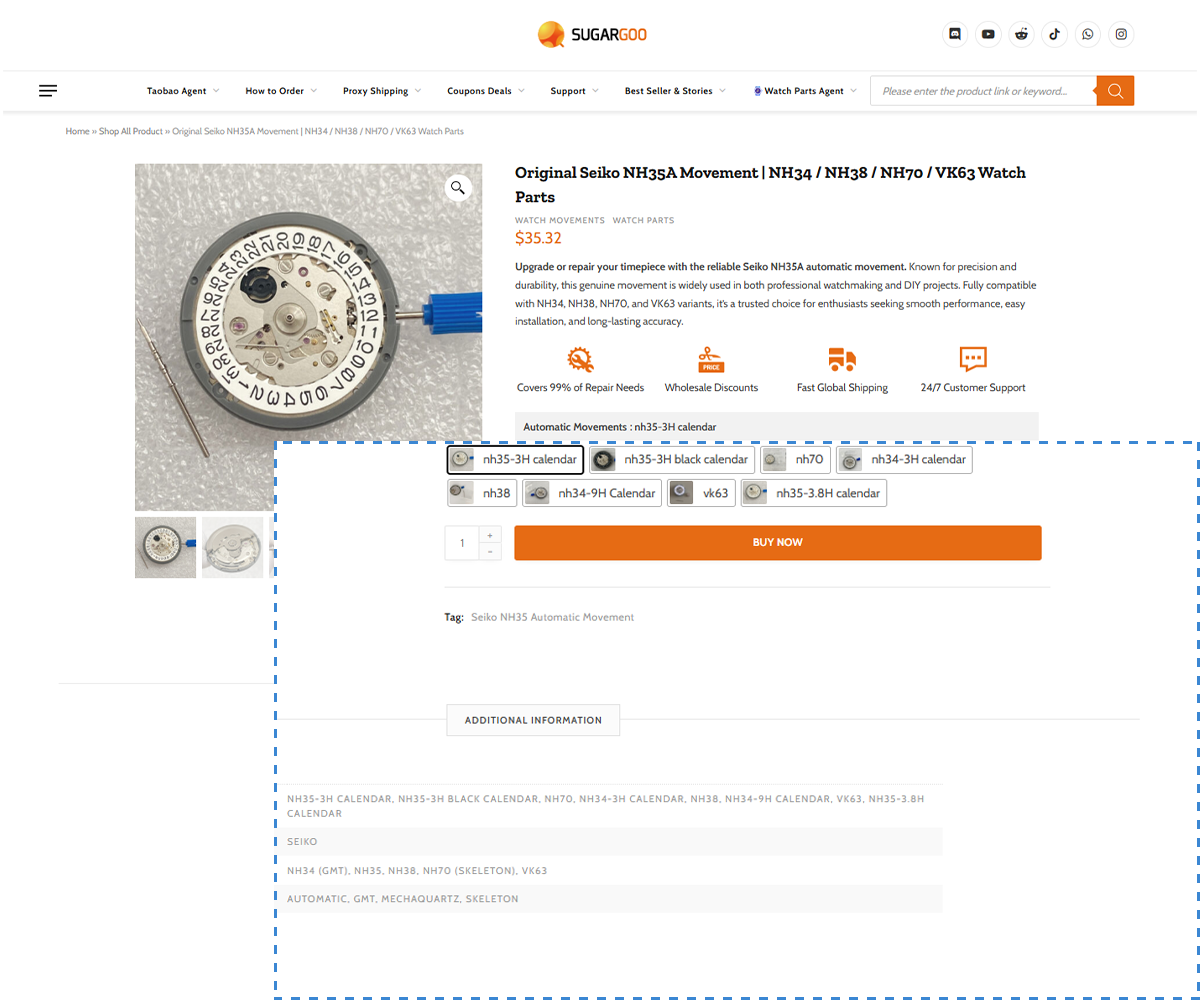
Find a product on Taobao, paste the link into Sugargoo, and a professional purchasing agent will handle the purchase for you.
That already solves the most annoying part. But there are a few other practical benefits too.
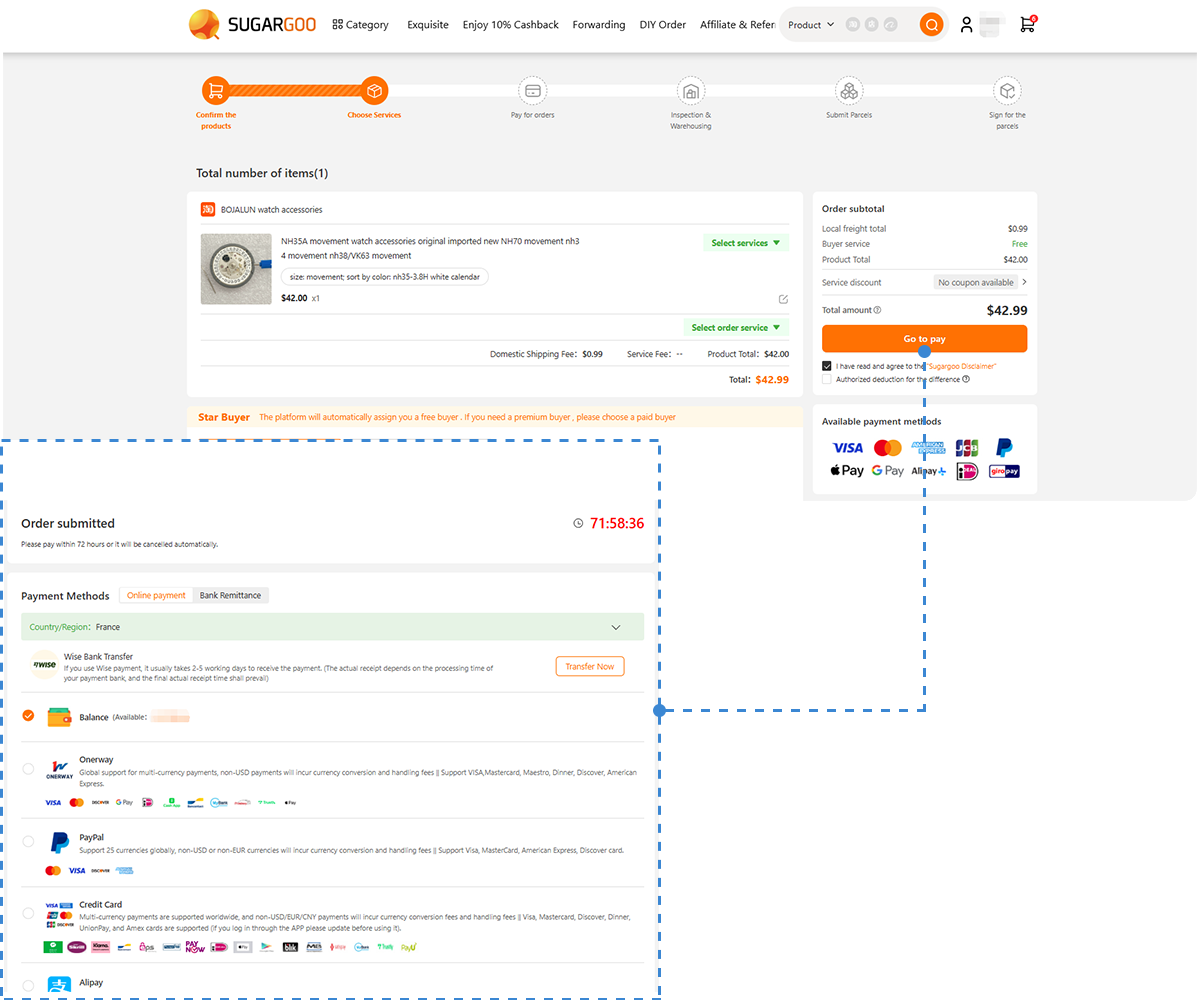
Product details are easier to understand in English, which helps if you’re comparing listings. Payment is much simpler because you can use familiarinternational methods instead of figuring out Chinese payment tools.
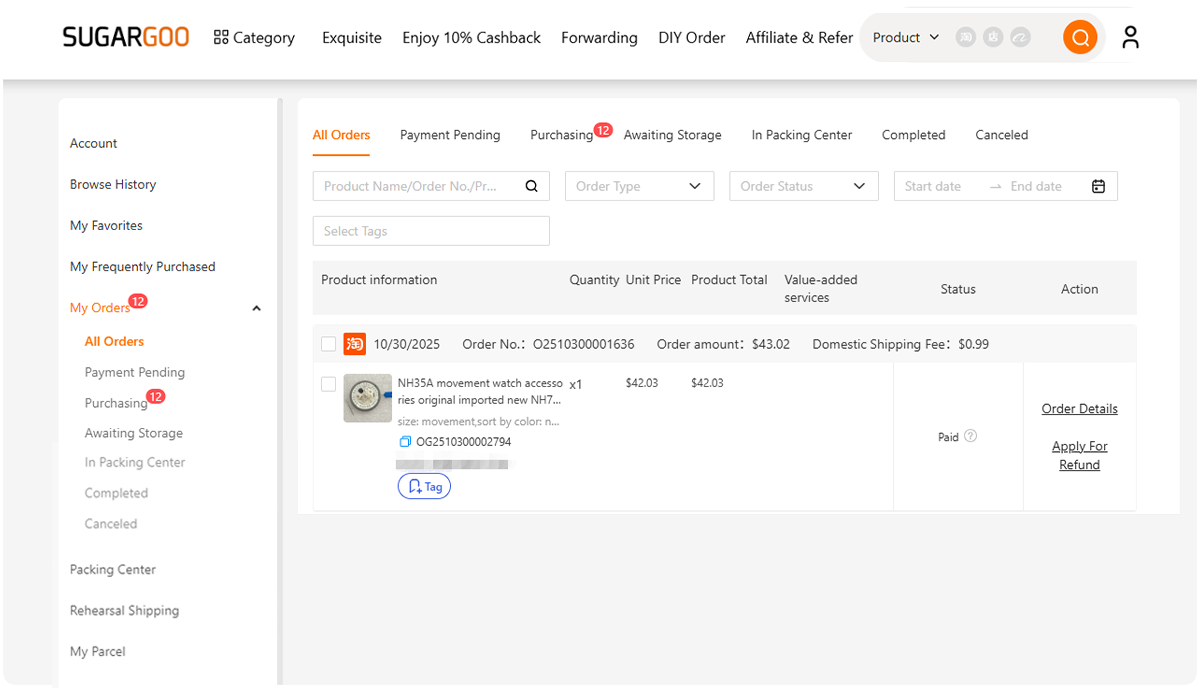
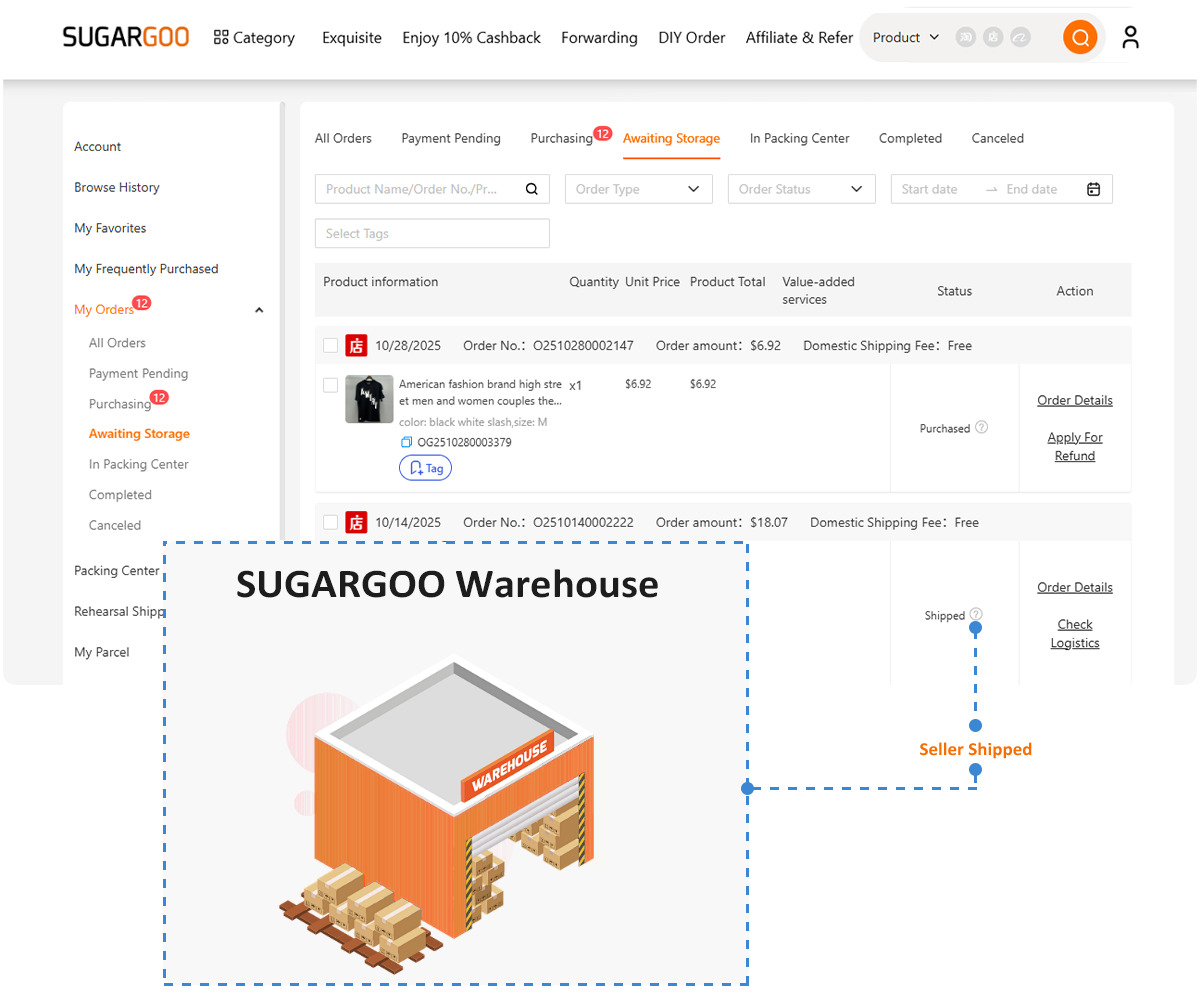
Then the items go to a warehouse first, rather than immediately being pushed into international delivery.
That warehouse step matters more than people think.
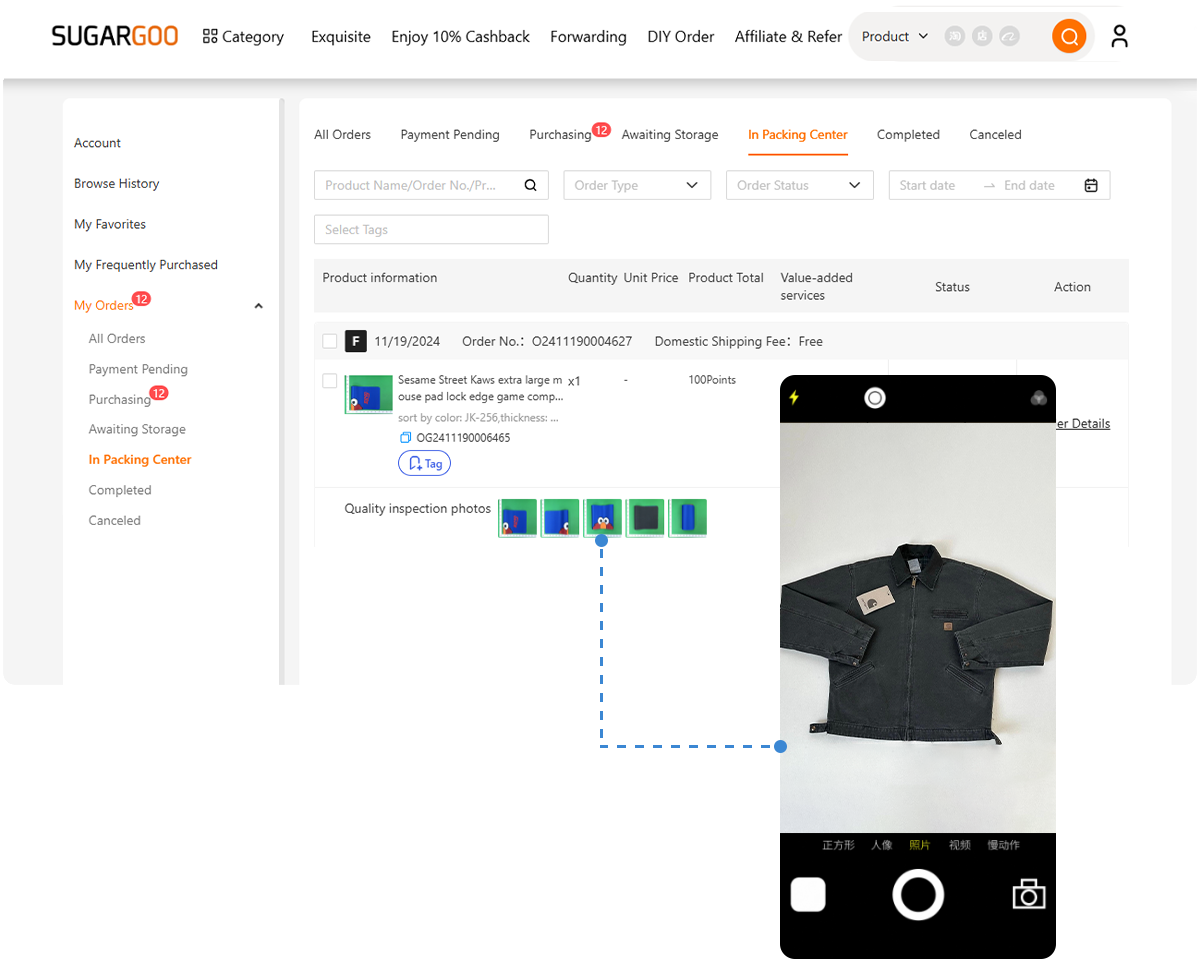
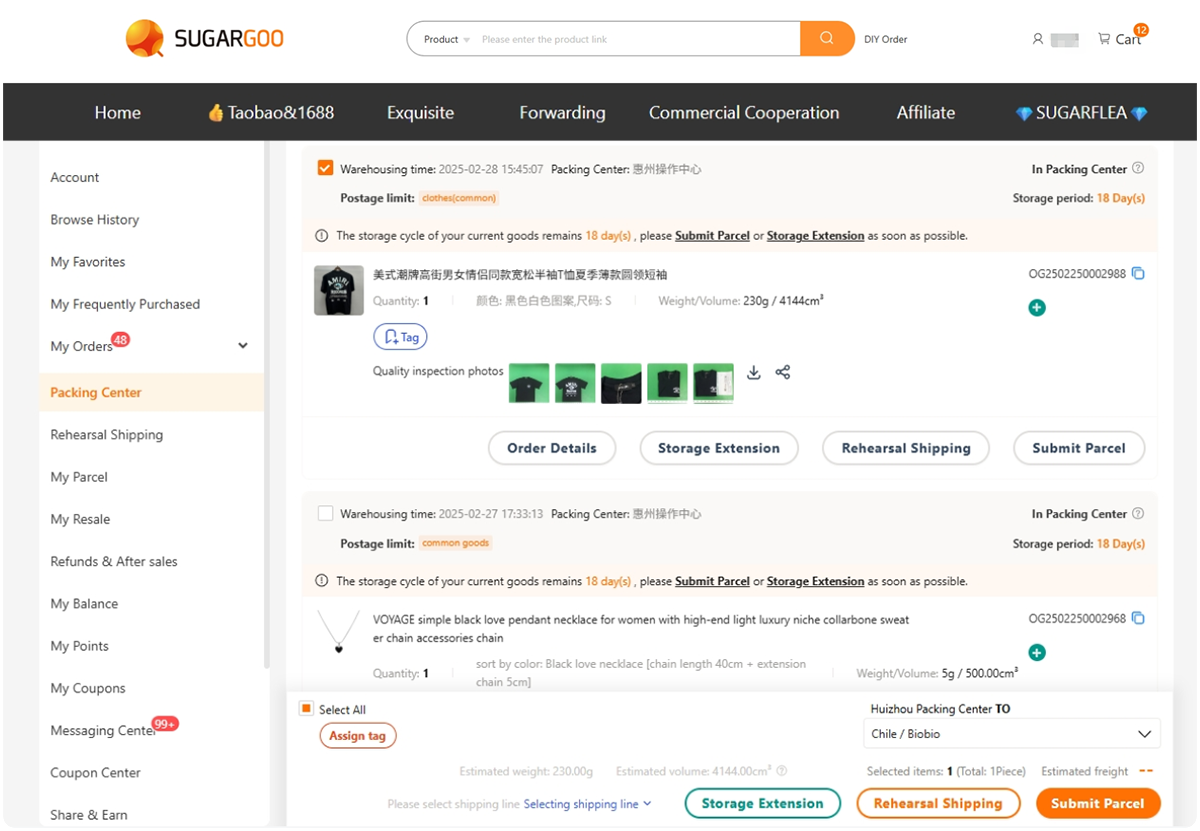
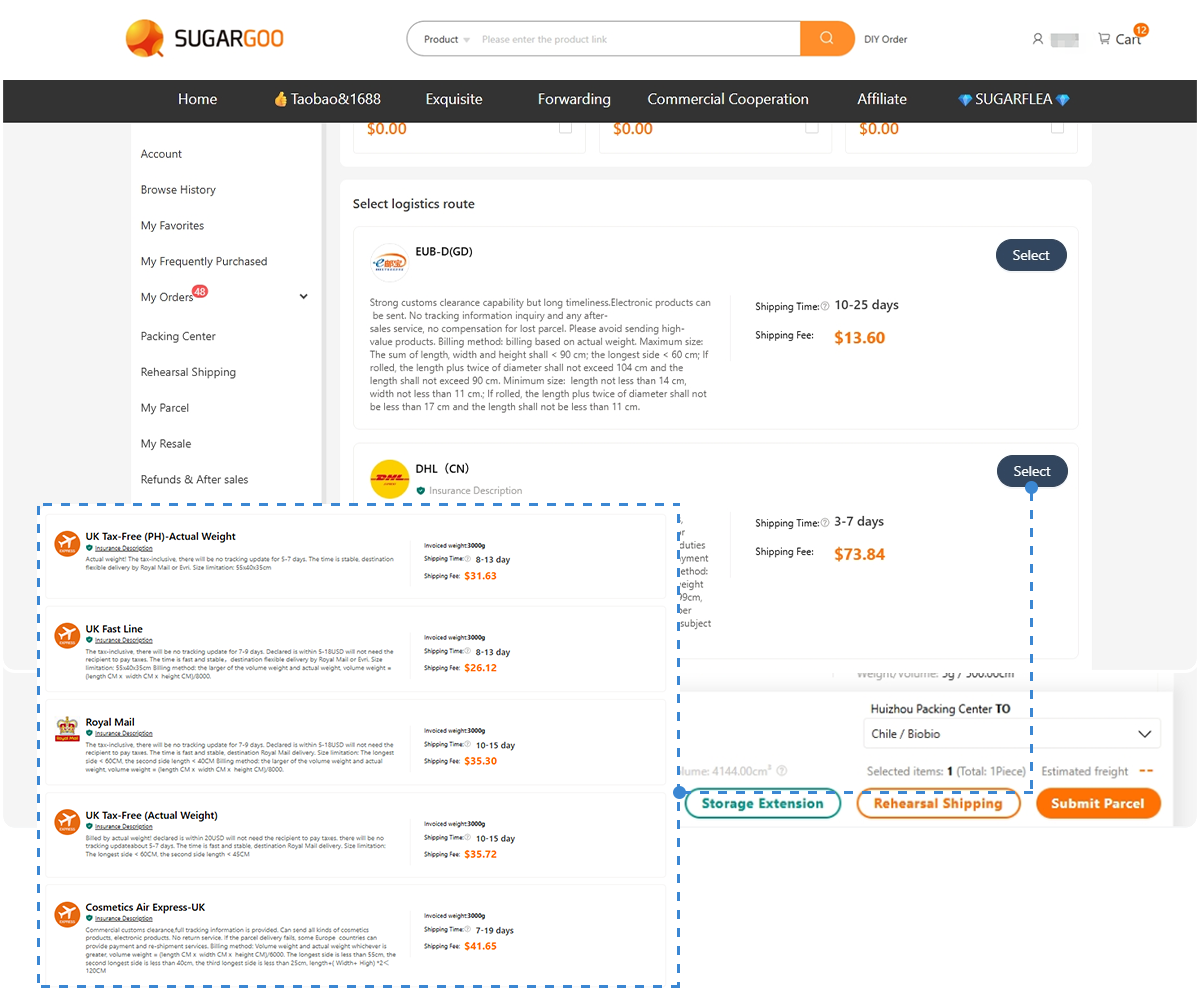
It gives you time to arrangeQC inspection, check whether what arrived matches expectations, combine several purchases into one parcel, and choose between different shipping routes depending on whether you care more about speed or cost.
For 618, when people tend to buy from multiple sellers, that flexibility helps a lot.
A few ways not to overspend during 618
Big sale psychology is real.
The phrase “limited-time deal” does strange things to otherwise reasonable people.
A few practical things help.
First: don’t assume the biggest visible discount is the real best price.
Chinese marketplaces love stacked promotions—store coupons, threshold discounts, platform campaigns. Sometimes the headline price means very little.
Second: shipping math matters.
A $4 product stops looking like a bargain if international shipping makes it effectively $18.
Third: if you’re buying multiple items, fewer sellers usually means less hassle.
Not always, but often.
And if you’re shopping something competitive, checking early matters more than waiting for the exact “main day.”
Taobao vs AliExpress vs Temu during sale season
This mostly comes down to what kind of shopper you are.
If you just want something fast, easy, and familiar, Temu is obviously simpler.
AliExpress sits somewhere in the middle—more international-friendly, broader seller access, less friction overall.
Taobao is different.
It’s less polished for overseas buyers, but often much stronger on selection and raw pricing.
Especially if you’re buying niche products, fashion, hobby items, or categories where Chinese domestic sellers dominate.
So the question usually isn’t “which is best?”
It’s more “what tradeoff do you personally hate less?”
A few realities before you place an order
Taobao can absolutely be worth it, but expectations matter.
Seller quality varies.
Sizing can be weird.
Returns get much harder once cross-border shipping is involved.
And during major sale periods, delays happen. Warehouses get backed up. Logistics slow down.
That doesn’t mean don’t buy.
Just don’t expect Amazon-level predictability.
Final thought
If you’re the kind of shopper who values convenience above everything else, Taobao probably won’t be your favorite platform.
If you care more about variety, niche finds, and potentially better pricing—especially during major sale periods like 618—it becomes much more interesting.
For international buyers, the trick usually isn’t whether you can join Taobao 618.
It’s figuring out the least painful way to do it.