

For many people shopping from overseas, a China forwarder isn’t easy to understand at the beginning. You buy something, track a few updates, and eventually the package arrives. But the steps in between — and how the fees are calculated — aren’t always very transparent.
Some people think a forwarder is just a warehouse that sends packages overseas. Others expect full buying and quality control services and end up disappointed.
So what services do most China forwarders actually offer?
This article breaks down the typical services step by step, separating what’s usually included from what’s optional, and explaining where different forwarders start to differ.
China Forwarder Basics: More Than Just Shipping
At its core, a China forwarder helps international buyers receive goods inside China and ship them abroad. But in reality, most forwarders offer a service chain, not a single function.
That chain usually starts before international shipping even becomes an option.
Domestic Receiving and Warehouse Storage
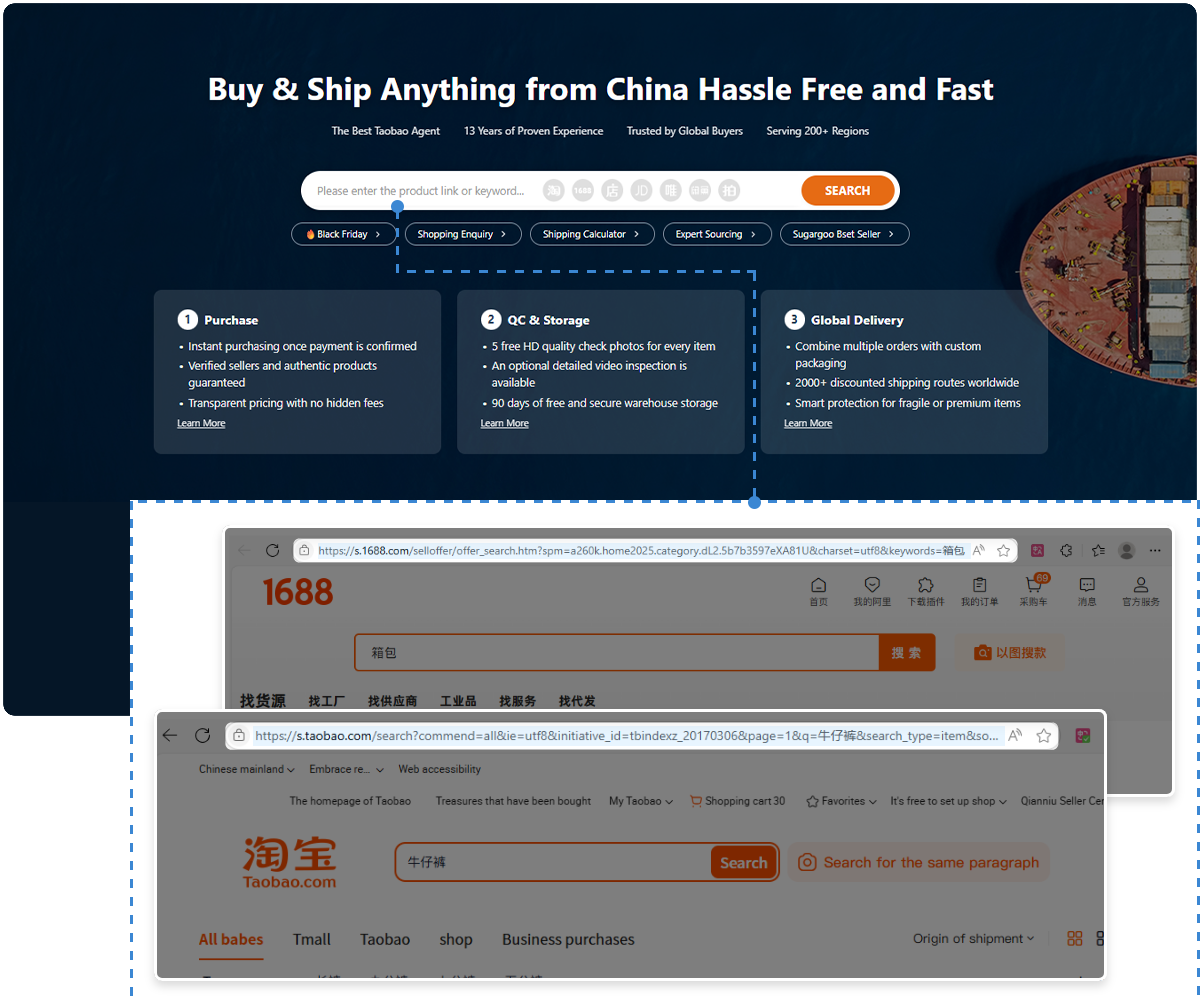
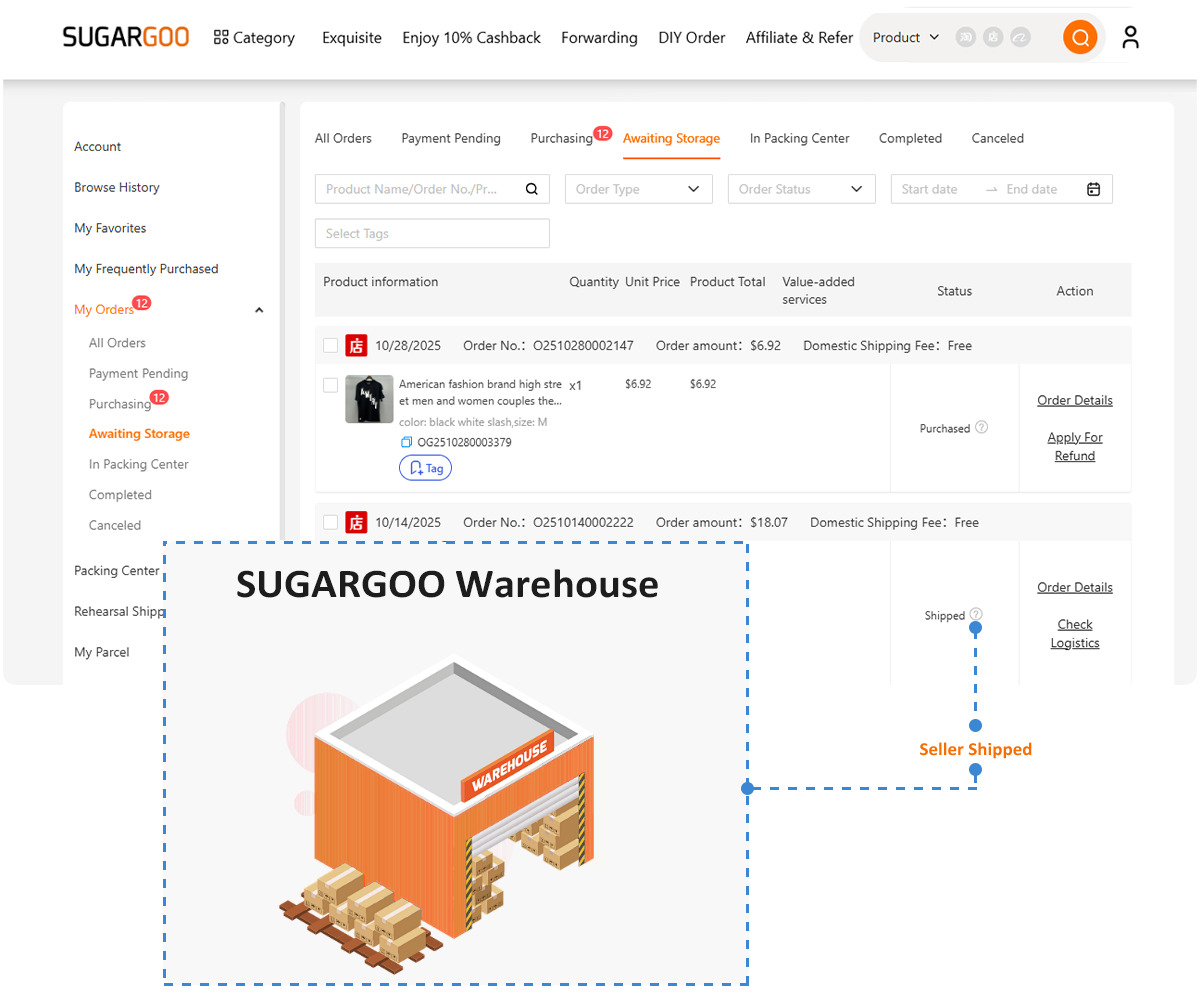
Almost all China forwarders provide a local Chinese shipping address. This allows sellers on platforms like Taobao,1688, JD, or Weidian — many of whom only ship within China — to deliver your items domestically.
Once packages arrive, they are stored in the forwarder’s warehouse.
Common details to note:
- Temporary free storage (often 30-90 days)
- Ability to receive multiple packages from different sellers
- Storage limits before extra fees apply
This service alone solves the biggest barrier for overseas buyers: sellers who don’t offer international shipping.
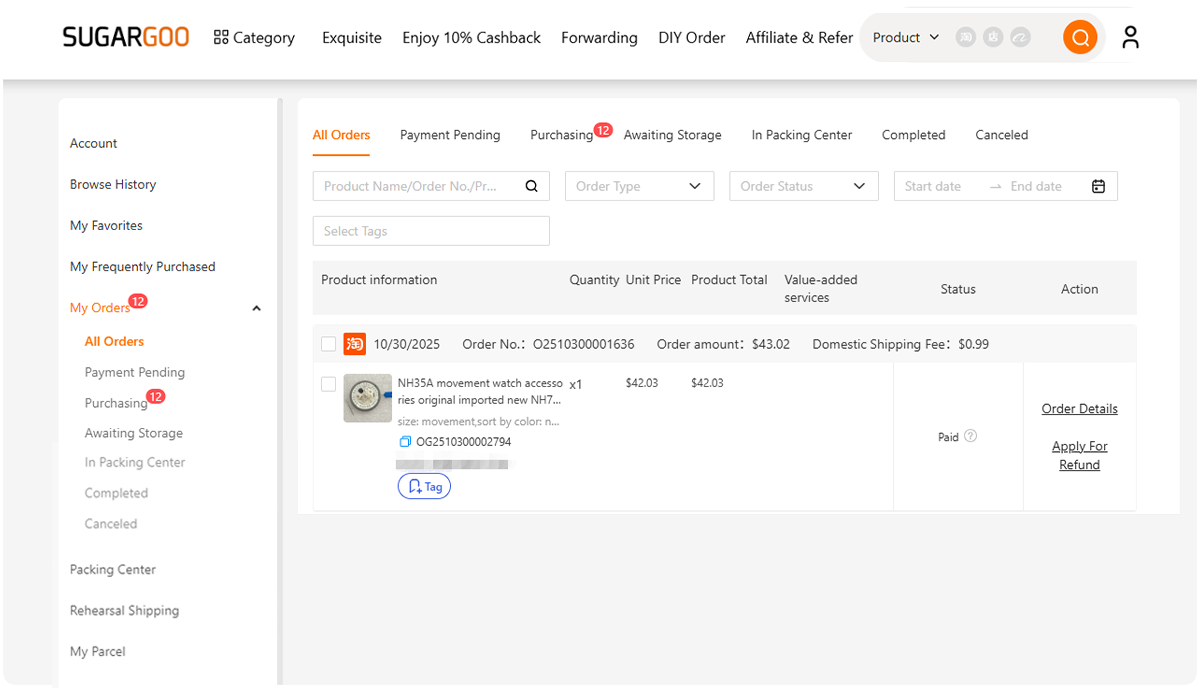
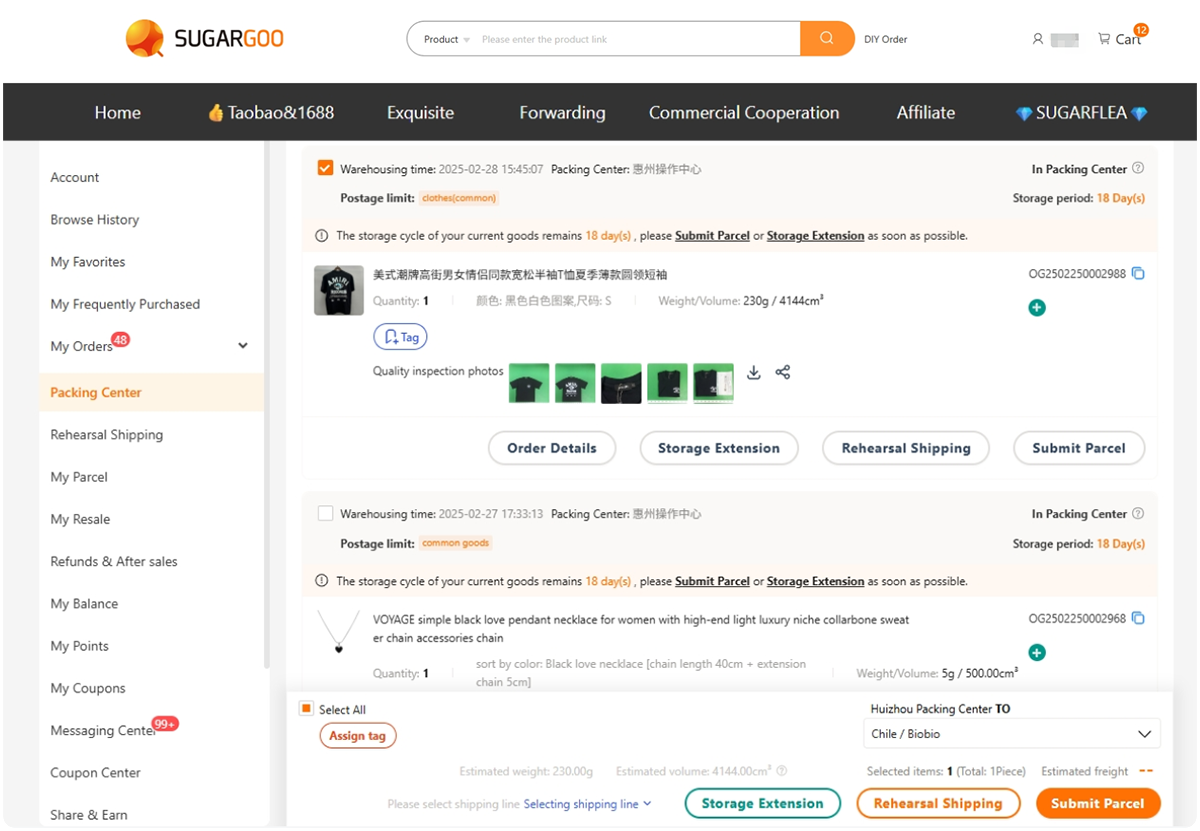
Package Check-in and System Registration
When your package arrives at the warehouse, it doesn’t get shipped immediately.
Most forwarders will:
- Register the package in their system
- Record weight and dimensions
- Link the package to your account
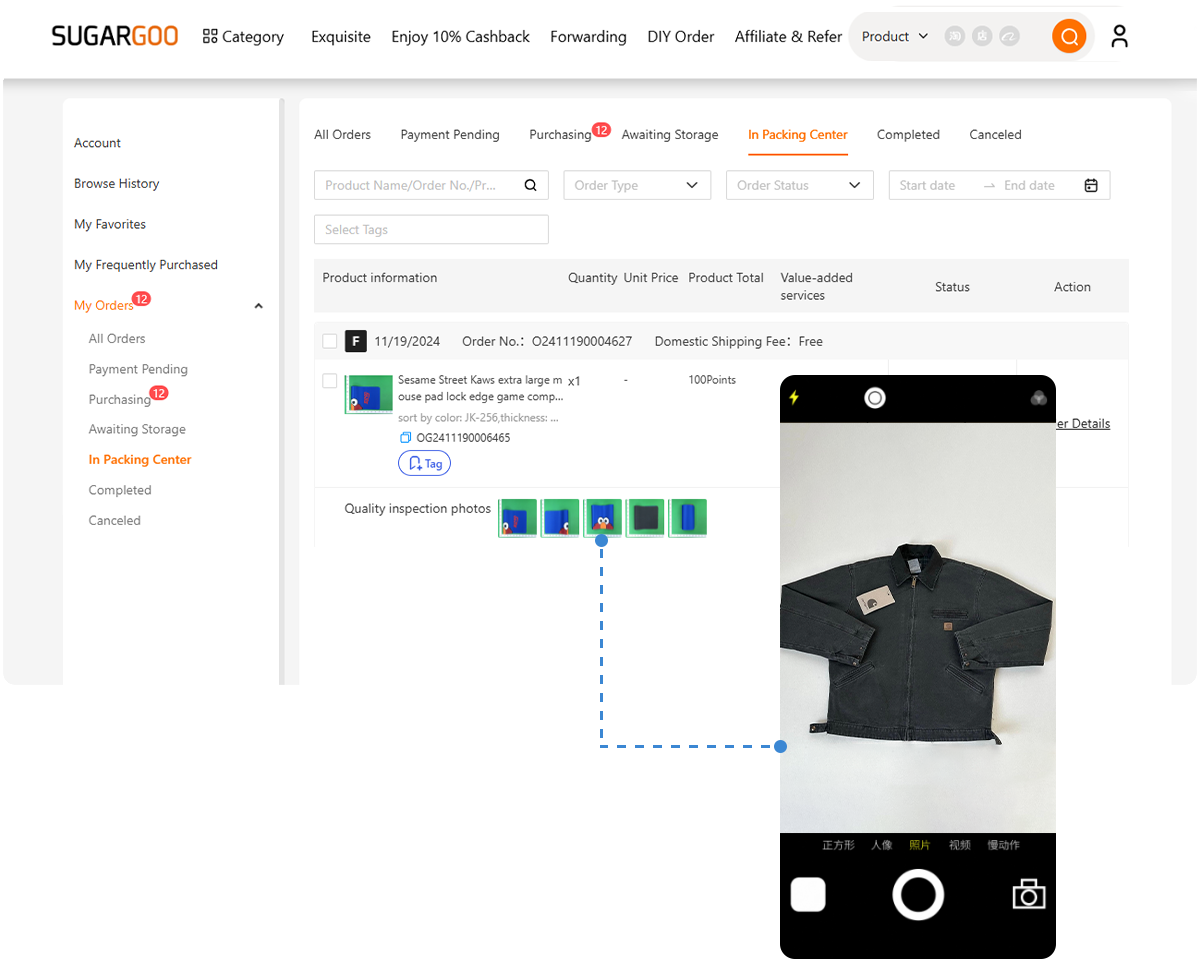
Some platforms also provide basic photos, so you can confirm the package arrived as expected. This step creates transparency and allows you to decide what to do next — consolidate, repack, or ship directly.
International Shipping Options
International shipping is the most visible service, but it’s also where many users get confused.
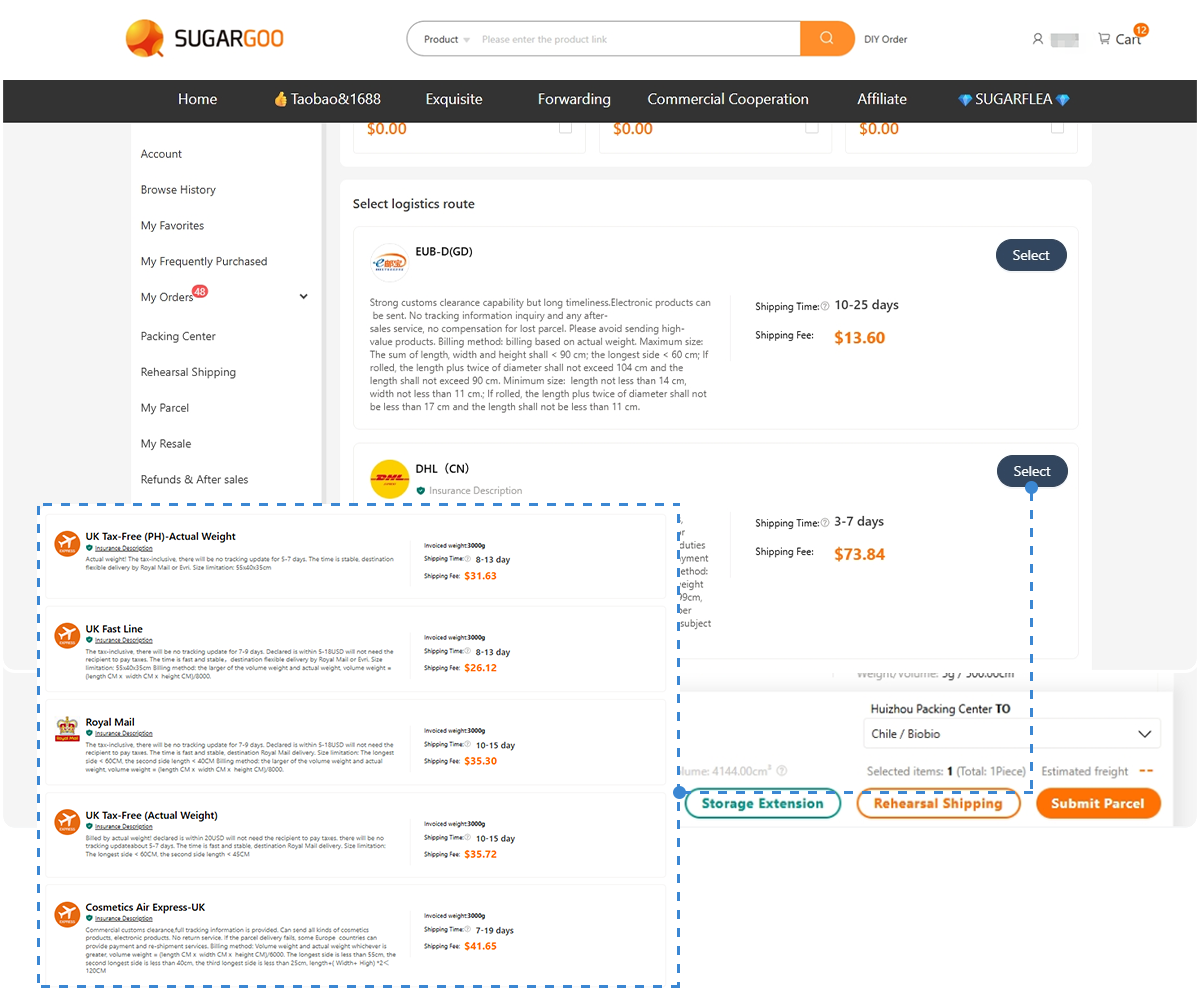
Most China forwarders offer multiple shipping lines, such as:
- Express couriers
- Dedicated international lines
- Air freight
- Sea freight
Different shipping lines work better for different needs. One might save time, another might save money, while some are simply more stable for customs clearance. Forwarders usually leave the decision to you.
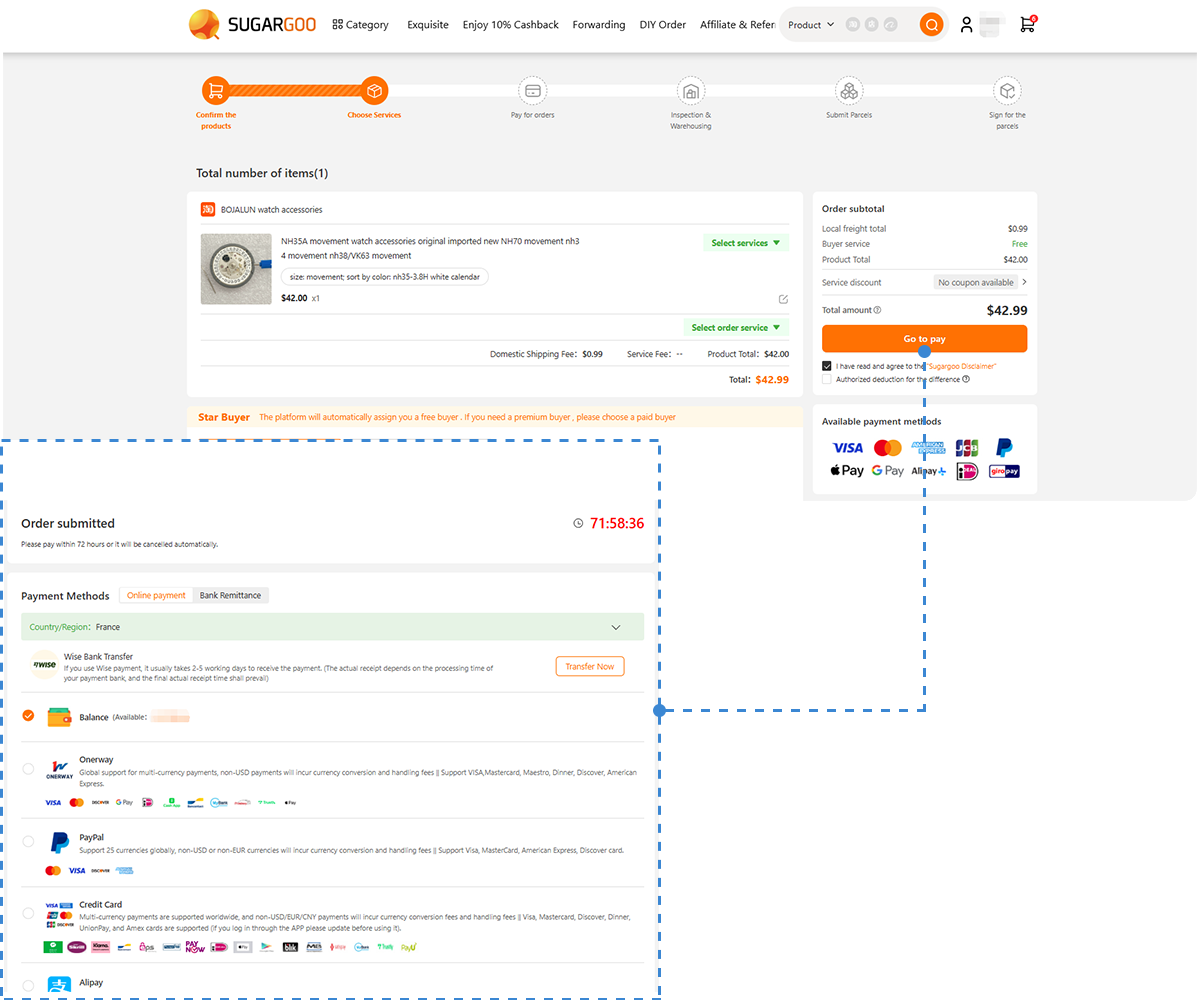
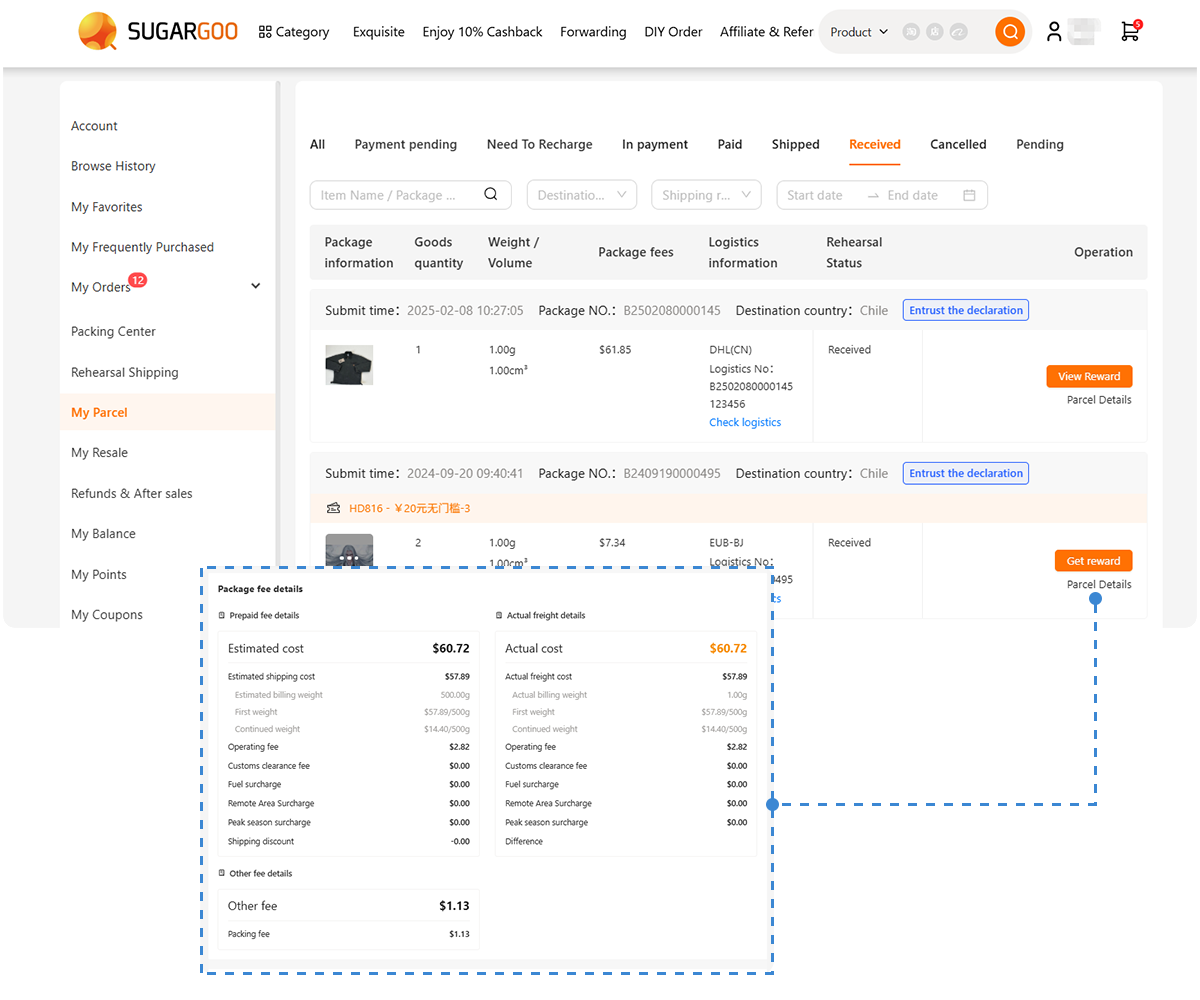
Because final weight and size aren’t known until the package reaches the warehouse, shipping costs are calculated later in the process instead of being shown clearly from the start.
Package Consolidation (One of the Most Used Services)
If you order from multiple sellers, consolidation becomes essential.
Package consolidation means:
- Combining several packages into one shipment
- Reducing repeated packaging
- Lowering overall international shipping costs
Most experienced buyers rely on this service, especially when ordering clothing, accessories, or small household items.
Not all forwarders handle consolidation equally well, so this is often where service quality starts to matter.
Repacking and Packaging Optimization
Many original packages from Chinese sellers are bulky or poorly packed for international shipping.
To address this, most forwarders offer repacking services, which may include:
- Removing unnecessary boxes
- Replacing weak packaging
- Reducing volumetric weight
Repacking can significantly lower shipping costs and reduce damage risk, especially for lightweight but large items.
Package Reinforcement for Fragile Items
For shoes, electronics, collectibles, or fragile goods, reinforcement is often recommended.
Typical reinforcement options include:
- Extra bubble wrap
- Double-boxing
- Corner protection
- Shock-resistant materials
This service is usually optional and paid, but for certain items, it can be worth the added cost.
Basic Quality Inspection and Photos
Many forwarders provide basic inspection services, though expectations should stay realistic.
Usually, this includes:
- Checking visible damage
- Confirming quantity
- Taking photos for buyer review
It does not replace factory-level quality control, but it helps catch obvious issues before shipping internationally — when returns become expensive or impossible.
Restricted Item and Shipping Compliance Checks
Another overlooked service is restriction screening.
Forwarders often:
- Flag items that may be restricted or prohibited
- Suggest alternative shipping lines
- Warn about customs risks
This doesn’t guarantee customs clearance, but it reduces the chances of preventable shipping problems.
Shipping Cost Estimation and Calculators
Many platforms provide shipping calculators to estimate costs before shipping.
These tools typically consider:
- Weight vs. volumetric weight
- Destination country
- Selected shipping method
While estimates aren’t always exact, they help buyers compare options and avoid surprises.
Insurance and After-Sales Support
Some forwarders offer shipping insurance and post-shipment support.
This may cover:
- Package loss
- Severe damage
- Limited compensation for delays
Support quality varies by platform, but having a structured after-sales process adds a layer of protection for international buyers.
Forwarder vs Buying Agent: Where Services Start to Overlap
Not all forwarders stop at logistics.
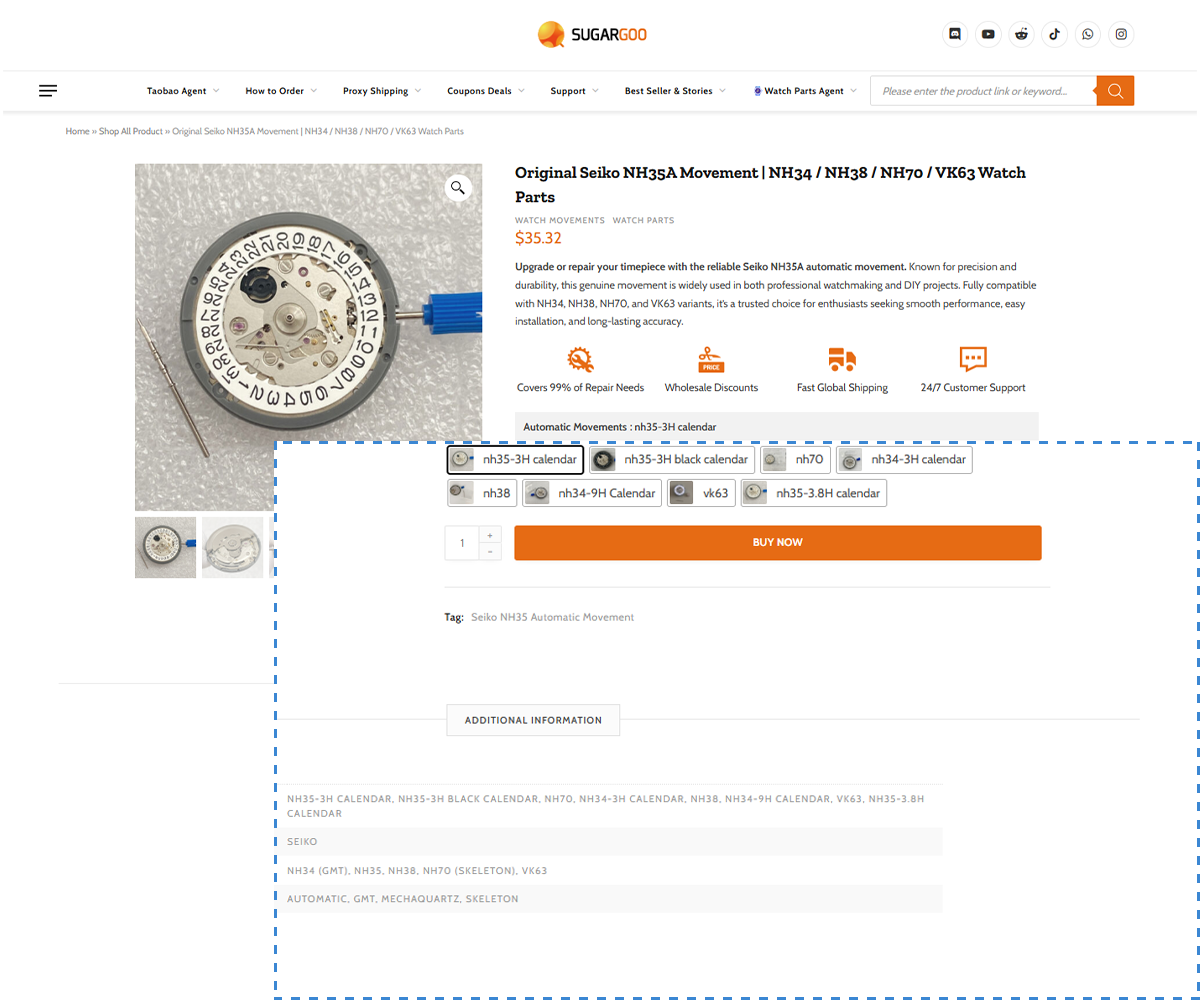
Some platforms also provide buying agent services, helping users purchase items directly by submitting product links. This is especially useful for buyers who:
- Don’t speak Chinese
- Can’t use local payment methods
- Want assisted purchasing
In these cases, forwarding and buying services are combined into one workflow.
A Final Word: Not All China Forwarders Offer the Same Experience
Most China forwarders cover the same core services: receiving, storing, consolidating, and shipping. The real difference lies in execution — system transparency, packing quality, support, and flexibility.
Platforms like Sugargoo combineforwardingand buying agent services, offering features such as package consolidation, quality inspection, reinforced packaging, multiple international shipping lines, and optional logistics insurance — all within a single platform.
For overseas buyers, understanding what services are standard — and which ones actually matter — makes choosing a forwarder much easier.