

A lot of people discover Tmall while searching for Chinese products, then immediately hit the same problem: how are you actually supposed to use this site if you don’t read Chinese?
The platform itself isn’t particularly difficult, but it was clearly built for domestic users first. That becomes obvious pretty quickly—navigation menus in Chinese, search results that don’t behave well with English keywords, payment setups that may reject overseas cards, and sellers who often assume delivery within mainland China.
Even with those limitations, some shoppers still prefer Tmall—mainly when they’d rather buy from recognizable brand storefronts instead of sorting through countless marketplace sellers.
If the platform feels unfamiliar, comparing it with Taobao usually makes the differences much easier to understand.
Tmall vs Taobao: What’s the Difference?
Although both sit under Alibaba, they don’t feel identical once you start shopping.
Taobao is broader, messier, and often cheaper. You’ll find countless small merchants, independent sellers, niche stores, and products that range from genuinely useful to completely bizarre.
Tmall is more curated.
Many storefronts are official flagship shops or larger merchants operating with a more standardized setup. That’s one reason shoppers often associate Tmall with stronger trust signals, especially when buying branded products like skincare, sneakers, electronics accessories, or fashion.
The tradeoff is fairly obvious: more confidence, but not always the absolute lowest prices.
Is There a Tmall English Version?
Not really—not a full one.
You might see partial translations depending on your browser, but Tmall does not offer a polished English shopping experience the way some international marketplaces do.
That means you’ll likely be relying on translation tools most of the time.
Chrome’s built-in translation works reasonably well for desktop browsing. Edge does a similar job. On mobile, screenshot translation or tools like Google Lens can help when product details refuse to translate properly.
This solves part of the problem, though not all of it.
Navigation becomes easier. Product nuance is another story.
Fabric descriptions, specifications, promotional mechanics, variant names, or sizing notes can still come out strangely.
Searching Tmall in English Usually Leads to Bad Results
This catches first-time users off guard.
Even if the page itself gets translated, Tmall search still behaves like a Chinese ecommerce platform—which means English product terms often perform poorly.
A search for “keyboard” may return incomplete or irrelevant listings compared with using 键盘.
Same with categories like:
| English | Chinese |
| sneakers | 运动鞋 |
| backpack | 双肩包 |
| skincare | 护肤 |
| phone case | 手机壳 |
If you don’t know Chinese, translating product keywords before searching is usually the easiest fix.
It sounds minor, but it makes a noticeable difference.
Buying Directly from Tmall Can Get Annoying
Browsing is one thing. Checkout is where people usually get frustrated.
Some common issues:
your card doesn’t go through.
the seller only supports domestic shipping.
checkout expects a Chinese address.
account verification becomes awkward.
parts of the payment flow stay untranslated.
Not every shopper runs into all of these, but even one or two can make the process feel more trouble than it’s worth.
That’s one reason many overseas buyers don’t purchase directly.
A Simpler Option for International Buyers
If your goal is simply getting the product rather than figuring out the entire domestic shopping flow, using a purchasing agent is often easier.
WithSugargoo, the process is much less complicated.
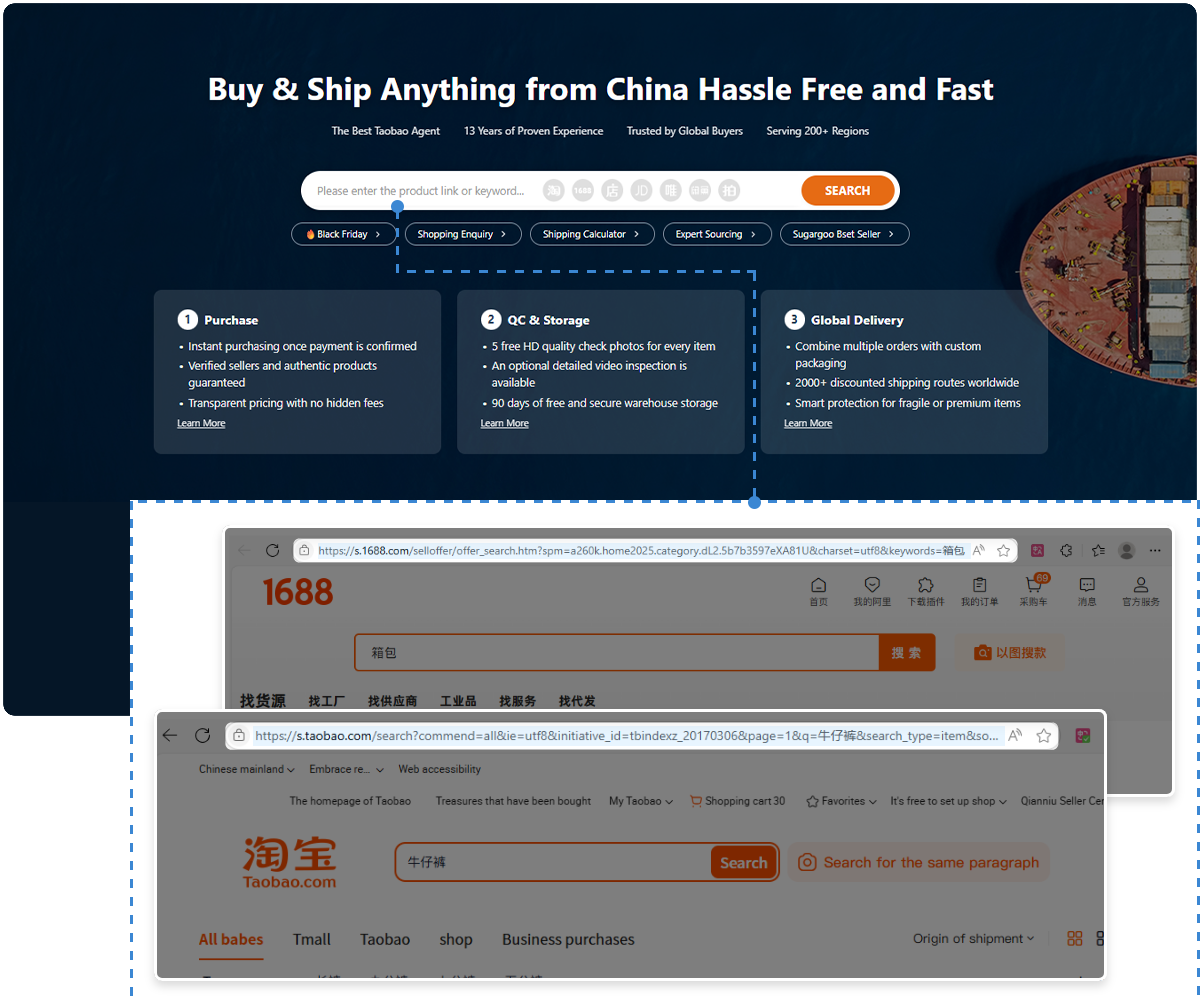
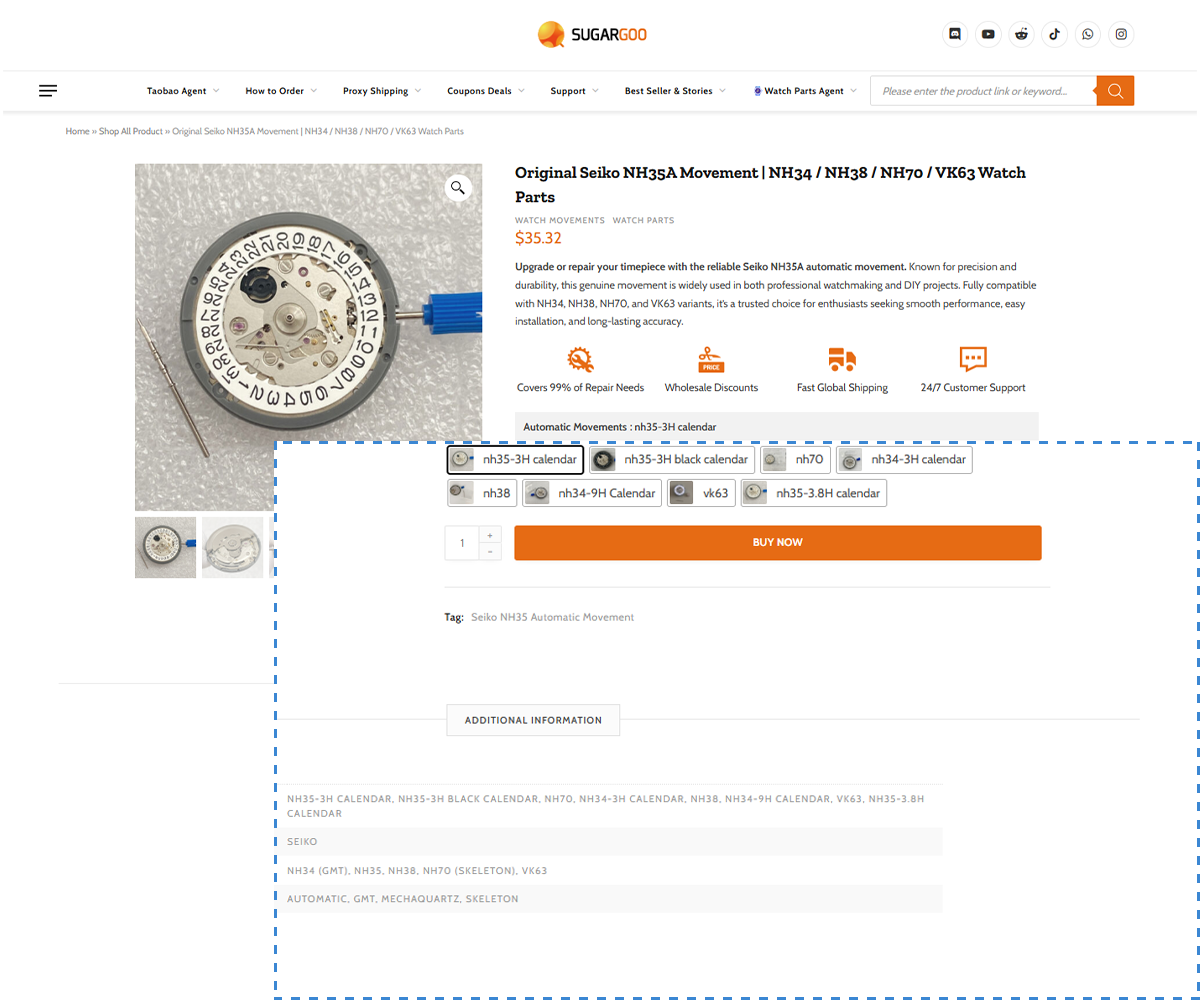
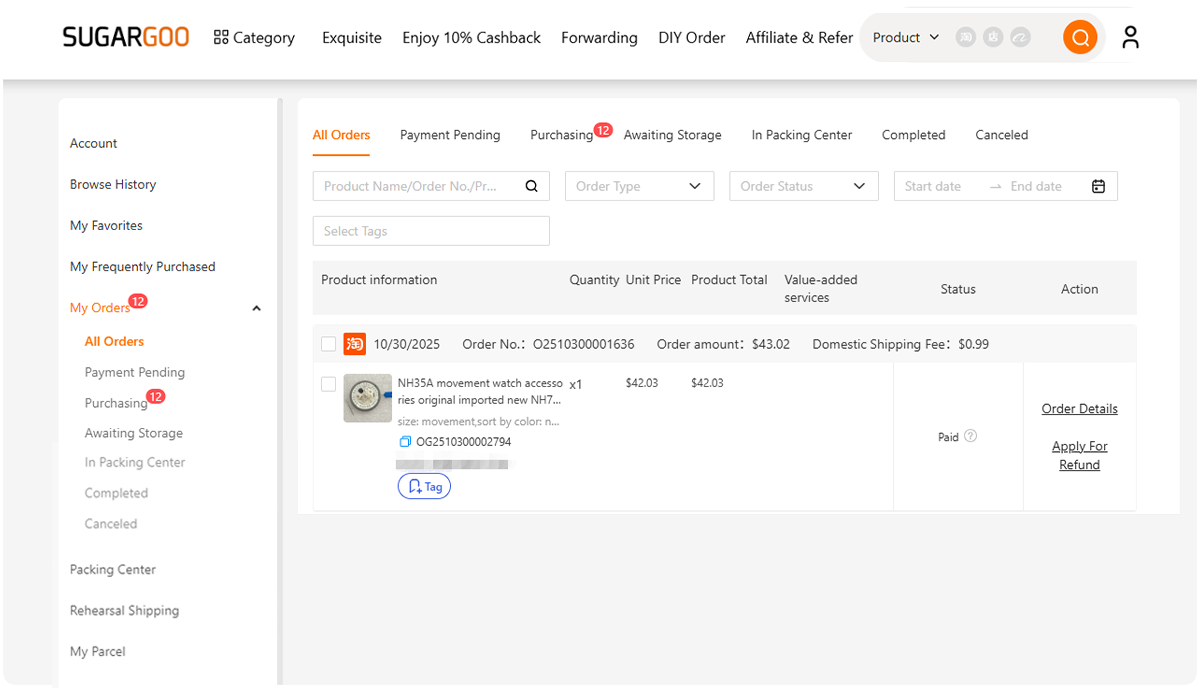
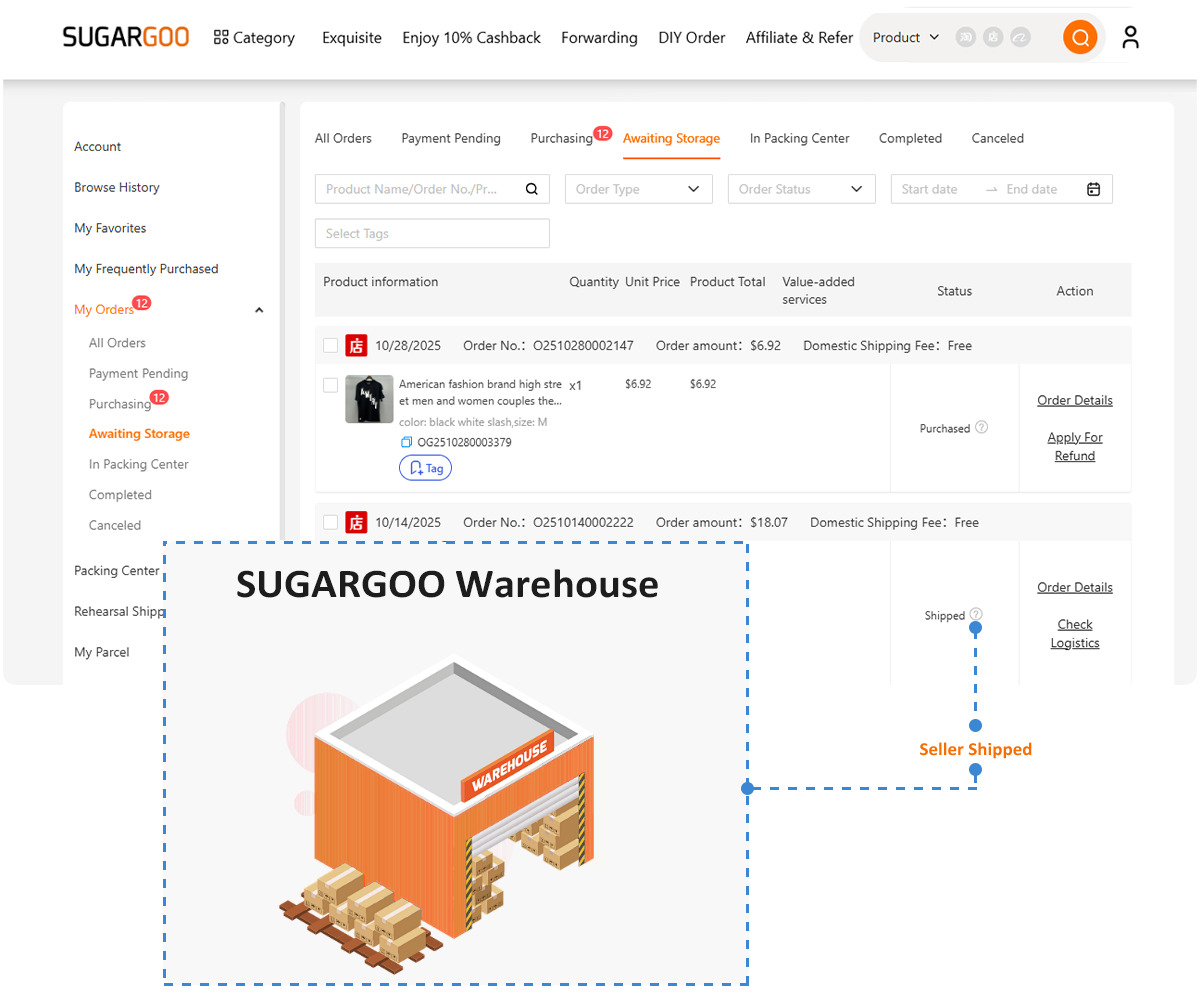
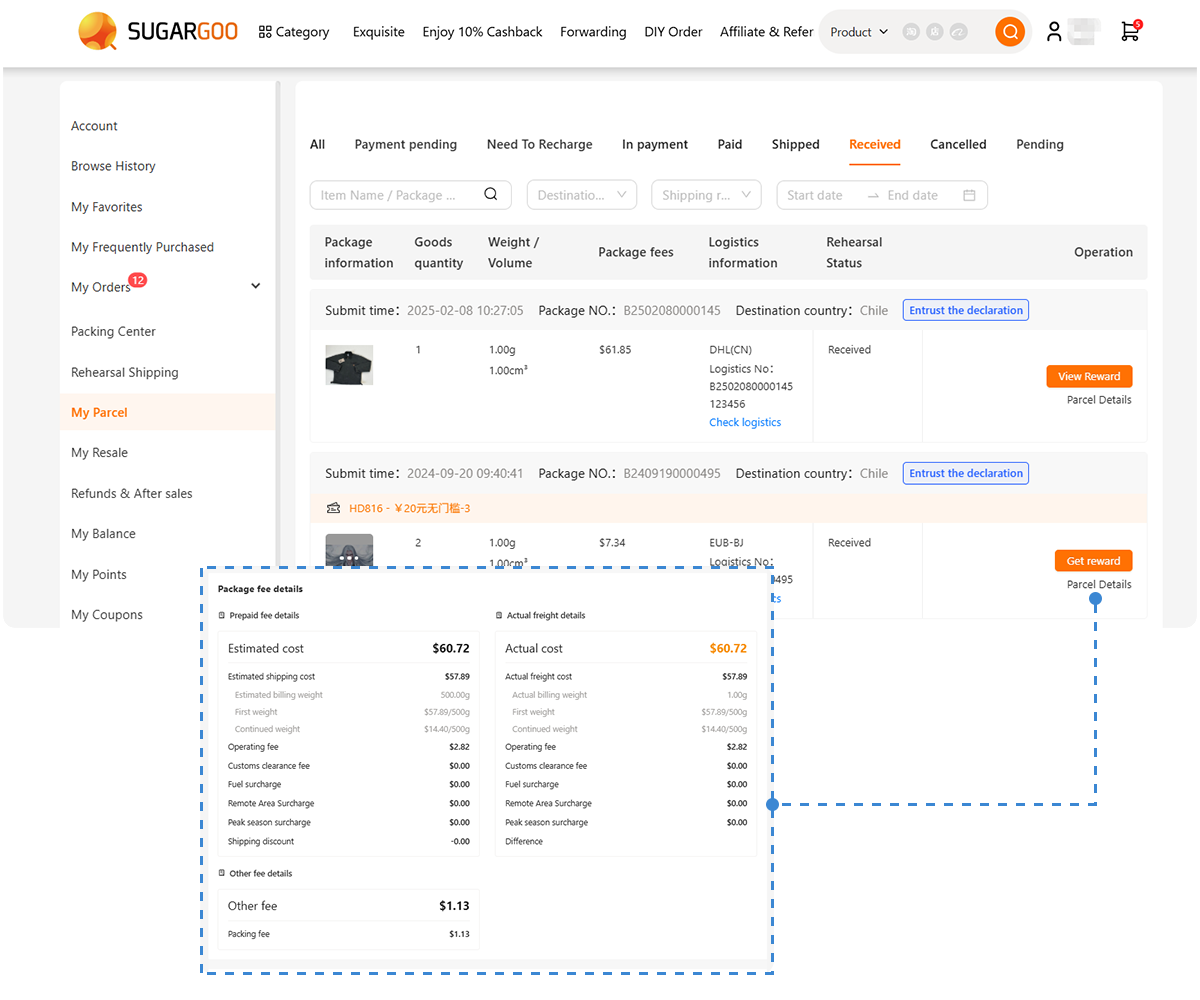
Instead of dealing with Chinese checkout yourself, you can copy the Tmall product linkand submit it. Their purchasing team handles the buying process, while you manage the order through an interface built for international users.
That also means practical conveniences like:
- English product details
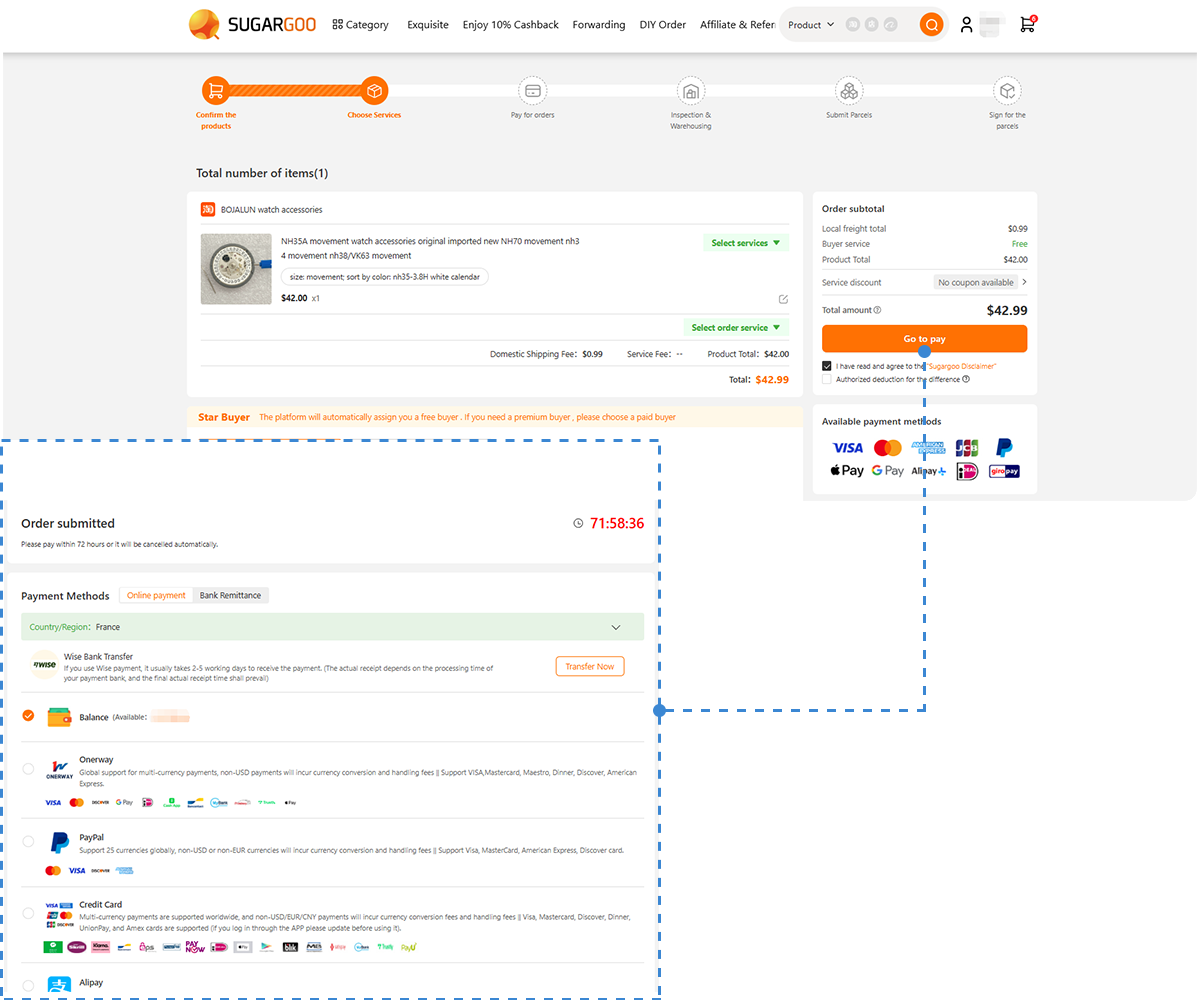
- international payment options
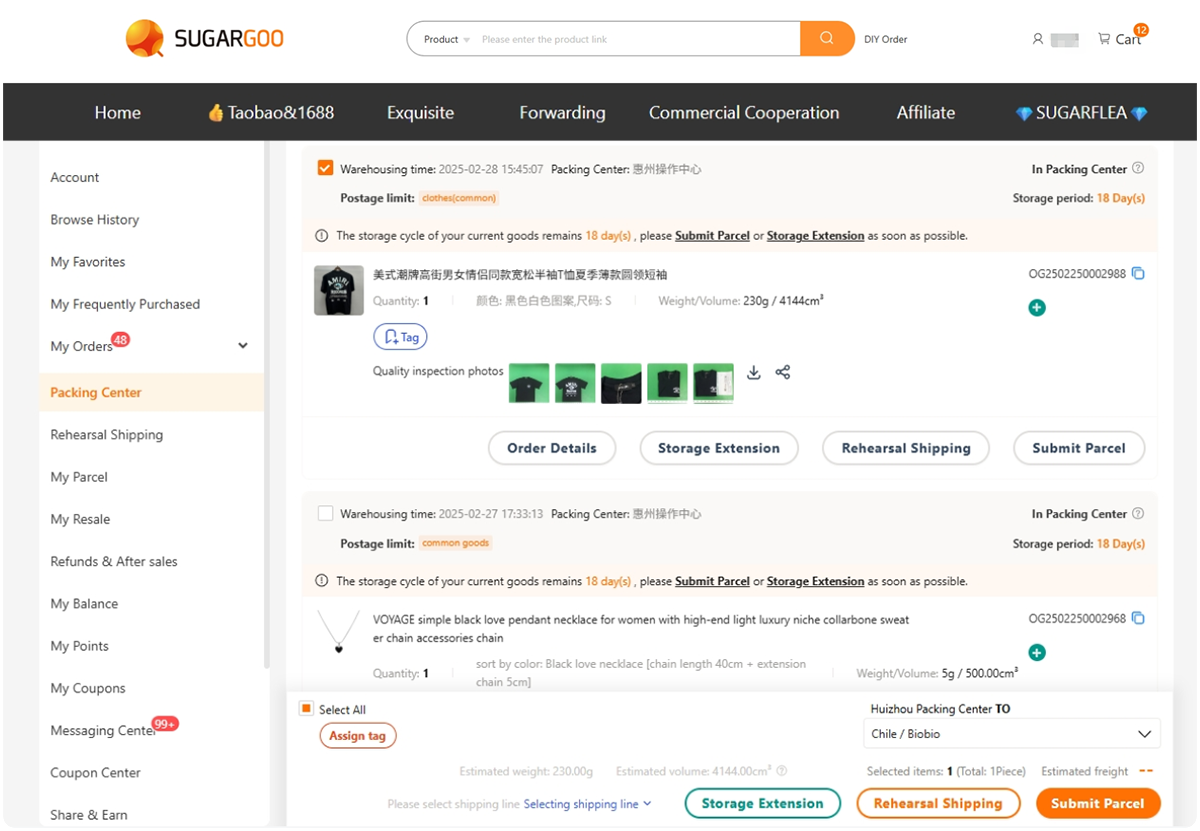
- warehouse storage
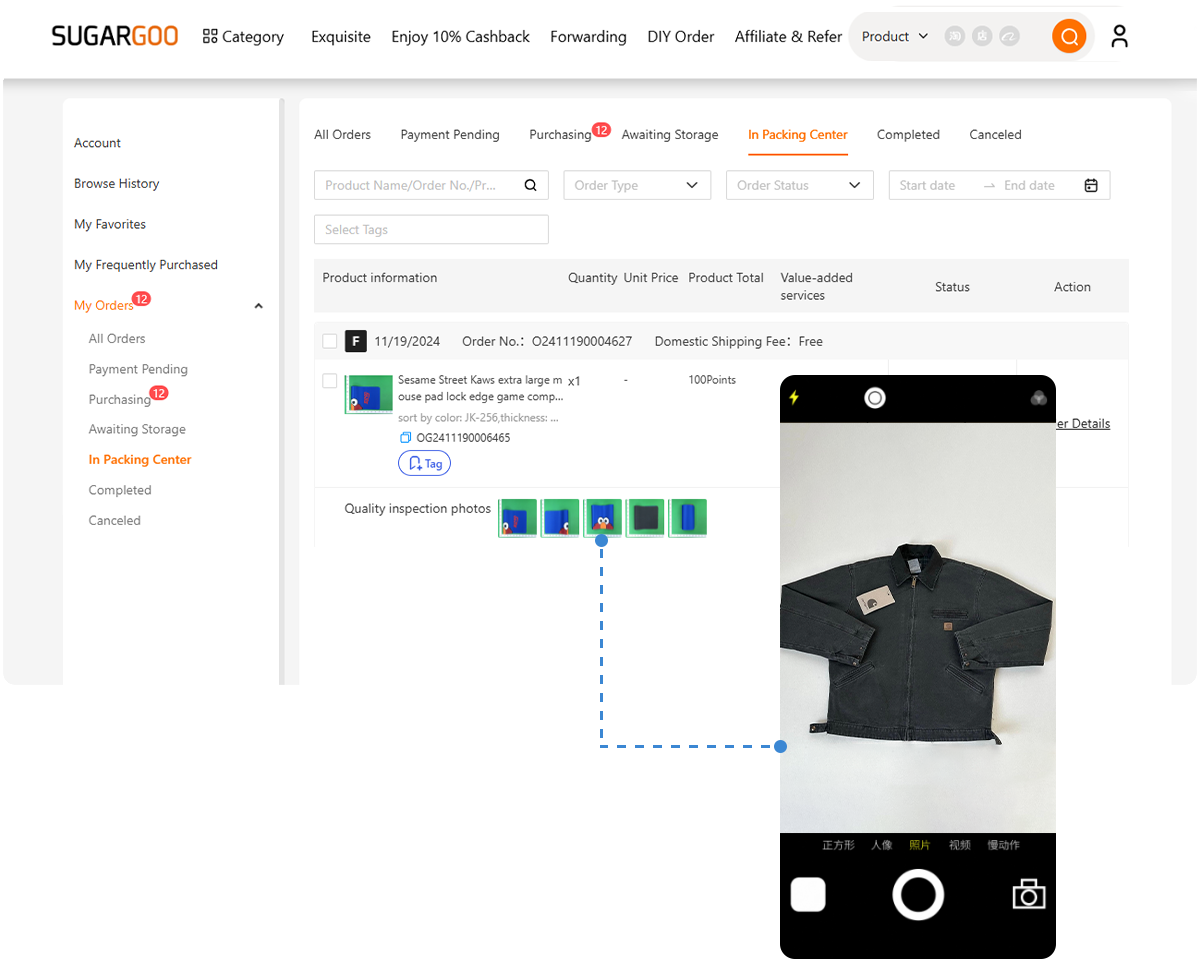
- QC inspection photos
- parcel consolidation
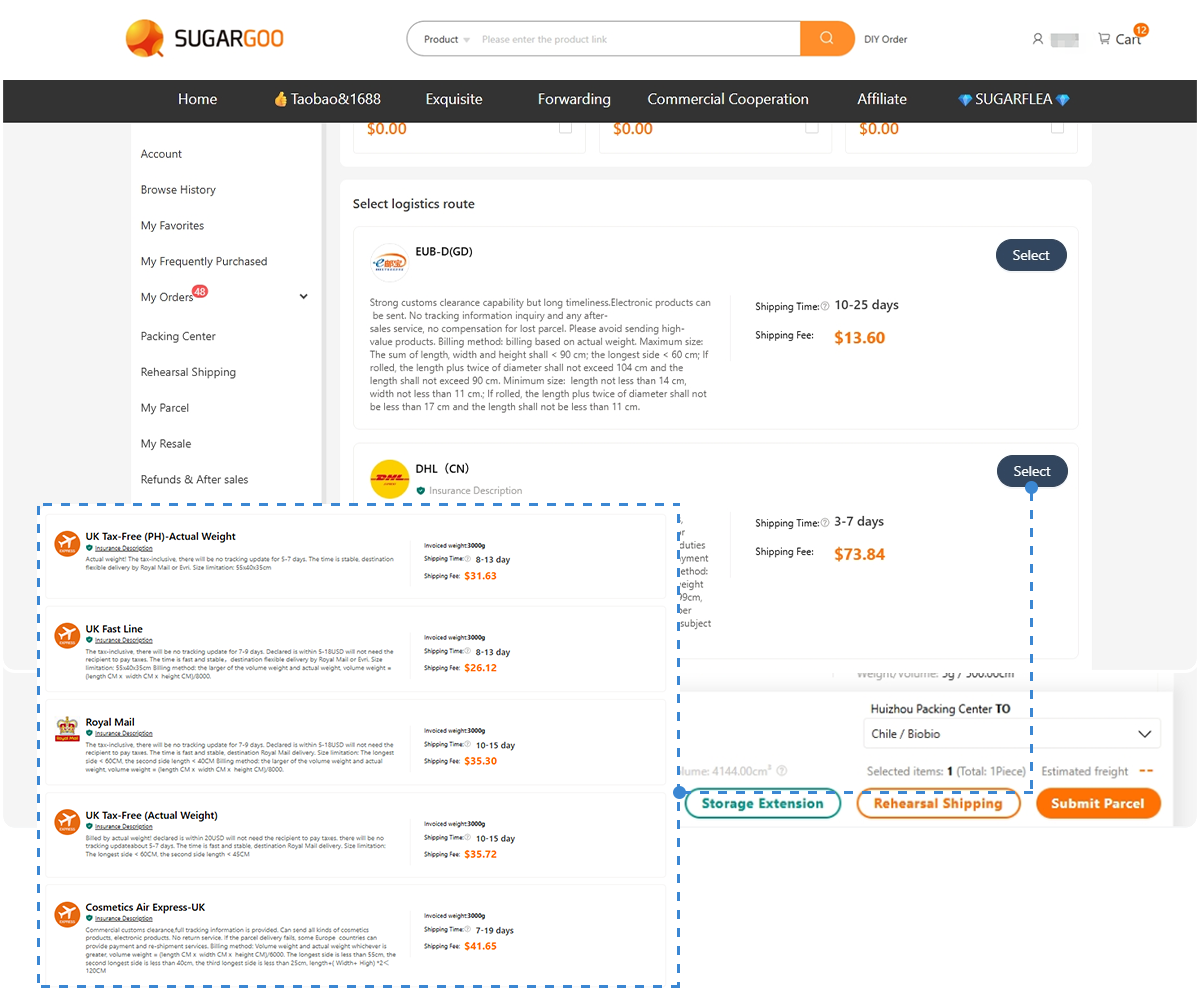
- multiple shipping routes depending on destination
For someone placing occasional overseas orders, that workflow is usually far less painful.
What Tmall Is Actually Good For
Not every product category makes equal sense.
Tmall tends to be most appealing when authenticity matters more than bargain hunting.
Beauty products are a common example, especially when buying from official flagship stores.
Branded fashion can also make sense.
Sneakers, accessories, electronics add-ons, and smaller lifestyle products are generally easier to justify because shipping remains manageable.
Large furniture? Probably not.
Heavy appliances? Usually not ideal.
Something that looks cheap at checkout can stop looking cheap once international shipping enters the equation.
So, Is Tmall Worth Using?
For browsing? Yes.
Tmall gives overseas shoppers access to a lot of products that may be harder to find elsewhere, particularly from official Chinese brand stores.
The friction comes from the fact that the platform was never really designed around international convenience.
If you’re comfortable navigating translated Chinese shopping sites, you may be fine.
If not, using an agent is usually the faster route between “I found this product” and “it’s actually on the way to me.”