
I used to think sizing was the easiest part of shopping online.
Pick your usual size, maybe check a review or two, and that’s it.
That logic worked fine… until I started buying clothes from Taobao.
The first hoodie I ordered looked perfect in the photos. Clean fit, slightly oversized — exactly what I wanted. I chose my usual size without thinking too much about it.
When it arrived, it technically fit. But not in the way I expected.
The sleeves felt shorter. The chest was tighter. The overall silhouette just looked… off.
That was when I realized something important:
👉 Asian sizing doesn’t translate directly to US sizing.
And more importantly:
👉 A conversion chart alone won’t save you.
If you’ve had similar experiences (or want to avoid them), this guide will walk you through how Asian sizes compare to US sizes — and how to actually choose the right fit when shopping on Taobao.
Why Asian Sizes Are Smaller Than US Sizes
Before jumping into charts, it helps to understand why there’s a difference in the first place.
Different Body Standards
Clothing brands design around their target market.
In general:
- Asian sizing assumes a slimmer build and shorter height
- US sizing is designed with broader frames in mind
So even if two items are both labeled “M,” they’re built for different body types.
Fit Preferences
There’s also a style difference.
- Many Asian brands lean toward slim or tailored fits
- US brands often favor looser or relaxed silhouettes
That means an Asian “L” might still feel more fitted than a US “M.”
No Universal Standard on Taobao
This is where things get tricky.
On Taobao:
- Each seller defines their own sizing
- There’s no enforced standard
- The same “XL” can vary significantly between shops
👉 In other words, labels like S/M/L are more like suggestions than rules.
Asian Size to US Size Conversion Chart (General Reference)
Here’s a basic conversion chart you can use as a starting point:
| Asian Size | US Men | US Women |
| S | XS | XXS–XS |
| M | S | XS–S |
| L | M | S–M |
| XL | L | M–L |
| XXL | XL | L–XL |
⚠️ Important: This is only a rough guide. It does not account for fit, fabric, or brand differences.
If you rely on this chart alone, you’re still guessing.
Why Conversion Charts Often Fail
This is the part most guides don’t explain clearly.
Even if you “convert correctly,” you can still end up with the wrong size.
Here’s why.
Size Charts Show Garment Measurements
When you see something like:
- 胸围 100cm (Bust 100 cm)
That usually refers to the clothing itself, not your body.
So if your chest is 100 cm, that shirt will likely feel tight.
👉 You need extra space (called ease) for comfort.
Translations Can Be Misleading
Auto-translation isn’t always reliable.
For example:
- “宽松” → might be translated as “loose,” but could just mean slightly relaxed
- “偏小” → means runs small, but often overlooked
If you rely on translated labels alone, you’re missing context.
Different Items Fit Differently
Sizing isn’t consistent across categories.
- Hoodies → more forgiving
- Jackets → often tighter in shoulders
- Pants → depend heavily on waist and rise
👉 That’s why one size doesn’t work across everything.
The Right Way to Choose Your Size on Taobao
After a few bad purchases, I stopped relying on size labels entirely.
Here’s what actually works.
Step 1: Measure Yourself (or Your Best-Fitting Clothes)
Instead of guessing, grab a measuring tape.
Key measurements:
- Chest
- Shoulder width
- Length
- Sleeve length
If you already have clothes that fit well, measure those instead — it’s often more accurate.
Step 2: Compare With the Product Size Chart
Every Taobao listing usually includes a chart in centimeters.
Match your measurements to the closest size.
But don’t stop there.
Step 3: Add Extra Room
This is where many people go wrong.
You should not match your exact body measurements.
General rule:
- T-shirts: +5–10 cm (chest)
- Hoodies: +8–12 cm
- Jackets: +10–15 cm
👉 This allowance makes a huge difference in how the item feels.
Category-Based Size Tips
Different items require slightly different strategies.
T-Shirts & Hoodies
- Usually safer to size up once
- Look at shoulder + chest together
- Oversized styles = more flexibility
Jackets & Outerwear
- Pay attention to shoulder width
- Asian jackets tend to run tighter
- If layering → definitely size up
Pants & Jeans
- Focus on waist (腰围)
- Check length (裤长) carefully
- Asian pants are often shorter
Real Experience: What Changed My Results
Once I started using measurements instead of guessing, things improved a lot.
But one more thing made a difference.
I began using a shopping agent.
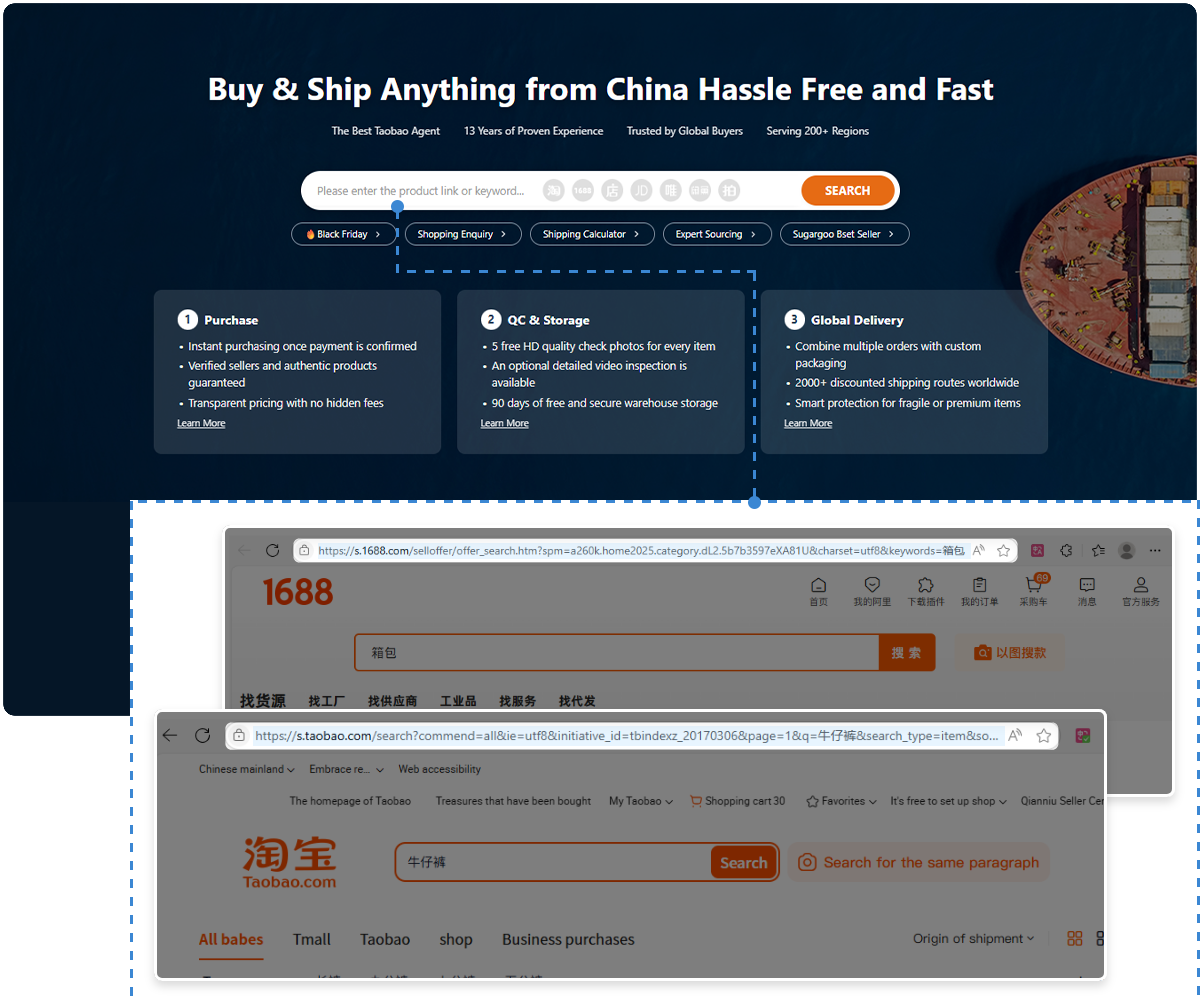
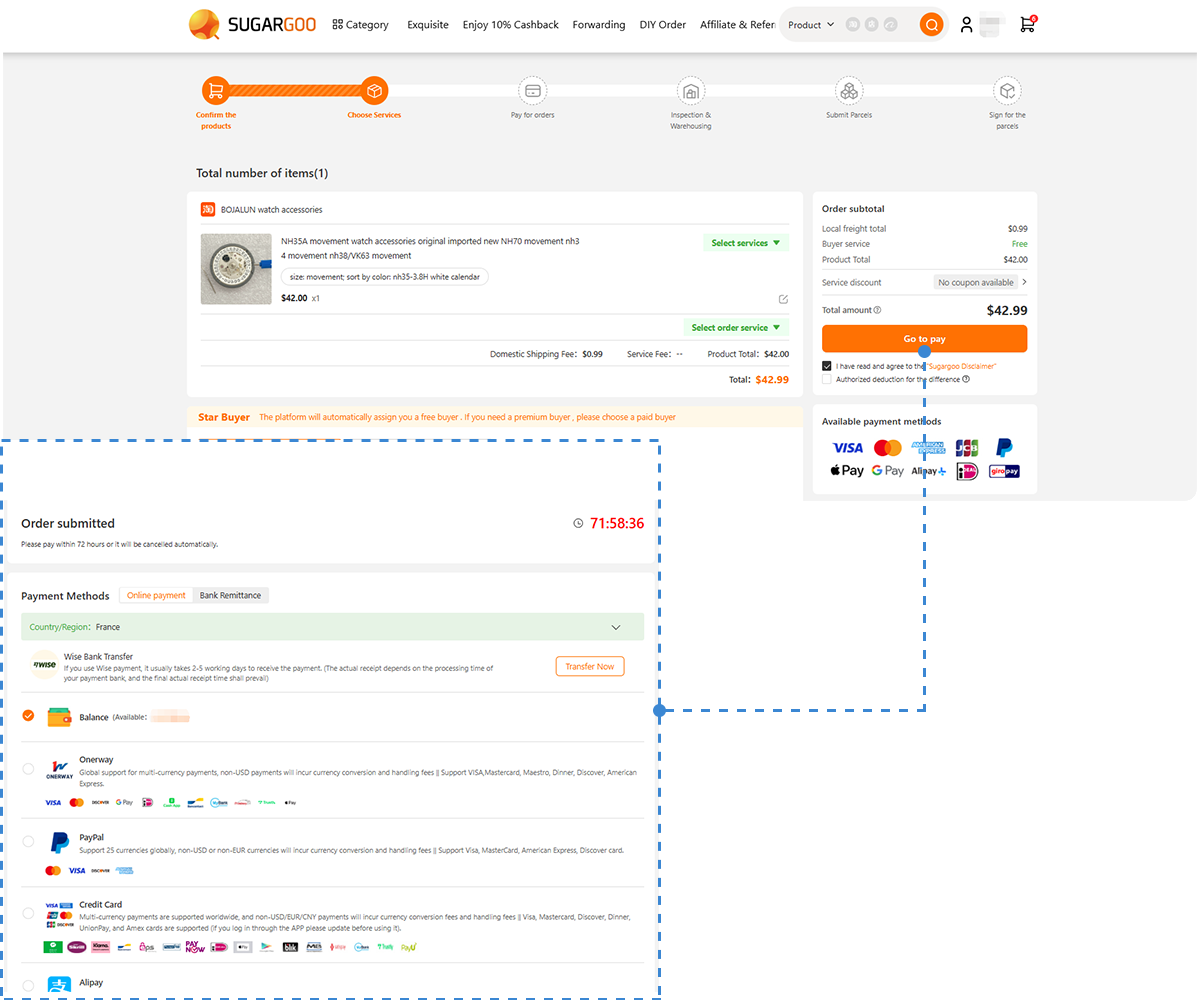
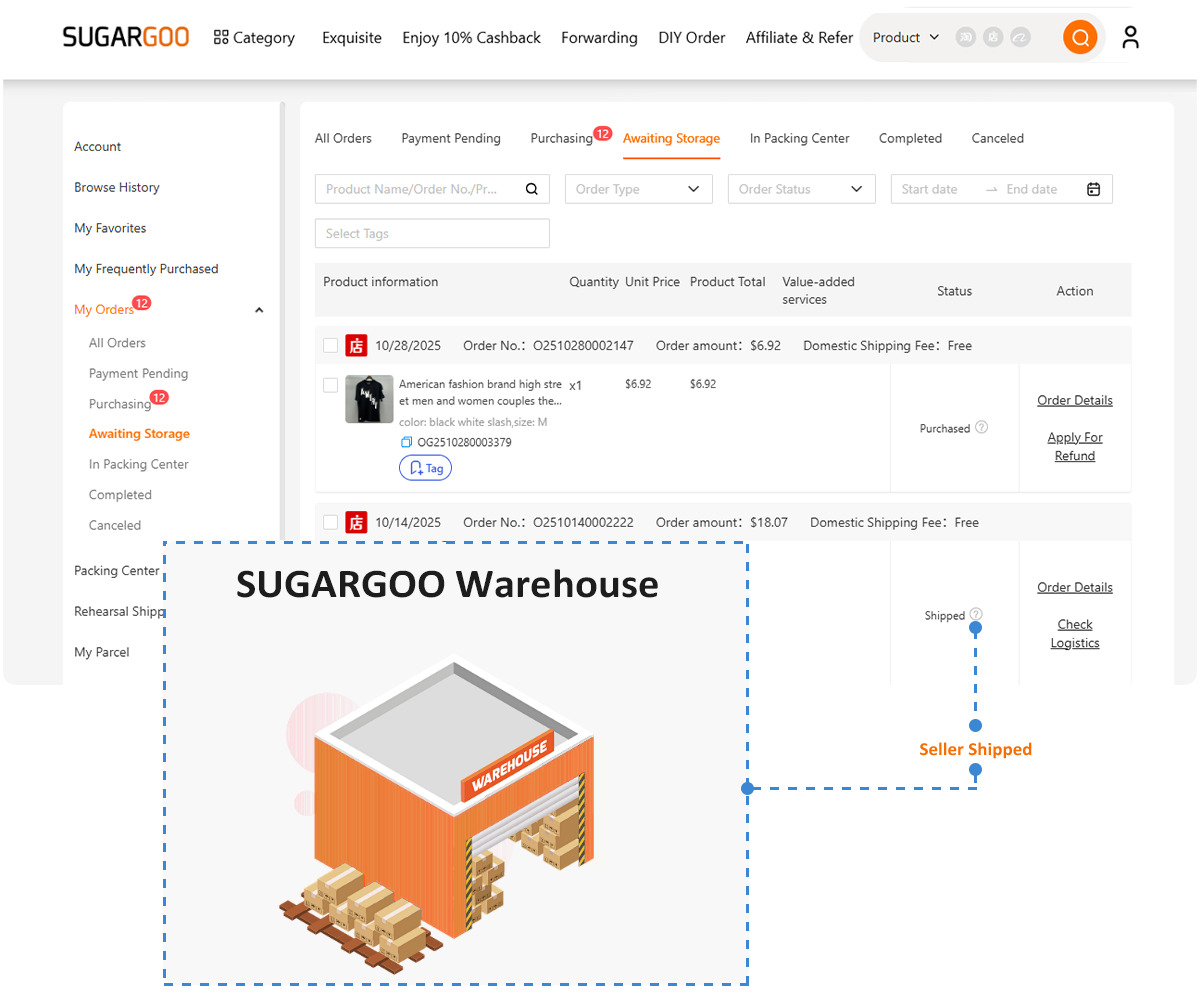
Platforms like Taobao don’t ship directly to many countries, so I tried using Sugargoo to handle orders.
What helped wasn’t just shipping — it was the extra visibility.
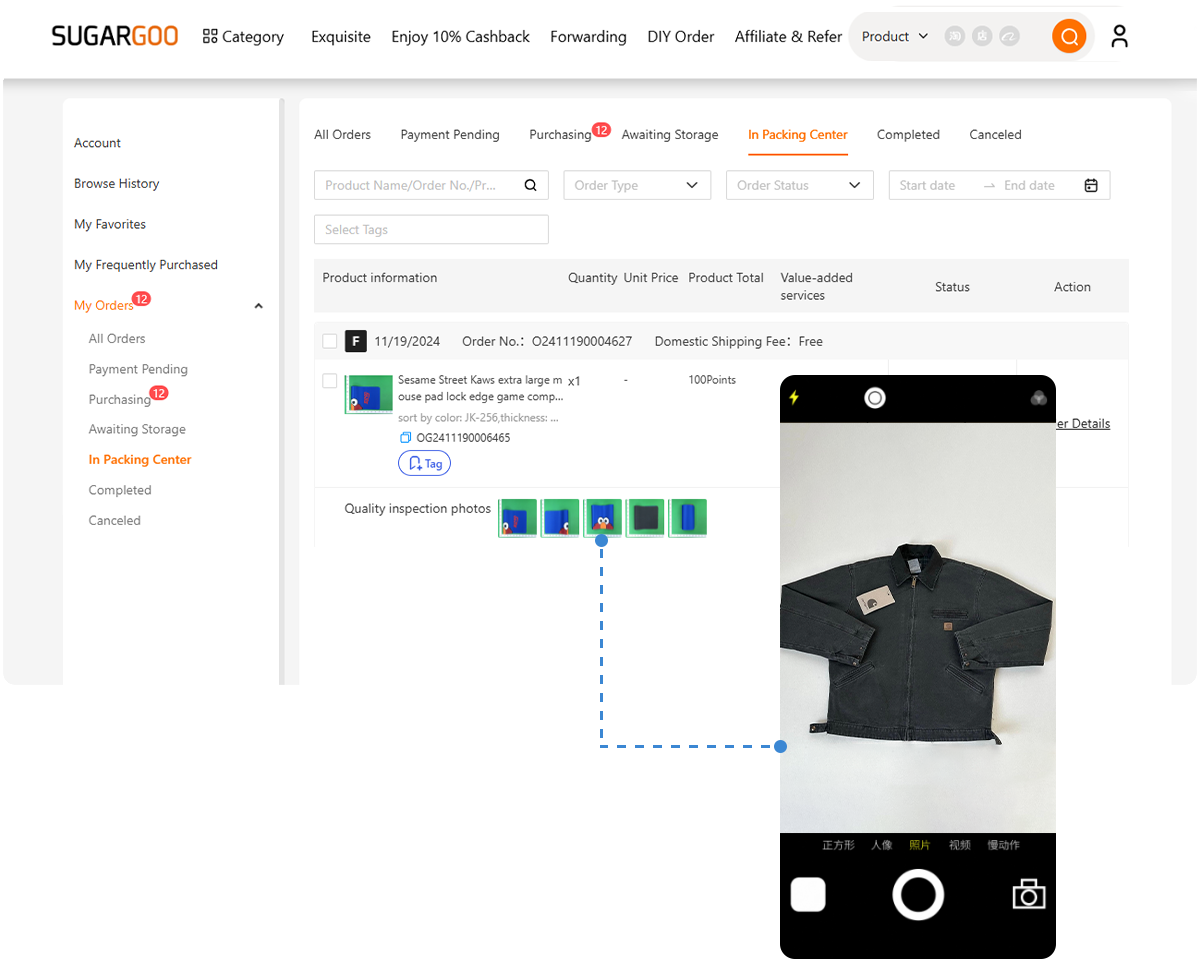
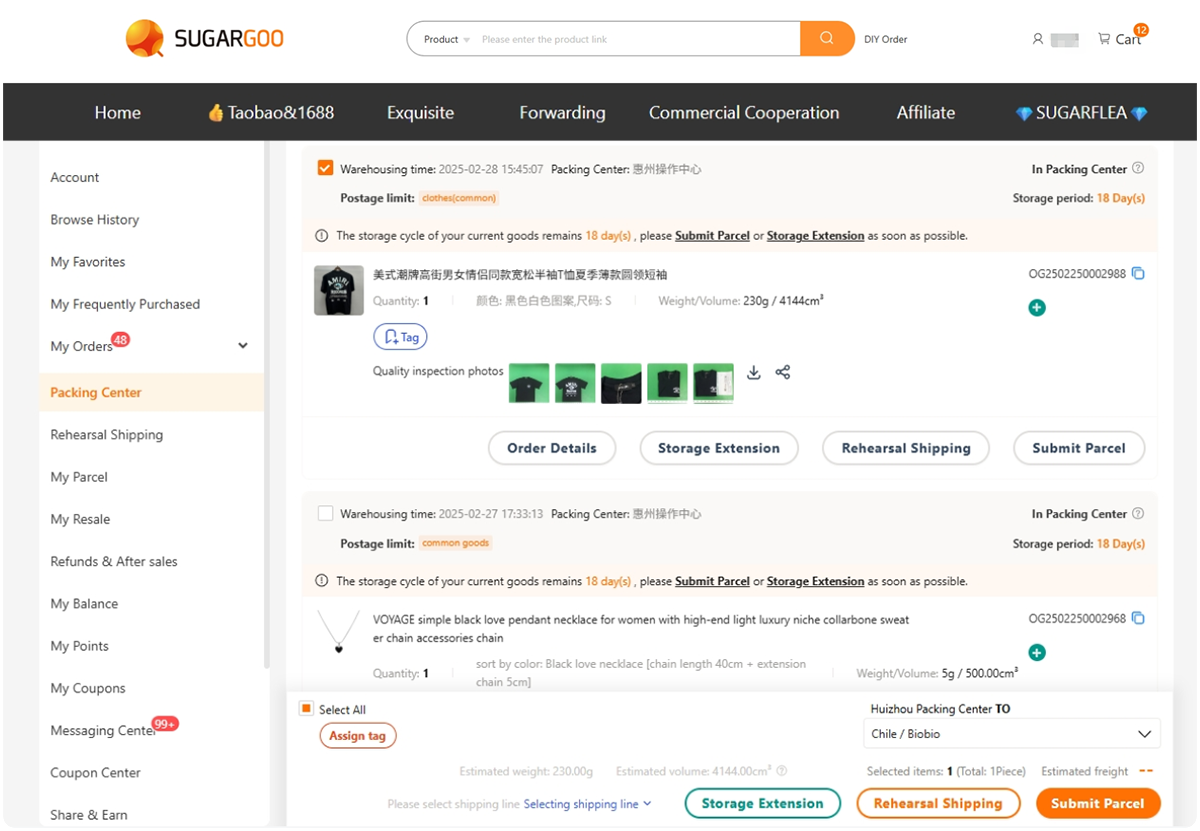
When items arrived at their warehouse, they provided inspection photos (QC photos).
That gave me a second chance to check:
- Fit proportions
- Length vs expectation
- Overall shape
I’ve caught sizing issues early because of that — especially when items looked different from the listing.
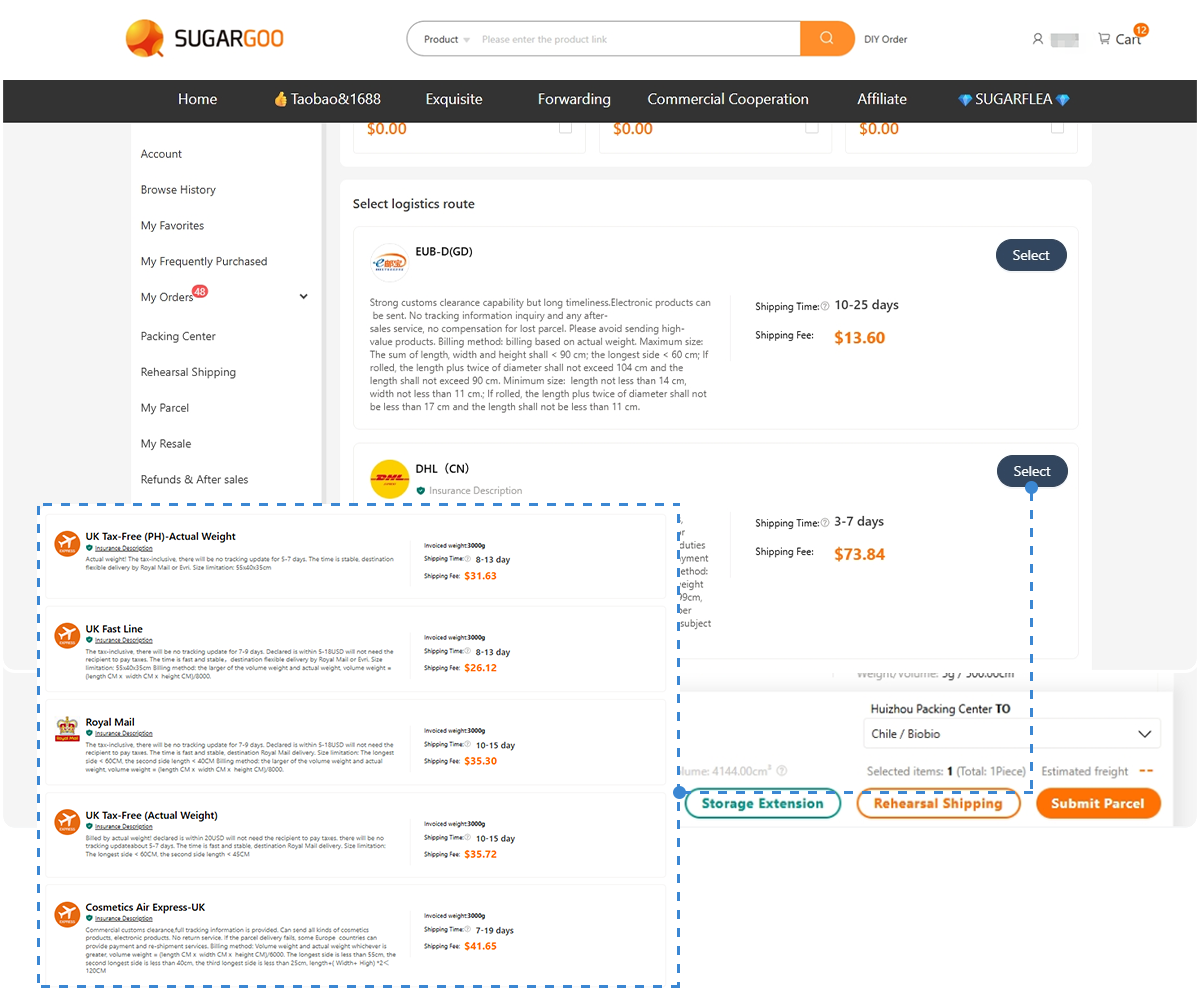
Another bonus is being able to combine multiple items into one package, which helps reduce shipping costs.
It’s not required, but if you buy from Taobao regularly, it does make the process smoother.
Common Sizing Mistakes to Avoid
If you want to save money (and frustration), avoid these:
- Choosing size based only on S/M/L
- Ignoring centimeter measurements
- Assuming all sellers use the same sizing
- Trusting auto-translation too much
- Not checking review photos
FAQ
Is Asian size always smaller than US size?
Most of the time, yes — but not always. It depends on the brand and fit.
Should I size up when buying from Taobao?
In many cases, yes. But measuring is more reliable than blindly sizing up.
What is Asian XL in US size?
Roughly US L — but always check measurements to be sure.
How do I read Taobao size charts?
Focus on key measurements like chest, shoulder, and length. Ignore labels and compare numbers instead.
Final Thoughts
If there’s one thing I wish I knew earlier, it’s this:
👉 Sizing on Taobao isn’t about conversion — it’s about comparison.
Conversion charts can give you a rough idea.
But the real accuracy comes from:
- Measuring properly
- Comparing numbers
- Allowing for fit
Once you switch to that approach, the whole experience becomes a lot more predictable.
And you’ll stop ending up with clothes that almost fit — but never quite right.