

My first experience with Weidian wasn’t particularly encouraging.
A friend had sent me a product link, and within a few minutes I was completely lost. The page was filled with Chinese text, the search bar didn’t seem very helpful, and most online tutorials skipped over the basics as if everyone already knew how Chinese shopping platforms worked.
I remember wondering whether the platform was even intended for people outside China.
Looking back, the problem wasn’t really the language. It was not knowing where to start.
Once I figured out a few simple ways to translate pages, search more effectively, and understand product listings, the platform became much easier to use than I had expected.
If you’re opening Weidian for the first time and feeling slightly overwhelmed, you’re probably having the same reaction I did. The good news is that the learning curve is much shorter than it appears.
What Is Weidian?
People often compare Weidian with Taobao because both are Chinese shopping platforms.
After using both, I don’t think they’re quite the same experience.
Taobao feels like a giant shopping mall where almost everything exists somewhere.
Weidian feels more like thousands of small stores standing next to each other.
One shop may only sell basketball jerseys.
Another focuses entirely on anime figures.
A third might specialize in sneakers.
That’s one reason collectors and hobby communities mention Weidian so often. Sometimes the item they’re recommending simply isn’t available on larger international marketplaces.
You don’t usually end up on Weidian because you’re looking for convenience.
You end up there because you’re looking for something specific.
Why Doesn’t Weidian Have an English Version?
I spent longer than I’d like to admit searching for a language switch.
There isn’t one.
At least not an official one.
Weidian was built for Chinese consumers first, so international users were never really the priority audience.
Fortunately, modern browsers solve most of the problem.
Google Chrome translates enough of the page that browsing becomes possible within minutes.
Is every translation accurate?
Definitely not.
But it’s usually accurate enough to understand what a product is, how much it costs, and whether the seller seems trustworthy.
For everyday shopping, that’s often all you need.
Step 1: Open Weidian in a Browser
My recommendation is simple.
Don’t start with the mobile app.
Start with a desktop browser.
The translation tools are better, product pages are easier to read, and comparing multiple listings becomes much less frustrating.
Once Chrome translates the page, ignore the fact that a few buttons remain untranslated.
That happens all the time.
Focus on the information that matters:
- Product title
- Price
- Photos
- Reviews
- Store information
Those five things will tell you most of what you need to know.
Step 2: Search for Products
This was probably the most confusing part for me.
I searched for products in English and kept getting inconsistent results.
Sometimes I found exactly what I wanted.
Sometimes the search results felt strangely limited.
Eventually I realized the problem wasn’t the platform.
It was my keywords.
Most sellers create listings for Chinese customers. Naturally, they use Chinese search terms.
A translated keyword often produces far more results than the English version.
For example, I once searched for a specific anime figure and thought there were only a handful of listings available.
After translating the product name into Chinese, I suddenly found pages of additional results.
That became a habit.
Whenever search results look too limited, I try the Chinese keyword before assuming the product doesn’t exist.
Step 3: Understand Product Listings
The first instinct is usually to start reading.
I do the opposite.
I look at photos first.
A product page might contain dozens of images showing close-up details, materials, packaging, and sizing references.
In many cases, those images answer questions faster than translated text.
After that, I check the available options.
This is where translation tools occasionally struggle.
Colors, sizes, and product variations don’t always translate perfectly.
If something seems unclear, I compare the option names with the product photos until they match.
It takes a little extra time, but it usually prevents mistakes later.
Customer Reviews Matter More Than Descriptions
One lesson I learned fairly quickly is that review photos are often more useful than the listing itself.
The seller wants the product to look perfect.
Customers usually don’t.
Their photos show what actually arrived.
Whenever I’m unsure about quality, I spend a few minutes scrolling through customer images before making any decision.
That habit has probably saved me more money than any translation tool.
Step 4: Check Seller Reputation
I don’t pay much attention to dramatic product descriptions anymore.
Every seller claims their products are excellent.
What interests me more is whether other buyers agree.
Before ordering, I usually look for signs that people have purchased from the store repeatedly.
Large numbers of reviews don’t automatically guarantee quality, but they provide more confidence than a brand-new shop with very little history.
It’s not a perfect system.
Still, it helps separate established sellers from stores that haven’t built much reputation yet.
Step 5: Understand Payment Limitations
Ironically, finding products is often easier than paying for them.
The first time I reached checkout, I discovered that many sellers expected payment methods commonly used inside China.
That’s where many international buyers get stuck.
The language barrier can usually be solved with translation tools.
Payment is harder to solve if you don’t have access to Chinese services.
This is one reason overseas shoppers often stop trying to purchase directly.
Not because they can’t find products.
Because completing the transaction becomes complicated.
Step 6: Use a Shopping Agent
Most international buyers eventually arrive at the same solution.
They use a shopping agent.
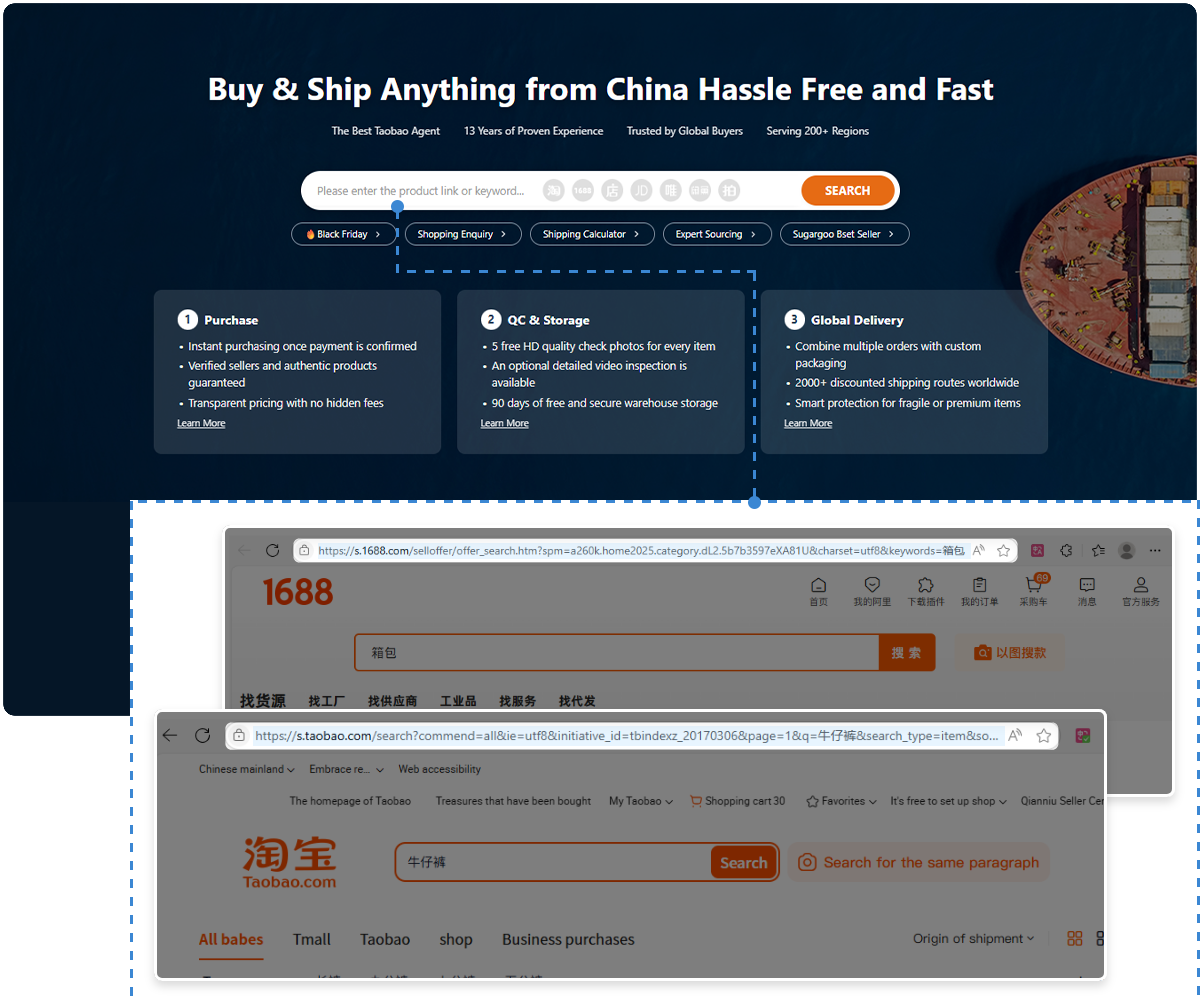
Instead of figuring out Chinese payment systems, they simply copy the Weidian product link and let the agent handle the domestic purchase.
The process is surprisingly straightforward.
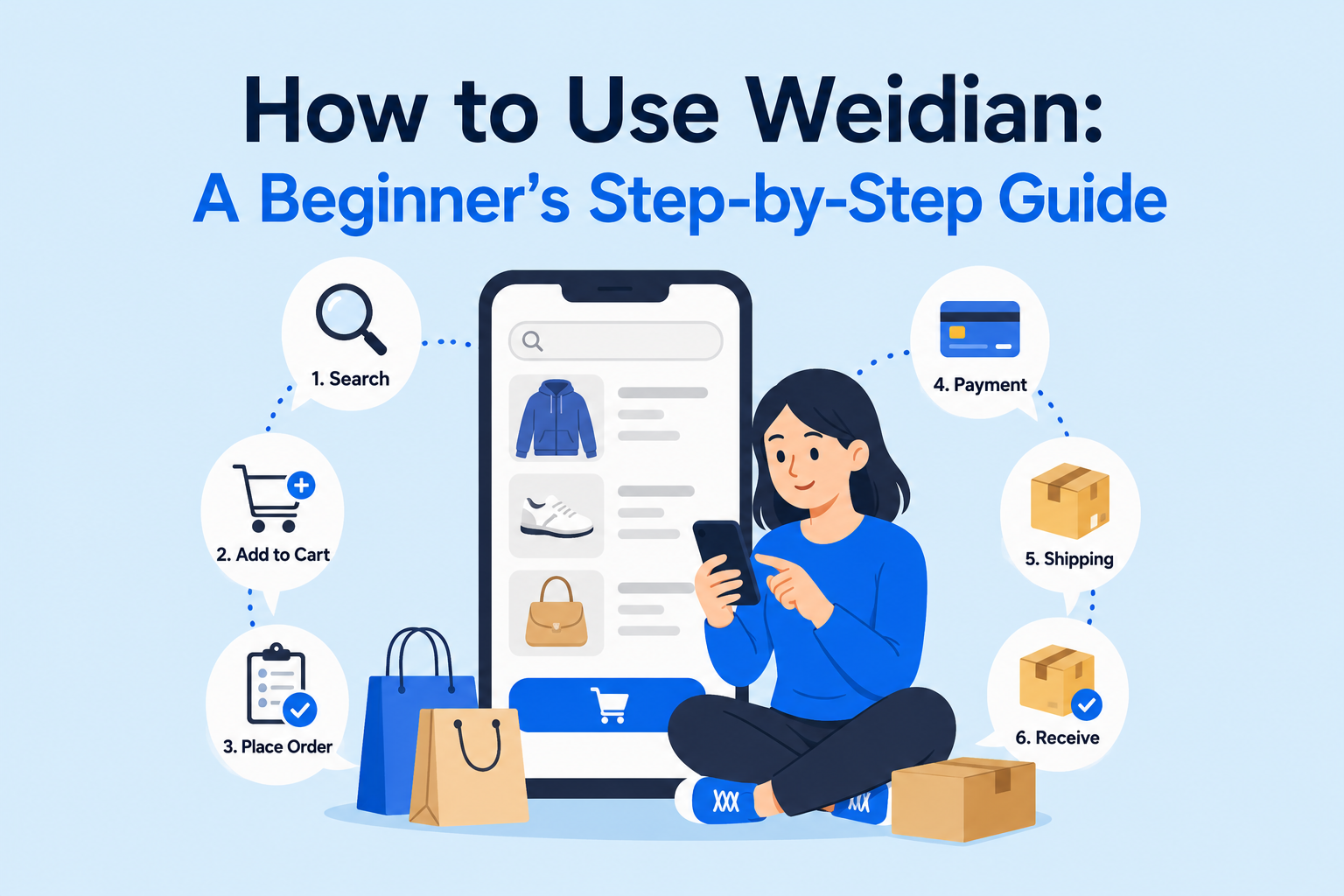
Find a product.
Copy the link.
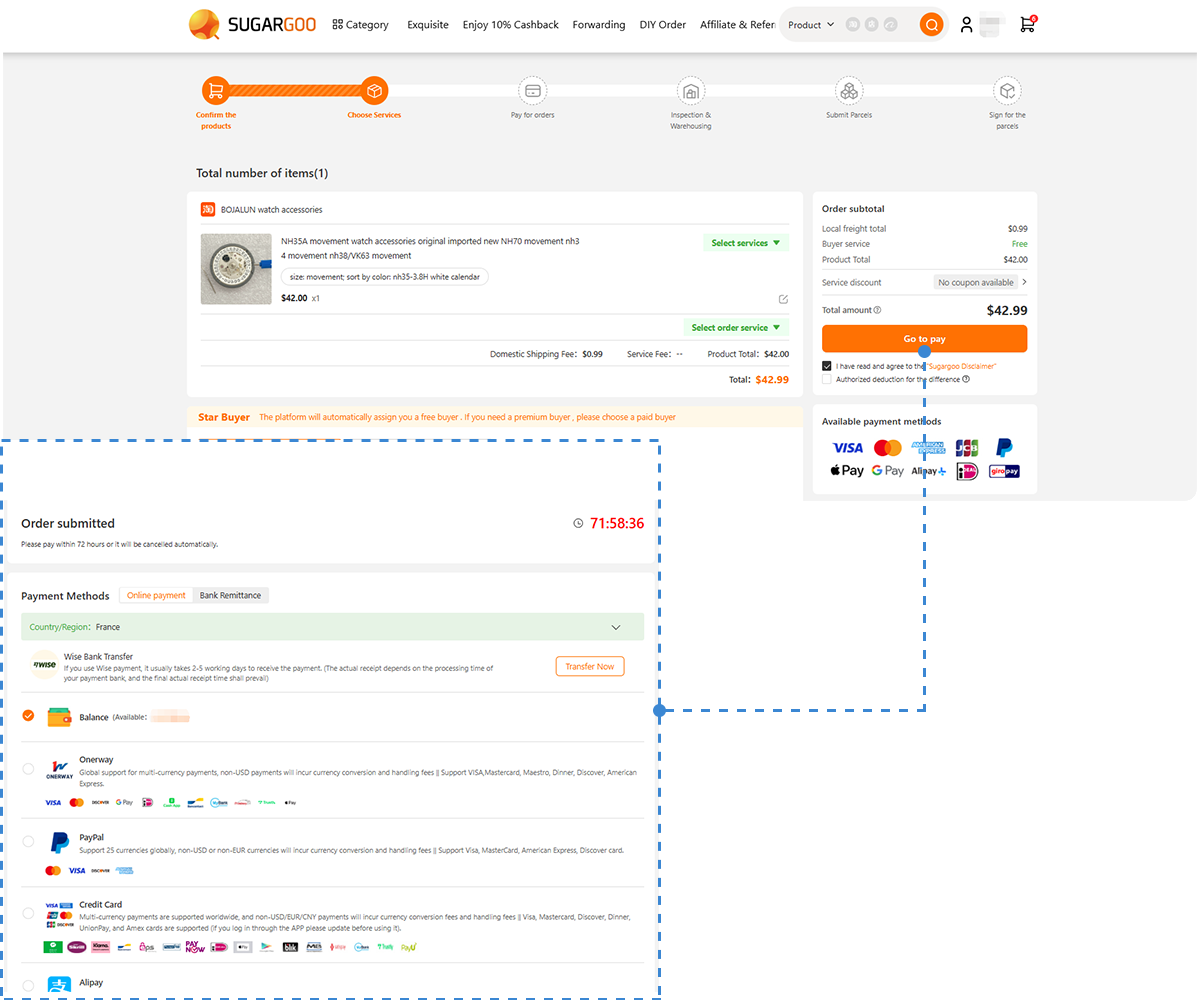
Submit the order.
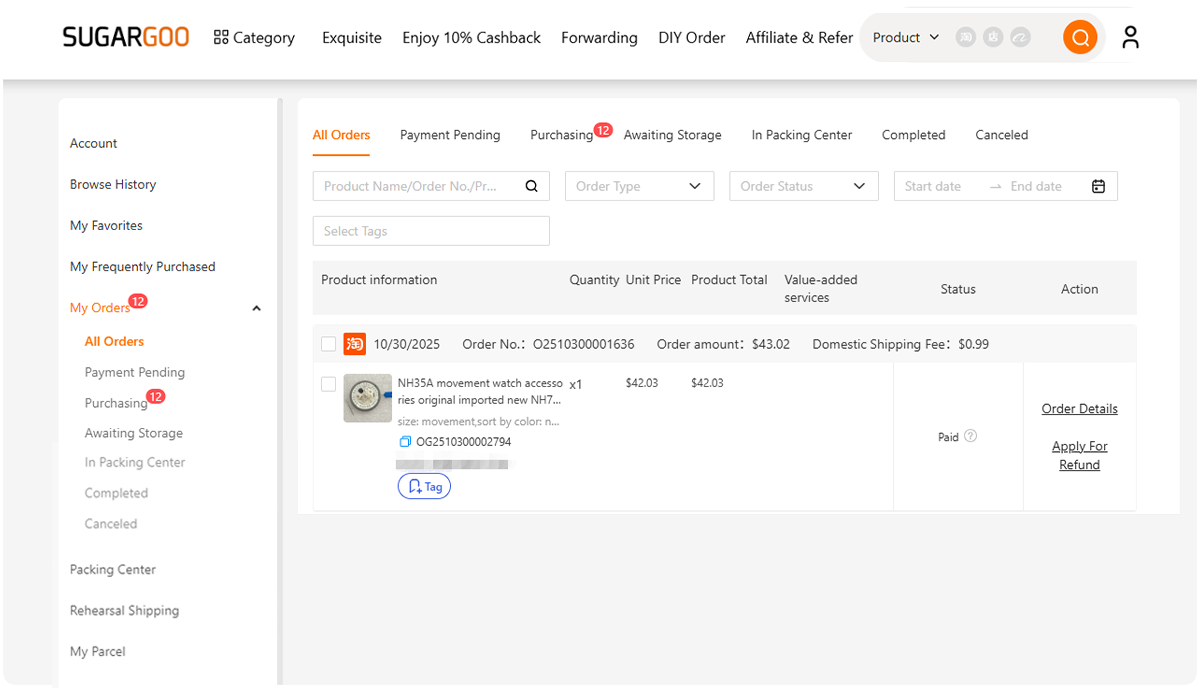
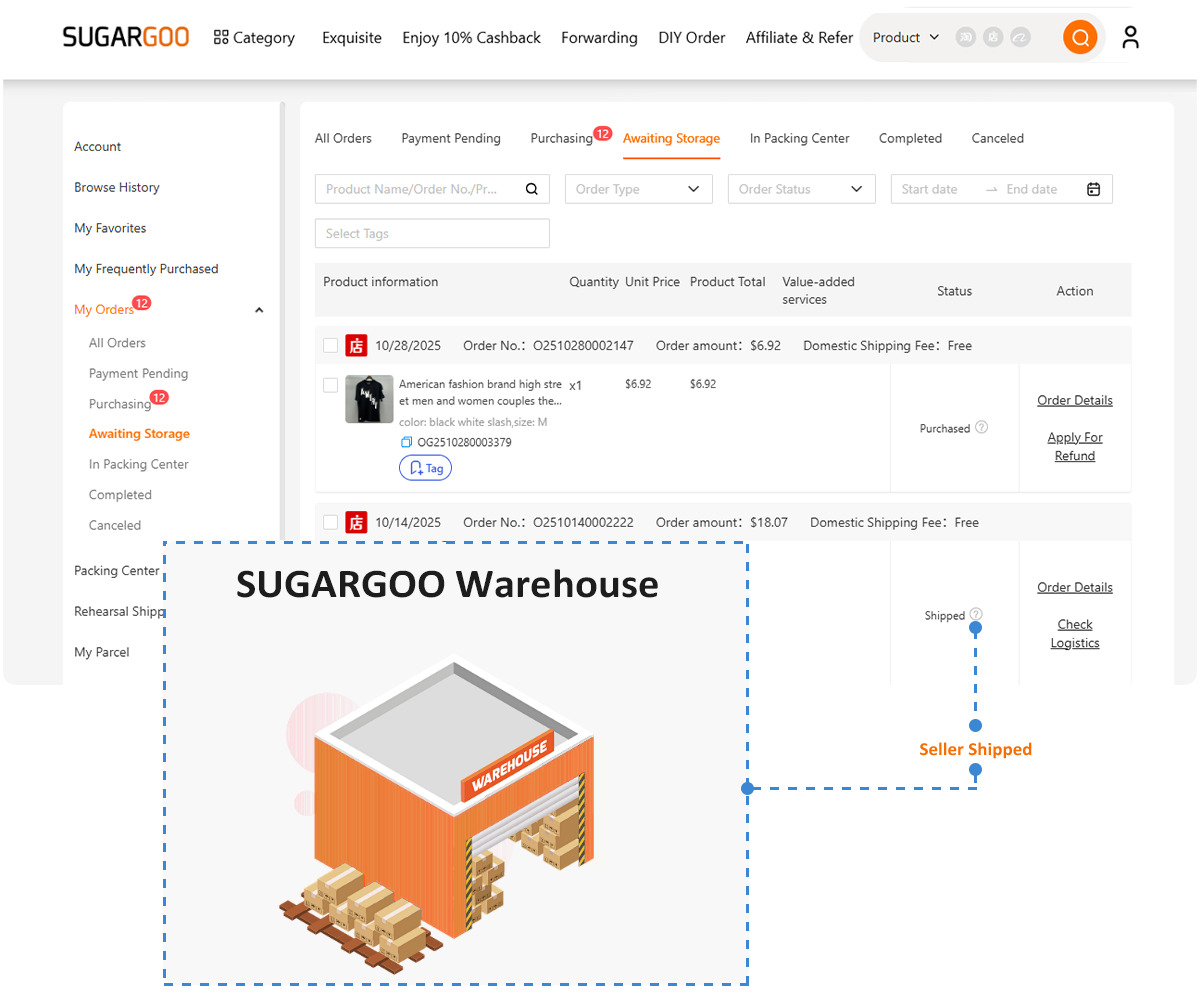
Wait for the item to arrive at the warehouse.
From there, everything becomes much more familiar.
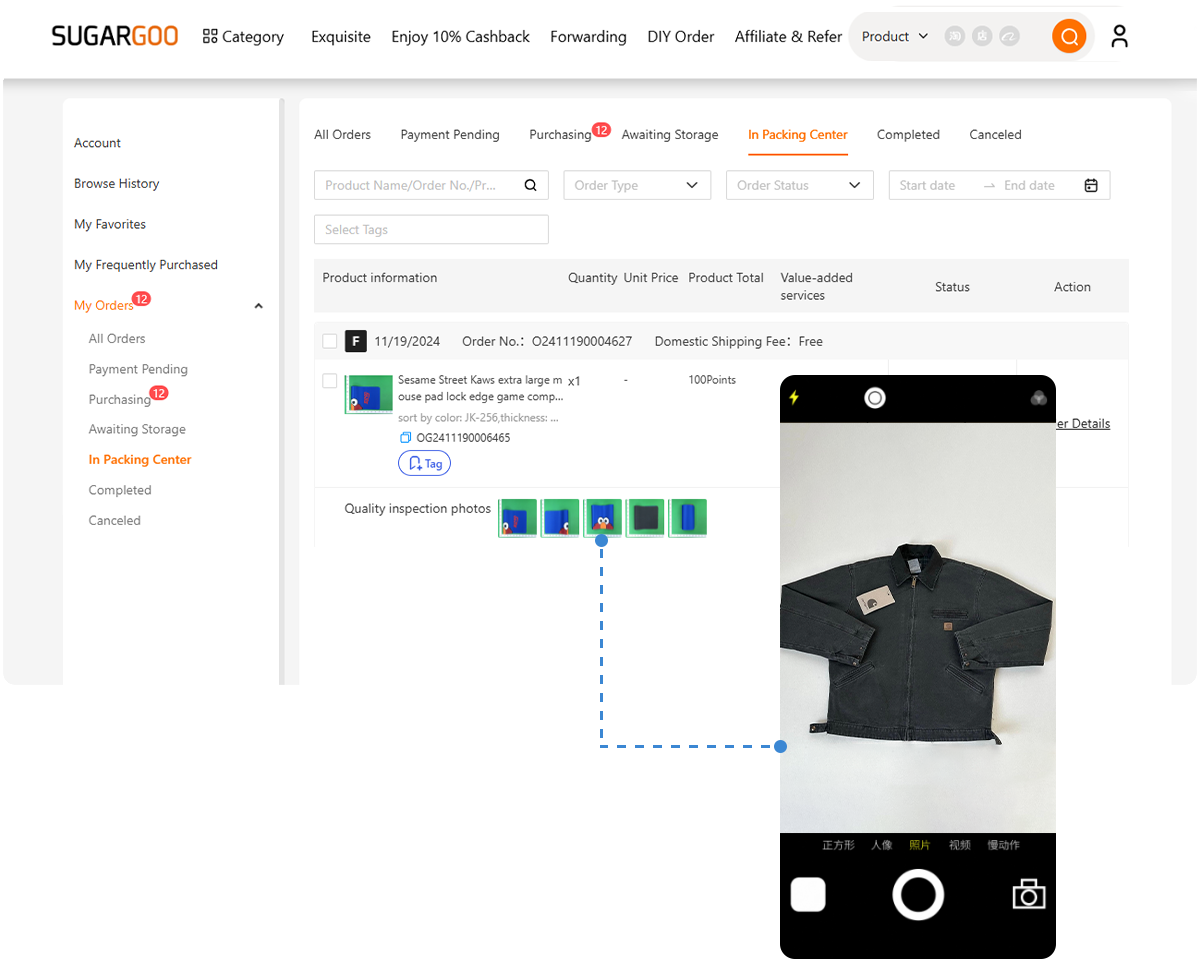
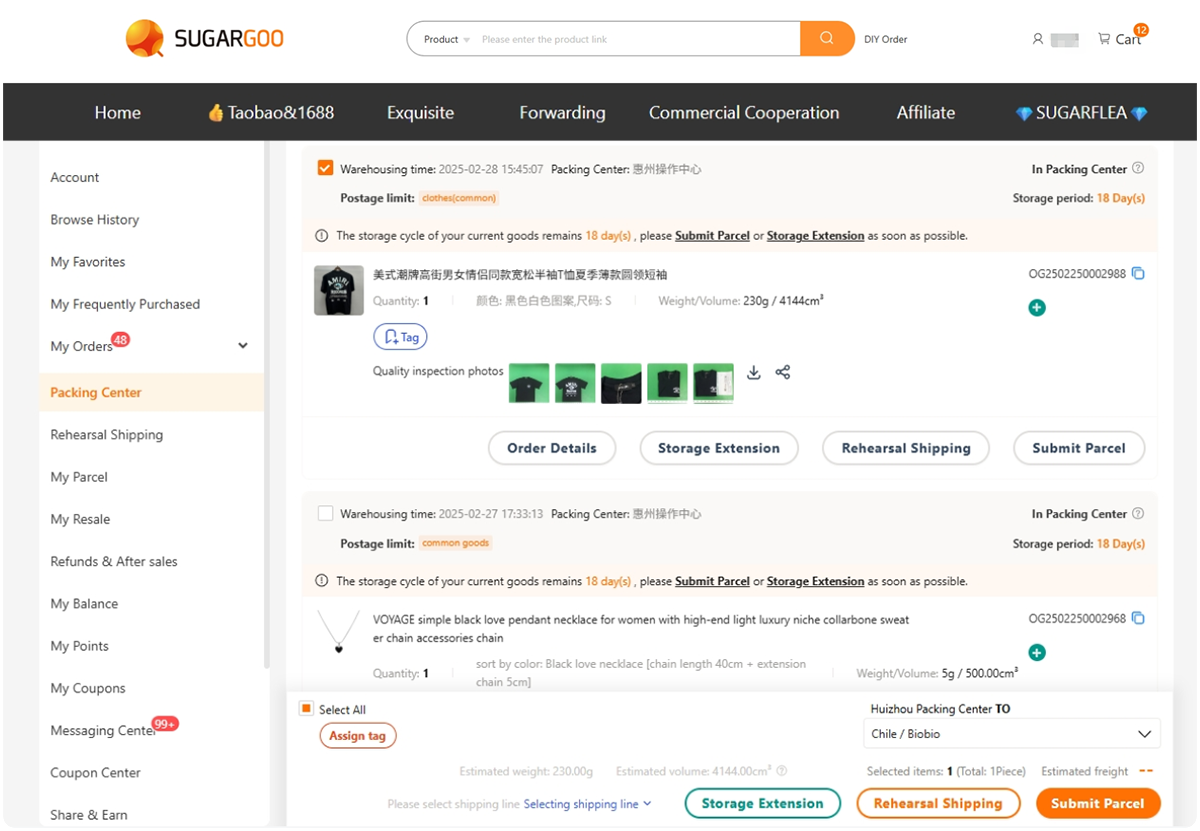
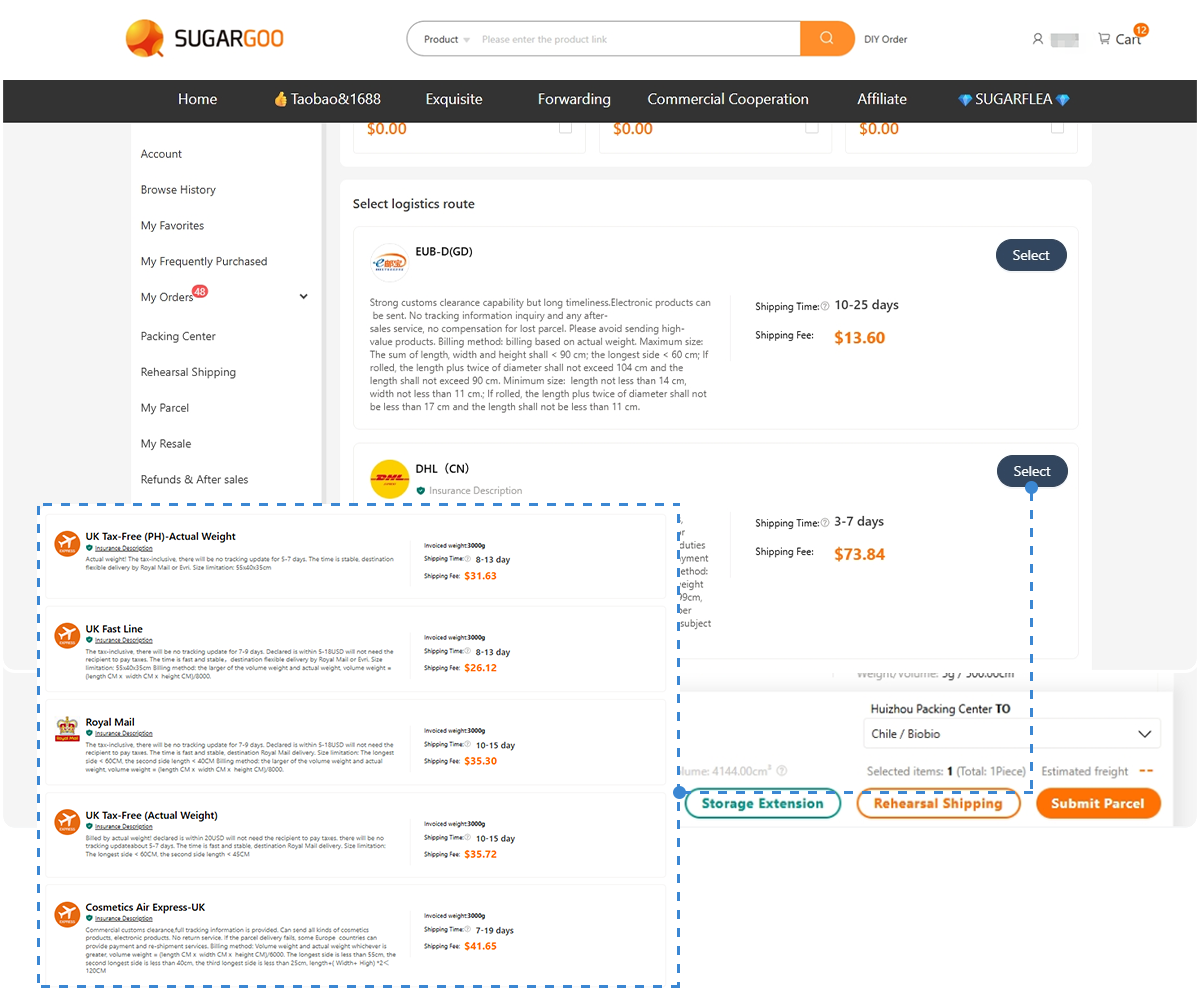
You can review QC photos, combine products from different sellers, and arrange international shipping when you’re ready.
For people who buy from China regularly, this tends to be the least stressful approach.
How to Buy from Weidian Using Sugargoo
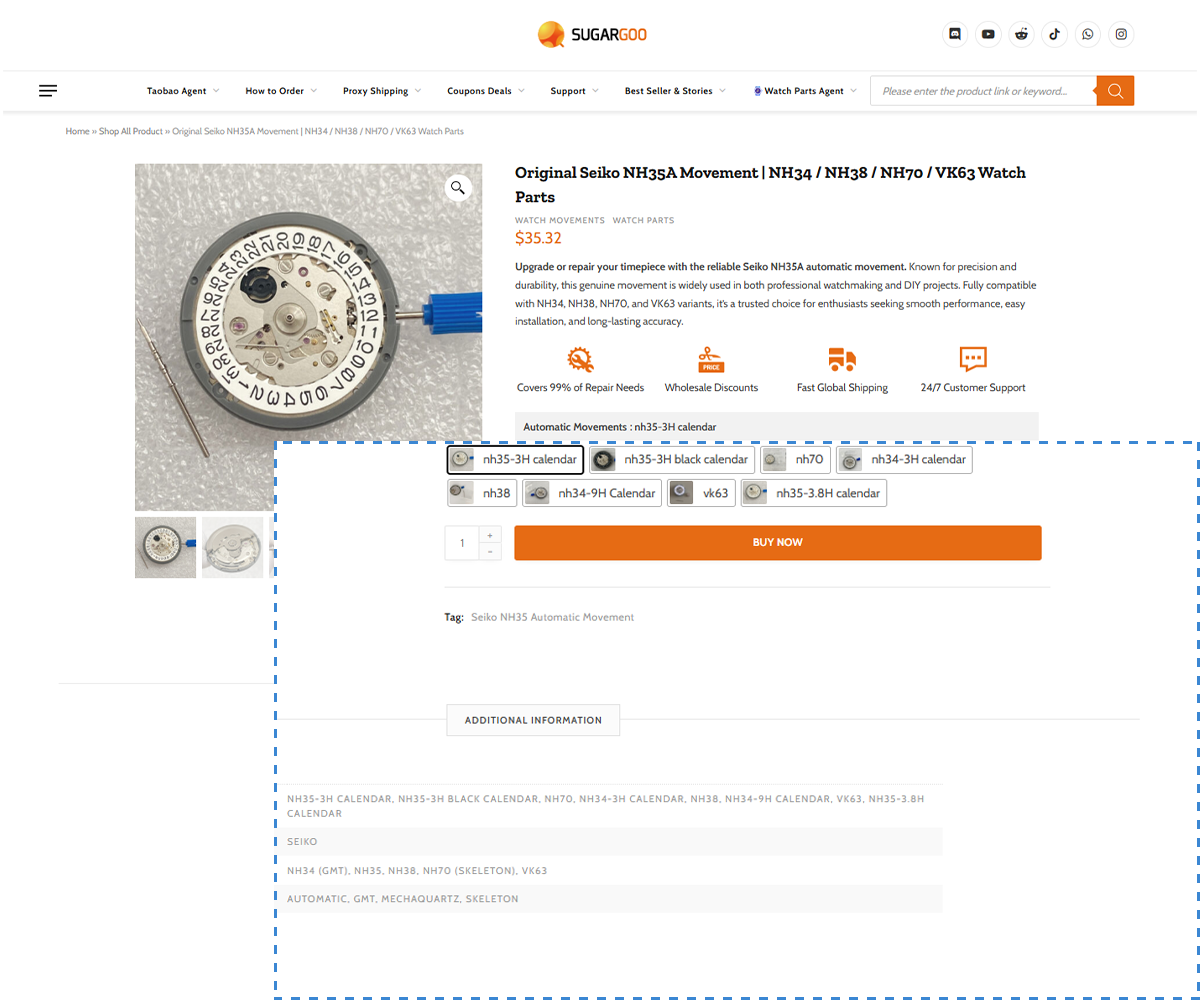
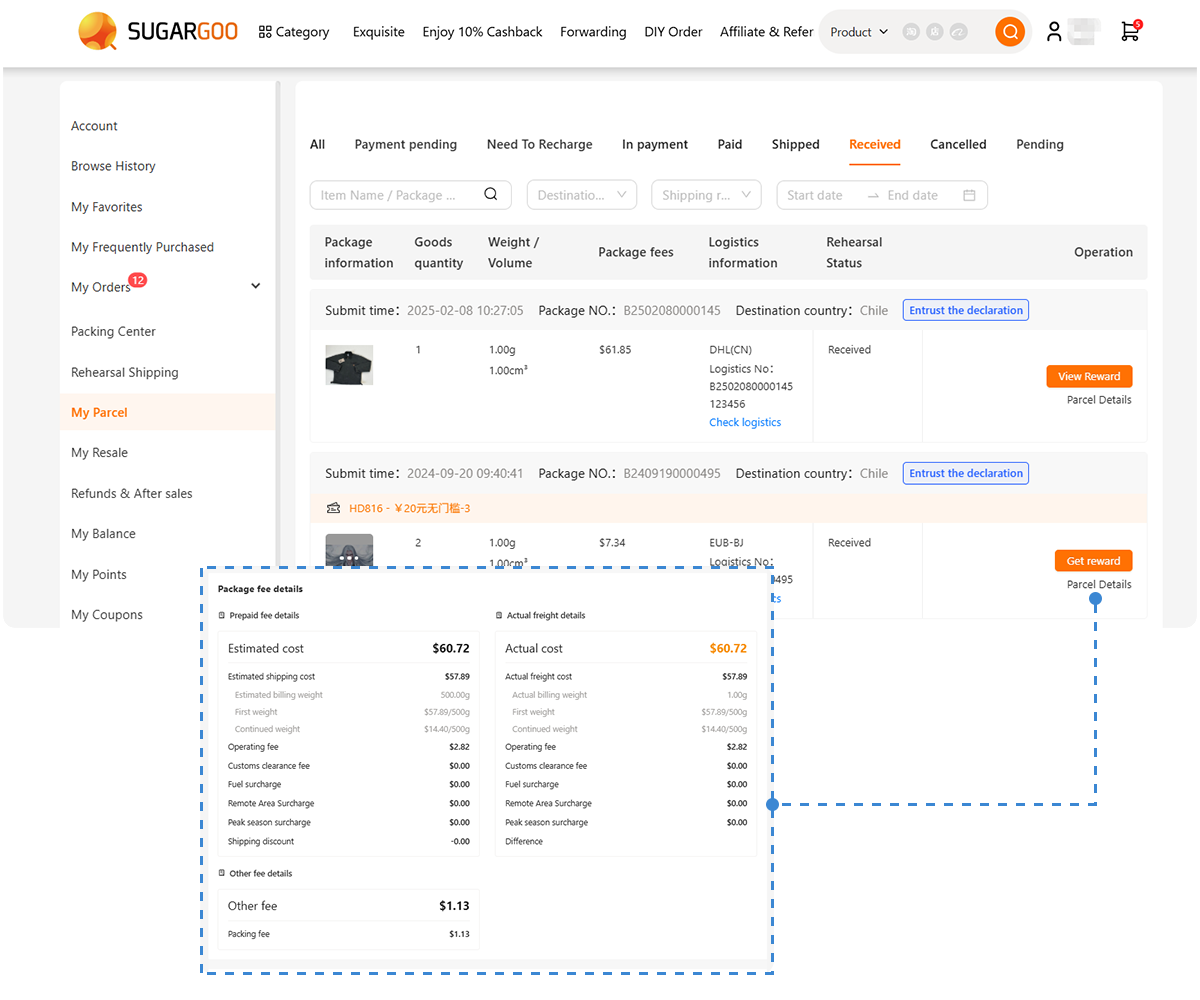
A common approach is to paste the Weidian product link directly into Sugargoo.
After submitting the order, the platform purchases the item from the seller, receives it at the warehouse, and provides QC photosonce it arrives.
This is particularly useful when buying from several different stores.
Instead of paying international shipping multiple times, products can be stored together andshipped in one parcellater.
For many buyers, that alone makes the process considerably easier.
Common Problems New Weidian Users Face
Translation Isn’t Always Perfect
Sometimes colors translate strangely.
Sometimes product options look confusing.
When something seems unclear, I usually compare the translated text with the product images rather than relying on translation alone.
Shipping Expectations
Many first-time buyers expect international shipping to be available automatically.
On Weidian, that’s often not the case.
Most sellers are focused on domestic Chinese customers.
Size Differences
I’ve learned not to trust size labels.
A medium in one store may fit very differently from a medium somewhere else.
Measurements are usually more reliable than size names.
Communication Challenges
Most sellers communicate in Chinese.
This isn’t necessarily a problem, but it becomes another reason why shopping agents are popular among international buyers.
Is Weidian Worth Using?
If you’re only shopping for products that are already available on Amazon, the answer may be no.
The extra steps probably aren’t worth the effort.
But if you’ve ever clicked a product recommendation and wondered why everyone keeps linking to Weidian, the answer becomes clearer after spending some time on the platform.
The appeal isn’t convenience.
It isn’t translation.
It isn’t even the interface.
The appeal is access.
Certain products simply appear there before they appear elsewhere.
Looking back, the hardest part was probably opening the site for the first time.
After a few searches and a couple of orders, most of the confusion disappeared. The platform wasn’t necessarily simpler than I originally thought—it was just more familiar.