
I used to think finding cheap clothes online was just about sorting by “lowest price.”
That worked… until I started using Taobao.
The first few times I ordered from Taobao, I felt like I was getting amazing deals. Prices were way lower than what I was used to. But after a while, I started noticing something strange:
The exact same hoodie would show up in multiple stores — with completely different prices.
Sometimes the difference wasn’t small either. I’m talking 2x, even 3x higher for what looked like the same item.
That’s when I realized something important:
👉 On Taobao, cheap doesn’t mean random — it’s something you learn how to find.
If you’re shopping from outside China, this guide will walk you through exactly how to consistently find cheaper clothes on Taobao without wasting money on bad picks.
Why Taobao Prices Vary So Much
Before getting into the “how,” it helps to understand why prices are all over the place.
Taobao isn’t like Amazon where products are centralized. It’s more like a massive marketplace where:
- Multiple sellers list similar (or identical) products
- Many items come from the same factory
- Different stores add their own markup
In other words, what you’re seeing is not one product — but many versions of the same supply chain.
Some sellers focus on branding and presentation. Others just move inventory.
👉 And that’s where the opportunity is.
If you know how to look past the surface, you can often find the same piece for much less.
Method 1: Use Reverse Image Search (This Changes Everything)
If there’s one skill that made the biggest difference for me, it’s this.
Instead of relying on keywords, start with images.
Why this works
Many Taobao listings reuse the same product photos. A trendy item might appear in dozens of stores, all using identical images.
But prices? Completely different.
How I do it
- Save the image from a listing (or Instagram, Pinterest, etc.)
- Upload it into Taobao’s image search
- Browse all the similar results
The first time I tried this, I found the same jacket:
- One store selling it for 189 RMB
- Another for 79 RMB
Same photos. Same design.
After that, I stopped trusting the first listing I saw.
👉 Now, I almost never buy anything without checking image search first.
Method 2: Stop Searching in English
This is where most international buyers get stuck.
If you search in English, Taobao will still show results — but usually:
- Fewer options
- Higher prices
- More “export-focused” sellers
When I switched to basic Chinese keywords, everything changed.
Example
Instead of:
- “streetwear hoodie”
Try:
- 宽松卫衣 (loose hoodie)
- 连帽衫 (hooded sweatshirt)
Instead of:
- “vintage jacket”
Try:
- 复古夹克
You don’t need to be fluent. Even copying simple terms makes a big difference.
👉 The cheaper listings are usually buried behind Chinese keywords.
Method 3: Don’t Trust the First Cheap Price You See
Here’s something that confused me early on:
Sometimes the cheapest listing isn’t actually the best deal.
A few common tricks:
- Low base price, expensive options
You click in for “59 RMB”… but your size is 109 RMB.
- Different versions under one listing
Cheap version = low quality
More expensive version = what you actually want
- Missing details
No fabric info, no real photos, vague sizing
After a few bad orders, I started doing this instead:
- Compare at least 3–5 listings
- Check if photos are reused
- Read reviews with images
👉 Cheap should still make sense — not feel suspicious.
Method 4: Always Check Buyer Photos (Not Just Reviews)
This is probably the most underrated step.
On Taobao, reviews often include real photos from buyers. These are way more useful than the product listing.
What I look for:
- How the fabric actually looks
- Fit on real people
- Color differences
- Whether it matches the listing
Sometimes a product looks amazing in official photos… and completely different in real life.
I’ve avoided a lot of bad purchases just by scrolling through buyer images for a minute or two.
👉 If there are no real photos, I usually skip it.
Method 5: Learn to Spot “Factory-Level” Stores
Over time, I noticed a pattern.
Some stores:
- Have flashy branding
- Clean, styled photos
- Higher prices
Others:
- Very simple layout
- Minimal marketing
- Much lower prices
Guess which ones often sell the same product?
Many cheaper stores are closer to the source — sometimes even directly connected to factories.
They don’t spend money on branding, which is why prices are lower.
Of course, not all of them are good. But when you combine this with:
- Buyer photos
- Decent reviews
- Consistent sizing
You can find really solid deals.
👉 These are the stores I rely on the most now.
Method 6: Timing Matters More Than You Think
Not every good deal comes from searching.
Sometimes, it’s about when you buy.
Some of the best times (check the Taobao sale calendar)
- Chinese New Year period (stock clearance)
- 618 Shopping Festival (mid-year sales)
- Double 11 (biggest discounts)
- End-of-season sales
But even outside big events, you’ll see:
- Flash discounts
- Limited stock clearance
- Old listings dropping in price
👉 If you’re not in a rush, waiting can save you quite a bit.
Method 7: Combine Orders to Actually Save Money
This is something I didn’t think about at first.
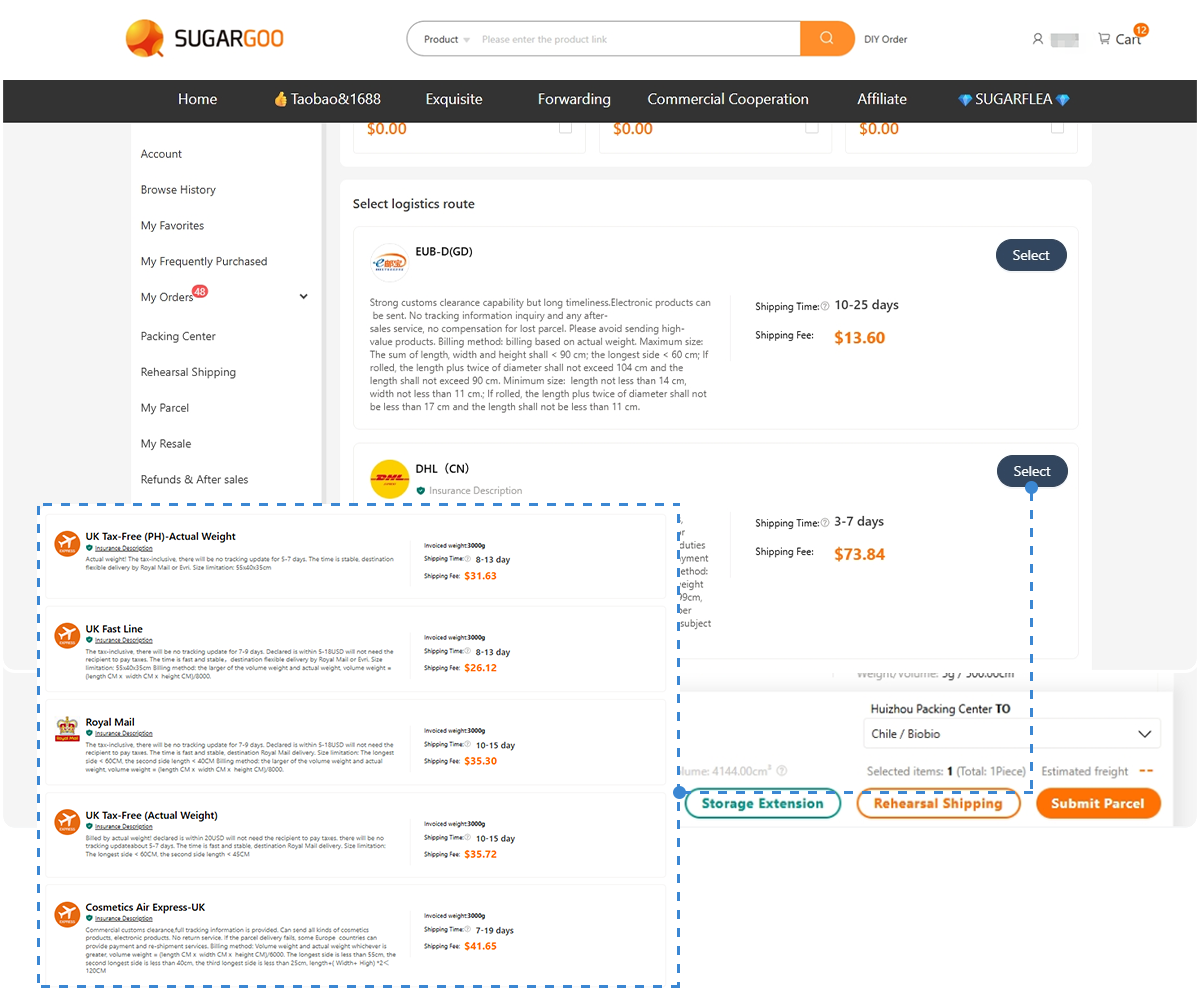
You might find a cheap item… but shipping kills the deal.
Especially if:
- The seller doesn’t ship internationally
- Shipping is calculated per item
That’s when using a shopping agent started making sense for me.
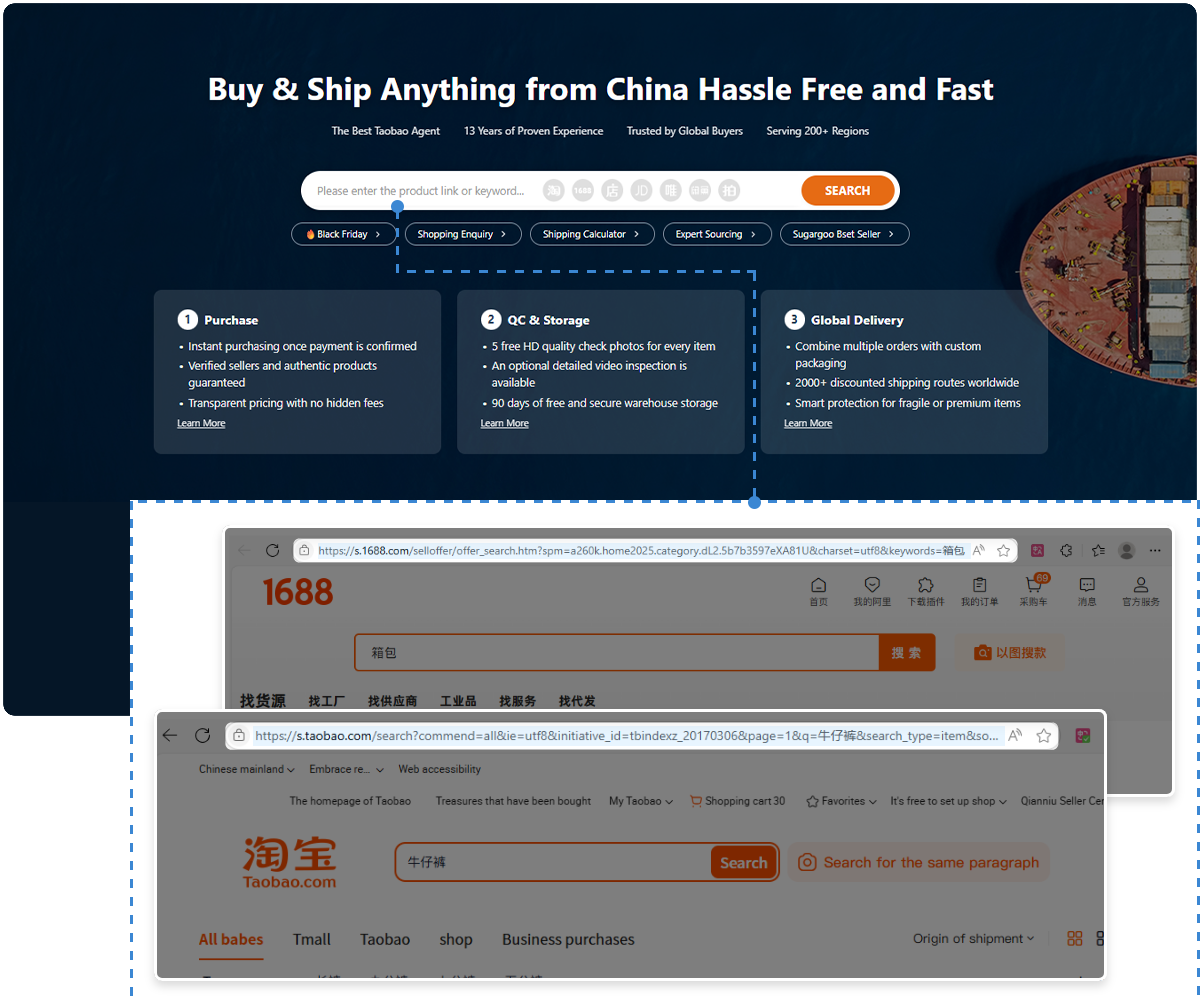
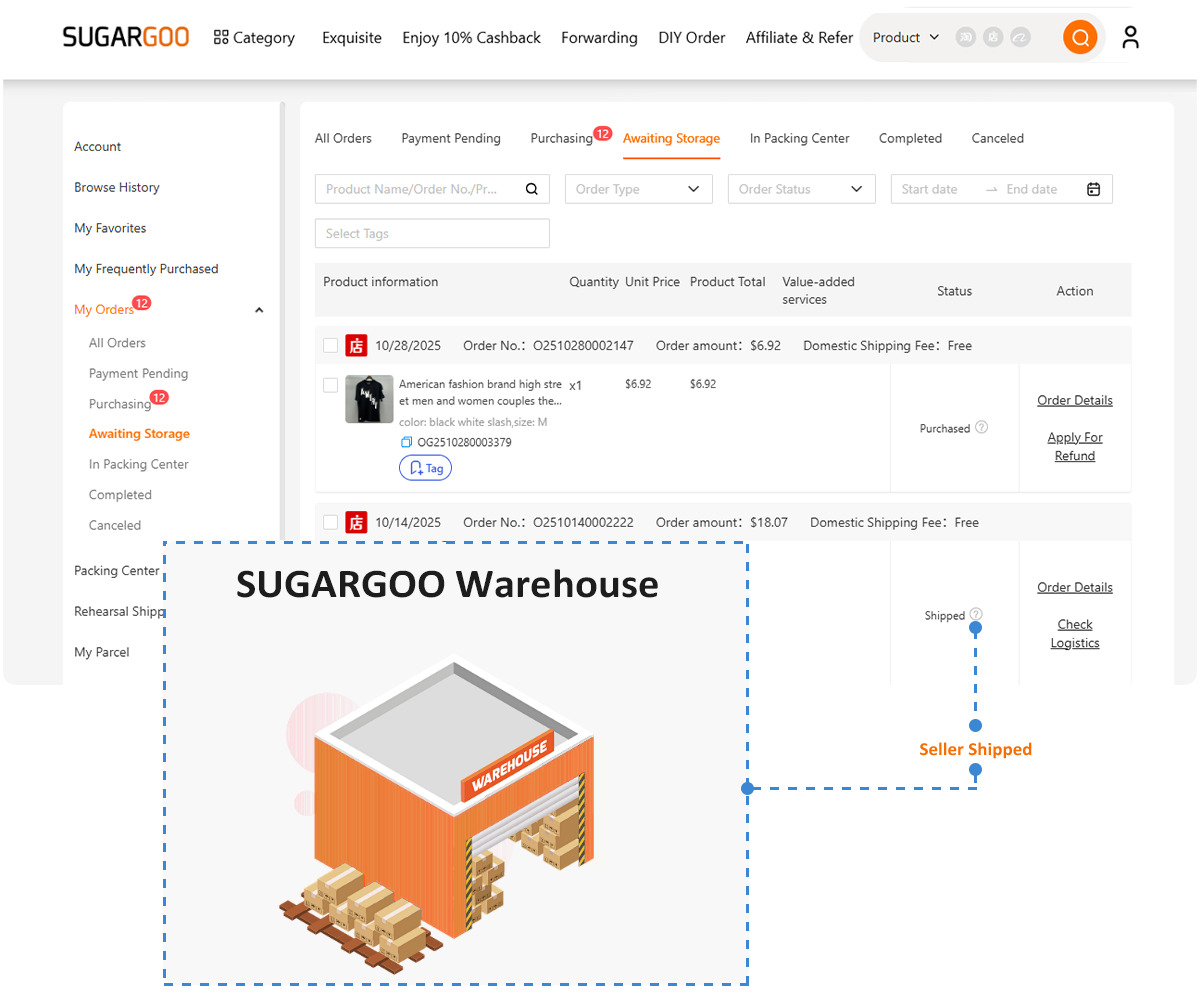
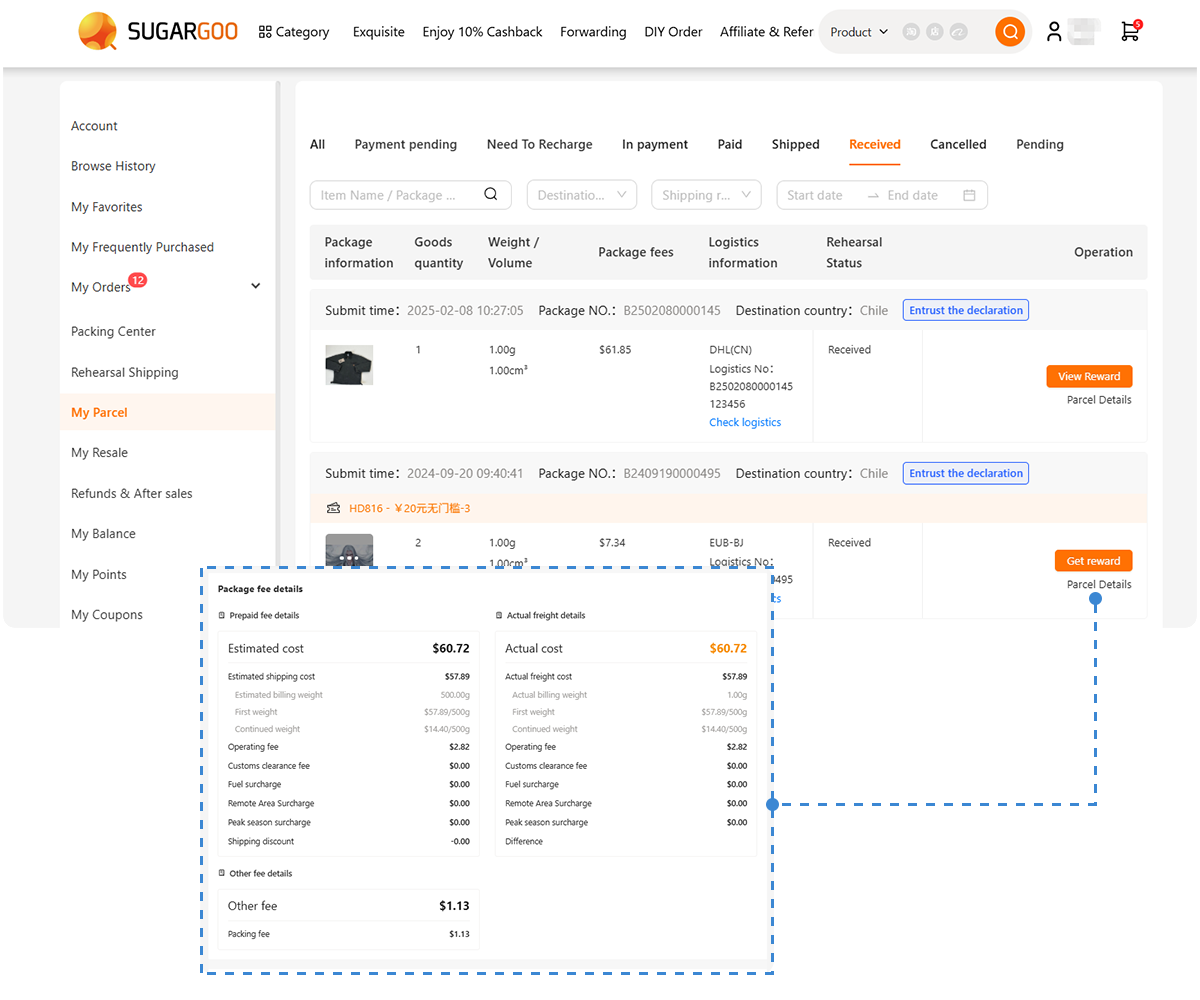
How I Use Sugargoo to Save More (And Avoid Mistakes)
At some point, I realized finding cheap items was only half the process.
Actually getting them safely — without overpaying for shipping — was just as important.
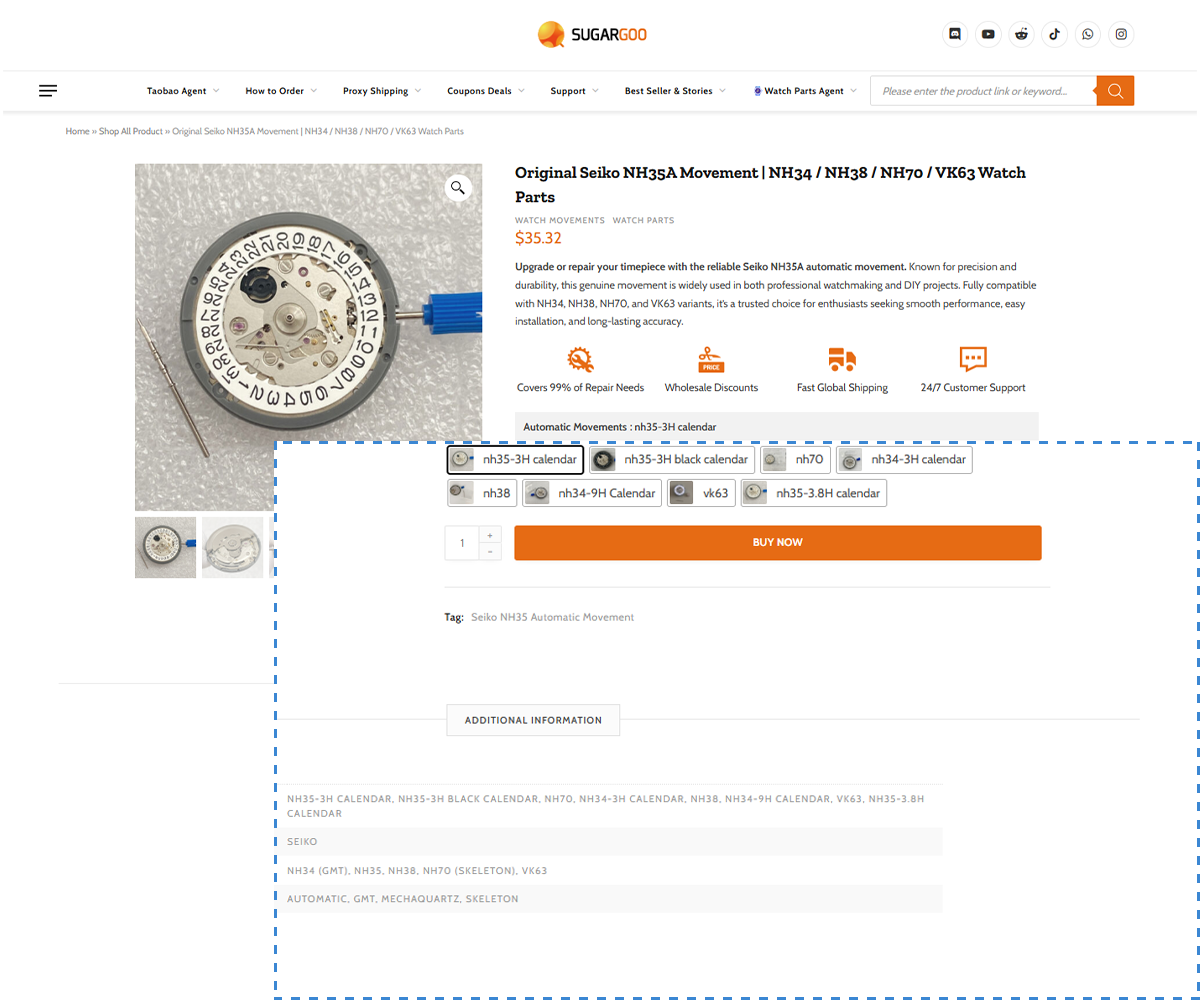
That’s when I started using Sugargoo.
Here’s what made a difference for me:
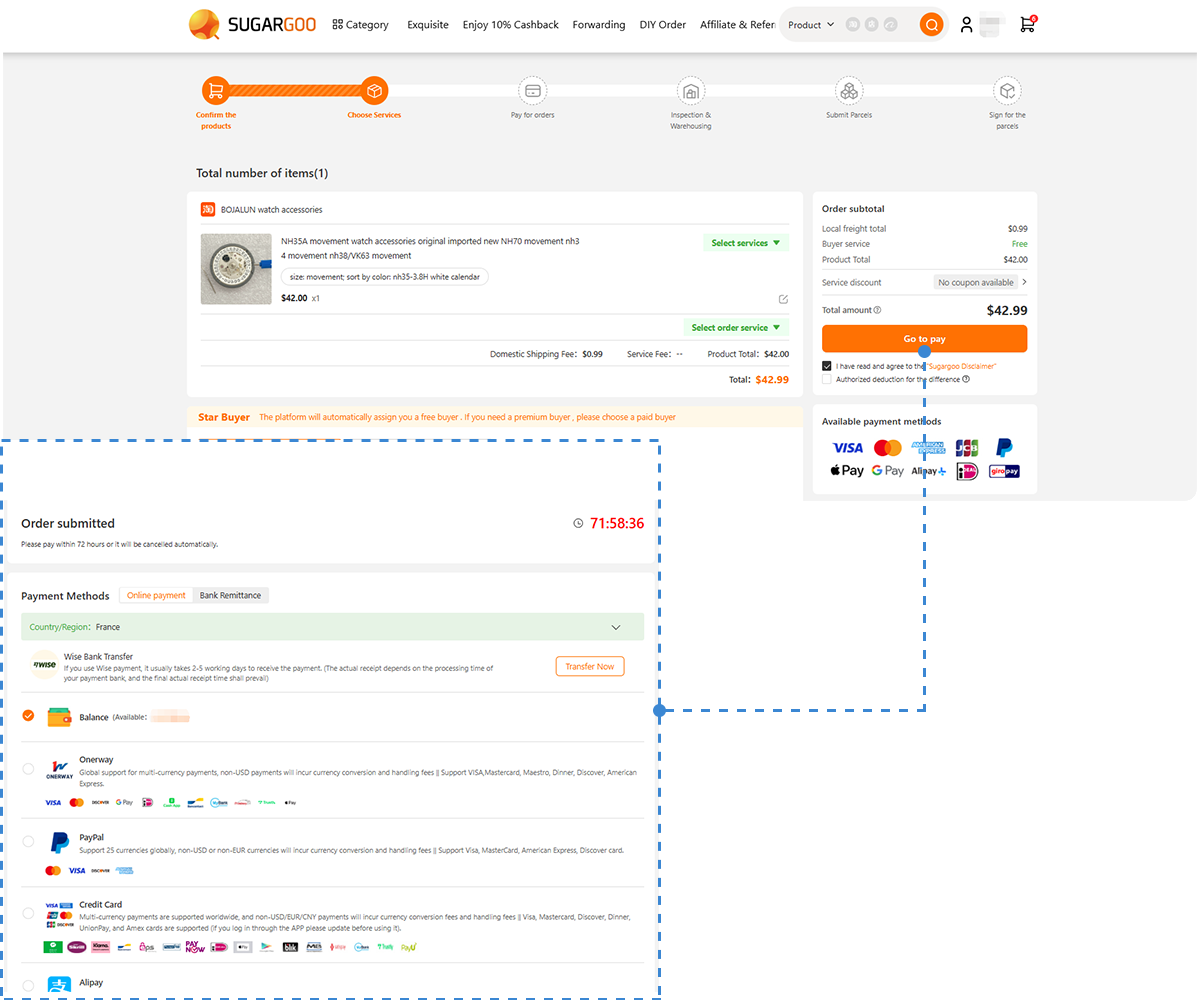
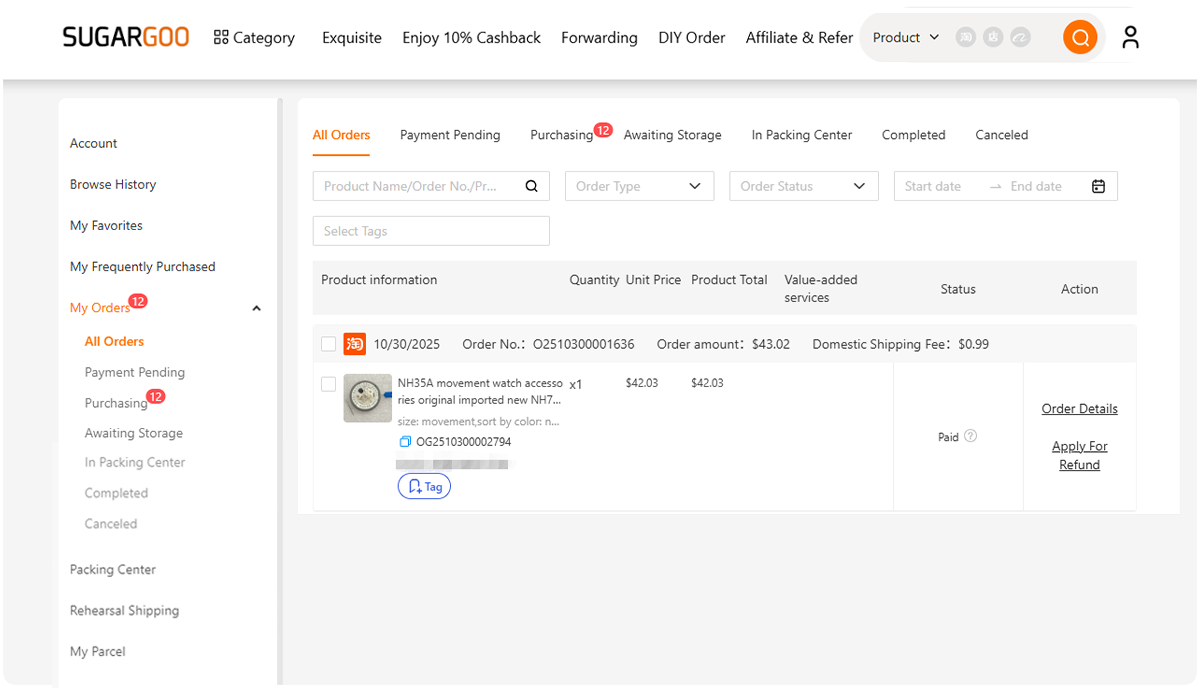
They handle purchases from Taobao
No need to deal with payment issues or Chinese checkout
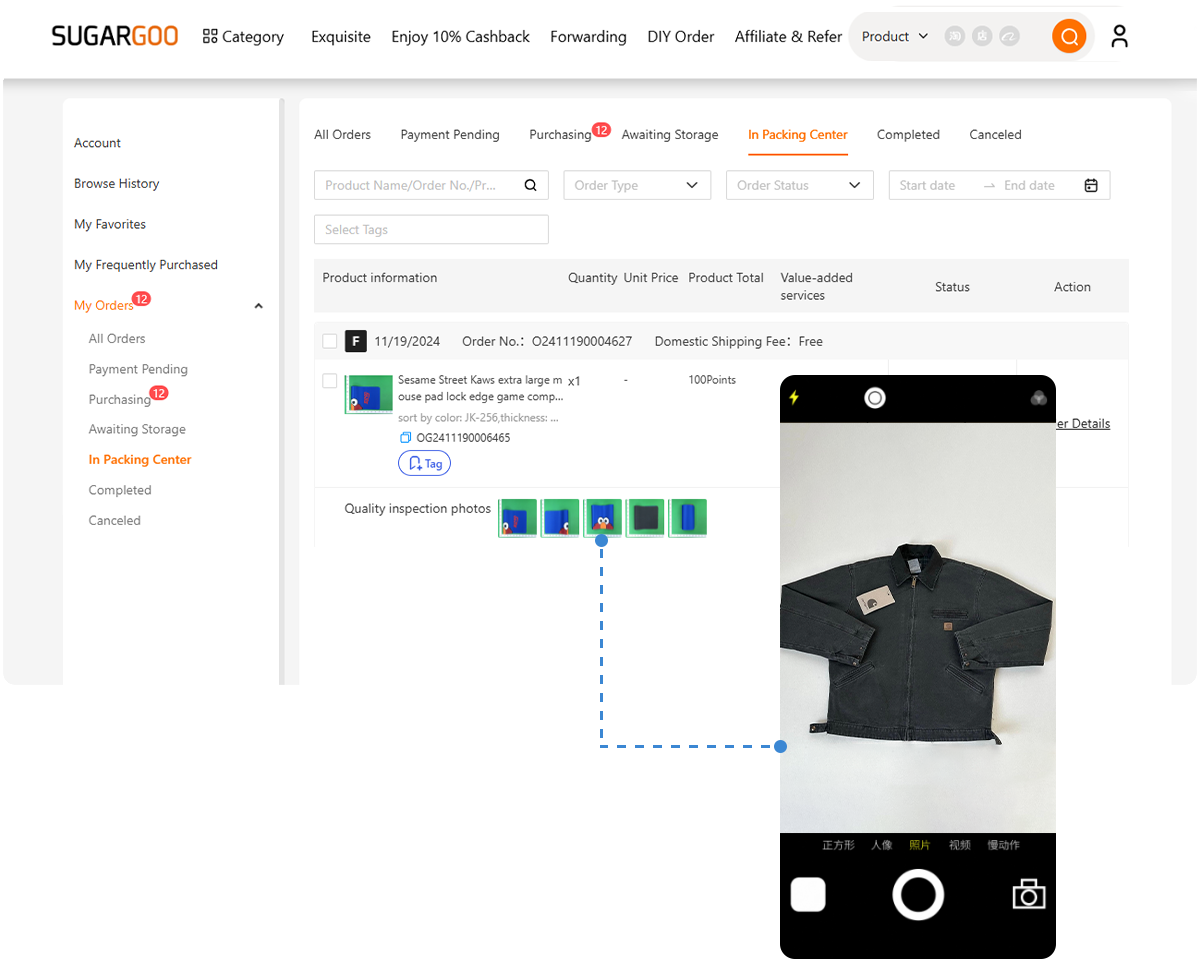
Warehouse inspection photos
When the item arrives, theytake real photos
I’ve caught sizing issues and quality problems early because of this.
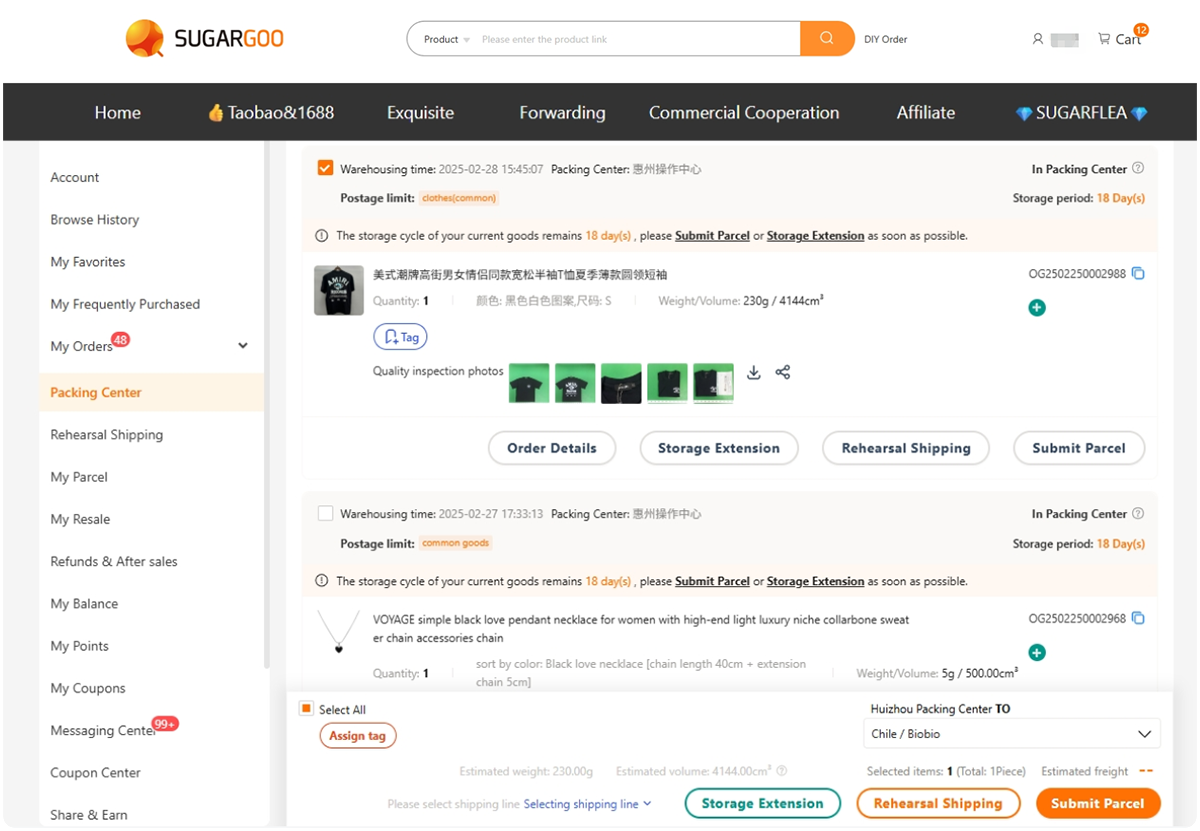
Package consolidation
Instead of shipping items one by one, you can combine them
This alone saved me a lot on shipping costs.
I wouldn’t say it’s required for everyone.
But if you’re planning to buy multiple items — or shop regularly — it makes the whole process much smoother.
Common Mistakes That Make Clothes “Feel Expensive”
Even when prices are low, small mistakes can cost you more in the long run.
Here are a few I’ve made:
- Guessing size instead of checking measurements
- Trusting translated descriptions too much
- Buying the first result without comparing
- Ignoring buyer photos
- Not factoring in shipping costs
Individually, these don’t seem like a big deal.
But together, they add up fast.
Cheap Is a Skill, Not Luck
If there’s one thing I’ve learned from using Taobao, it’s this:
Cheap clothes aren’t hidden — they’re just easy to miss.
Most people overpay not because options are limited, but because they:
- Don’t search deeply
- Don’t compare
- Don’t verify
Once you build a simple process:
- Image search
- Smarter keywords
- Checking real photos
- Comparing listings
You stop guessing.
And when you stop guessing, you stop wasting money.