
Chinese online marketplaces have become increasingly popular with overseas shoppers, largely because of their competitive pricing, vast selection, and the chance to buy China-only products that never reach international stores. Even so, many international buyers pause before placing an order and ask the same question:
How safe is it to shop on Chinese websites from abroad?
The answer isn’t a straightforward yes or no. In cross-border shopping, risk rarely comes from the platform alone. Instead, it builds up through gaps in information, unfamiliar rules, and how well buyers anticipate what can go wrong after checkout.
This guide breaks down how safety should be evaluated when buying from China, where international shoppers are most likely to encounter problems, and what steps can make the entire process more predictable and less stressful.
What Does “Safe” Mean for International Buyers?
Before judging any platform, it helps to clarify what safety means in a cross-border context. For international shoppers, safety usually includes five key areas:
- Payment security – Can you pay safely and recover funds if something goes wrong?
- Product accuracy – Will the item match the listing in size, material, and version?
- Information transparency – Are descriptions clear and complete for non-Chinese users?
- Dispute and refund handling – Can problems be resolved fairly and on time?
- International fulfillment risk – What happens during overseas shipping and customs?
Many problems blamed on “unsafe platforms” actually occur after the order leaves the seller’s hands.
Are Major Chinese Shopping Platforms Themselves Safe?
From a platform-rules perspective, most major Chinese marketplaces are well-established and highly regulated inside China.
- Taobao A massive consumer-to-consumer platform with millions of sellers. Quality varies widely, but buyer protection systems and dispute rules are mature—primarily designed for domestic users.
- JD.com Known for a high proportion of self-operated stores and standardized fulfillment. Product consistency is generally stronger, but international access is limited.
- 1688 Focused on wholesale and factory supply. Prices are low, but listings assume professional buyers who understand specs, MOQ rules, and local logistics.
These platforms are not inherently unsafe. However, their systems, language, and customer support are optimized for Chinese residents, not overseas shoppers.
Common Safety Misconceptions Among International Buyers
Many risks stem from misunderstandings rather than platform failure.
Common misconceptions include:
- Assuming low price equals counterfeit, when it often reflects domestic distribution or simplified packaging
- Relying on automatic translation and missing critical sizing or material details
- Believing “platform refunds” apply easily to international orders
- Overlooking that China’s 7-day no-reason return window usually expires long before overseas delivery
In most cases, issues arise from information gaps, not intentional deception.
Language and Cultural Differences: The Hidden Risk Layer
Even when listings look clear, subtle differences can cause costly mistakes.
International buyers often struggle with:
- Industry shorthand and abbreviations in product titles
- Listings where images show optional accessories not included by default
- Customer service communication that assumes fast, informal Chinese messaging
- Dispute processes that prioritize photo evidence, timestamps, and warehouse confirmation
Understanding these norms matters more than simply translating text.
Shipping, Customs, and the Risk Gap After Checkout
Many buyers feel confident at checkout—only to lose control afterward.
Key risk points include:
- Responsibility shifts once items leave domestic logistics
- Customs inspections, import taxes, and restricted items
- Package damage or loss during international transit
- Limited platform involvement beyond China-based delivery
Most Chinese platforms do not manage international logistics end-to-end, which creates a safety gap for overseas buyers.
How to Reduce Risk When Shopping from China
Instead of asking whether Chinese shopping sites are safe, the better question is how to reduce uncertainty.
Practical risk-control strategies include:
- Choosing sellers with consistent sales history
- Reviewing real buyer photos, not just listing images
- Verifying sizes, materials, and versions before payment
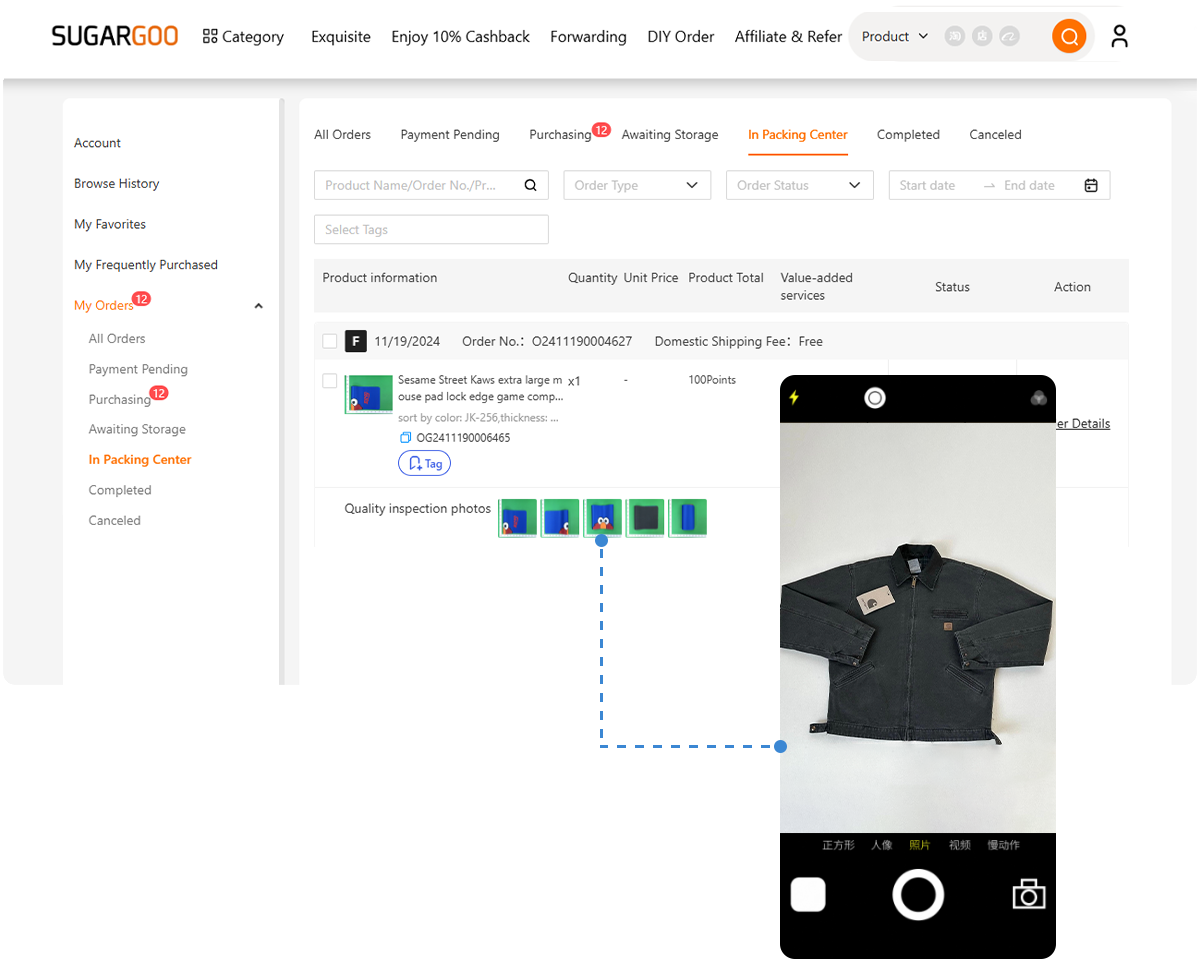
- Requesting inspection photos before international shipping
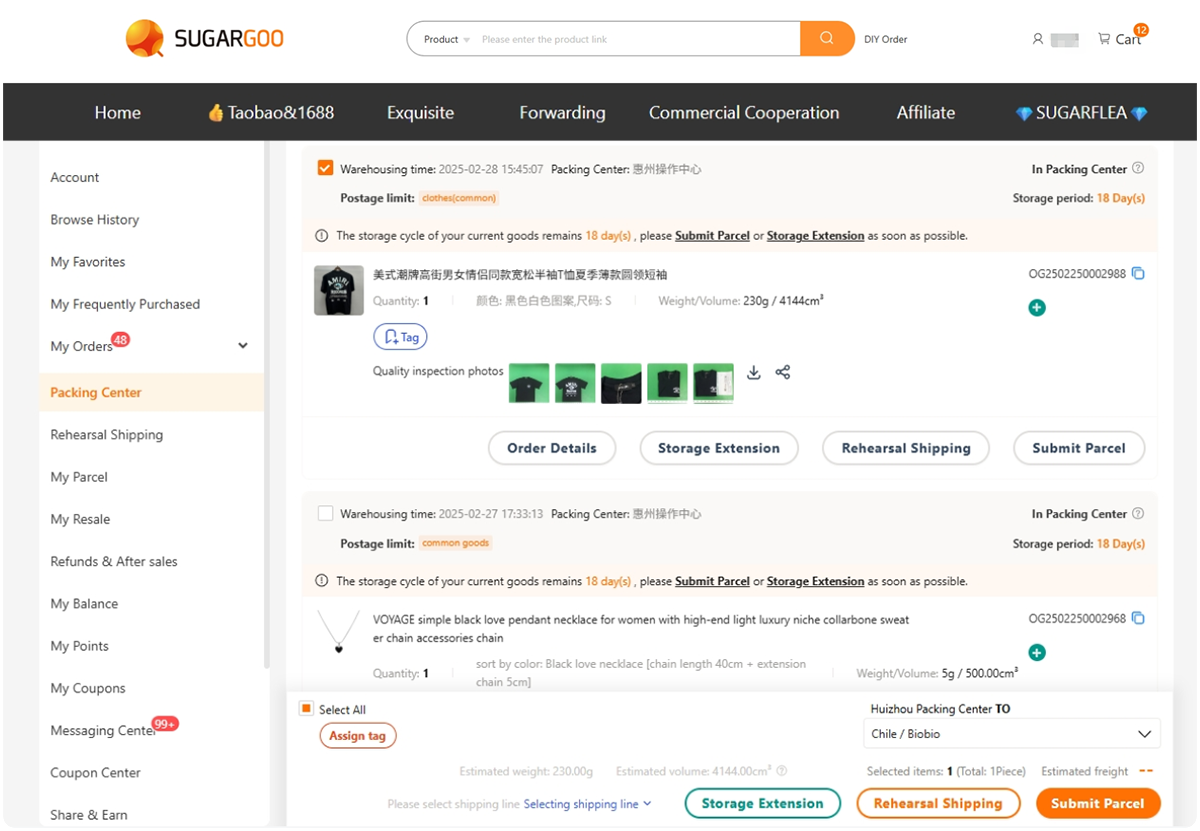
- Consolidating multiple orders into a single, well-packed shipment
These steps don’t eliminate risk, but they make problems visible earlier—when solutions are still possible.
Does Using a Shopping Agent Make Chinese Sites Safer?
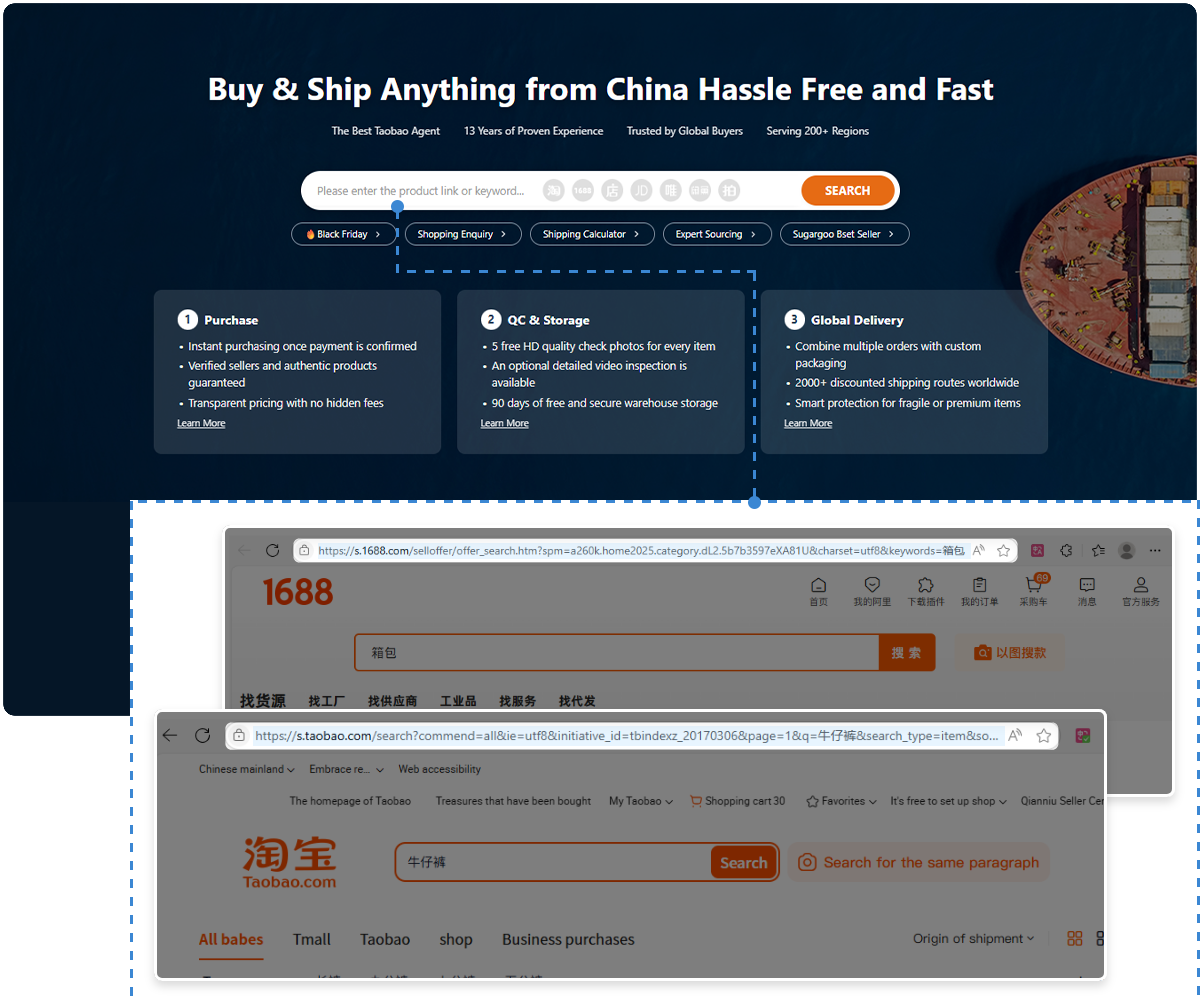
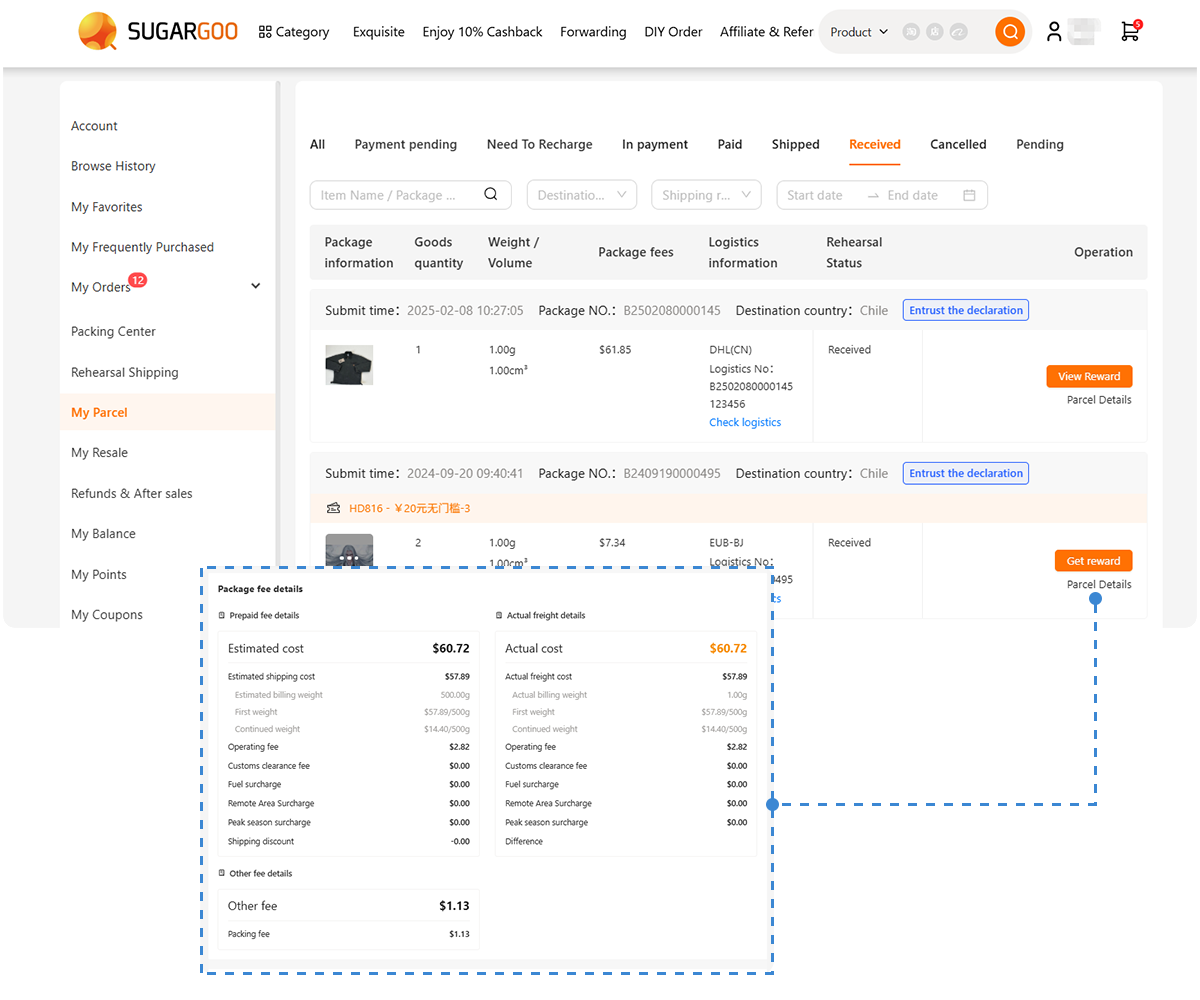
A shopping agent or buying service like Sugargoo doesn’t change how Chinese platforms work—but it changes how risks are handled.
For international buyers, agents typically:
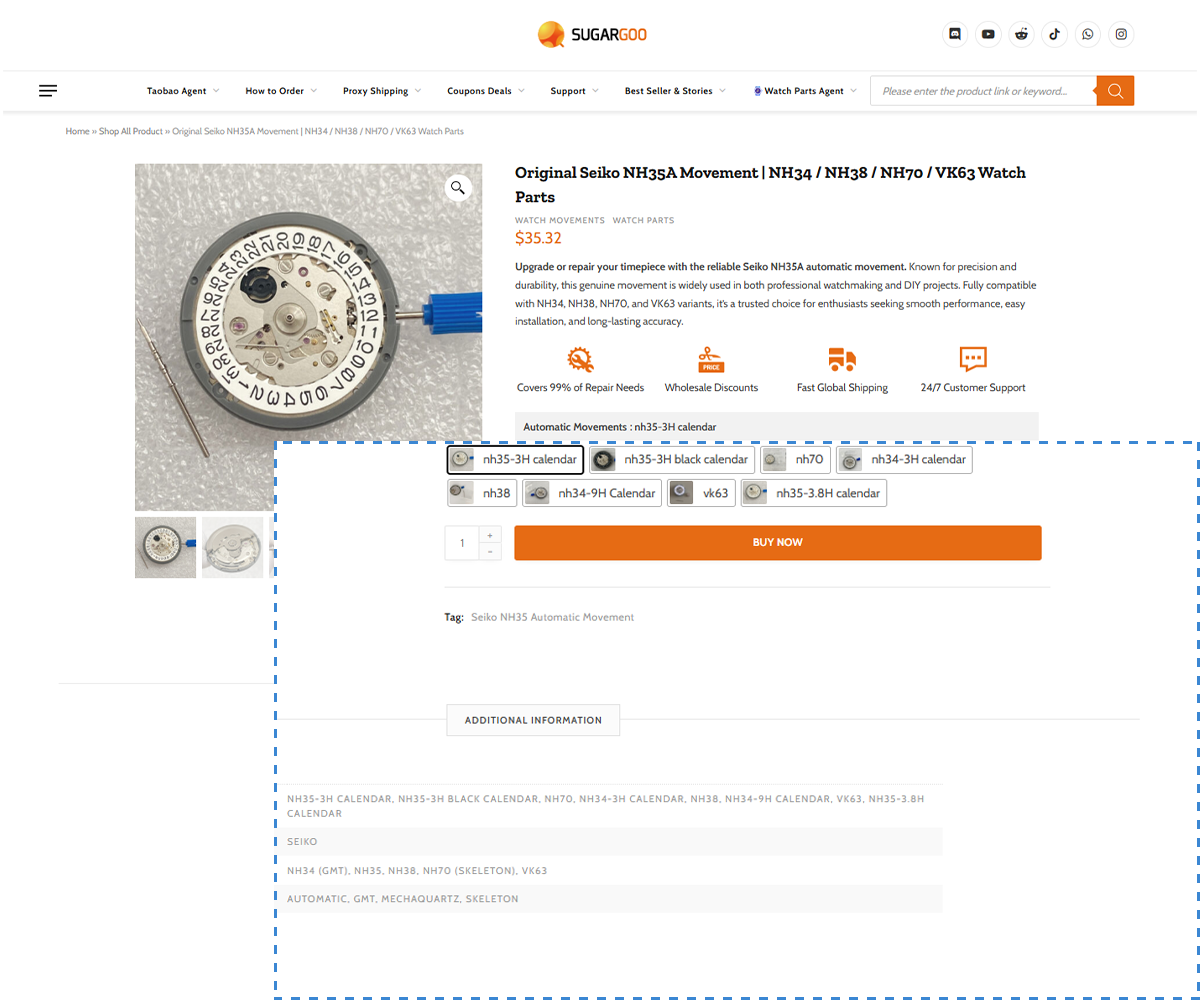
- Translate listings into clear English
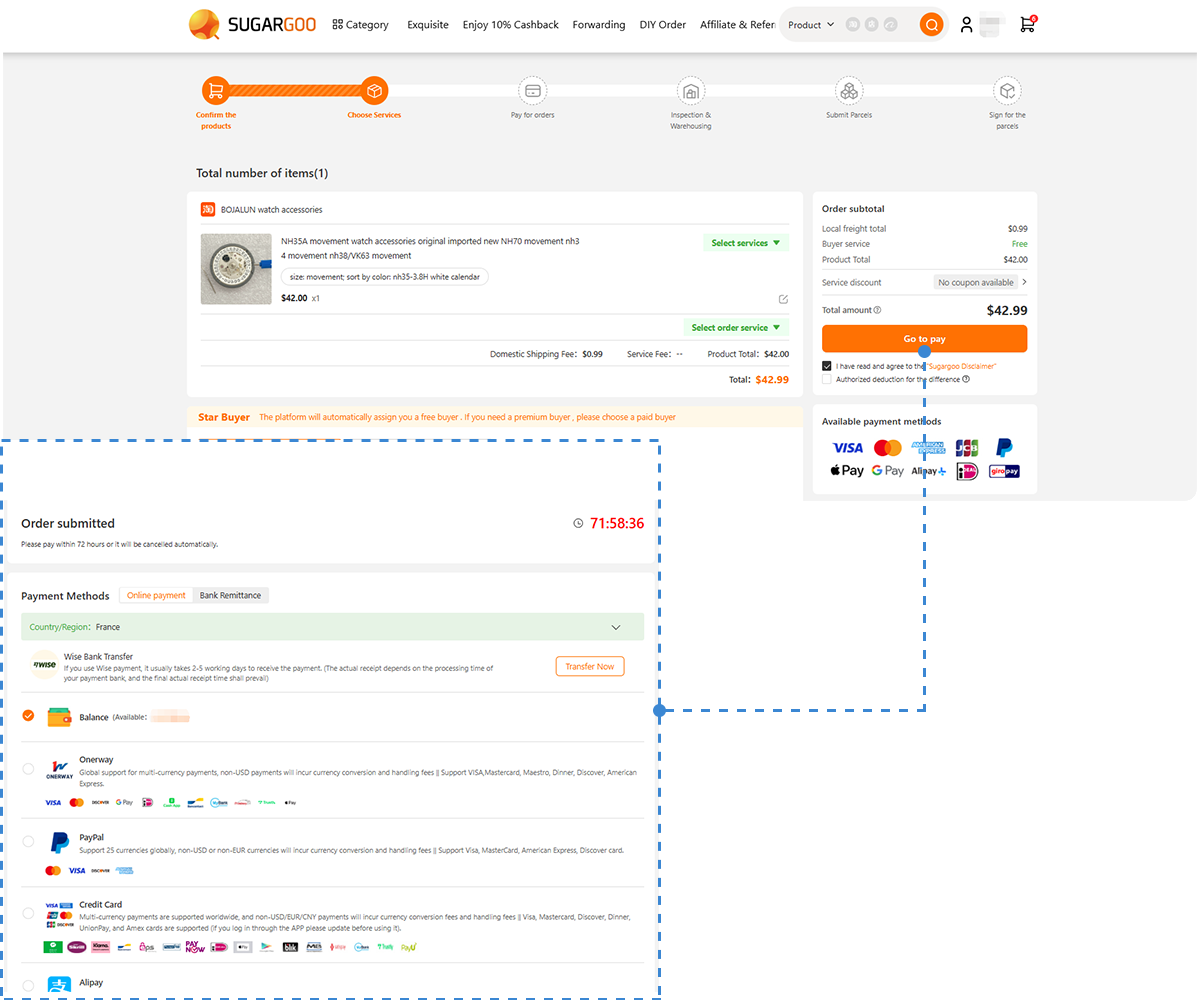
- Accept international payment methods
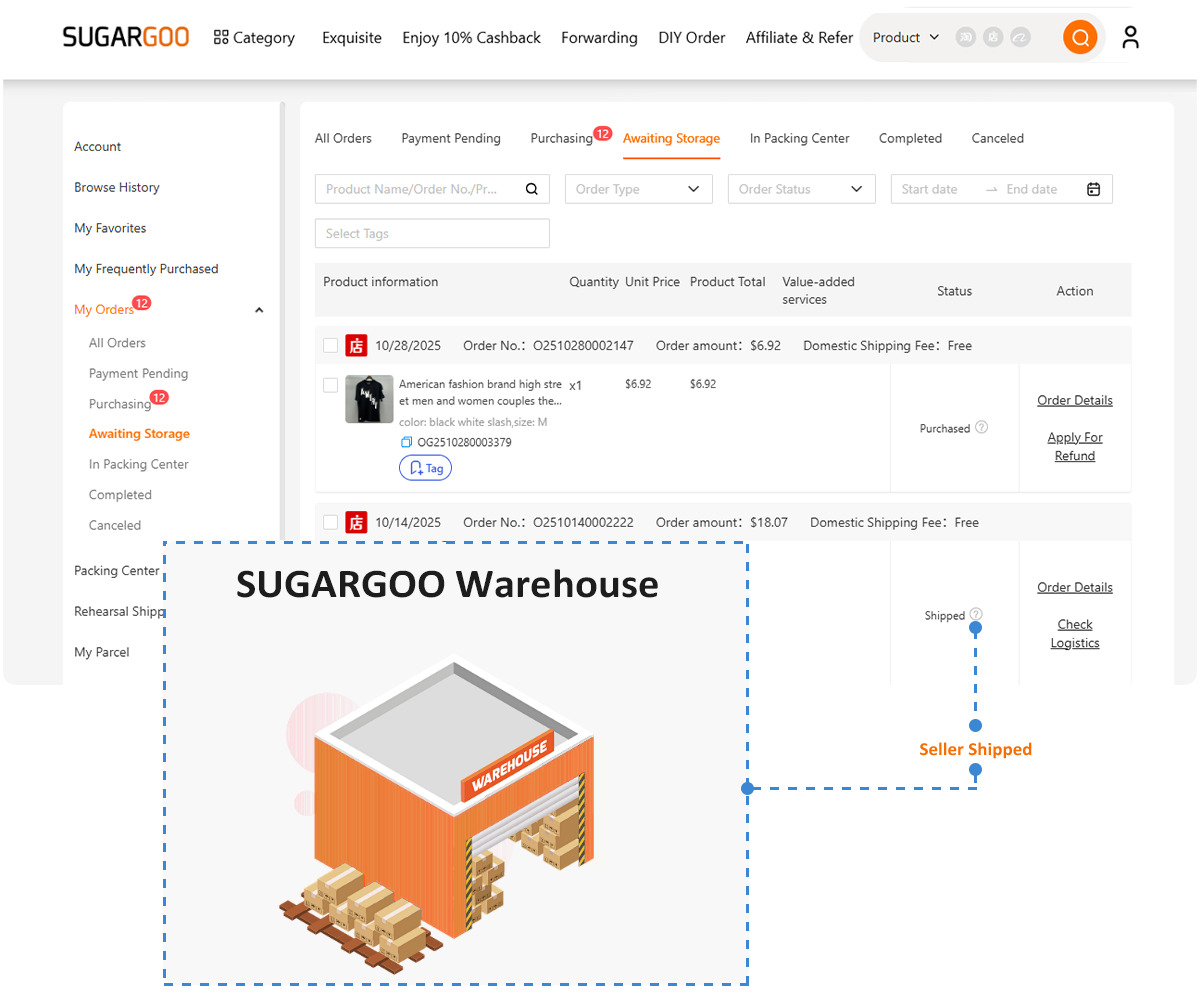
- Receive items at a China-based warehouse
- Provide quality check photos and measurements
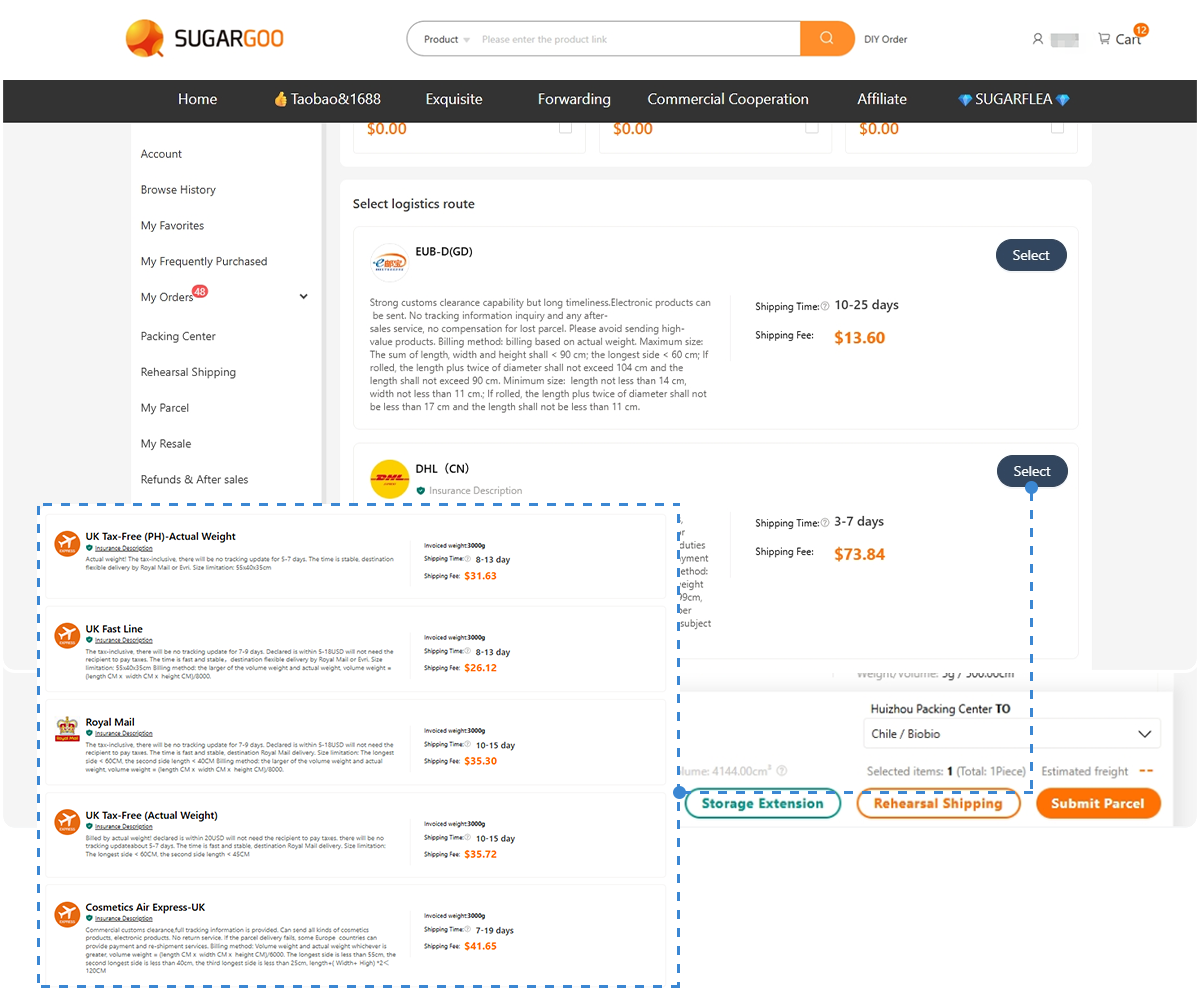
- Coordinate consolidation, shipping routes, and customs options
This extra layer doesn’t guarantee perfection, but it converts unknown risks into manageable decisions before shipping overseas.
Safety Is About Control, Not Location
Chinese shopping sites are not automatically unsafe for international buyers.
Safety depends on how much control you maintain over information, timing, and logistics.
When buyers understand platform rules, verify products early, and manage cross-border shipping carefully, shopping from China can be both economical and reliable.
Safety isn’t a yes-or-no question—it’s a matter of preparation.