

Anyone who has tried browsing Chinese shopping sites eventually runs into two names: Taobao and Goofish.
At first they seem related. Both belong to Alibaba. Both contain millions of listings. And both are often mentioned when people talk about finding cheaper products in China.
But once you actually spend some time scrolling through them, the difference becomes obvious.
Taobao feels structured. Stores, product pages, ratings, categories — everything is organized like a giant online mall.
When you open Goofish, the vibe is noticeably different. Most posts come from regular people clearing out things they don’t need anymore, not from organized stores. Listings can be simple — a couple of photos, a quick caption, sometimes just a few lines of text.
Scrolling through it feels less like online shopping and more like checking a community resale board.
Taobao and Goofish belong to the same Alibaba ecosystem, but they’re built for different situations. Once you realize that, it becomes much easier to know which one to use.
What Taobao Is Like
In China’s online shopping scene, Taobao has been around for a long time. The platform first appeared in the early 2000s and slowly expanded into one of the biggest consumer marketplaces in the country.
Rather than operating like a single online store, Taobao works more like a huge collection of independent sellers. Thousands of shops run their own pages there — from small clothing labels to factories selling directly to customers.
Because so many different sellers use the platform, the selection feels almost endless. Fashion is everywhere, but you’ll also run into gadgets, phone cases, home accessories, beauty products, hobby supplies, and all kinds of niche items.
Something that surprises many international shoppers is how many Chinese brands sell only on Taobao. Instead of building global websites, they focus entirely on this marketplace.
That means browsing Taobao can sometimes feel like discovering products that never make it onto Western shopping platforms.
Product pages usually look fairly detailed as well. Sellers tend to upload multiple photos, include descriptions, and display feedback from previous buyers.
Overall, the layout and structure resemble a huge online shopping center filled with individual stores.
What Goofish (Xianyu) Is
Goofish, known in Chinese as Xianyu, was designed with a different idea in mind.
Instead of focusing on retail stores, the platform allows everyday users to sell things they no longer need.
Someone might post a pair of shoes they only wore once. Another user might sell a phone they recently replaced. Some listings come from collectors clearing out older items.
Because most sellers are individuals, the atmosphere feels less formal than Taobao.
Photos are sometimes taken quickly with a phone camera. Descriptions can be short. A few listings look almost like social media posts rather than store pages.
That unpredictability is part of what makes the platform interesting.
You never quite know what will appear next.
Collectors often browse Goofish for exactly that reason. Rare figures, discontinued electronics, and niche merchandise occasionally show up there after disappearing from retail stores.
The Simplest Way to Understand the Difference
The easiest way to explain the platforms is through their purpose.
| Platform | What People Usually Use It For |
| Taobao | Buying brand new products |
| Goofish | Buying second-hand or resale items |
Taobao functions as a retail marketplace.
Goofish works more like a second-hand trading community.
That difference affects almost everything else — pricing, listings, and even how buyers interact with sellers.
Types of Products on Each Platform
On Taobao, most products are newly produced items sold by stores.
Fashion is extremely popular there. Many buyers browse the platform to find unique clothing styles or accessories that aren’t widely available outside China.
Electronics, home supplies, and beauty products also dominate the marketplace.
Goofish has a different mix.
A large portion of listings involve second-hand electronics, used clothing, hobby items, and collectibles. Some sellers also list limited merchandise they purchased years ago.
Because items come from individual users, the selection constantly changes.
Sometimes the platform feels like a giant garage sale happening online.
Price Differences
One reason people become curious about Goofish is the price.
In many situations, listings there are cheaper than similar products on Taobao.
The explanation is simple. Most items have already been used. Sellers are clearing space rather than running a business.
Negotiation also happens more often. Messaging a seller to ask if the price is flexible is fairly normal.
Taobao prices tend to stay more consistent.
Since products are brand new and stores compete with each other, prices usually settle within a predictable range.
For shoppers who don’t mind second-hand items, Goofish sometimes offers excellent deals.
Reliability and Risk
Taobao usually feels more structured.
Stores build reputations over time, and buyers leave reviews that help others evaluate products. Listings typically include multiple photos and clear descriptions.
If something goes wrong, the dispute process is fairly straightforward.
Goofish is less predictable.
Because many sellers are ordinary users rather than businesses, listing quality varies. Some sellers provide detailed information. Others keep things brief.
Returns can also depend on the individual seller.
That doesn’t mean the platform is unsafe, but it does require a bit more attention when browsing.
The Browsing Experience
Spending time on both platforms quickly highlights their different personalities.
Taobao focuses on efficiency. Search filters, categories, and store pages help buyers locate products quickly.
Goofish feels more exploratory.
Scrolling through listings sometimes resembles wandering through a flea market. Interesting items appear randomly between ordinary ones.
Some people enjoy that discovery aspect. Others prefer the organized structure of Taobao.
Buying From Taobao or Goofish Outside China
International shoppers often run into a few obstacles.
Both platforms were built primarily for users in China. Interfaces are written in Chinese, and many sellers only ship domestically.
Payment systems can also be confusing for buyers unfamiliar with Chinese apps.
Because of this, many overseas shoppers use buying agents.
These services purchase items locally on behalf of the buyer and then ship them internationally once everything reaches their warehouse.
Using a Buying Agent
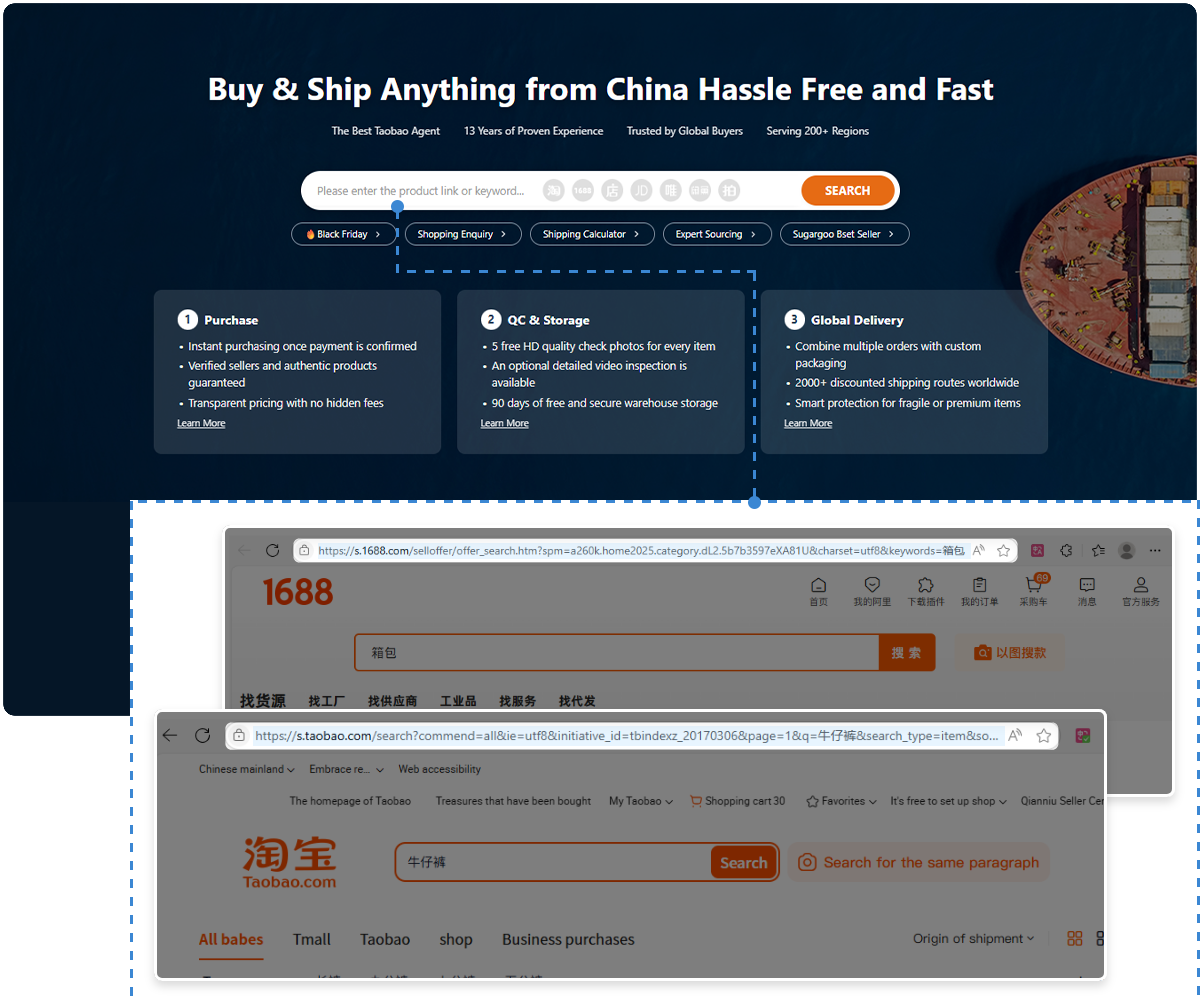
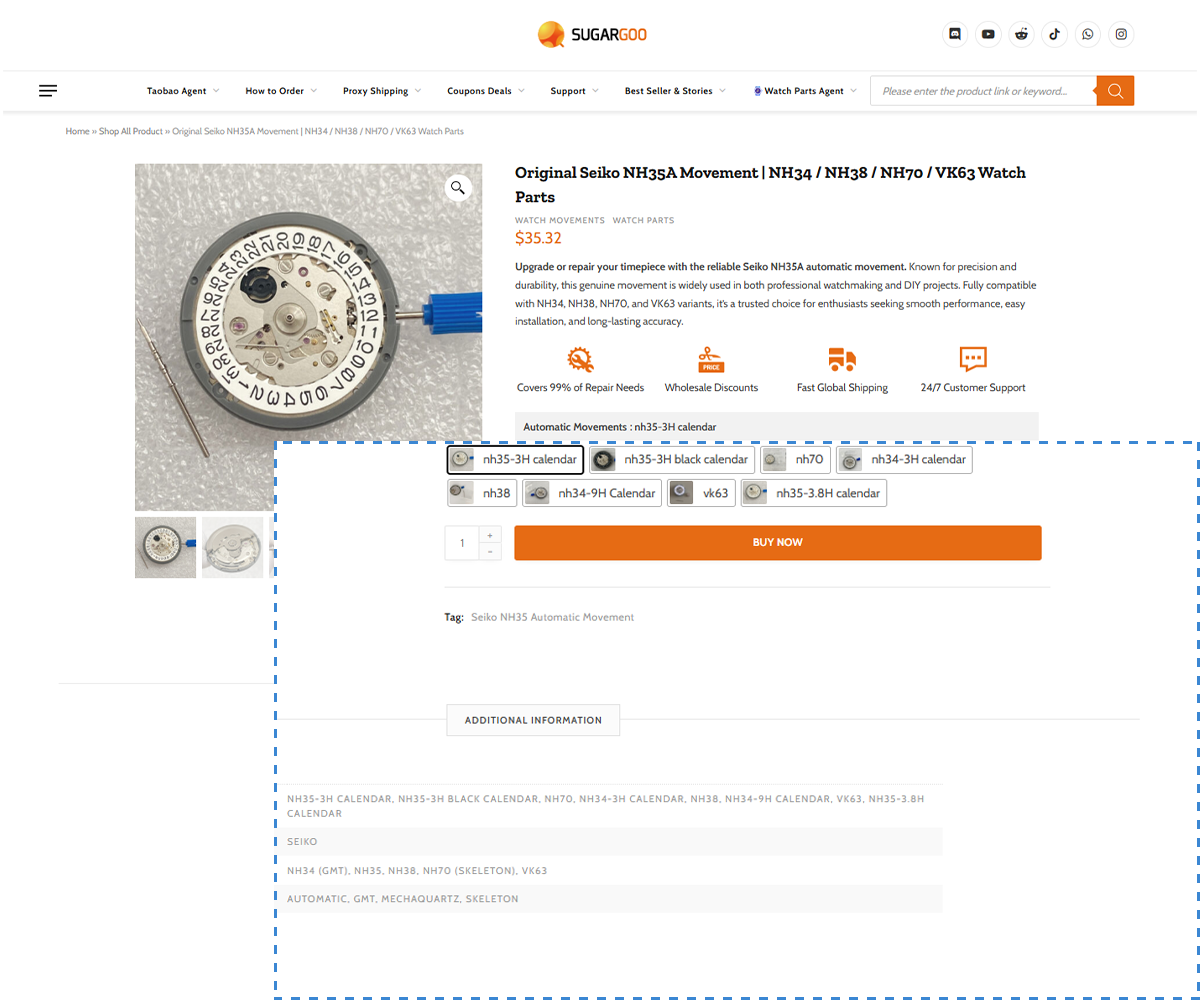
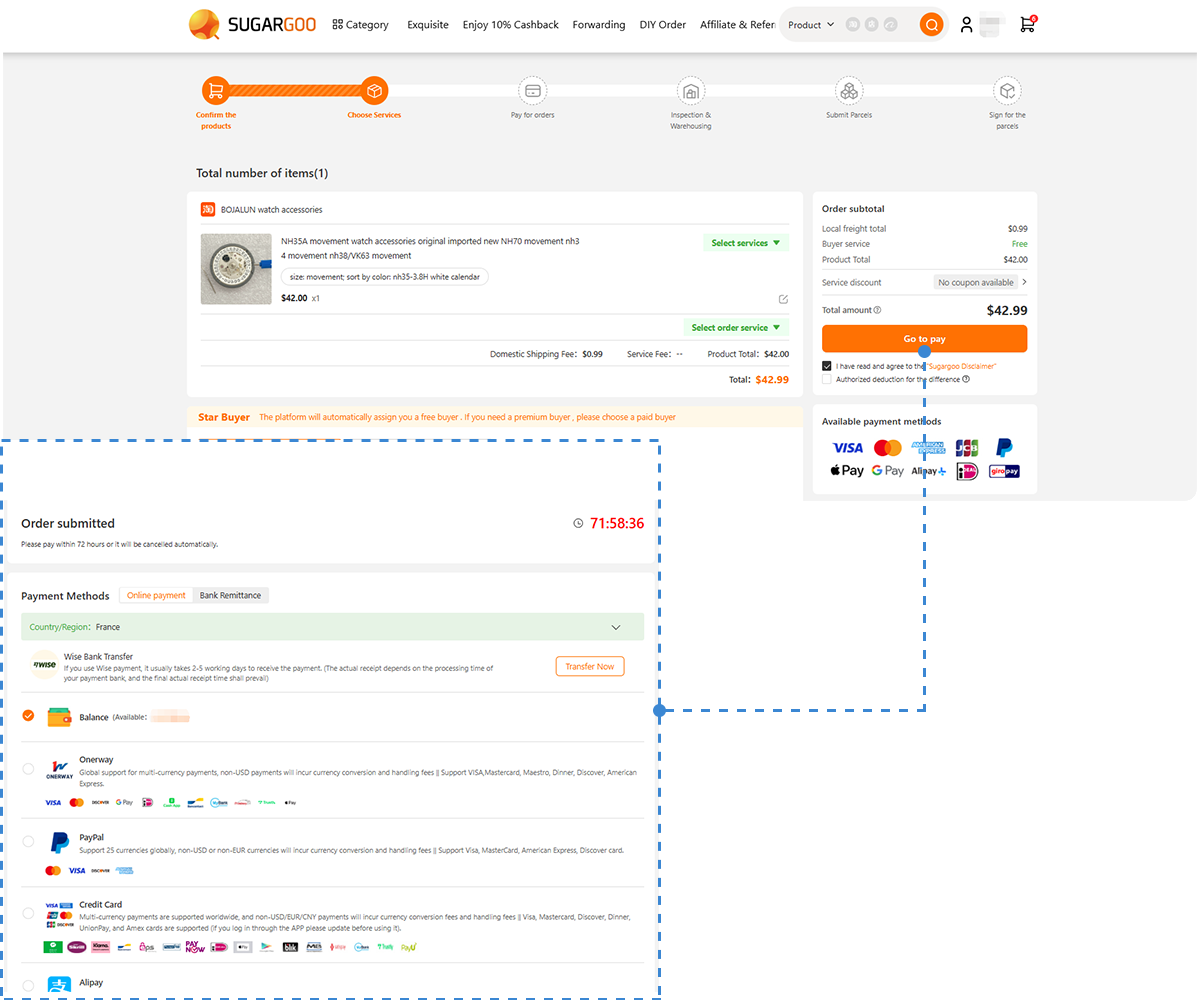
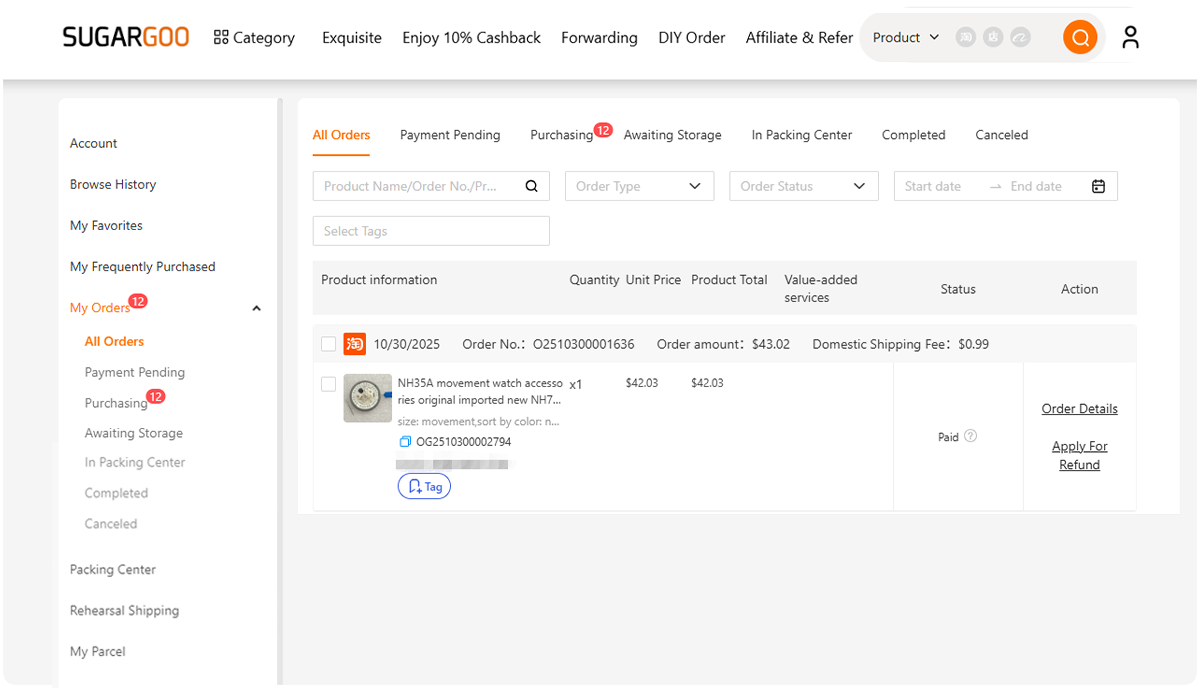
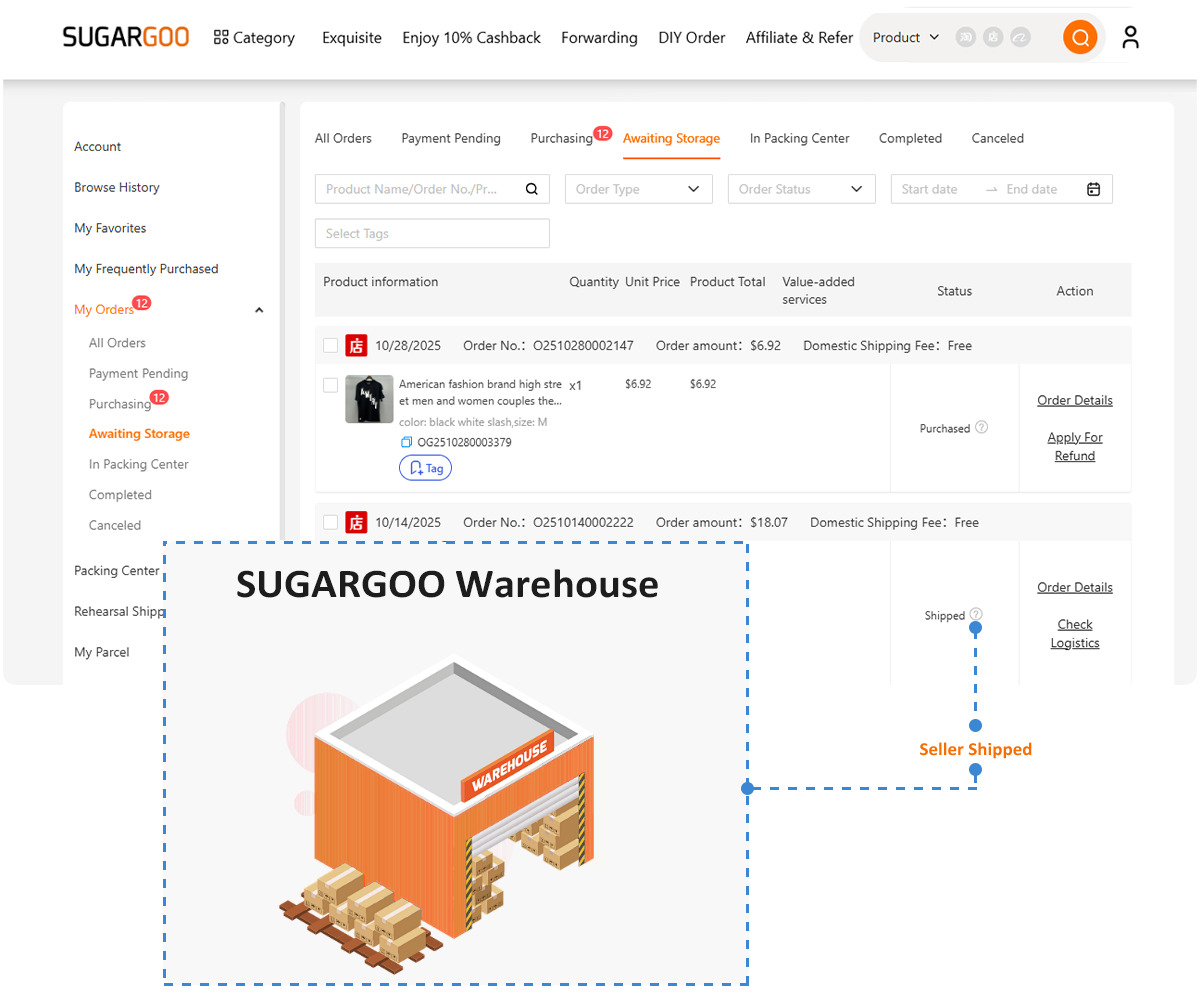
Many overseas buyers use a service like Sugargoo to place orders from Chinese marketplaces.
For items on Taobao, the process is simple — just copy the product URL and paste it into the search bar on the platform to create the order. If the item comes from Goofish (Xianyu), it can be submitted through the DIY Order feature instead.
After the request is submitted, the system converts your English notes into Chinese so the seller can clearly understand the details of the purchase.
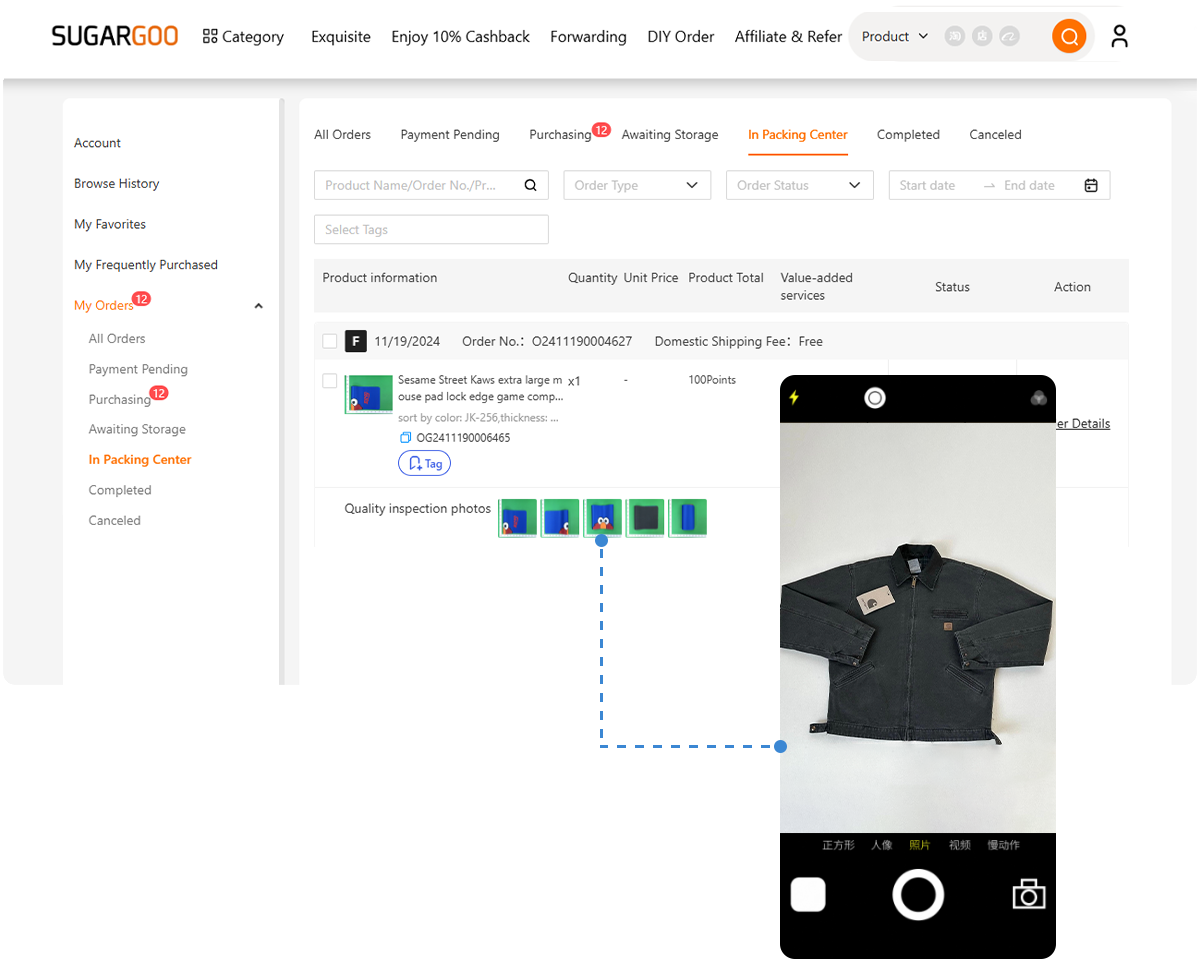
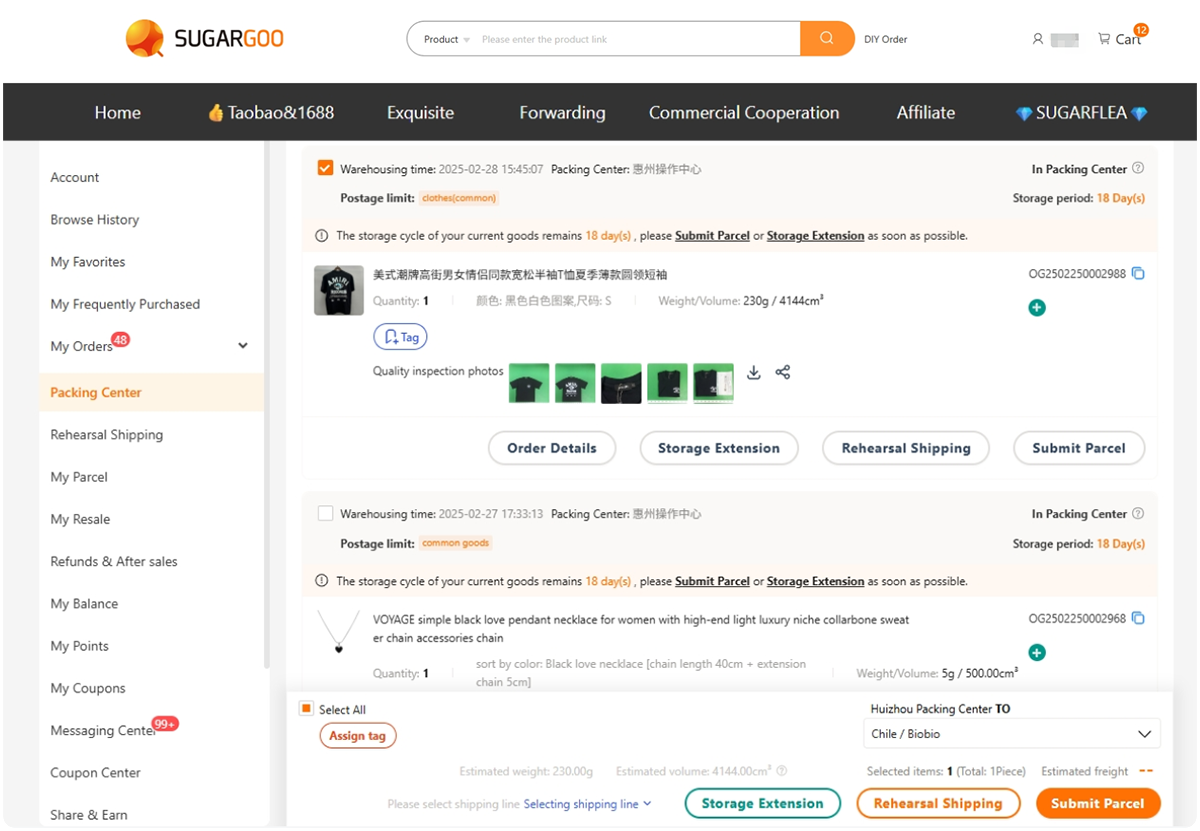
After the item arrives at the warehouse, staff members take quality check photos. This allows buyers to confirm the item before it gets shipped internationally.
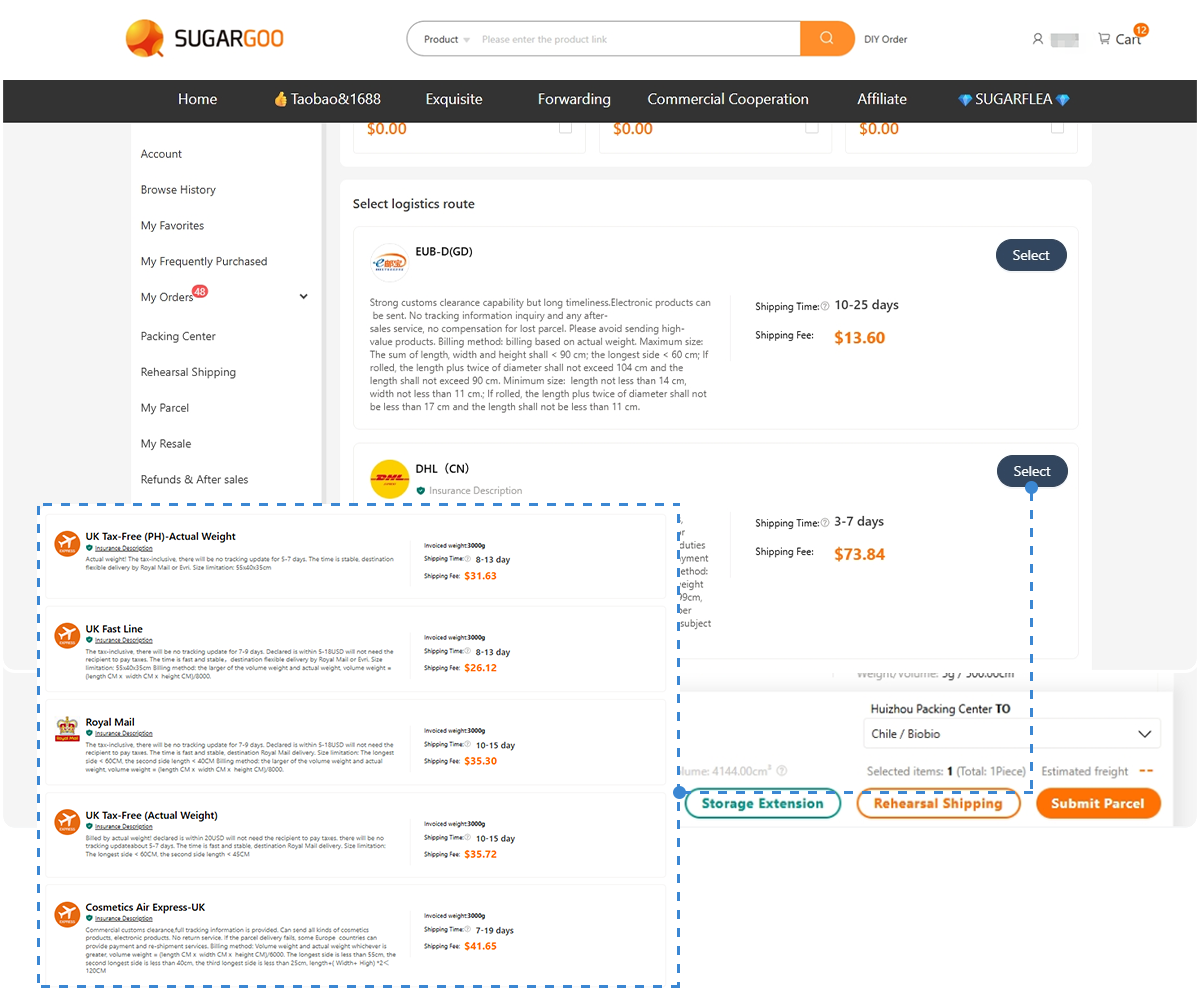
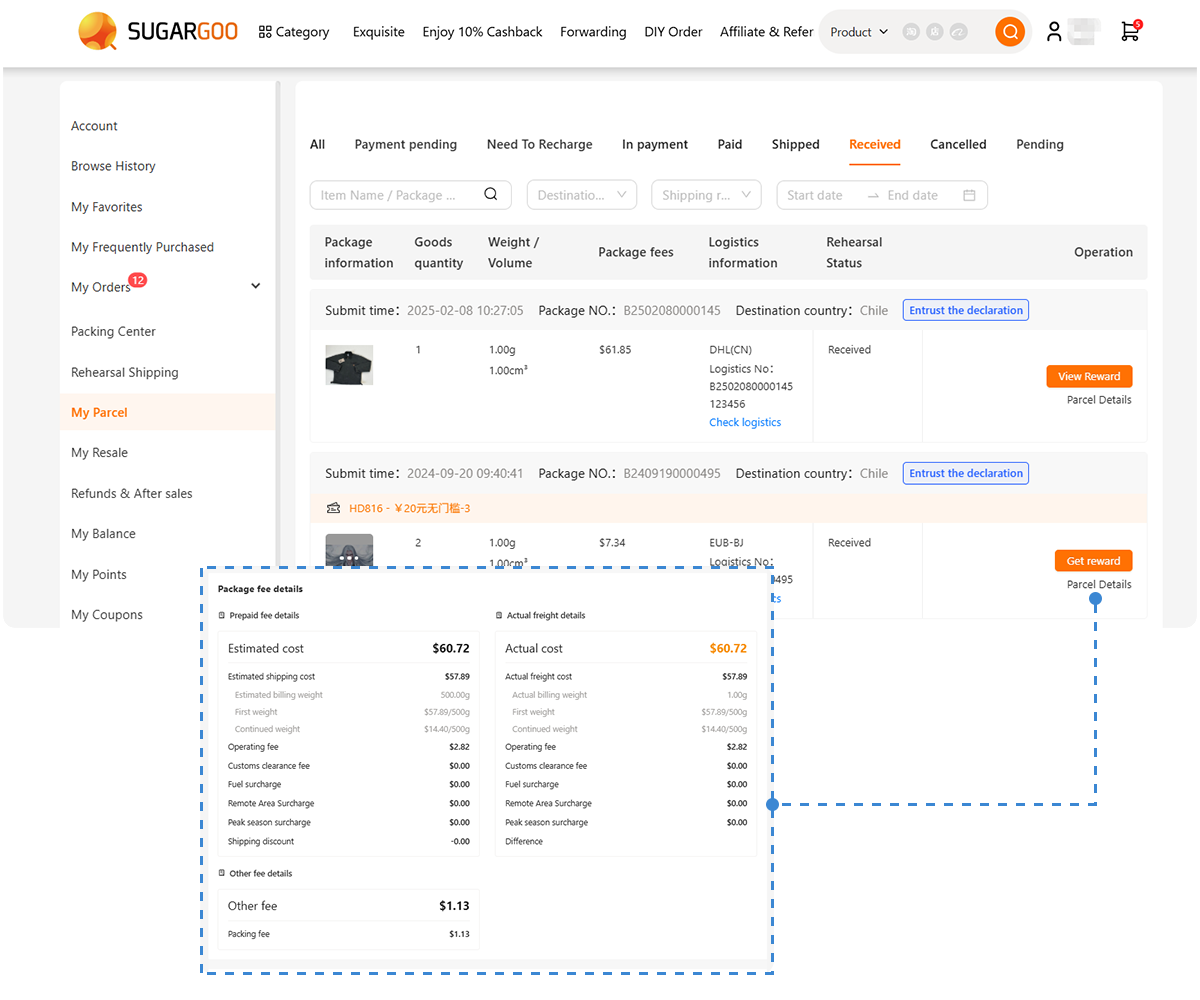
Many users combine multiple orders into a single package to reduce shipping costs. Parcel protection services and shipping insurance can also be added before selecting an international shipping line.
For buyers outside China, using an agent simplifies the entire process.
Which Platform Should You Choose?
The answer depends on what you’re looking for.
Taobao works well for people who want brand-new products from established sellers. The shopping experience is structured, and product pages usually provide clear information.
Goofish attracts a different type of buyer.
Bargain hunters often browse it hoping to find inexpensive deals. Collectors use it to search for older items that no longer appear in retail stores.
Many experienced shoppers switch between the two platforms depending on what they need.
Are Taobao and Goofish Connected?
Yes. Both belong to Alibaba Group.
Even though the platforms operate differently, they exist within the same ecosystem.
It’s actually common for products purchased on Taobao to appear later on Goofish when the owner decides to resell them.
Why Some Goofish Listings Are So Cheap
Lower prices usually come down to simple reasons.
Many sellers are clearing space in their homes. Others received items as gifts but never used them.
Collectors also trade within niche communities, which occasionally results in surprisingly low prices.
Since individuals set their own prices, flexibility is common.
Tips for Browsing Goofish
Looking carefully at product photos helps a lot. Condition is often easier to judge visually than through a short description.
Checking seller ratings can also provide useful context.
If something isn’t clear, messaging the seller before buying can prevent misunderstandings later.
Buyers using an agent also get the advantage of QC photos before international shipping.
Final Thoughts
Taobao and Goofish come from the same parent company, yet the experience of using them feels quite different.
Taobao operates like a large online mall filled with retail stores and brand-new products.
Goofish moves in another direction. Listings come from individuals, prices vary widely, and browsing sometimes feels like searching through a resale market.
For shoppers who explore both platforms, the combination opens access to an enormous range of products that rarely appear elsewhere.
FAQ
Is Goofish cheaper than Taobao? Often yes, because many items are second-hand and sellers price them lower than retail listings.
Can foreigners buy from Goofish? Yes, although many international buyers use purchasing agents because sellers usually ship only within China.
Is Goofish safe to use? The platform itself is legitimate, but listing quality varies since most sellers are individuals.
Why do collectors use Goofish? Rare or discontinued items sometimes reappear there long after they sell out on retail marketplaces.