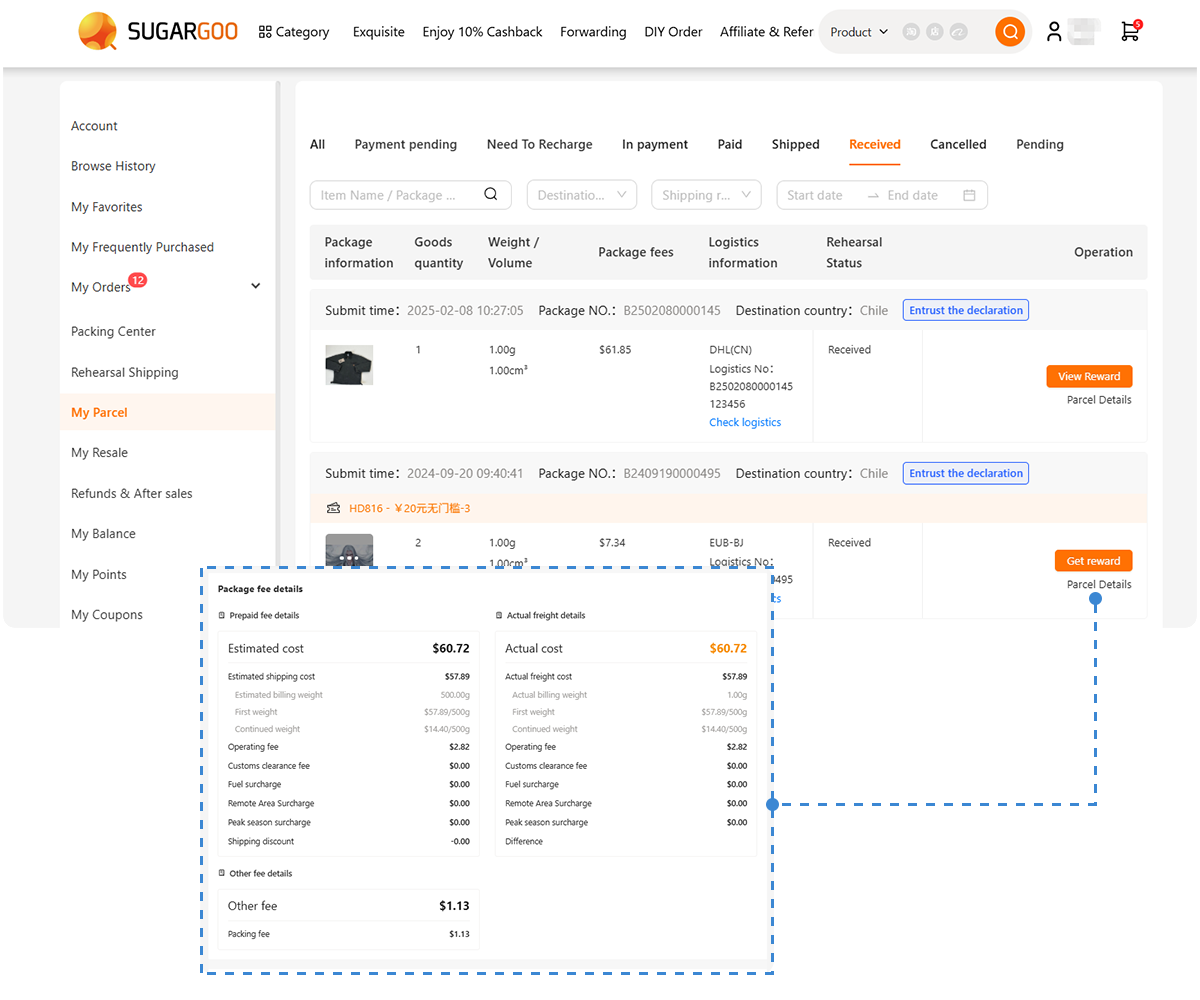



Many international shoppers encounter the same confusing moment: an item from China costs only a few dollars, yet the shipping fee is two or three times higher. At first glance, it feels unreasonable—sometimes even misleading.
In reality, this price gap is not a mistake. It reflects how global shipping works behind the scenes. Once you understand the mechanics, these costs become easier to explain—and in many cases, easier to reduce.
This article breaks down why shipping from China can outweigh the product price, and what overseas buyers can do to regain control over total costs.
Low Manufacturing Costs Don’t Lower Global Transport Costs
China’s low product prices are driven by factory scale, streamlined supply chains, and efficient labor distribution. These factors affect how items are produced—but they do not influence how goods move across borders.
International shipping depends on:
- Aircraft or cargo vessel availability
- Fuel consumption and route demand
- Export handling and documentation
- Import country processing requirements
Even when a product costs very little to make, it still occupies physical space on a plane or ship. That space has a fixed market value, regardless of the item inside the box.
Shipping Fees Are Based on Space, Not Just Kilograms
One of the biggest reasons buyers underestimate shipping costs is volumetric weight pricing.
Carriers do not charge purely by scale weight. Instead, they calculate which is greater:
- The parcel’s physical weight
- The amount of space it takes up
Items that are light but bulky often trigger higher fees. Typical examples include:
- Shoes packed with original boxes
- Puffer jackets or coats
- Backpacks or handbags
From a logistics perspective, space is limited and valuable. A large box prevents other parcels from being loaded, so it costs more—even if it weighs very little.
Chinese Platform Pricing Is Designed for Domestic Buyers
Most Chinese online marketplaces display prices based on local shipping assumptions. These listings usually exclude:
- Export preparation
- International transit
- Customs handling
For overseas buyers, these steps are unavoidable. The product price you see is only the starting point, not the final landed cost.
This explains why international orders often feel affordable at first and expensive later. The additional logistics layer appears only after the domestic transaction is complete.
Small, Single Orders Are the Most Expensive Way to Ship
International shipping strongly favors bundled shipments. Sending one small package overseas is inefficient, while combining multiple items into a single parcel spreads fixed costs more evenly.
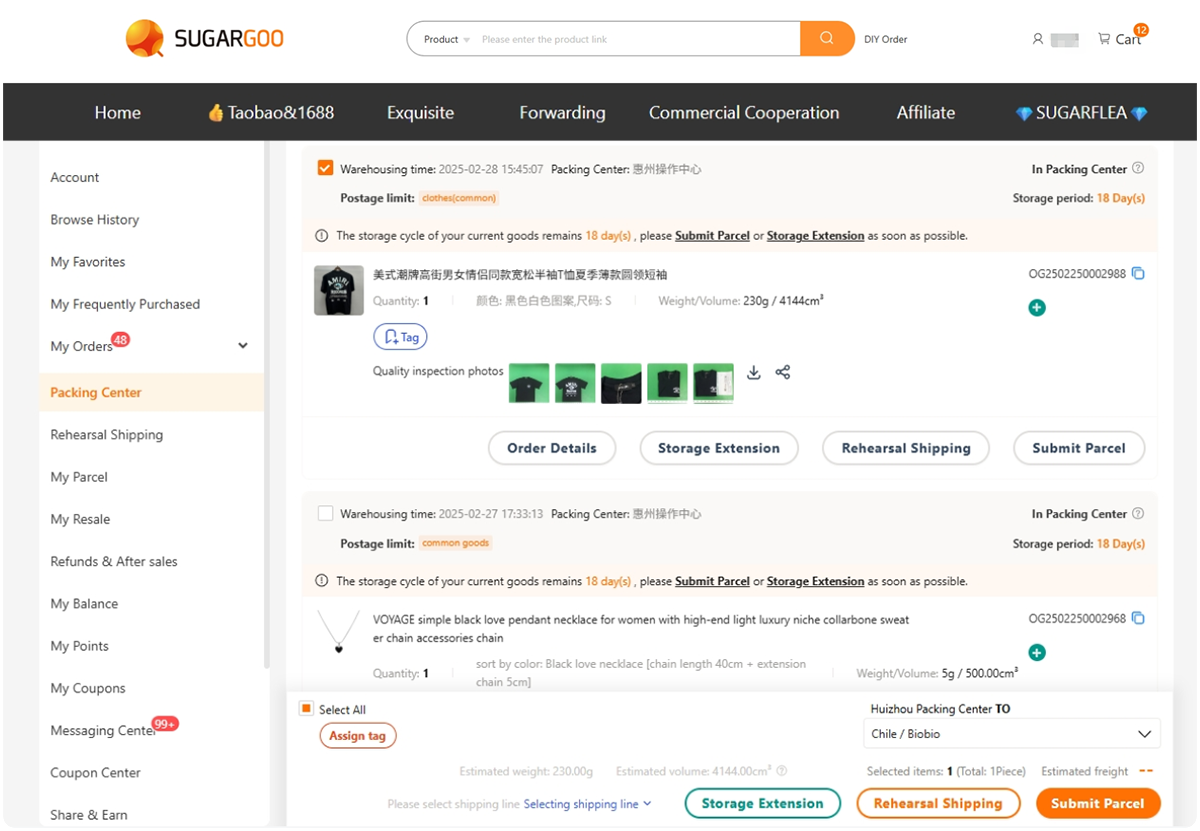
Warehousing and consolidation solve this problem by allowing buyers to:
- Store multiple purchases temporarily
- Remove excess packaging
- Ship everything together in one optimized box
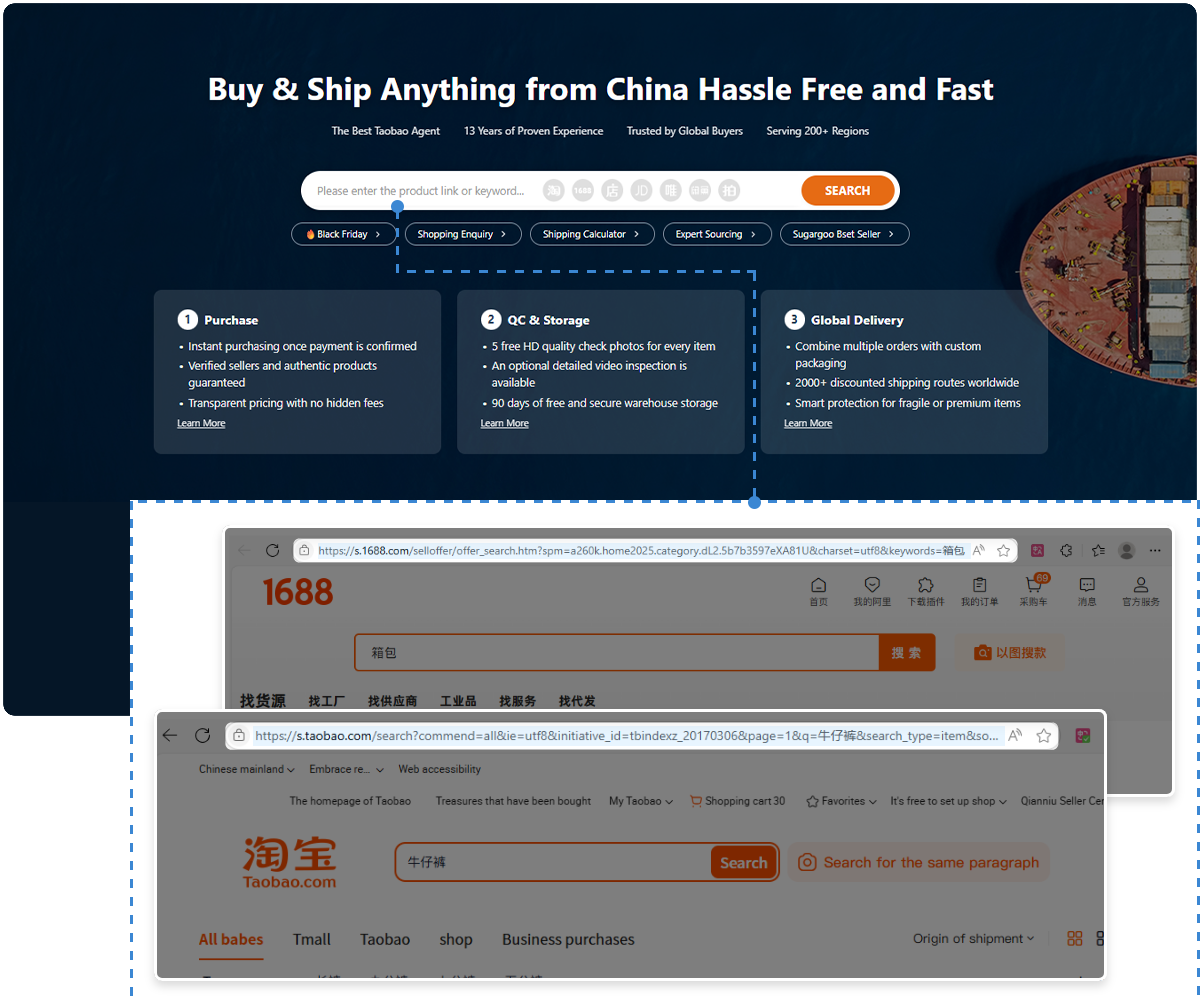
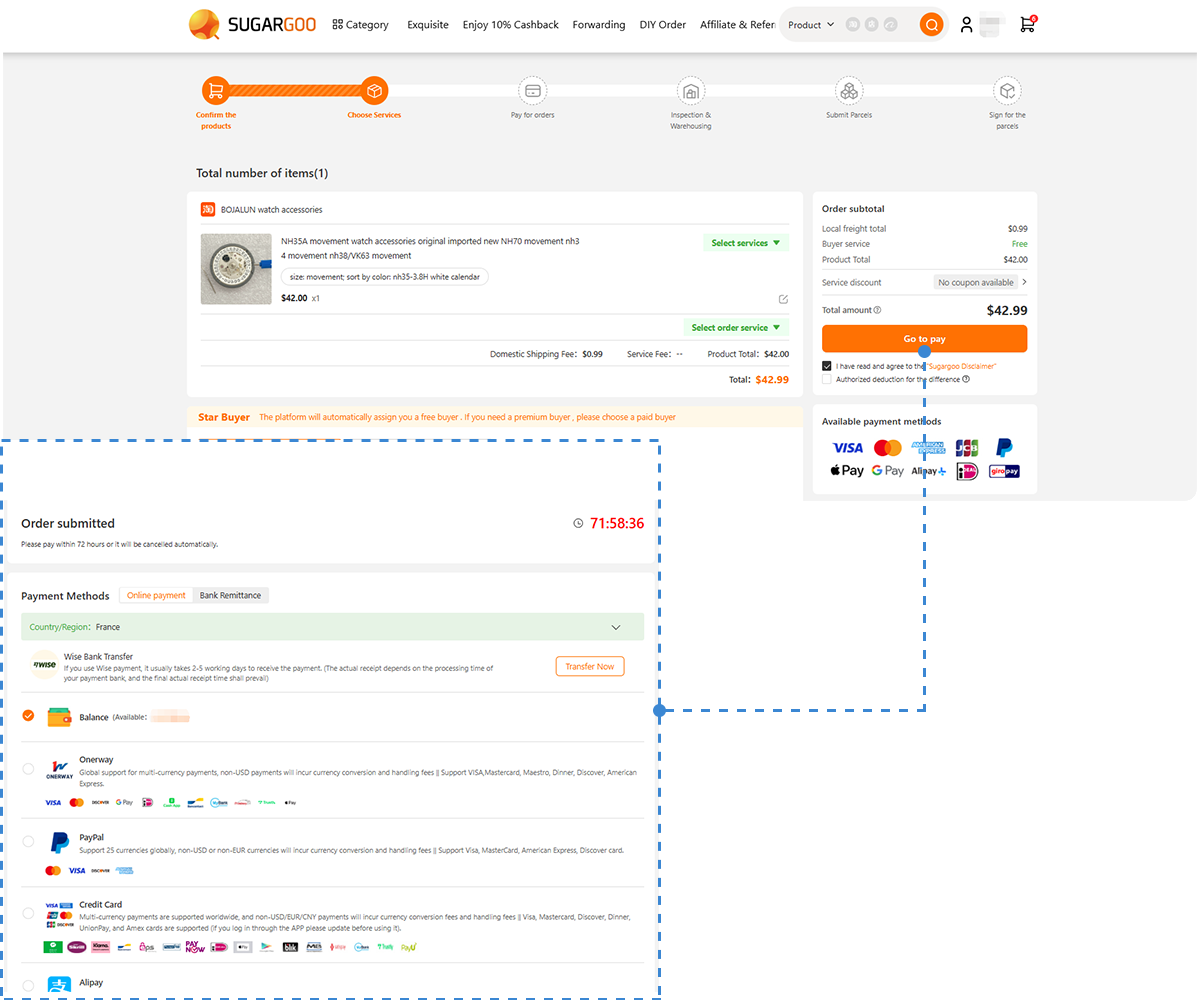
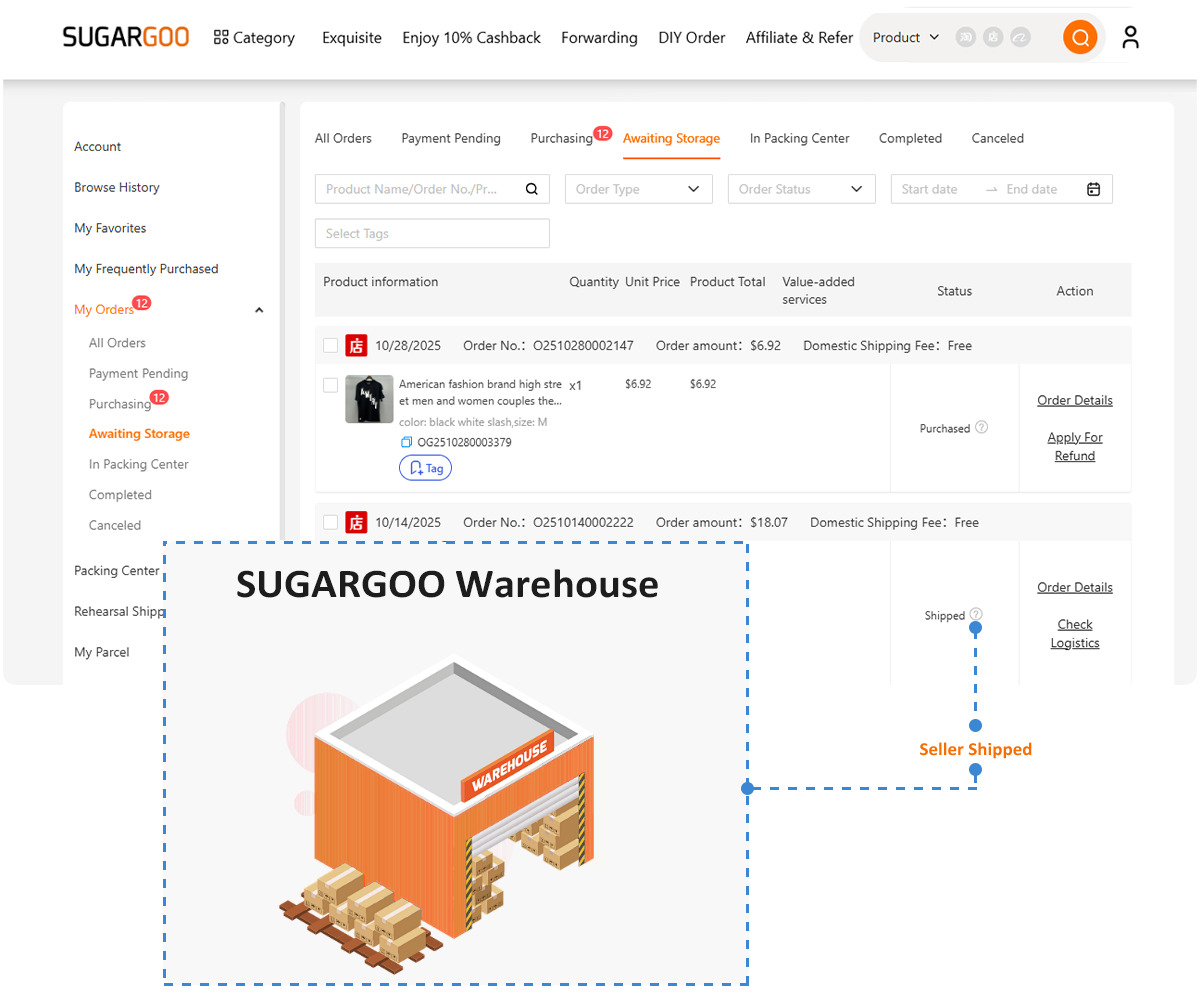
Proxy serviceslike those offered by Sugargoo make this possible by providing warehouse storage and order consolidation before international dispatch.
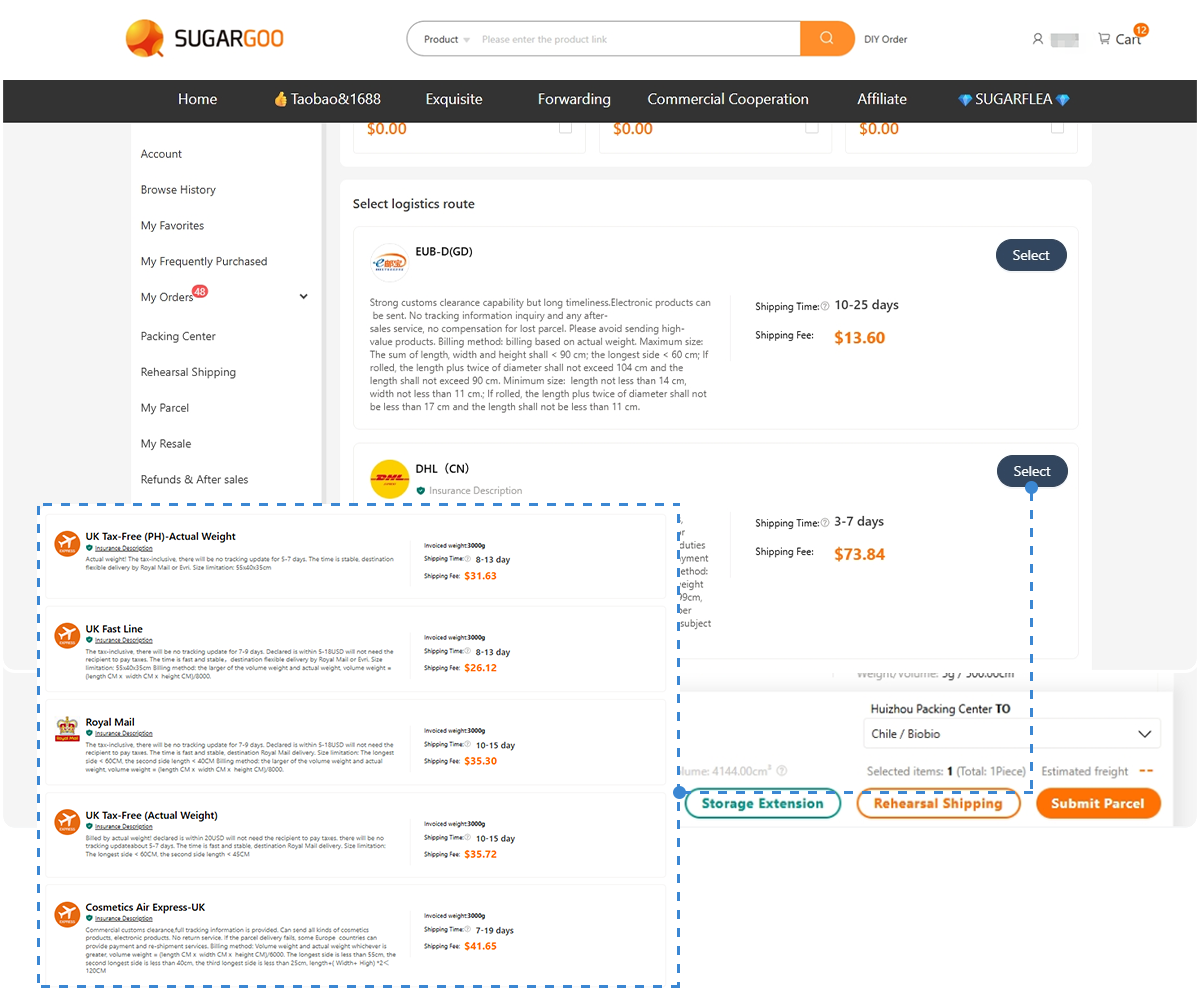
Choosing the Wrong Shipping Line Can Double Your Cost
Many buyers assume the fastest shipping option is the safest choice. In practice, speed and value are not always aligned.
Different lines vary by:
- Delivery time
- Pricing model
- Tax handling
- Parcel size tolerance
A slightly slower route may cost far less while still offering stable tracking and delivery. Having access to multiple shipping lines allows buyers to choose based on their actual priorities, not guesswork.
Practical Ways to Lower International Shipping Costs
While not every cost can be eliminated, many can be reduced with planning.
Effective strategies include:
- Consolidating orders instead of shipping individually
- Reducing parcel size through repacking
- Selecting routes that match parcel dimensions
- Adding insurance selectively for higher-value shipments
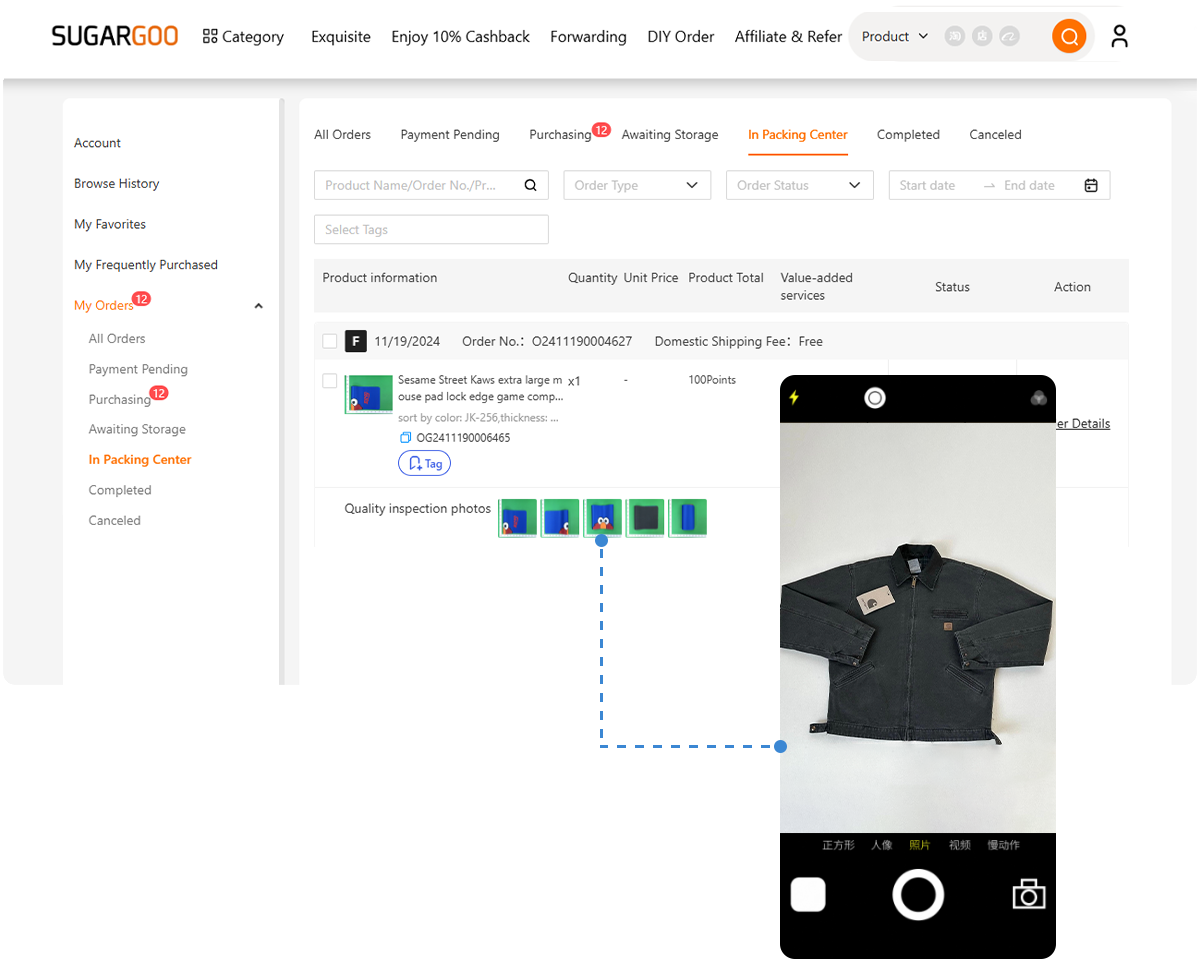
Some platforms also offer value-added services, such as package inspections or reinforced packing, which can prevent loss or damage and reduce the risk of costly reshipments.
Should You Add Shipping Insurance?
When shipping internationally, insurance often represents a small percentage of the total cost—especially for consolidated parcels.
Insurance can protect against:
- Loss during transit
- Major damage
- Logistics disruptions
For orders where replacement would be expensive or time-consuming, insurance can be a sensible safeguard rather than an unnecessary extra.
Shipping Costs Are Manageable Once You Understand Them
Shipping from China feels expensive when viewed without context. But once you factor in distance, space usage, handling services, and order structure, the pricing becomes far more logical.
The most important insight is this: When shipping fees seem excessive, the cause is often structural rather than unavoidable. In many cases, the cost reflects how the order is handled, packed, and routed—not a fixed rule of international delivery.
With access to tools like temporary storage, parcel consolidation, route selection, and optional shipment protection through platforms such as Sugargoo, overseas buyers gain far more control over how their orders are prepared and shipped.
Lower shipping costs do not come from guesswork. They come from understanding how logistics decisions affect the final price—and adjusting those decisions accordingly.