
For many overseas shoppers, the first encounter with a Chinese shopping site feels slightly unreal. You scroll through listings and start wondering whether you’re missing something—because prices for familiar-looking products seem unusually low, even before sales or coupons come into play.
The explanation isn’t hidden in one single factor. It comes from how the entire ecosystem operates: who is selling, who the platform is built for, and how local buyers make purchasing decisions. When those pieces are viewed together, the pricing starts to feel less like a surprise and more like a natural outcome of the system.
Factory-to-Consumer Supply Chains Cut Out the Middlemen
One of the biggest reasons Chinese shopping sites are cheaper is that sellers are closer to production.
On many Chinese platforms, sellers are often:
- The factory itself
- A factory-owned storefront
- A small team selling directly from a manufacturing hub
That means products move straight from production to listing, without passing through layers of distributors or international brand owners. Each skipped step removes a markup.
On international platforms, the typical path looks more like this:
Factory → Brand → Importer → Distributor → Retailer → Consumer
Every layer needs profit, and those costs stack up quickly.
Platforms Are Built for Domestic Shoppers, Not Global Audiences
Chinese shopping sites are designed primarily for domestic users. This shapes pricing in ways many overseas buyers don’t immediately notice.
Because the target audience is local, platforms don’t need to invest heavily in:
- Multi-language interfaces
- International customer support teams
- Region-specific compliance messaging
- Overseas return systems
International platforms, by contrast, build these costs directly into product pricing. Even when shipping or services appear “free,” those expenses are rarely absorbed by the platform—they’re quietly passed on to buyers.
Extreme Seller Competition Pushes Prices Down
Competition on Chinese shopping sites is intense. For popular items, it’s common to see dozens—or even hundreds—of sellers offering nearly identical products.
This creates a market where:
- Prices are constantly compared
- Margins are thin
- Sellers rely on volume rather than high profit per item
On many international platforms, fewer sellers control the same product category. With less competition, there’s more room for higher markups and brand-driven pricing.
Less Money Spent on Branding, Packaging, and “Experience”
When shopping on Chinese platforms, you’re often paying primarily for the product itself—not the experience surrounding it.
Many listings feature:
- Simple or minimal packaging
- Basic product photography
- Little to no brand storytelling
International platforms frequently emphasize premium packaging, polished visuals, and lifestyle marketing. These elements look appealing, but they also increase costs that are reflected in the final price.
Chinese shopping sites operate closer to a wholesale mindset, even when selling to individual consumers.
Domestic Logistics Are Exceptionally Low-Cost
Shipping within China is remarkably inexpensive. Sellers benefit from:
- Highly optimized courier networks
- Short distances between factories and warehouses
- High daily shipping volumes
Within China, shipping is treated almost as a background cost rather than a significant expense. For most sellers, sending a package domestically is fast, predictable, and inexpensive enough that it barely affects product pricing.
Once a platform operates internationally, the situation changes entirely. Longer delivery distances, customs procedures, and multi-stage transportation all introduce extra costs. These expenses rarely show up as a single line item—instead, they are quietly folded into the listed price, even when shipping is marketed as a deal or promotion.
Lower International Compliance Costs for Sellers
Selling internationally comes with regulatory responsibilities:
- Import duties and VAT
- Product compliance standards
- Consumer protection and return policies
International platforms usually shoulder part of this burden, which increases operational costs.
Most Chinese sellers focus on domestic sales and don’t price their products to meet overseas regulatory requirements. As a result, their base prices remain lower—especially before international shipping and taxes are added.
Different Consumer Expectations Around Value
Chinese consumers are highly price-aware. Many are comfortable:
- Comparing dozens of similar listings
- Judging quality based on reviews and real photos
- Accepting minor imperfections in exchange for savings
This encourages sellers to prioritize affordability over brand image.
On international platforms, shoppers often expect consistency, brand trust, and polished service. Meeting those expectations costs money, and that cost shows up in higher prices.
Why Cheaper Doesn’t Always Mean Easier
Lower prices don’t always translate into a smooth buying experience for overseas shoppers. Even experienced buyers can run into issues such as language barriers, limited payment options, unclear sizing details, or uncertainty around returns and refunds.
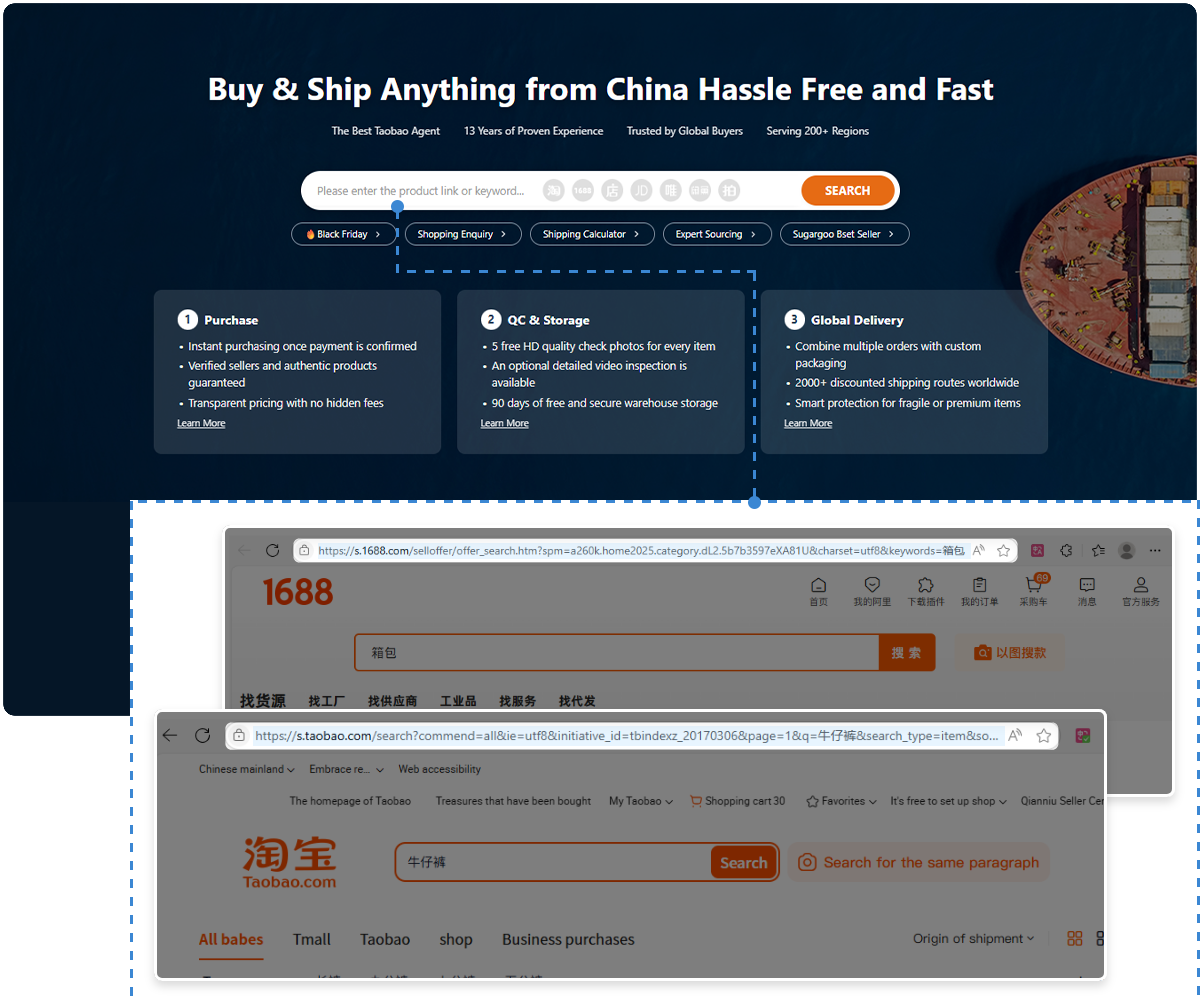
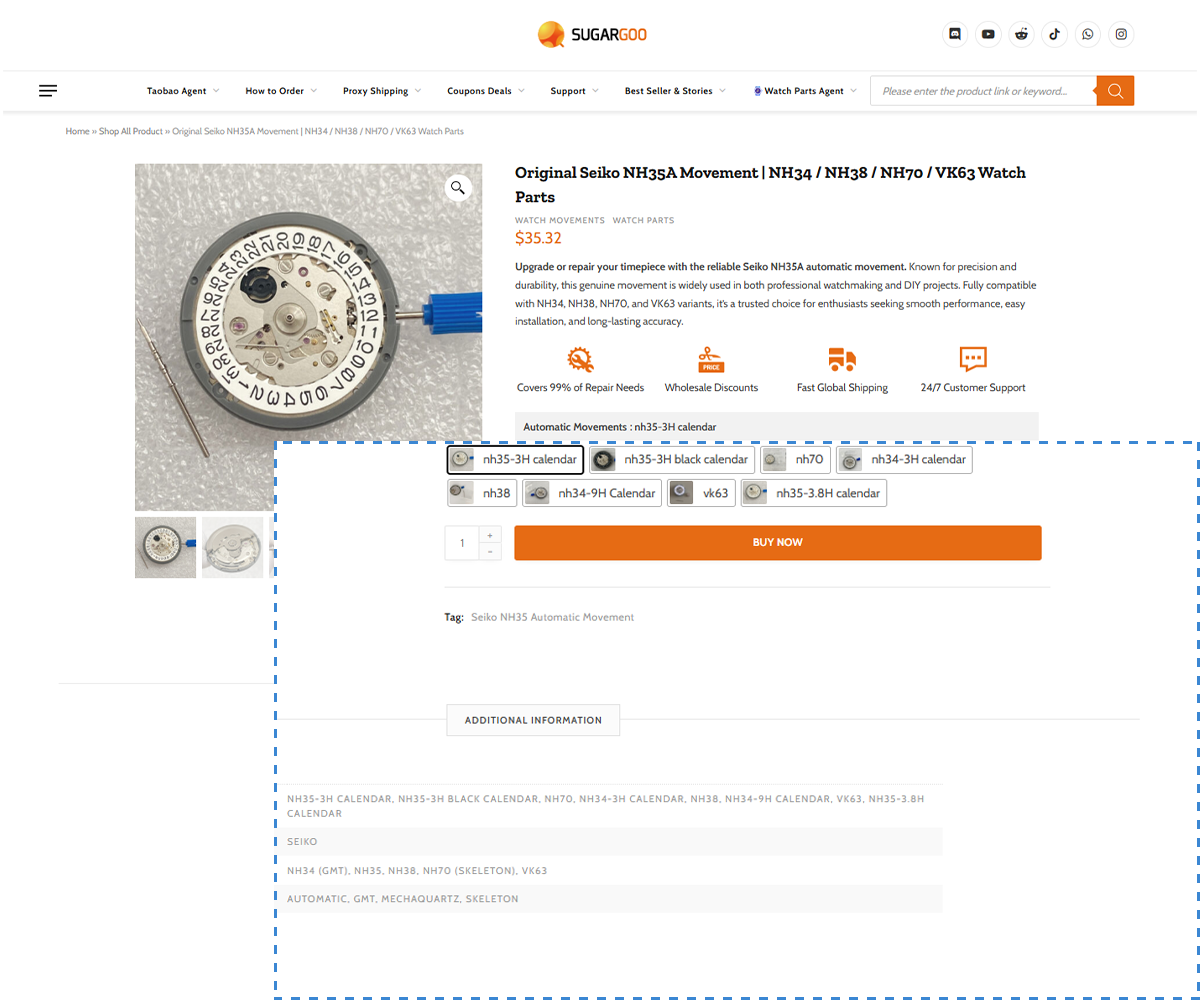
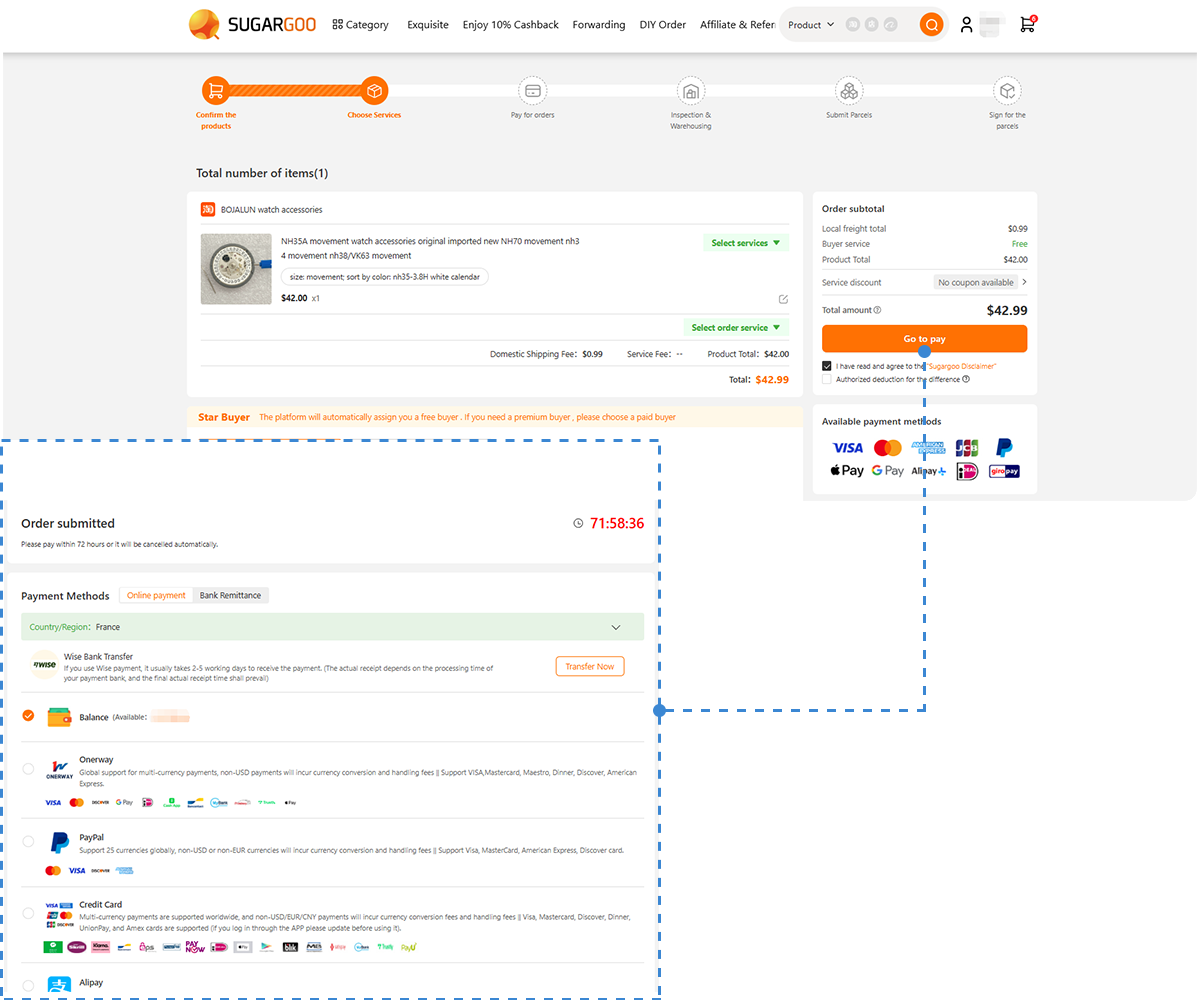
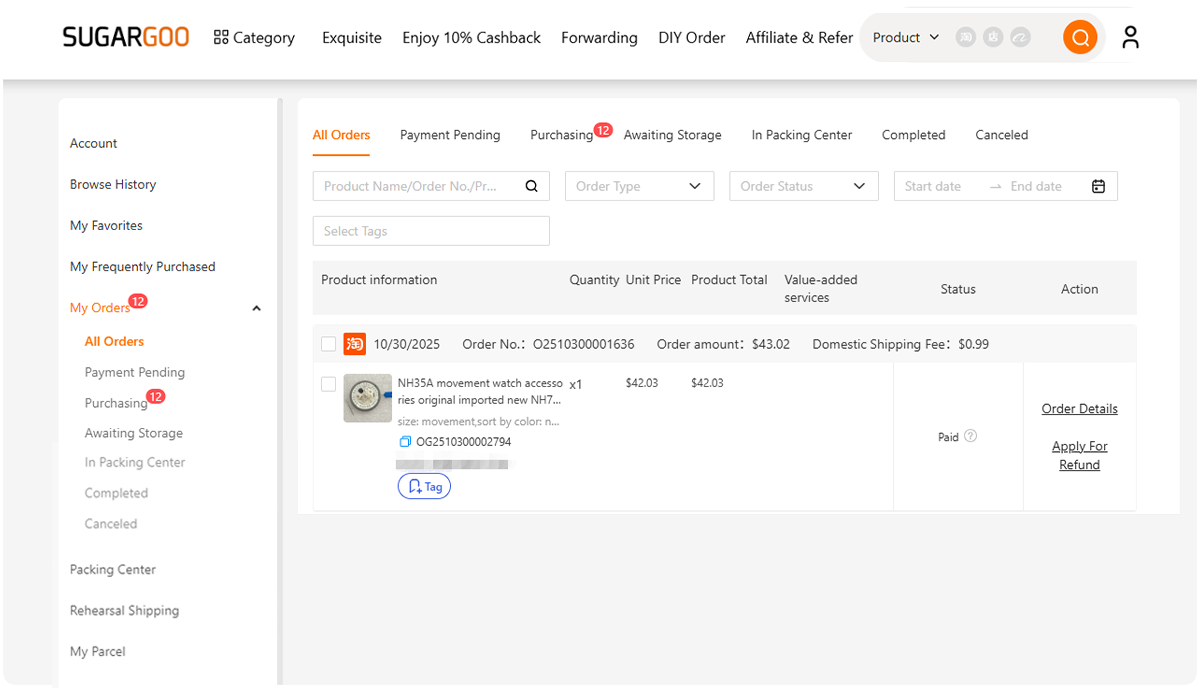
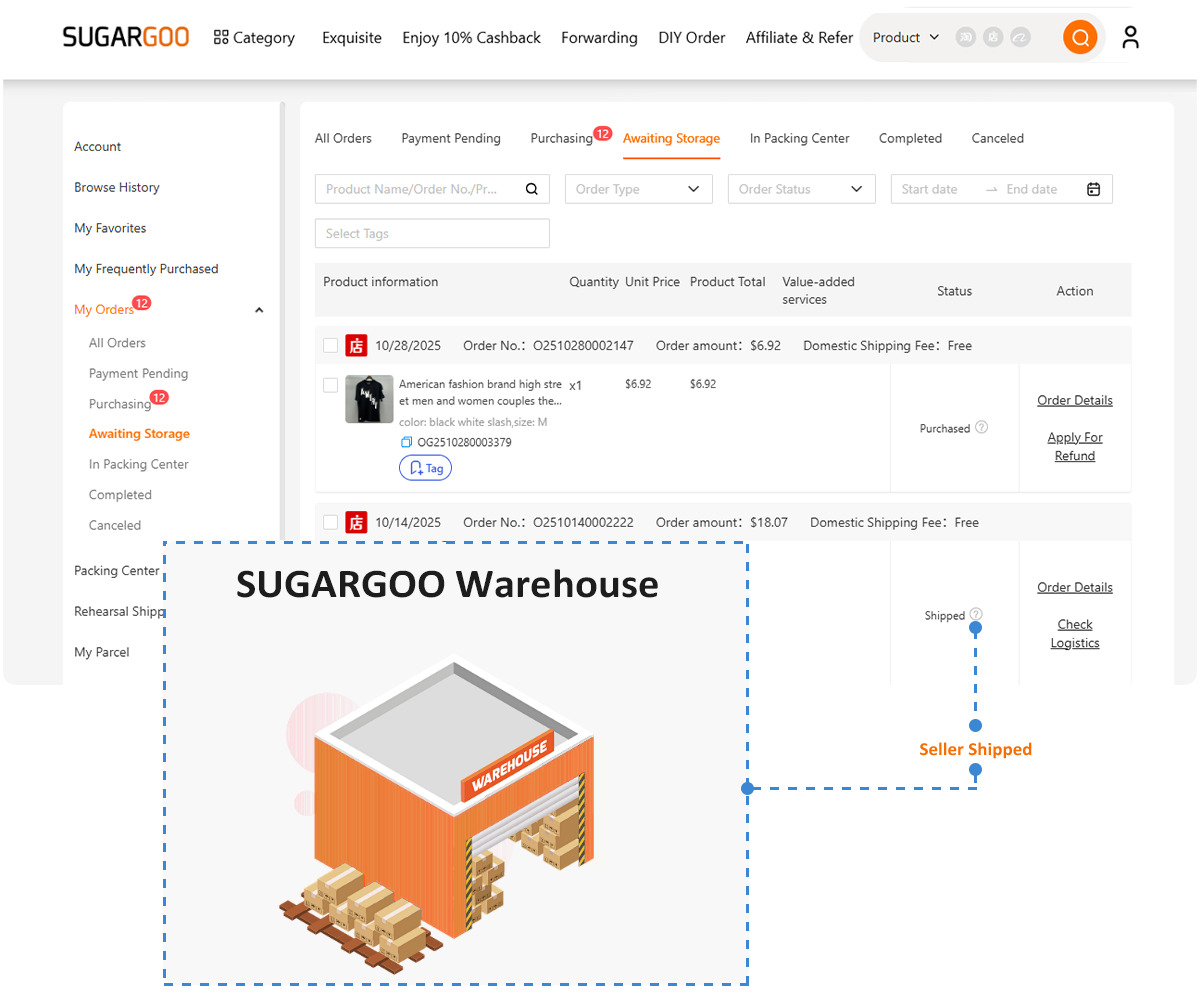
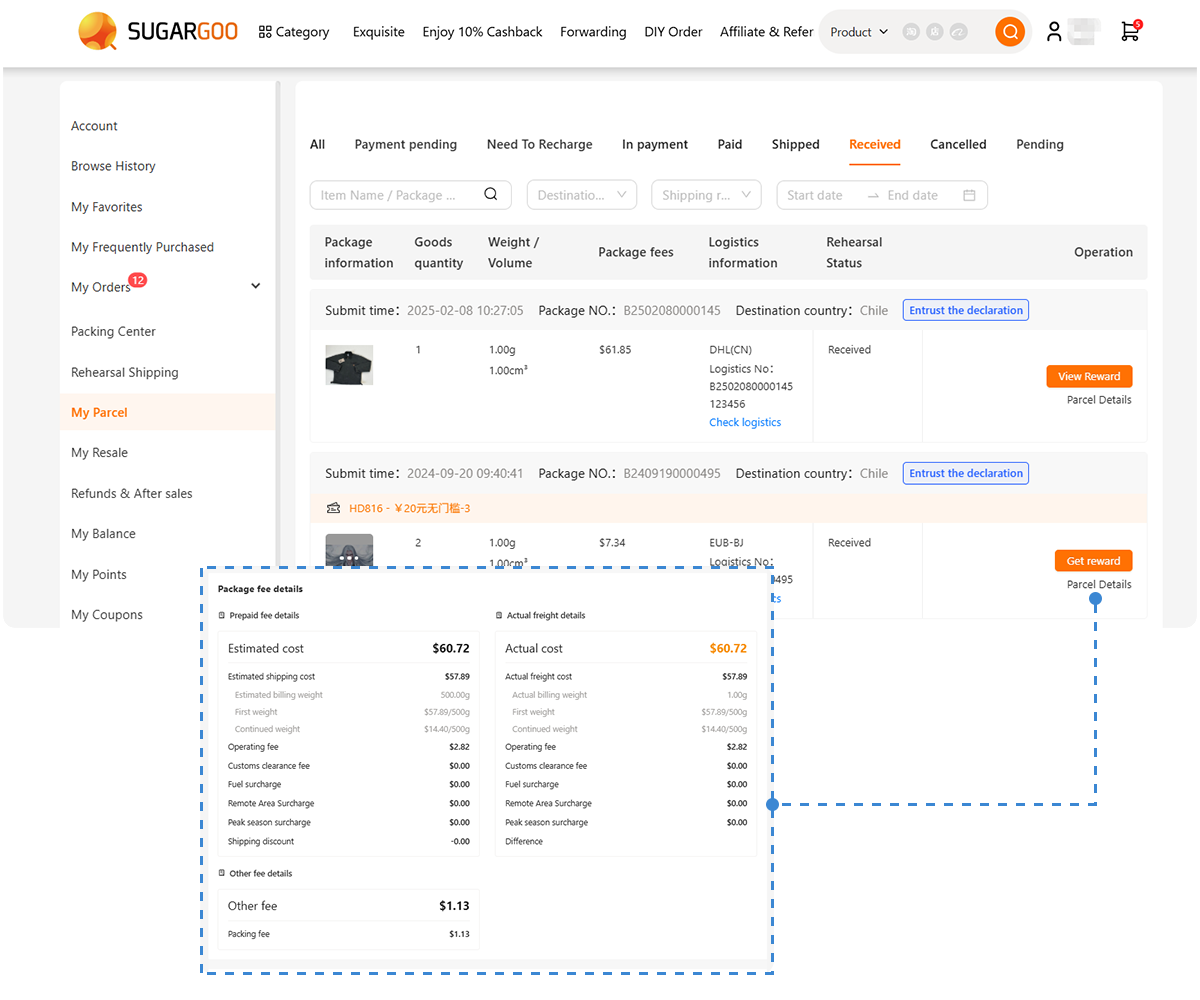
Because of this, many international shoppers rely on a Chinese shopping agent rather than ordering directly. Using a proxy like Sugargoo allows buyers to shop through afully English interface while still accessing domestic Chinese prices. The agent can handle the ordering process, communicate with sellers, and guide users through how to find products on Taobao and 1688 without requiring Chinese-language skills.
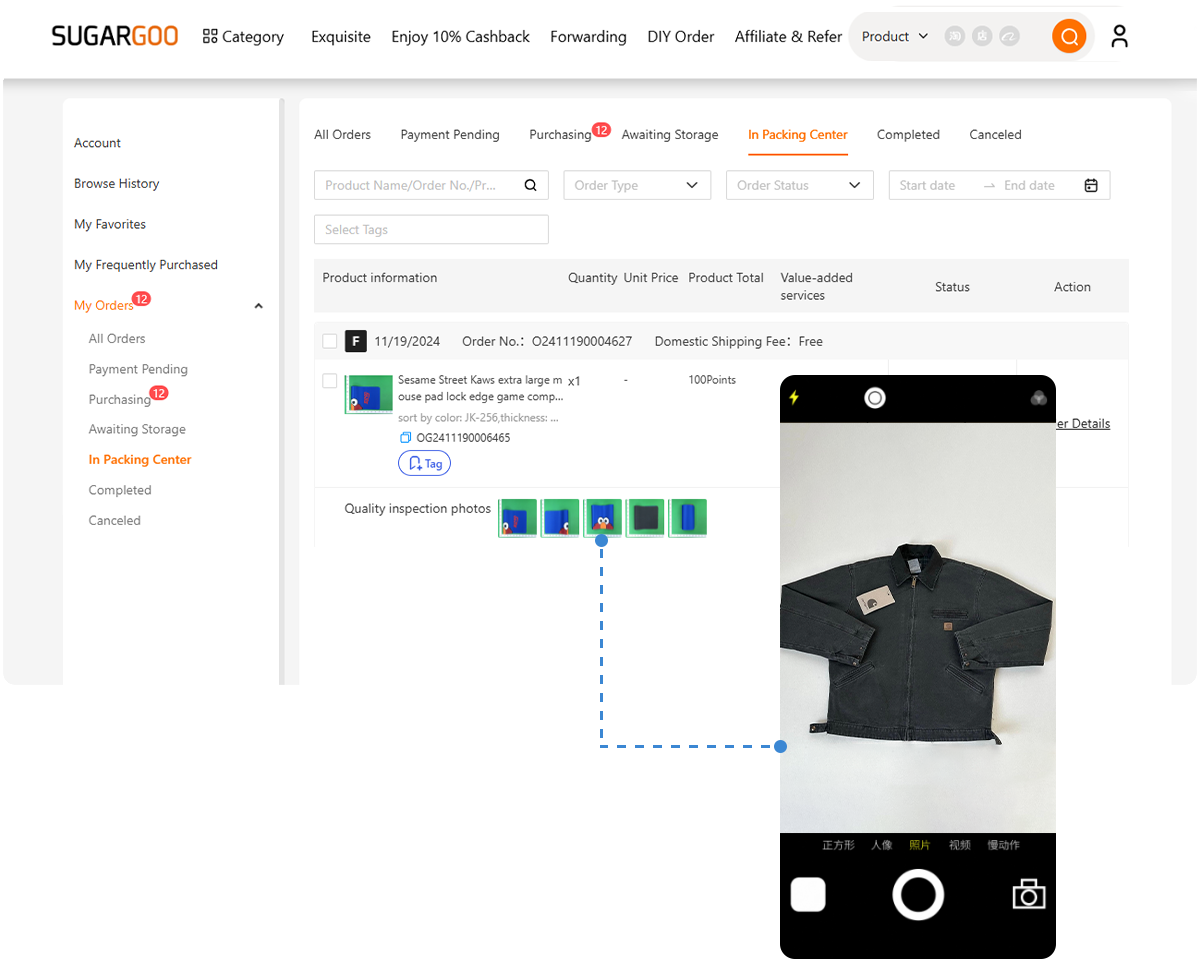
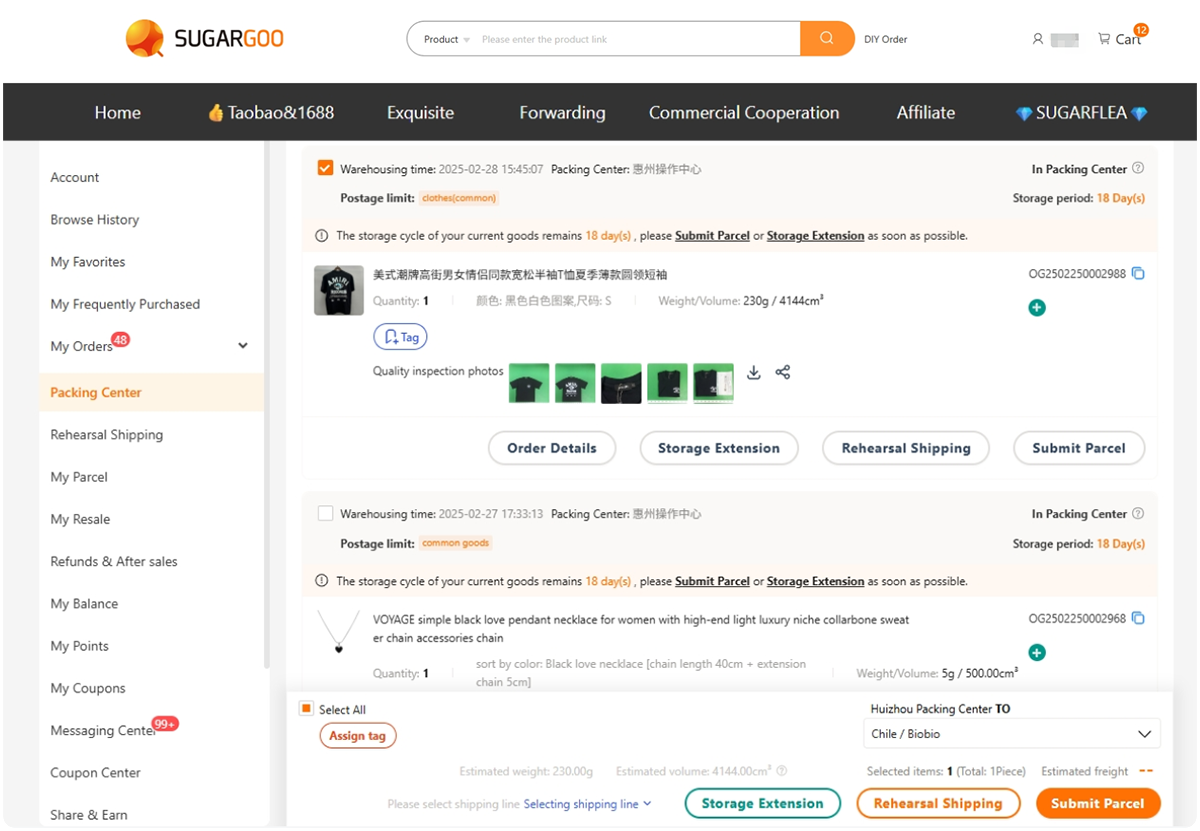
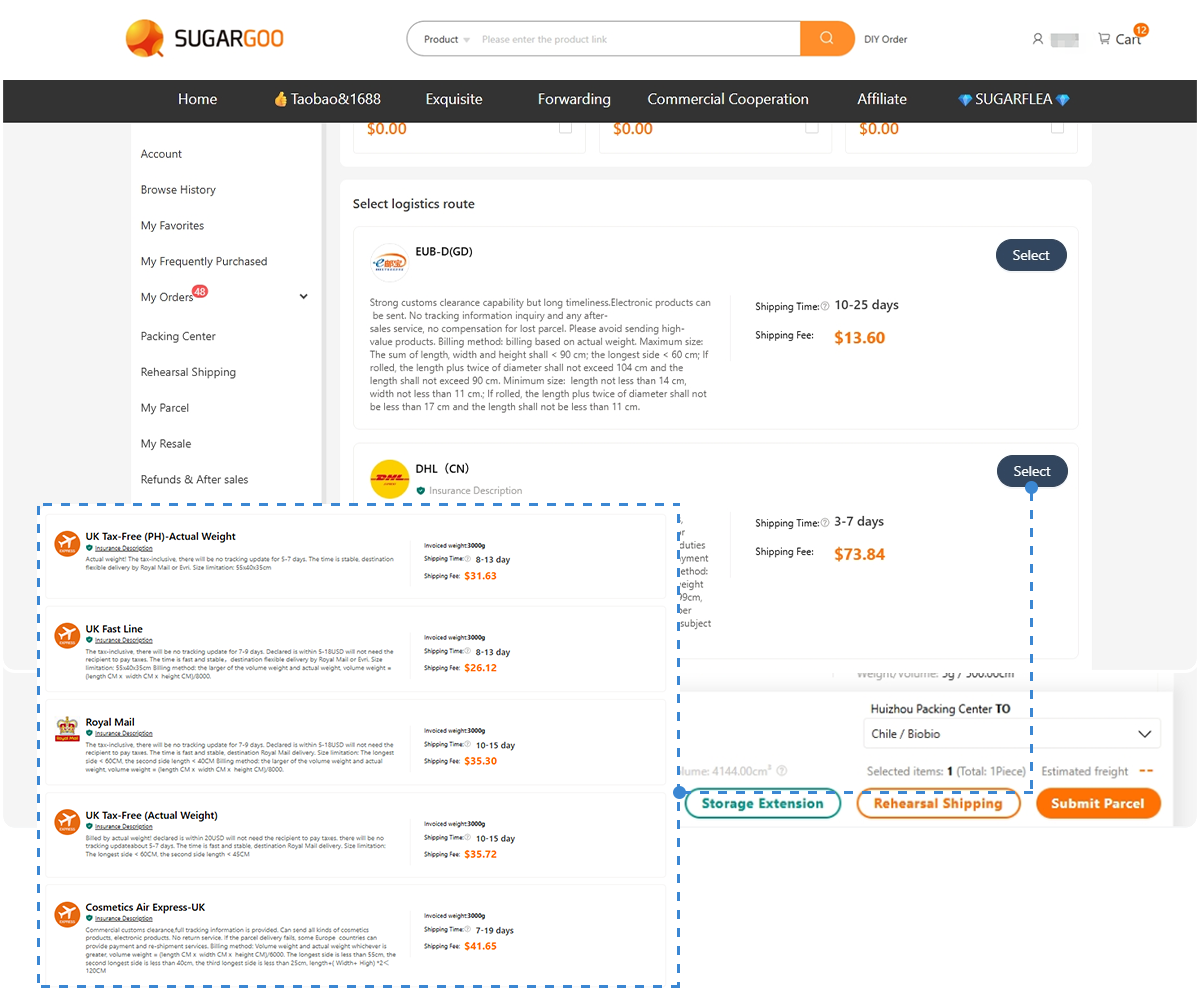
Once items arrive at the warehouse, services such as quality inspection help buyers confirm colors, sizing, and overall condition before international shipping. If issues are discovered, the agent can also assist with seller communication and refunds, following a clear refund process. Combined with package consolidation andmultiple shipping line options, this setup reduces risk while keeping costs under control.
Final Thoughts
Chinese shopping sites are cheaper than international platforms because they operate closer to the source. Shorter supply chains, fierce competition, low domestic logistics costs, and a focus on price over presentation all contribute to the difference.
However, lower prices come with trade-offs. For overseas shoppers, the key isn’t just finding the cheapest platform—it’s understanding how the system works and choosing the setup that feels manageable. Once you know the logic behind Chinese e-commerce pricing, those surprisingly low prices start to make a lot more sense.
If you want access to those domestic prices without dealing with language barriers, payments, or seller communication on your own, registering with a proxy like Sugargoo can make the entire process far more manageable—especially for first-time buyers.