
Buying from China sounds simple at first. Search for a product, check the price, place an order.
In reality, that’s where many first-time buyers get stuck.
Suppliers reply fast—but not always clearly. Prices look low—but change once details come up.
And when something goes wrong, it’s hard to know who’s responsible.
This is usually when people hear about sourcing agents.
So what are they, really? And when does it make sense to use one?
What a Sourcing Agent Actually Does
A sourcing agent helps overseas buyers handle the parts of buying from China that are hard to manage remotely.
Not just finding products.
Not just translating messages.
They work on the ground. They understand local platforms, supplier behavior, and how deals usually work inside the Chinese market.
For most beginners, a sourcing agent becomes the “local side” of the transaction—someone who can communicate clearly, confirm details, and spot problems early.
Why Many Global Buyers Rely on Sourcing Agents
Most issues don’t come from bad intentions. They come from misunderstandings.
Different platforms.
Different expectations.
Different ways of doing business.
Common problems include:
- suppliers overselling quality or capacity
- unclear product specs or sizing
- samples that don’t match bulk orders
- sudden price changes
- no follow-up after payment
A sourcing agent reduces these risks by asking the right questions early and keeping communication consistent.
What Services Are Usually Included
There’s no single standard, but most sourcing agents cover a few core areas.
Product and supplier sourcing They help locate the right product or seller, especially when listings are unclear or spread across different platforms.
Price confirmation and negotiation Local agents know what prices make sense—and when a quote doesn’t.
Sample handling Before committing to larger orders, they can arrange samples and help assess whether the product matches expectations.
Order placement and follow-up They track progress, confirm changes, and keep communication moving.
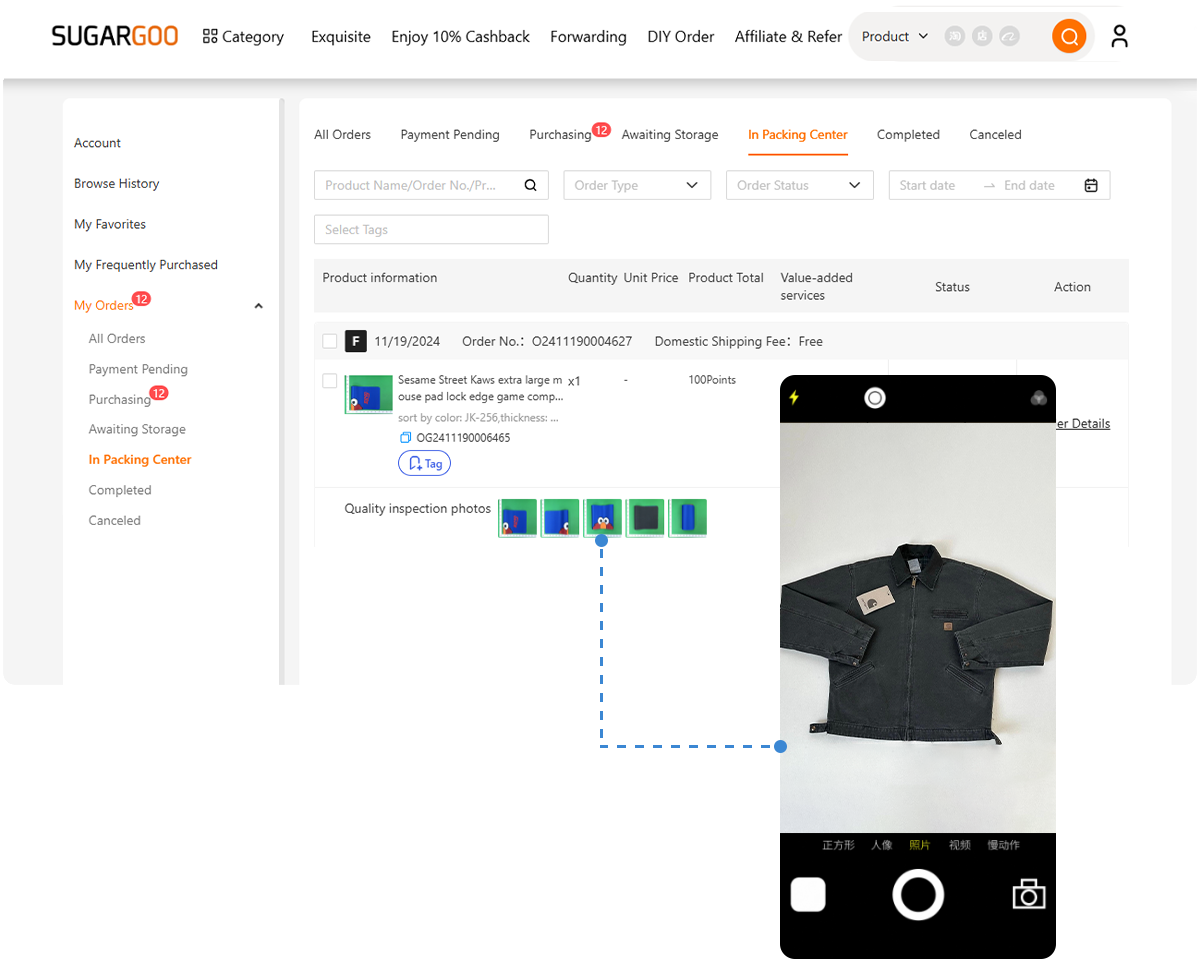
Basic quality checks Many agents inspect items for obvious issues before shipping.
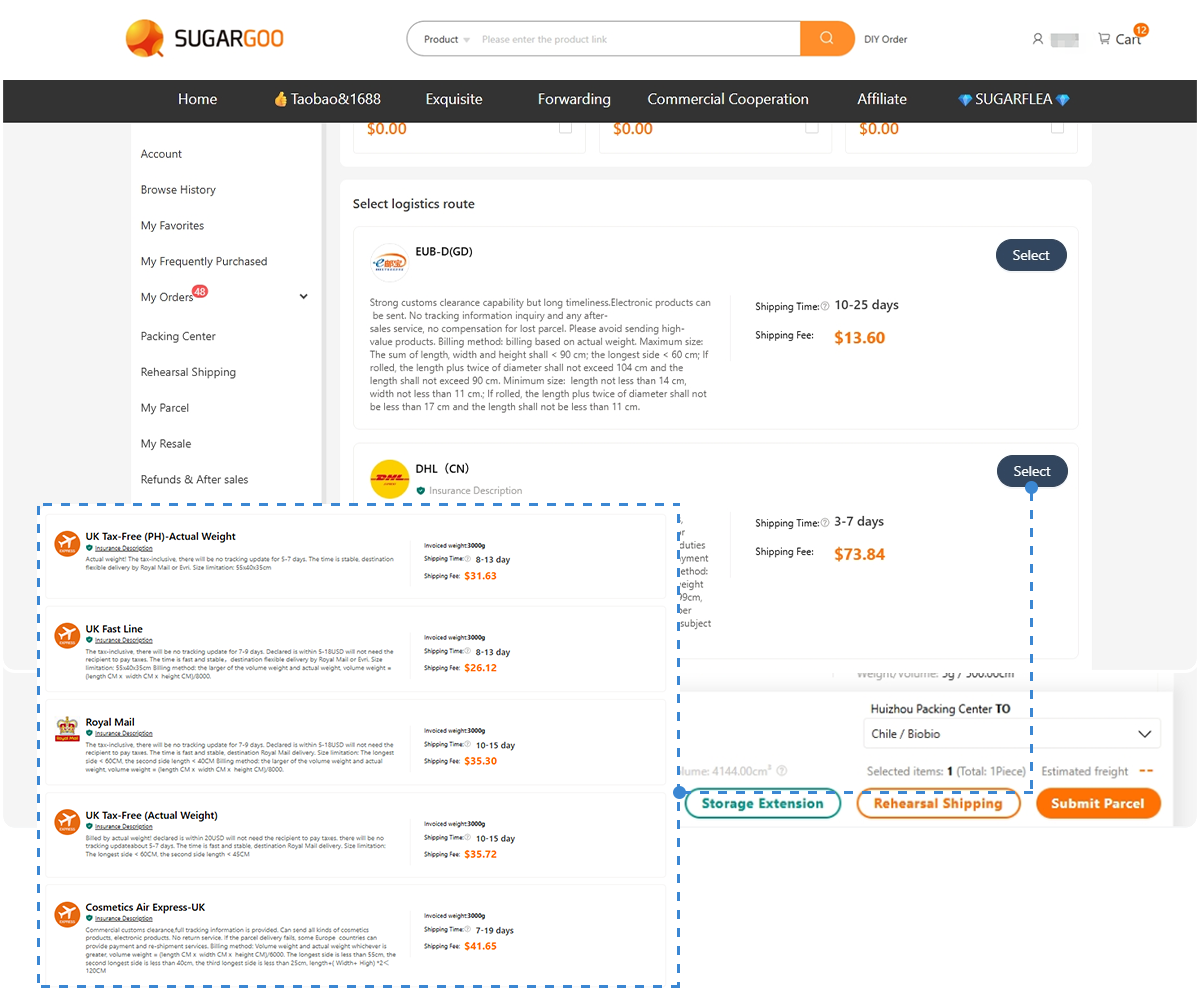
Some also coordinate with warehouses or logistics partners, depending on how the service is set up.
Sourcing Agent, Forwarder, or Trading Company?
These roles often get mixed up.
A sourcing agent helps you choose and manage what you buy. A forwarder stores and ships items you’ve already purchased. A trading company sells products under its own pricing structure.
If you already trust your supplier and just need shipping, a forwarder may be enough.
If you’re still figuring out products, prices, or suppliers, a sourcing agent adds more value earlier in the process.
Who Usually Needs a Sourcing Agent?
Sourcing agents aren’t only for large companies.
They’re commonly used by:
- first-time buyers sourcing from China
- small brands and online sellers
- buyers using platforms like Taobao or 1688
- anyone ordering niche, non-standard, or small-batch products
If your order involves uncertainty, language barriers, or unfamiliar platforms, having local support often saves time—and stress.
How to Tell If a Sourcing Agent Is Trustworthy
A reliable sourcing agent doesn’t rush you.
They explain options.
They’re clear about fees.
They tell you what they can’t guarantee.
Red flags usually show up early—vague pricing, unrealistic promises, or no explanation of where products come from.
Good agents focus on clarity, not pressure.
Common Misunderstandings First-Time Buyers Have
Many beginners assume:
- sourcing agents always find the lowest price
- samples aren’t necessary
- one agent can handle everything without input
- agents and suppliers are always the same party
In reality, a sourcing agent helps you make better decisions—but you’re still part of the process. Clear expectations matter.
A Shift Toward Platform-Based Personal Agents
Traditional sourcing agents often focus on factory-level or bulk orders.
But many global buyers today purchase from Chinese domestic marketplaces, where orders are smaller, faster, and more varied.
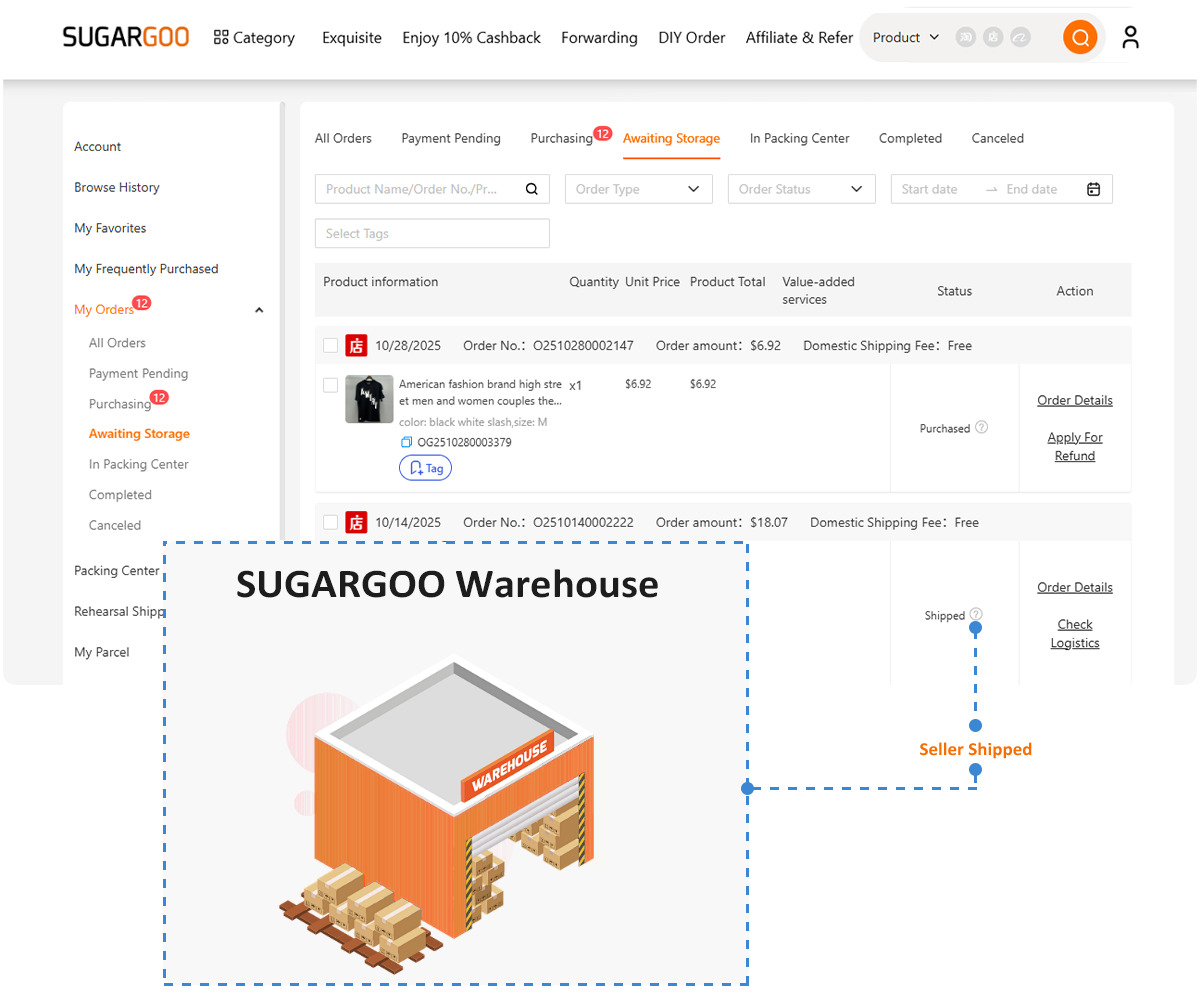
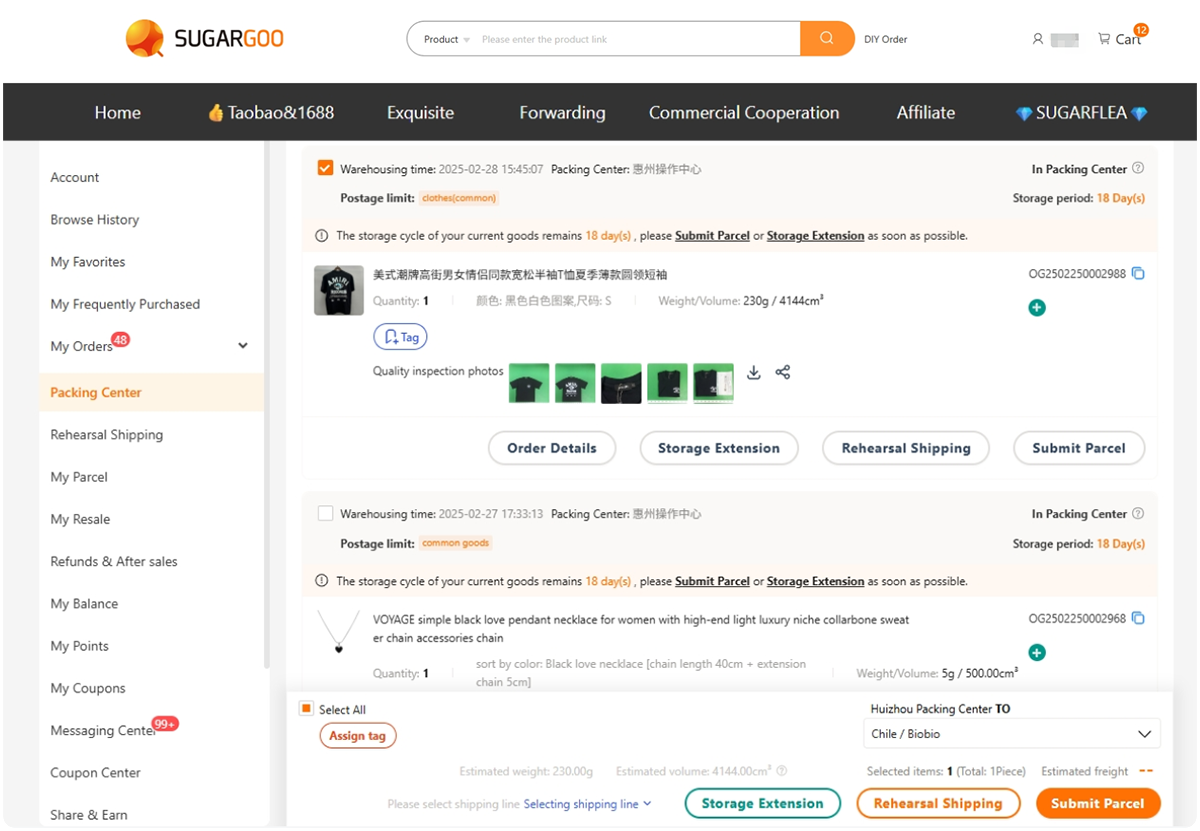
That’s why some buyers now choose platform-based personal agents—services that combine sourcing, purchasing, inspection, and shipping in one workflow.
Instead of managing separate steps, buyers work through a single system.
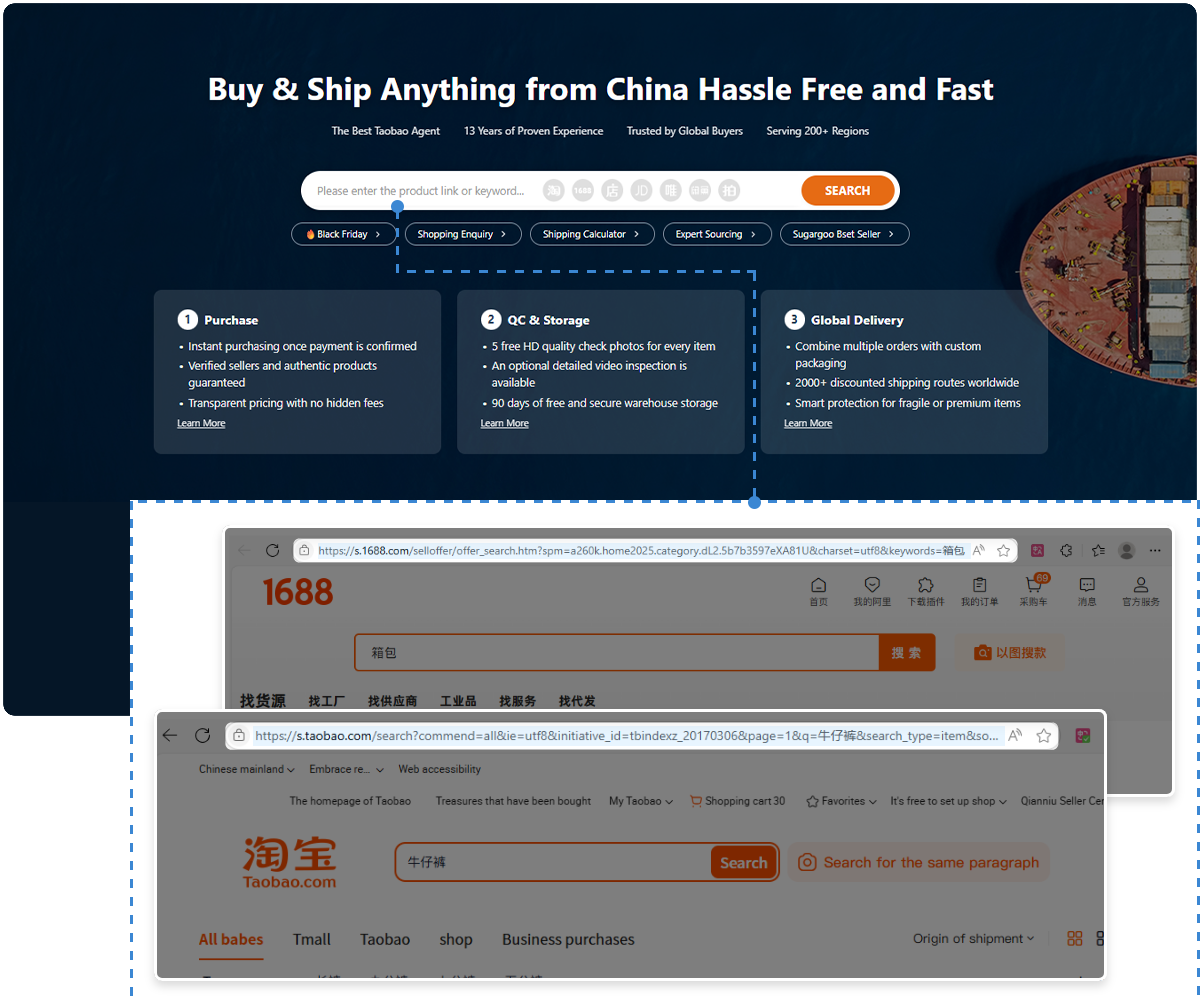
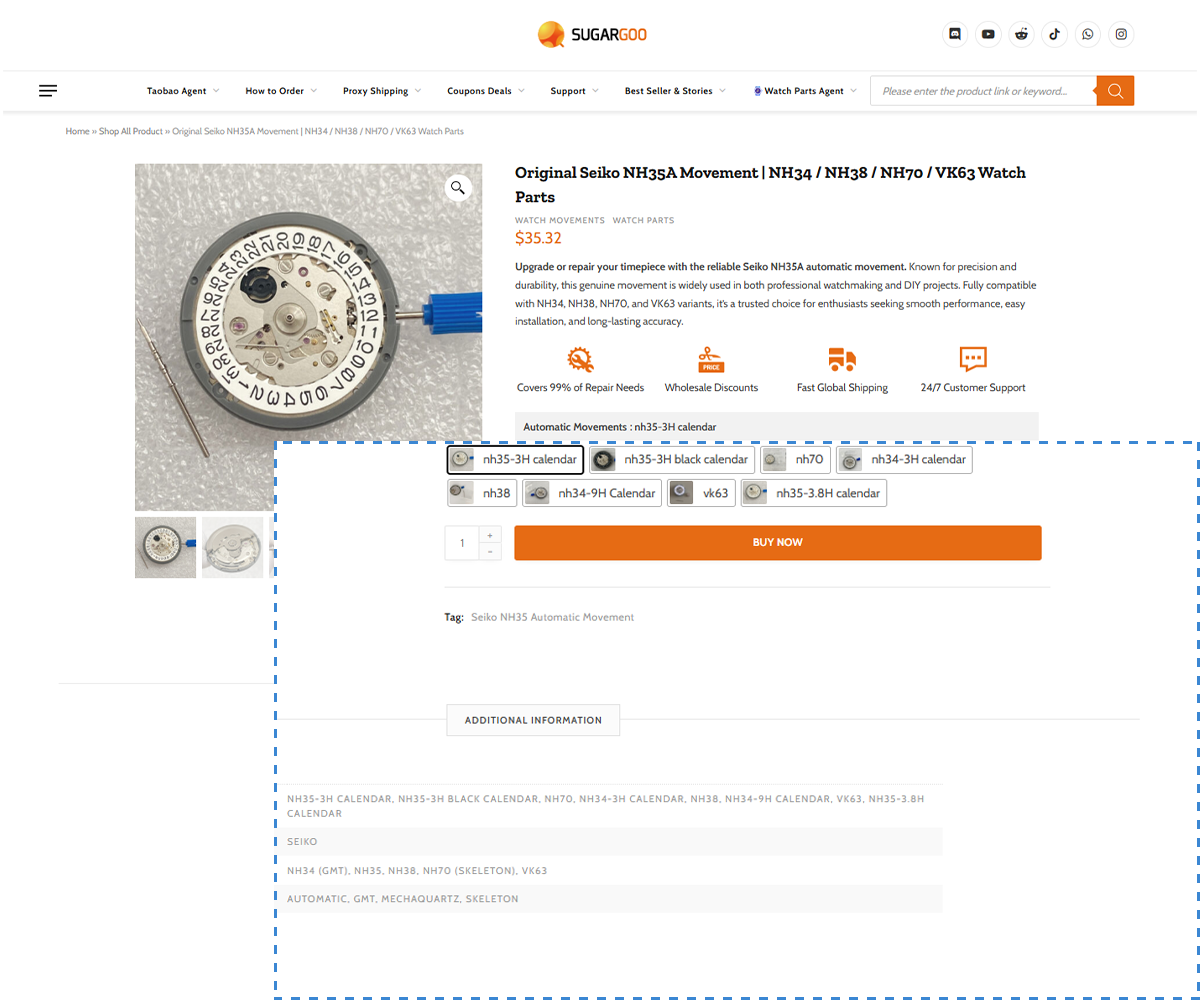
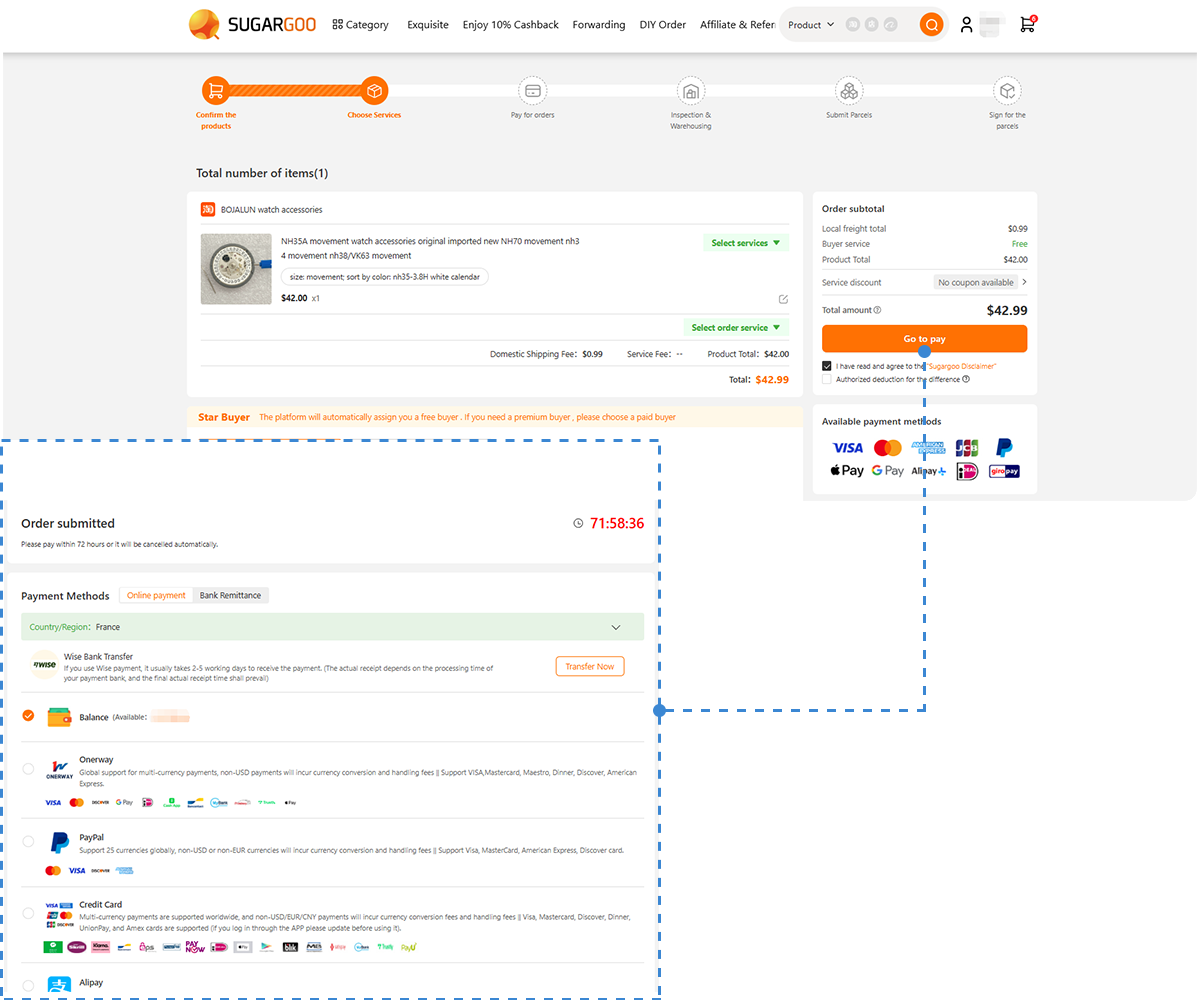
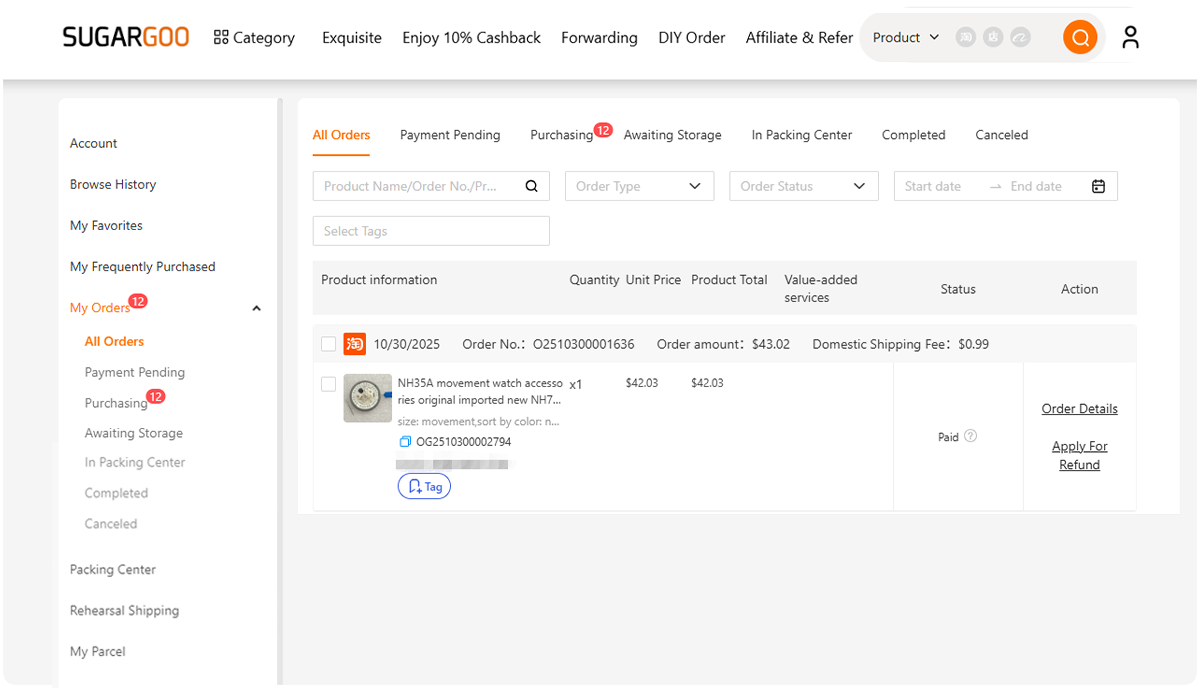
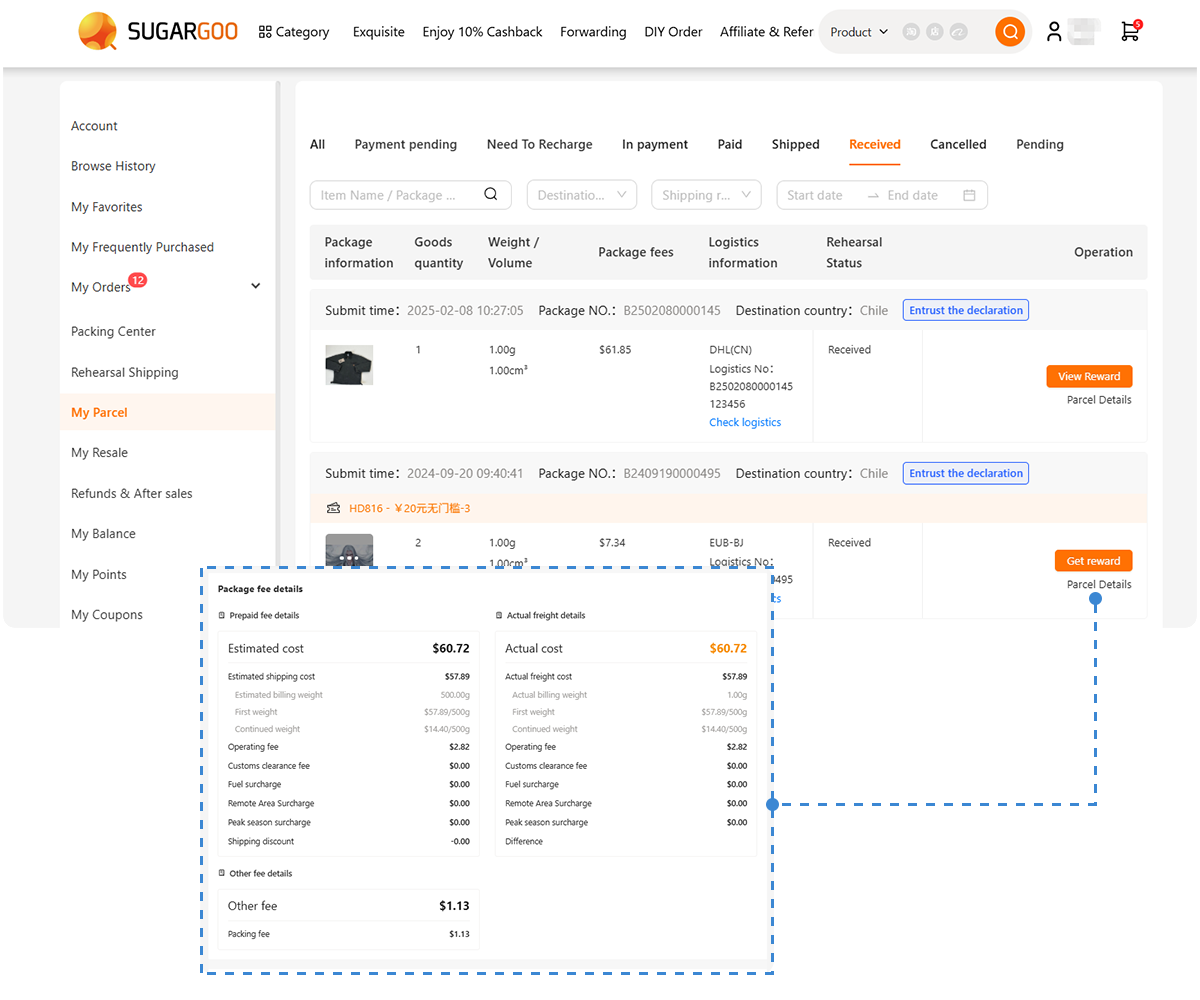
One example is Sugargoo, which offers a Star Agent service for buyers sourcing from Chinese marketplaces. It’s designed for small-batch, niche, or customized orders, especially for users navigating the process for the first time.
So, Do You Need a Sourcing Agent?
If you speak Chinese, know the platforms well, and already trust your suppliers—you may not.
But if you’re new, buying unfamiliar products, or just want fewer surprises, a sourcing agent can make the process far smoother.
For many global buyers, that support is what turns “trying to buy from China” into something repeatable.