
I used to think Taobao was already as cheap as it gets.
Compared to most international platforms, the prices felt low enough. So I never really questioned it—until one day I came across a Weidian link in a forum thread.
Out of curiosity, I clicked.
Same style. Same photos. Same product.
But the price?
Almost 30% cheaper.
At first, I assumed something was off. Lower quality, maybe. Different batch. Or just one of those listings that look good but disappoint when they arrive.
But after trying a few orders, I realized something important:
👉 Finding cheap clothes on Weidian isn’t about luck — it’s about knowing where (and how) to look.
If you’re tired of overpaying or guessing your way through random listings, this guide will show you a more reliable way to find affordable clothing on Weidian—without sacrificing quality.
Why Are Clothes on Weidian So Cheap?
Before you start searching, it helps to understand why Weidian prices often feel lower than Taobao.
It’s not just “random discounts.”
Many sellers are closer to the source
A lot of Weidian stores are run by small wholesalers or factory-linked sellers. They don’t spend much on branding or storefront design.
Less competition on presentation
Unlike Taobao, where listings are polished and optimized, Weidian pages can feel minimal. Fewer visuals, simpler descriptions.
That usually means lower overhead—and lower prices.
Same product, different pricing
This is something I didn’t realize early on:
The exact same item can exist across multiple platforms… with completely different pricing.
Taobao might list it as a “retail product,” while Weidian offers it closer to wholesale pricing.
Where to Start: How to Actually Find Cheap Clothes on Weidian
This is where most people struggle.
Weidian doesn’t “recommend” cheap items to you. You have to actively search for them.
Here are the methods that actually work.
Use Chinese Keywords (This Changes Everything)
If you’re searching in English, you’re missing most of the platform.
Try simple Chinese keywords like:
- 男装 (men’s clothing)
- 女装 (women’s clothing)
- 卫衣 (hoodie)
- 衬衫 (shirt)
- 工厂 (factory)
- 清仓 (clearance)
- 尾单 (overstock)
- 平价 (budget-friendly)
When I first switched to Chinese keywords, the difference was immediate.
More listings. Lower prices. And way less “reseller markup.”
Reverse Search from Taobao
This is one of the easiest ways to find cheaper alternatives.
Here’s what I usually do:
- Find a style you like on Taobao
- Take note of the title or product keywords
- Search those terms on Weidian
A surprising number of items show up again—just at a lower price.
Sometimes it’s the exact same supplier. Sometimes it’s a similar batch.
Either way, it’s one of the fastest ways to cut costs.
Use Community Links (Saves Time)
If you don’t want to start from scratch, communities can help.
Places like Reddit, Discord groups, or niche forums often share:
- Verified Weidian stores
- Direct product links
- Real purchase feedback
This shortcut can save you hours of trial and error.
How to Tell If Cheap Clothes Are Actually Worth Buying
Not everything cheap is a good deal.
This is where a lot of people go wrong—they chase the lowest price and end up wasting money.
Here’s what to look at instead.
✔ Price vs Sales Balance
If something is extremely cheap but has zero sales, be cautious.
A slightly higher-priced item with consistent orders is usually a safer bet.
✔ Real Photos (Not Just Listing Images)
Some listings reuse the same polished photos across platforms.
What matters more:
- Buyer-uploaded images
- Close-up fabric details
- Natural lighting (not studio shots)
If everything looks too perfect, it probably isn’t the real product.
✔ Store Consistency
Check the store’s overall catalog.
- Are they selling similar items?
- Or completely random products?
Stores that focus on a specific category tend to be more reliable.
Common Mistakes When Buying Cheap Clothes
I’ve made most of these myself at some point.
Avoiding them will save you both time and money.
❌ Only focusing on price
Cheap doesn’t always mean good value.
❌ Ignoring size charts
Weidian sizing varies a lot. Guessing rarely works.
❌ Not checking material details
Fabric descriptions matter more than you think.
❌ Expecting retail-level presentation
Weidian listings are often basic. That doesn’t mean the product is bad.
How to Buy from Weidian If You’re Outside China
This is the part that confuses most beginners.
Weidian doesn’t directly support international shipping.
So how do you actually order?
Use a Shopping Agent (The Practical Way)
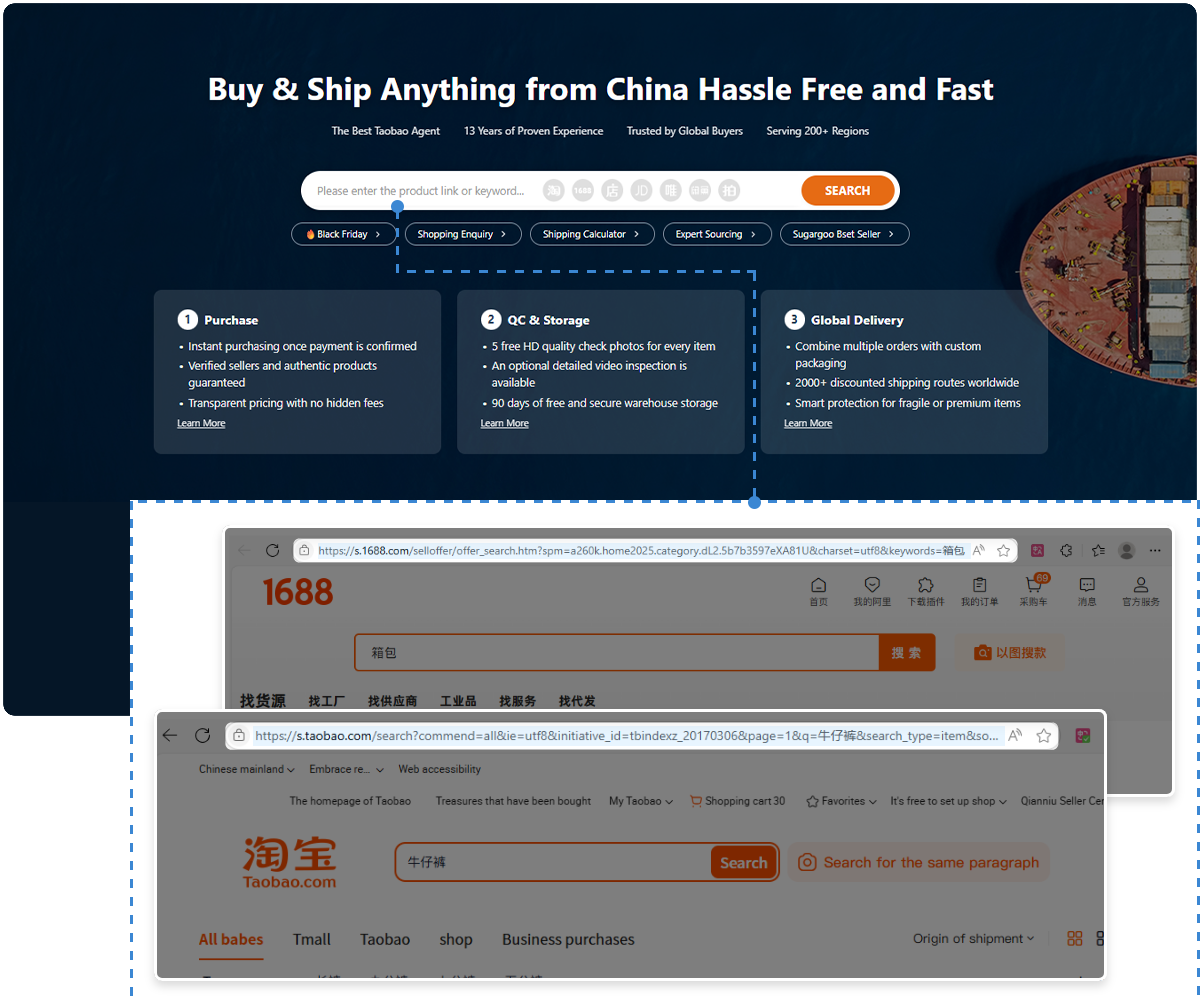
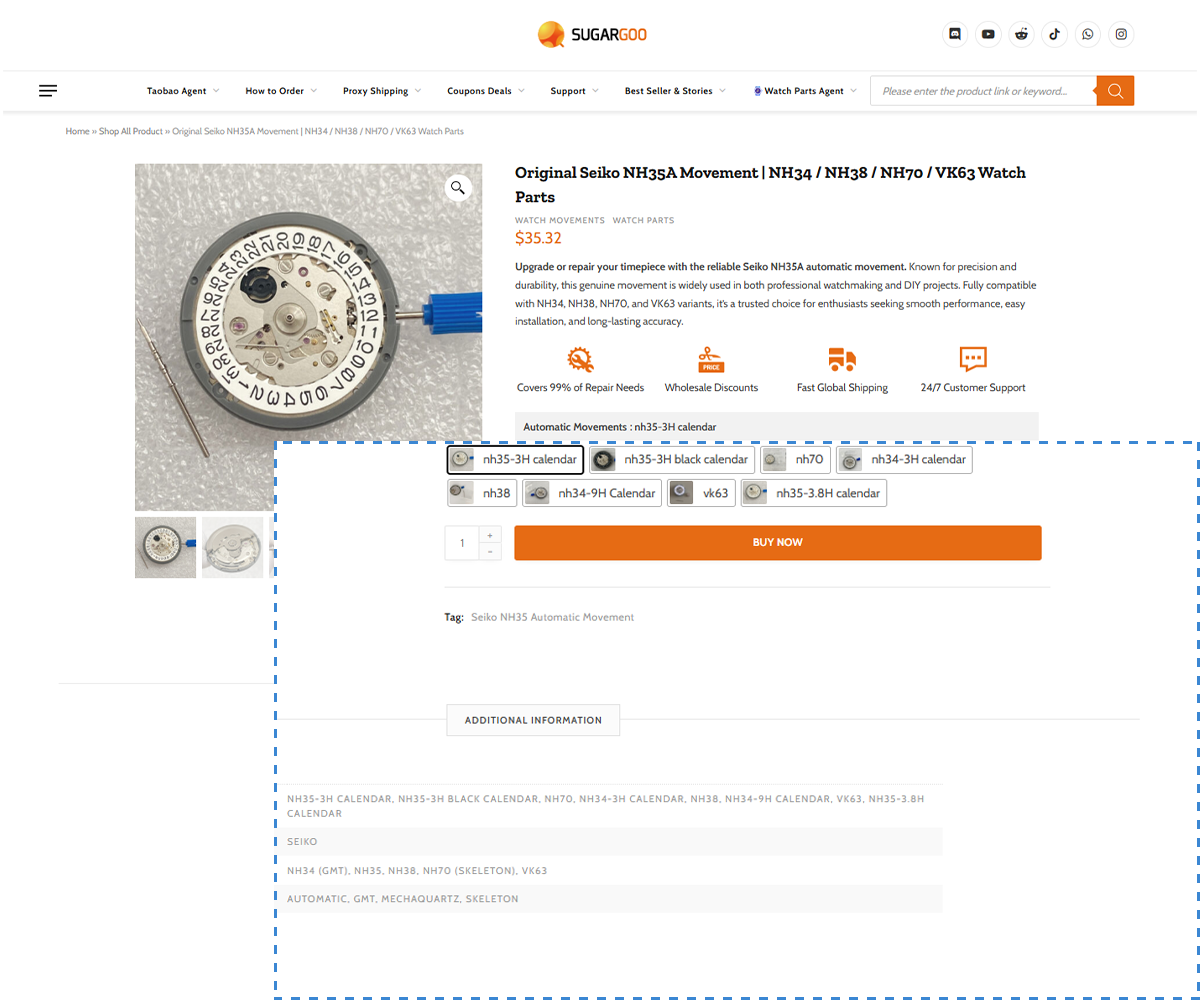
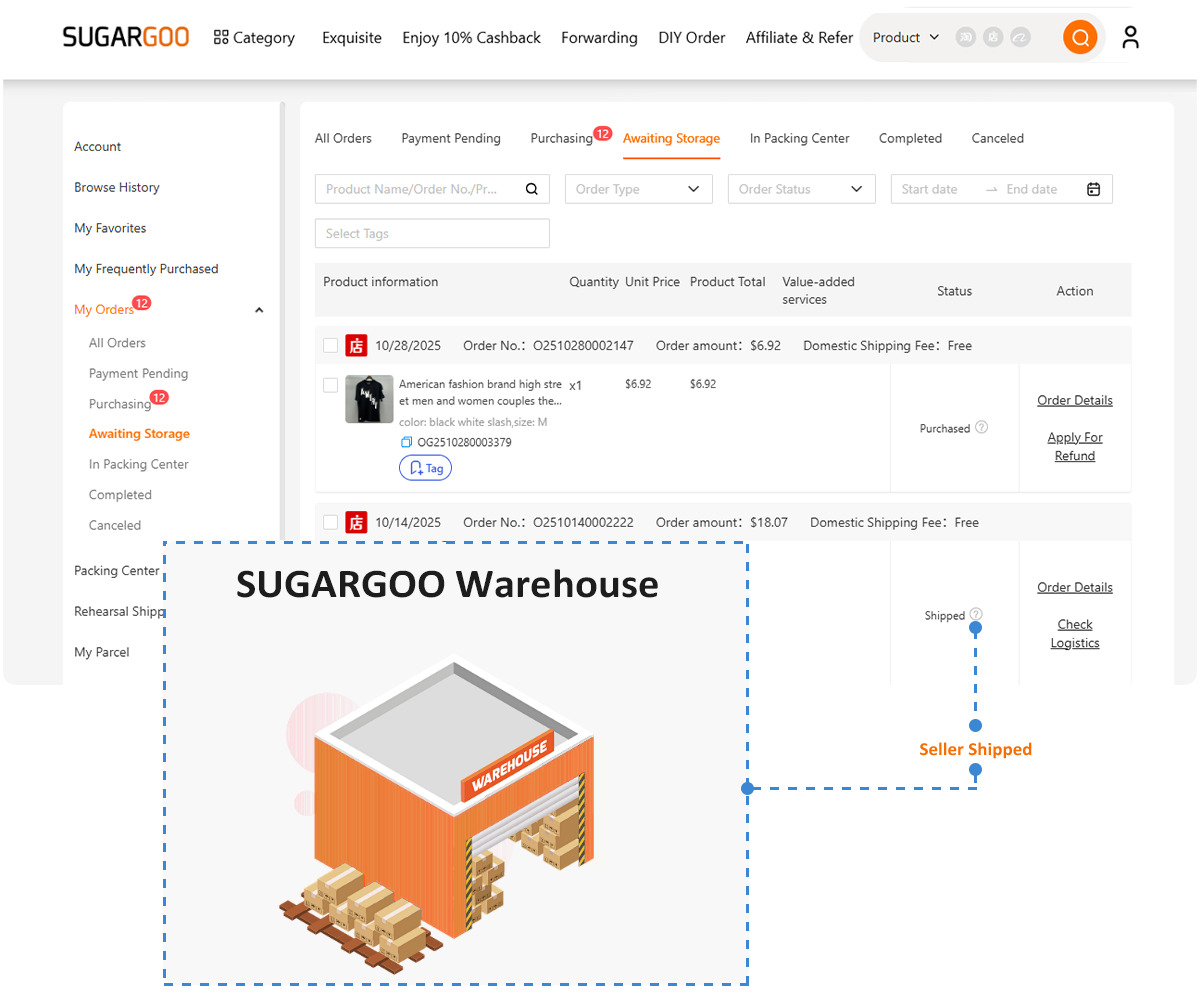
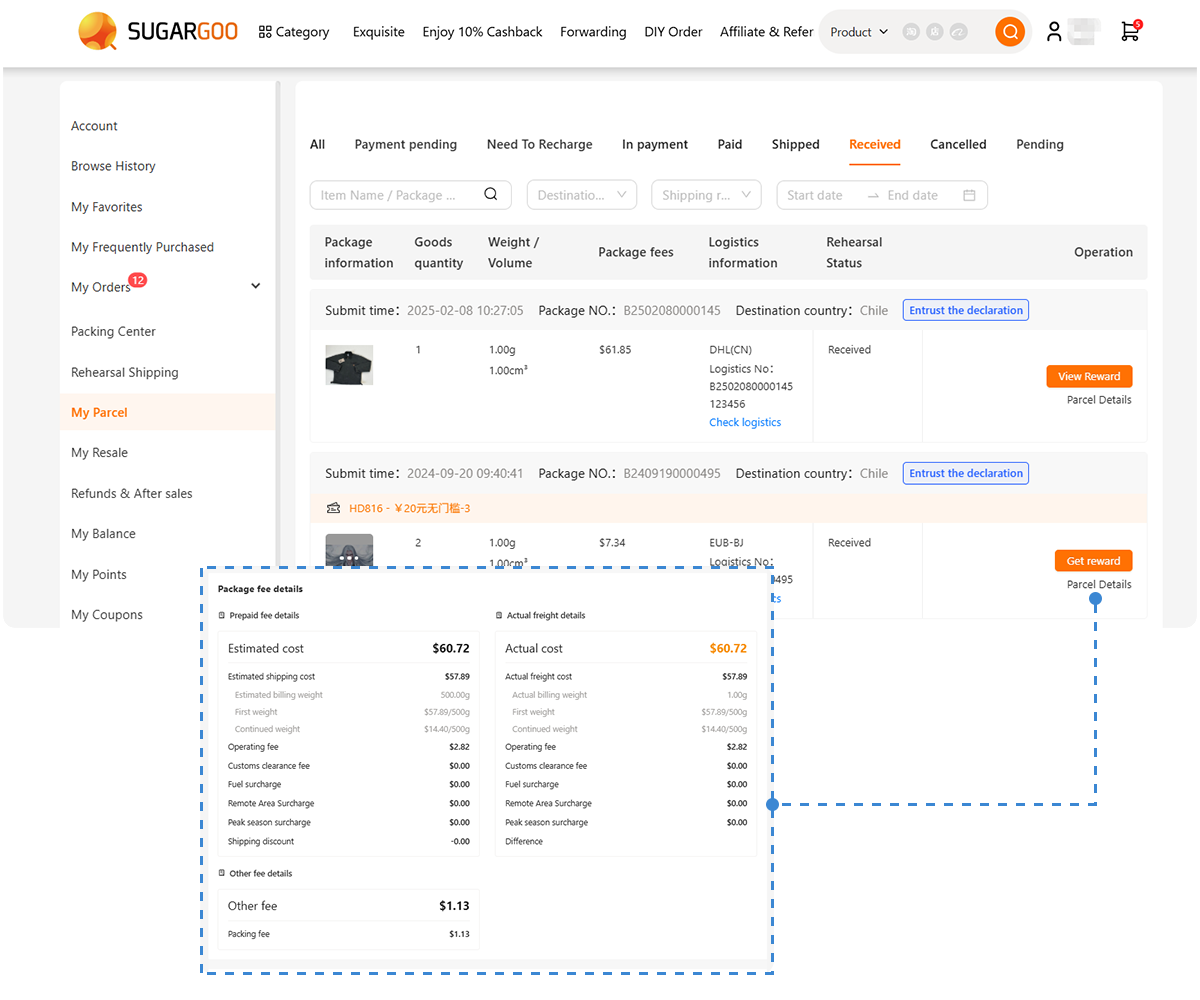
Instead of trying to navigate payment and logistics yourself, most international buyers use an Weidian agent like Sugargoo.
Here’s how it works:
- Copy the Weidian product link
- Paste it into the agent’s website
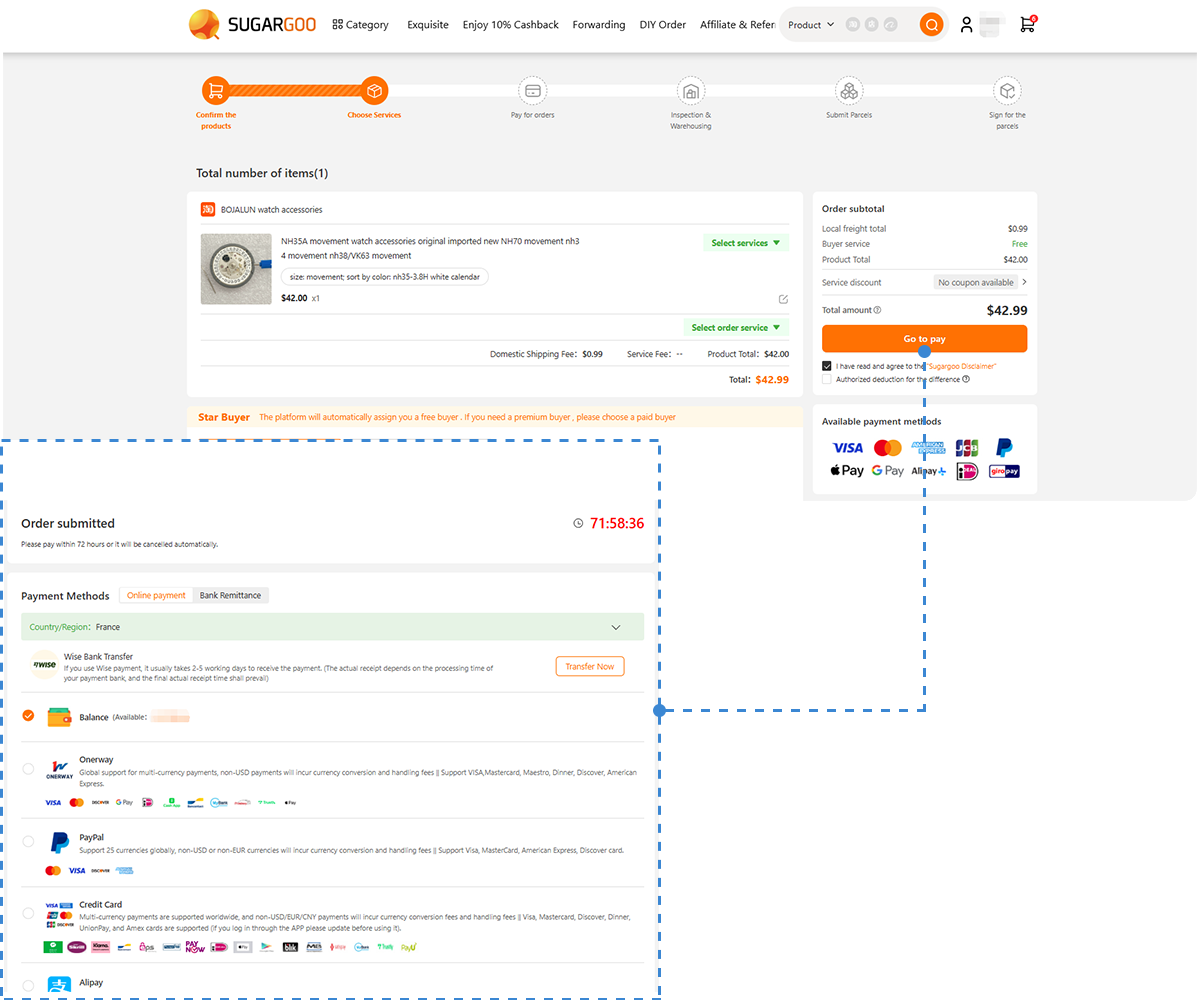
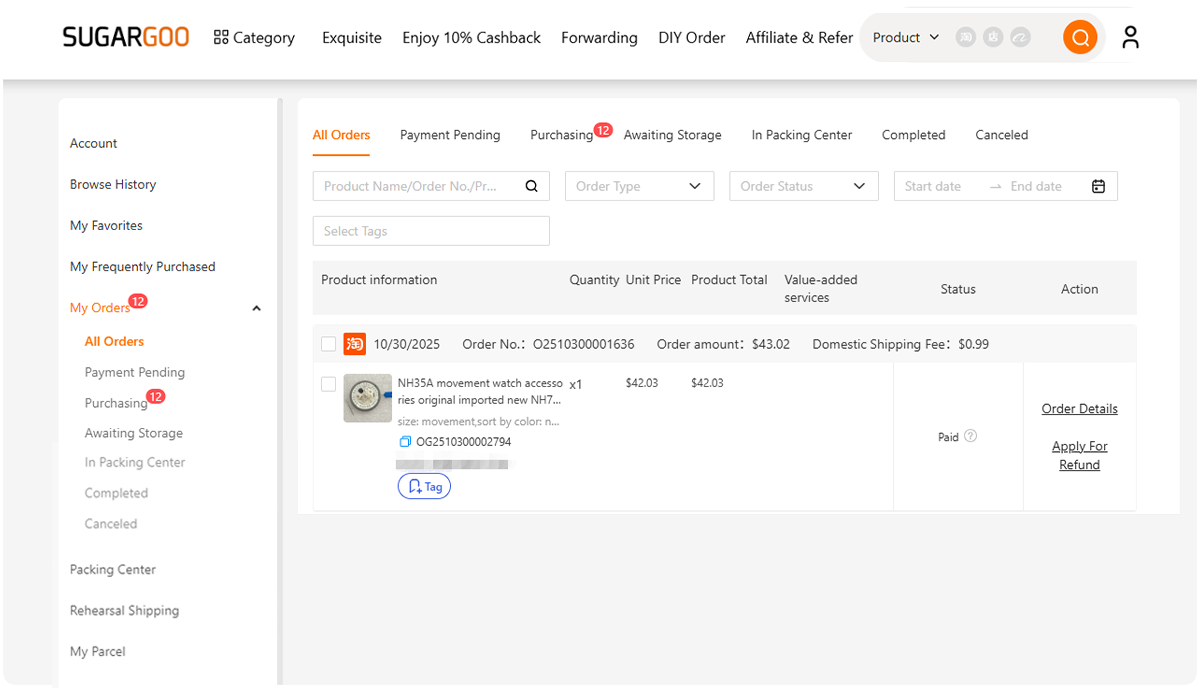
- Place your order
- The agent purchases it for you
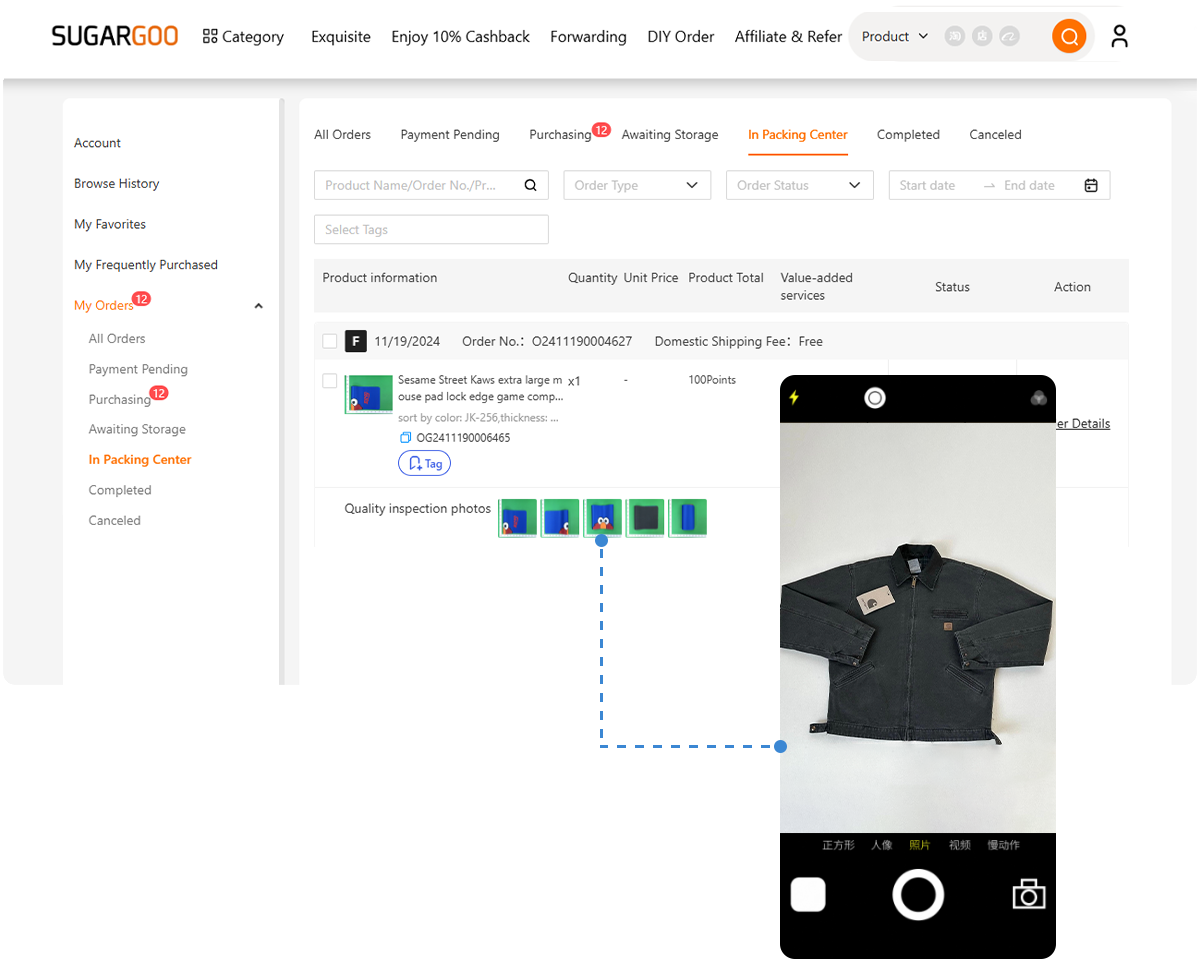
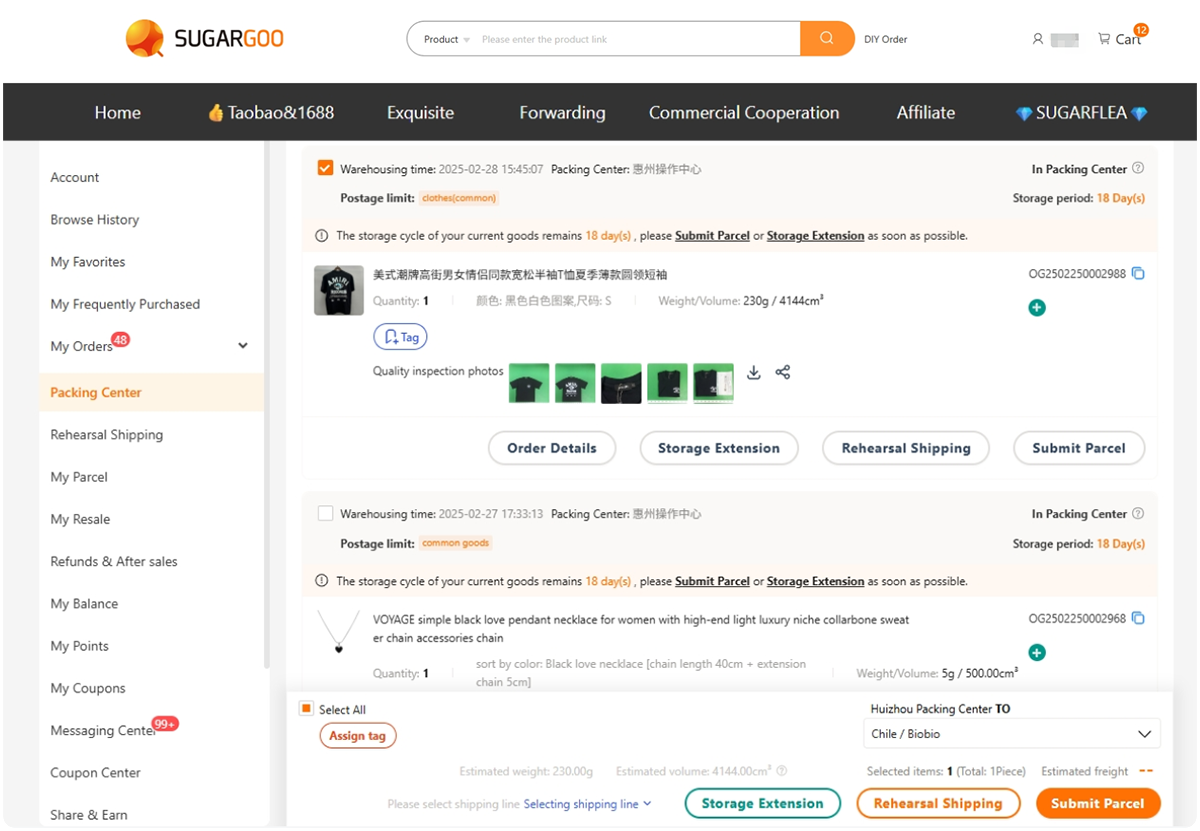
Once the item arrives at their warehouse, they usually take inspection photos.
That step alone has saved me multiple times.
I’ve caught sizing issues, color differences, and even quality problems before shipping anything internationally.
Why This Makes a Difference
Using an agent isn’t just about access—it actually improves the buying experience.
You can:
- Use flexible international payment methods for easy checkout
- See real product photos before shipping
- Combine multiple orders into one package
- Useadd-on services to reinforce packaging
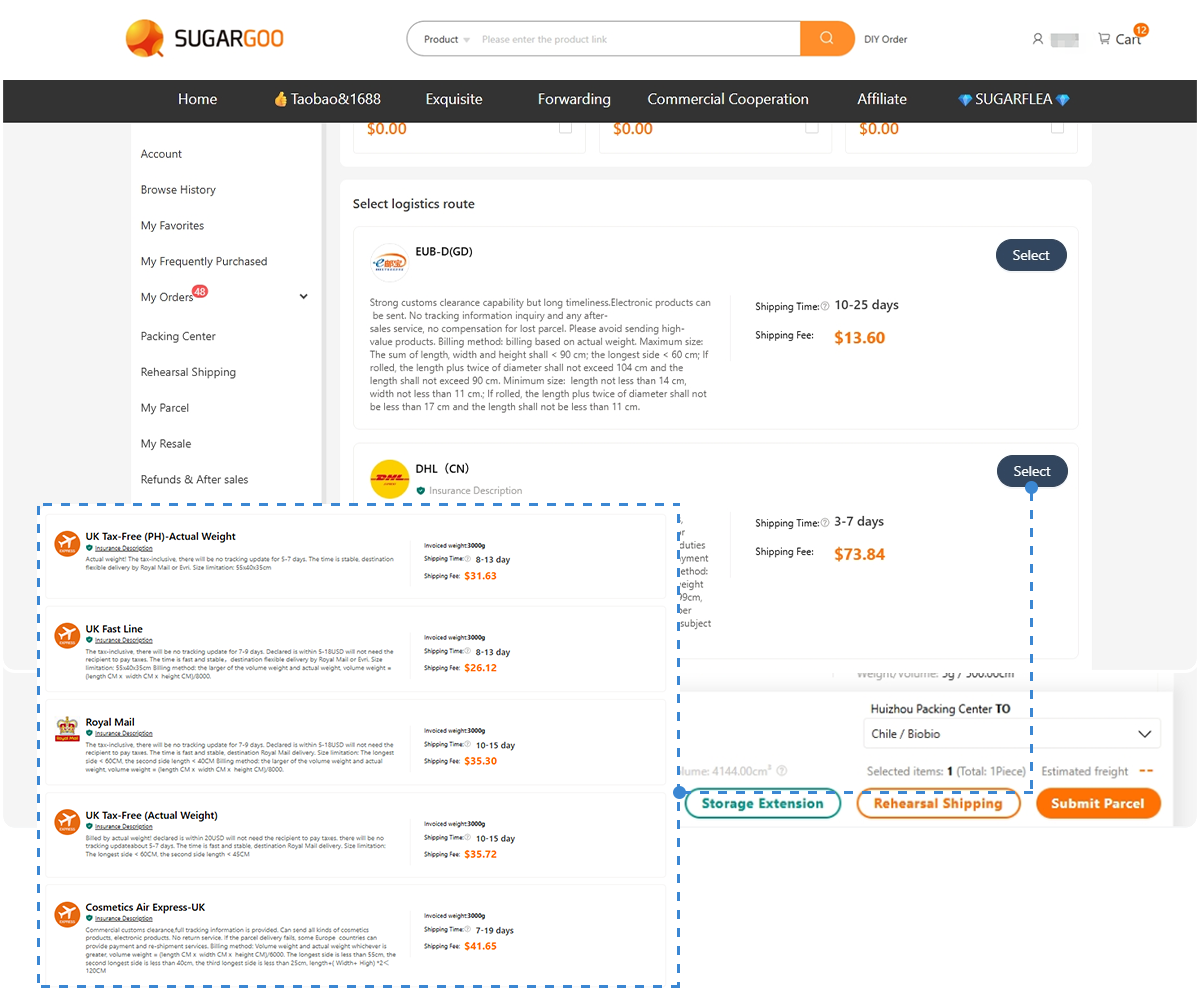
- Choose from multiple international shipping options
- Reduce overall shipping costs efficiently
If you plan to buy more than once, this setup quickly becomes worth it.
Final Thoughts: Cheap Doesn’t Mean Risky — If You Know What You’re Doing
Finding cheap clothes on Weidian isn’t about randomly clicking listings and hoping for the best.
It’s a process.
At first, it might feel a bit unfamiliar. The interface, the language, the lack of structure compared to platforms you’re used to.
But once you understand how it works, things start to click.
You stop overpaying for the same items.
You recognize patterns in listings.
And most importantly—you make decisions based on information, not guesswork.
That’s when Weidian really becomes useful.
Not just as a place to buy cheap clothes—but as a tool to shop smarter.