
I didn’t plan to end up using three different Chinese shopping apps at the same time.
At the beginning, I only knew about Taobao. It felt like the obvious choice — huge selection, decent prices, and everyone online kept mentioning it. But after a few weeks of browsing, something started to feel off.
Some items were cheap, sure. But not that cheap.
That’s when I first came across a random Weidian link in a sneaker forum. Then later, someone mentioned Goofish (Xianyu) when talking about second-hand deals.
Out of curiosity, I tried all three.
They may look similar from the outside, but once you actually use them, you realize they serve completely different purposes.
This guide is based on that experience — not just what each platform is, but when it actually makes sense to use one over the others.
What Are Taobao, Weidian, and Goofish?
Before comparing them, it helps to understand what each platform is trying to do.
Taobao: The All-in-One Marketplace
Taobao is the closest thing China has to Amazon, but more chaotic — in a good way.
You can find almost anything:
- clothes
- electronics
- home items
- accessories
Most listings are for brand-new products, and the platform has a relatively structured system with reviews, ratings, and seller levels.
When I first started, Taobao felt overwhelming, but also the most “normal.”
If you’re new to Chinese shopping, this is usually where people begin.
Weidian: Where Prices Get Lower (and Things Get Less Organized)
Weidian is different.
There’s no polished search experience like Taobao. In fact, a lot of the time you don’t even search — you get links from Reddit, Discord, or forums.
What surprised me most was pricing.
I found items that looked nearly identical to Taobao listings but significantly cheaper. After digging a bit deeper, it became clear why:
Many Weidian sellers are:
- small shops
- factory outlets
- resellers working outside big platforms
It feels more like buying directly from the source — but that also means less protection.
Goofish (Xianyu): The Hidden Second-Hand Market
Goofish is where things get interesting.
It’s technically a second-hand platform, but not everything is used. People sell:
- barely worn clothing
- unwanted gifts
- limited items
- even brand-new products at discounted prices
The first time I used it, I wasn’t even sure if I trusted it.
Listings are less standardized, descriptions can be vague, and pricing varies wildly.
But occasionally, you find deals that simply don’t exist anywhere else.
Taobao vs Weidian vs Goofish: Key Differences
After using all three for a while, a few patterns started to stand out.
Price
If price is your main goal, the ranking usually looks like this:
- Weidian → consistently cheaper
- Goofish → sometimes the cheapest, but unpredictable
- Taobao → more stable pricing
Weidian often wins because you’re closer to the seller source. Goofish can be even cheaper, but it depends on timing and luck.
Product Types
Each platform has its own “strength area.”
- Taobao → everything
- Weidian → fashion, sneakers, streetwear
- Goofish → second-hand, rare items
When I was looking for everyday clothes, Taobao was enough.
When I wanted cheaper alternatives, I checked Weidian.
When I was hunting for something specific or discontinued, Goofish was the only place that worked.
Trust and Risk
This is where things start to matter more.
Taobao feels the safest:
- structured reviews
- clearer seller ratings
- more consistent listings
Weidian requires more judgment. Some sellers are great, others not so much.
Goofish is the most unpredictable because you’re often dealing with individuals, not stores.
I’ve had good experiences on all three, but the margin for error is definitely higher outside Taobao.
Ease of Use
None of these platforms are built for international users.
Still, there’s a noticeable difference:
- Taobao → manageable with translation tools
- Weidian → harder to navigate
- Goofish → confusing at first
Even simple things like messaging sellers or understanding size charts can take time to figure out.
Real Shopping Scenarios (What I Actually Use Each App For)
This is where things became clearer for me.
Buying Clothes
Most of the time:
- I start on Taobao
- check Weidian if I want a better price
- occasionally browse Goofish for deals
Taobao is just easier when you don’t want to think too much.
Buying Sneakers
Weidian quickly became my go-to.
A lot of sneaker sellers operate there, and the price difference compared to Taobao can be noticeable.
Goofish is useful if you’re open to second-hand pairs or rare finds.
Finding Rare or Discontinued Items
This is where Goofish stands out.
I once found a jacket that was sold out everywhere else — randomly listed by someone who didn’t want it anymore.
That kind of thing doesn’t happen often, but when it does, it’s usually on Goofish.
The Biggest Problem: You Can’t Easily Buy From Them Overseas
This is the part that confused me at the beginning.
Even if you find the perfect item:
- checkout doesn’t support international addresses
- payment methods can be limited
- shipping is domestic
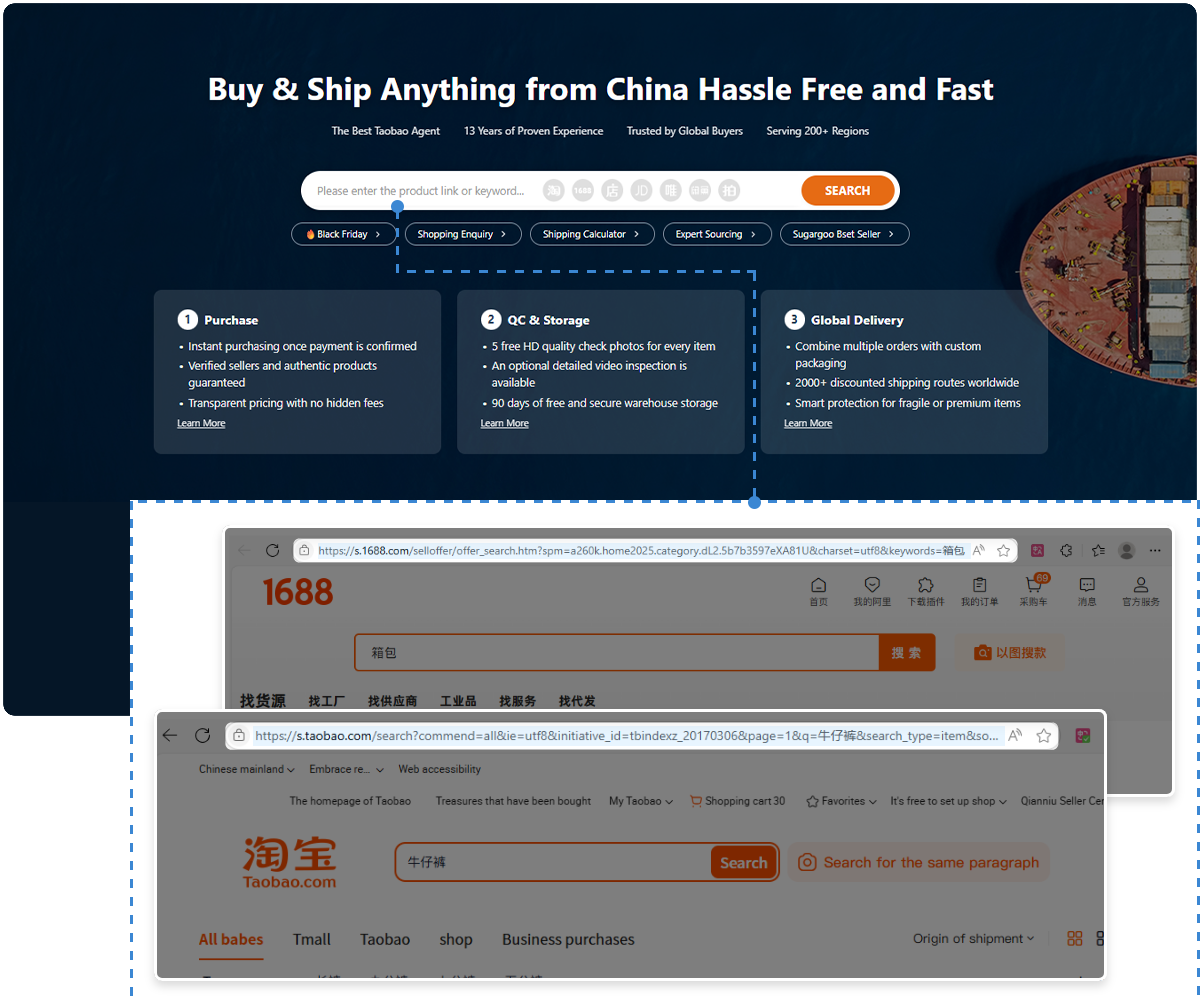
That’s when I realized why so many people use shopping agents.
Instead of buying directly, you:
- paste the product link
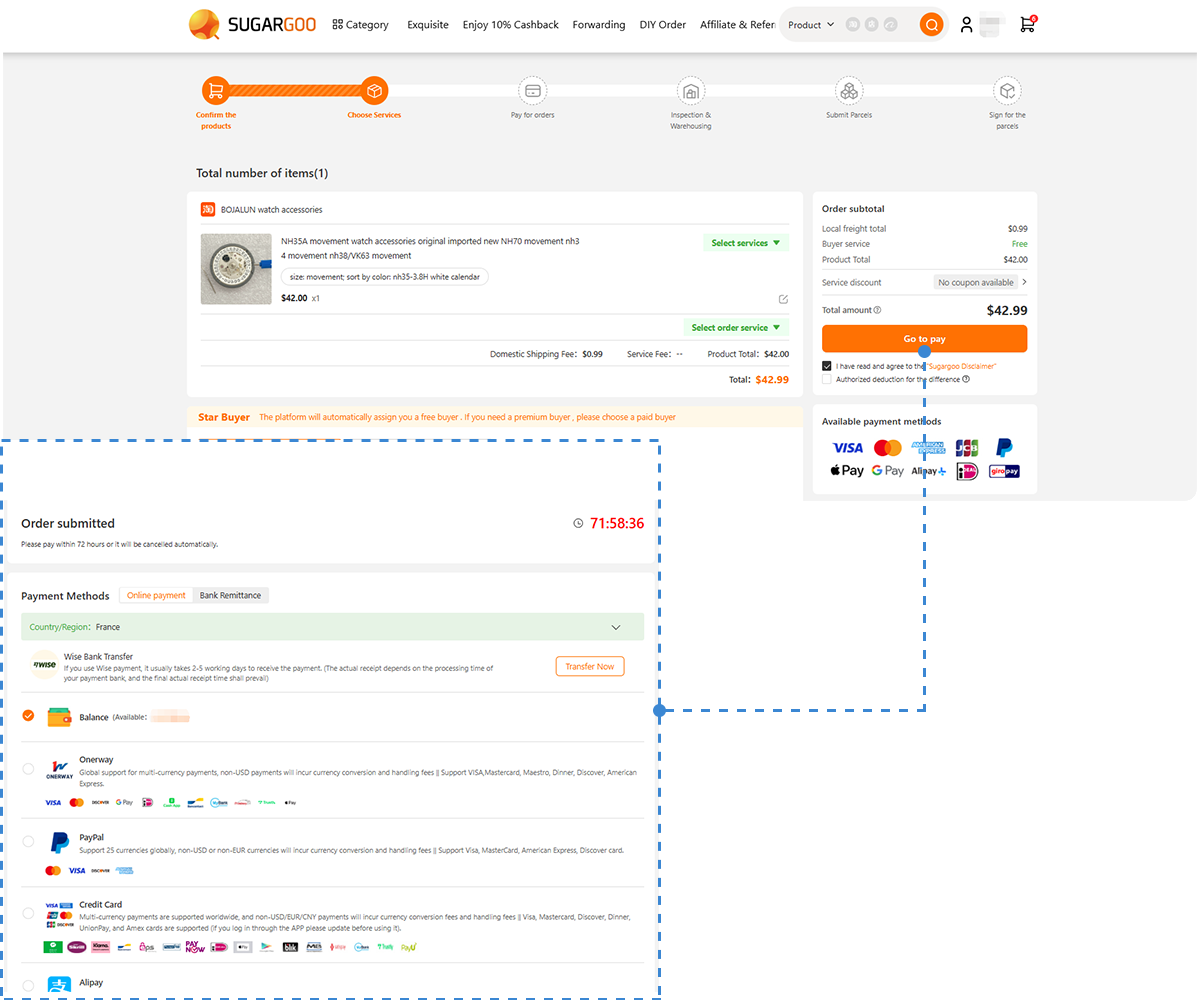
- the agent purchases it locally
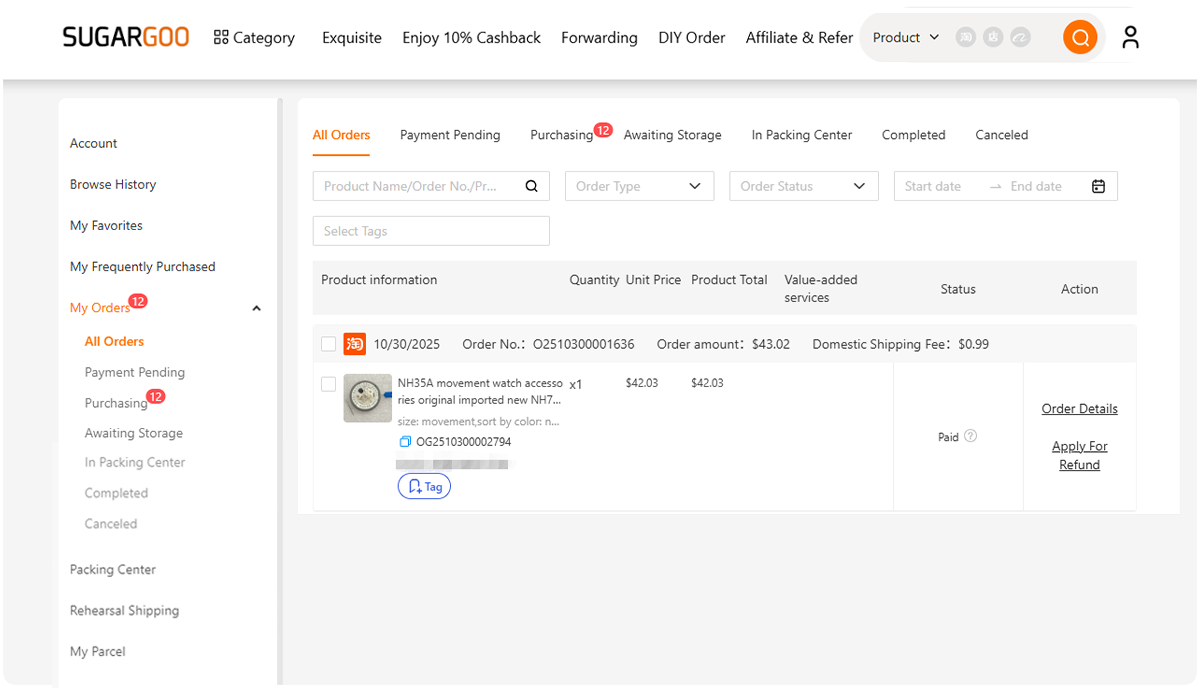
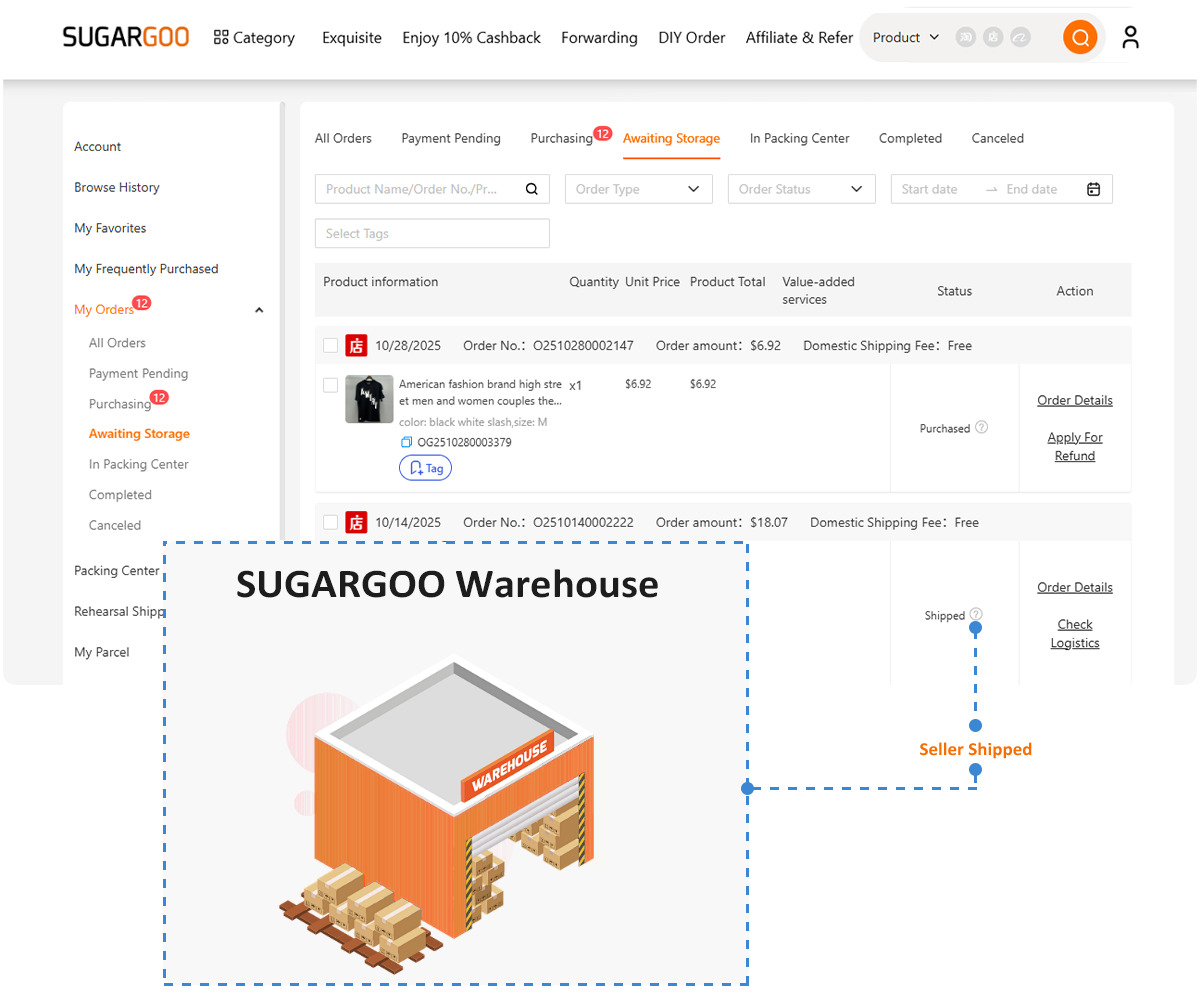
- the item is stored in their warehouse
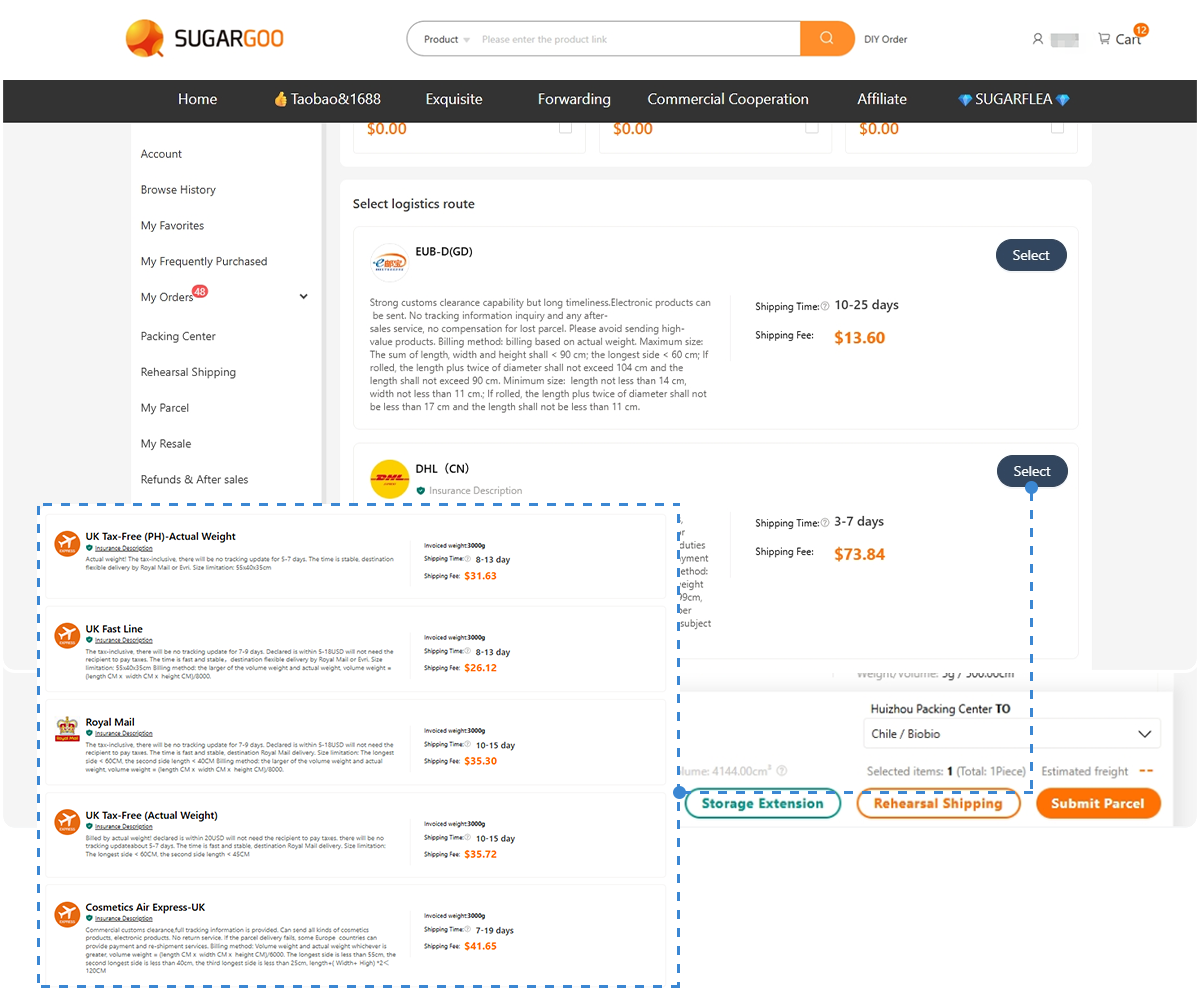
- you ship it internationally
The first time I tried this, I wasn’t sure what to expect.
But being able to:
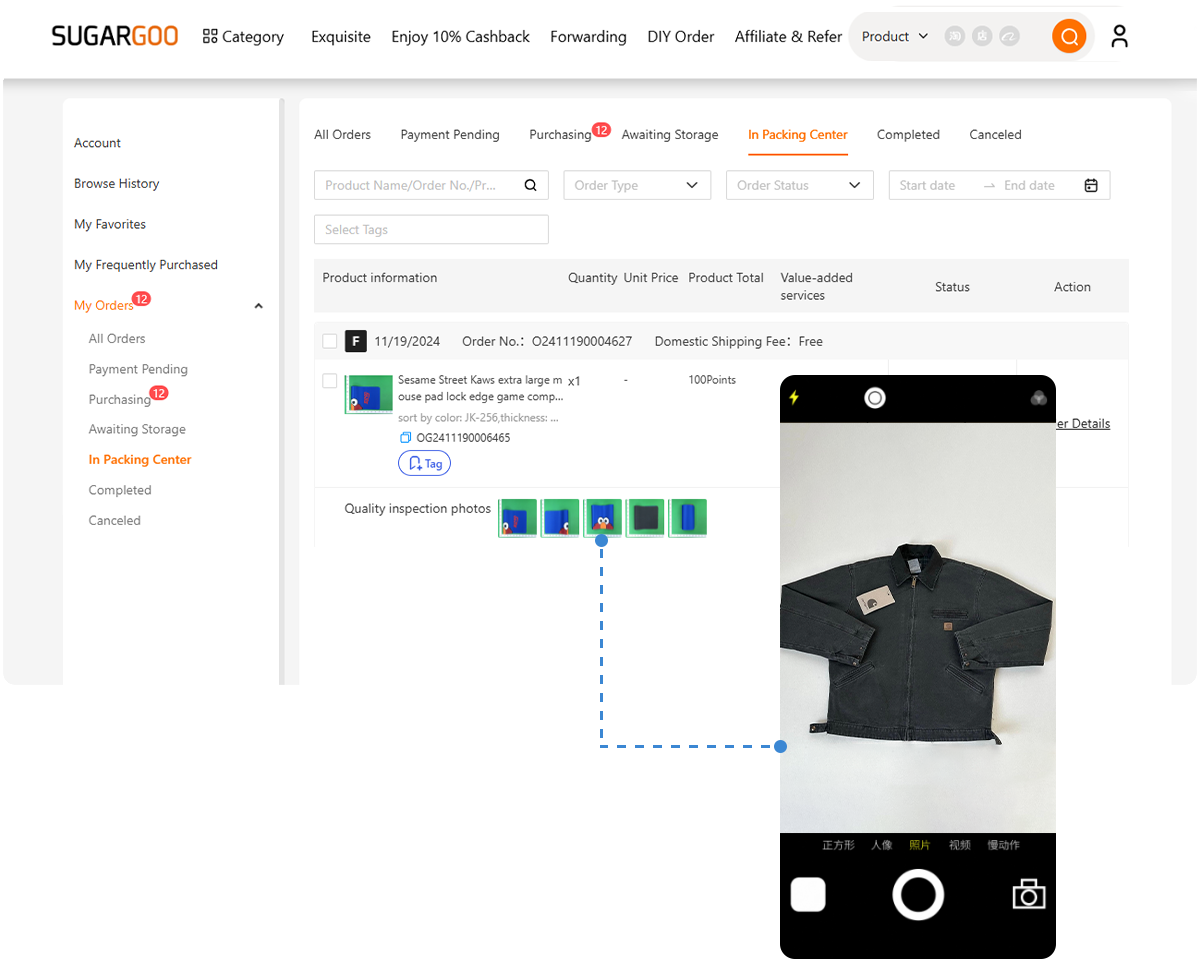
- see inspection photos before shipping
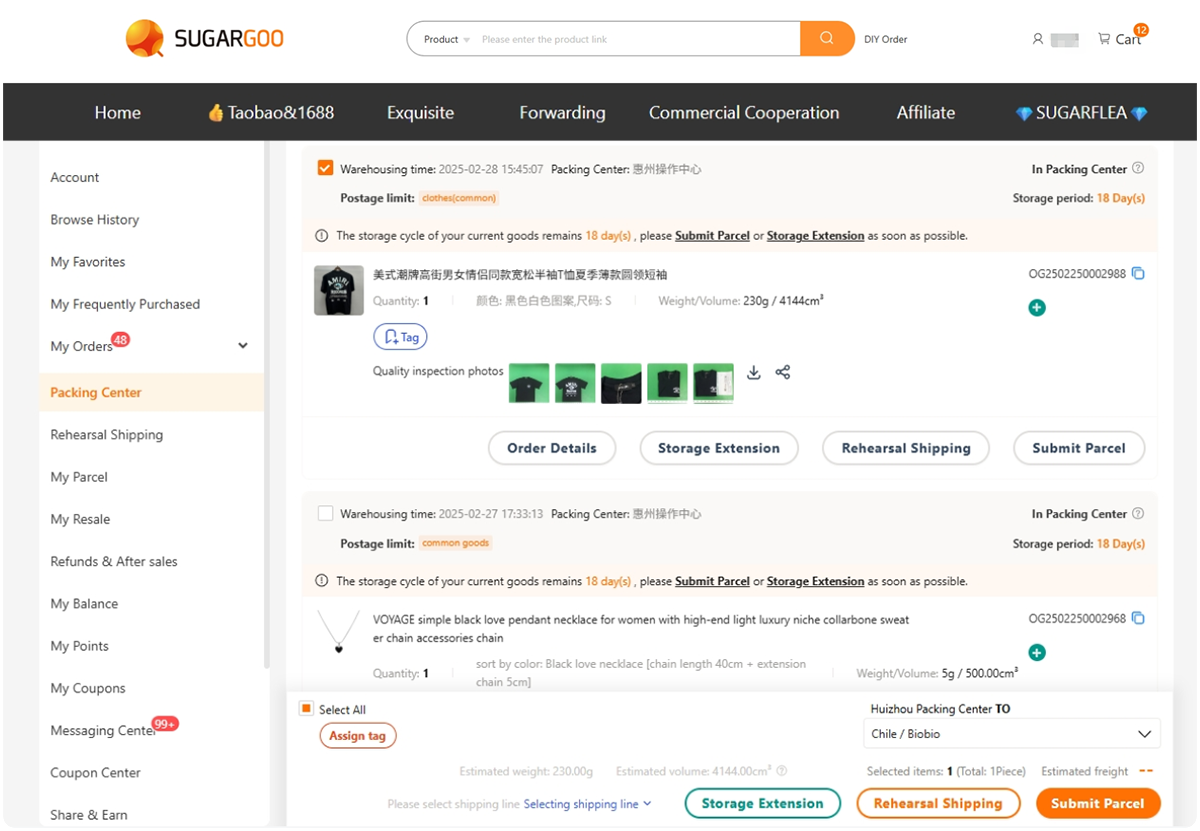
- combine multiple orders
- avoid dealing with sellers directly
made the process much easier than I thought.
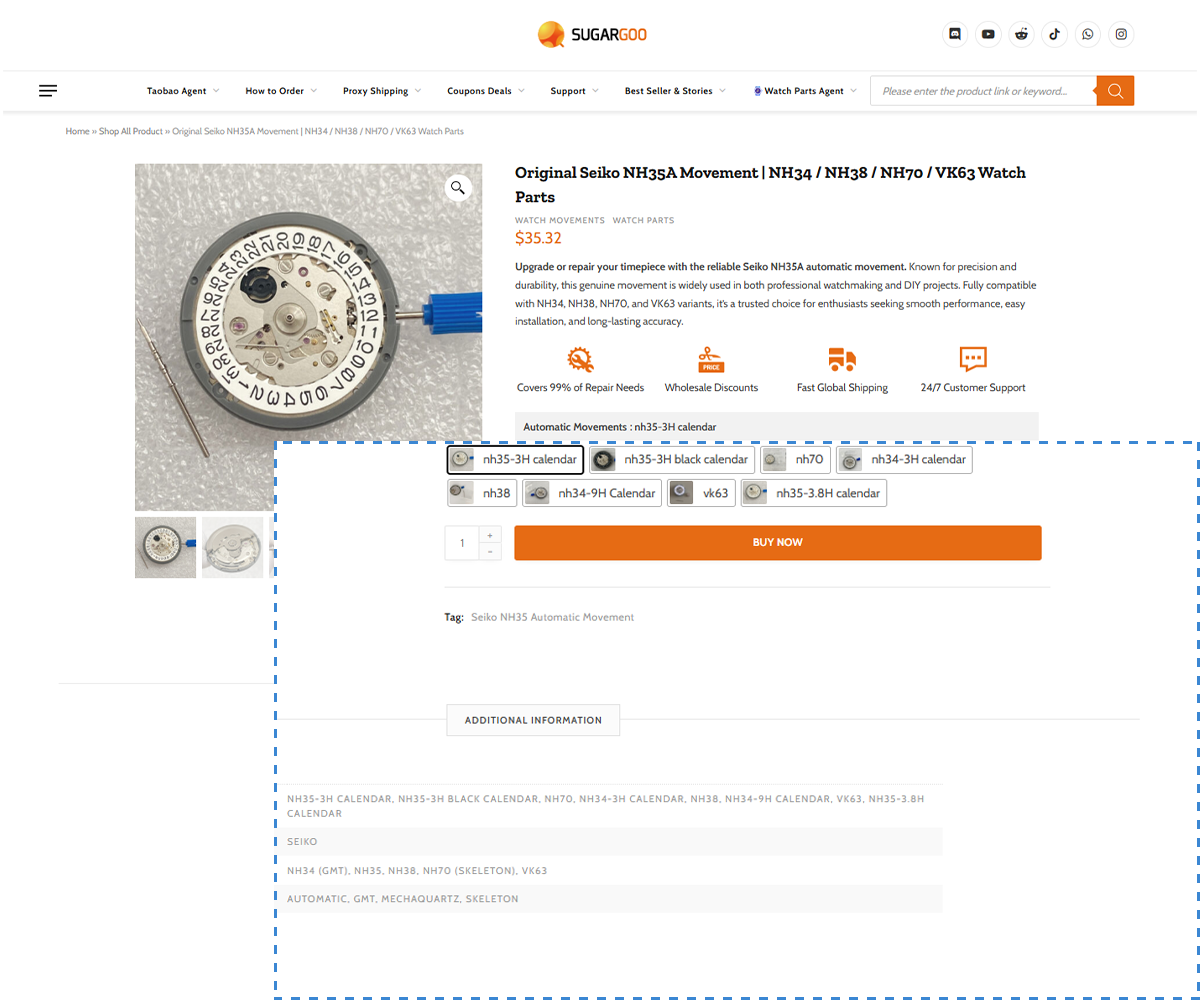
Platforms like Sugargoo are commonly used for this, especially if you’re ordering from Weidian or Goofish where direct buying is more complicated.
Pros and Cons Summary
Taobao
Pros
- wide selection
- more reliable
- better structure
Cons
- not always the cheapest
- still not beginner-friendly for non-Chinese users
Weidian
Pros
- lower prices
- strong for fashion and sneakers
Cons
- harder to navigate
- quality varies more
Goofish
Pros
- potential for very low prices
- great for rare items
Cons
- higher risk
- inconsistent listings
Which One Should You Use?
If I had to simplify it:
- Use Taobao when you want something easy and relatively safe
- Use Weidian when you’re trying to save money
- Use Goofish when you’re willing to dig for deals
Or even simpler:
Taobao for convenience, Weidian for price, Goofish for hidden finds.
What I Learned After Trying All Three
At first, these platforms felt confusing and a bit inaccessible.
Different language, different systems, different expectations.
But once you spend some time with them, you start to see how they fit together.
I don’t think of them as competitors anymore.
They’re more like tools — each one useful in a specific situation.
And once you know when to use which, the whole experience becomes a lot more efficient.