
I used to think buying clothes on Taobao was just a sizing problem.
Pick a size, wait for delivery, hope it fits.
Turns out, that approach doesn’t work very well.
The first few times I ordered, nothing was completely wrong — but nothing felt quite right either. A hoodie that fit my chest but had short sleeves. A T-shirt that looked oversized in photos but felt surprisingly narrow.
After a while, I stopped blaming “bad luck” and started paying more attention to how sizing actually works on Taobao.
That’s when things started to change.
Why Taobao Sizes Feel So Inconsistent
At first, I assumed there must be some kind of standard behind the scenes.
There isn’t. Not really.
Different sellers run their own stores, and most of them aren’t following a strict sizing system. Two items labeled “L” can feel completely different once you put them on.
I remember comparing two jackets from different shops. Both were marked as XL. One felt just right. The other one barely allowed me to move my arms comfortably.
That’s when I stopped trusting size labels altogether.
The Detail That Most People Miss
This is probably the biggest shift in how I shop now.
Taobao size charts usually show the size of the clothing, not your body.
It sounds obvious once you notice it, but I ignored it for a long time.
If a listing says chest 100 cm, that number belongs to the shirt itself. Your body needs extra space inside that.
When I started thinking in terms of “how much room I need” instead of “what size I am,” sizing became much easier to predict.
The Terms That Actually Matter (And the Ones I Ignore)
At some point I tried to rely on translation tools for everything.
It helped, but not as much as I expected.
Some words show up in almost every listing:
- 胸围 — chest
- 肩宽 — shoulder
- 衣长 — length
- 袖长 — sleeve
Those are straightforward.
The tricky ones are the descriptive phrases.
Things like “宽松版” (loose fit) or “偏小” (runs small) don’t always mean what you think. I’ve seen “loose fit” items that still felt fairly slim.
Now I treat those descriptions as hints, not facts.
What Actually Worked for Me (After a Few Bad Orders)
The biggest change I made wasn’t complicated.
I stopped measuring myself first.
Instead, I measured clothes I already liked wearing.
That small shift made everything easier.
I took a T-shirt that fits me the way I want and measured the chest, shoulder, and length. Then I did the same with a hoodie.
Those numbers became my reference point.
Now when I open a Taobao listing, I’m not guessing anymore. I’m just comparing.
How I Read Size Charts Now
I don’t follow a strict “step-by-step system,” but this is roughly what I do every time.
First, I scroll straight to the size chart. Not the product photos.
Then I look for one measurement I care about most. Usually chest.
If the numbers are close to what I already wear, I keep looking. If not, I move on quickly.
After that, I check shoulder width. This matters more than I used to think. If the shoulders are off, the whole fit feels wrong even if everything else looks fine.
Length comes last. I only pay attention if I want a specific style (cropped vs longer fit).
About Asian Sizes vs US Sizes (I Don’t Use Them Anymore)
I used to search things like:
“Taobao size M equals what in US?”
It didn’t really help.
Sometimes it worked. Sometimes it didn’t. Too many variables.
Now I completely ignore size conversions.
Letters don’t mean much here. Measurements do.
Once I stopped trying to convert sizes and just compared numbers, I stopped making random guesses.
Choosing Sizes Feels Different Depending on the Item
Not all clothes behave the same way, and this took me a while to notice.
For T-shirts, I mostly care about chest width. If that number works, the rest usually follows.
Shirts are less forgiving. Shoulder width becomes more important, especially if you want a clean fit.
Jackets and hoodies are where I give myself more room. I’ve made the mistake of picking something that fits perfectly over a T-shirt… and then realizing I can’t layer anything under it.
Pants are their own category. Waist alone isn’t enough. I check length and sometimes even look at how the fabric falls in review photos.
Mistakes I Still See People Make (And I Made Too)
Looking back, most of my sizing issues came from a few habits:
Trusting S/M/L labels too much
Assuming all “loose fit” items are actually loose
Ignoring shoulder measurements
Picking the closest size instead of the right measurement
None of these seem like big mistakes on their own, but they add up.
One Small Habit That Helped More Than Expected
I started paying more attention to buyer photos.
Not the official ones — the ones in the reviews.
Sometimes you’ll find someone with a similar height and weight trying on the same item. That gives a much better sense of how it actually fits.
It’s not perfect, but it’s more real than product images.
When I Started Using a Shopping Agent
If you’re outside China, you’ll probably end up using a forwarding service at some point.
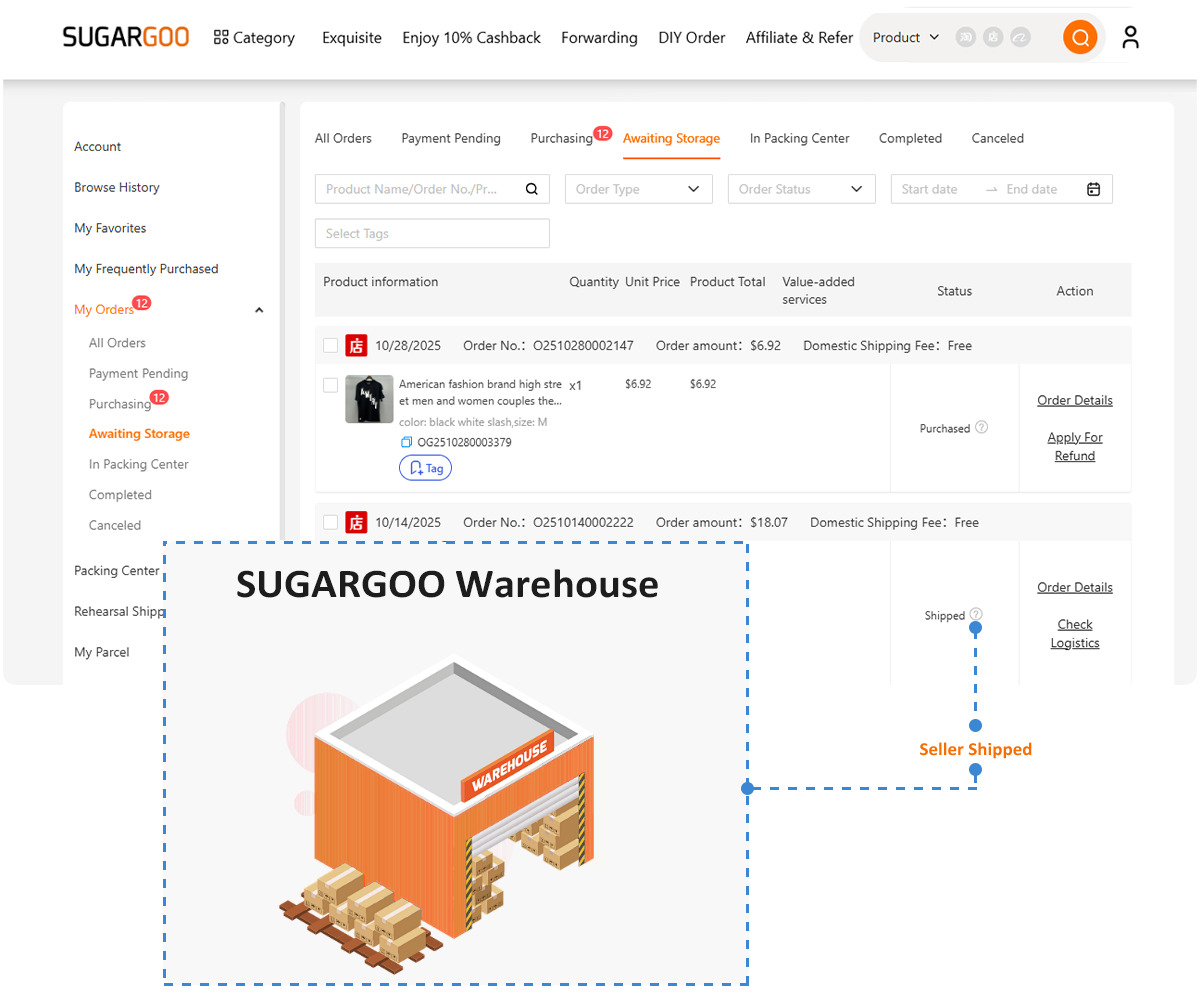
I’ve used Sugargoo for a while now, mostly for convenience.
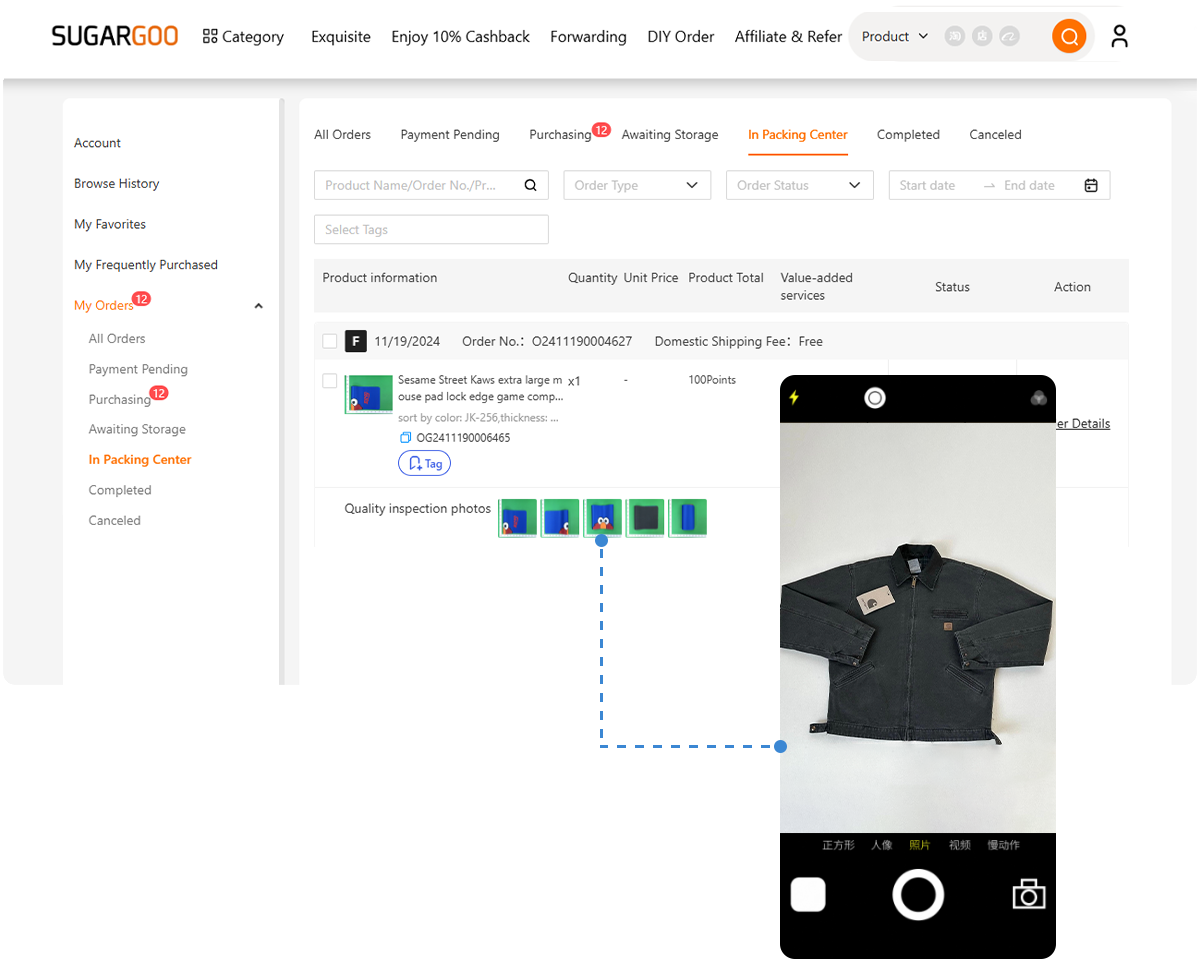
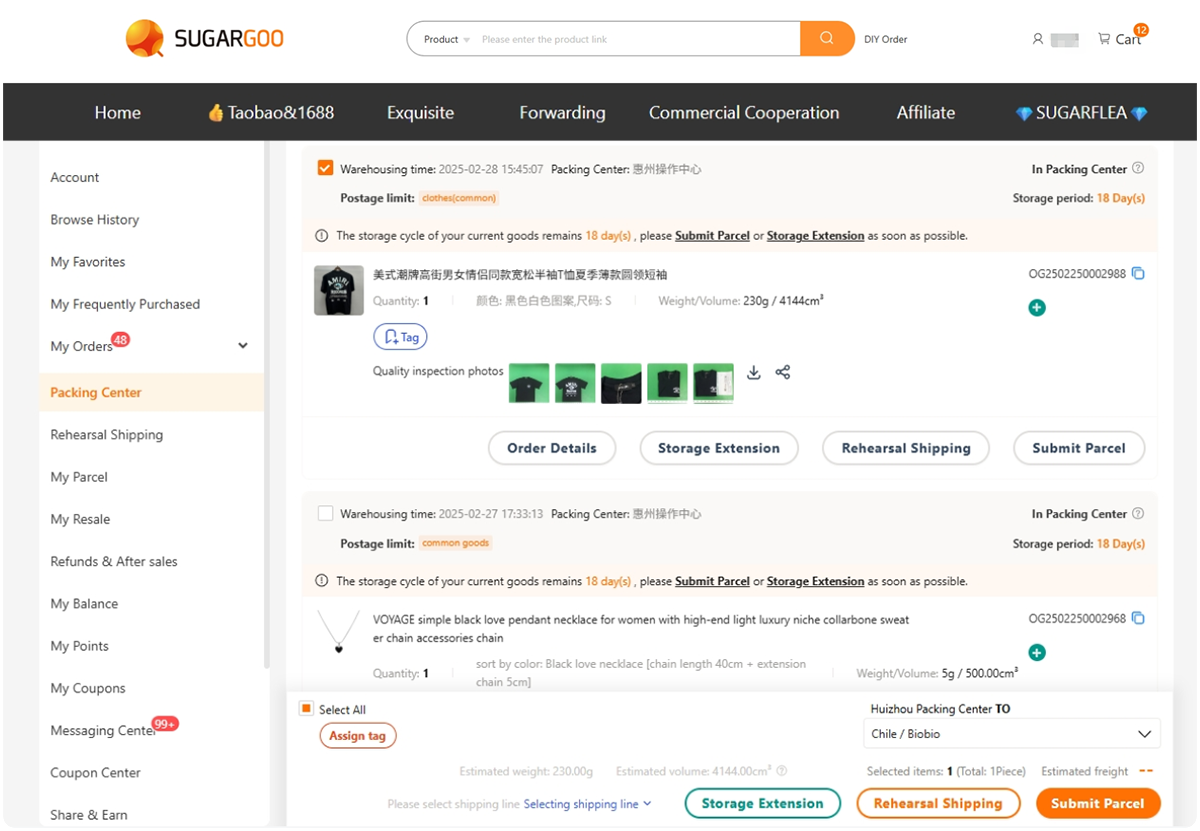
One thing I didn’t expect to be useful was the inspection photos.
When the item arrives at the warehouse, they usually take a few pictures before shipping it out. I’ve caught small sizing differences this way — things like proportions looking slightly off compared to the listing.
It’s not something I rely on every time, but it has saved me from a couple of disappointing orders.
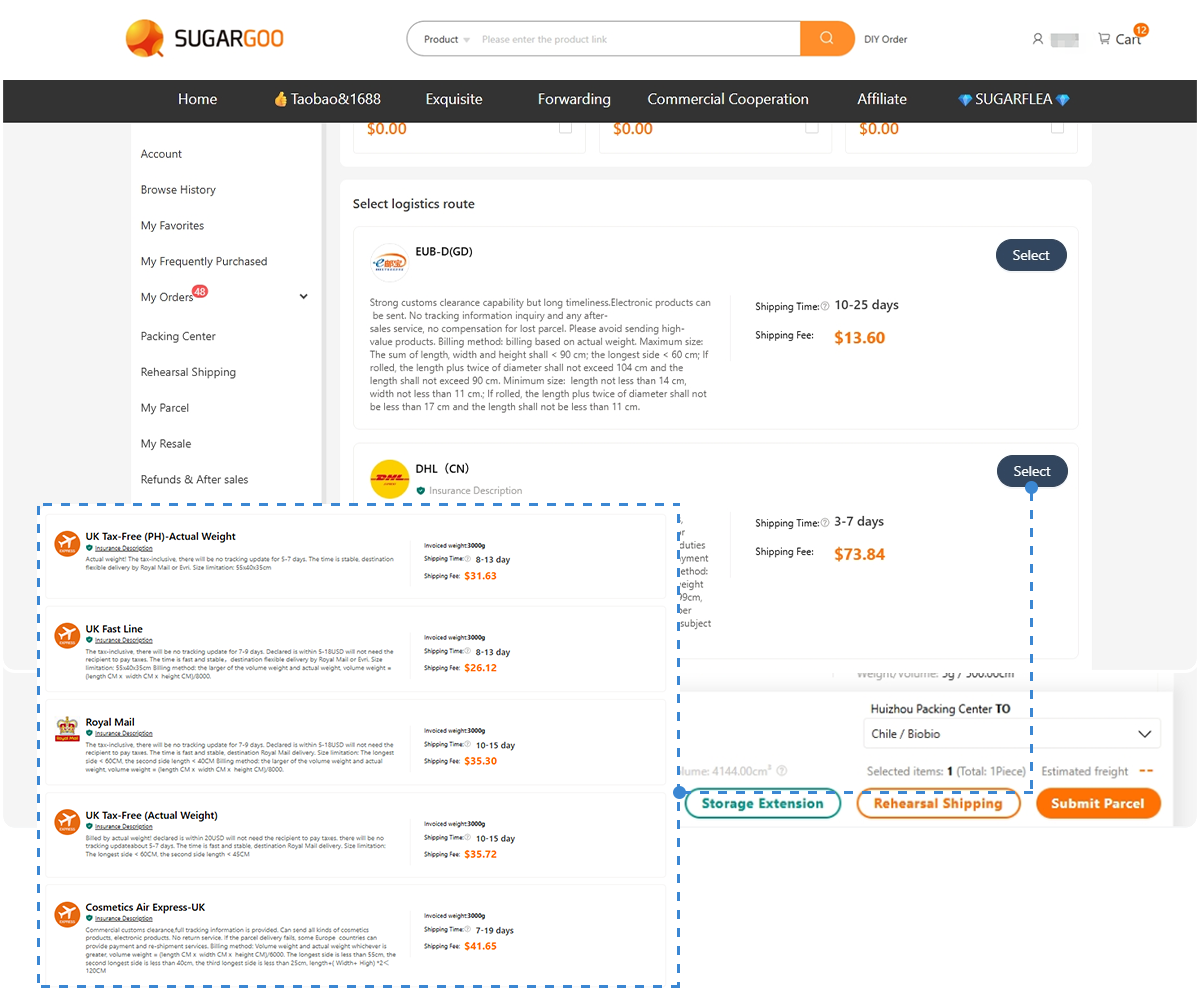
Being able to combine multiple items into one shipment is also a nice bonus. It makes experimenting with different sizes a bit less expensive.
Where I Ended Up After All This
I don’t really think of Taobao sizing as confusing anymore.
It’s just different.
Once you stop expecting it to behave like US sizing and start treating it as a set of measurements to compare, the whole process becomes more predictable.
I still get it wrong occasionally, but not nearly as often as before.
Most of the time now, when something doesn’t fit, I can usually tell exactly why.
And that alone feels like progress.