
The first time I ordered clothes from Taobao, I thought I understood sizing pretty well.
I usually wear a US medium. Nothing complicated. So when I saw a jacket labeled “L”, I didn’t overthink it — I just placed the order.
When it arrived, I couldn’t even zip it up.
That was the moment I realized something important: Asian sizes don’t translate directly to US sizes — and guessing almost always leads to mistakes.
If you’ve ever felt confused looking at Taobao size charts, you’re definitely not alone. In this guide, I’ll walk you through how sizing actually works, what mistakes to avoid, and how I personally started getting the right fit almost every time.
Why Asian Sizes Are Different from US Sizes
Before jumping into conversions, it helps to understand why things feel so inconsistent.
The Fit Is Designed Differently
Clothing made for Asian markets often follows a slimmer, more fitted cut. Even when the label says “XL”, it might still feel closer to a US medium depending on the brand.
I noticed this especially with jackets — the shoulders and sleeves were always tighter than expected.
No Universal Sizing Standard
On Taobao, each seller basically defines their own sizing system. That means:
- One store’s L = another store’s M
- Two identical-looking shirts can fit completely differently
There’s no single rule you can rely on.
Style Affects Sizing
This part surprised me at first.
- Korean-style clothing → slim and short
- Japanese-inspired brands → shorter length
- Streetwear → sometimes wide, but still short
So even within “Asian sizing”, the fit can vary a lot.
Asian Size to US Size Conversion (Quick Reference)
If you just want a rough idea, here’s a simplified comparison:
| Asian Size | US Equivalent (Approx.) |
| M | XS / S |
| L | S / M |
| XL | M |
| XXL | L |
But here’s the truth:
👉 This table is only a starting point — not something you should rely on when buying.
I made that mistake more than once.
The Method That Actually Works (What I Use Now)
After a few failed orders, I stopped trying to “convert sizes” and started doing this instead.
Compare Measurements (Not Labels)
This changed everything for me.
Instead of looking at S / M / L, I now check:
- Shoulder width (肩宽)
- Chest (胸围)
- Length (衣长)
- Sleeve length (袖长)
Then I take a shirt or jacket I already own and measure it.
When I match those numbers, the fit is usually very close.
👉 This works way better than guessing based on body size.
Use Height & Weight Suggestions Carefully
A lot of Taobao listings include recommendations like:
- 175cm / 65kg → L
- 180cm / 75kg → XL
At first, I relied on this heavily. Sometimes it worked. Sometimes it didn’t.
The issue is simple:
Two people with the same height and weight can have completely different body shapes.
Now I treat this as a secondary reference, not the main one.
Always Check Buyer Reviews
This is probably the most underrated trick.
I scroll straight to the reviews and look for people with similar stats:
- Height
- Weight
- Photos
If multiple buyers say “runs small”, I size up.
If they say “fits loose”, I adjust accordingly.
Sometimes I spend more time in the review section than on the product page itself.
Ask the Seller Directly
I didn’t do this at first, but it actually works surprisingly well.
You can send a simple message like:
- “175cm 70kg, which size?”
Even with basic translation tools, most sellers understand and reply quickly.
It’s not perfect, but it gives you another data point.
Common Sizing Mistakes (I’ve Made Most of These)
If you want to avoid wasting money, don’t do these:
- Assuming L = US L
- Ignoring measurement charts
- Only looking at product photos
- Skipping reviews
- Forgetting that some items are “slim fit”
I used to think I could just “eyeball” it. That never worked.
Category-Specific Tips (Very Important)
Sizing issues aren’t the same across all products.
T-Shirts & Tops
- Often run small
- Length can be shorter than expected
- Slim fit is very common
👉 I usually go 1 size up, then check measurements.
Pants & Jeans
This is where things get tricky.
- Waist size ≠ overall fit
- Length is often shorter than US sizing
- Some styles are cropped intentionally
👉 Always check both waist AND length.
Shoes (Most People Get This Wrong)
Don’t rely on US size labels.
Instead, use foot length in cm.
For example:
- 26 cm ≈ US 8
- 27 cm ≈ US 9
Most Taobao listings include this — and it’s much more accurate.
What Happens If You Choose the Wrong Size?
This is where things can get frustrating.
Taobao returns are not always easy, especially if you’re buying from outside China.
I’ve had cases where:
- Communication with sellers was slow
- Refunds took time
After dealing with that a few times, I started using a different approach.
How I Reduced Sizing Mistakes (And Stress)
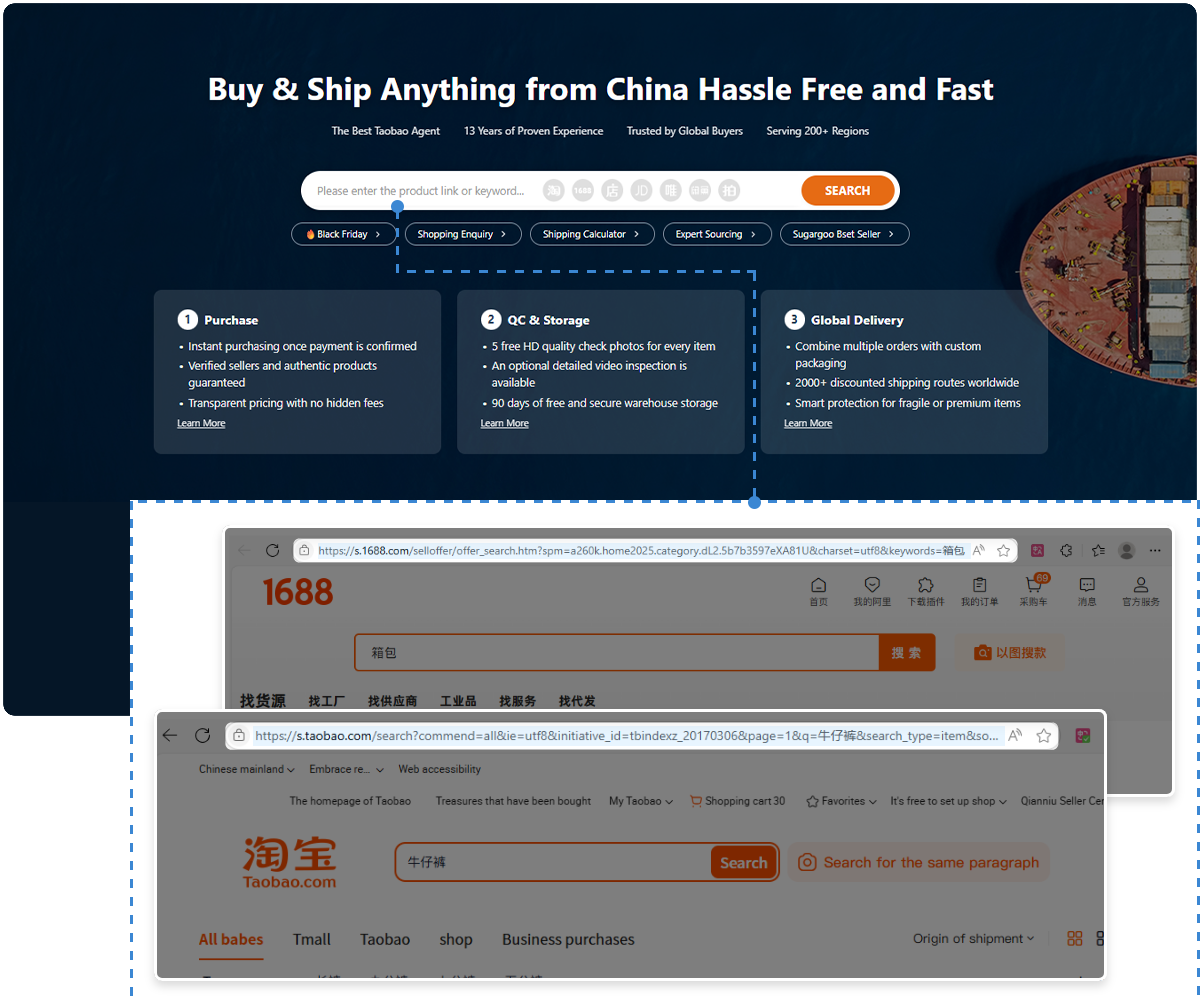
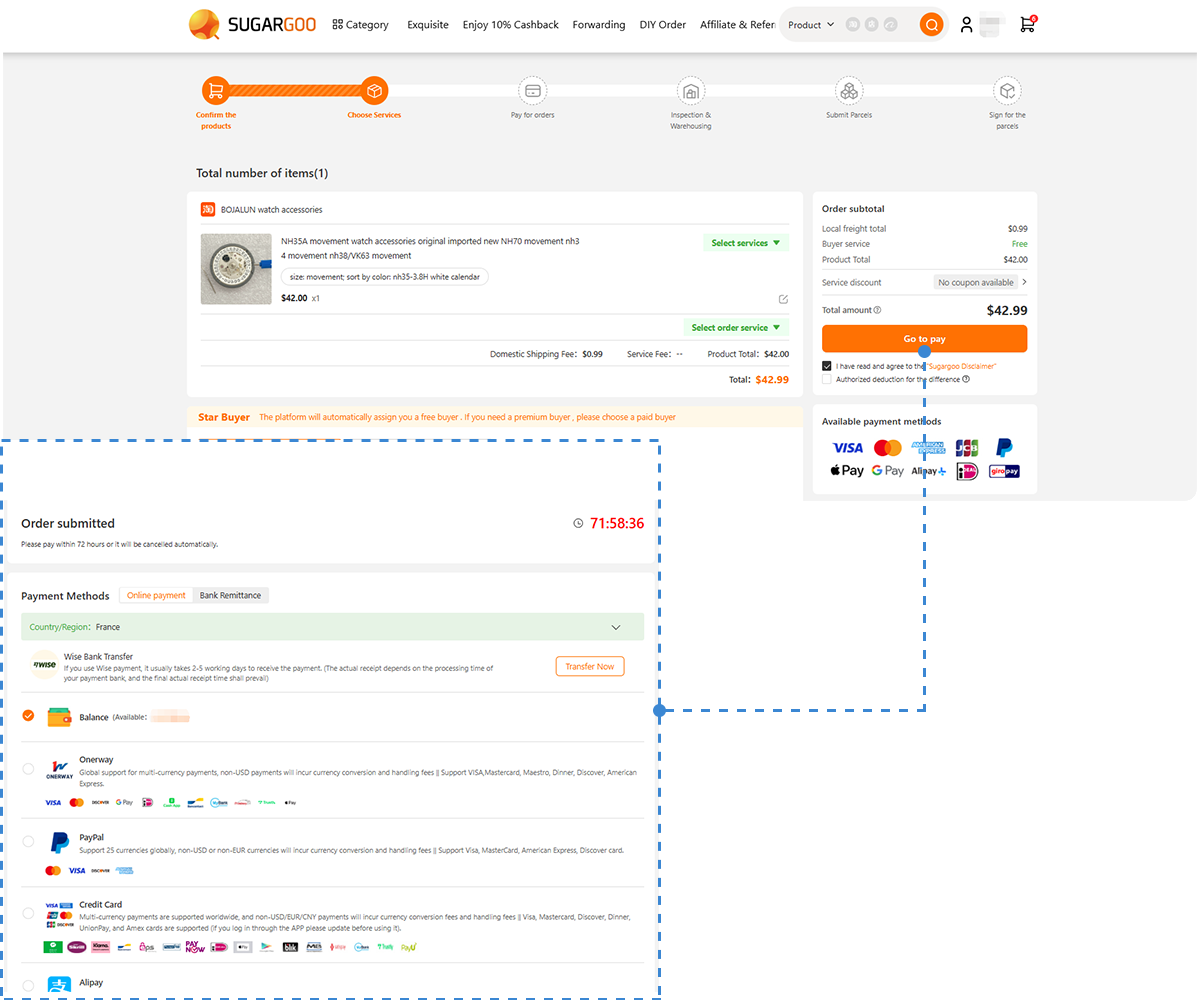
Instead of ordering directly, I began using a buying agent.
Platforms like Sugargoo made a noticeable difference for me.
Here’s why:
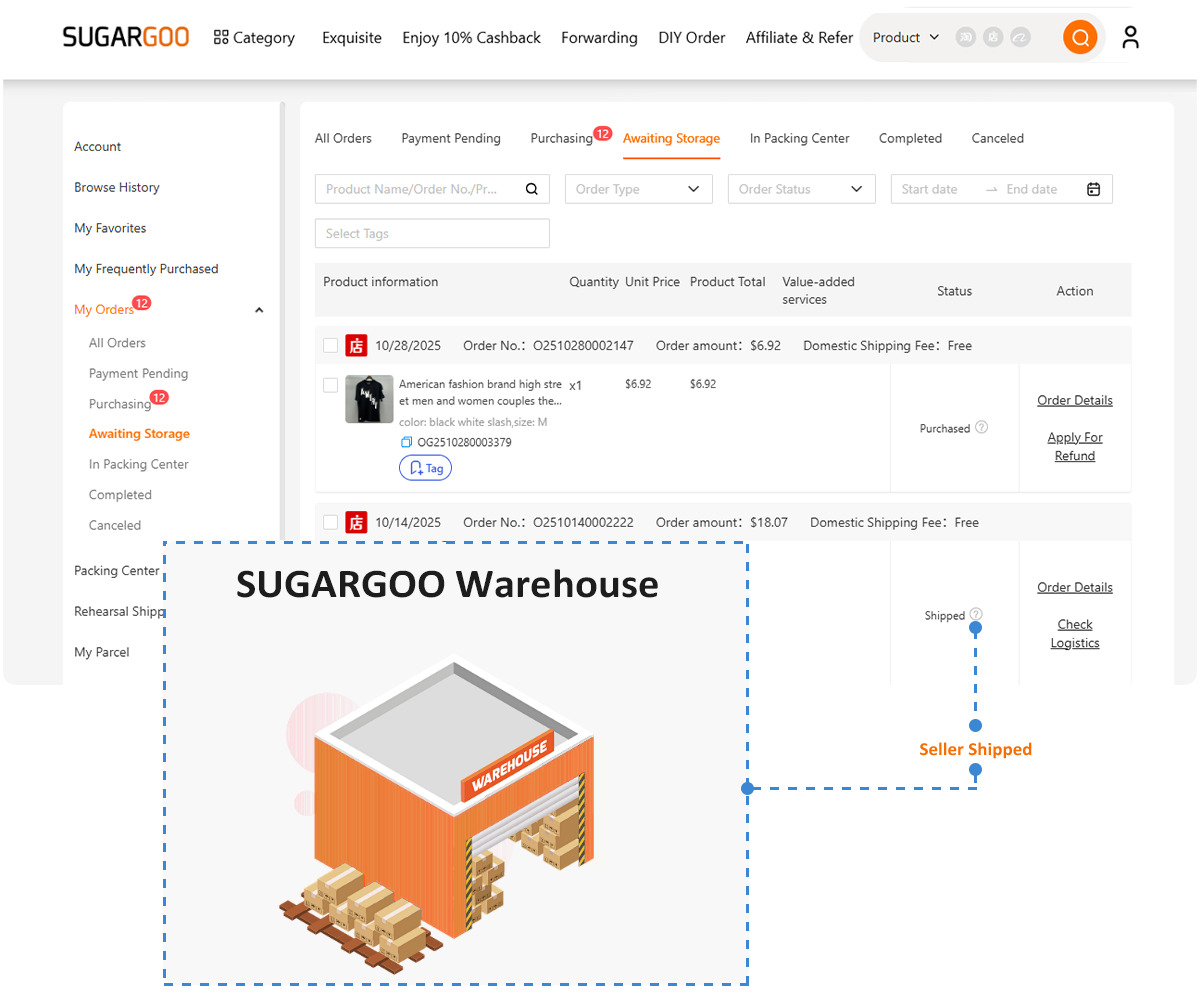
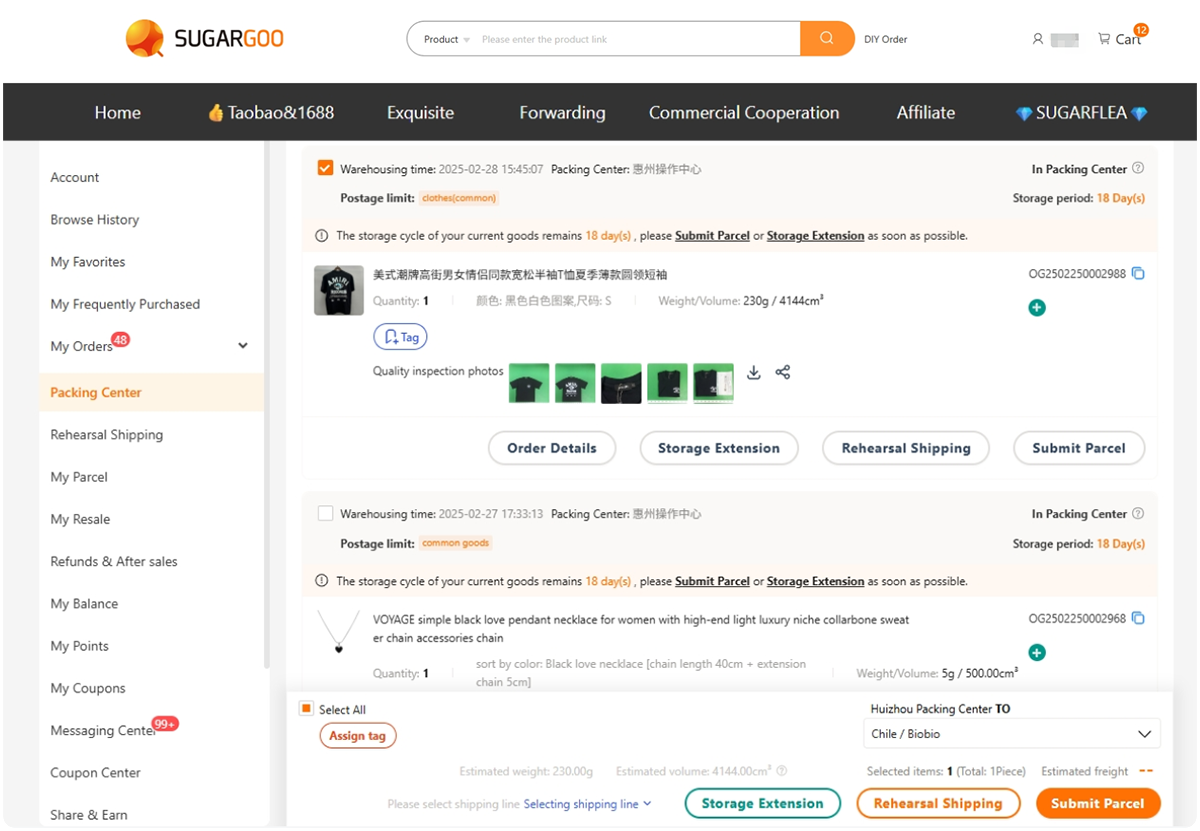
- Items are sent to a warehouse first
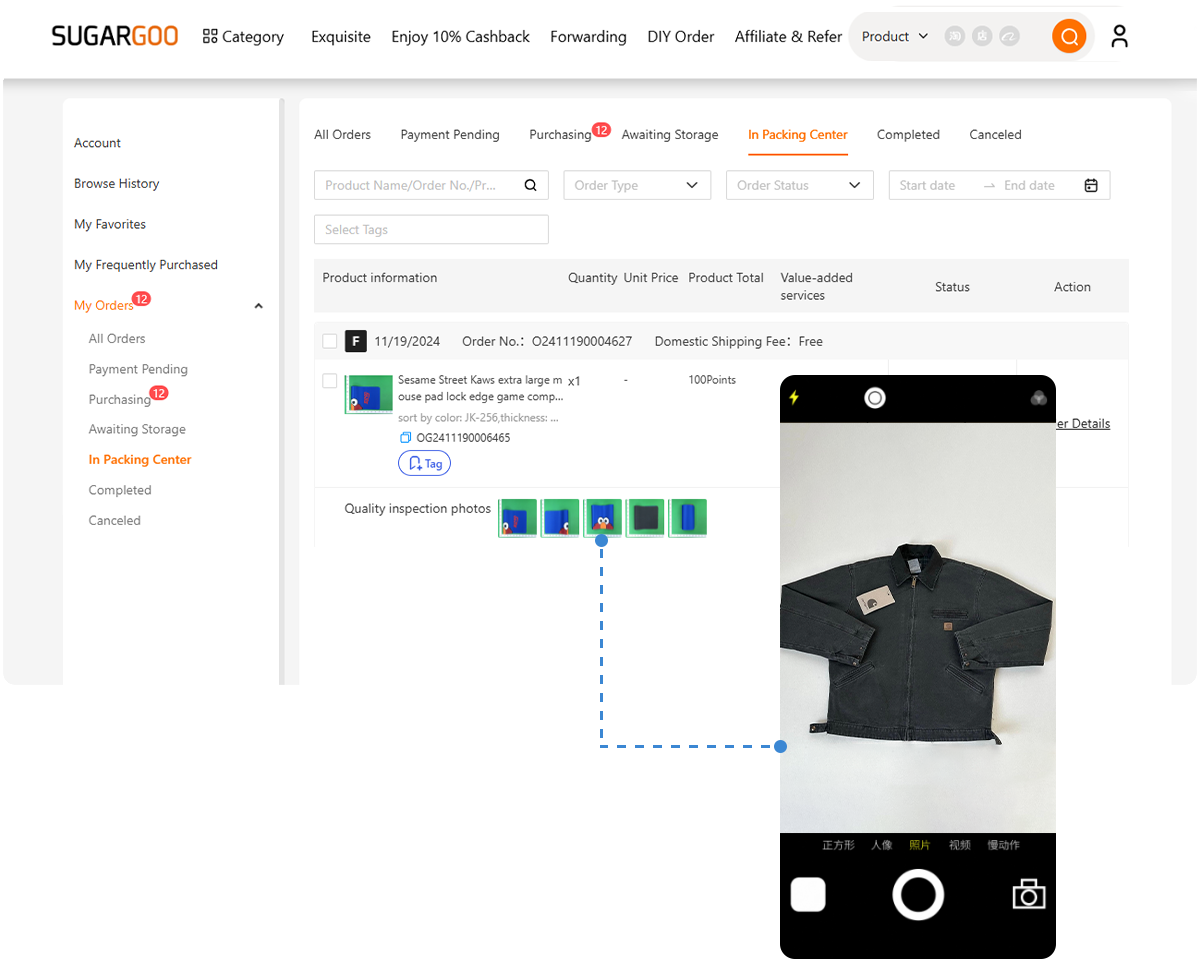
- They take photos before shipping
- You can check the product before it leaves China
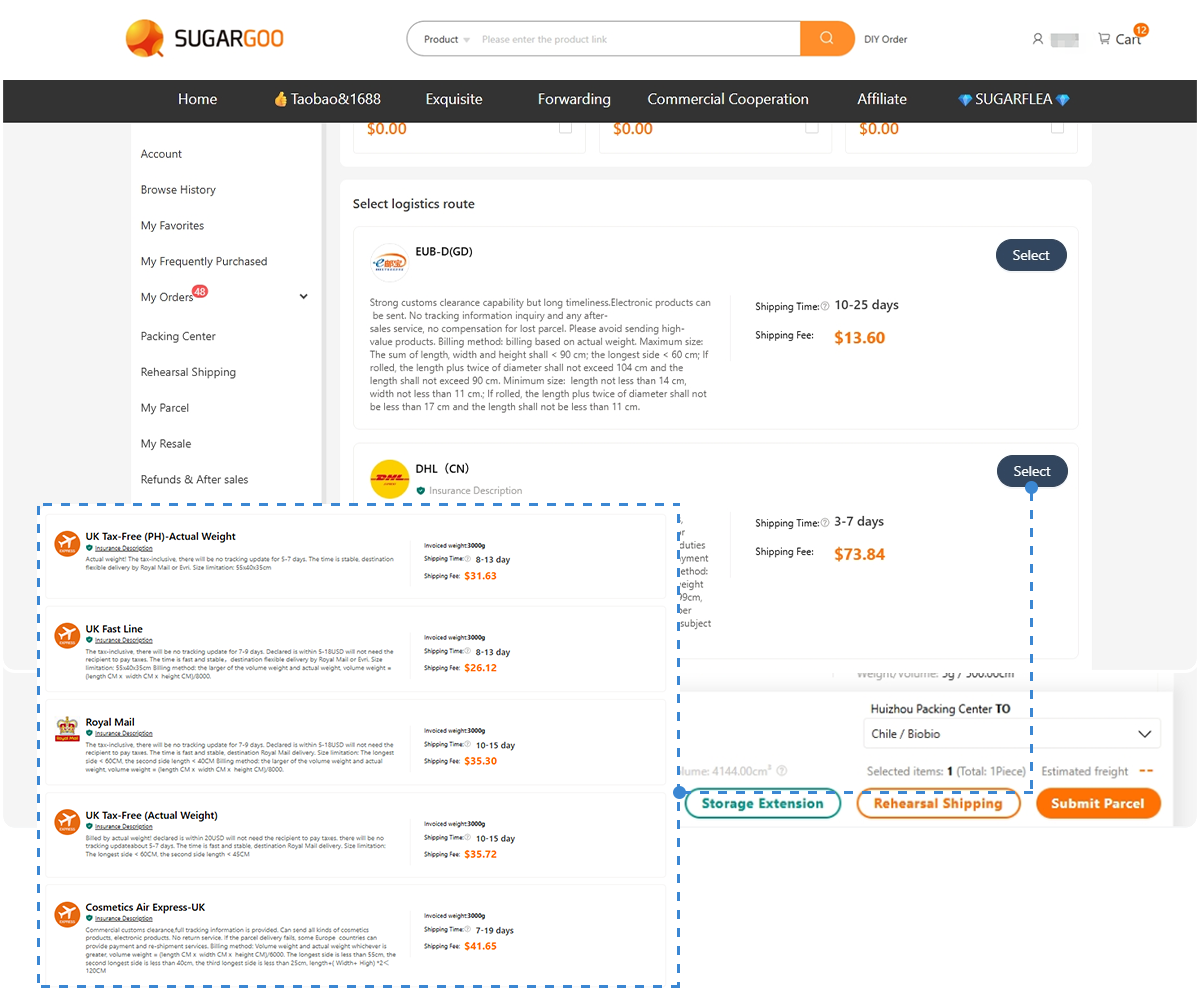
- Multiple orders can be combined into one shipment
So if something looks off, there’s still a chance to fix it before paying for international shipping.
For me, that alone reduced the risk a lot.
A Simple Workflow That Works (Step-by-Step)
If I had to summarize my current process, it looks like this:
- Find the item
- Ignore S/M/L labels
- Check measurement chart
- Compare with my own clothes
- Read reviews carefully
- (Optional) ask the seller
- Use an agent for extra safety
It sounds like more work, but after doing it a few times, it becomes second nature.
Final Thoughts
If there’s one thing I wish I knew earlier, it’s this:
There is no reliable “conversion” between Asian sizes and US sizes.
Once I stopped trying to translate sizes and started focusing on measurements, everything became much easier.
Now I rarely get sizing wrong — and when I do, it’s usually because I skipped one of the steps above.
FAQ
Do Asian sizes run smaller than US sizes?
Yes, in most cases they do. The fit is usually slimmer and more compact compared to US sizing.
Should I always size up on Taobao?
Not always. Some items are oversized by design. It’s better to check measurements instead of blindly sizing up.
How do I measure clothes correctly?
Lay a similar item flat and measure:
- Shoulder width
- Chest
- Length
- Sleeves
Then compare with the product chart.
Is XL in China the same as US XL?
Usually not. Chinese XL is often closer to a US medium or large, depending on the brand.
What’s the safest way to avoid sizing mistakes?
- Use measurement charts
- Check reviews
- Compare with your own clothes
- Consider using a buying agent for extra verification