

The first time I tried searching on Taobao in English, I honestly thought the site was broken. I typed in simple words like “shoes” and “hoodie,” hit search, and… almost nothing useful showed up. At that point, it felt less like online shopping and more like guessing in the dark.
It turns out Taobao wasn’t the problem—I was just using it the wrong way. Taobao English search isn’t designed around English at all, and once you accept that, things start to make a lot more sense. You don’t need fluent Chinese to use it, but you do need to understand how keywords actually work.
This guide is based on what usually works in real use, not theory—especially for foreign buyers who just want to find products without fighting the interface.
Why English Searches Feel Useless on Taobao
Taobao is built for Chinese shoppers, and the search engine reflects that. It doesn’t try to interpret English product names or translate phrases behind the scenes. If you search in English, Taobao mostly treats it as meaningless text.
What it really looks for are short, common Chinese product terms. Not full sentences. Not descriptive titles. Just the core idea of the product.
Once I stopped typing complete English phrases and focused on simpler search logic, results started appearing almost immediately.
The Keyword Types That Actually Help You Find Products
Instead of thinking in English-style listings, it helps to think in building blocks. On Taobao, searches usually work best when you start broad and then slowly narrow things down.
Basic Product Keywords Come First
The first step is always the most basic product type. Think of it as opening the right door before worrying about details.
For example, searching for a very general item category will usually give you thousands of results. That’s not a bad thing. At this stage, you’re just trying to get into the right section of the marketplace.
Once you see relevant items on the page, you know you’re on the right track.
Narrow Results Using Attributes, Not Long Descriptions
After that, most Chinese shoppers refine results using attributes. This is where things like material, season, or fit come into play.
Instead of searching something like “oversized winter hoodie for men,” it works better to add one or two simple conditions at a time. The search feels less precise at first, but in practice, it’s much more flexible.
Adding too many details too early usually kills your results.
Keywords Linked to Cheaper or Factory-Style Listings
If price is a big reason you’re on Taobao, certain keyword directions are worth knowing. Some listings clearly target buyers looking for factory-direct or wholesale-style products.
These items don’t always have perfect photos or polished branding, but they’re often where the best prices are hiding. I’ve found that many everyday items are sold this way, especially clothing and accessories.
It’s not about finding “luxury”—it’s about finding value.
Using Images and Existing Listings to Steal Better Keywords
When keywords feel overwhelming, image search can save a lot of time. This is one of the most practical tricks, especially if you already know what you want.
I usually upload an image, open a few similar listings, and then look at which Chinese words keep appearing in the titles. Copying those repeated terms and searching again often leads to more options—and sometimes cheaper ones.
This method works because you’re letting Taobao tell you which keywords matter.
Search Habits That Usually Don’t Work
A lot of frustration comes from using Taobao the same way you’d use Amazon.
Things that rarely help:
- Typing full English sentences
- Copying long product titles from other sites
- Searching brand names instead of product types
Taobao prefers simple, almost rough searches. Once you adapt to that, the platform becomes far less intimidating.
How Proxy Agents Make Searching Much Easier
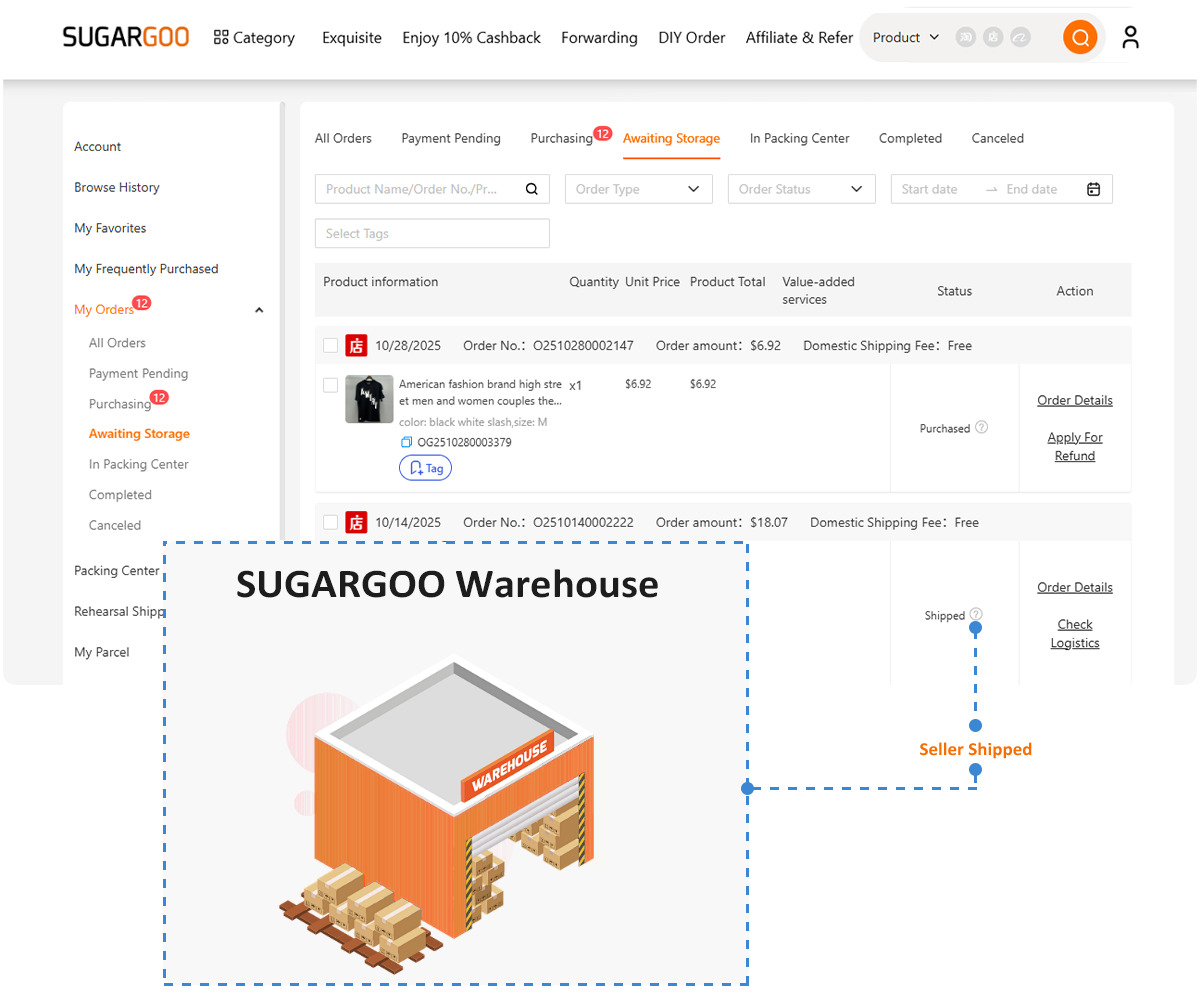
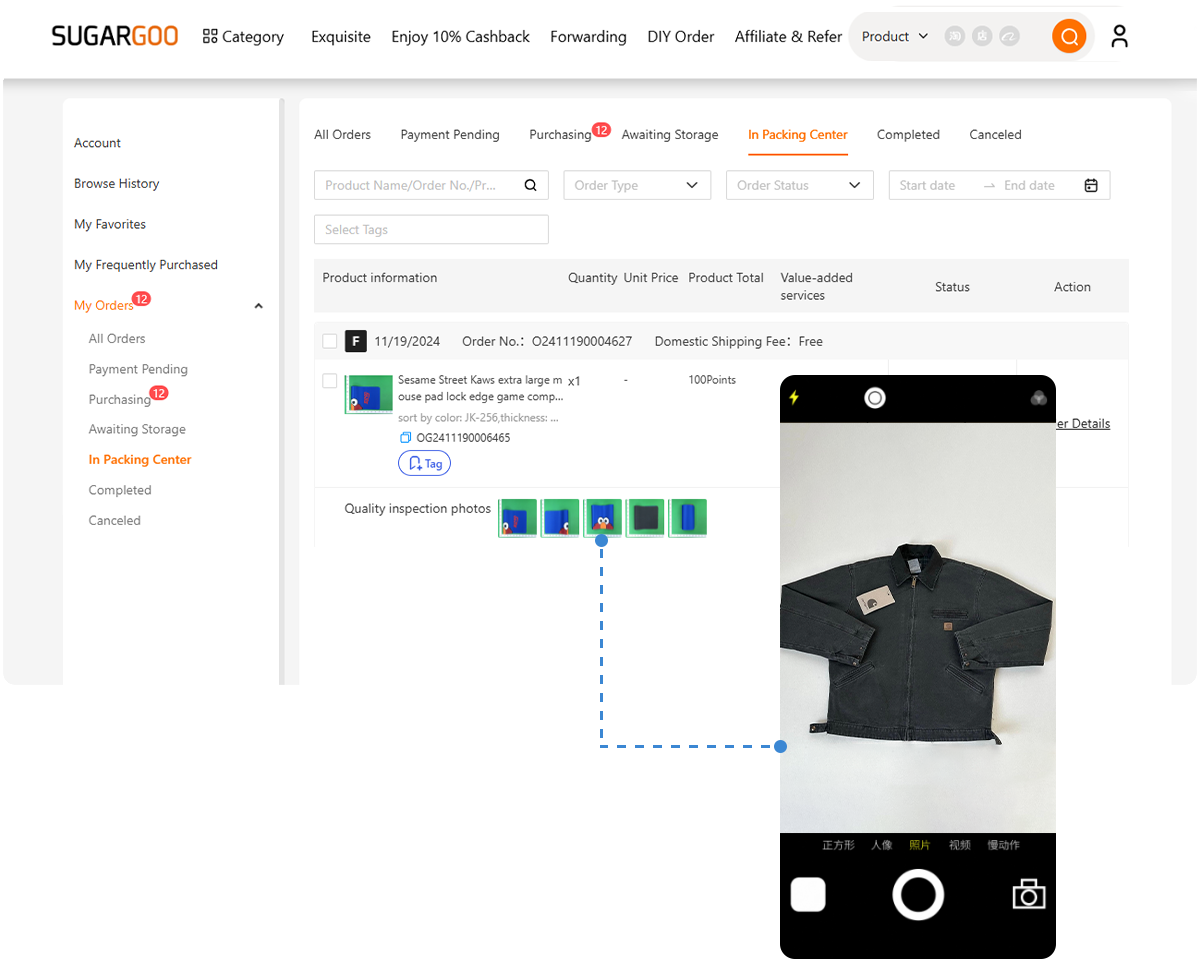
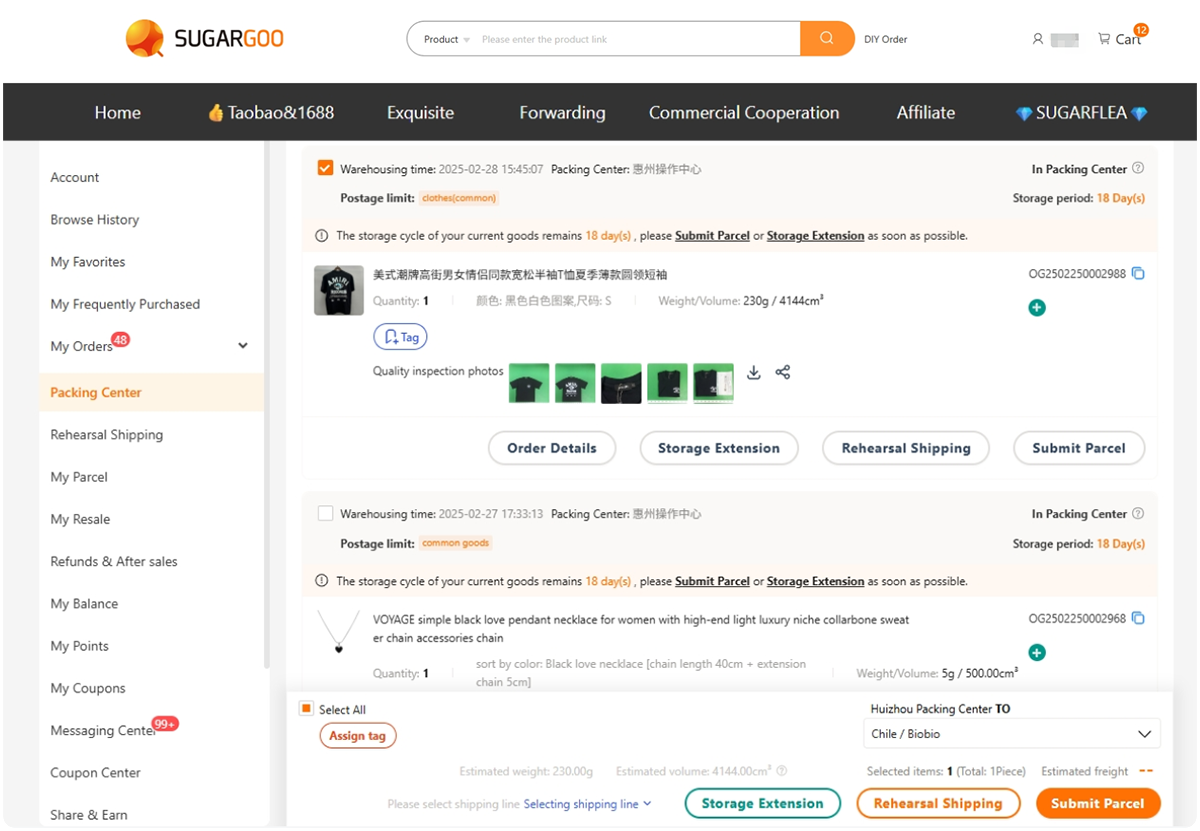
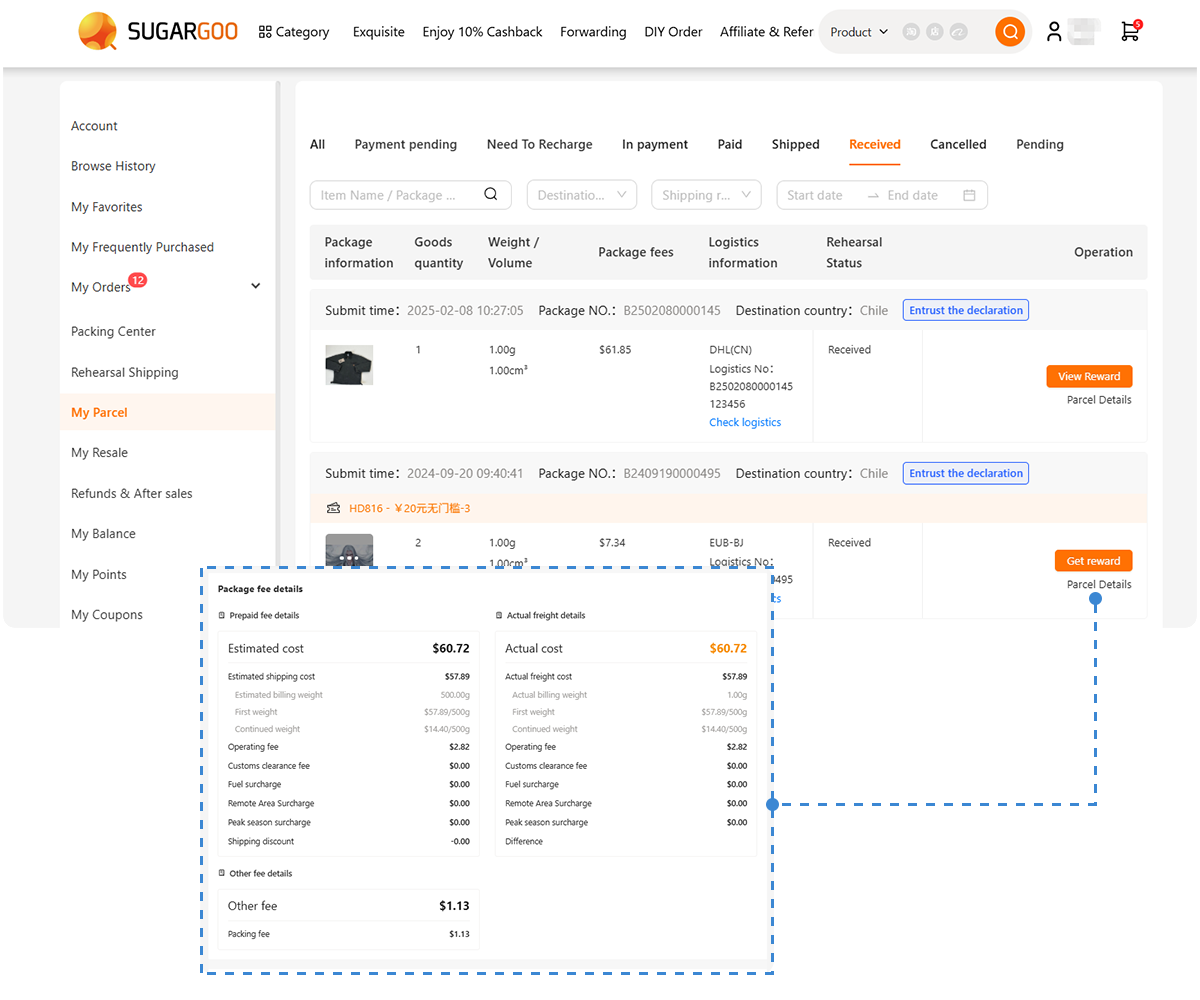
Even if you get comfortable with keywords, Taobao still isn’t the easiest site to navigate in Chinese. That’s why many foreign buyers end up using a Taobao proxy or agent, especially for regular purchases.
One of the biggest advantages is how agents simplify product search:
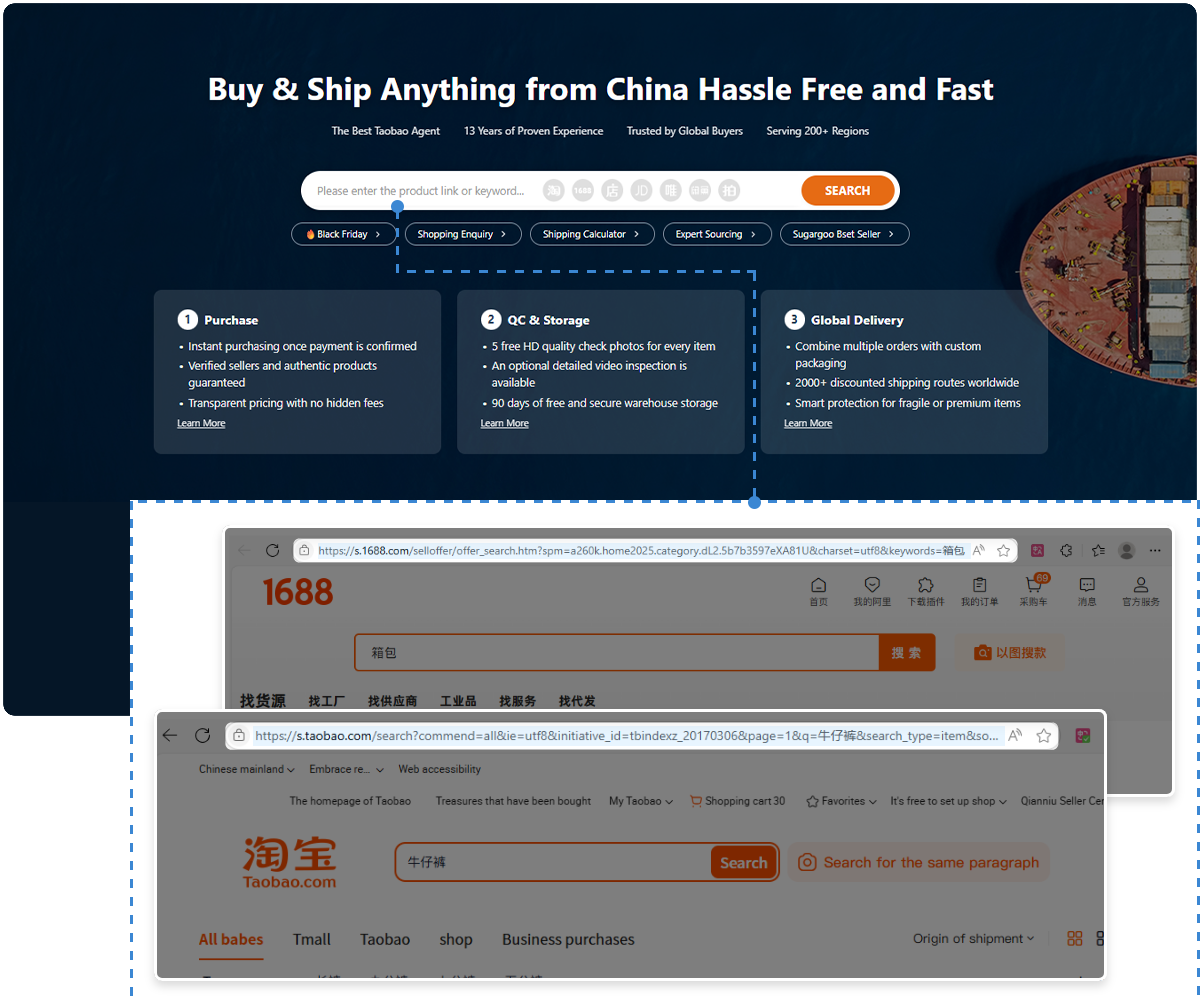
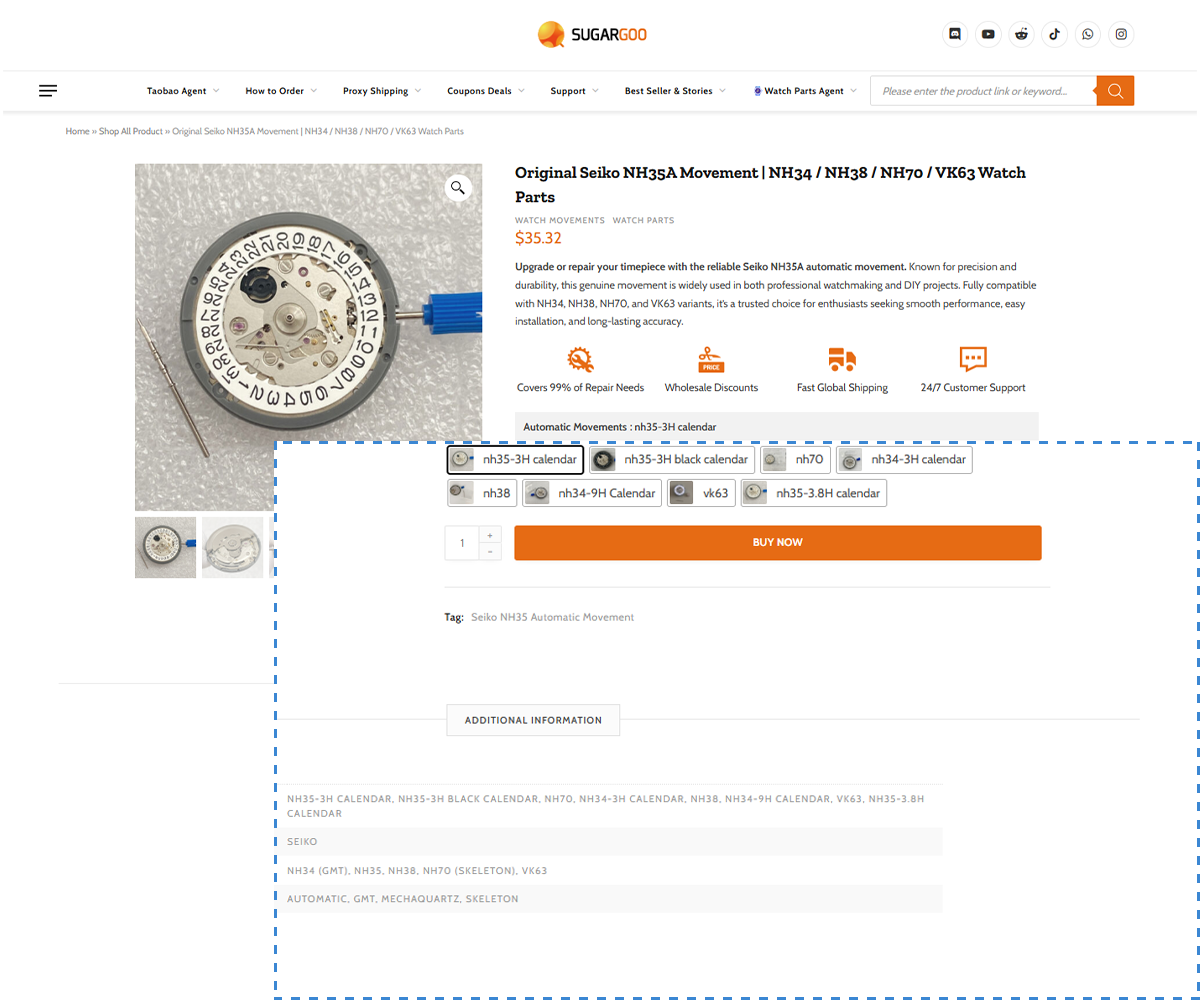
- The most common method is pasting a Taobao product linkdirectly into the agent’s search bar. It jumps straight to the product page, where you can select size and color without dealing with Chinese menus.
- Some proxy agents also allow you to search using basic English product names like “shoes,” “hoodies,” or “sweater,” which is helpful when you’re just browsing.
- Some proxy platforms even support image search. Click the image icon next to the search box, upload a photo, and the system looks for matching items—no keywords required.
- Many agents also run their own mall-style sections, where products are already organized and easier to explore in English.
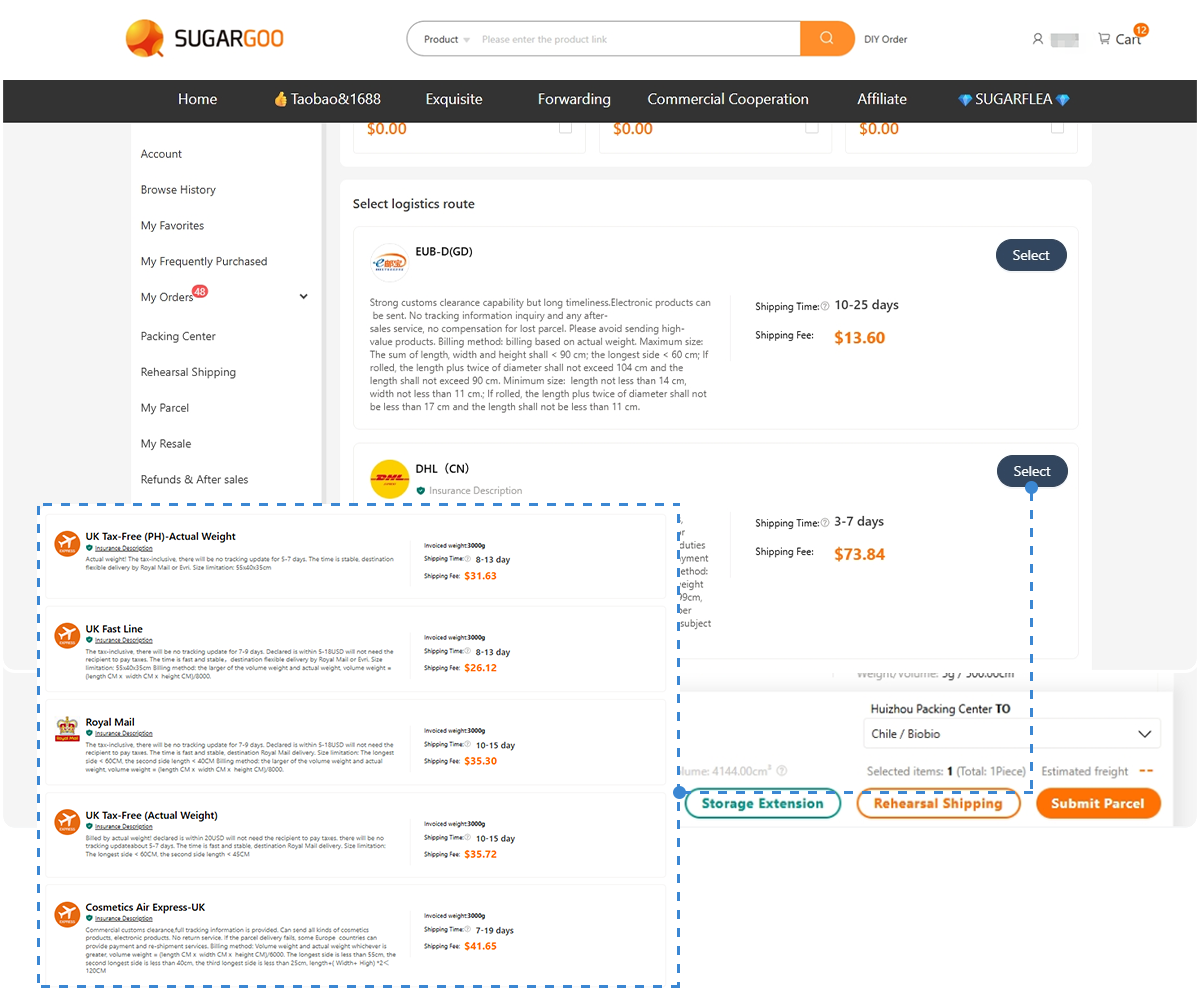
For a lot of people, this removes the hardest part of Taobao entirely. Instead of decoding keywords and messaging sellers, you focus on choosing items and let the agent handle the rest.
Final Thoughts
Taobao search isn’t really about language—it’s about mindset. Once you stop expecting it to behave like an English shopping site and start working with its logic, everything becomes more predictable.
Whether you prefer experimenting with keywords, using image search, or relying on a proxy agent to smooth things out, there’s more than one workable path. The key is finding the approach that feels manageable, then sticking with it. After that, Taobao starts to feel less like a puzzle and more like a tool you can actually use.
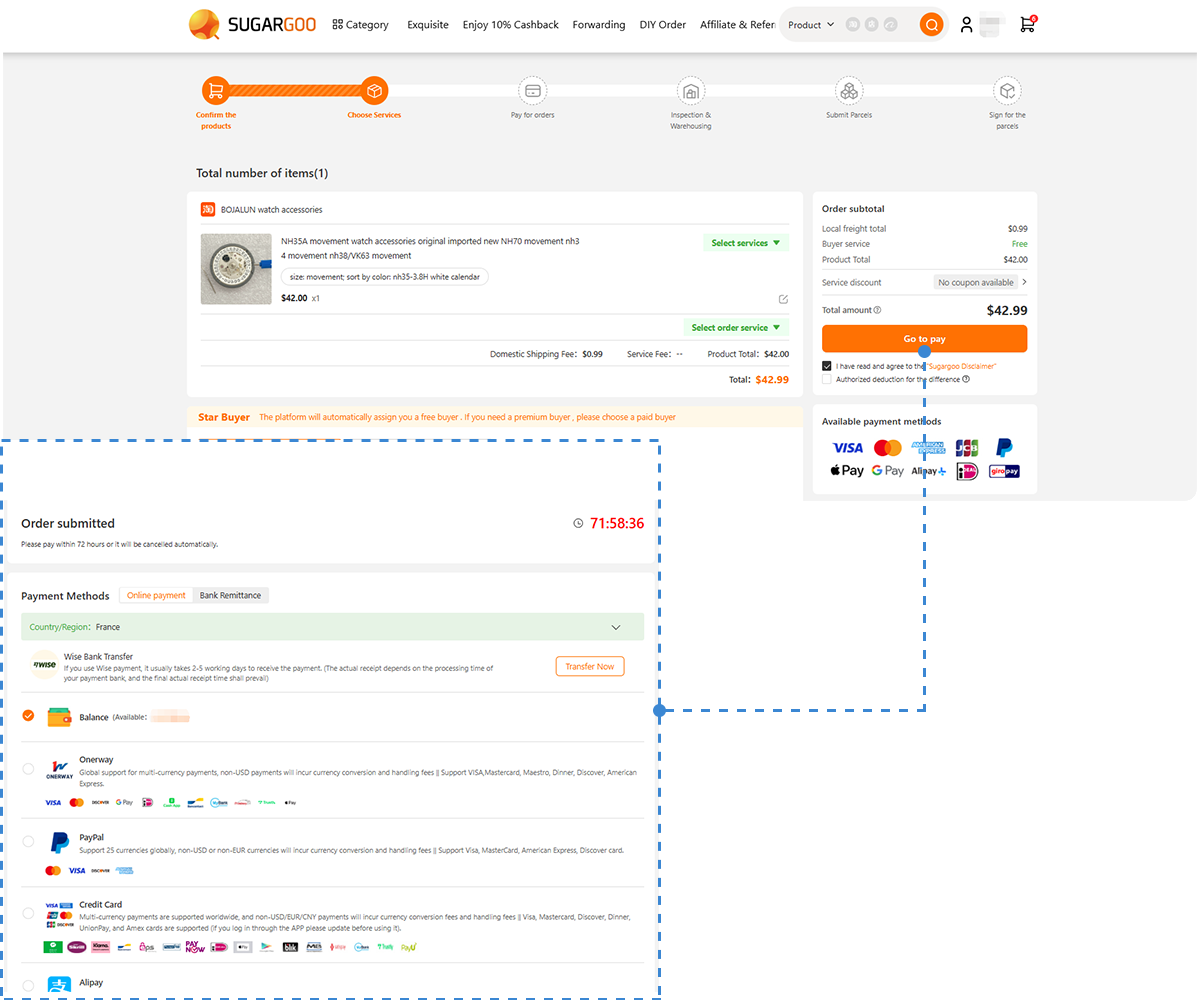
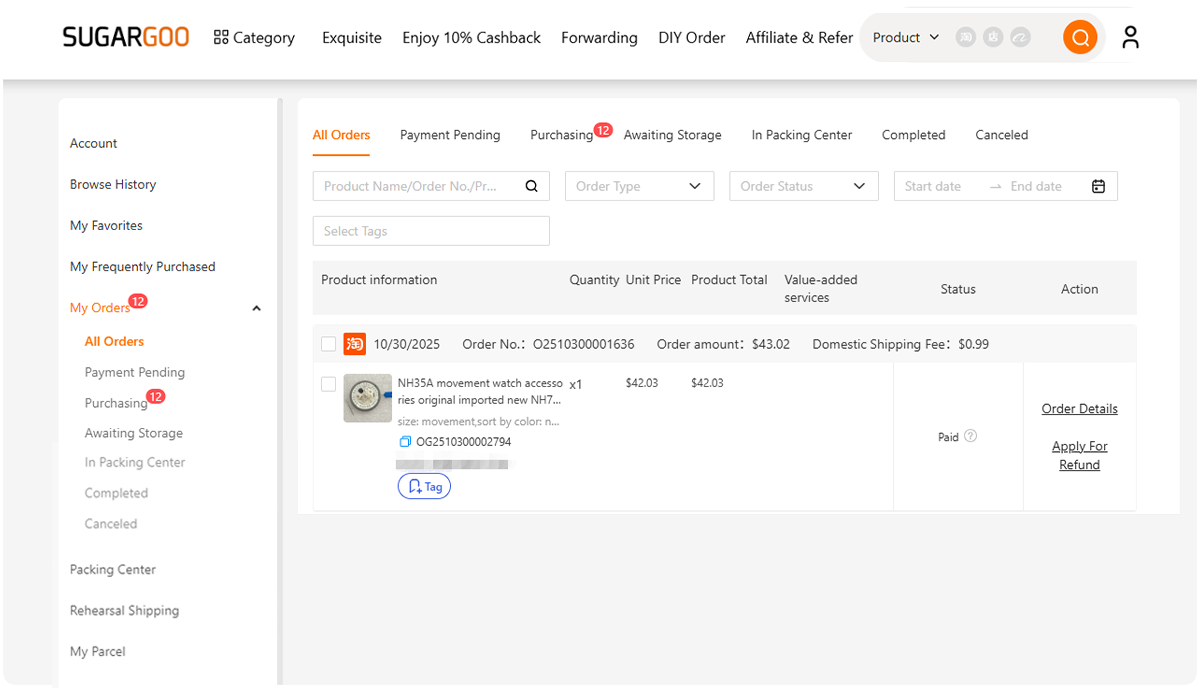
If you’re ready to move from testing searches to actually placing orders, using a proxy platform can make the process much easier. With SUGARGOO, you get an English interface, simpler product search, and help with payment and international shipping—all in one place. New users can also receive up to 800 CNY in shipping coupons. For many overseas buyers, starting this way makes Taobao shopping feel practical right from the beginning.