
For a long time, I treated online clothing like a routine.
Open the page, pick the size I usually wear, check a couple of photos, and that was it.
That approach worked almost everywhere — until I started using Taobao.
My first order there was a sweatshirt. I didn’t overthink it and just chose my usual size. When it arrived, nothing seemed wrong at first. But once I tried it on, the fit just felt… strange. The sleeves came up a bit short, the chest felt tighter than I expected, and overall it didn’t match the look from the product page.
It wasn’t terrible — just not what I had in mind.
After running into the same issue a few times, it became pretty clear this wasn’t random.
👉 I was using the wrong method to choose sizes on Taobao.
If you’re ordering from outside China, understanding this early can save you a lot of frustration — and a few wasted purchases.
Why Taobao Clothing Sizes Feel So Unpredictable
At first, it can feel random. But there are a few clear reasons behind it.
Different Market, Different Fit
Most Taobao clothing is made for the local market, and the sizing reflects that. Cuts tend to be slimmer, especially for tops.
If you’re used to US or EU sizing, things will feel smaller — but not always in a consistent way.
That’s where it gets tricky.
No Universal Sizing Standard
Taobao isn’t a single brand. It’s thousands of individual sellers, each doing their own thing.
So instead of one system, you’re dealing with hundreds of slightly different ones.
You might find:
- One shop’s Large fits perfectly
- Another shop’s Large feels like a Medium
- A third one fits completely differently again
This is why relying on size labels alone rarely works.
The Real Source of Confusion: Size Charts
Most listings include measurement tables, which is helpful — but only if you interpret them correctly.
Here’s the part that trips people up:
👉 Those numbers usually describe the clothing itself, not your body.
So when you see a chest measurement listed, it’s telling you how wide the garment is — not who it’s meant to fit.
If your body measurements match those numbers exactly, the fit will likely be too tight.
You need some extra room built in.
How much depends on the style, but generally:
- Fitted pieces need a small buffer
- Relaxed styles need more space
Once you understand that difference, sizing starts to feel much less confusing.
The Step Most People Skip (But Shouldn’t)
For a long time, I avoided measuring anything. It felt unnecessary.
That was a mistake.
You don’t need a full tailoring setup — just a measuring tape and a couple of minutes.
Instead of guessing, you’re working with actual numbers.
What to Measure
You can measure your body, but honestly, I’ve found it easier to measure clothes I already own.
Pick something that fits you well and lay it flat.
Check things like:
- Width across the chest
- Shoulder distance
- Total length
- Sleeve length
Then compare those numbers to the product listing.
This approach is way more reliable than trying to convert sizes in your head.
Making Sense of Taobao Size Tables
Even with translation tools, some parts can still be confusing.
Here are a few terms you’ll see often:
- 胸围 → chest
- 衣长 → length
- 肩宽 → shoulder
- 袖长 → sleeve
You’ll also notice fit descriptions like:
- 宽松 (loose)
- 修身 (slim)
These can give you a general idea, but they’re not always accurate.
👉 Numbers matter more than labels.
I’ve seen items marked “oversized” that were barely relaxed. Always double-check the measurements.
Sizing Isn’t One-Size-Fits-All (Literally)
Different types of clothing behave differently when it comes to fit.
Tops (T-Shirts, Hoodies)
Focus on chest width first. That usually determines how the piece feels overall.
If you prefer a looser look, don’t just rely on the label — check how much extra space the garment provides.
Outerwear
This is where people often size too small.
If you plan to layer (like wearing a hoodie underneath), you need to account for that in the measurements.
Pants
Waist size is important, but not the only factor.
Length, cut, and whether the waistband stretches all make a difference.
Looking at customer photos can help a lot here.
Small Checks That Make a Big Difference
Over time, I started doing a few extra things before ordering. They don’t take long, but they help avoid mistakes.
- I look at real customer photos instead of just product shots
- I read reviews, especially ones that mention height and weight
- I skip listings that don’t show detailed measurements
These habits alone improved my hit rate quite a bit.
Where a Shopping Agent Can Help
Even when you do everything right, there’s still some uncertainty.
That’s part of buying from a marketplace like Taobao.
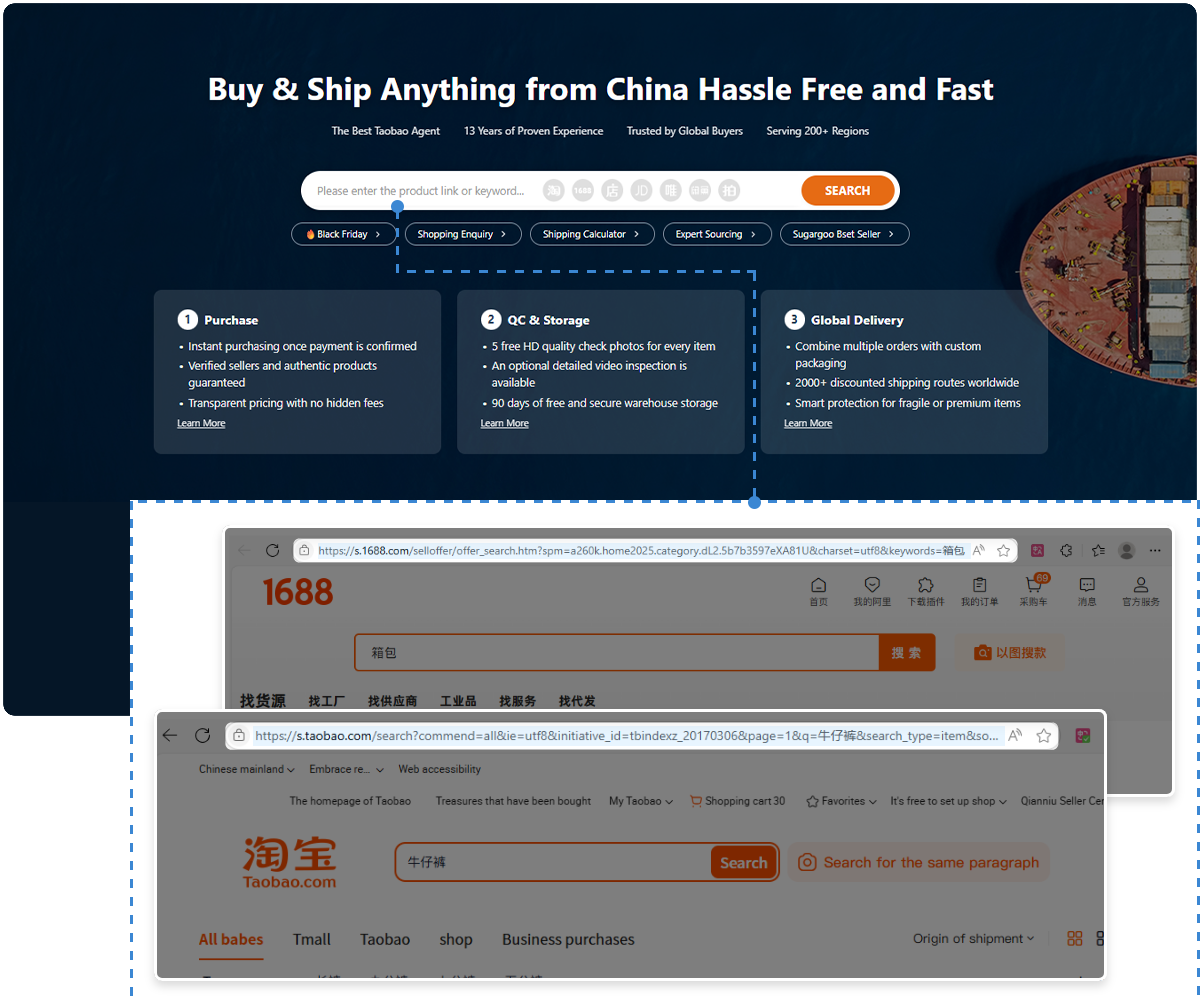
At some point, I started using a service like Sugargoo, mainly for convenience. But one unexpected benefit was how it helped with sizing.
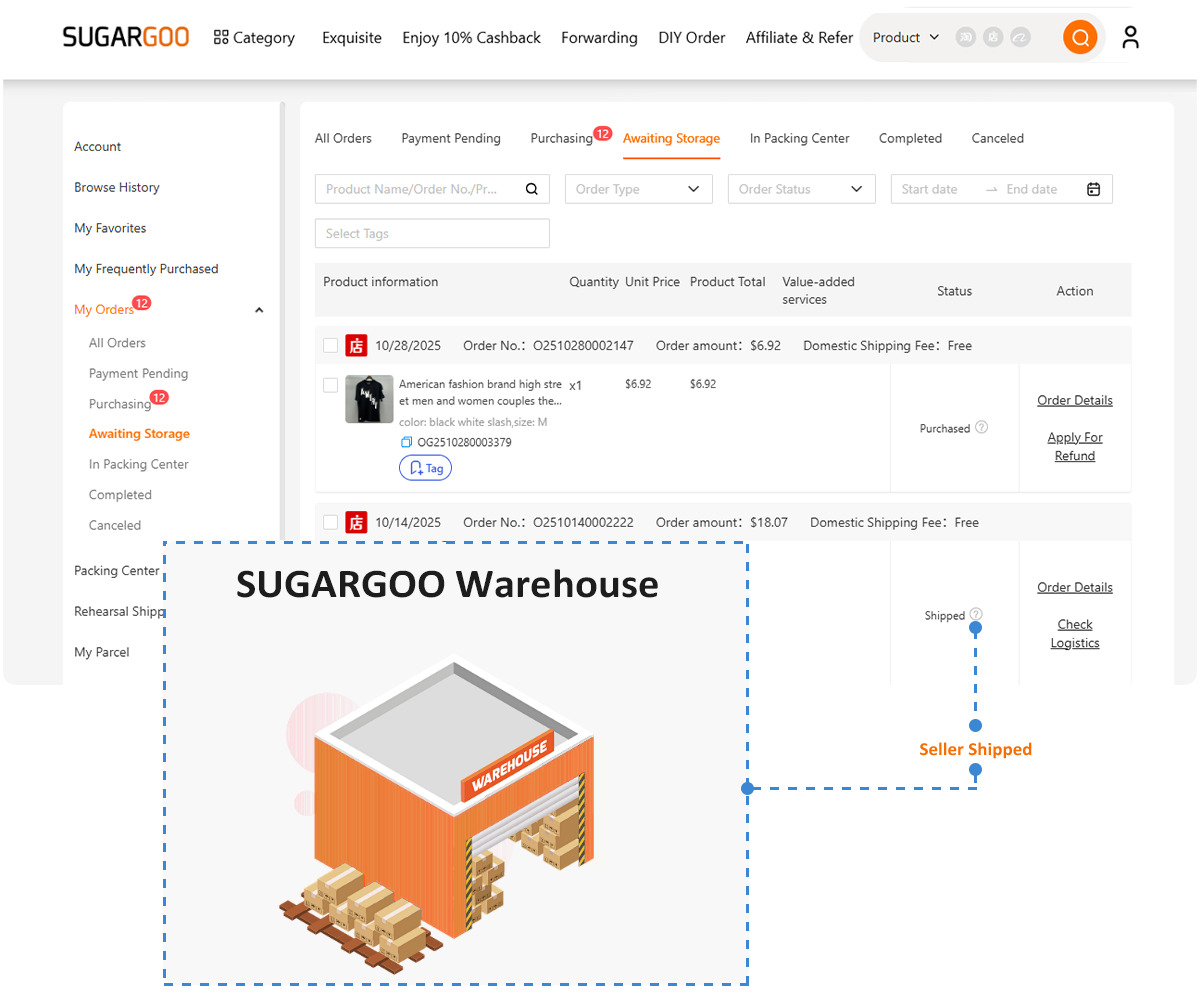
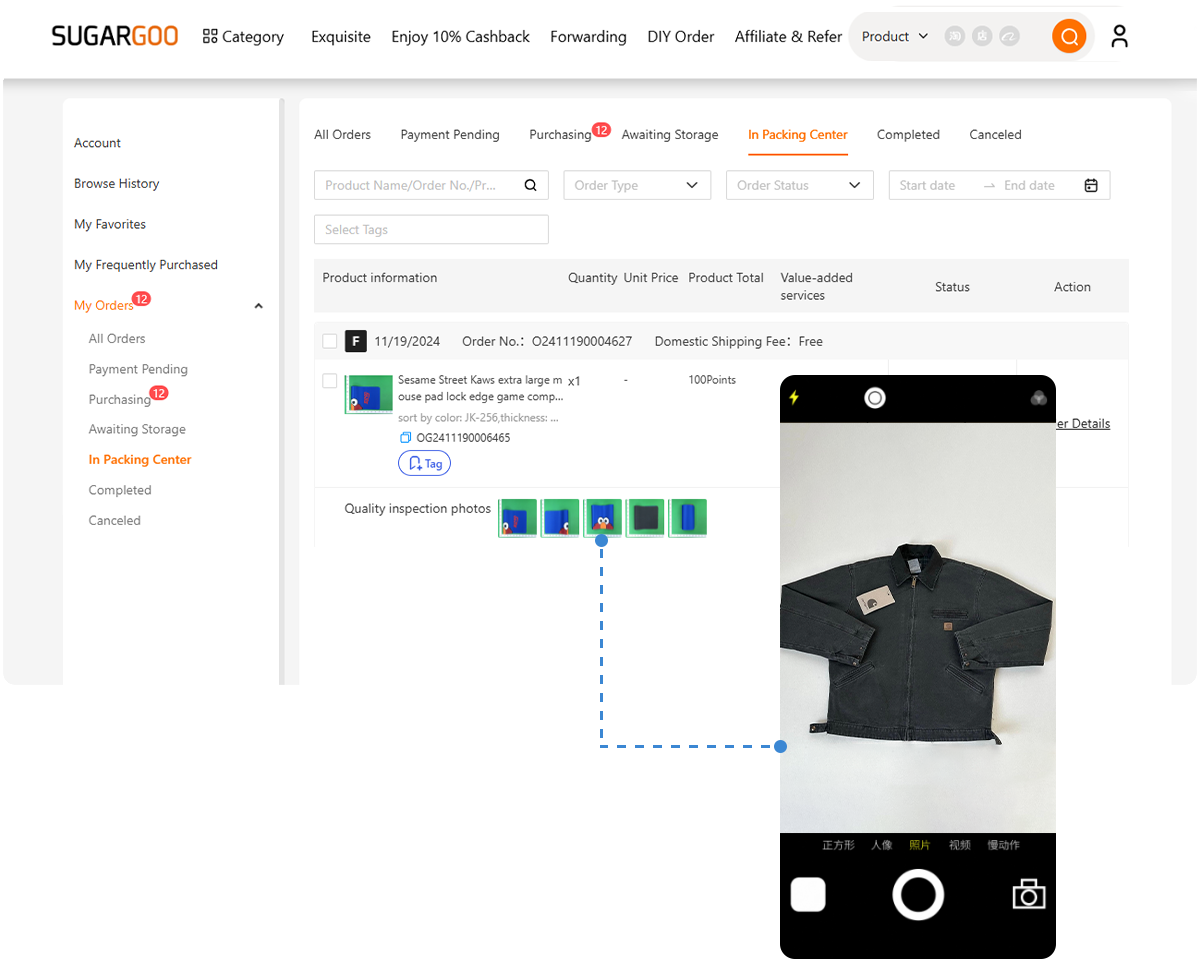
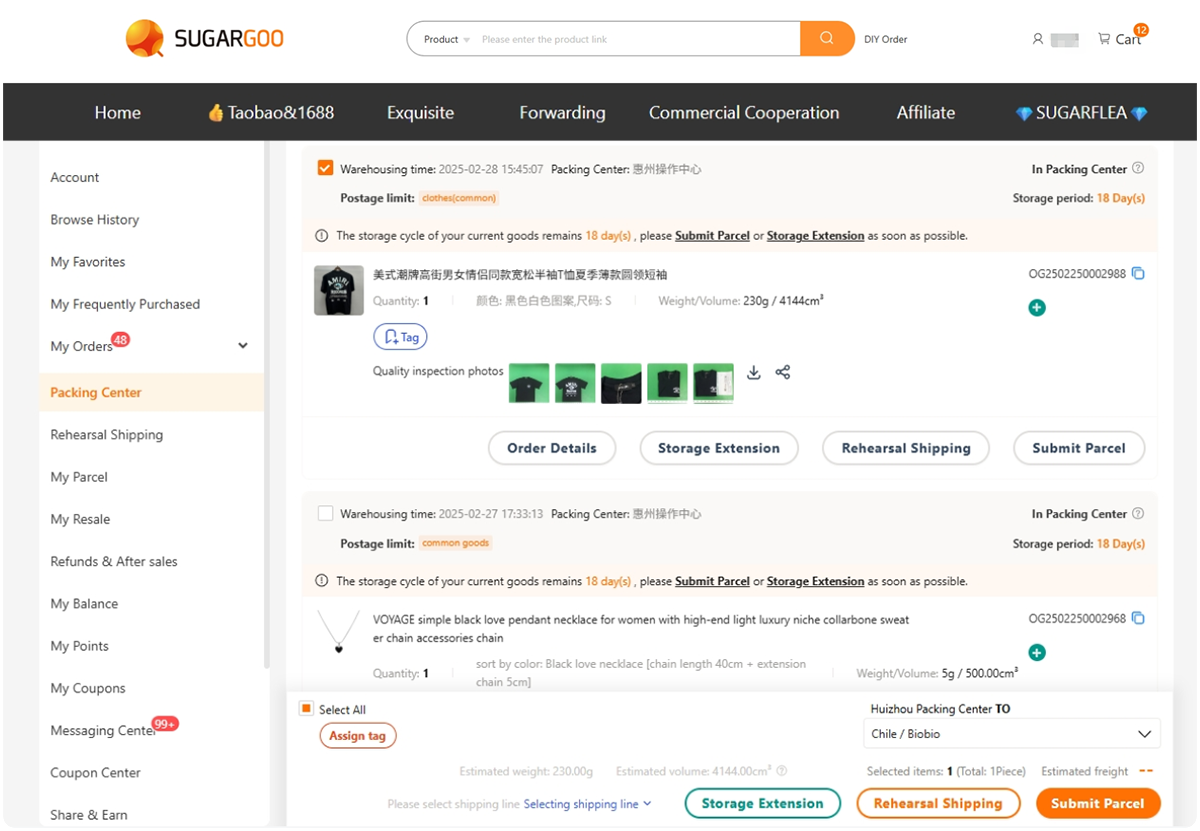
When items arrive at their warehouse, theytake photos before shipping them out.
That gives you a chance to see what you actually bought — not just the listing images.
A couple of times, I noticed something looked off in those photos and decided not to ship the item. That probably saved me from a few disappointing deliveries.
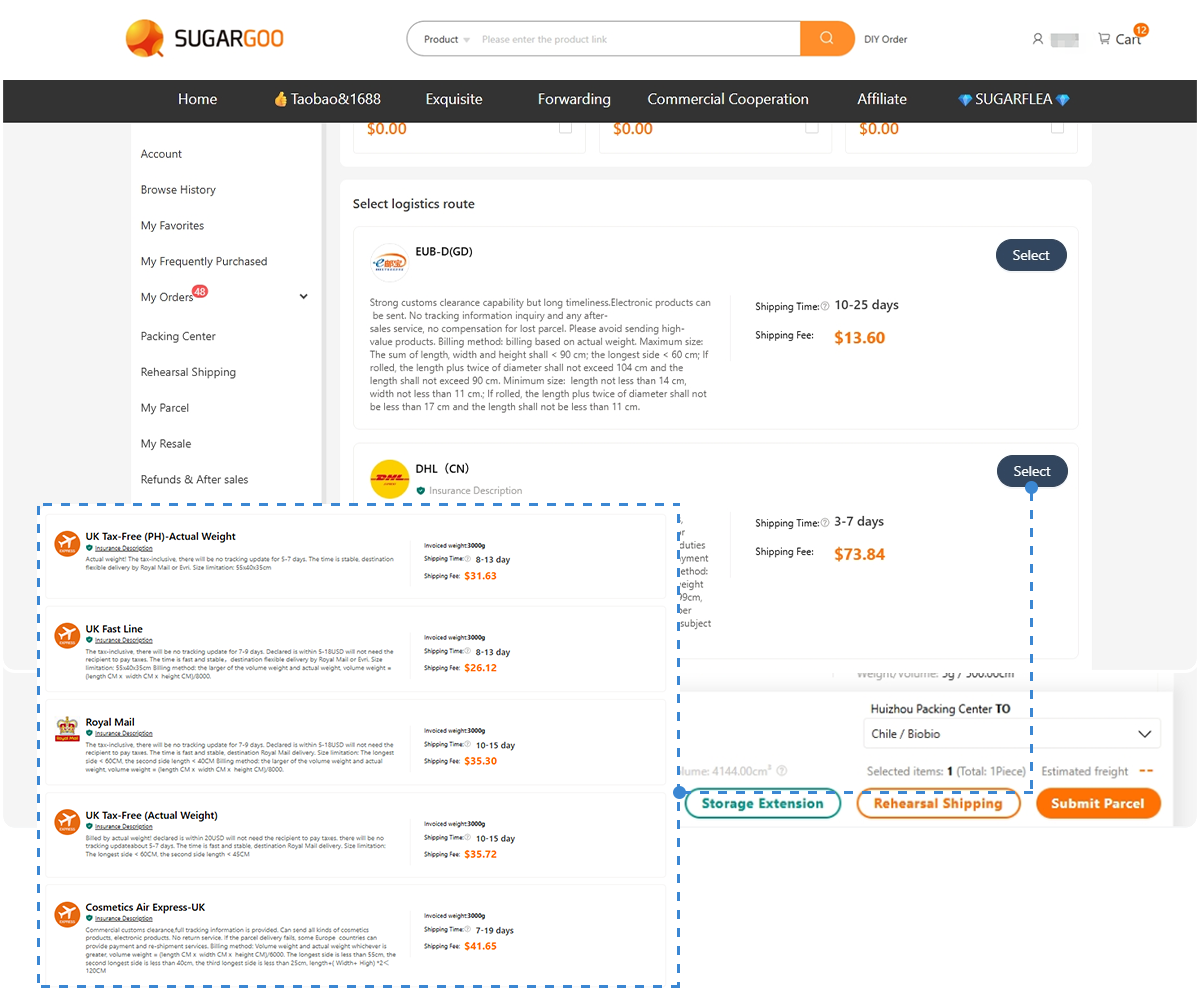
Being able to combine multiple purchases into one package is another plus, especially for international shipping.
It’s not something you have to use, but it does add an extra layer of control.
The Shift That Makes Everything Easier
The biggest change for me wasn’t learning new size charts.
It was changing how I think about sizing entirely.
Instead of asking:
“What size should I pick?”
I started asking:
“Do these measurements match something I already know fits me?”
That small shift made a huge difference.
Final Thoughts
Shopping for clothes on Taobao can feel confusing at first, especially if you’re used to standardized sizing.
But it’s not as unpredictable as it seems.
Once you stop relying on labels and start paying attention to measurements, things become much more consistent.
You won’t get it perfect every time — but you’ll get it right far more often.
And after a few successful orders, it starts to feel pretty natural.