
If you’ve ever tried buying products from China, you’ve probably seen these two terms everywhere: sourcing agent and buying agent.
They sound similar. They’re often used interchangeably. And honestly, a lot of platforms don’t help by blurring the line even more.
But here’s the thing:
they’re not the same role, and choosing the wrong one can slow you down, cost more than expected, or simply not solve the problem you actually have.
Let’s break it down in plain English.
Why People Confuse Sourcing Agents and Buying Agents
At a surface level, both agents help you buy things from China.
That’s why most beginners assume they’re basically the same service with different names.
The confusion usually comes from three reasons:
- Many platforms offer both services without clearly separating them
- Different countries and industries use different terms
- From a buyer’s perspective, “someone handles it for me” feels like one category
But once you look at what problem you’re trying to solve, the difference becomes very clear.
What a Buying Agent Actually Does
A buying agent helps you purchase items that already exist.
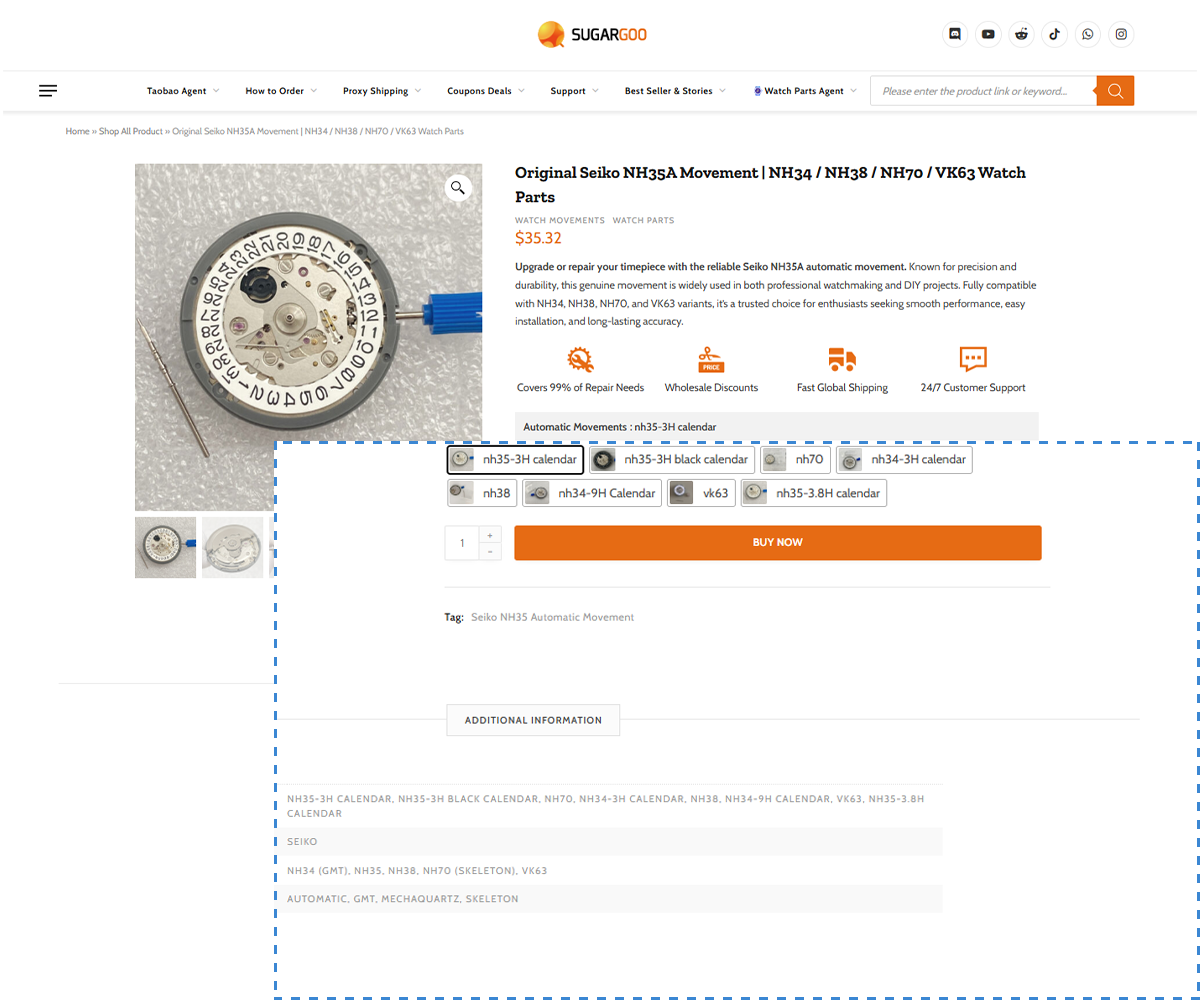
You already have a product link.
You know what you want.
You just don’t want to deal with Chinese checkout, payments, or seller communication.
That’s where a buying agent comes in.
Typical buying agent tasks include:
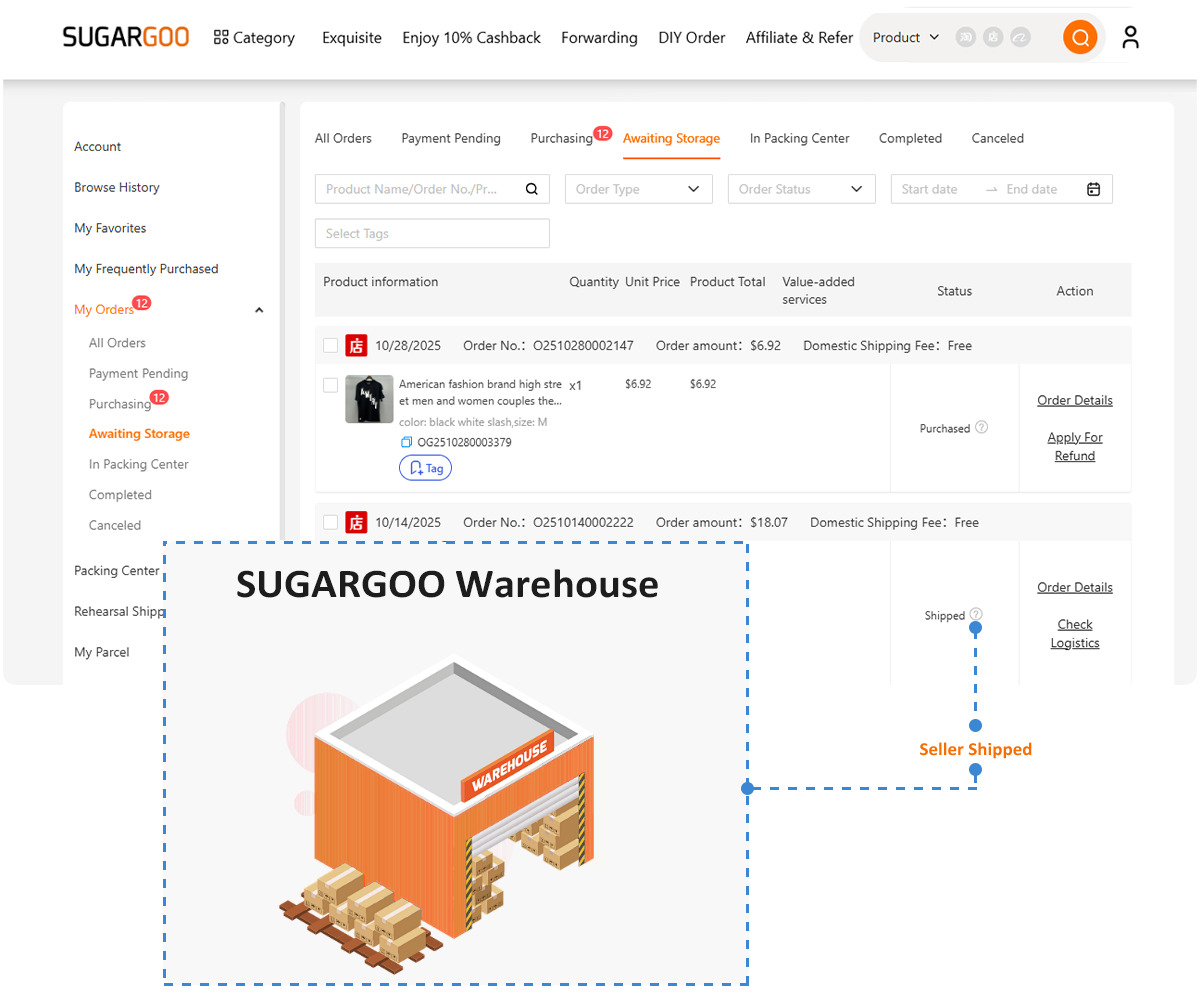
- Placing orders on platforms like Taobao or 1688
- Handling local payments
- Talking to sellers if there’s a size, color, or stock question
- Making sure the item gets shipped to the warehouse
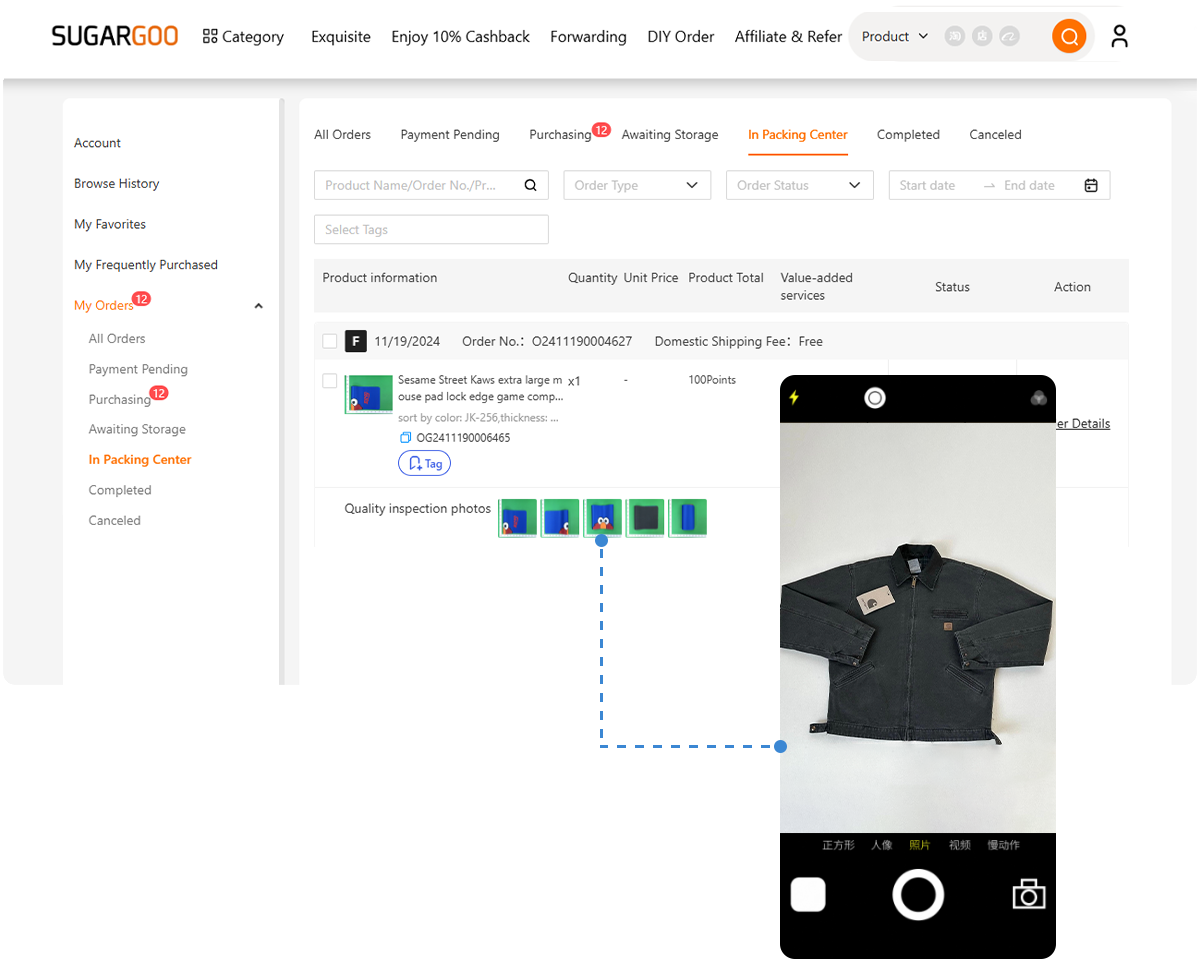
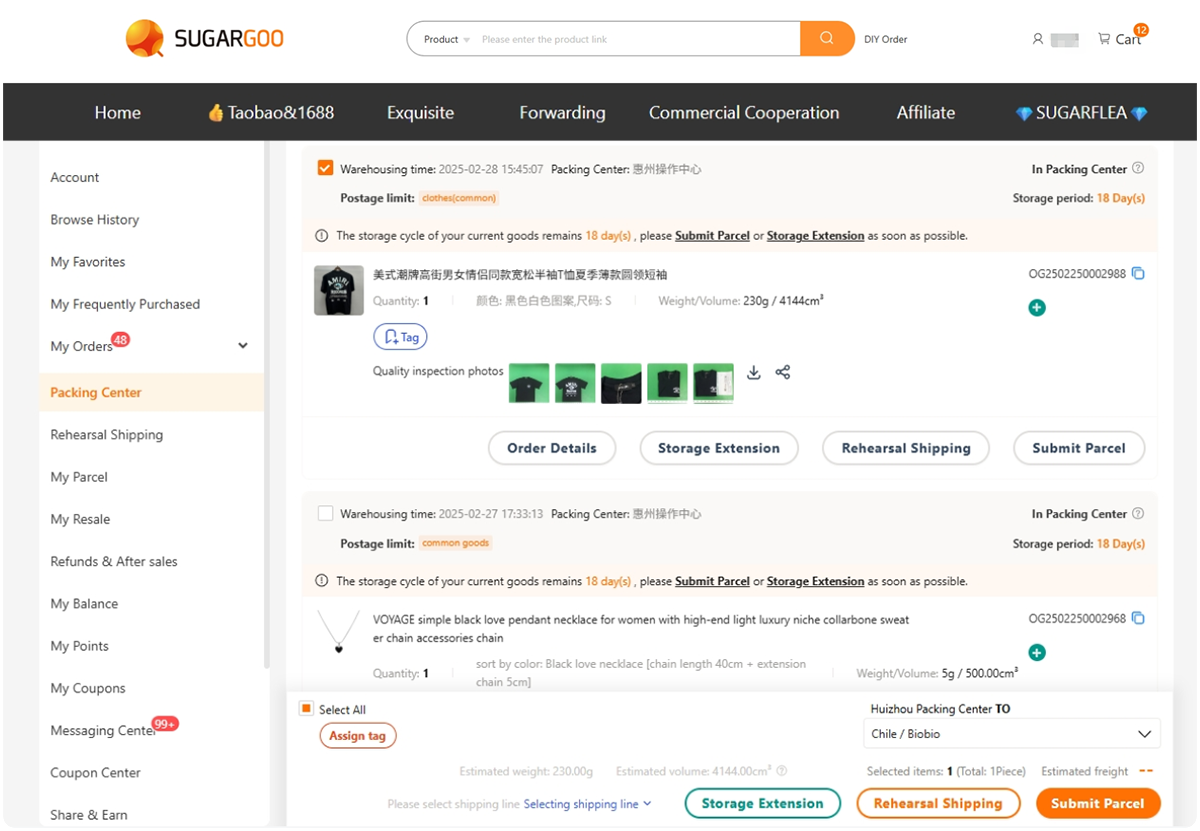
- Conduct aquality inspection and repackage the item securely
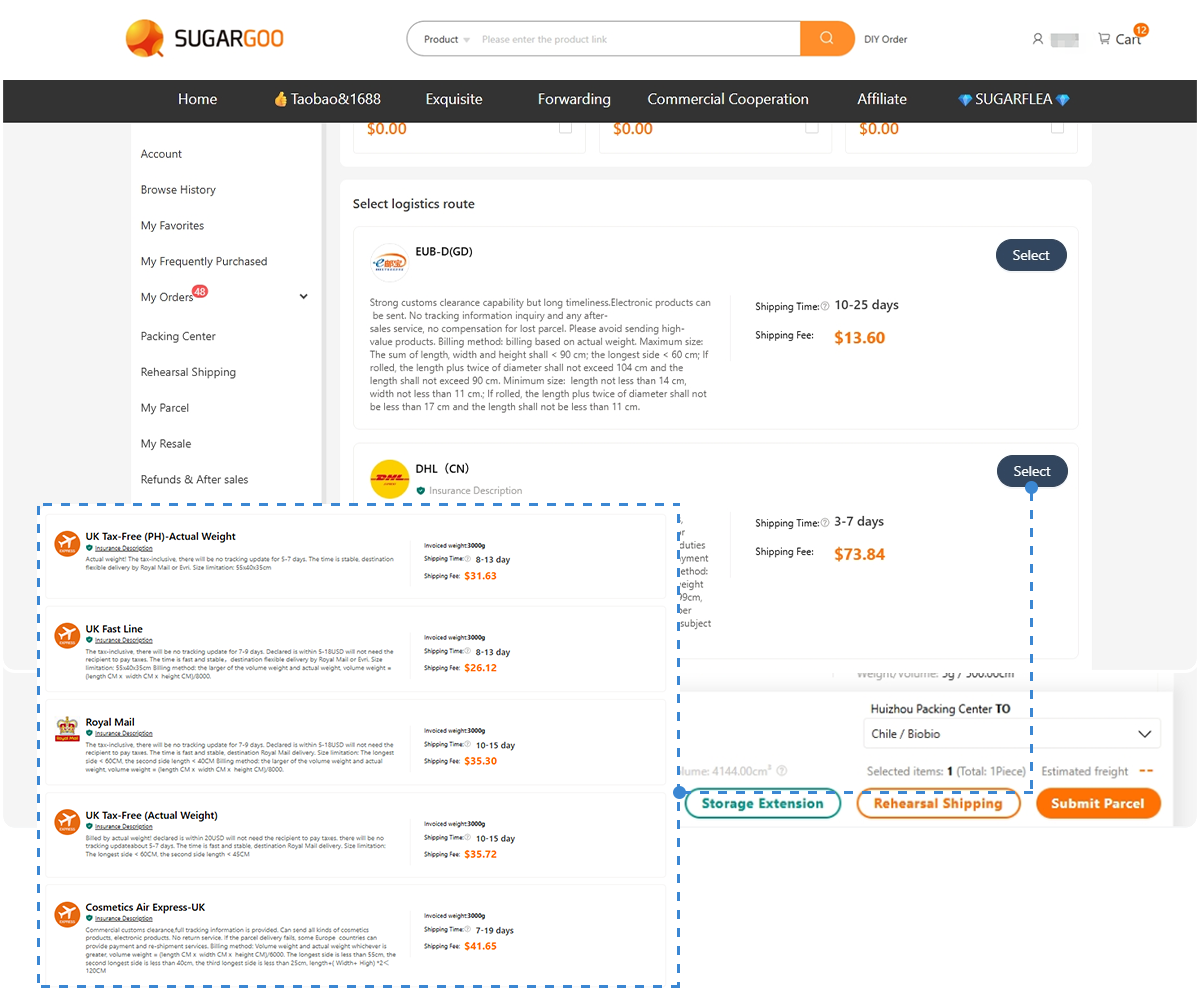
- Reinforce the parcel and arrange international shipping
It’s mostly execution-focused.
Fast, straightforward, and very practical.
If your mindset is:
“I just want this exact product delivered without headaches,” then you’re thinking like a buying-agent user.
What a Sourcing Agent Does (And Why It’s Different)
A sourcing agent is for situations where you don’t have a clear product link.
Maybe you only have:
- A few reference photos
- A product idea
- A sample you want to recreate
- A need for custom logos, materials, or packaging
Now the problem isn’t buying. The problem is finding the right supplier.
That’s the sourcing agent’s job.
A sourcing agent typically helps with:
- Searching for factories or suppliers
- Comparing prices, MOQs, and materials
- Negotiating terms
- Handling samples and revisions
- Managing customization or OEM requests
This role is more strategic and time-intensive.
It’s less about clicking “buy now” and more about building the right supply chain.
The Easiest Way to Choose: Start With Your Situation
Instead of memorizing definitions, ask yourself one simple question:
Do I already have a product link?
- Yes → You probably need a buying agent
- No → You probably need a sourcing agent
Some real-life examples:
- You found a jacket on Taobao and just want it shipped overseas → Buying agent
- You want the same jacket but with your own logo and fabric → Sourcing agent
- You’re testing a product idea for your online store → Sourcing agent
- You’re buying a few items for personal use → Buying agent
Once you frame it this way, the choice becomes obvious.
Process: Simple vs Involved
Buying agent workflows are usually short:
- You send the link
- The agent places the order
- Item arrives at the warehouse
Sourcing agent workflows are longer:
- You explain your idea or requirements
- Suppliers are researched and compared
- Samples are made and reviewed
- Details are finalized before bulk production
Neither is “better.”
They’re just built for very different needs.
Cost Differences (Not Just Service Fees)
Buying agents usually charge:
- A small service fee per order (if applicable)
- Very transparent costs
Sourcing agents may:
- Charge higher service fees
- Quote based on project complexity
- Save you money long-term through better pricing or factories
If you’re ordering once, buying agents are usually cheaper.
If you’re building a product line, sourcing agents can be worth every cent.
One Common Myth: “Sourcing Agents Are Just Advanced Buying Agents”
Not exactly.
A sourcing agent can help you buy, but buying is not their main value. Their value is access, negotiation, and customization.
On the flip side, most buying agents are not designed to handle complex sourcing projects. And that’s okay. It’s not what they’re built for.
Why Many Platforms Now Offer Both
In reality, modern buyers don’t always fit into one box.
You might:
- Source a product first
- Then place repeat orders later
- Then switch back to customization
That’s why some platforms now combine sourcing and buying services, letting users move between both without changing providers.
For overseas buyers, this “hybrid” approach often feels more practical than choosing a single label.
Where Sugargoo Fits In
For buyers who don’t sit perfectly in one category, a platform like Sugargoo offers a practical middle ground.
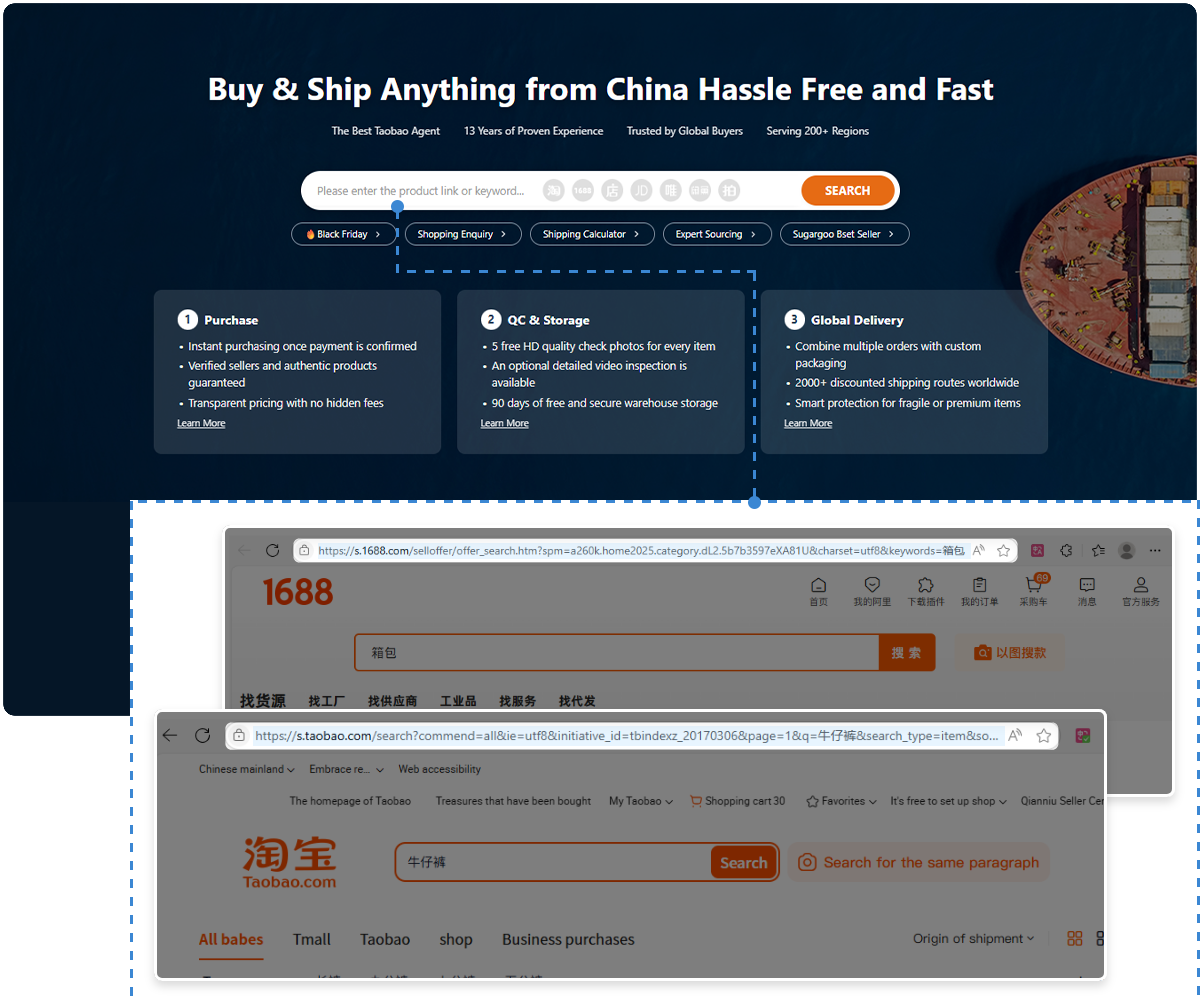
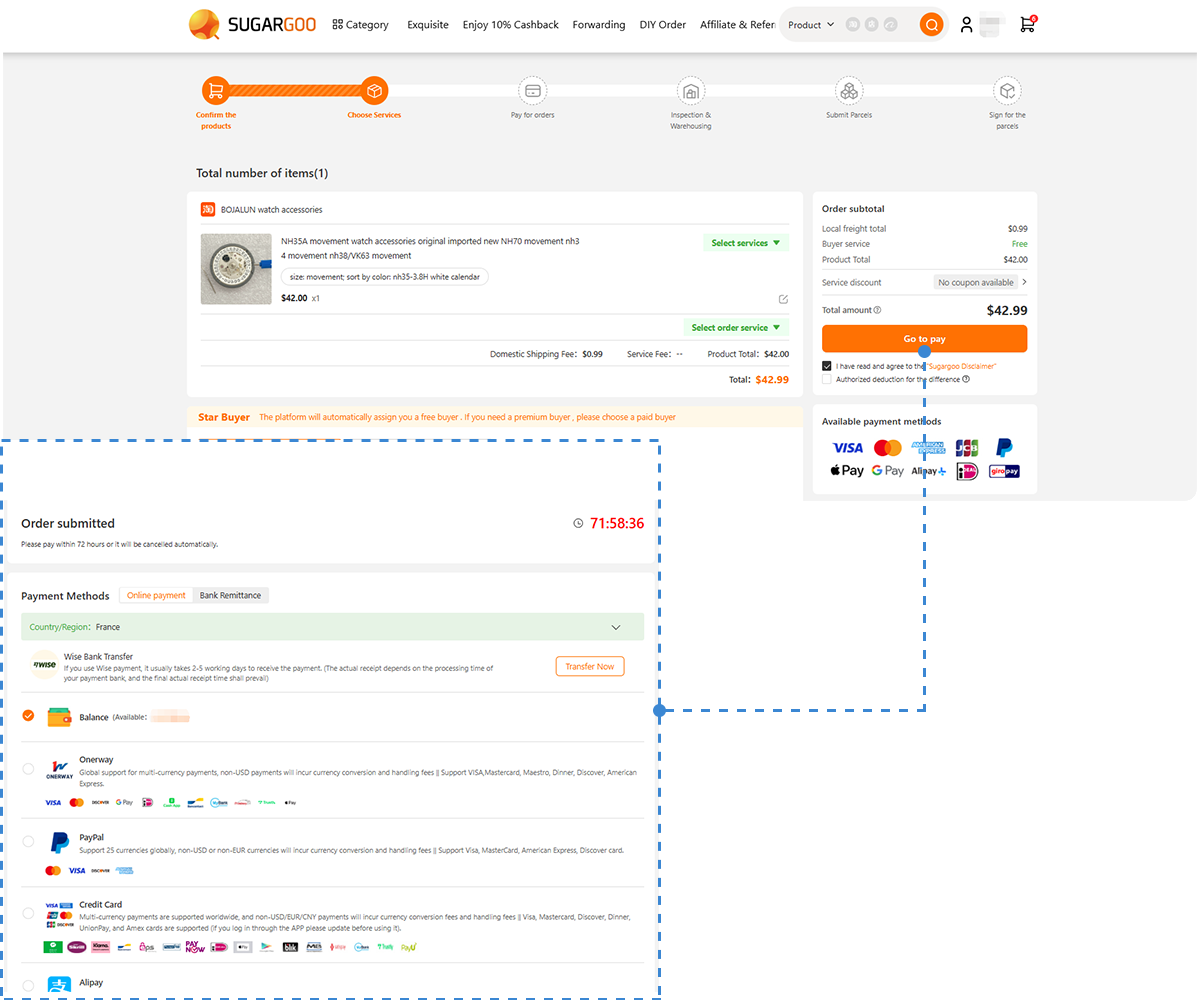
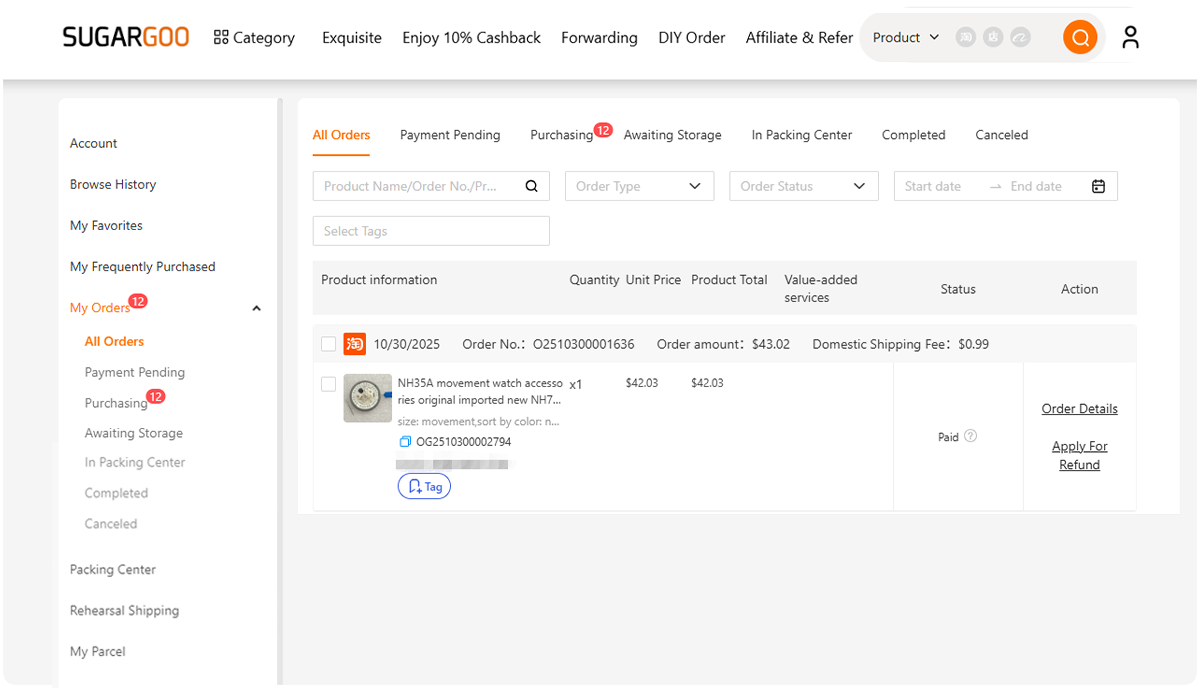
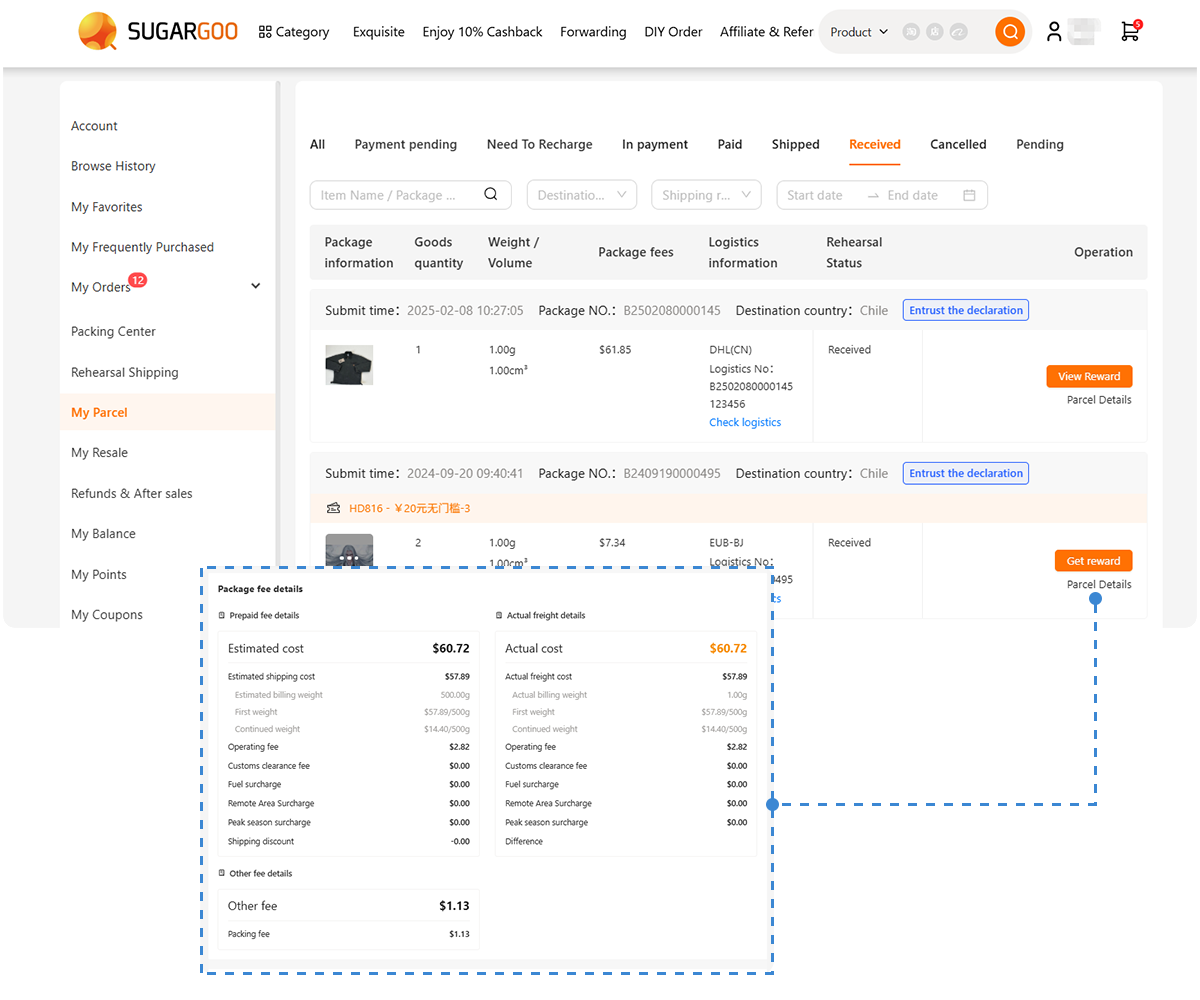
Sugargoo mainly operates as a buying agent. You can paste product links from Chinese marketplaces, place orders without handling local payments, and manage everything from purchasing to international shipping in one place.
At the same time, Sugargoo offers a Star Agent service. Some Star Agents go beyond basic order placement and can help with light sourcing tasks — such as checking alternative suppliers, confirming specifications, or assisting with simple customization requests.
This setup works well if you want to start with straightforward buying and only move toward sourcing support when the need actually comes up.
Final Thought: It’s About the Problem, Not the Title
Sourcing agent or buying agent isn’t about which one sounds more professional.
It’s about:
- Whether your product already exists
- Whether you need customization
- Whether you’re buying once or building something long-term
Figure that out first, and the right choice becomes clear on its own.
And if a service can cover both paths?
That’s usually a bonus, not a red flag.