
If you run a small business, sourcing from China usually sounds easier than it turns out to be.
At the beginning, it feels straightforward. You find a supplier, ask for a price, maybe order a sample. Nothing seems complicated. But once you try to move forward—place a real order, ask for changes, confirm details—things slow down fast.
Replies get vague. Prices shift. Samples don’t quite match what shows up later. And suddenly, sourcing becomes something you’re thinking about every day.
That’s usually when small business owners start asking the same question: Do I actually need a sourcing agent, or am I just overthinking this?
What “Small Business” Really Means Here
This isn’t about company size on paper. It’s about how sourcing actually works for you.
Most small businesses sourcing from China look like this:
- Early-stage brand or eCommerce store
- No one dedicated to purchasing full-time
- First or second round of overseas sourcing
- Orders still relatively small
- Some level of customization planned
If you’re wearing five different hats already, sourcing quickly becomes the one that takes the most energy.
Where Small Businesses Usually Get Stuck
The problem isn’t finding suppliers. It’s everything after that.
Once conversations start, small buyers often run into:
- Long response times or half-answers
- Details getting lost in translation
- Factories treating small orders as low priority
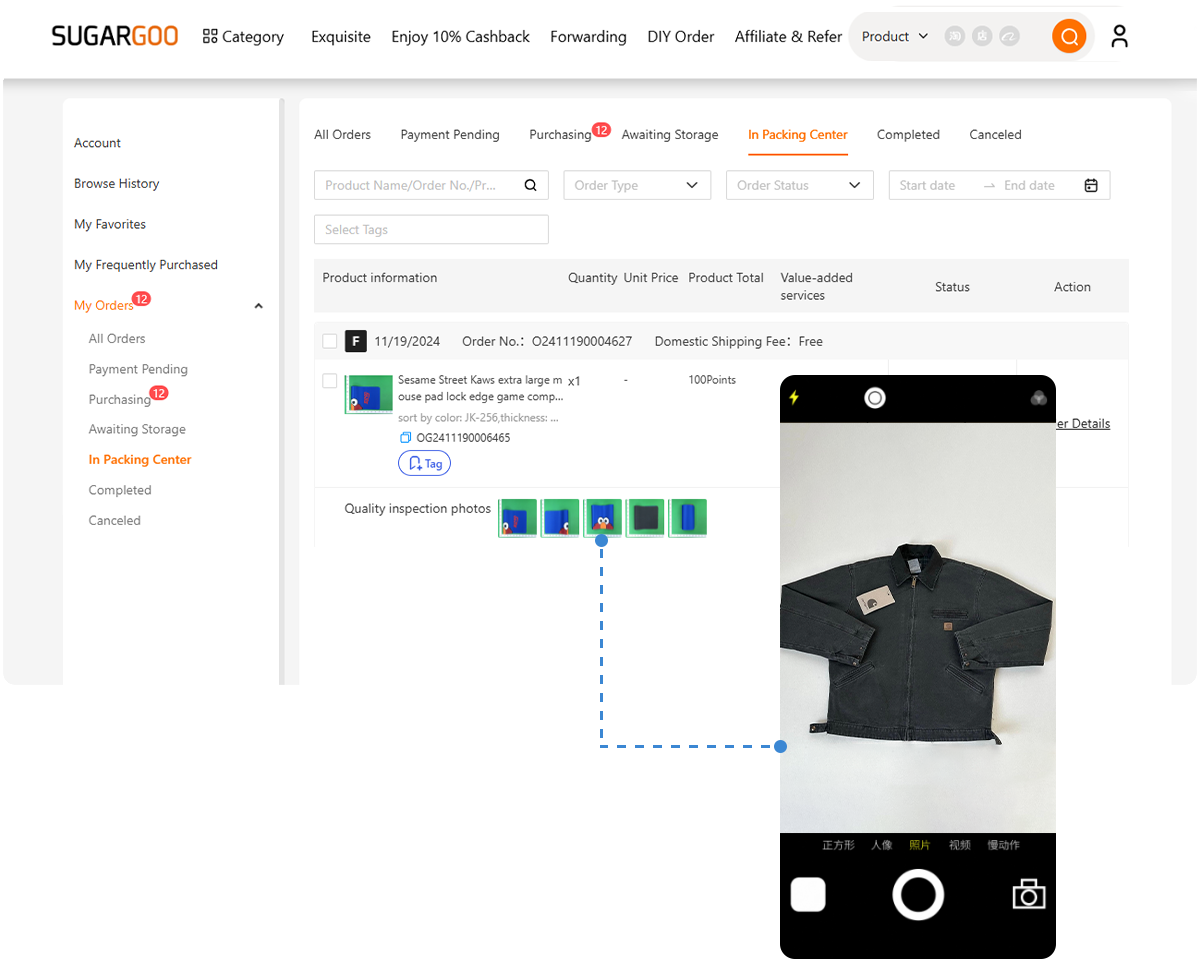
- No clear way to check quality before shipping
- No leverage when something goes wrong
None of this means you’re doing it wrong. It’s just how the system works when you’re a small buyer dealing directly with factories.
When a Sourcing Agent Starts to Make Sense
A sourcing agent isn’t necessary at every stage. But there are moments where having one changes everything.
When You’re Not Buying “Standard” Products Anymore
The moment you ask for changes—logo placement, packaging tweaks, material swaps—things get complicated.
Factories are used to very specific instructions. A small misunderstanding can turn into a batch of unusable products. A sourcing agent helps translate what you mean into what the factory actually needs to produce.
When You Can’t Afford Costly Mistakes
Large brands can write off bad orders. Small businesses can’t.
One quality issue can mean refunds, angry customers, delayed launches, or lost momentum. In that situation, paying someone to reduce risk often costs less than fixing problems later.
When You Simply Don’t Have Time
Sourcing takes more than placing an order. Someone has to keep checking in, repeat the same questions, and chase updates when replies slow down.
Most small business owners aren’t looking to build a purchasing team. They just need a reliable person who can jump in, talk to suppliers, and keep things moving when communication starts to drag.
When You Probably Don’t Need One (Yet)
To be clear, sourcing agents aren’t mandatory.
If you’re:
- Testing a product with very small quantities
- Buying simple, ready-made items
- Working with a supplier you already trust
- Not worried about customization or branding
Direct purchasing may be fine for now. A sourcing agent becomes more useful as complexity increases, not just order size.
Is It Worth the Cost for a Small Business?
This is usually the main hesitation.
But the real comparison isn’t “agent fee vs free.” It’s agent fee versus:
- Time spent chasing replies
- Money lost on quality issues
- Delays caused by miscommunication
For small businesses, sourcing agents don’t create scale. They create stability. And stability is often what allows growth to happen without constant setbacks.
Sourcing Support Doesn’t Have to Be All-or-Nothing
A lot of small businesses assume sourcing agents only work with big orders. That’s no longer true.
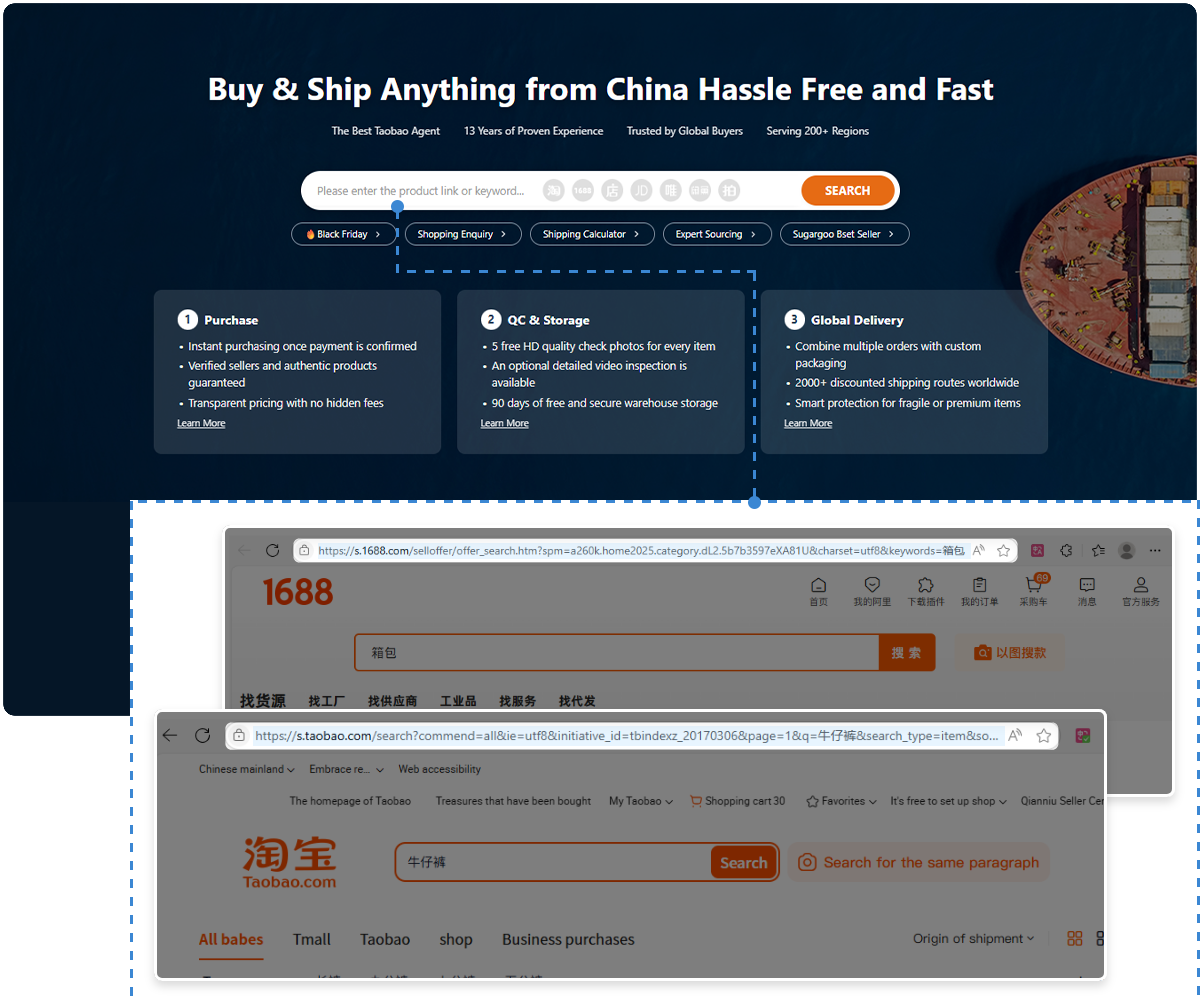
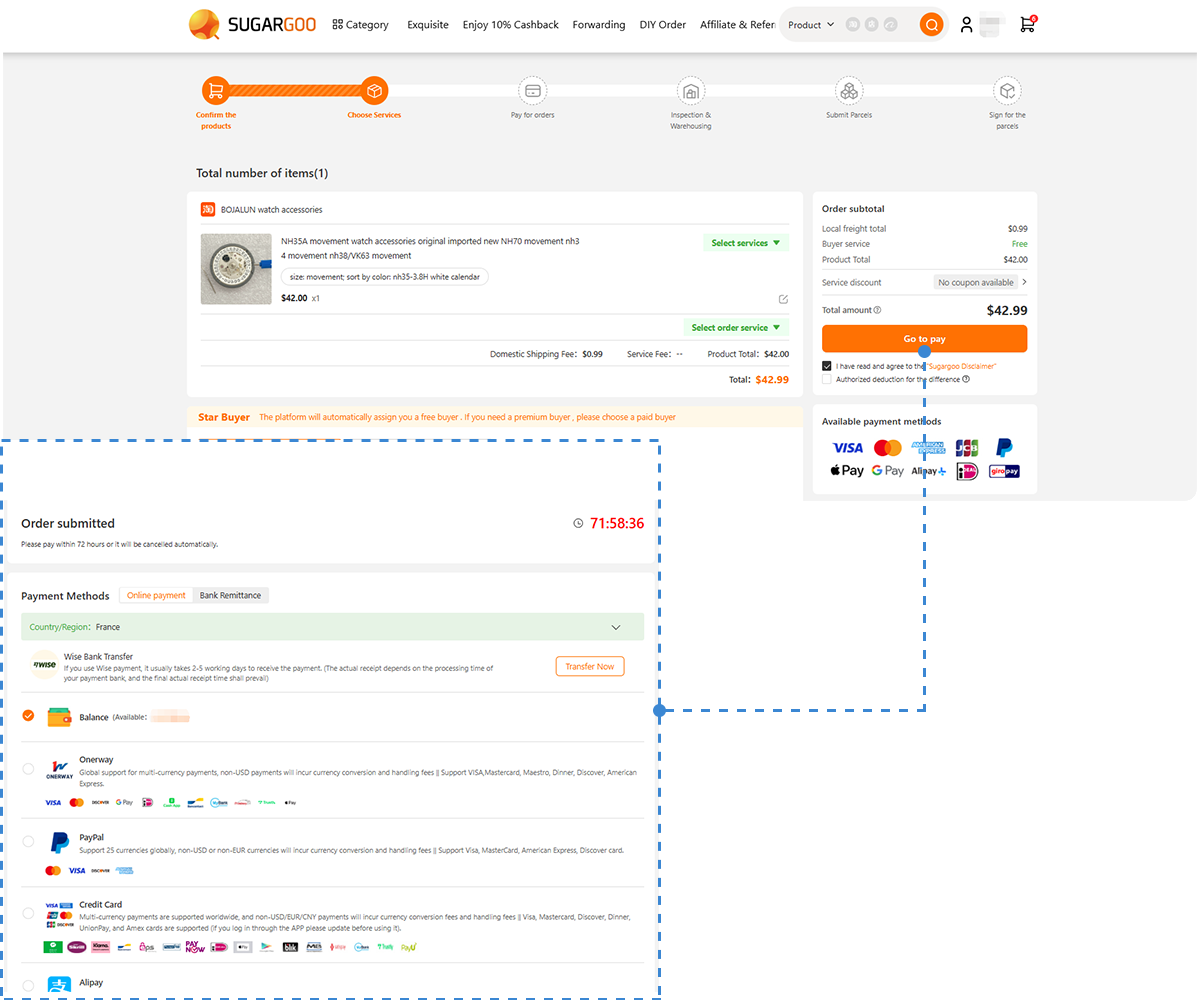
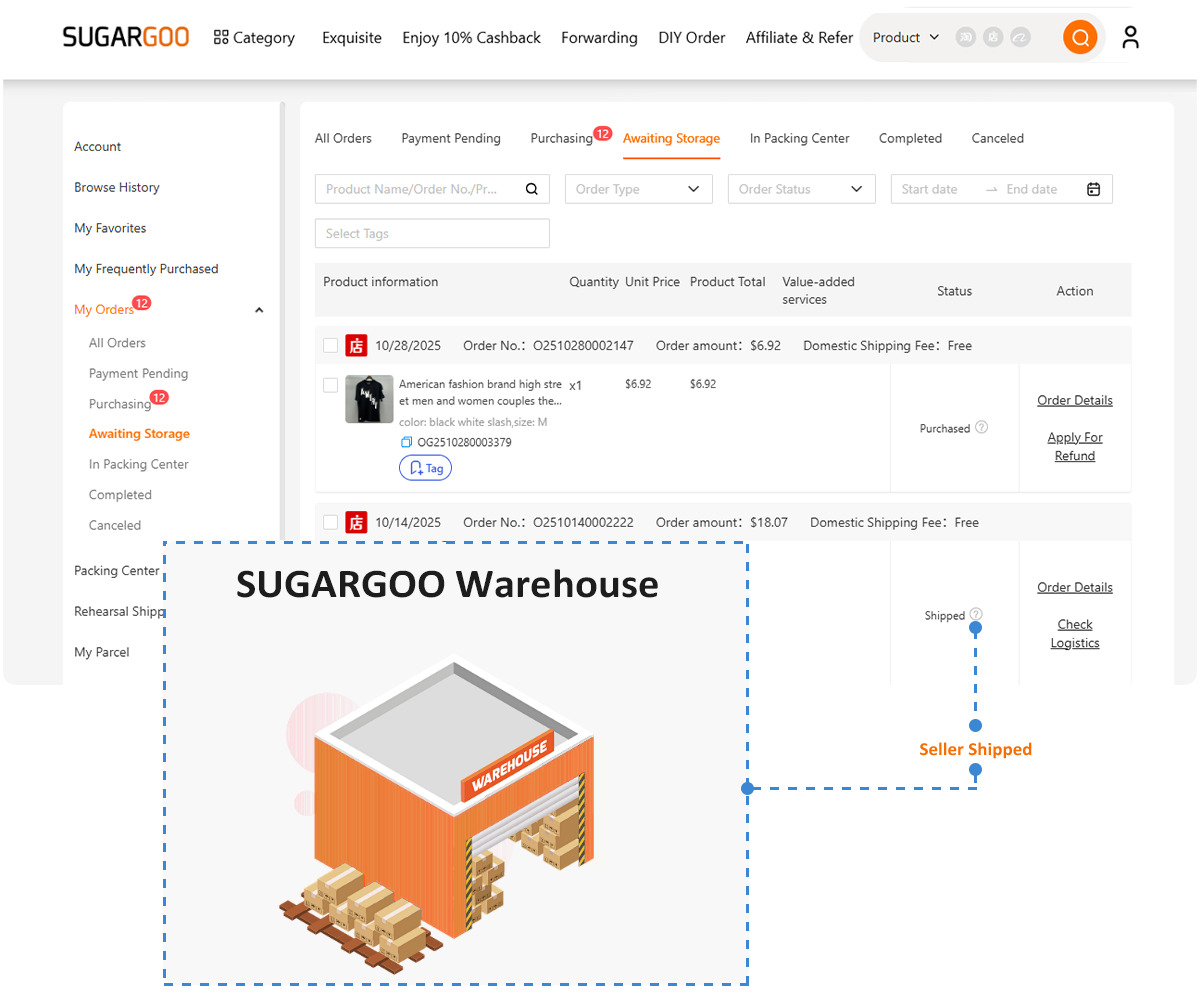
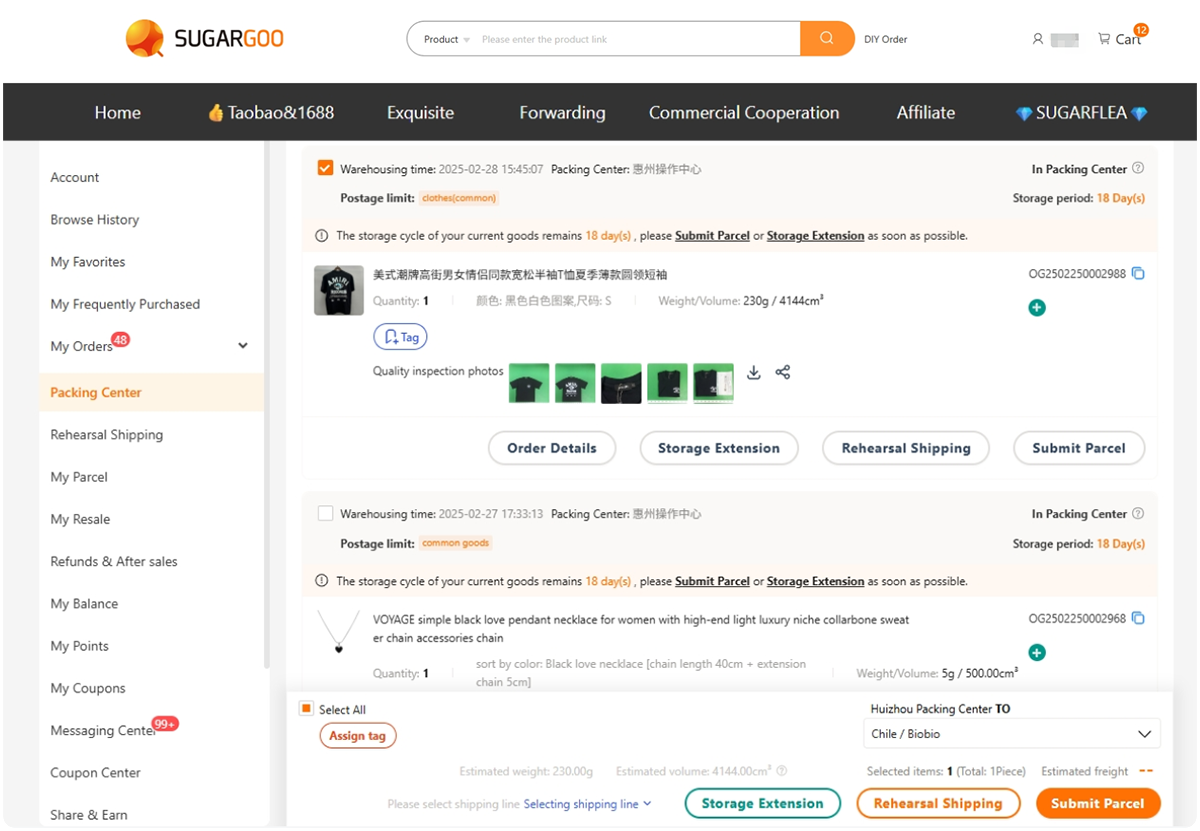
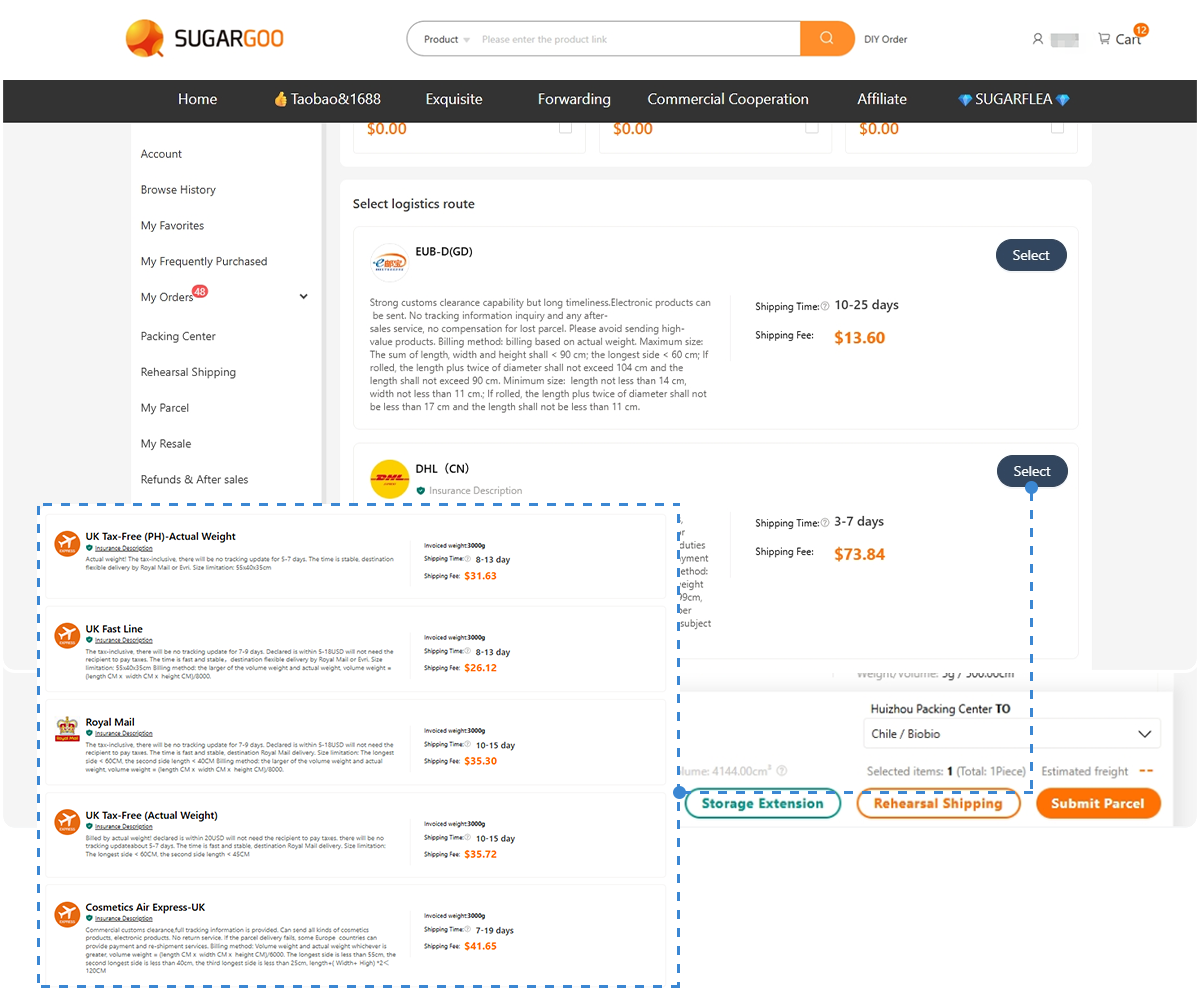
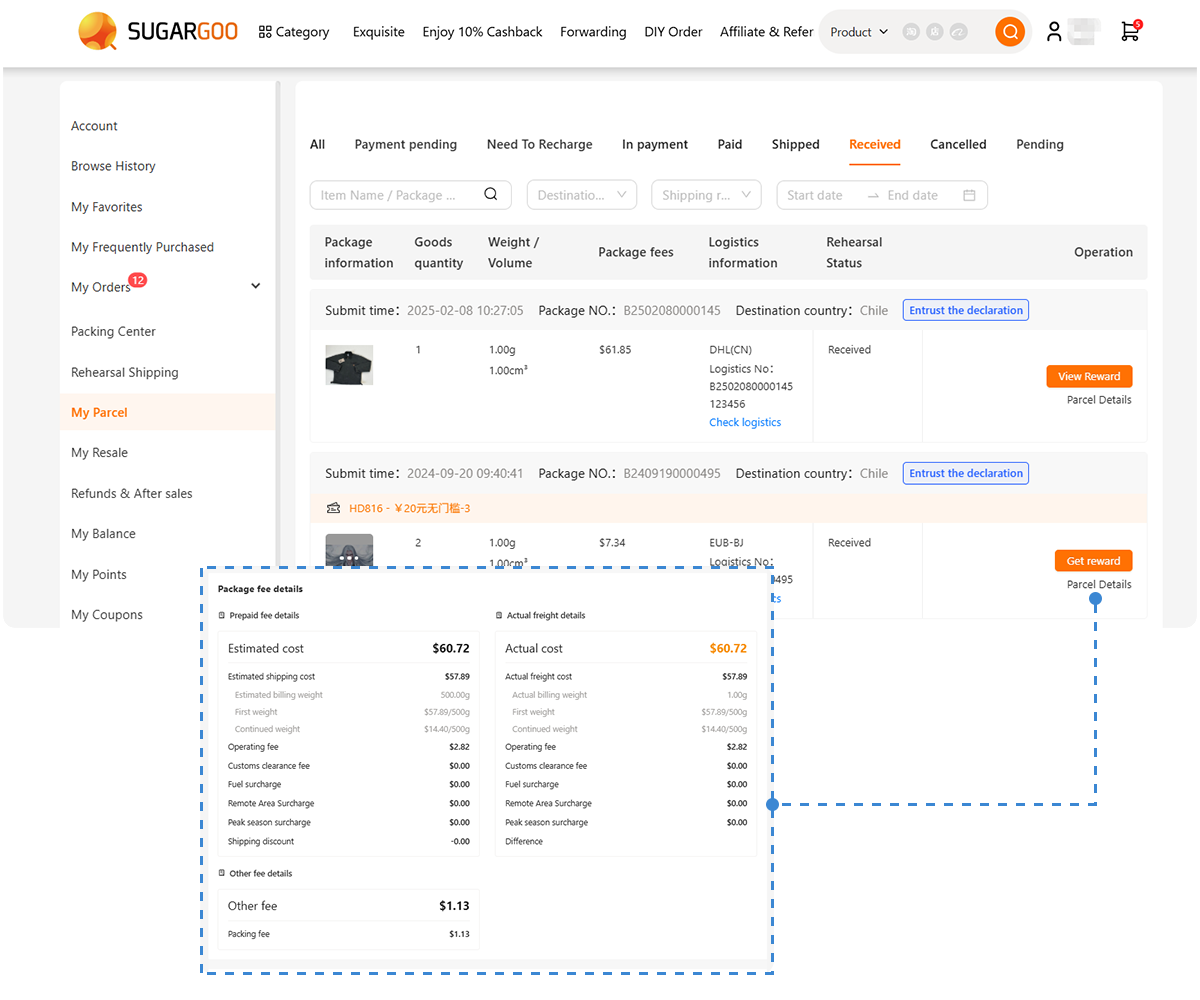
Some platforms combine buying, sourcing, inspection, warehousing, and shipping, so you can use help only when you need it. For example, Sugargoo offers standard buying services and optional Star Agent support for tasks like supplier communication, quality checks, storage, order consolidation, and shipping.
For small businesses, this kind of setup is often easier than committing to a standalone agent from day one.
A Quick Reality Check
You don’t need to overanalyze it.
If you’re feeling unsure about suppliers, worried about quality, or constantly stuck in sourcing conversations, that’s usually a sign you could use help. Not forever. Just long enough to get things running smoothly.
For small businesses, sourcing agents aren’t about being bigger.
They’re about making fewer mistakes while you grow.