
In China, many people use Xianyu when they want to get rid of things they don’t use anymore. Maybe it’s sneakers worn only once or twice. Maybe a camera that has been sitting unused for months. Old consoles, collectible figures, random hobby gear—almost anything can end up there. Outside China, the same platform is often called Goofish.
When you browse the app, it doesn’t feel like a typical online store. It’s closer to scrolling through a giant second-hand market. Each post usually comes from an individual seller. Some people are just cleaning out their homes. Others swap items from personal collections. A few users buy and resell products regularly as a small side hustle.
Because of this open marketplace style, one question appears again and again online:
Is Xianyu safe?
The honest answer sits somewhere in the middle. Millions of legitimate transactions happen on the platform every day. At the same time, like any peer-to-peer marketplace, a few dishonest sellers inevitably show up.
Understanding how the platform works—and recognizing common warning signs—can make the experience much smoother. Many users buy great deals on Xianyu for years without ever encountering a scam.
Let’s take a closer look at how the platform operates and what buyers should know before making a purchase.
What Exactly Is Xianyu?
Xianyu is a resale platform built by Alibaba Group, the same company behind Taobao. Unlike regular shopping sites that focus on brand-new goods, this app mainly deals with second-hand items.
Most products you see there come from everyday users. Instead of stores, individuals upload things they no longer use. Someone else might be interested in buying them.
Listings change all the time. A student might sell last semester’s textbooks. A photographer may post a lens that rarely gets used. People moving to a new place sometimes sell furniture rather than take it with them.
Browsing the marketplace quickly shows how many different things are traded there. Listings commonly include:
- smartphones, tablets, and laptops
- clothing, shoes, and fashion accessories
- collectible figures and hobby items
- gaming consoles and equipment
- photography gear
- household appliances
- musical instruments
Because many products are second-hand, prices are often much lower than typical retail stores. That affordability has helped the platform attract a large number of users across China.
Lower prices can also draw attention from dishonest sellers, which is why buyers should remain cautious while browsing listings.
Is Xianyu Actually Safe?
The platform itself includes several built-in protections.
Payments usually run through Alipay, a major digital wallet widely used across China. The system holds the buyer’s payment in escrow until the item arrives and the buyer confirms everything looks correct.
The seller doesn’t receive the money immediately.
That structure reduces the chance of simple payment fraud.
User profiles also display transaction histories. Over time, sellers accumulate ratings and feedback from previous buyers. Someone who has completed hundreds of successful sales generally appears more trustworthy than a brand-new account with no reviews.
Messages between buyers and sellers stay inside the app. If a disagreement occurs, the platform can review the conversation and intervene.
Even with these safeguards, problems still happen from time to time. Online marketplaces rely heavily on trust between individuals. A few dishonest actors inevitably appear.
Recognizing the patterns behind common scams helps buyers stay ahead of them.
Fake Listings: One of the Most Common Tricks
Imagine spotting a nearly new smartphone listed for half its usual price. The photos look clean and professional. The description sounds convincing.
Exciting, right?
Sometimes those photos were copied from another website.
Fake listings usually rely on one powerful tactic: unbelievably low prices. The deal looks so good that buyers rush to secure it before someone else does.
A closer look often reveals small warning signs:
- only stock photos appear in the listing
- the seller avoids taking additional pictures
- the account was created very recently
- no past transaction history exists
When buyers ask for proof that the seller actually owns the product, scammers often disappear.
Taking a moment to verify listings can prevent a frustrating experience.
Requests to Pay Outside the Platform
Some scammers prefer a slightly different strategy.
They encourage buyers to move the transaction away from the official payment system.
Messages might sound casual:
“Let’s just use bank transfer.”
“I can give you a better price if we avoid platform fees.”
“Send the payment through another app.”
Once the money leaves Alipay, the platform loses its ability to protect the buyer.
Legitimate sellers rarely insist on external payment methods. Most prefer using the built-in system because it protects them as well.
If someone pushes hard to move the payment elsewhere, it’s usually best to walk away.
Counterfeit Products on Second-Hand Markets
Luxury goods and branded fashion items often appear on Xianyu. Some are genuine products sold by previous owners.
Others are not.
Counterfeit products occasionally circulate through resale platforms worldwide. Sneakers, designer bags, and premium headphones tend to attract the most replicas.
A listing might look authentic at first glance. The photos show a recognizable brand logo. The description claims the item was barely used.
Yet the price might feel suspiciously low.
When buying high-value branded items, experienced shoppers often request:
- close-up photos of labels
- serial numbers
- original receipts or packaging
A legitimate seller usually understands why buyers ask for these details.
Small Deposits That Lead Nowhere
Another scam appears occasionally in second-hand marketplaces.
A seller claims many buyers are interested in the item. To “reserve” it, they request a small deposit.
The amount might seem harmless—perhaps $10 or $20.
After receiving the payment, the seller stops responding.
The item never ships.
This tactic works because deposits feel minor compared to the full product price. Some buyers accept the risk without thinking too much about it.
Transactions handled entirely within the official order system rarely require separate deposits.
Simple Habits That Reduce Risk
Seasoned users often develop a routine before purchasing anything online. The process takes only a few minutes yet prevents many headaches later.
The first step usually involves checking the seller’s profile.
How long has the account existed?
How many successful sales appear in the history?
Do past buyers mention positive experiences?
A well-established account suggests a real person who values their reputation.
Price comparisons help as well. Browsing a few similar listings reveals the typical market value for an item. When one price sits far below everything else, caution becomes reasonable.
Asking sellers for fresh photos provides another layer of verification. A quick picture showing the product next to a handwritten note with the current date proves the item exists.
Communication style also reveals useful clues. Legitimate sellers tend to answer questions clearly and patiently. Scammers often rush conversations or avoid specific details.
Trusting your instincts matters. Something that feels off usually deserves a second look.
Opening Packages on Camera
Experienced online shoppers sometimes record themselves while opening delivered packages.
The habit might sound excessive at first.
Then imagine receiving a damaged product or a completely different item from what you ordered. Without evidence, proving the problem becomes difficult.
A short unboxing video documents exactly what arrived and how it was packaged.
If a dispute arises later, the footage helps clarify what happened.
Buying from Xianyu Outside China
Interest in Xianyu has expanded beyond China. Collectors around the world occasionally search the platform for rare items unavailable elsewhere.
However, international buyers quickly encounter practical obstacles.
Many sellers ship only within China. Payment often requires Alipay, which sometimes links to Chinese bank accounts. The checkout process also expects a domestic shipping address.
To navigate these barriers, overseas buyers frequently rely on purchasing agents.
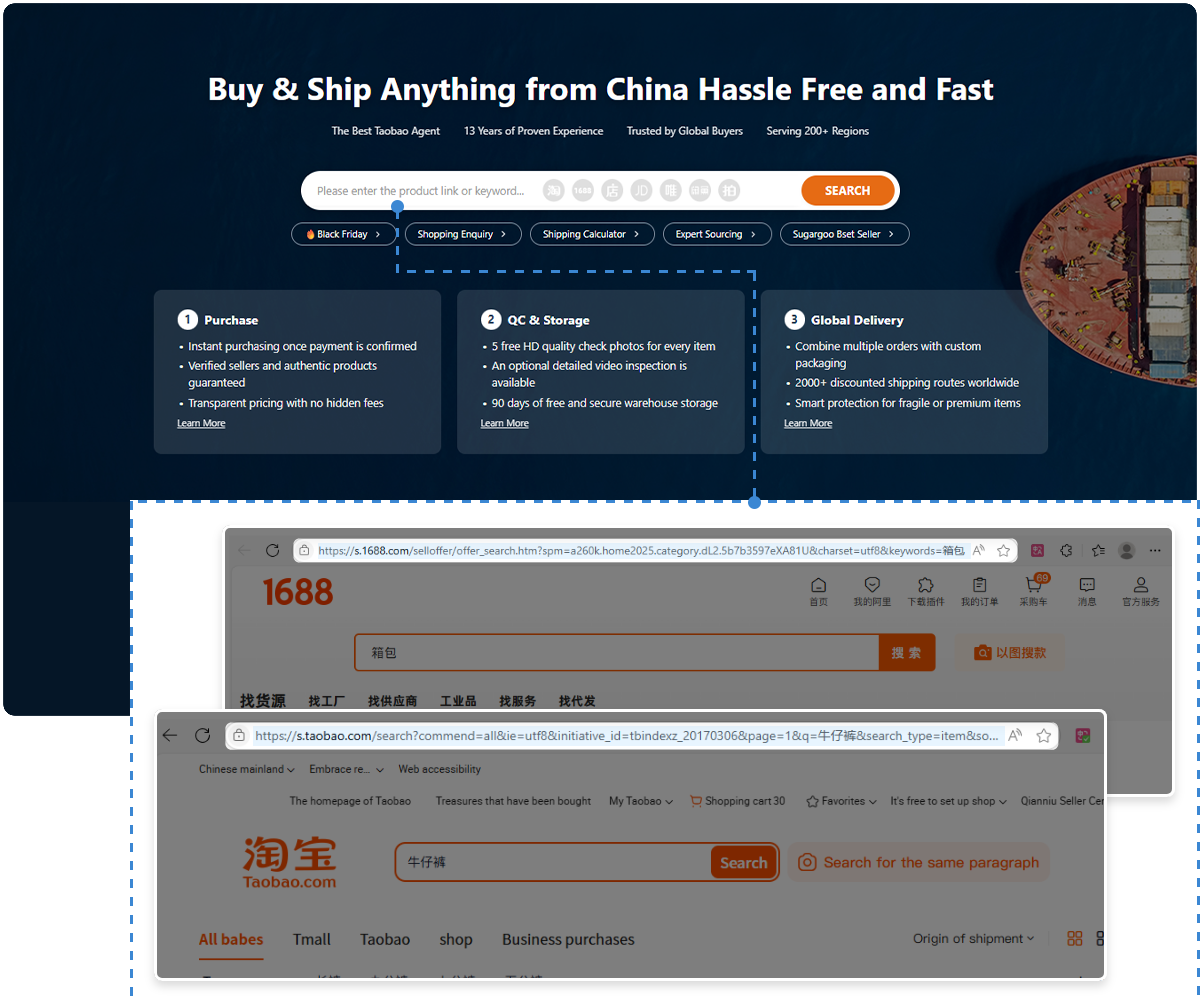
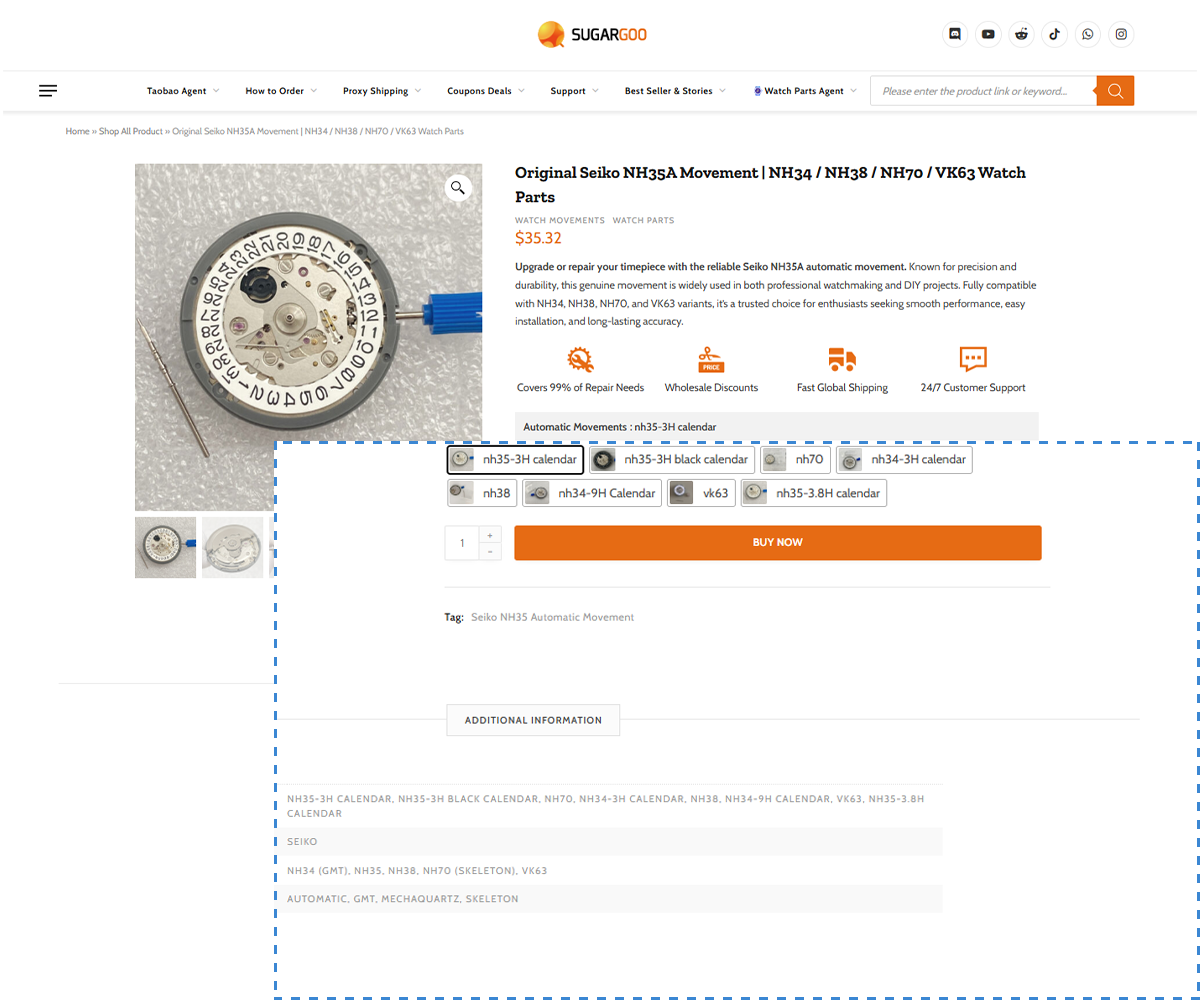
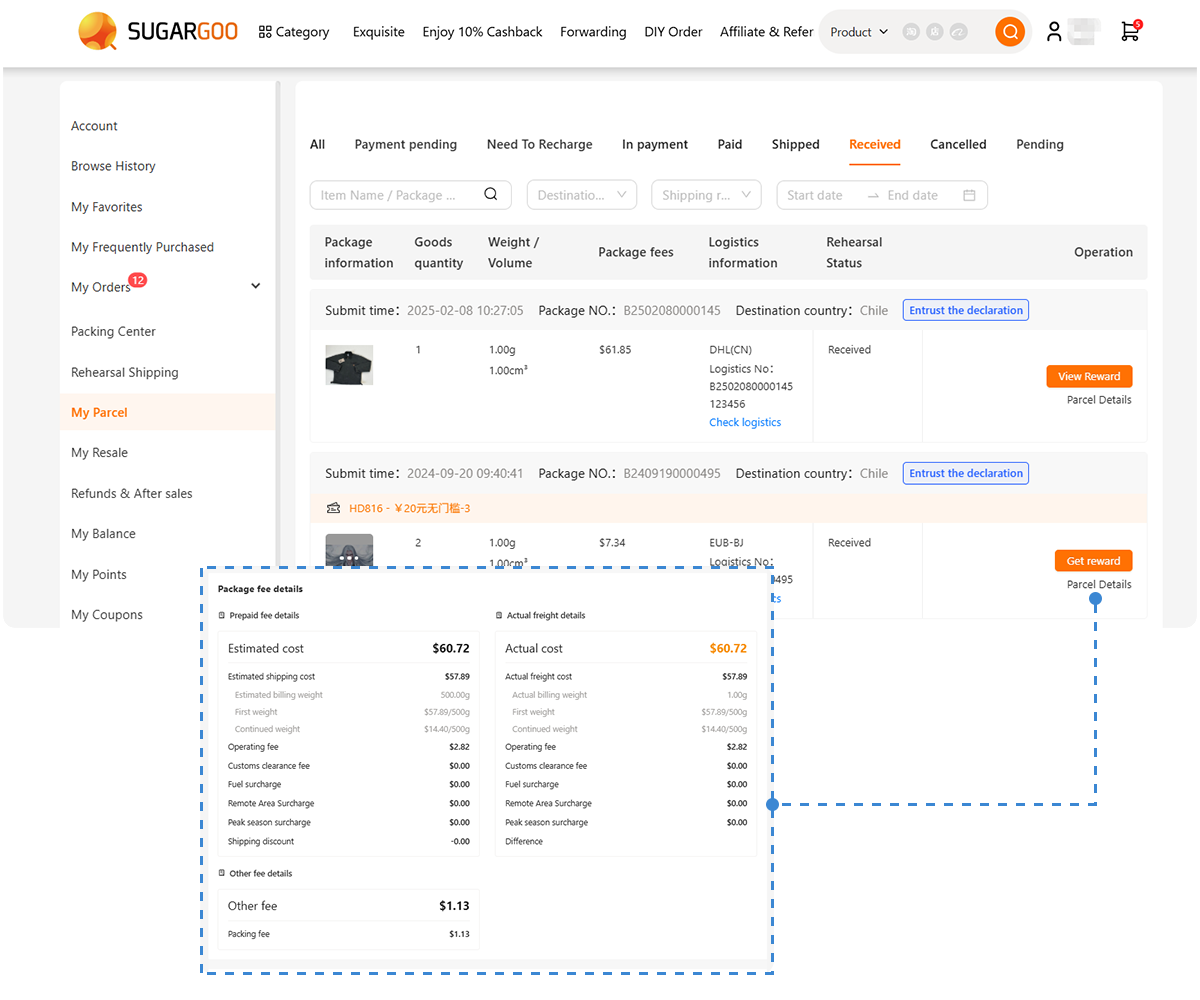
One example is Sugargoo, a service that helps international shoppers purchase goods from Chinese marketplaces.
How Buying Agents Work
A purchasing agent acts as a middle step between the buyer and the seller.
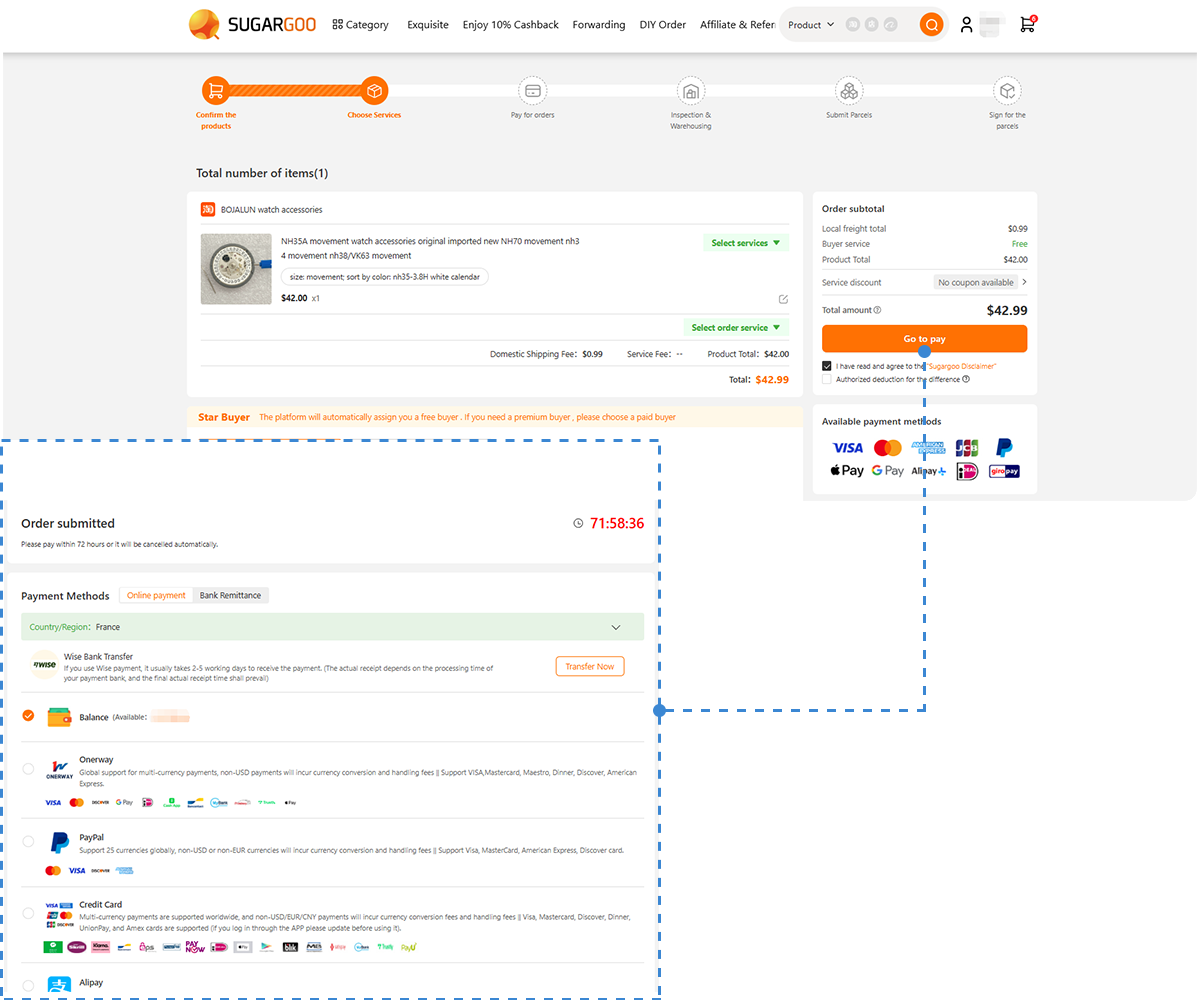
The process begins when a buyer finds a product on Xianyu. The item link is copied and submitted through the agent’s ordering system.
Platforms like Sugargoo offer a feature called DIY Order, where buyers paste the original product link and provide details about the item.
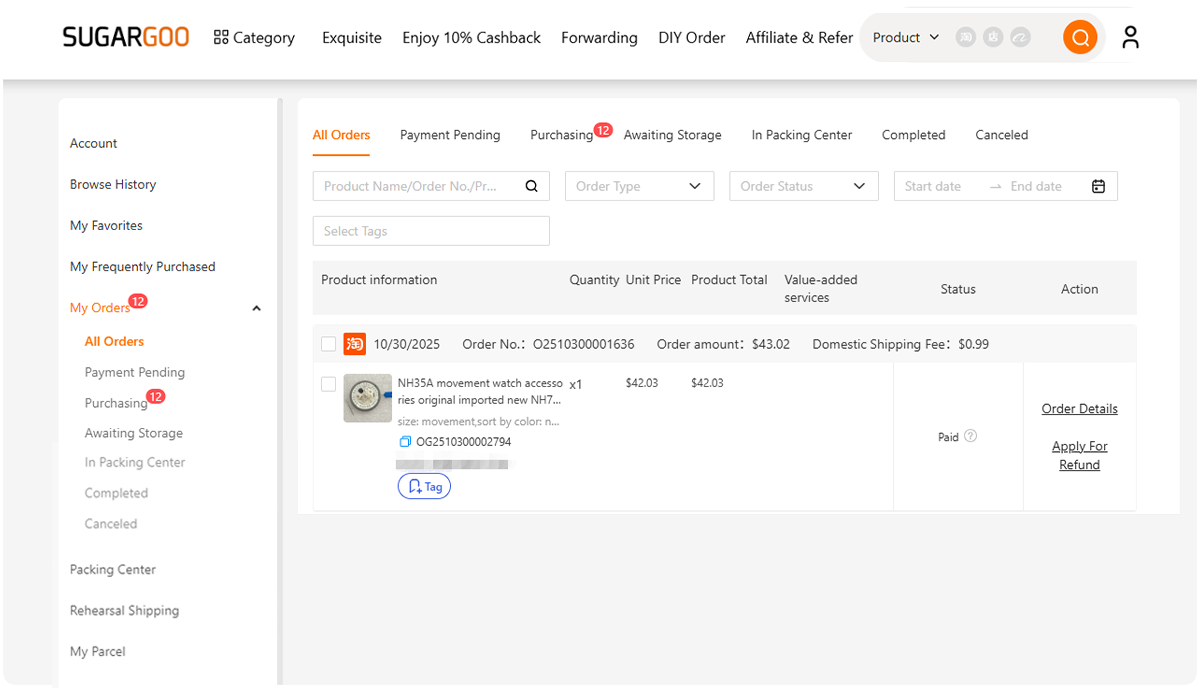
Once the order is submitted, the agent completes the purchase within China.
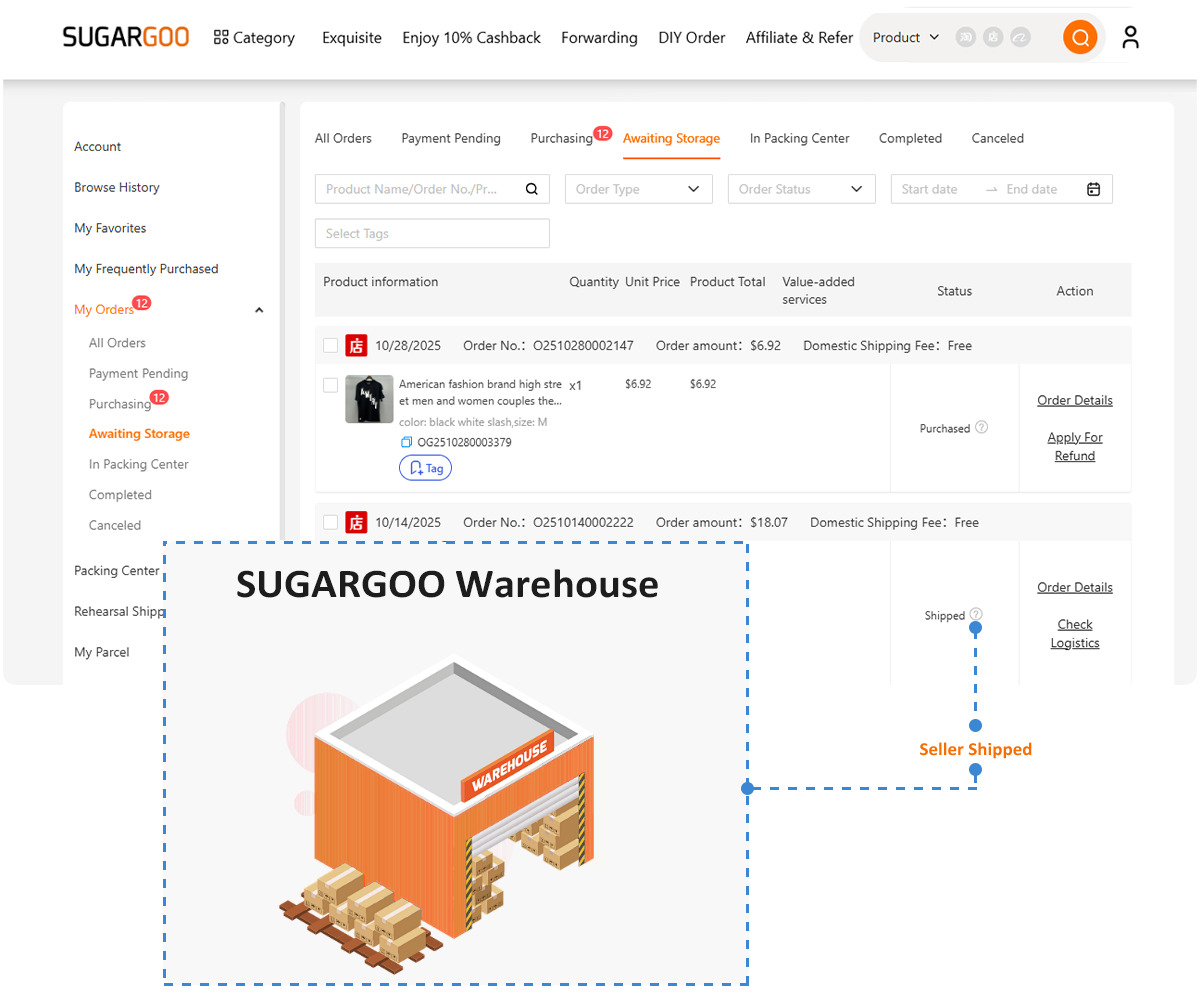
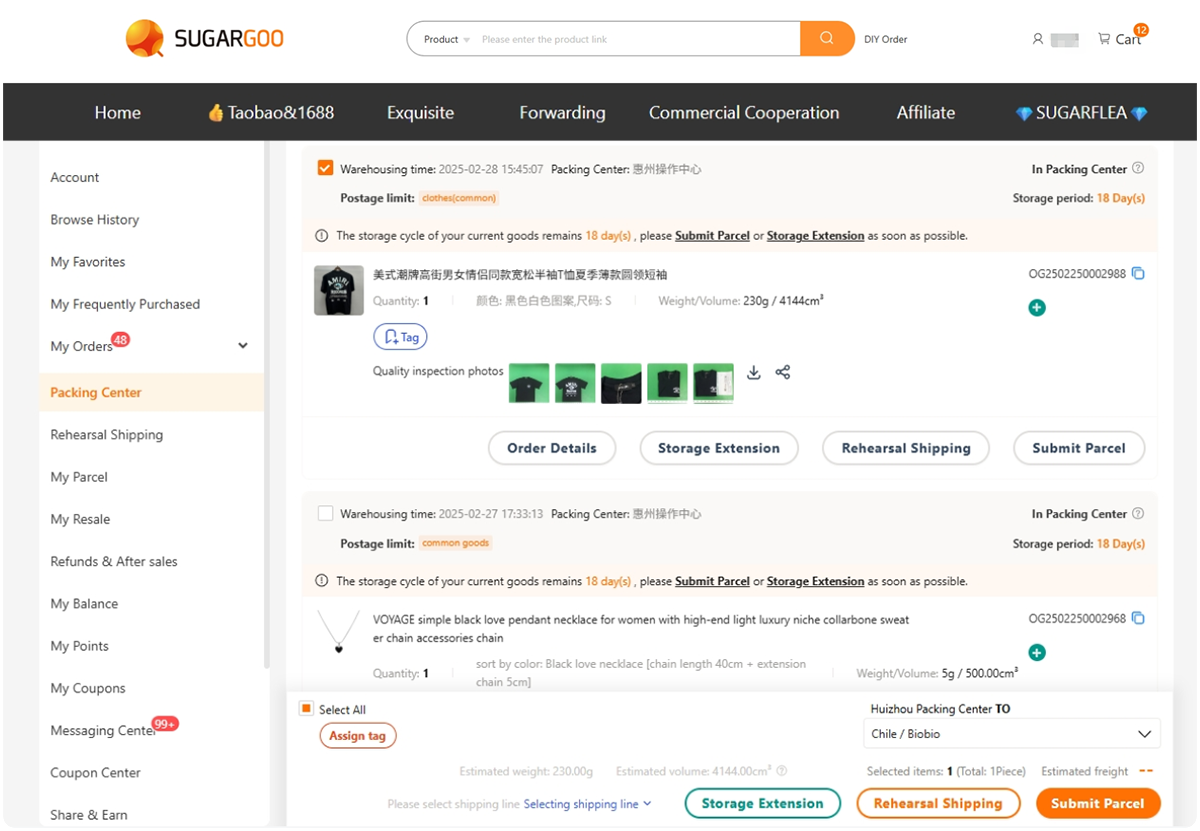
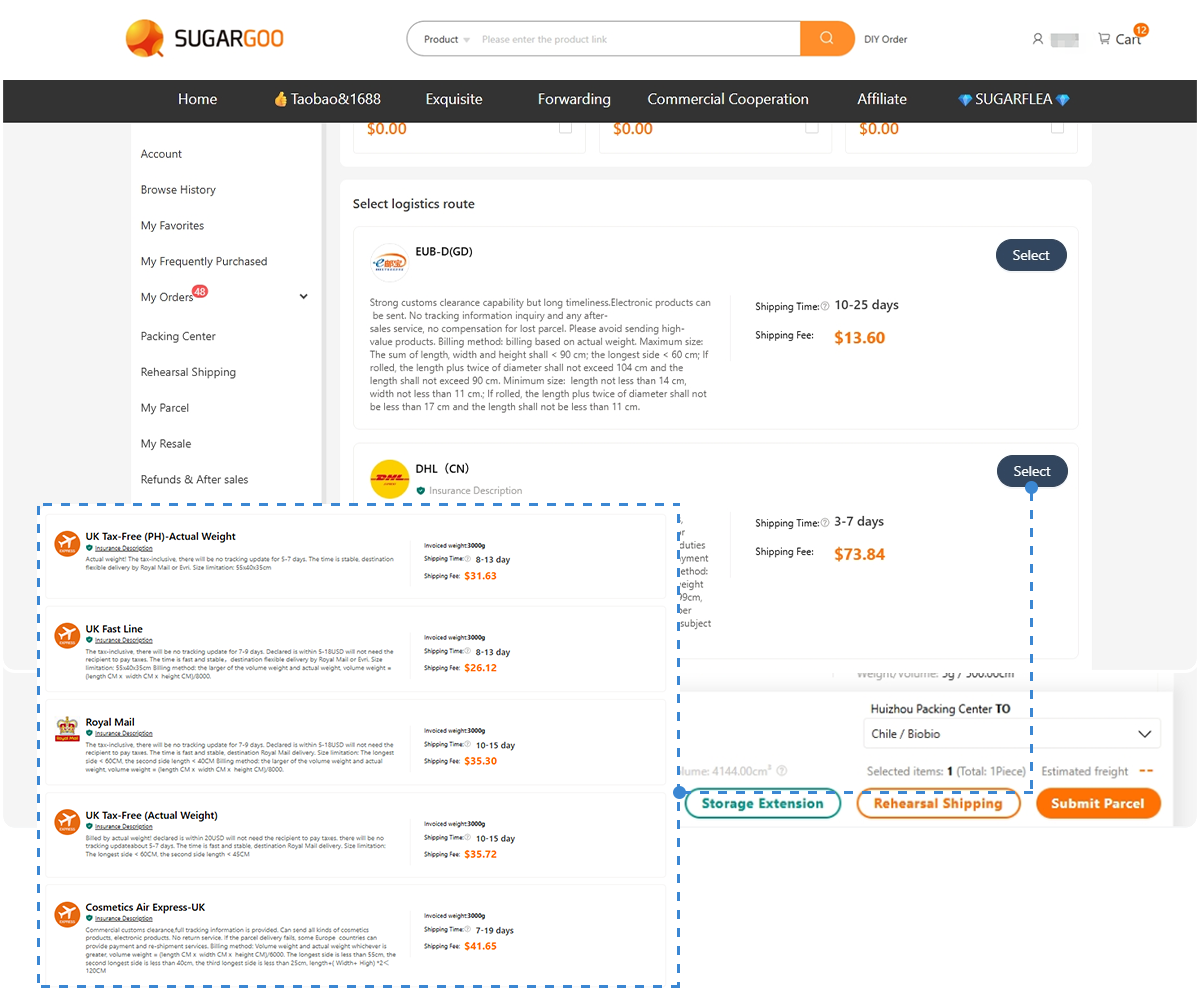
The seller ships the item to theagent’s warehouse. From there, the buyer selects an international shipping method and sends the package overseas.
This setup solves several problems at once.
Communication becomes easier because the agent can speak directly with Chinese sellers. The warehouse provides a domestic shipping address. Multiple purchases can be combined into one international shipment.
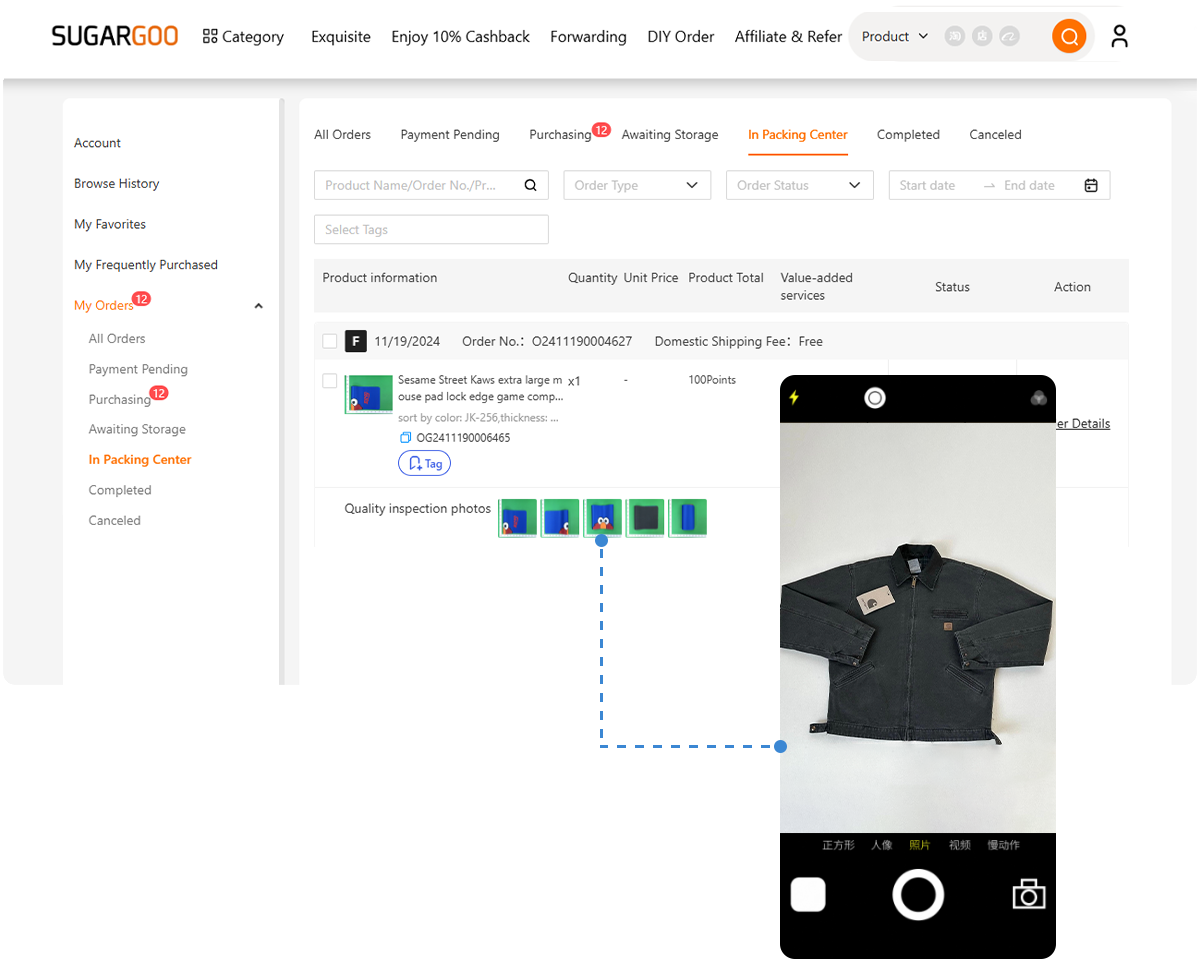
Some agents even photograph items upon arrival so buyers can inspect them before shipping them abroad.
Extra Considerations for International Buyers
Purchasing second-hand items across borders involves a few additional factors.
Shipping costs sometimes exceed the price of the product itself, especially for heavier goods. Import taxes may also apply depending on the destination country.
Returns can become complicated. A seller who agreed to accept a return domestically might not expect international shipping logistics.
Because of these complications, overseas buyers often focus on items that are difficult to find locally—collectibles, limited editions, or niche hobby equipment.
How Xianyu Compares with Other Marketplaces
Resale platforms exist in many parts of the world. Each develops its own style depending on local culture and shopping habits.
In the United States and Europe, buyers often use eBay for second-hand goods shipped internationally. Local transactions frequently occur through Facebook Marketplace, where people meet in person to exchange items.
Japan and parts of North America also use Mercari, another popular peer-to-peer resale app.
Xianyu stands out primarily because of its huge product variety and extremely competitive prices within China’s domestic market.
The user experience sometimes feels closer to a digital flea market than a traditional online store.
A Balanced Look at Xianyu Safety
So where does that leave the original question?
Xianyu itself provides several safety mechanisms. Escrow payments reduce simple fraud. Seller ratings offer transparency. Messaging records allow disputes to be reviewed if necessary.
At the same time, the platform connects millions of strangers trading used items. A small amount of risk naturally exists in any environment like that.
Users who move slowly and pay attention to details tend to have a better experience on the platform. Taking a moment to read the listing carefully, asking the seller for clarification, and keeping the payment inside the official system already removes many potential problems.
After using the app for a while, browsing itself can become part of the appeal. Listings change constantly, and sometimes unusual or hard-to-find items appear without warning. It’s not uncommon to discover something interesting that would be difficult to locate in regular stores.
When approached with a bit of patience, Xianyu often feels less like a risky online marketplace and more like a place where occasional bargains show up for those willing to spend time looking.