
The first time you open Xianyu, it feels chaotic.
Chinese characters everywhere. Listings that look half empty. Descriptions that barely make sense once you run them through a translator.
I remember opening my first listing and thinking the seller forgot to finish writing it. Three or four words, that was it.
Later I realized that’s just how people sell things there.
Xianyu isn’t designed like Amazon. It’s closer to a giant flea market on your phone. People upload a few photos, type a quick note, and move on.
Once you understand that, reading listings becomes a lot less intimidating.
Most Listings Are Short on Purpose
One thing surprises a lot of international buyers: sellers rarely write long descriptions.
Sometimes the entire listing is just a few characters.
You might see something like this:
“自用 九成新 小瑕疵”
If you paste that into a translator, the result might look strange. The real meaning is simple. The seller used the item themselves, it’s still in good condition, and there’s a small flaw somewhere.
That’s it.
Many listings follow this pattern. A few keywords, maybe a short sentence, and the rest of the information is hidden in the photos.
Because of that, translation tools only tell part of the story.
You usually need to look at the pictures too.
Translation Tools Still Help
Even though listings are short, translation tools are still useful.
Most people start with the obvious option: Google Translate.
If you browse Xianyu on a computer, Chrome can translate the page automatically. That already solves half the problem. Titles and comments suddenly become readable.
Sometimes I still copy small pieces of text into DeepL just to double check the meaning. It tends to handle short phrases a bit better.
Neither tool is perfect though. Occasionally the translation looks odd, especially when slang is involved.
That’s normal. Xianyu sellers write the way people talk in daily life.
A Few Chinese Words Appear Everywhere
After browsing for a while, you start noticing the same characters over and over again.
Even if you don’t speak Chinese, these words become easy to recognize.
For example:
全新 Completely new.
九成新 Used, but still in very good condition.
自用 Owned by the seller personally.
瑕疵 A flaw or imperfection.
包邮 Shipping included.
不包邮 Shipping not included.
At first these words look random. After seeing them ten or twenty times, you don’t even need to translate them anymore.
They become visual cues.
Titles Rarely Tell the Whole Story
Another thing that confused me in the beginning was how short the titles were.
On other marketplaces you might see a full sentence describing the product. On Xianyu it’s usually just a string of keywords.
Something like:
“原神 手办 二手 九成新”
A literal translation looks messy. What the seller actually means is simply that they’re selling a used Genshin Impact figure that’s still in good shape.
The photos do the rest of the work.
In fact, many sellers rely on images more than text. If you scroll through the pictures carefully, you often learn more about the item than from the description.
Condition Descriptions Matter a Lot
Because Xianyu has so many second-hand items, condition is a big deal.
Sellers usually mention it with quick phrases.
You might see:
基本全新 Almost like new.
轻微瑕疵 Minor flaw.
有使用痕迹 Signs of use.
Sometimes the flaw is barely noticeable. Sometimes it’s obvious in the photos. Either way, sellers usually try to show it somewhere in the images.
Zooming in on pictures is always a good habit.
Seller Comments Can Look Strange in Translation
If you scroll down into the comment section, things can look even more confusing.
Chinese buyers often write short questions that translation tools don’t handle well.
For example, someone might ask:
“可以刀吗?”
The translation may look awkward, but the meaning is simple. They’re asking if the seller is open to lowering the price.
Another common phrase is:
“不议价”
That one means the seller doesn’t want to negotiate.
Once you know these little expressions, the comment section suddenly becomes much easier to understand.
Sometimes the Translator Is the Problem
Every now and then you’ll see a translation that just doesn’t sound right.
A good example is the phrase “成色很好”. Some translators turn it into “color is very good,” which makes no sense in English.
What the seller really means is that the item’s condition is good.
Situations like this happen because the original text is short. The translator guesses the meaning without much context.
When that happens, the photos usually clear things up.
The Option Many International Buyers Use
After dealing with translations for a while, some people decide they’d rather not worry about it at all.
That’s where shopping agents come in.
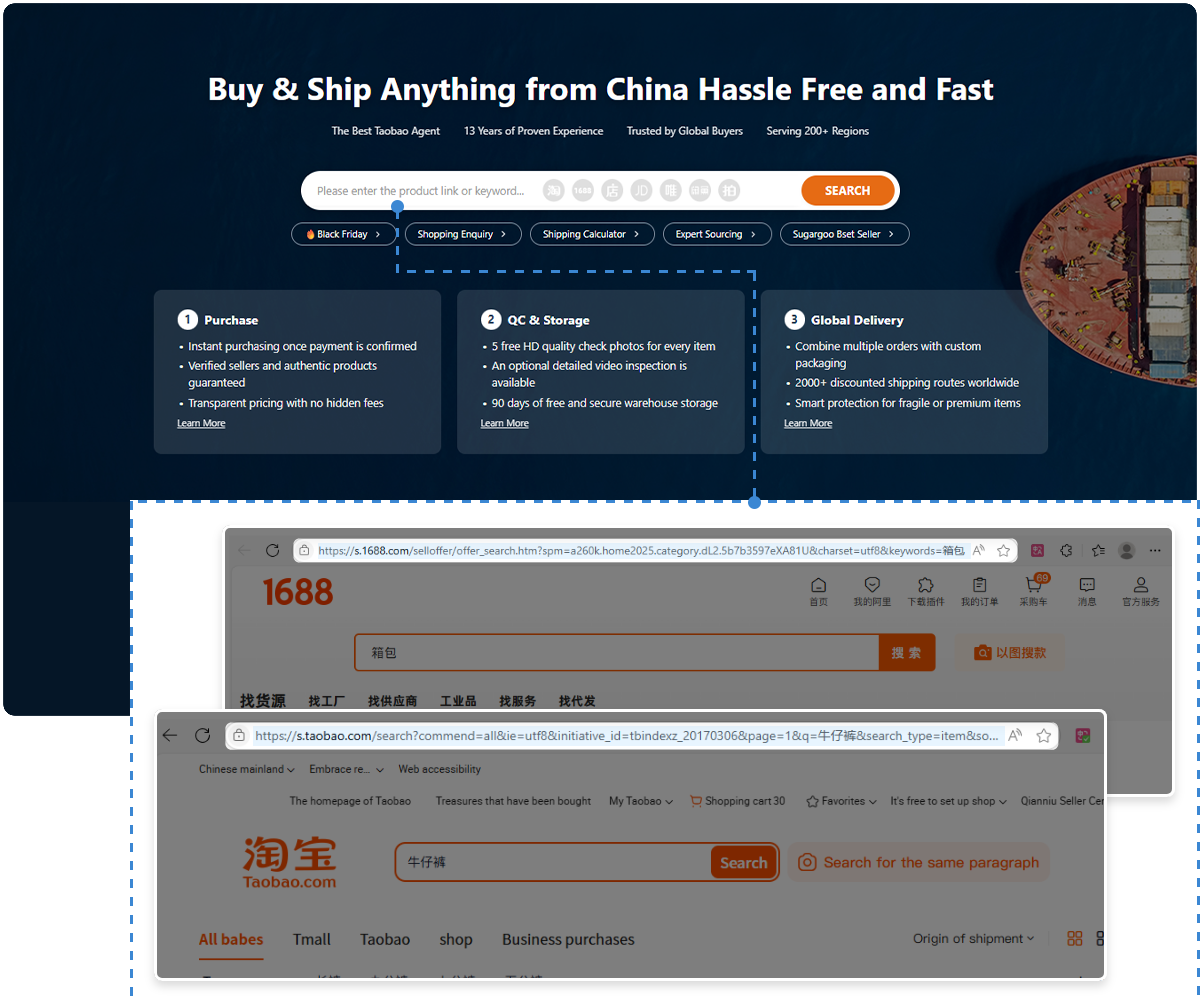
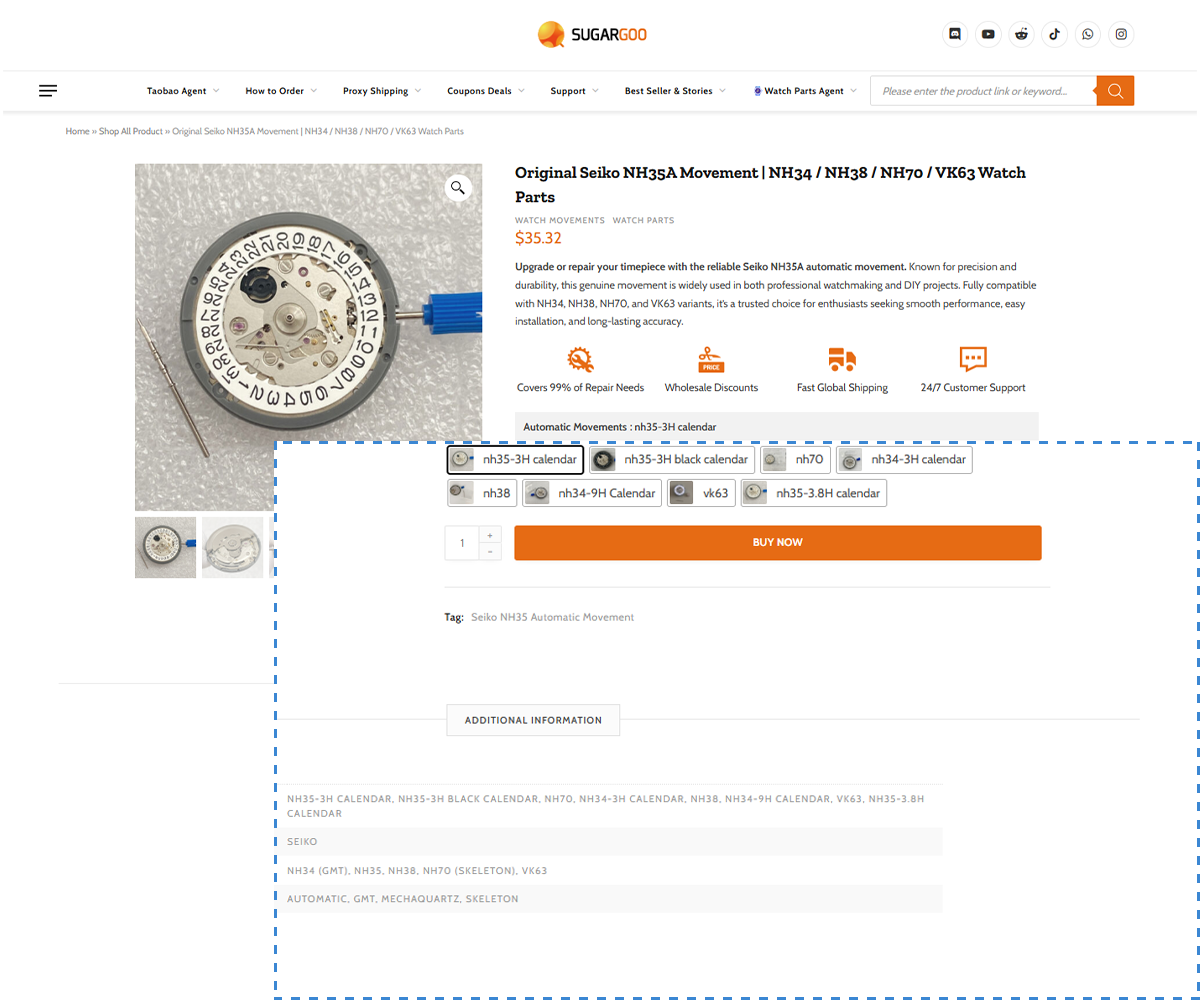
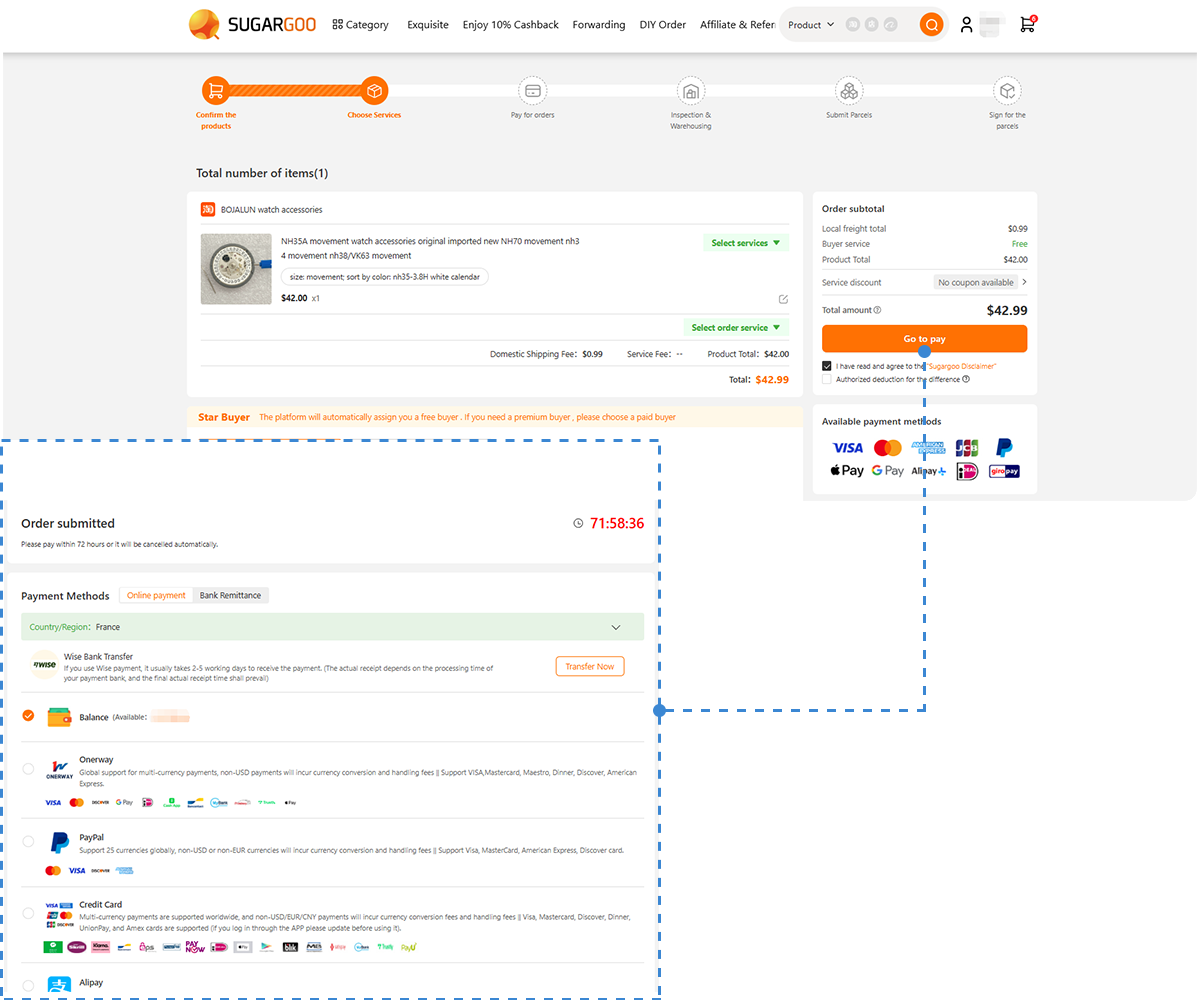
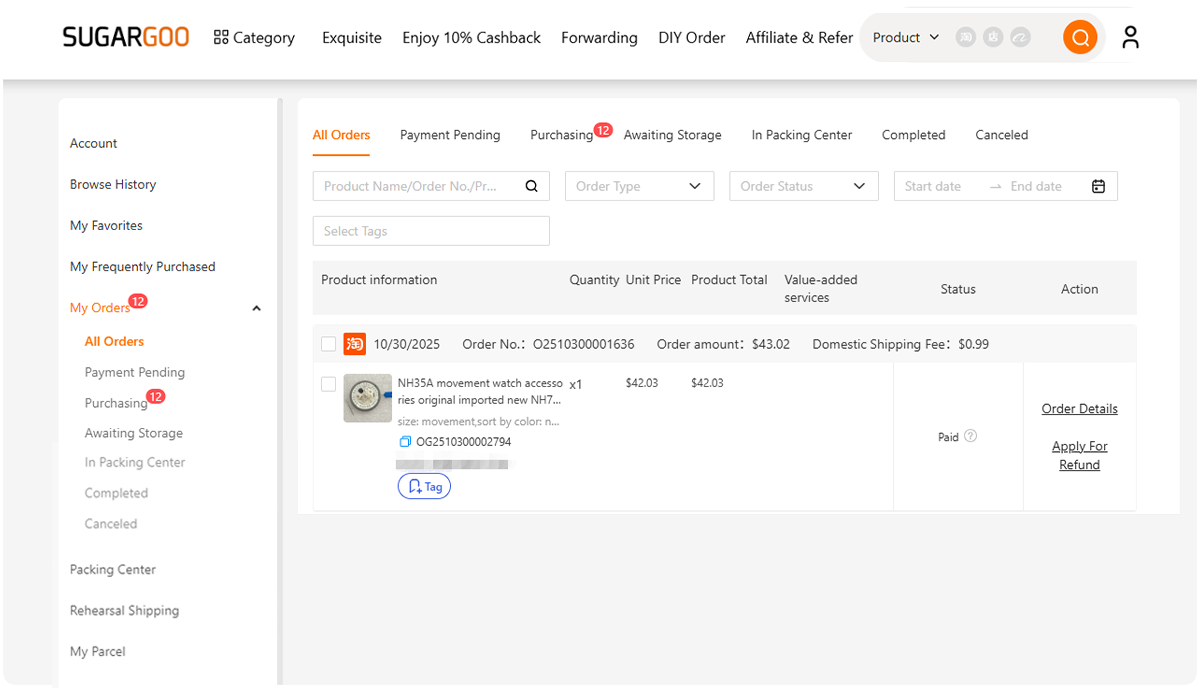
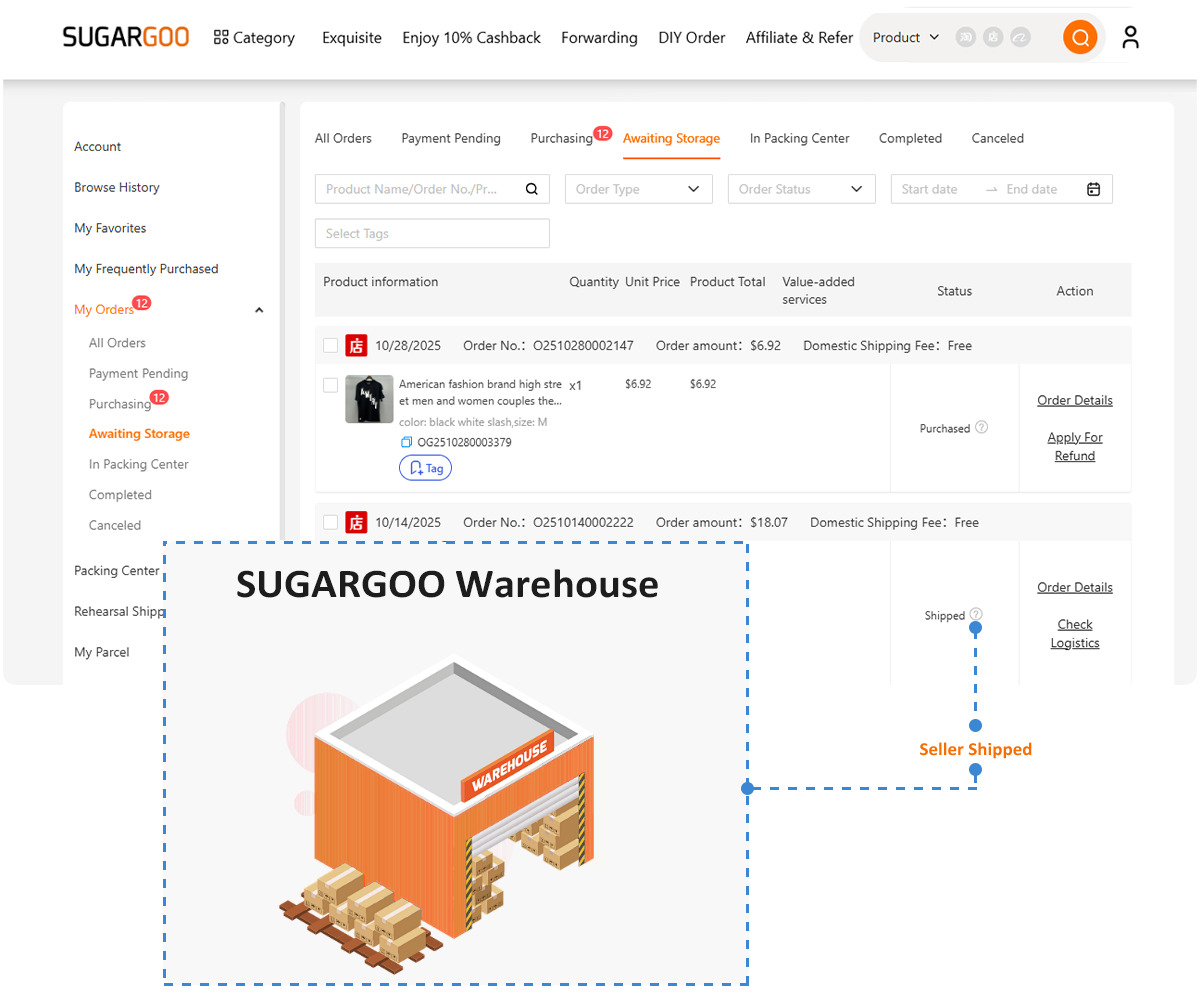
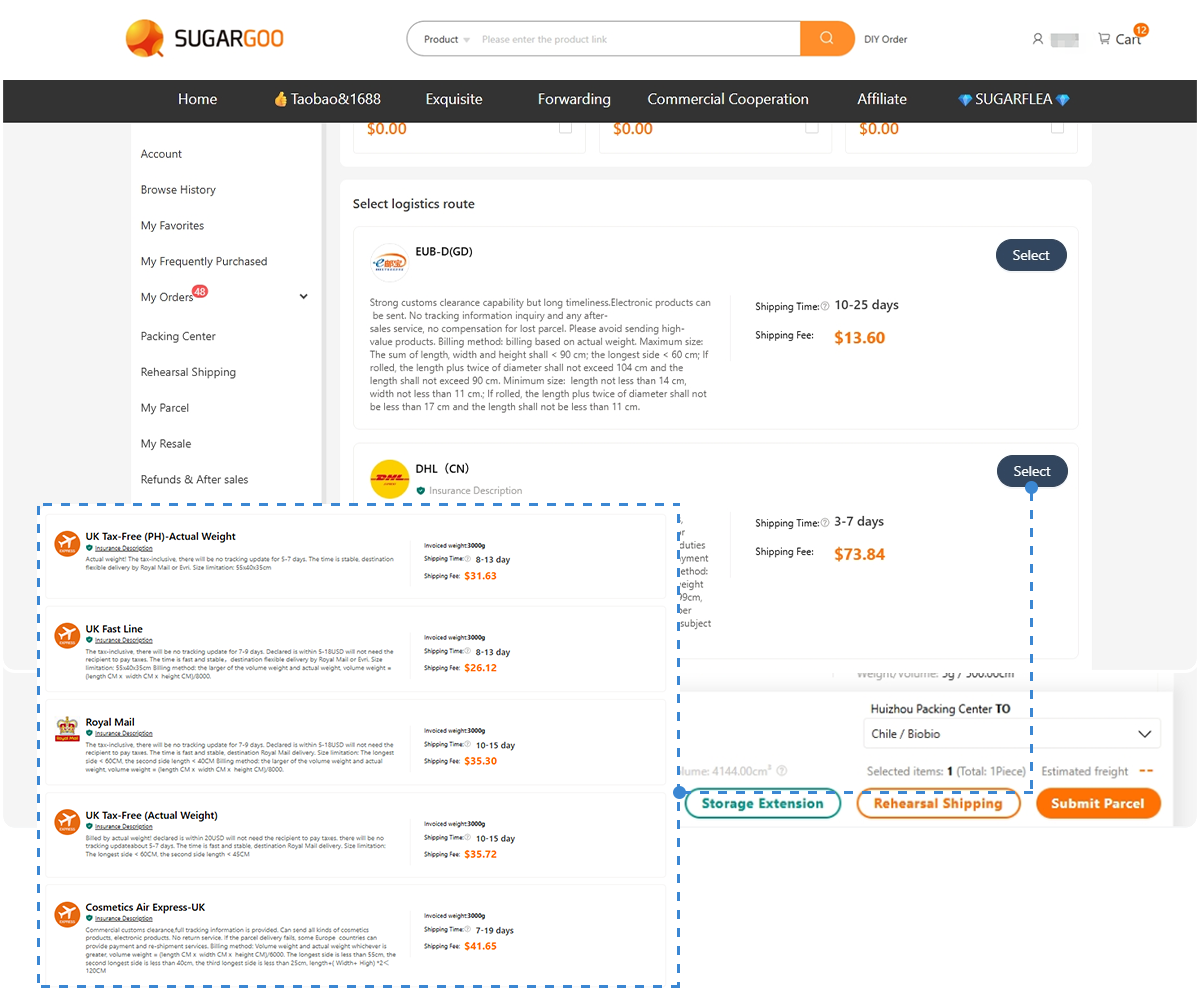
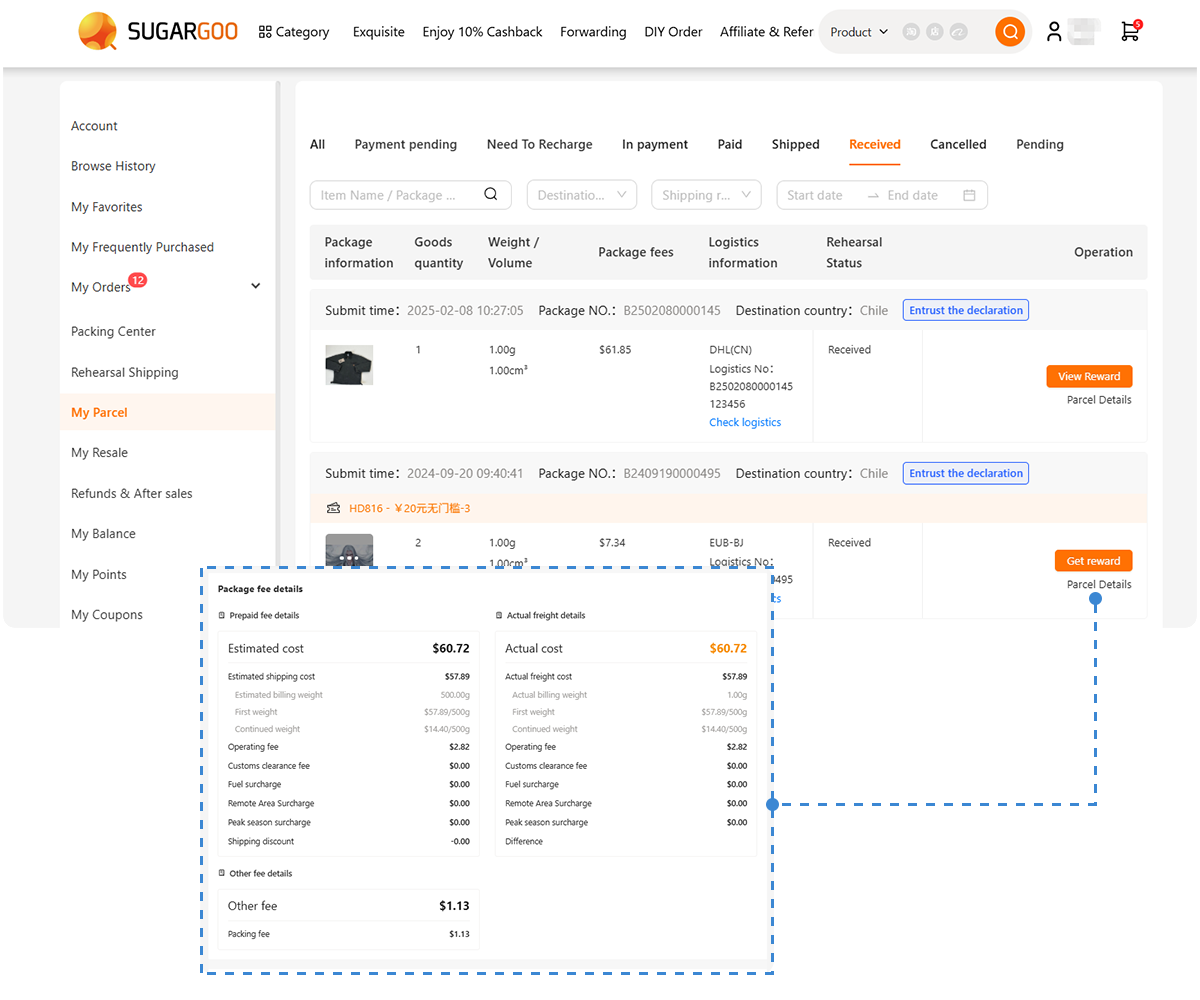
Instead of navigating Xianyu directly, you can paste the listing link into a platform like Sugargoo. From there you place a DIY order, and the agent handles the purchase.
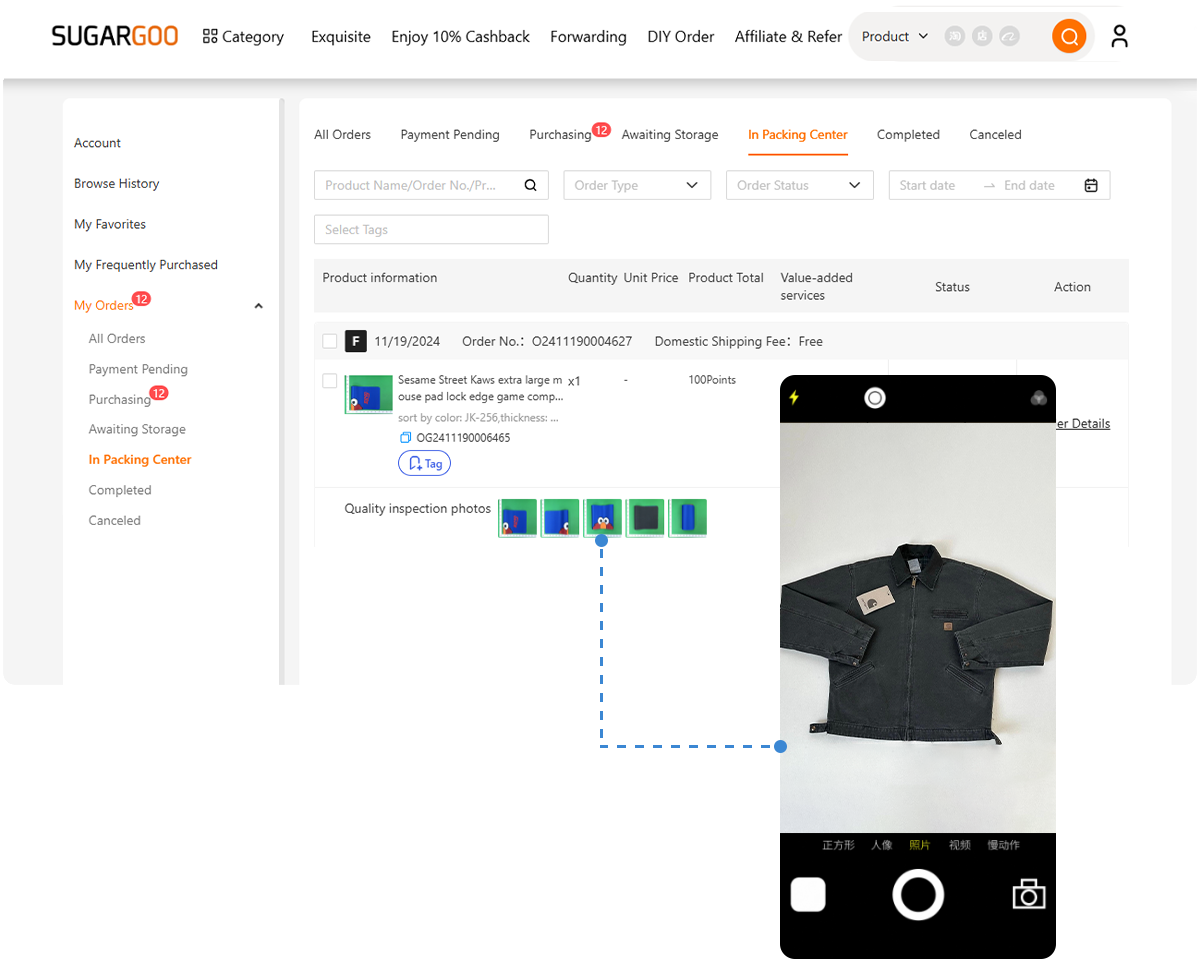
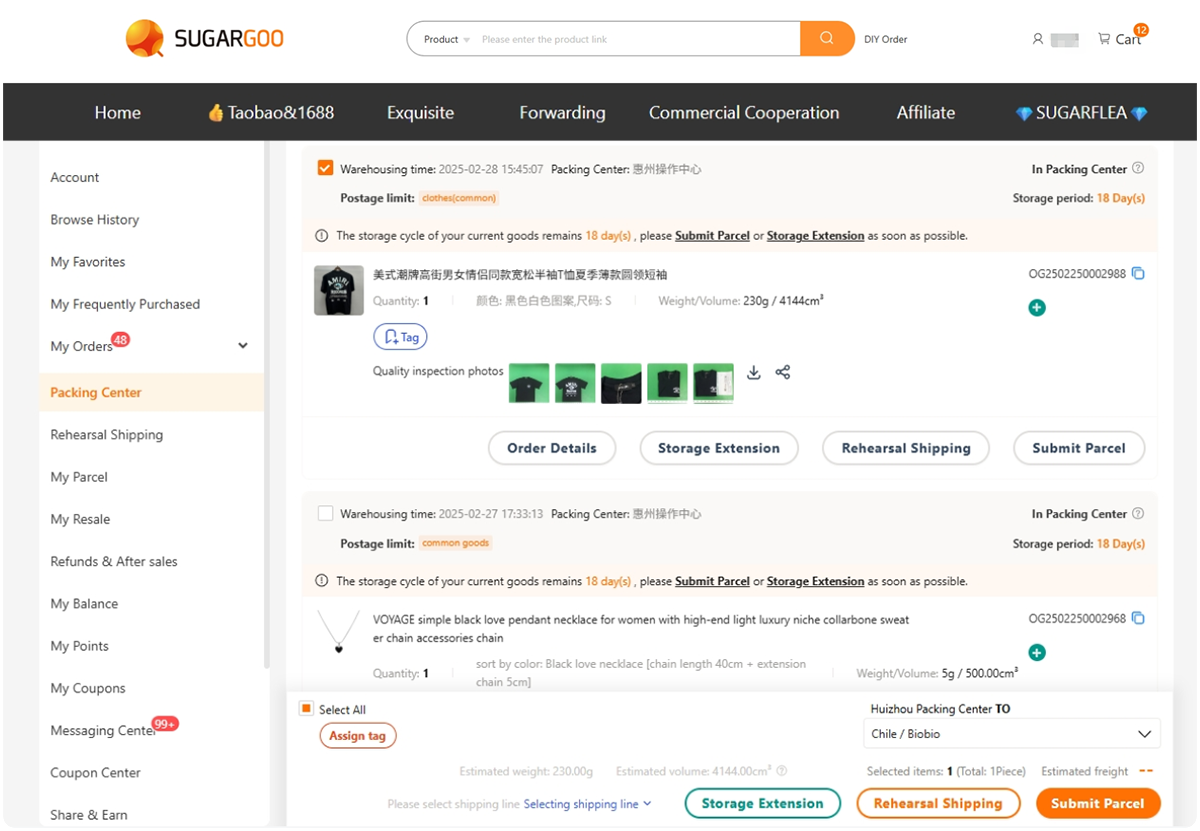
When the item arrives at the warehouse, they also upload QC photos so you can check the condition before shipping.
For buyers outside China, that process removes most of the language barrier.
It Gets Easier Surprisingly Fast
The first few listings might feel confusing.
Then something interesting happens.
After browsing for a while, you start recognizing patterns. The same condition words appear again and again. Titles follow the same structure. Photos explain what the text doesn’t say.
At that point, translating Xianyu listings stops feeling like work.
It just becomes part of the browsing process.