
Importing from China is often misunderstood. Many people picture factory contracts, large order quantities, and complex logistics before a single product ever ships. That perception stops a lot of small buyers from even trying.
In reality, importing at a small scale looks very different. You don’t need to negotiate with factories, place massive orders, or manage freight on your own. Many overseas buyers import in small quantities every day—testing products, sourcing niche items, or buying for personal use—by relying on local platforms and third-party buying services to handle the heavy lifting.
This guide focuses on how small buyers actually import from China today. Instead of bulk sourcing strategies, you’ll learn a practical, low-risk approach that works for individuals and small sellers who want access to Chinese products without committing to large orders or long-term supplier relationships.
What “Small Buyer Importing” Really Means
Many people assume importing from China automatically involves bulk purchasing. In reality, small buyers import in very different ways.
Small buyer imports usually involve:
- Low quantities (1–20 items, sometimes mixed products)
- Retail or semi-wholesale platforms instead of factories
- No direct communication with manufacturers
- Flexible purchasing rather than long-term contracts
This approach is common among:
- First-time importers
- Etsy, Shopify, or TikTok Shop sellers testing products
- Overseas individuals buying for personal use
- Side hustlers validating ideas before scaling
For these buyers, simplicity and risk control matter more than the lowest possible unit price.
How Small Buyers Import from China (The Real Workflow)
Unlike bulk sourcing, small buyer importing follows a simpler, more practical flow:
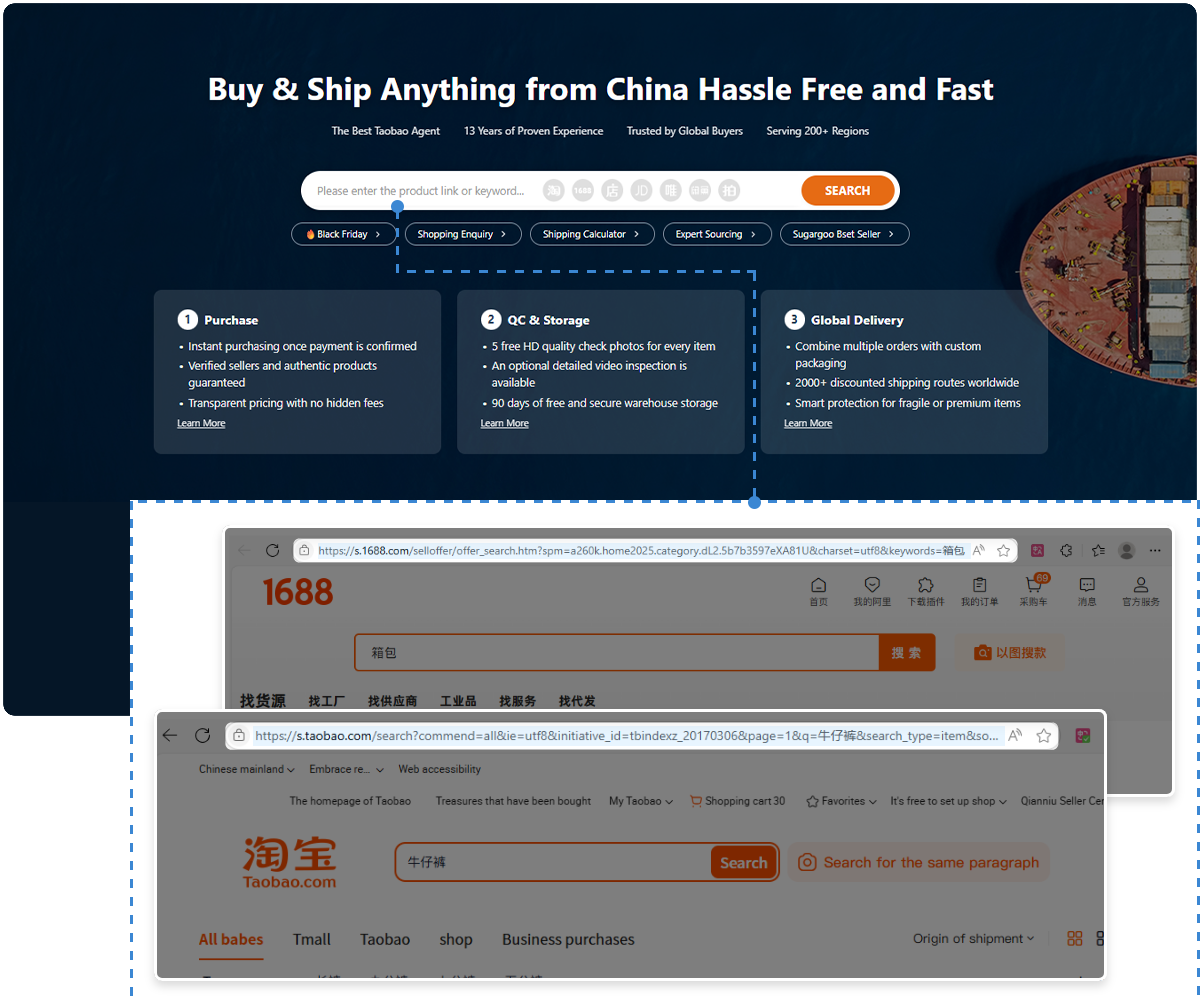
- Find products on Chinese platforms Small buyers typically source from platforms like Taobao or 1688, where prices are lower than international marketplaces and product variety is much wider.
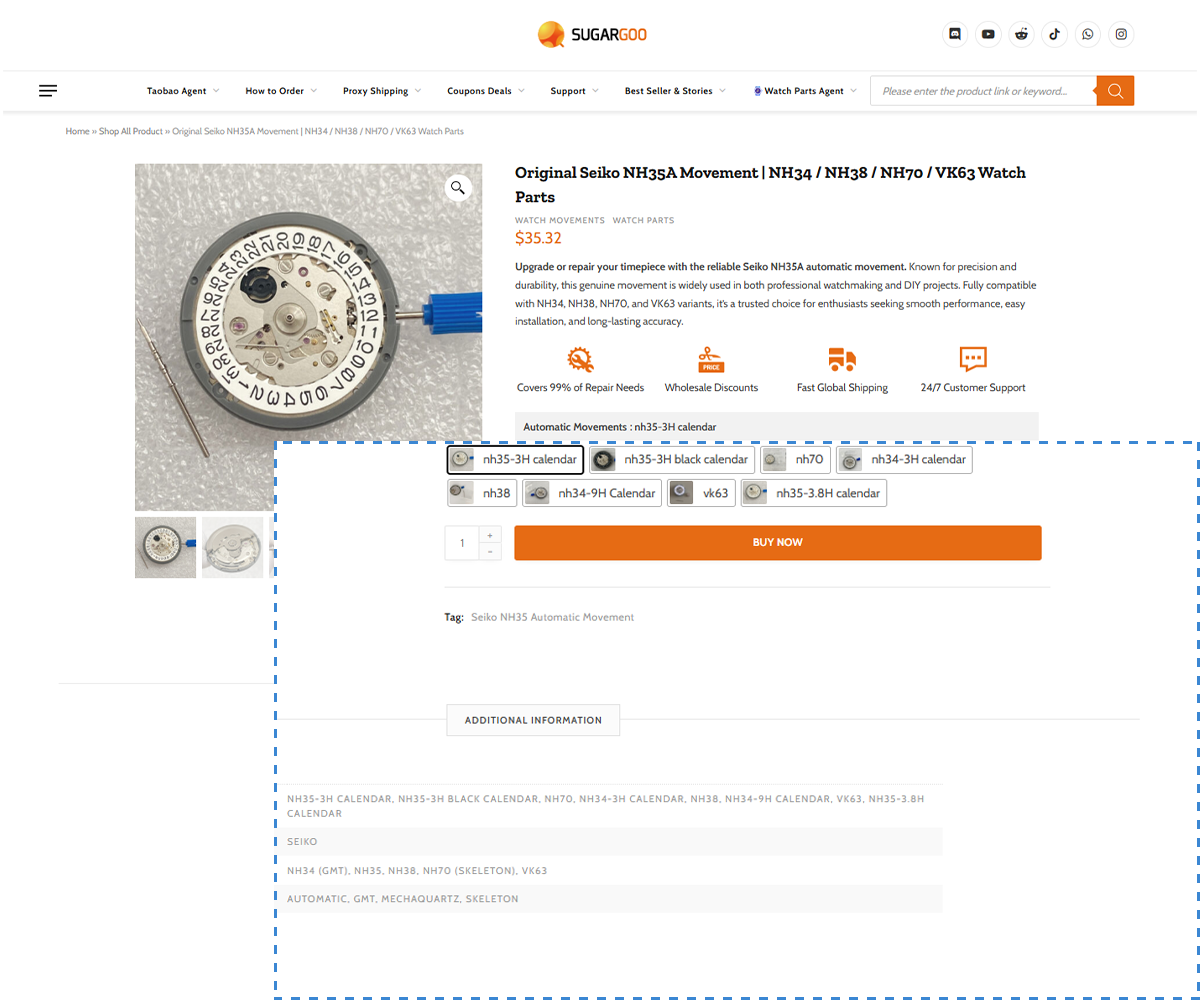
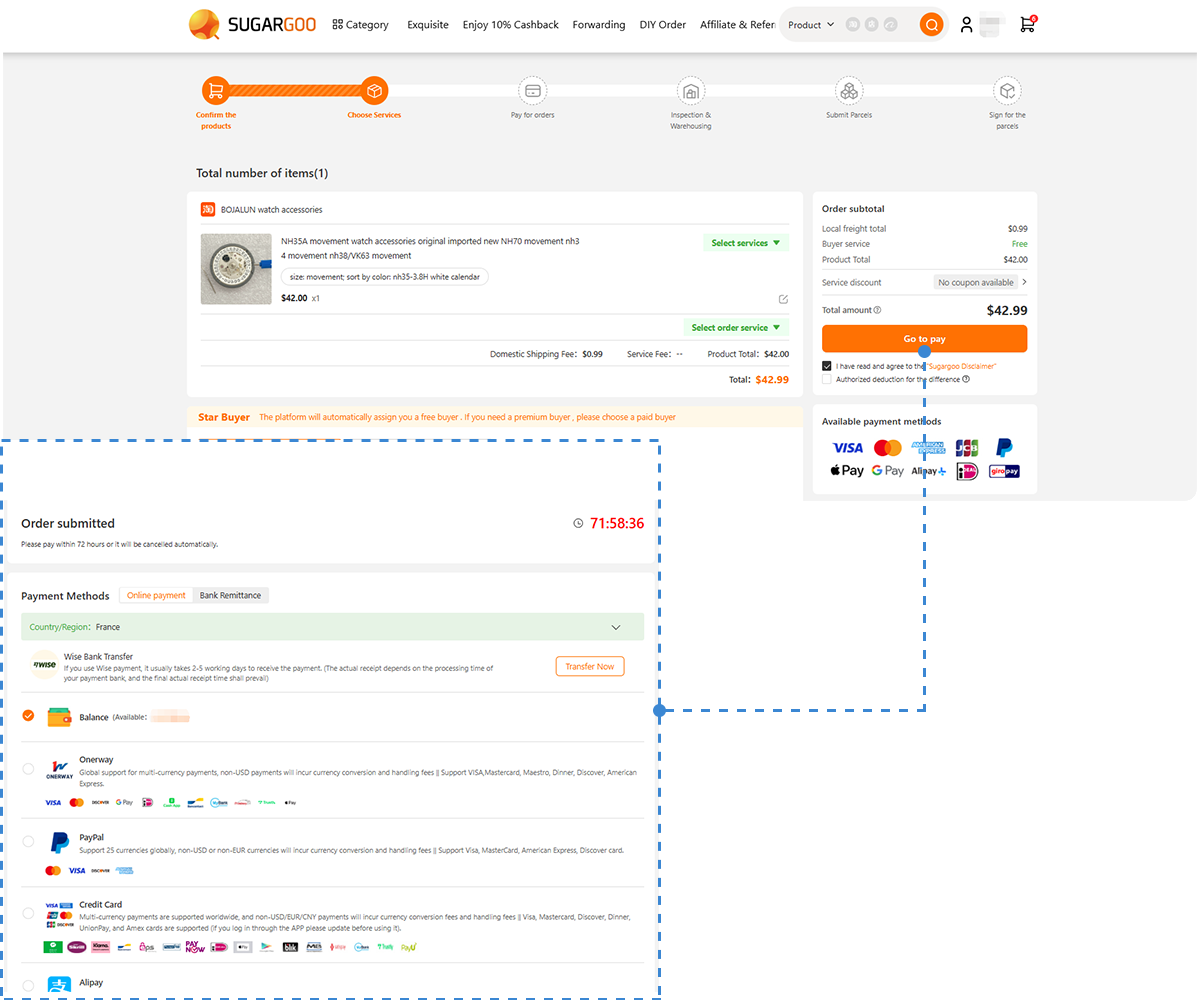
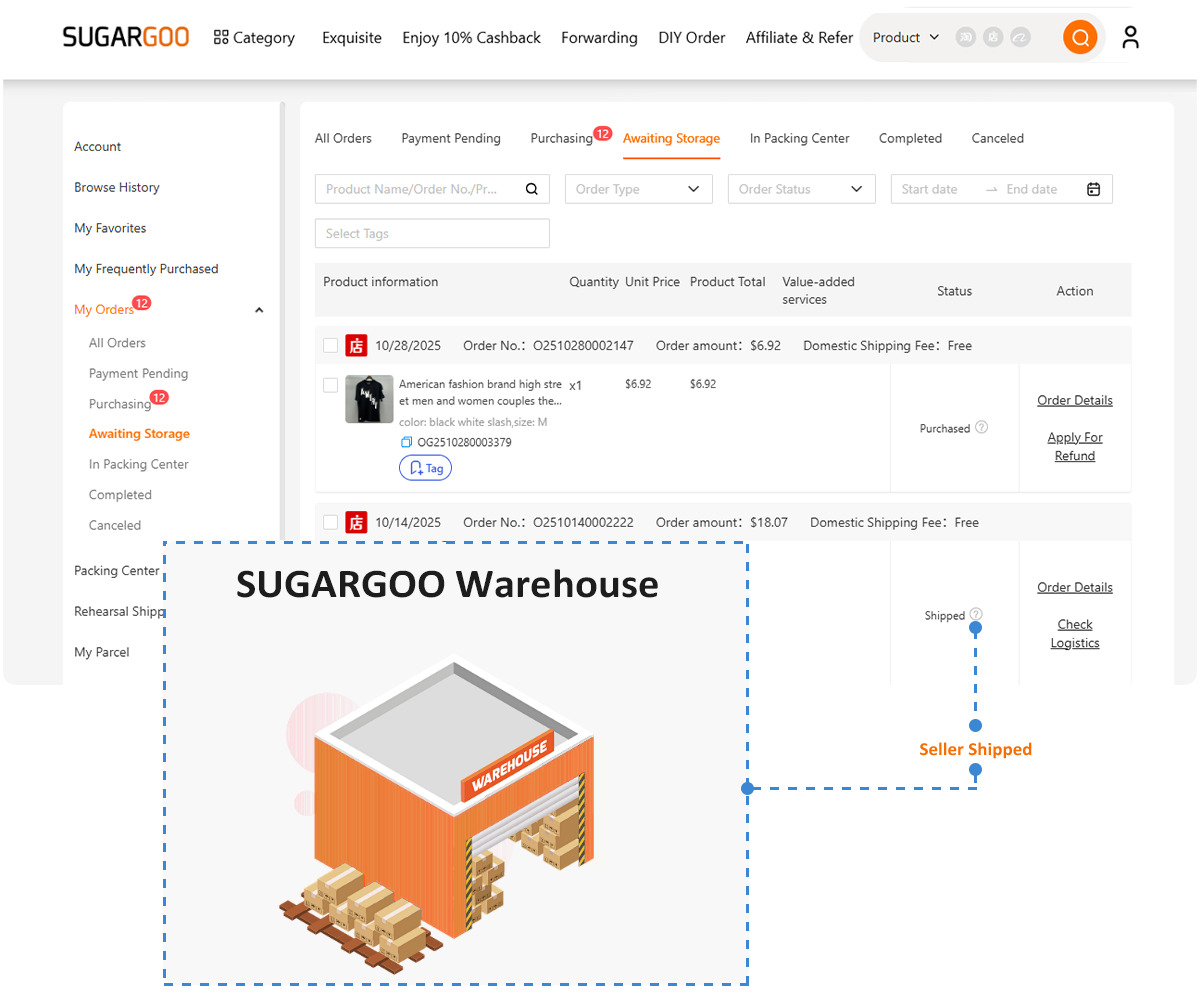
- Use a buying agent to bridge the gap Most Chinese platforms are not built for overseas users. A buying agent, such as Sugargoo, helps translate listings and place orders.
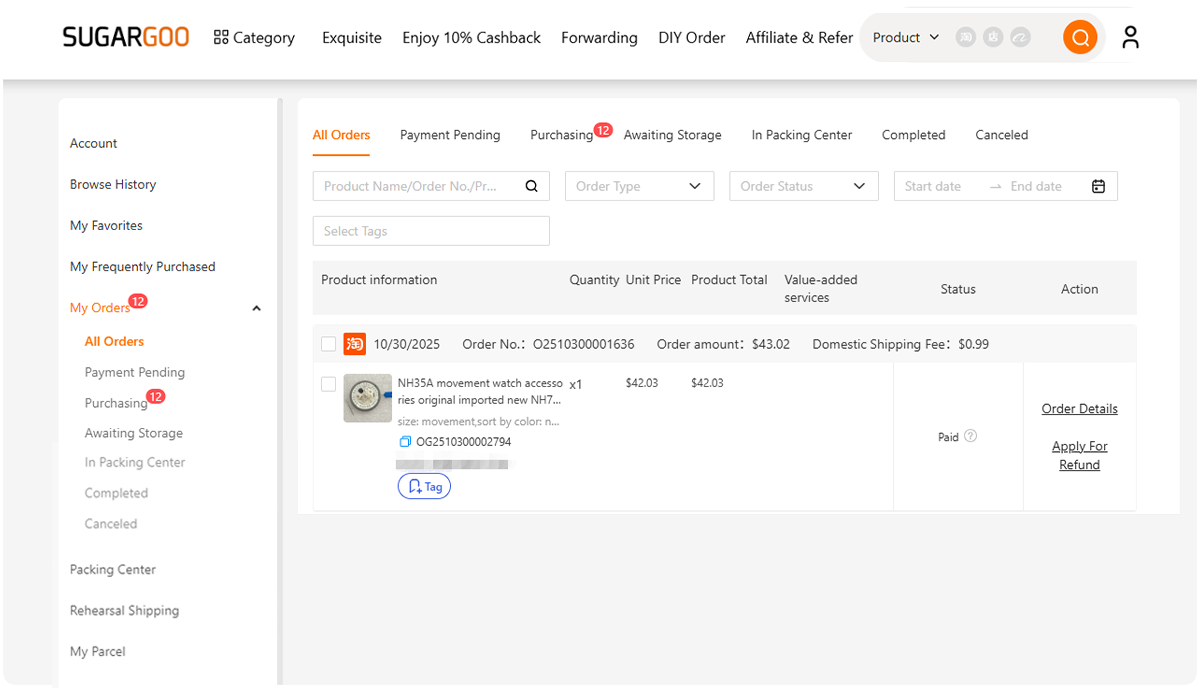
- Domestic delivery to a warehouse Sellers ship items within China to the agent’s warehouse.
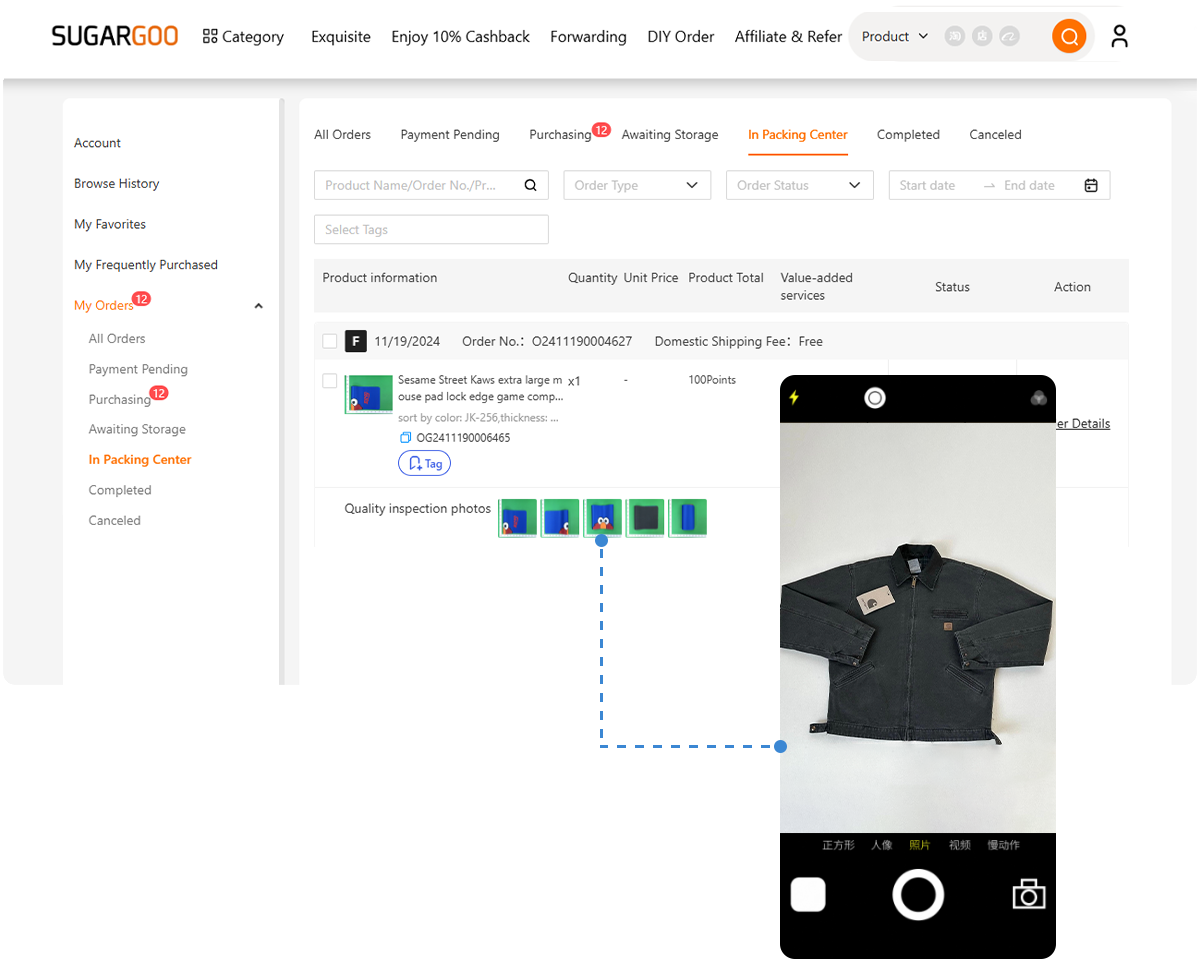
- Quality check and photos The agent inspects items, confirms variants, and provides photos so you can verify what you’re actually receiving.
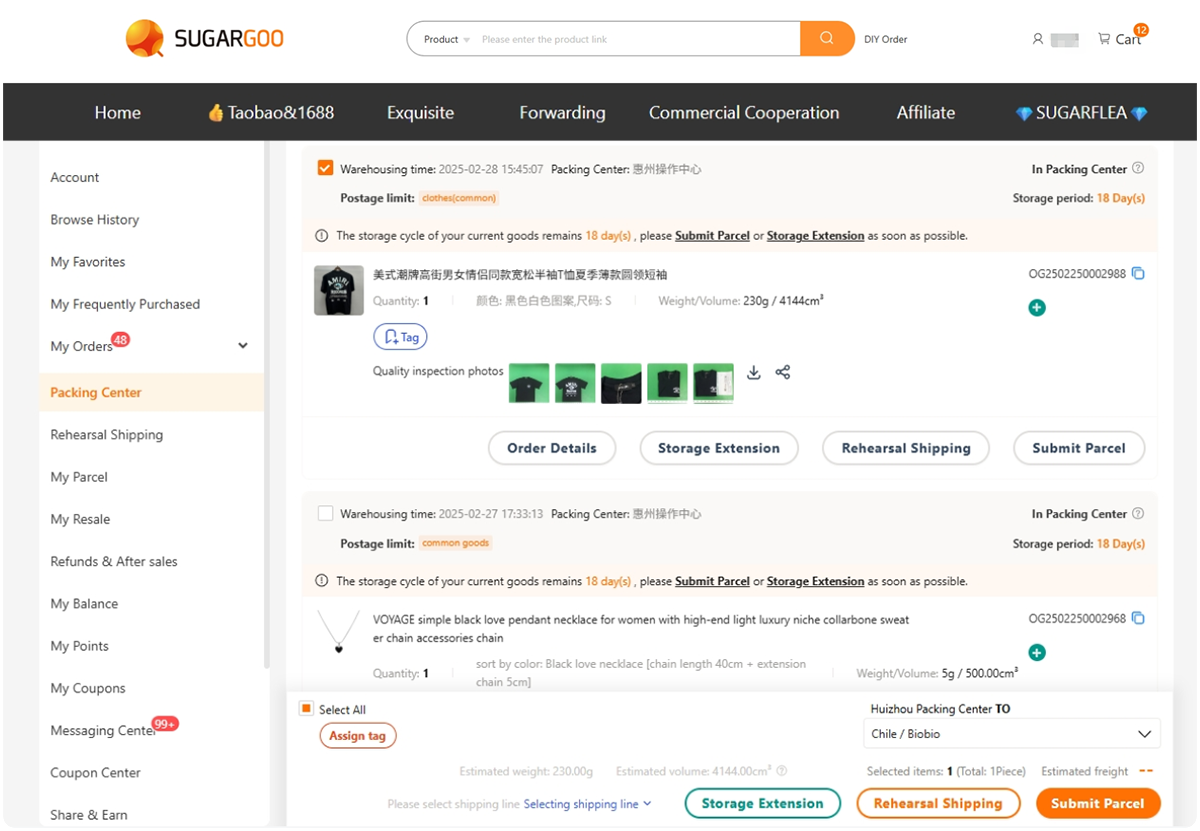
- Package consolidation Items from multiple sellers can be combined into a single shipment, reducing international shipping costs.
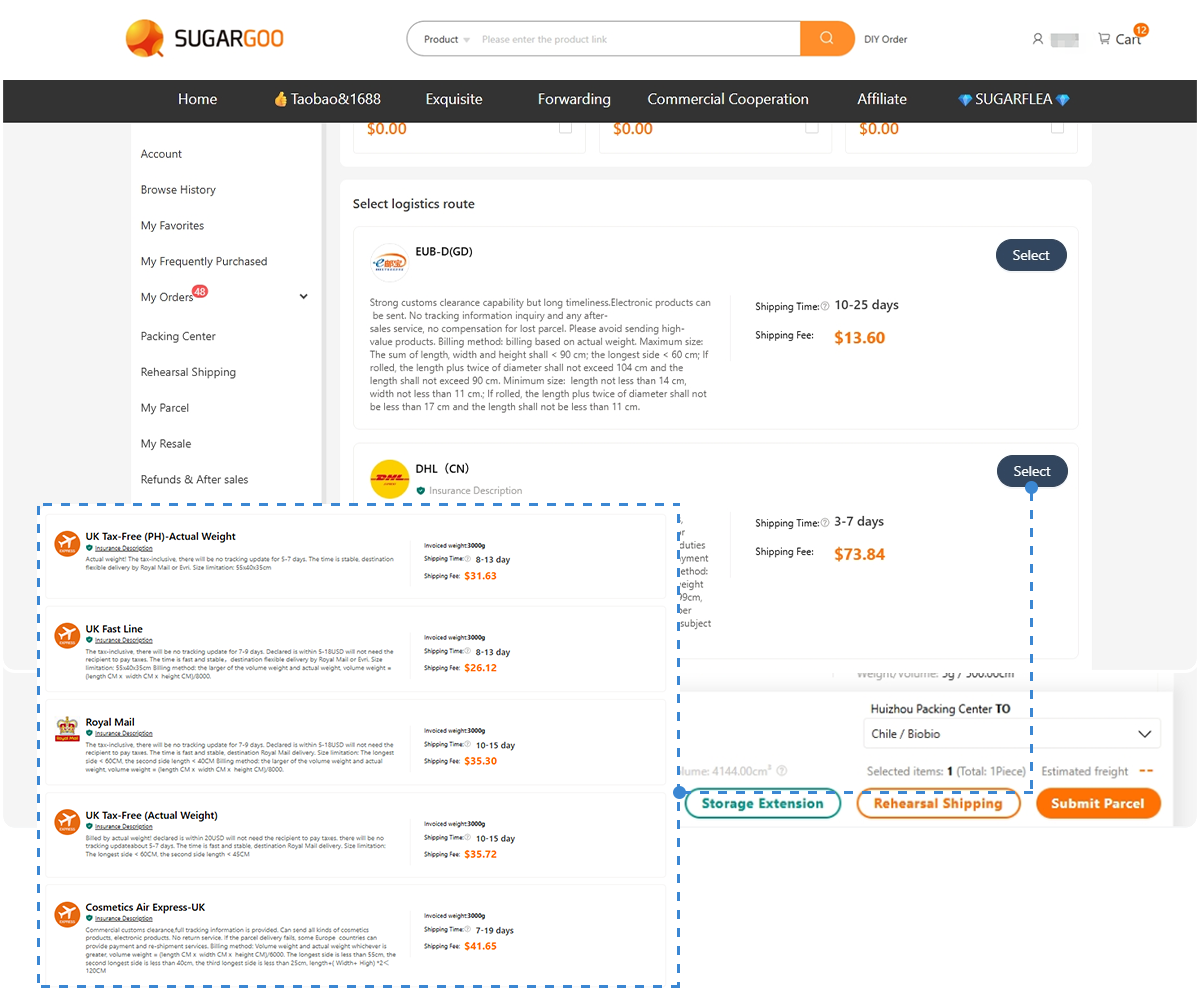
- International shipping and delivery You choose a shipping line based on speed, cost, and destination, and the agent handles the export process.
This workflow is far more forgiving than bulk importing and is ideal for small buyers who want control without complexity.
Where Small Buyers Find Products in China
Taobao
Taobao is one of the most popular sourcing platforms for small buyers.
- Extremely wide product selection
- Very low prices compared to overseas marketplaces
- Ideal for fashion, accessories, home goods, and niche items
The downside is that Taobao is primarily in Chinese and does not support international checkout for most users. This is where a buying agent becomes essential.
1688 (Small Quantity Friendly)
While 1688 is known as a wholesale platform, many suppliers accept small orders.
- Factory-level pricing
- Flexible quantities for certain products
- Better suited for testing than full-scale production
Using a service like Sugargoo allows overseas buyers to place 1688 orders without needing Chinese payment methods or language skills.
Why Buying Agents Matter for Small Buyers
For small buyers, using a buying agent is not a luxury—it’s often the most practical option.
A buying agent like Sugargoo can:
- Translate product listings and seller messages
- Place orders on your behalf
- Handle domestic shipping inside China
- Perform quality checksand provide photos
- Consolidate packages from multiple sellers
- Offer multiple international shipping lines
This setup removes most of the friction small buyers face when importing directly.
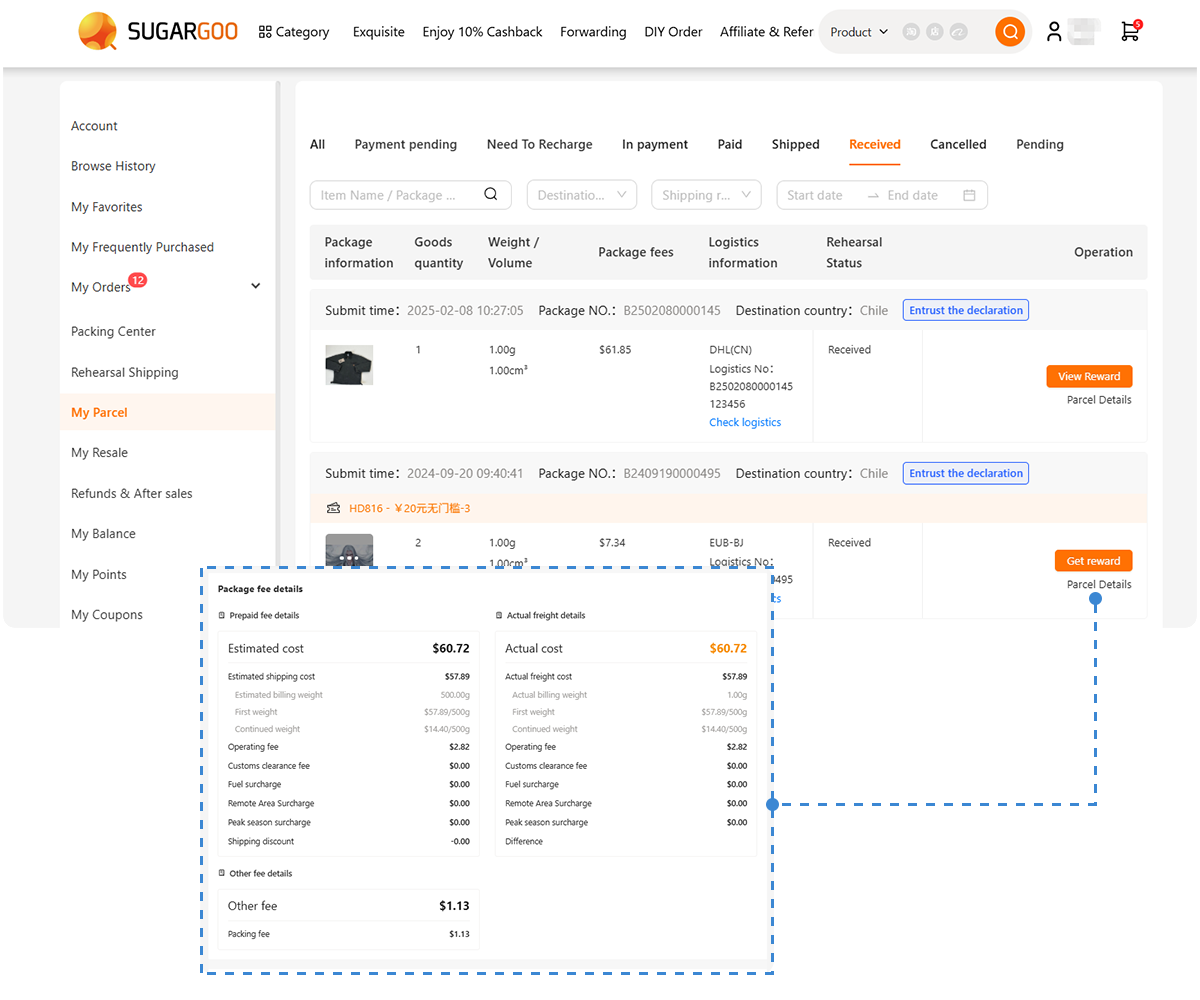
If you want a clearer picture of how agent-assisted purchasing works step by step, this guide explains the full process: How to Buy From China Step by Step
Understanding Costs for Small Imports
For small buyers, costs look very different from bulk orders.
Instead of focusing on factory pricing, small buyers should pay attention to:
- Item price vs shipping cost
- Volumetric weight
- Consolidation efficiency
- Shipping line selection
Buying agents help reduce hidden costs by:
- Repacking items to lower volume
- Combining shipments
- Offering optimized shipping routes
This approach often results in lower total landed cost, even if the per-item price is slightly higher than factory bulk rates.
Common Mistakes First-Time Importers Make
Small buyers often run into trouble by:
- Ordering without checking product photos
- Ignoring size charts or variant details
- Shipping items separately instead of consolidating
- Choosing shipping purely by speed, not cost efficiency
- Assuming returns work like local e-commerce platforms
A buying agent helps prevent these mistakes by acting as an extra layer of verification before items leave China.
How Small Buyers Reduce Risk When Importing
Risk management is more important than price optimization for small imports.
Smart risk-reduction strategies include:
- Starting with small quantities
- Requesting inspection photos
- Confirming variants and colors
- Consolidating shipments
- Using tracked and insured shipping lines
Agents like Sugargoo handle these steps daily, making them especially valuable for buyers who don’t speak Chinese or lack import experience.
When Small Imports Turn into Bulk Orders
Many successful bulk buyers start small.
Once you’ve:
- Tested product quality
- Validated demand
- Confirmed reliable suppliers
- Understood shipping costs
You may be ready to move from small imports to bulk sourcing.
When that happens, your strategy changes—from platform-based buying to factory-level sourcing. If you want to explore that next stage, this in-depth guide explains how bulk importing works and how costs scale: How to Order in Bulk from China: A Complete Guide
Importing from China as a Small Buyer
Importing from China doesn’t have to start with scale. For many small buyers, the smartest move is beginning with limited quantities, learning how the process works, and gradually building confidence through hands-on experience.
By sourcing through domestic Chinese platforms and working with a buying agent, small buyers can avoid most of the friction that makes importing feel intimidating. Translation, payment handling, quality checks, package consolidation, and international shipping can all be managed in one place, allowing you to focus on choosing the right products rather than troubleshooting logistics.
As your needs grow, small imports often become the stepping stone to larger orders and factory-level sourcing.
Until then, starting small remains one of the safest and most flexible ways to import from China. With a platform like Sugargoo supporting purchasing, inspection, consolidation, and shipping—and offering a 800CNY shipping couponfor new users—you can test the process, control risk, and scale only when it truly makes sense.