
When I first tried buying things from China, I didn’t think shipping would be the hardest part. Some sellers didn’t ship internationally. Others offered shipping, but the cost made no sense. And once I ordered from more than one store, I had no idea how everything was supposed to reach me overseas. That was the point where I first came across the idea of using a forwarder in China.
This article explains what a forwarder actually does, based on how the process looks from a beginner’s point of view—not from a logistics manual.
Why Shipping From China Feels Complicated at First
Most Chinese sellers are set up for domestic delivery, not international shipping. That means:
- They may not ship outside China at all
- Shipping options can be limited or overpriced
- Orders from different sellers arrive separately
- There’s no easy way to check items before they’re sent overseas
At first, it feels like everything stops right after payment.
What a Forwarder in China Actually Does
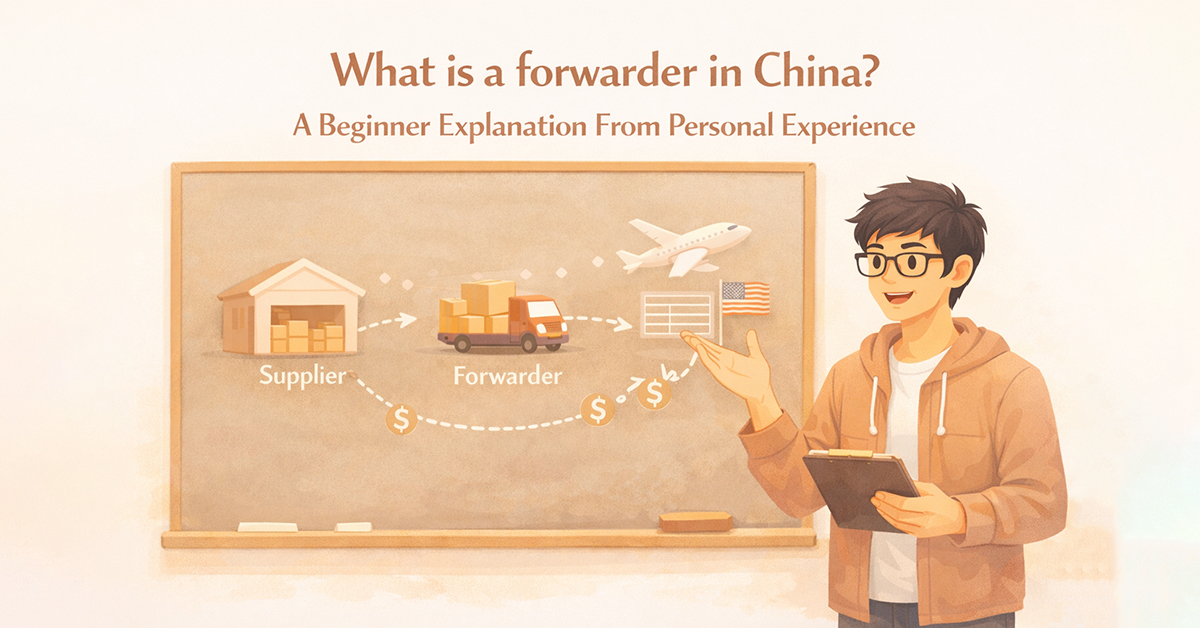
The easiest way I’ve found to explain a forwarder is this: it gives your orders a temporary stop inside China before they’re sent abroad.
When people talk about forwarders, it often sounds more complicated than it really is. For me, it helped to stop thinking about it as a logistics service and think about what actually happens after I place an order.
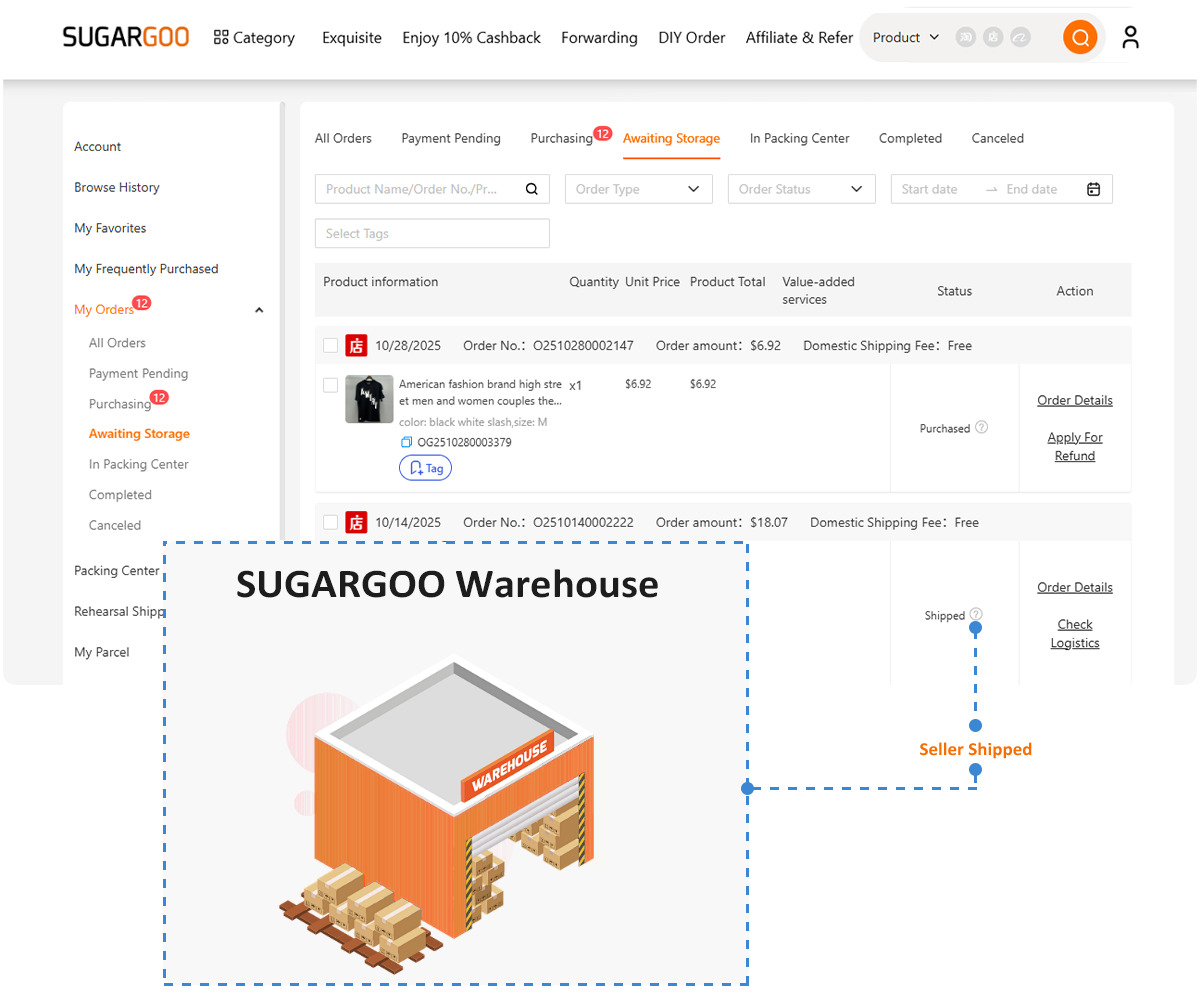
Instead of my packages leaving China right away, they go somewhere first. A local address. A warehouse. Somewhere the seller can ship to without doing anything special. From there, the orders don’t feel rushed anymore.
The forwarder receives the packages, notes that they arrived, and holds onto them for a bit. Nothing fancy. Nothing moving overseas yet. That pause is important. It’s what gives you time to see what showed up, wait for other orders, or decide how you want everything shipped together.
Once you’re ready, that’s when international shipping happens. Until then, the forwarder is basically keeping things organized on your behalf. That middle step—having your orders stop inside China first—is what turns overseas shipping from something stressful into something you can actually manage.
What the Forwarding Process Looks Like in Real Life
Most explanations of forwarding read like instructions. That’s not how it feels when you’re actually using it.
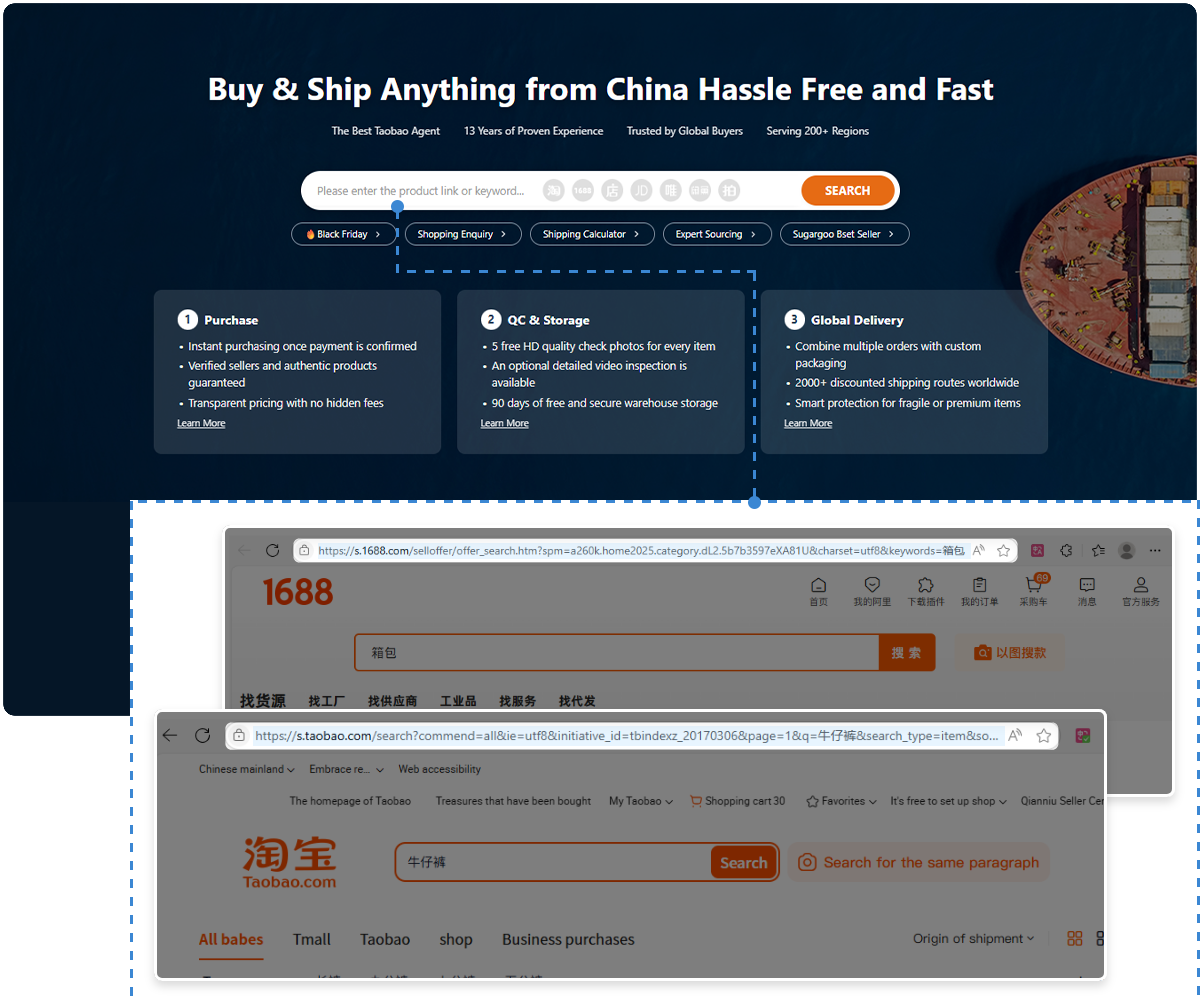
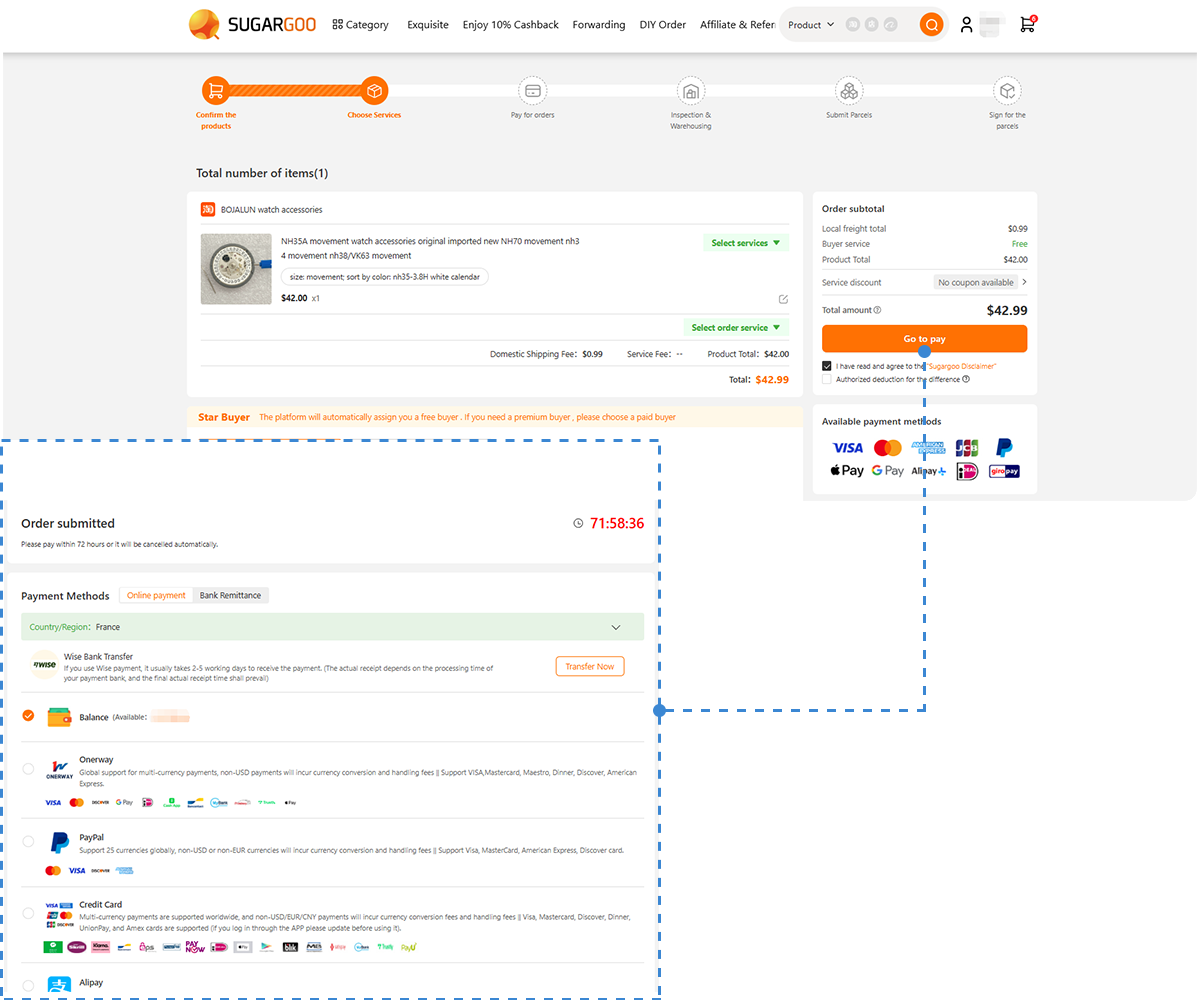
For me, it started with getting an address. Just a regular address in China. I copied it, pasted it at checkout, and that was it. From the seller’s side, nothing was different. They shipped the order like any other domestic package.
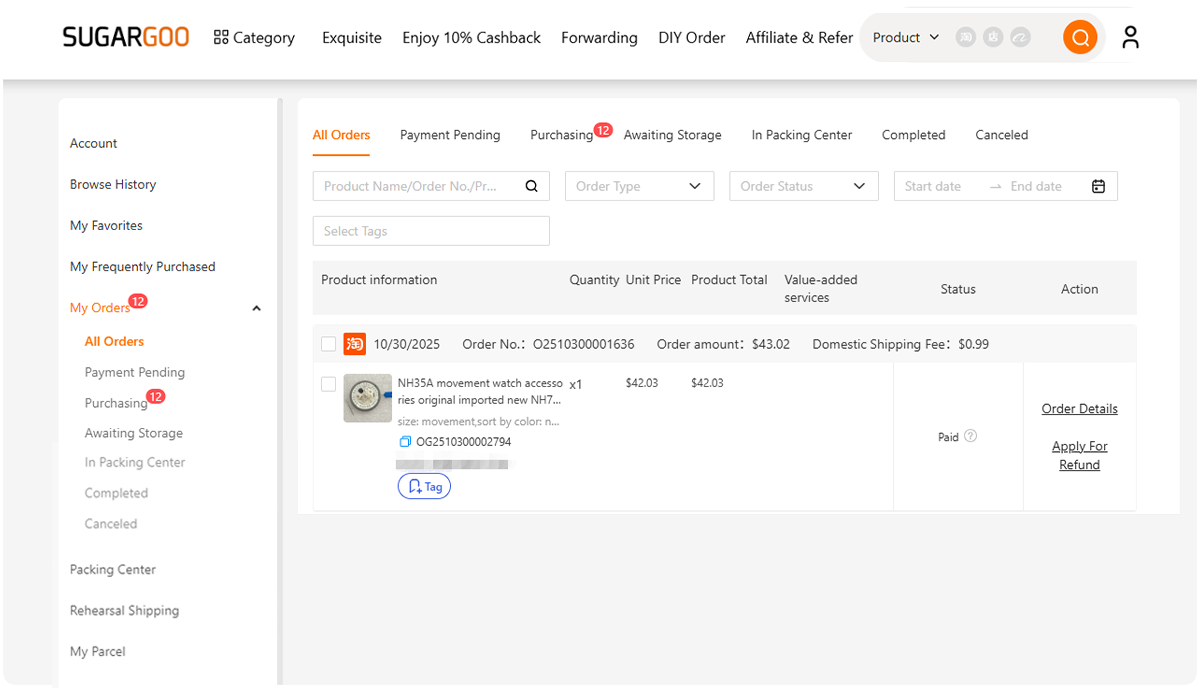
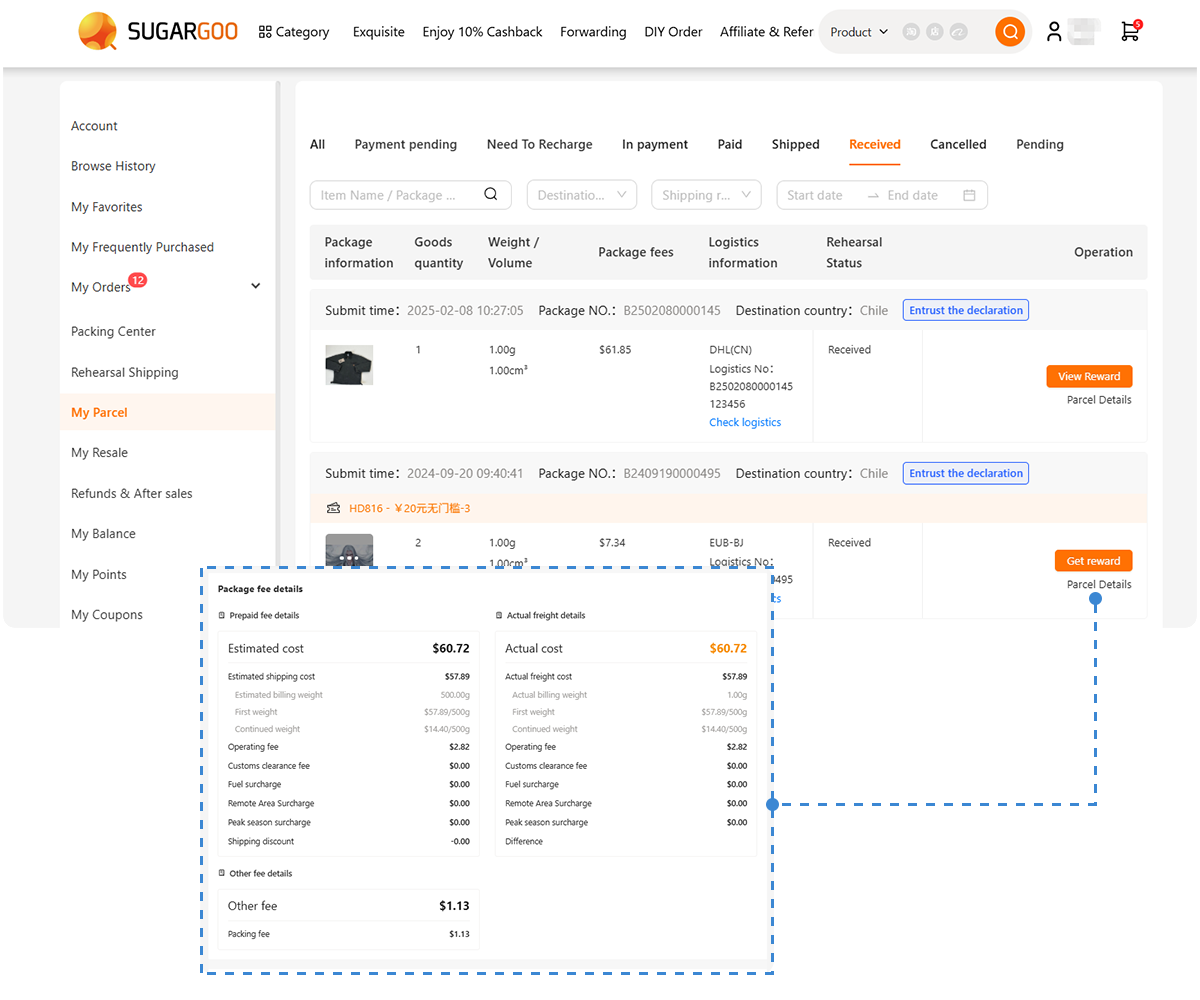
A few days later, things began to appear in my account. One parcel showed up. Then another. Some arrived quickly, some took longer. Being able to see them listed there made the waiting feel less uncertain.
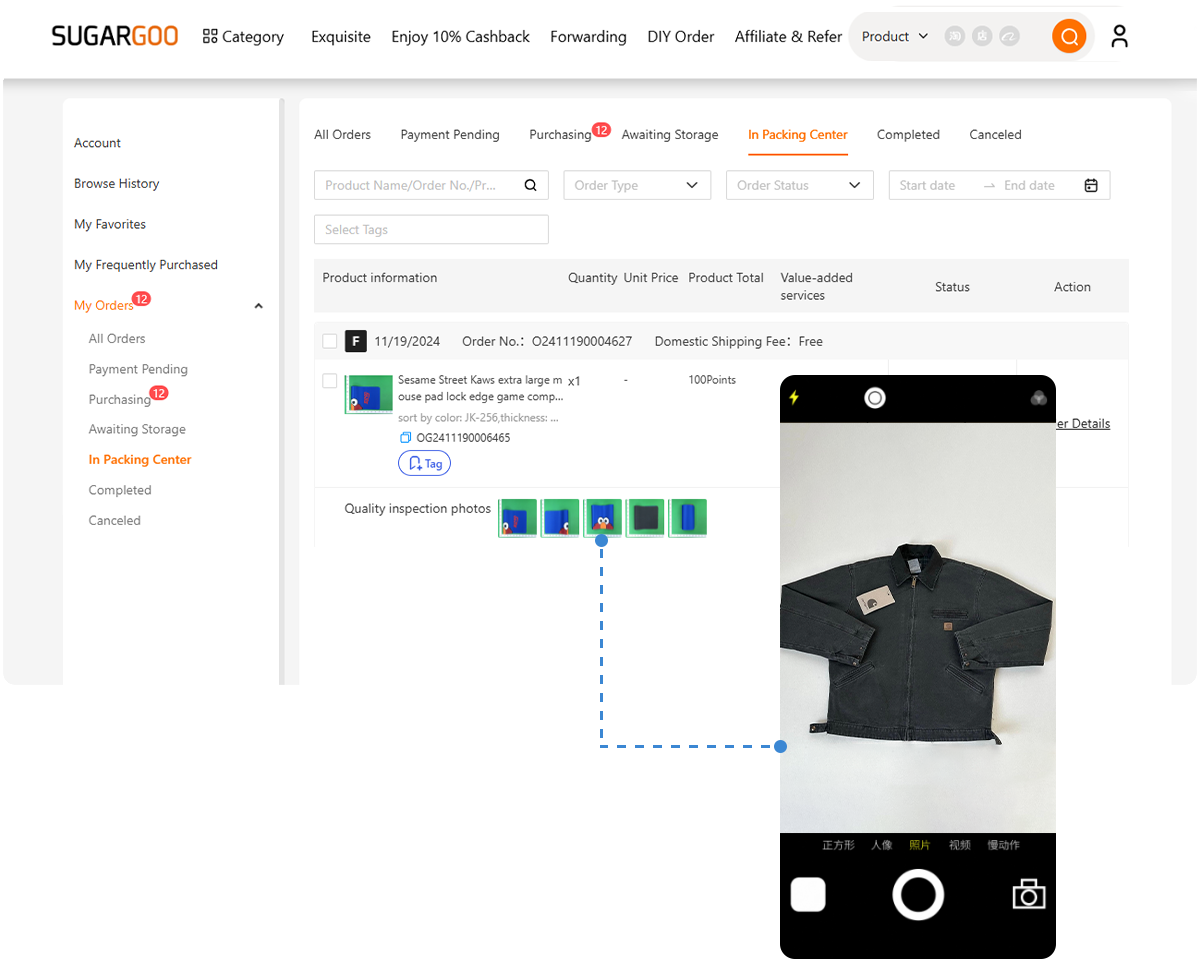
Before anything left China, I asked for photos. Not because I expected problems, but because I wanted to be sure. Seeing the items helped. It confirmed that what I ordered was actually what arrived.
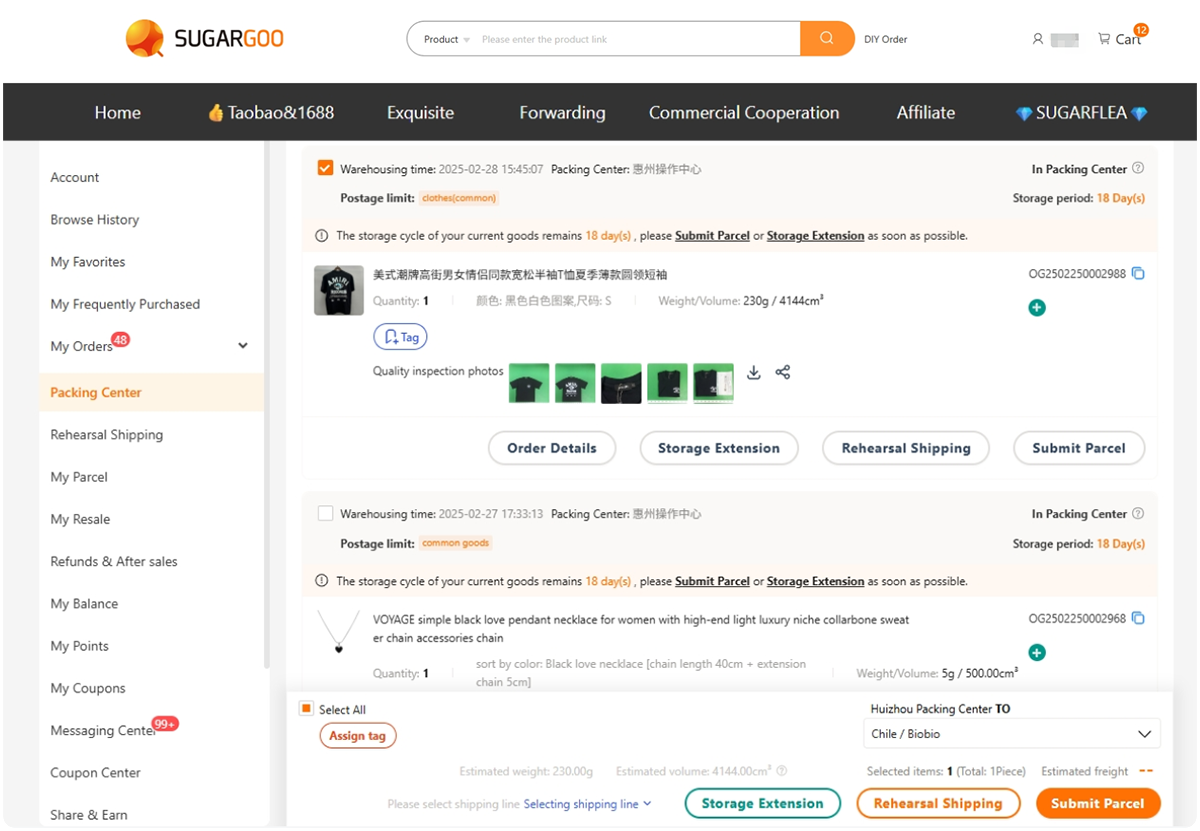
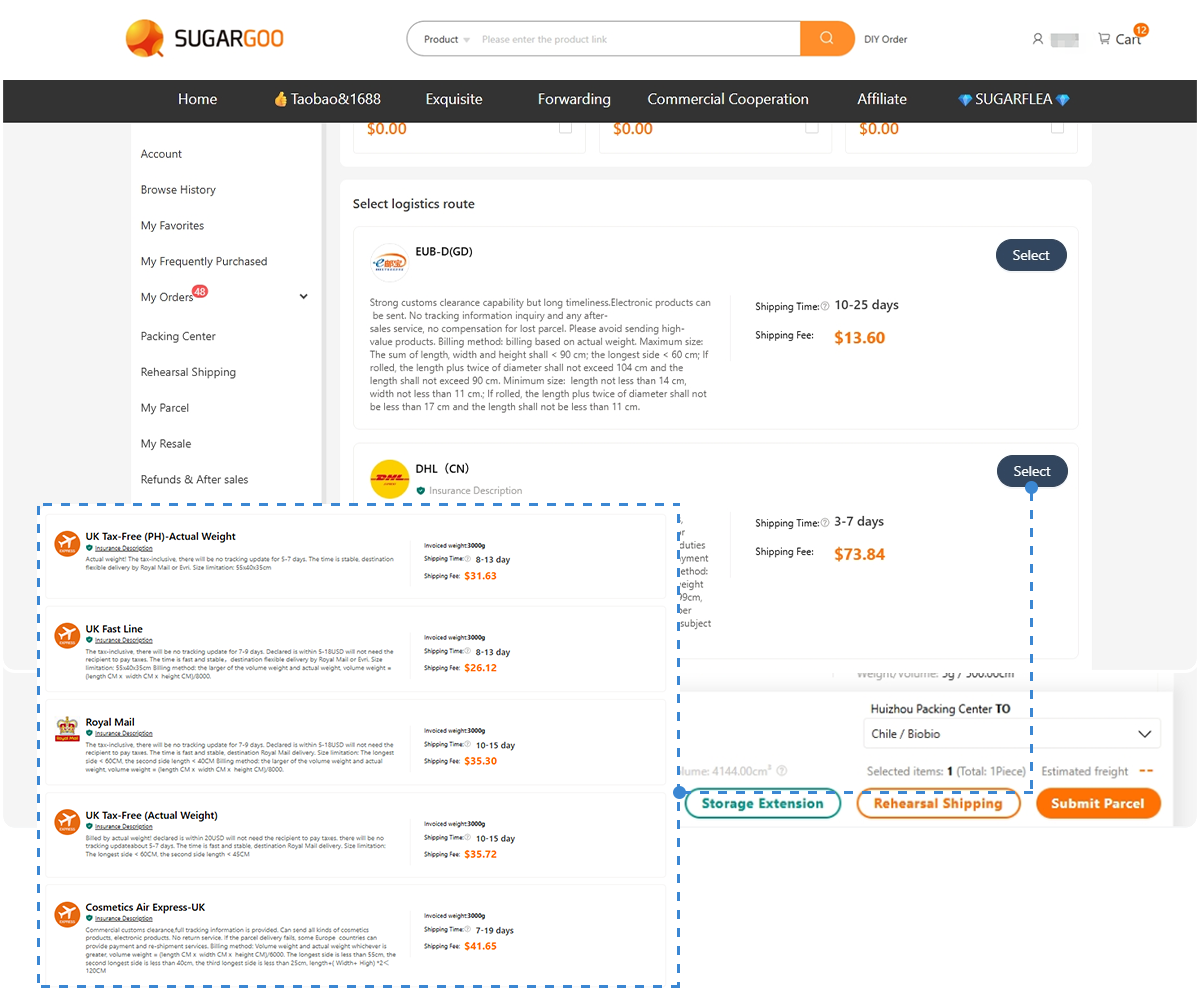
Once everything was there, the packages were grouped together. Extra boxes were removed. Packing was tightened up. Only after that did I choose a shipping line and send everything overseas. Until that moment, nothing felt rushed.
If you prefer to see this process laid out visually, this forwarding guide walks through each stage, from local delivery in China to international shipping: 👉 Sugargoo forwarding guide
Who Forwarding Works Best For
From what I’ve seen, forwarding makes the most sense for:
- First-time buyers ordering from China
- People buying from multiple sellers
- Shoppers trying to manage shipping costs
- Anyone who wants to see their items before international shipping
If you’re not sourcing products in bulk or dealing directly with factories, a forwarding service is usually the simplest option.
Is Using a Forwarder in China Risky?
This was one of my biggest concerns at the beginning. Sending packages to another country always feels risky when you haven’t done it before.
What helped was seeing how the process is tracked. Packages don’t just disappear—they’re logged, updated, and often photographed once they arrive. Being able to see progress inside an account makes the whole experience feel far less uncertain.
Having the option to add insurance also helps, especially for higher-value orders. It doesn’t remove all risk, but it does make the situation feel more controlled.
Final Thoughts: What Really Matters for Beginners
When I think back on my first few orders, speed and price weren’t actually what made the experience better. What mattered more was simply knowing what was going on.
Being able to see when a package arrived, whether it had been checked, and what options I still had before shipping made a big difference. Instead of guessing or waiting blindly, I could follow the process as it moved along. That kind of visibility takes a lot of pressure off, especially when everything feels unfamiliar.
That’s also why services like Sugargoo tend to make sense for beginners. The tools aren’t there to show off features—they’re there so you can see your items, combine orderswhen it makes sense, and choose how and when things ship. Things likeinspections,repacking, storage, shipping routes, and insurance quietly do their job in the background.
After going through the process a couple of times, the anxiety fades. What once felt confusing starts to feel normal. And at that point, ordering from China no longer feels like a challenge—it just feels like another way to shop.