
If you’ve never used a forwarder in China before, this question usually comes up sooner or later:
Can they open my package?
It sounds simple, but behind it are a lot of small worries. Privacy. Missing items. Whether opening a parcel is even allowed. And whether saying “yes” might create more problems than it solves.
The short answer is that package inspection does happen, but not in the way many people imagine. Once you understand how forwarding warehouses actually work, the process feels far less intrusive.
Can a Forwarder in China Open Your Package?
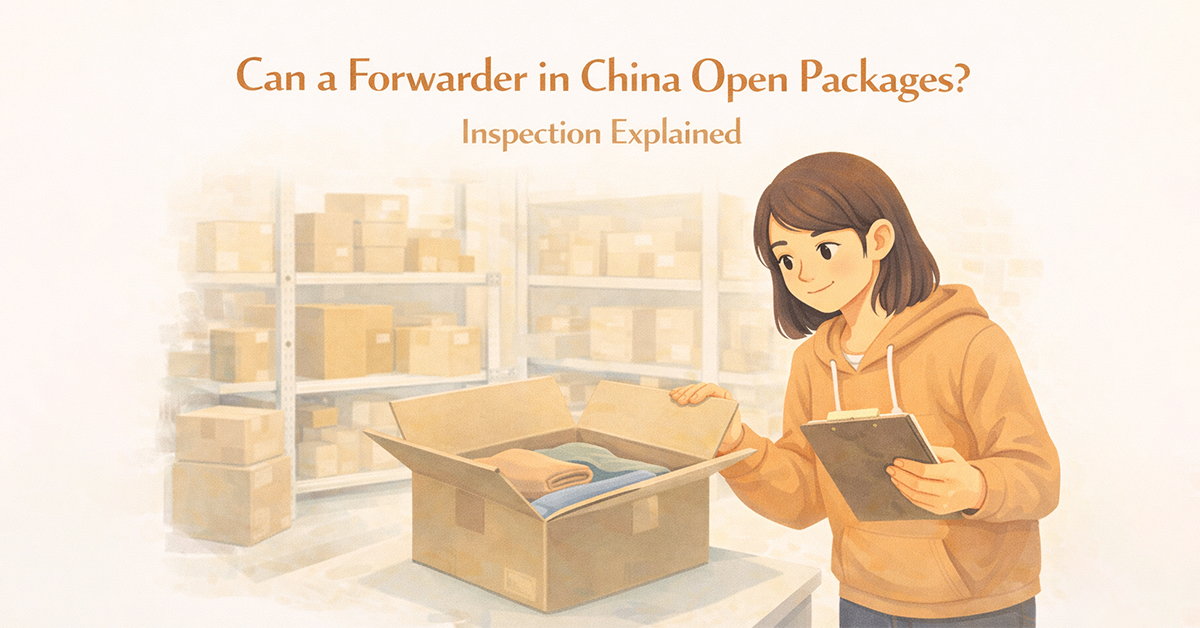
Yes, a forwarder can open packages after they arrive at the warehouse.
That said, opening a package doesn’t mean digging through your items or using them. In most cases, it’s a controlled step in the shipping process, done for very practical reasons.
For platform-based forwarders, inspections are usually part of warehouse operations. For private agents, it depends on how they work and what you agree to in advance.
Why Do Forwarders Inspect Packages at All?
From the outside, inspection may look unnecessary. But inside a warehouse handling thousands of parcels every day, it solves real problems.
One common reason is order verification. Sellers on platforms like Taobao or 1688 sometimes ship the wrong item, or the right item in the wrong version. Catching that before international shipping saves time and money.
Another reason is damage. Domestic shipping inside China is fast, but not always gentle. Boxes get crushed. Outer packaging tears. If no one checks, you may only notice once the package reaches your country.
There’s also the issue of shipping restrictions. Batteries, liquids, powders, and branded items can all trigger logistics or customs issues. Inspection helps identify risks early, before a shipment is delayed or returned.
What “Package Inspection” Usually Looks Like
Many people imagine a full unpacking process. In reality, it’s usually much simpler.
Most inspections involve:
- Opening the outer carton
- Checking what’s inside matches the order
- Looking for visible damage
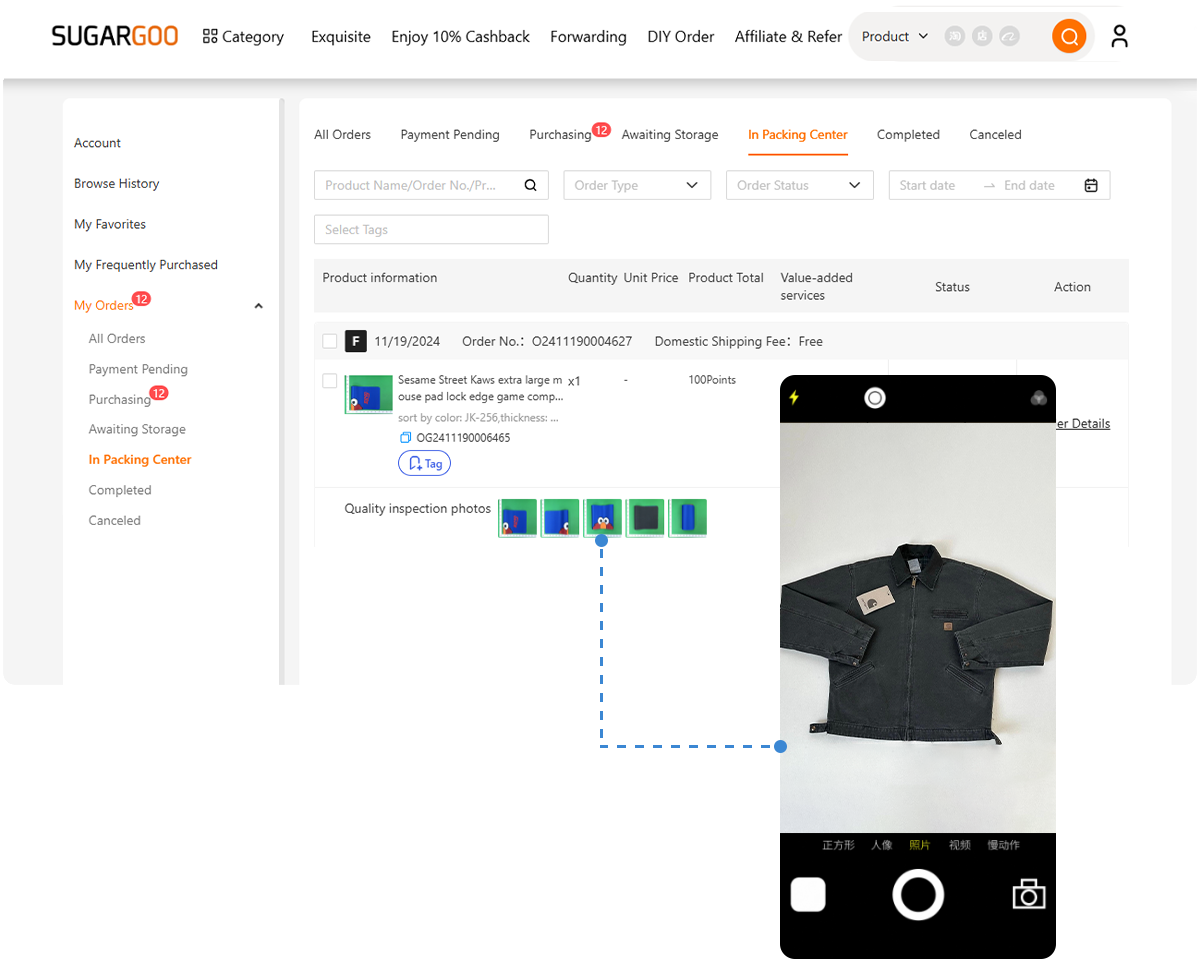
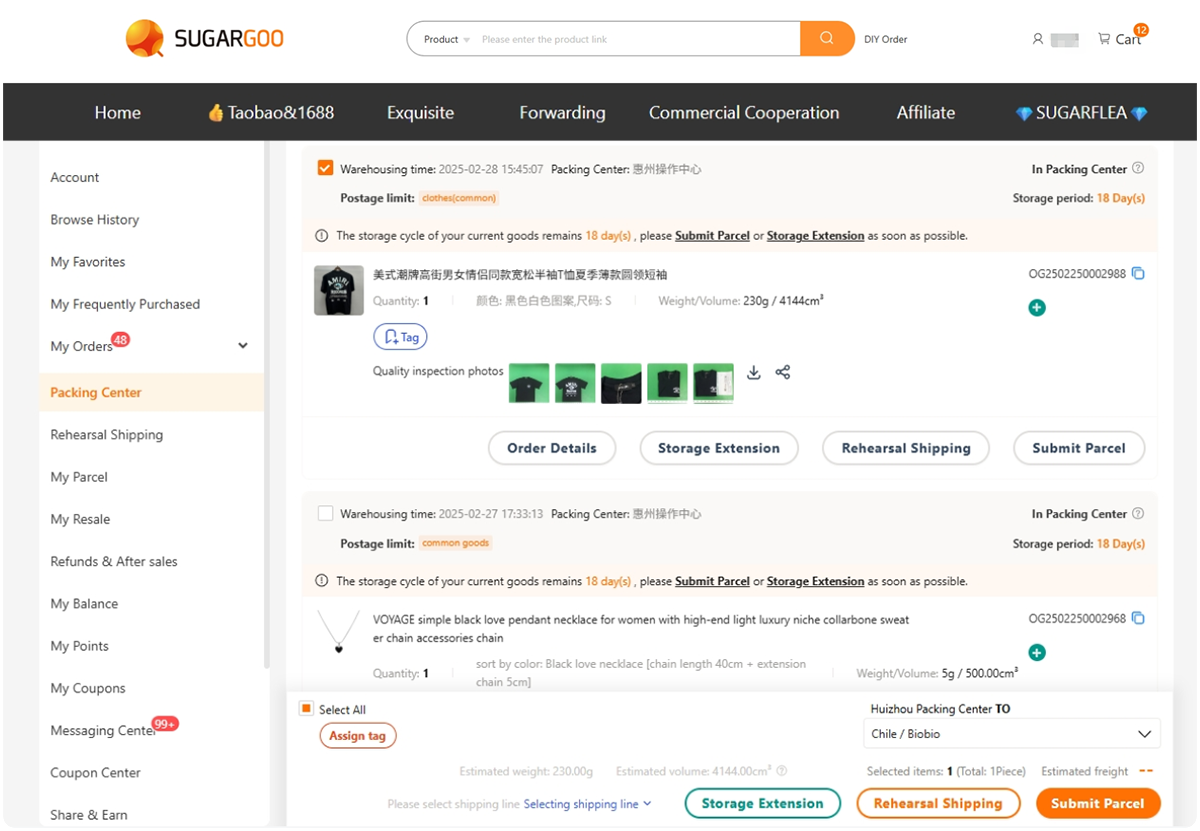
- Taking photos for record or user review
What usually doesn’t happen:
- Testing electronics
- Wearing or using products
- Breaking factory seals without reason
- Separating items unless consolidation is requested
Once the check is done, items are placed back into storage or repacked for international shipping.
When Are Packages More Likely to Be Opened?
Not every parcel is inspected. Some situations make inspection more likely than others.
For example, when you ask for order consolidation, the warehouse has to open packages to combine them. The same applies if you request quality checks or extra packaging.
Packages may also be opened if:
- The weight doesn’t match the shipping label
- The outer box arrives damaged
- The contents are marked as sensitive goods
In these cases, inspection isn’t random. It’s a response to something specific.
What If No One Inspects the Package?
Skipping inspection sounds safer on paper, but it comes with trade-offs.
If a wrong item is shipped, you may not find out until it arrives overseas. If something breaks during domestic delivery, returning it becomes much harder. And if restricted items are hidden inside a sealed box, the whole shipment can be affected.
For many buyers, inspection reduces uncertainty rather than creating it.
Is Package Inspection a Privacy Issue?
That depends on who handles your shipment.
Established forwarding platforms usually follow set procedures. Inspections are limited in scope, done by warehouse staff, and recorded with photos. Access to packages is controlled, and actions are logged.
With informal or individual agents, standards can vary. Some are careful. Others are less structured. That’s where most privacy concerns come from.
Knowing how inspection is done matters more than the fact that it happens.
Do Buyers Have Any Control Over Inspection?
In many cases, yes.
Some forwarders let users:
- Choose whether inspection is performed
- Request photo-only checks
- Limit inspection to outer packaging
- Skip inspection for sealed products
Clear communication helps. A forwarder that explains inspection rules upfront is usually easier to work with.
Platform Forwarders vs Individual Agents
There’s a noticeable difference between warehouse-based platforms and one-person forwarding agents.
Platforms tend to rely on standardized processes. Inspection steps are repeatable, documented, and easier to review later. That structure reduces misunderstandings.
Individual agents may offer flexibility, but practices depend heavily on personal habits rather than systems.
A Practical Way to Look at Package Inspection
If you’re shipping internationally, inspection is rarely about curiosity. It’s about preventing small issues from turning into expensive ones.
Understanding when and why packages are opened makes the process feel less uncomfortable — especially when the rules are clear and predictable.
Forwarding Services with Optional Inspection
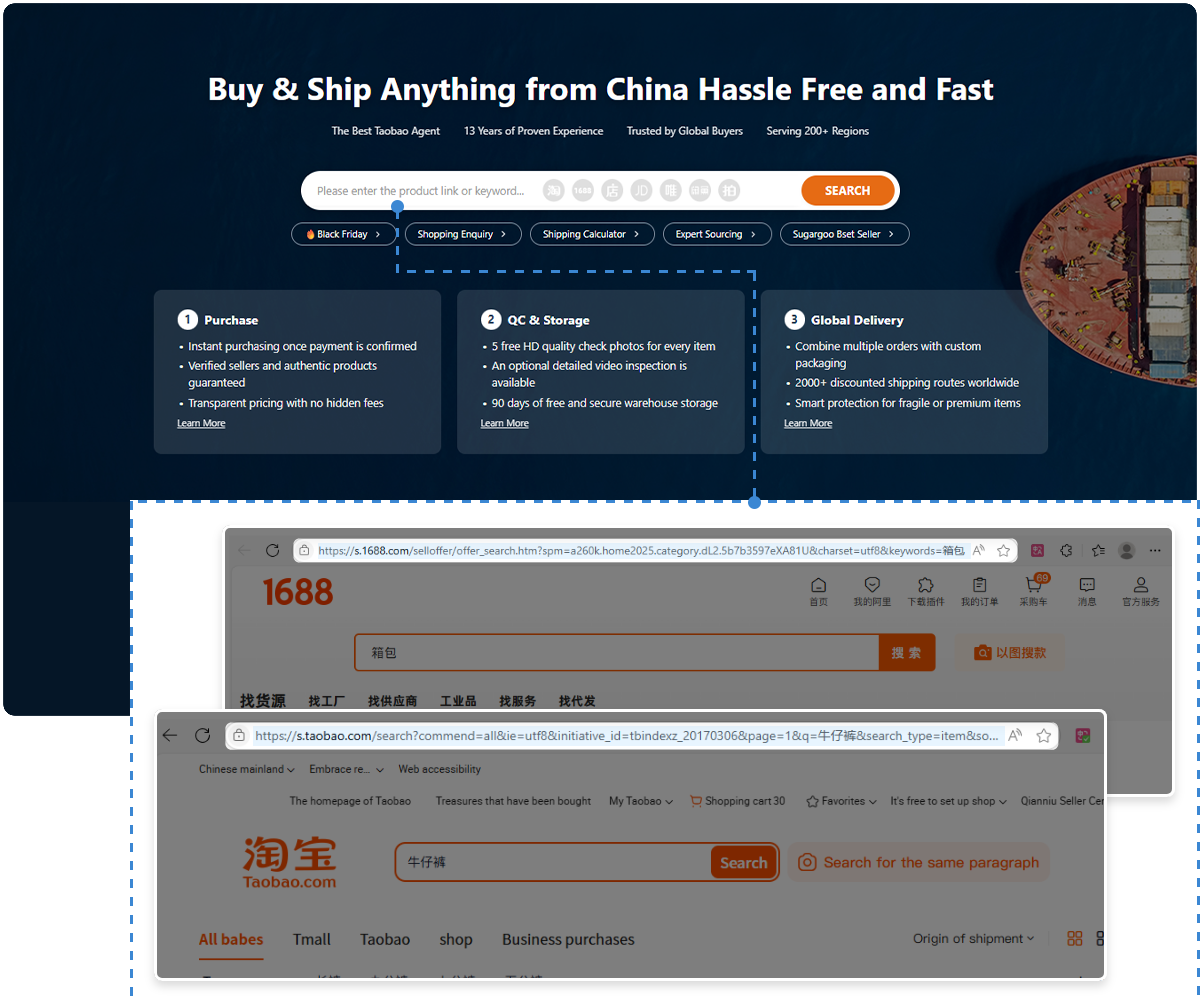
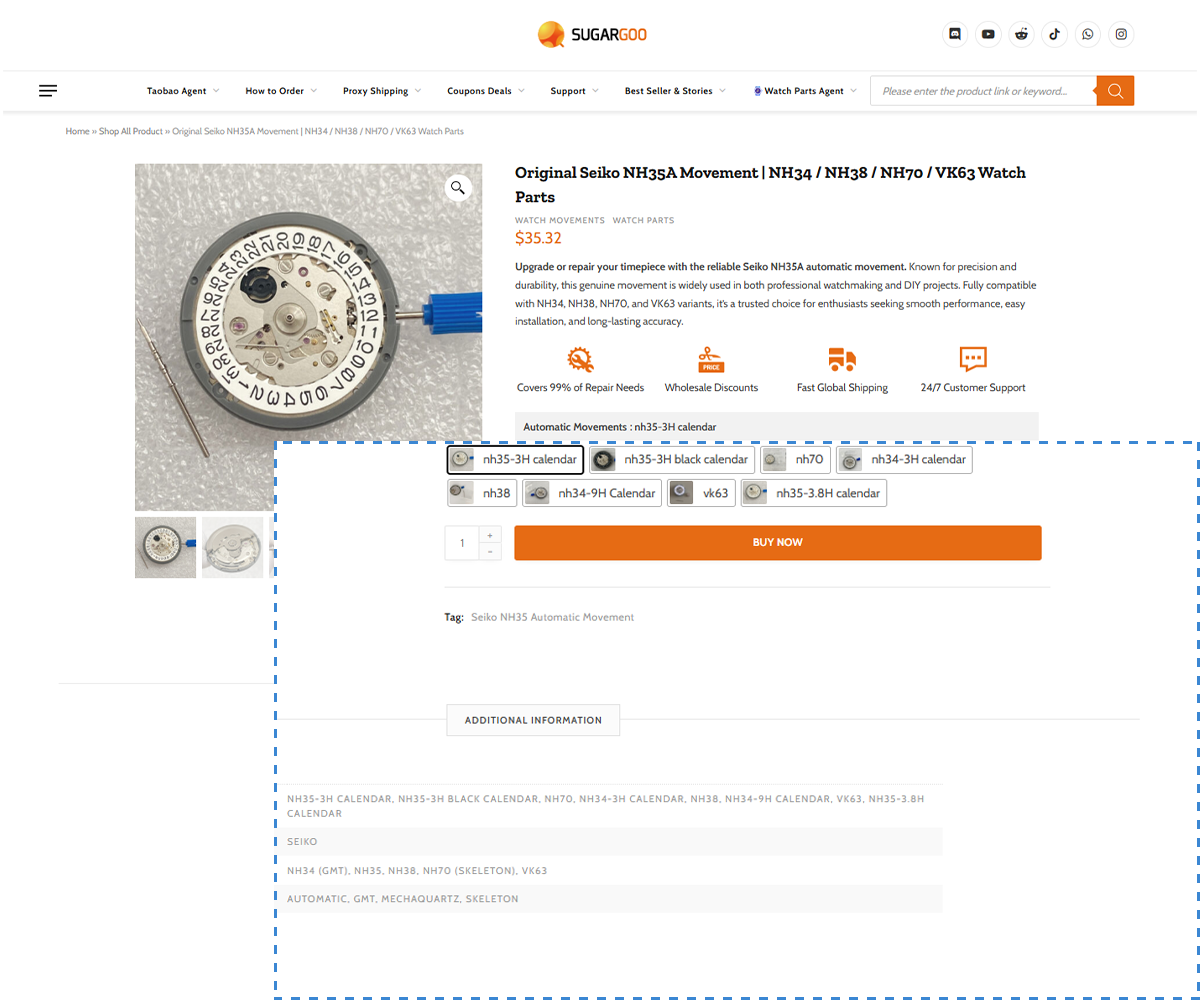
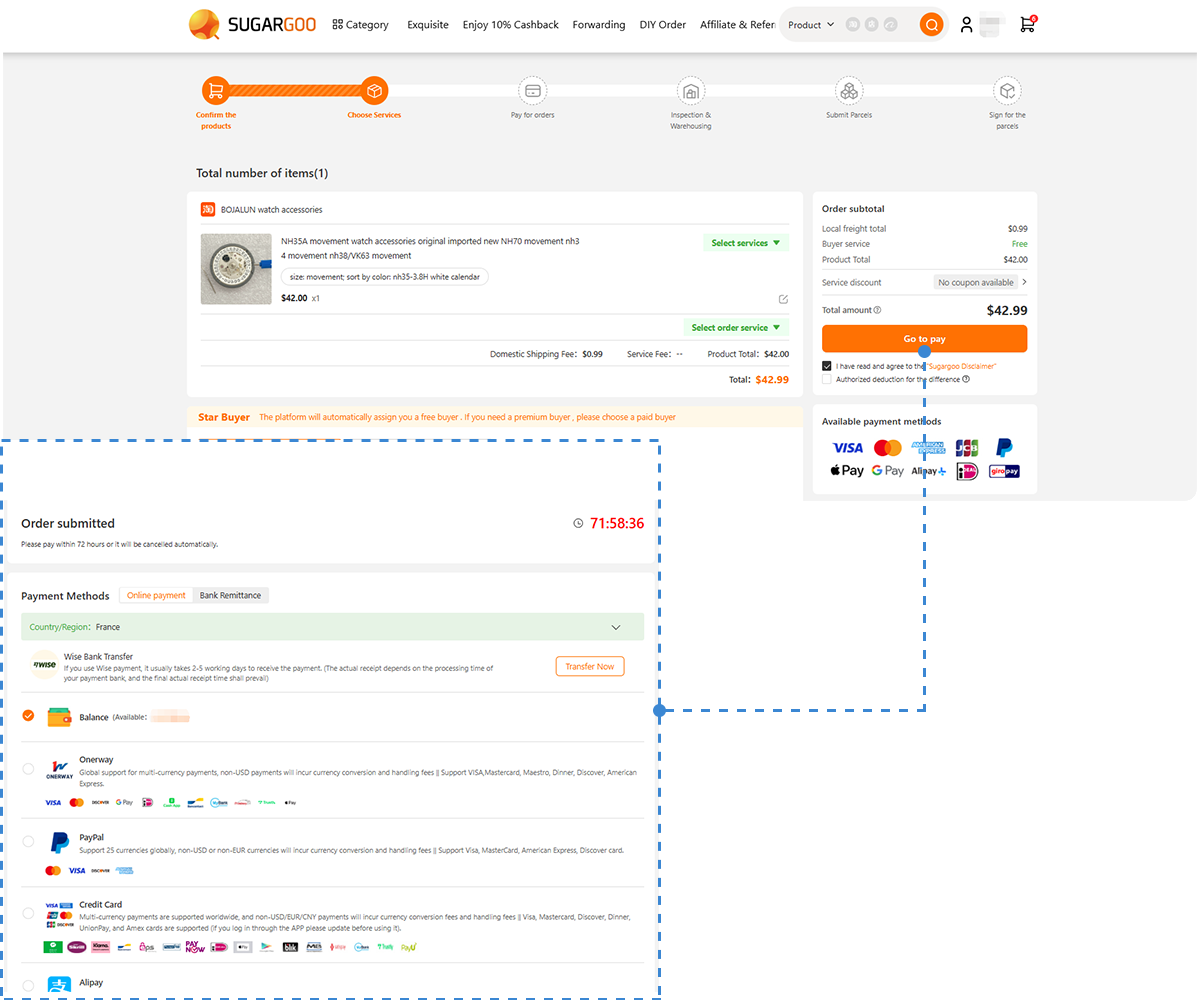
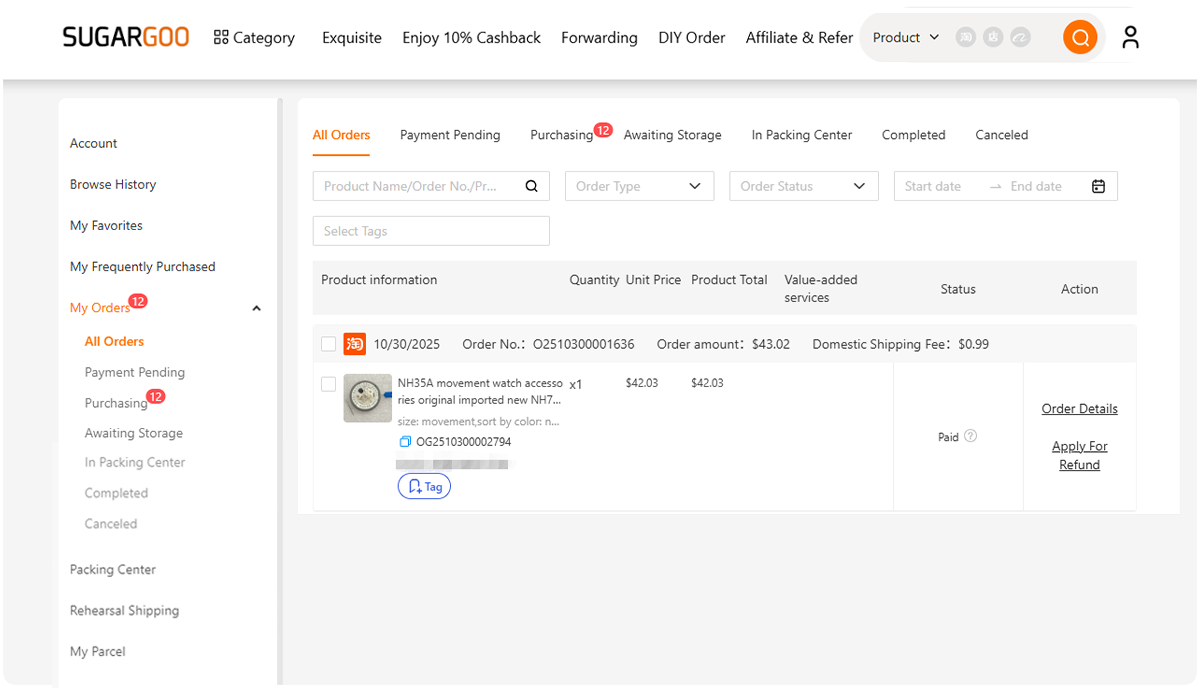
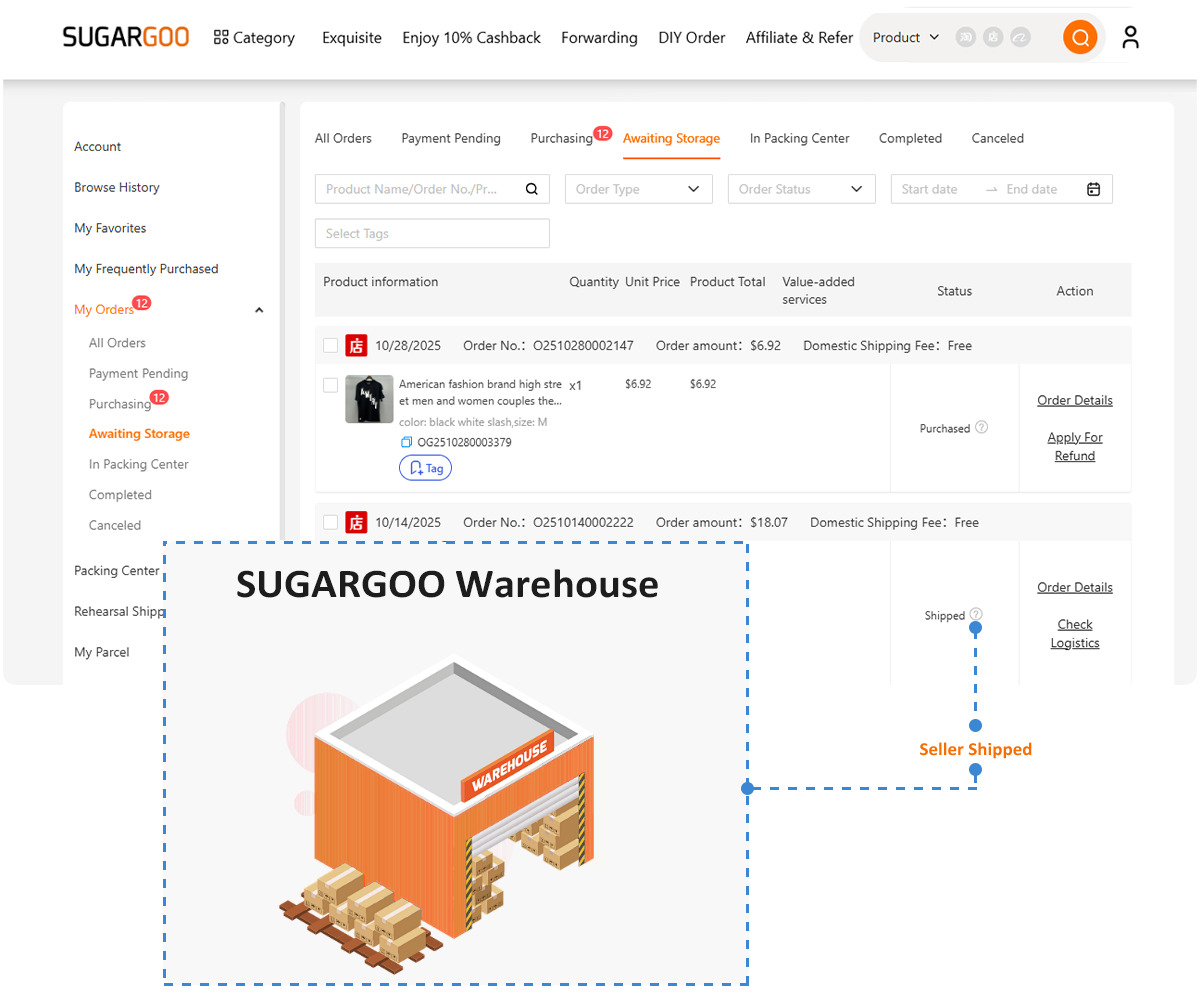
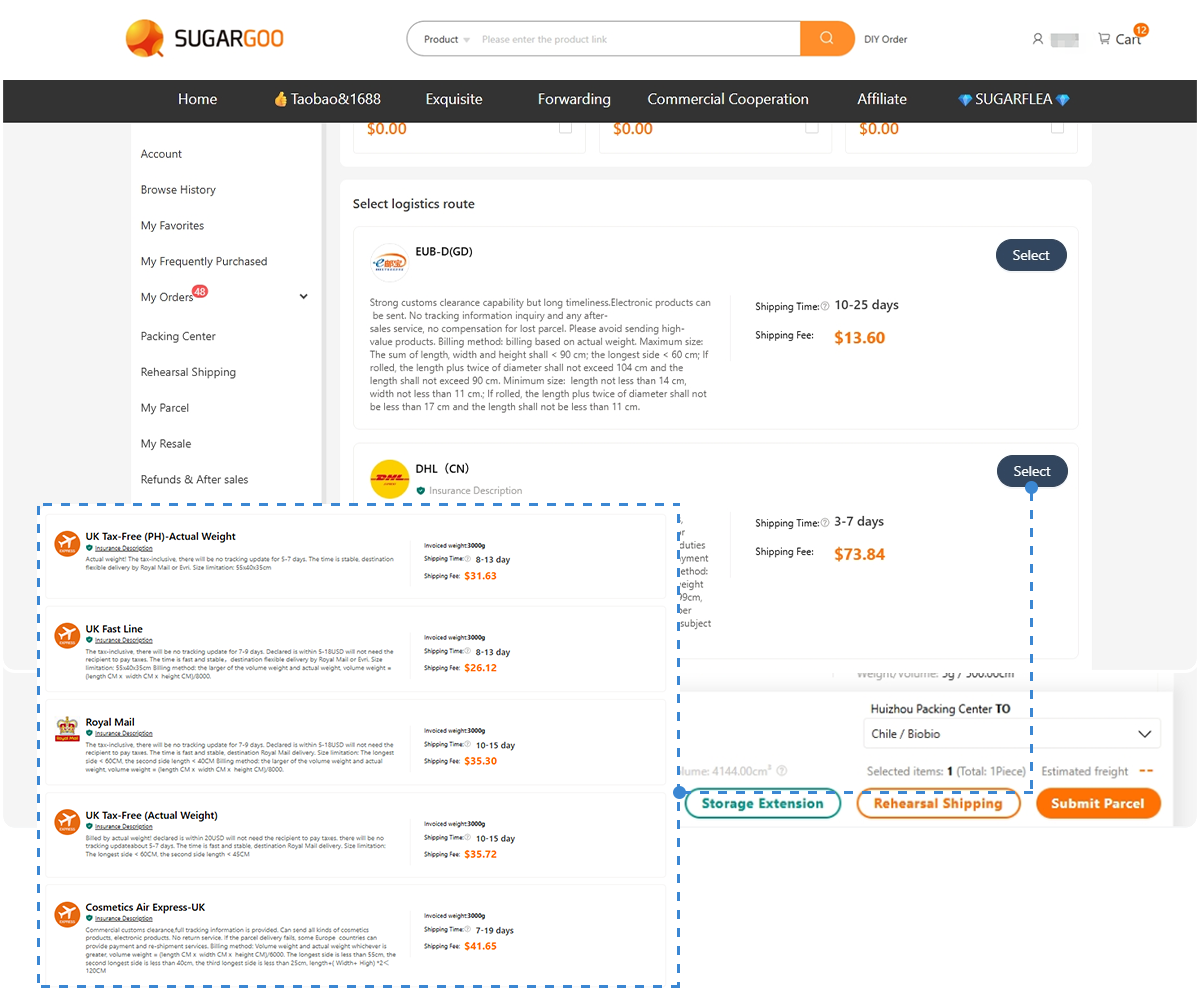
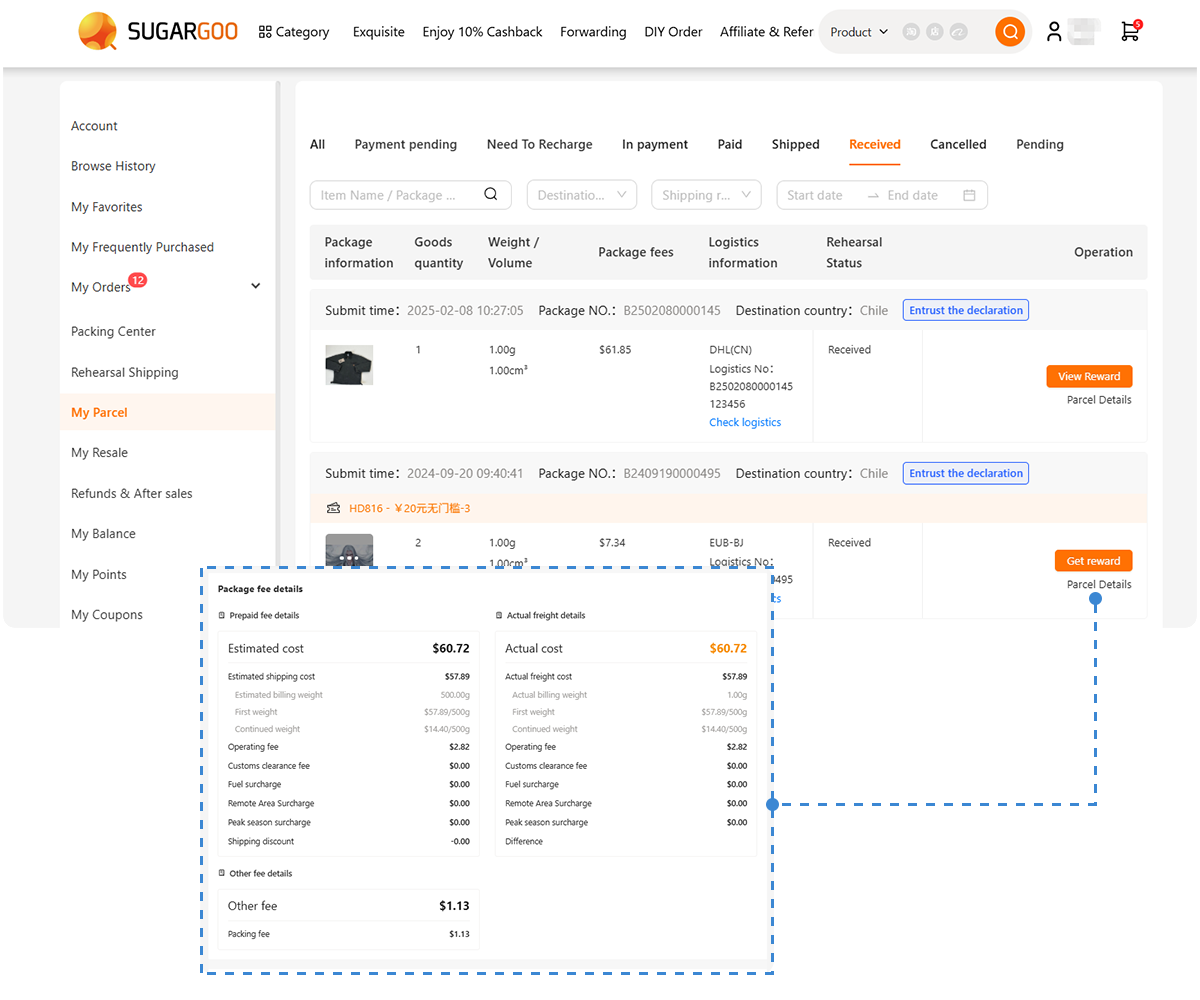
Forwarding platforms like Sugargoo offer optional package inspection, photo confirmation, order consolidation, and reinforced packaging before international shipping. Users can see what arrives at the warehouse and decide how much checking is needed before shipping overseas.
For buyers who want fewer surprises after delivery, having that level of visibility often makes the process smoother.