
If you’ve ever tried buying clothes from Chinese websites like Taobao, you might recognize this problem — everything looks great… until you reach the sizing section.
At first, it seems easy enough. S, M, L, maybe XL — pretty standard, right? That’s exactly what I thought when I ordered a hoodie for the first time.
But once it arrived and I put it on, it felt much smaller than expected, especially around the shoulders.
That’s when I understood something important: Chinese sizing works differently from US or European systems. And beyond the size labels, the terms used to describe fit and sizing play a big role too.
This guide breaks down the most common Chinese clothing size terms and what they actually mean in plain English — the kind of explanations I wish I had before wasting money on the wrong sizes.
Why Chinese Clothing Sizes Can Be Confusing
Sizing isn’t really consistent across different sellers in China. Each brand tends to follow its own measurements, and it’s pretty common to see S/M/L listed alongside detailed charts in centimeters.
It also doesn’t help that product descriptions are filled with Chinese terms that don’t always translate well. Even with auto-translate, words like “宽松版” or “偏小” can be confusing if you don’t already know what they imply.
Another thing that tripped me up at first is that most of these charts are based on the clothing itself, not your body.
So when you see something like “胸围 100cm,” it’s describing the shirt’s size — not the exact body measurement it’s designed for.
Basic Chinese Size Terms Explained
Let’s start with the most common ones you’ll see on almost every listing.
S / M / L / XL / XXL These exist in Chinese clothing too, but here’s the catch — they usually run smaller. A Chinese “M” often feels closer to a US “S”.
小码 (xiǎo mǎ) Literally “small size.” Sometimes used instead of “S,” but it can also mean the item runs small overall.
大码 (dà mǎ) “Large size” or plus-size. In some stores, this refers to extended sizing rather than just “L”.
均码 (jūn mǎ) This one confused me the most at first. It means “one size.” In reality, it usually fits somewhere between a US XS–M, depending on the item.
A loose sweater labeled “均码” might work for multiple body types, but a fitted top probably won’t.
Body Measurement Terms You Need to Know
This is where things start to make more sense — if you understand these terms, you can actually read a Chinese size chart properly.
胸围 (xiōng wéi) — Bust Measurement around the fullest part of the chest.
腰围 (yāo wéi) — Waist The waist area, usually the narrowest part of your torso.
臀围 (tún wéi) — Hips Measured around the widest part of your hips.
肩宽 (jiān kuān) — Shoulder Width Distance from one shoulder to the other.
衣长 (yī cháng) — Clothing Length How long the garment is from top to bottom.
袖长 (xiù cháng) — Sleeve Length Length of the sleeves.
One thing I learned the hard way: don’t skip these just because they look technical. These numbers are far more reliable than S/M/L labels.
Fit and Style Terms (These Matter More Than You Think)
Two items can have the exact same measurements but fit completely differently depending on the cut.
These are some of the most common fit-related terms:
修身 (xiū shēn) — Slim Fit Designed to sit close to the body. If you’re between sizes, this can feel tight.
宽松 (kuān sōng) — Loose Fit Relaxed and roomy. But not always oversized — sometimes just slightly looser than standard.
合身 (hé shēn) — Regular Fit A more balanced, everyday fit.
直筒 (zhí tǒng) — Straight Cut Common in pants. No tapering — straight down from hip to ankle.
高腰 (gāo yāo) — High Waist Waistline sits higher than usual.
One mistake I used to make was assuming “宽松” meant “safe to size down.” That’s not always true — sometimes it’s just a design choice, not extra room.
Common Size Descriptions You Shouldn’t Ignore
These short phrases often appear in product descriptions or size notes, and they can completely change how you choose your size.
偏小 — Runs Small If you see this, consider sizing up.
偏大 — Runs Large You might want to size down.
正常码 — True to Size Closer to what you’d expect, but still not identical to US sizing.
有弹性 — Stretchy The fabric has flexibility, which can make sizing more forgiving.
无弹性 — No Stretch What you see in the size chart is what you get — no extra give.
Personally, I pay more attention to these notes than the size label itself. They often tell you what the chart doesn’t.
Understanding Units: cm vs Inches
Almost all Chinese clothing measurements use centimeters (cm).
If you’re used to inches, this can be confusing at first. But after a few conversions, you get used to it.
Here’s the important part though — the measurements listed are usually taken with the clothing laid flat.
That means:
- Bust = width × 2 (sometimes)
- There may be slight variation (1–3 cm is normal)
So instead of trying to convert everything perfectly, it’s often easier to measure a piece of clothing you already own and compare directly.
How I Actually Choose the Right Size Now
After a few bad purchases, I changed how I shop. This is what works for me now:
- I measure my own clothes, not just my body I take a shirt that fits well and check its bust, length, and shoulder width.
- I compare with the size chart Not the S/M/L — the actual numbers.
- I read reviews (especially photo reviews) If multiple people say “runs small,” I don’t ignore that.
- I leave room for error Sizing isn’t always precise, so I avoid anything that’s right on the edge.
This approach isn’t perfect, but it’s way more reliable than guessing.
A Small Trick That Made Things Easier
At some point, I got tired of manually translating everything and second-guessing size charts.
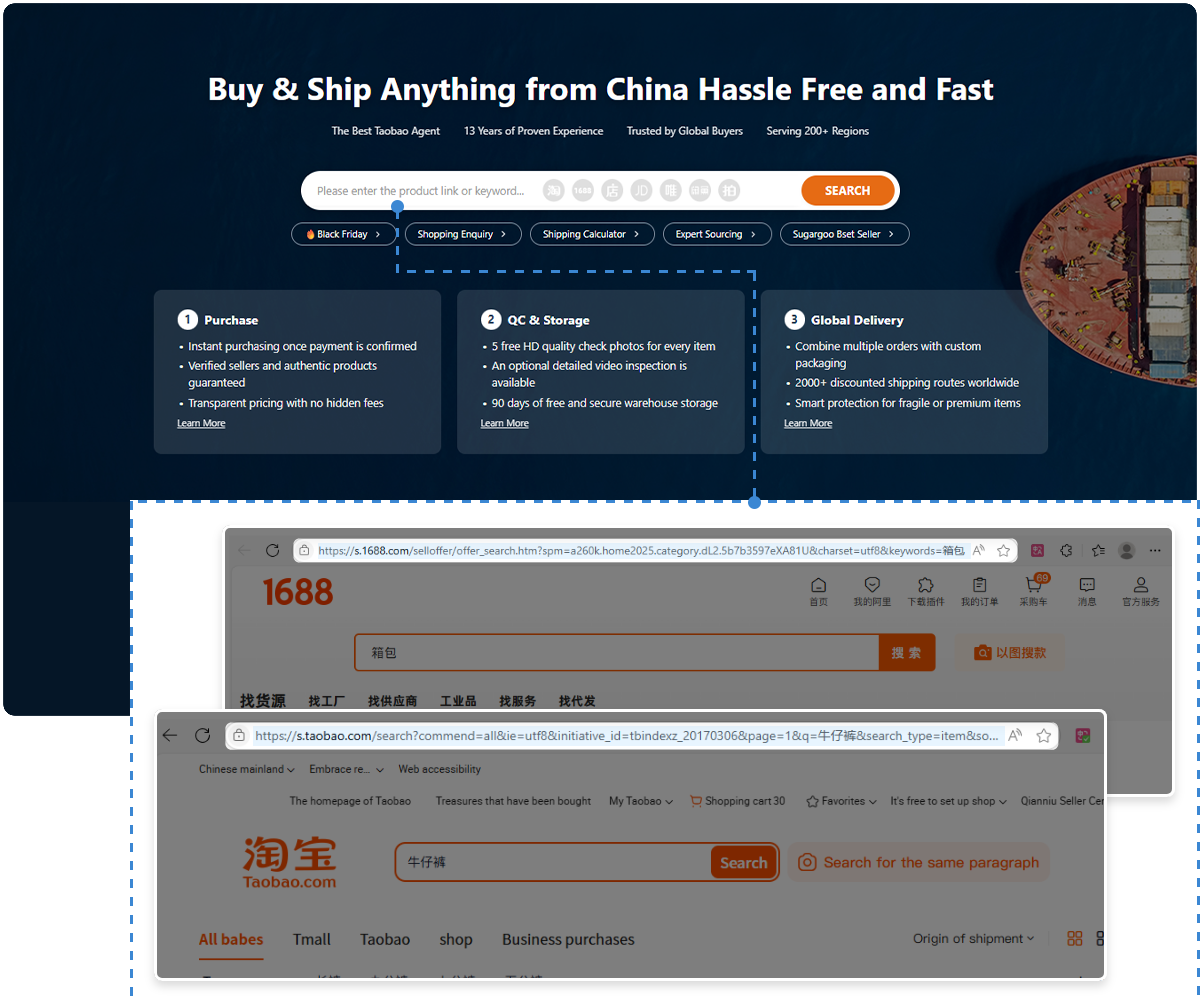
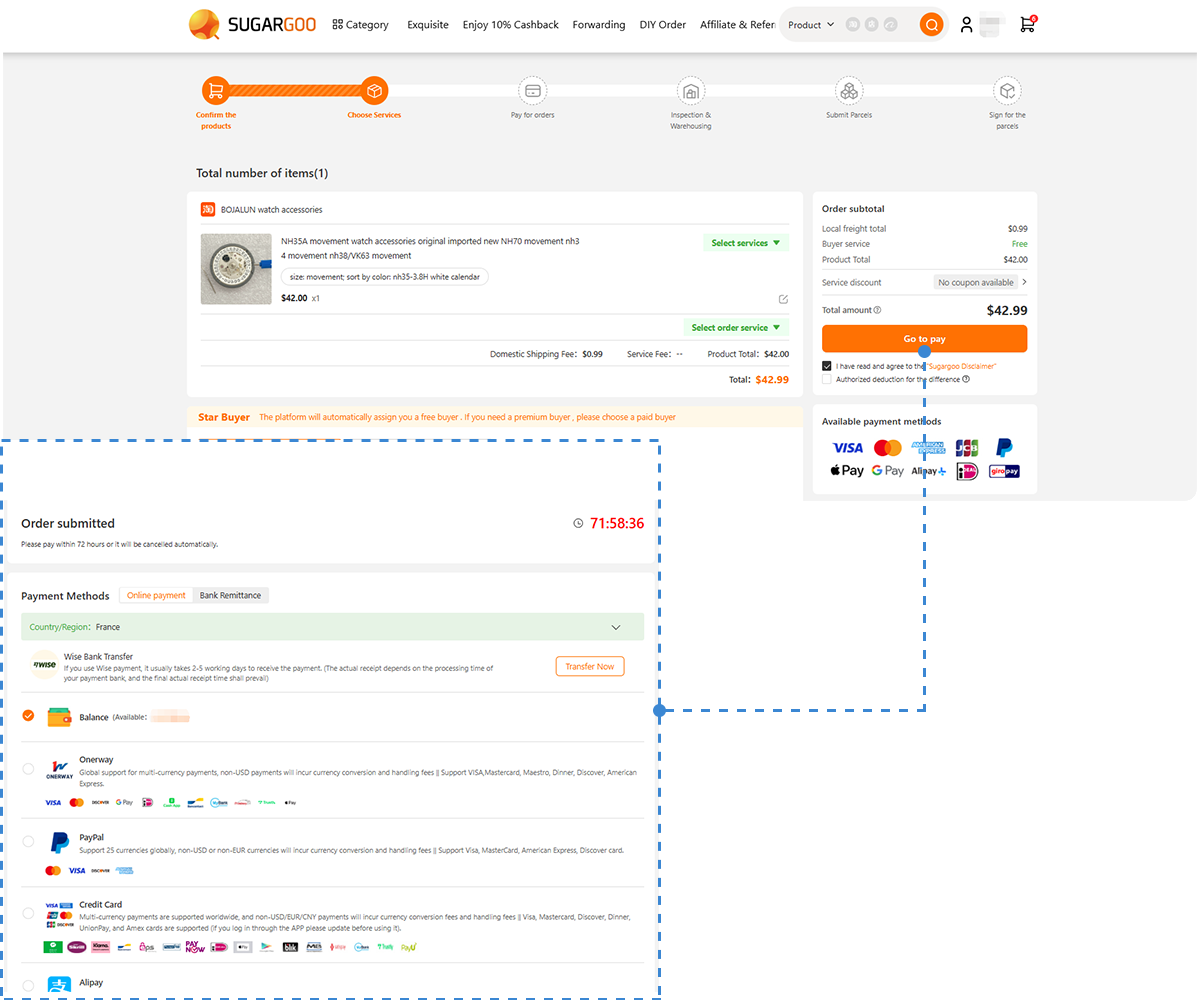
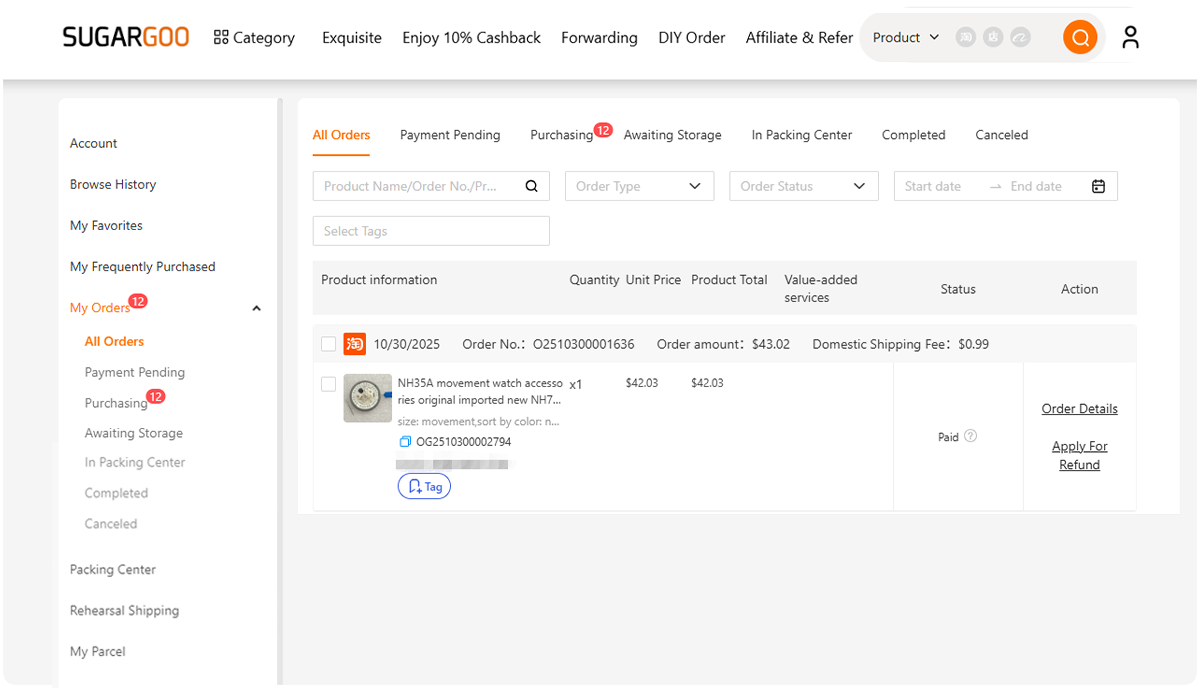
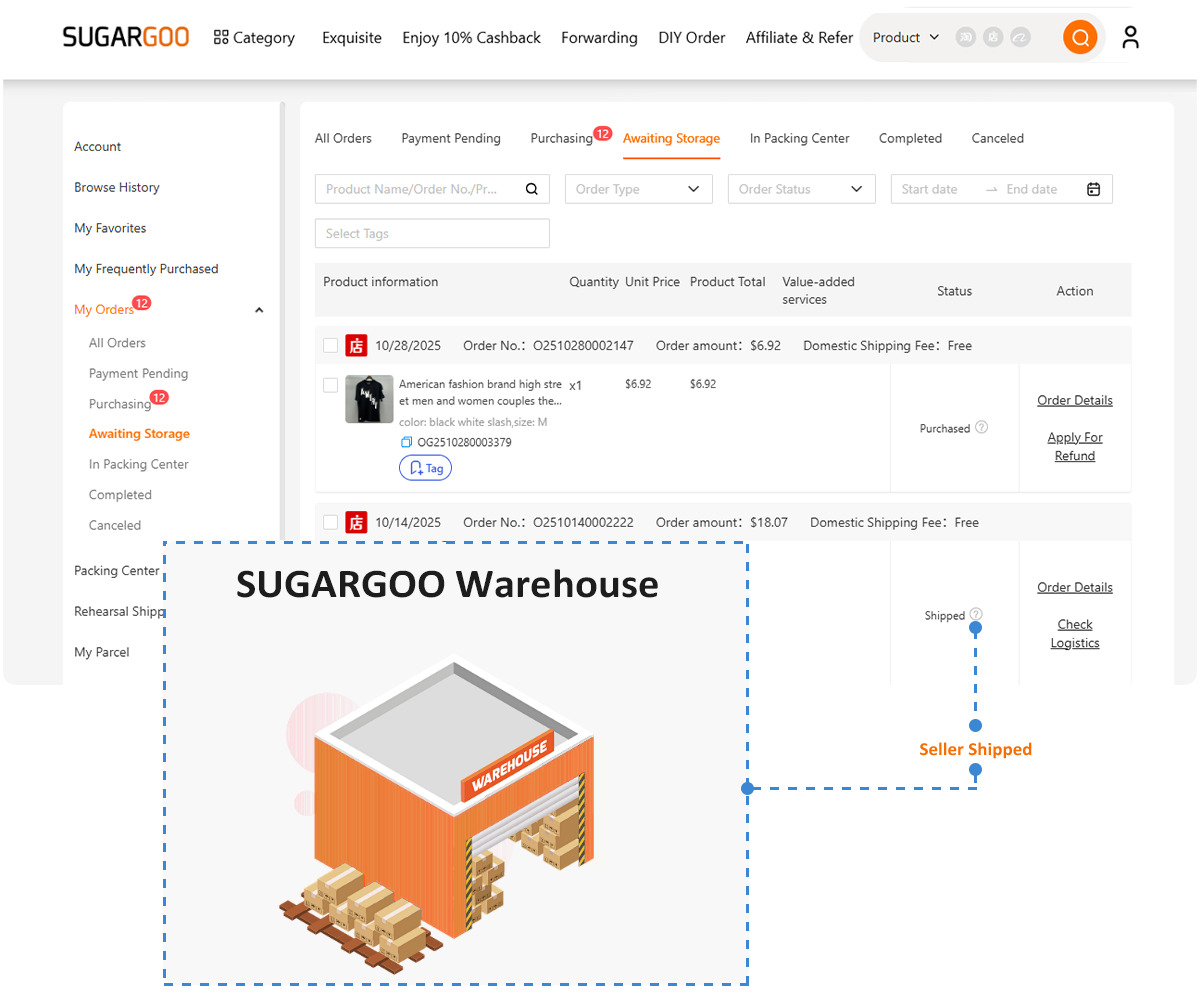
That’s when I started using a buying agent(I personally used Sugargoo).
What helped me wasn’t just the translation — it was the extra layer of checking.
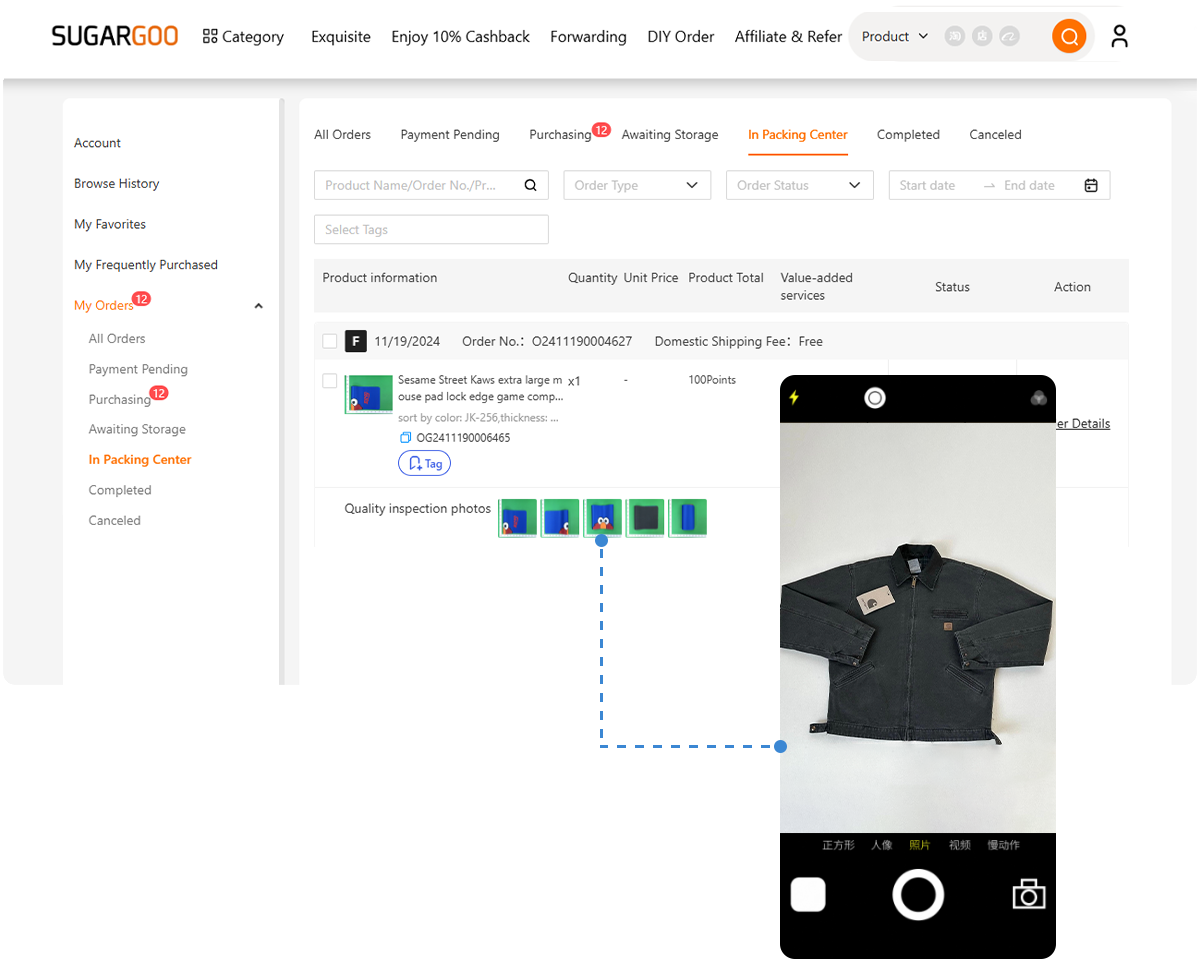
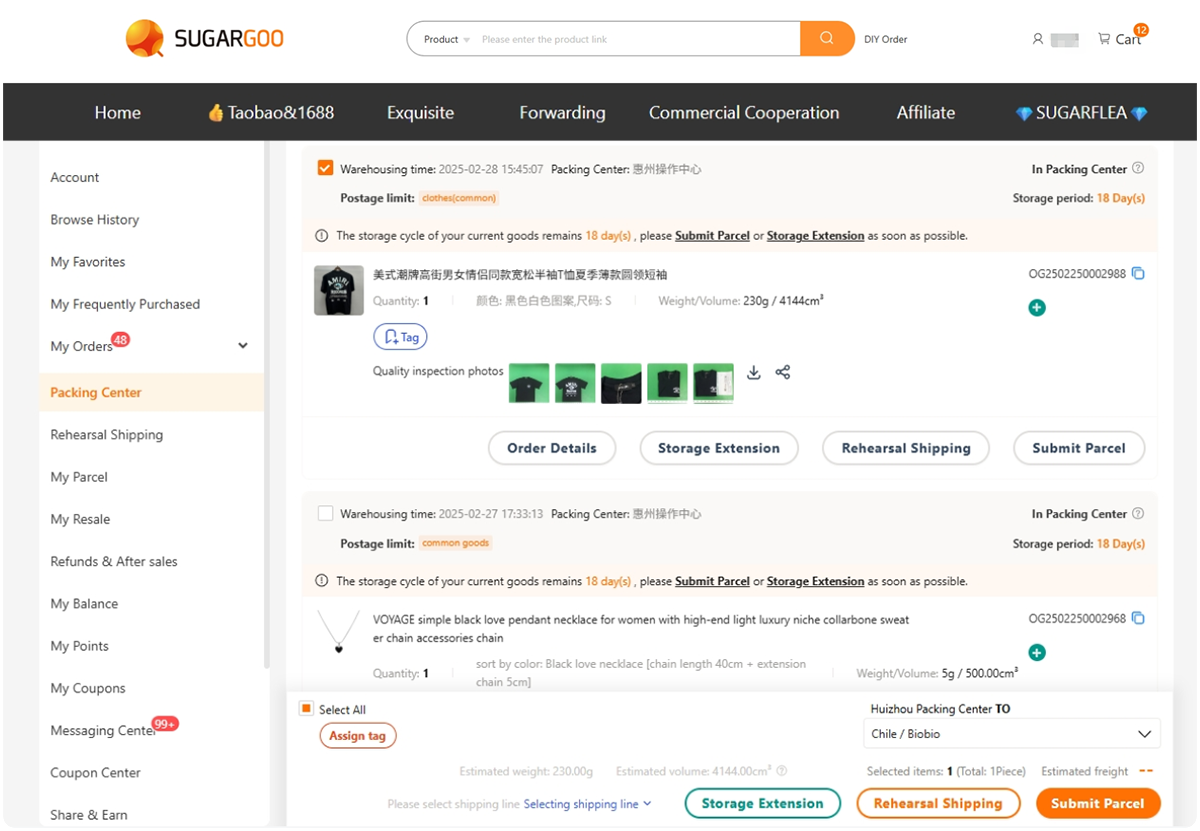
When the order reaches the warehouse, they’ll usually snap a few photos so you cancheck what actually showed up.
I’ve used that step more than once to spot sizing problems early, especially when the item didn’t look quite like the listing.
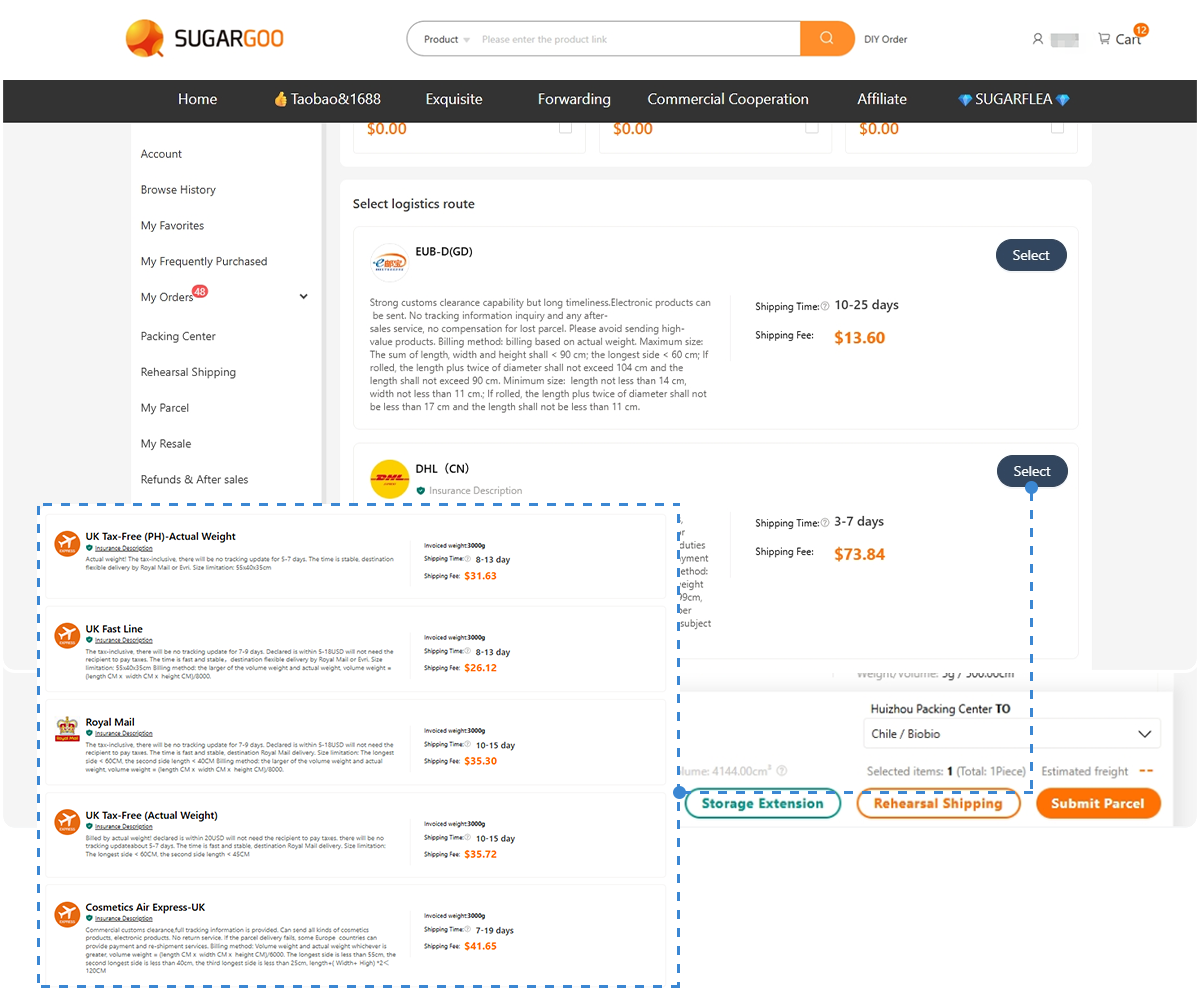
Another thing I like is being able to bundle several orders together before shipping. It cuts down the costquite a bit.
You don’t have to do it this way, but if you buy from Chinese sites regularly, it makes the whole process feel a lot easier.
FAQ
What does “均码” mean in Chinese clothing? It means “one size,” but it usually fits a limited range — often closer to XS–M.
Are Chinese sizes smaller than US sizes? Yes, in most cases. Many items run about one size smaller.
What does “偏小” mean? It means the item runs small. Sizing up is usually a safer choice.
Is Chinese XL the same as US XL? Not always. A Chinese XL can feel closer to a US L, depending on the brand.
Should I trust S/M/L labels? Not completely. Size charts with measurements are much more reliable.
Final Thoughts
If there’s one thing I wish I knew earlier, it’s this:
Don’t rely on the letters.
Chinese clothing sizes make a lot more sense once you start paying attention to the actual measurements and the terms used in the description.
At first, it feels like extra work. But after a few orders, it becomes second nature.
And more importantly — you stop ending up with clothes that don’t fit.
If you’re planning to shop from Taobao or similar platforms regularly, learning these terms isn’t just helpful… it saves you money, time, and a lot of frustration.