

If you’ve ever tried sourcing products from China, you know the feeling. At first it looks easy. Then you realize there are hundreds of similar listings, prices that don’t quite make sense, and suppliers who answer slowly—or not at all.
This is usually when people turn to a sourcing agent. Not because the process is complicated, but because it’s messy. A good sourcing agent doesn’t add mystery. They add structure.
Here’s what that structure actually looks like, step by step.
Step 1: You Explain What You’re Looking For
The process starts with your request. Nothing fancy, just clarity.
Most sourcing agents need to know:
- What the product is
- How you plan to use or sell it
- Rough price expectations
- Estimated quantity
- Whether you need customization
You don’t need a perfect spec sheet. But the clearer your goal, the fewer back-and-forth messages later. When details are missing, agents end up guessing—and guesses cost time.
Step 2: Finding and Filtering Suppliers
This is the part most buyers never see.
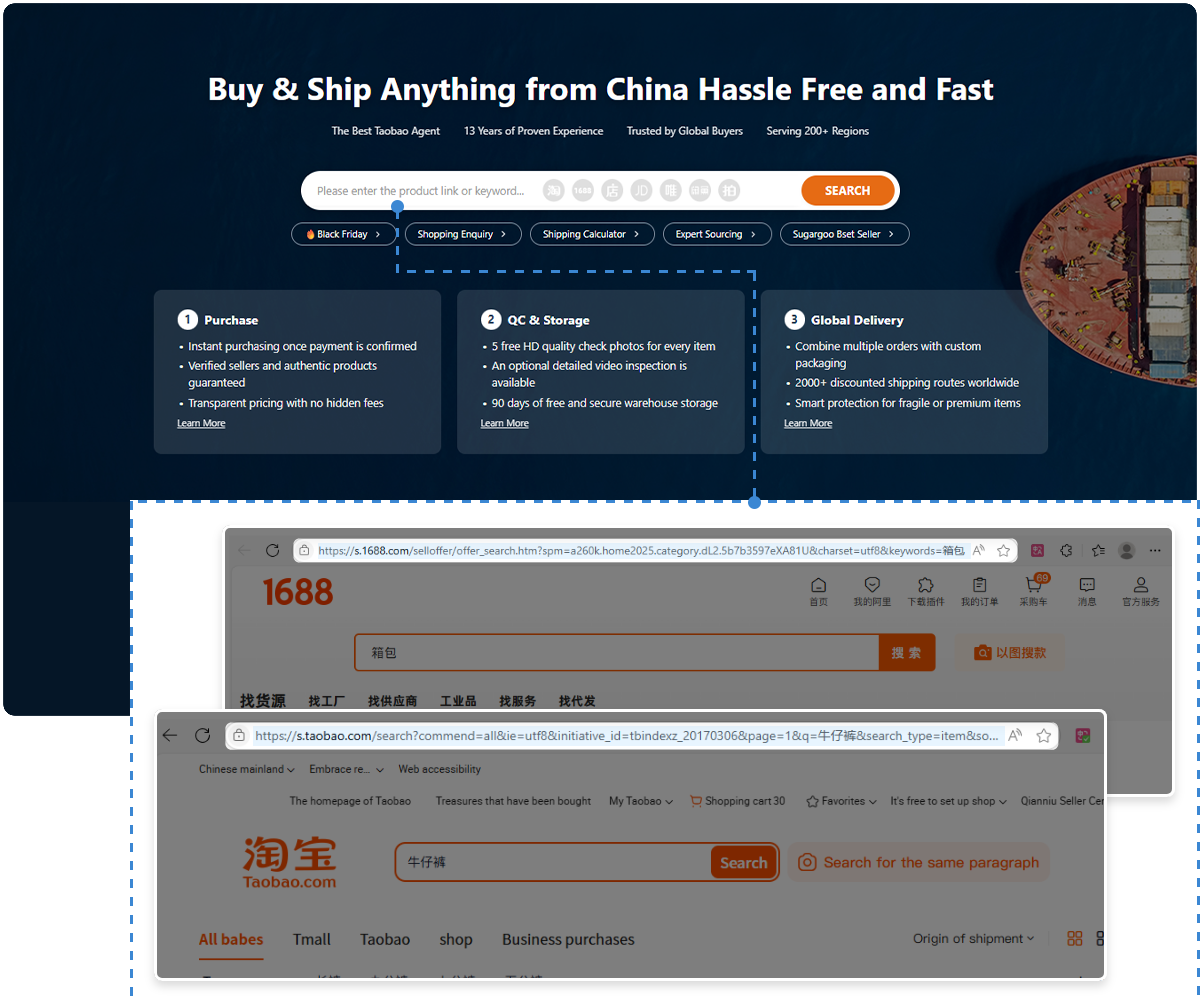
A sourcing agent usually checks multiple channels at once. That could be factories they already know, domestic wholesale platforms, or suppliers who’ve handled similar orders before. The real work is filtering.
They’re asking questions like:
- Is this a factory or just a reseller?
- Do prices stay stable when quantities change?
- Are replies clear or evasive?
- Can this supplier handle revisions if needed?
Most options get eliminated early. What you see later is already a short list.
Step 3: Quotes That Come With Context
Instead of one final number, you’ll often get a few options.
Different quantities, slightly different prices. Custom packaging adds cost. Faster production usually does too. None of this is complicated, but it’s rarely obvious from a listing alone.
This step is less about chasing the lowest price and more about understanding what you’re paying for—and what you’re not.
Step 4: Samples Before Commitments
If the order is custom or larger than a test buy, samples matter.
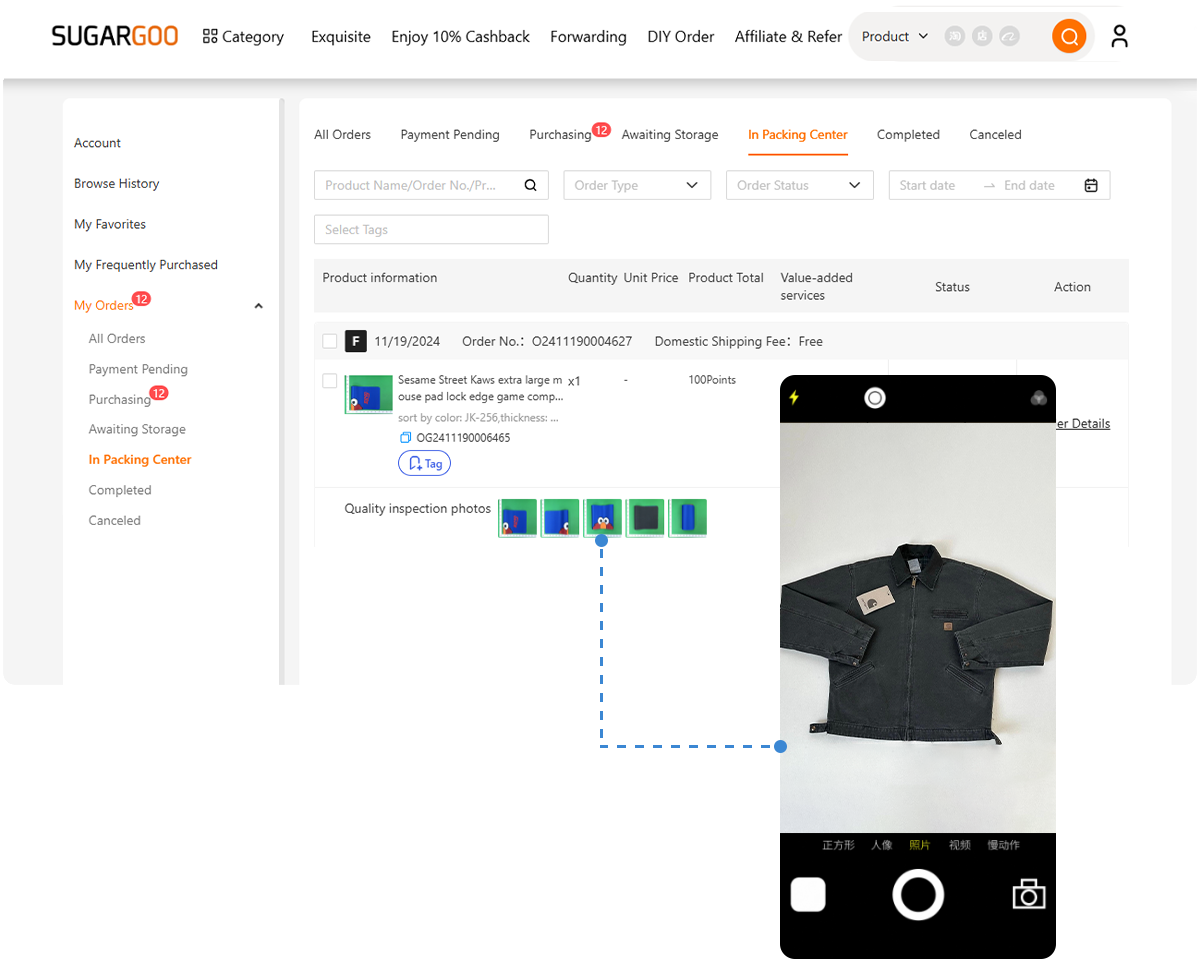
A sourcing agent can arrange samples, check basic details, and send real photos or videos. Size, material, finish—small things that listings tend to gloss over.
If something feels off, changes happen here. Fixing issues at the sample stage is much easier than fixing them after production starts.
Step 5: Placing the Order and Watching Production
Once the sample is approved, the agent helps lock things in.
They’ll confirm specs, timelines, and quantities, then follow up while production is underway. If delays happen, you hear about them early. If something changes, it gets clarified before it turns into a problem.
You’re not chasing factories. That’s the whole point.
Step 6: Inspection, Storage, and Next Steps
After production, the workflow usually continues.
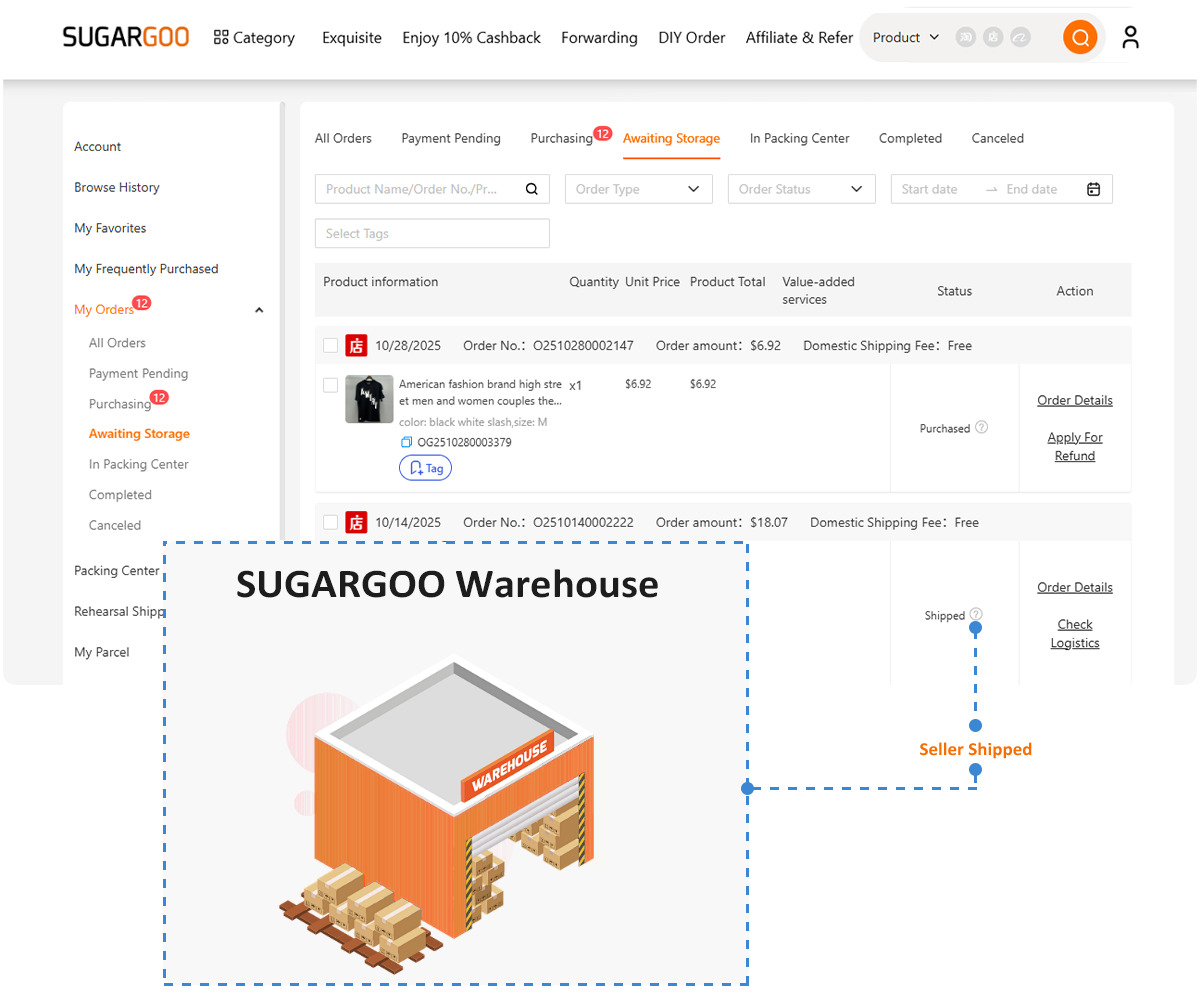
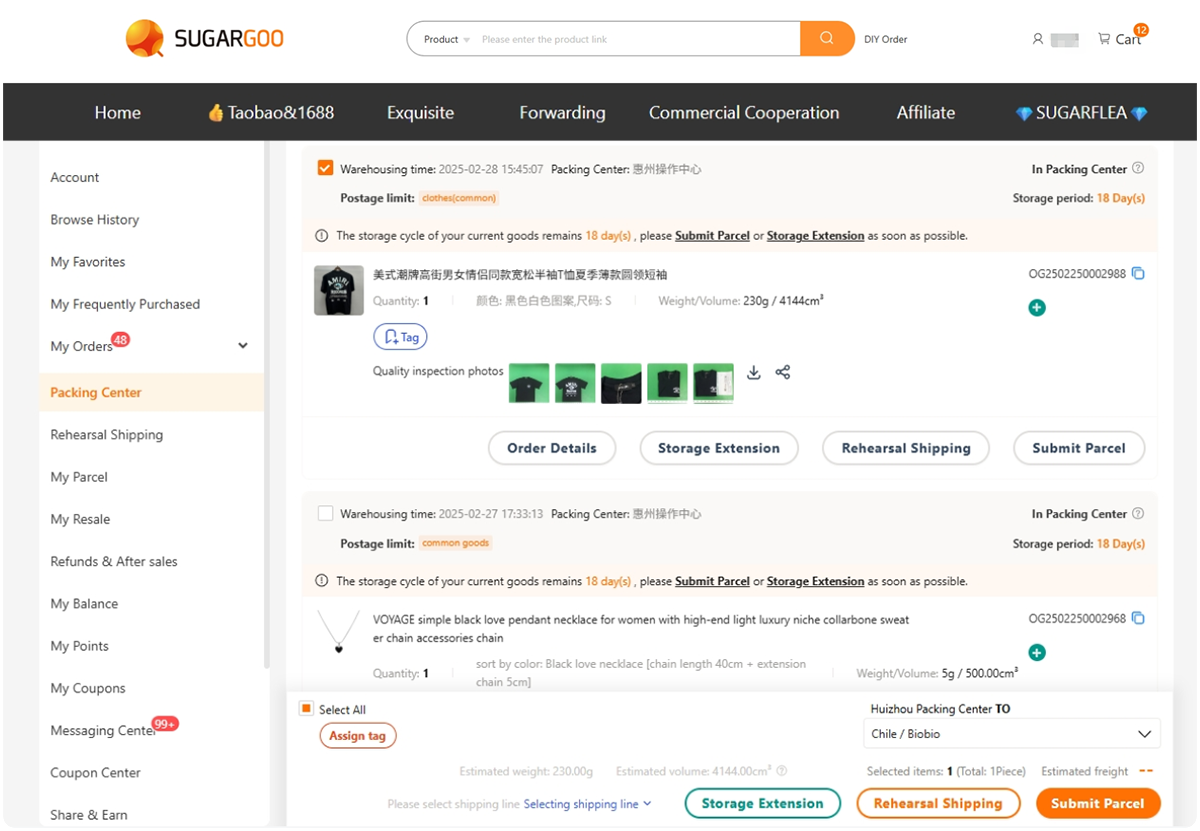
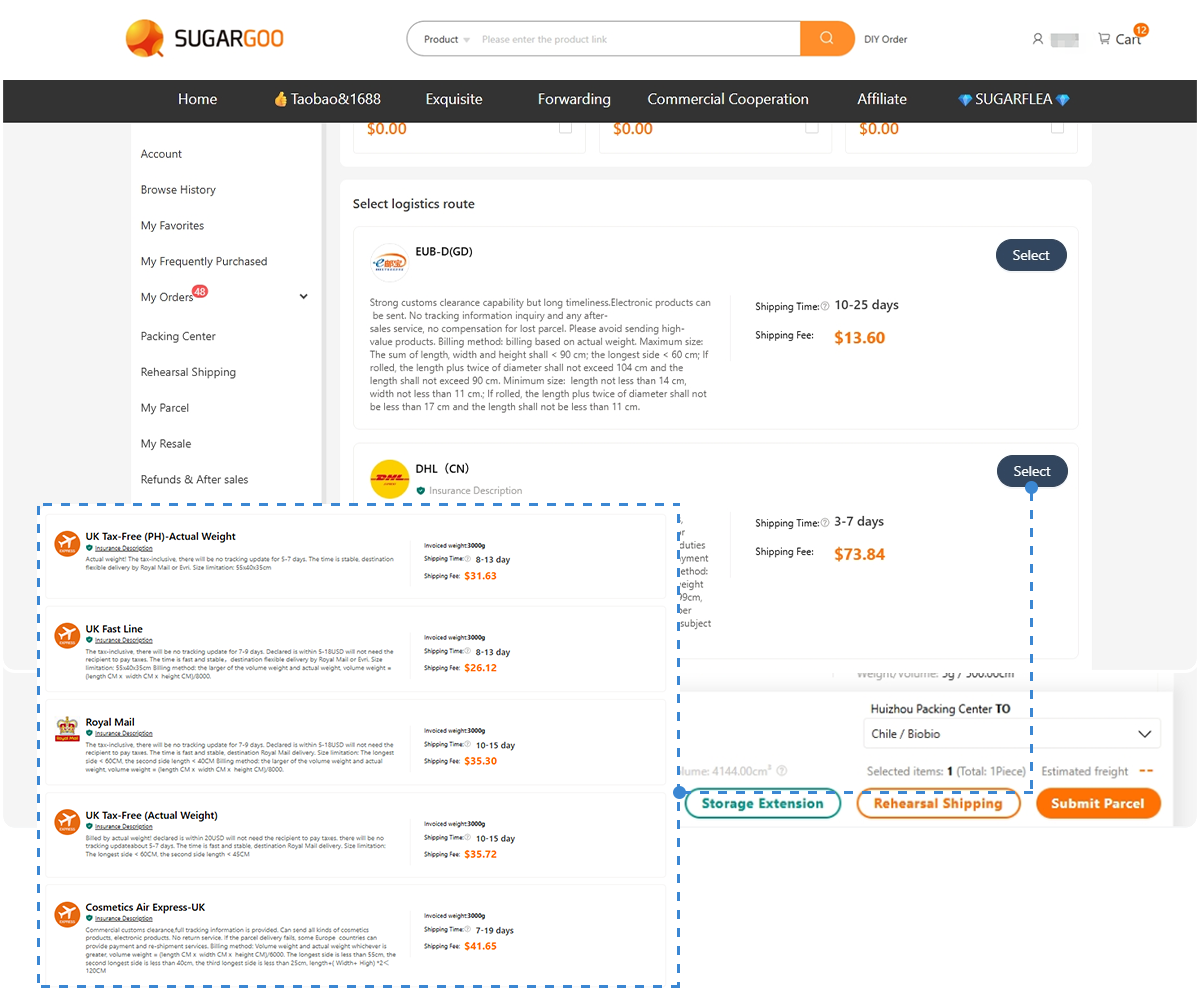
Some agents help with basic inspection. Others arrange delivery to a warehouse, where items can be checked again, consolidated, or repacked before shipping.
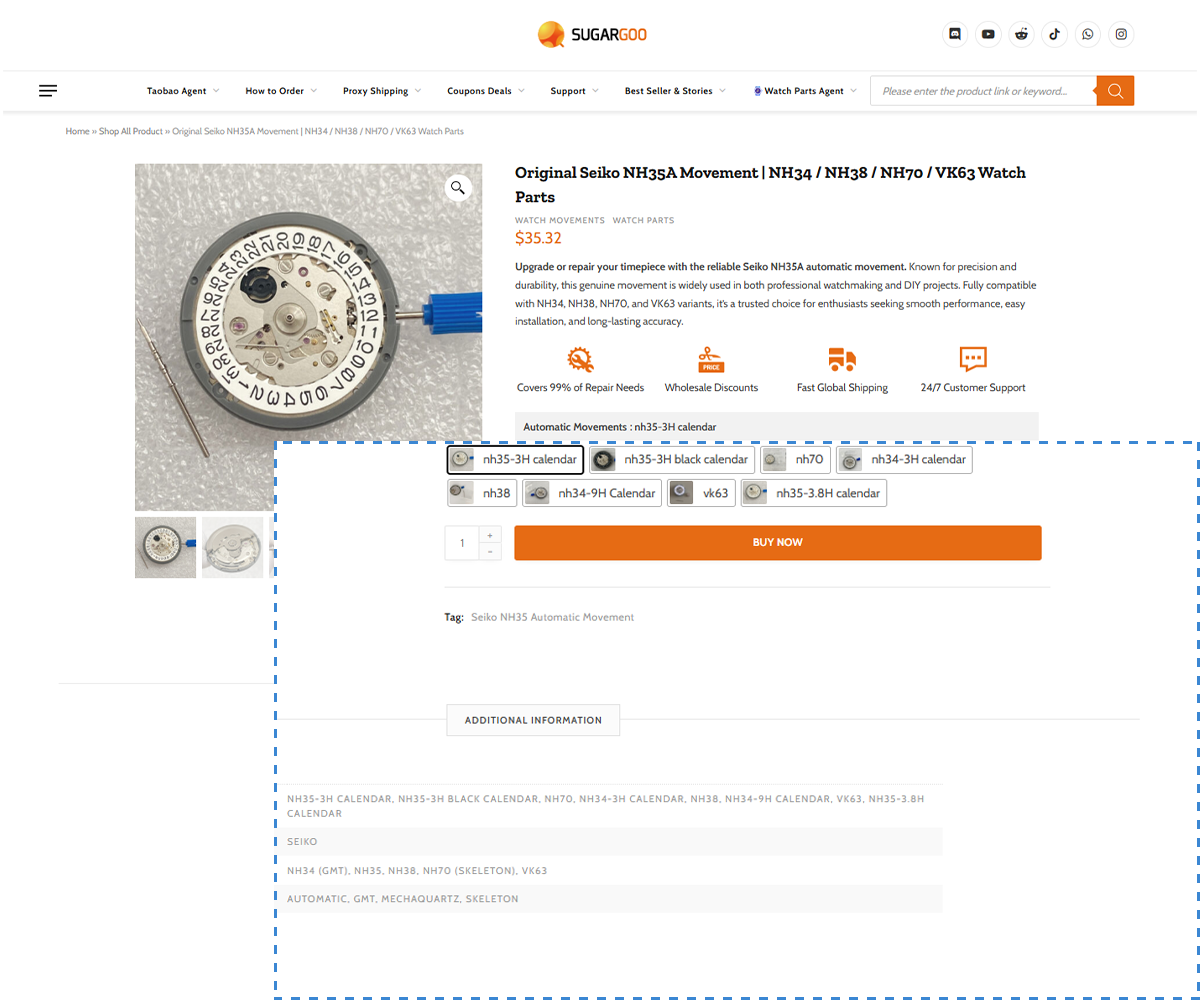
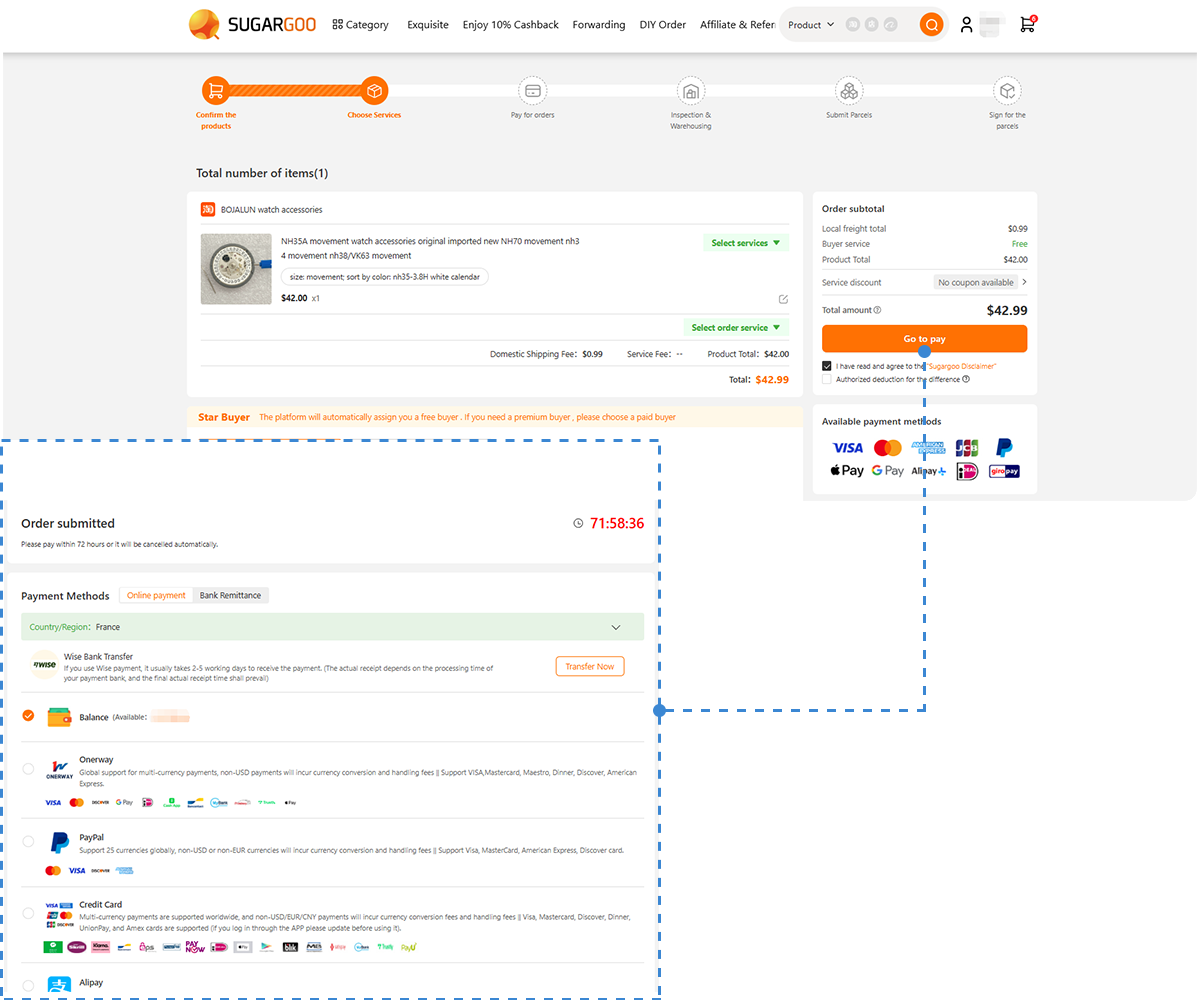
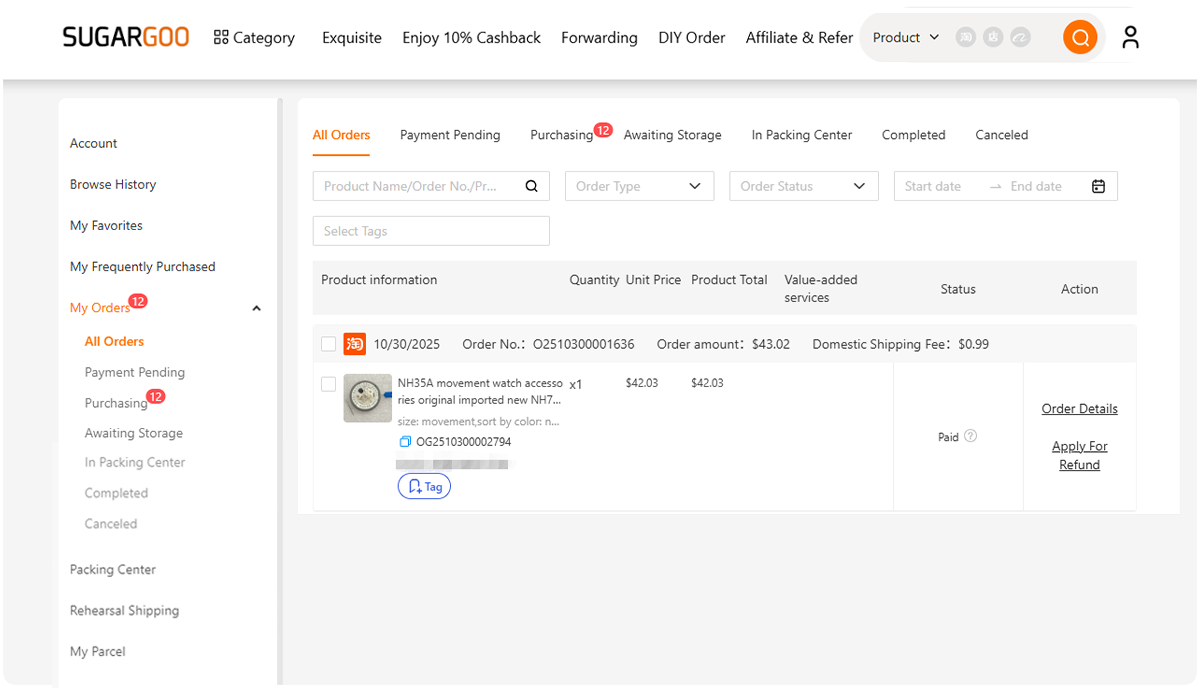
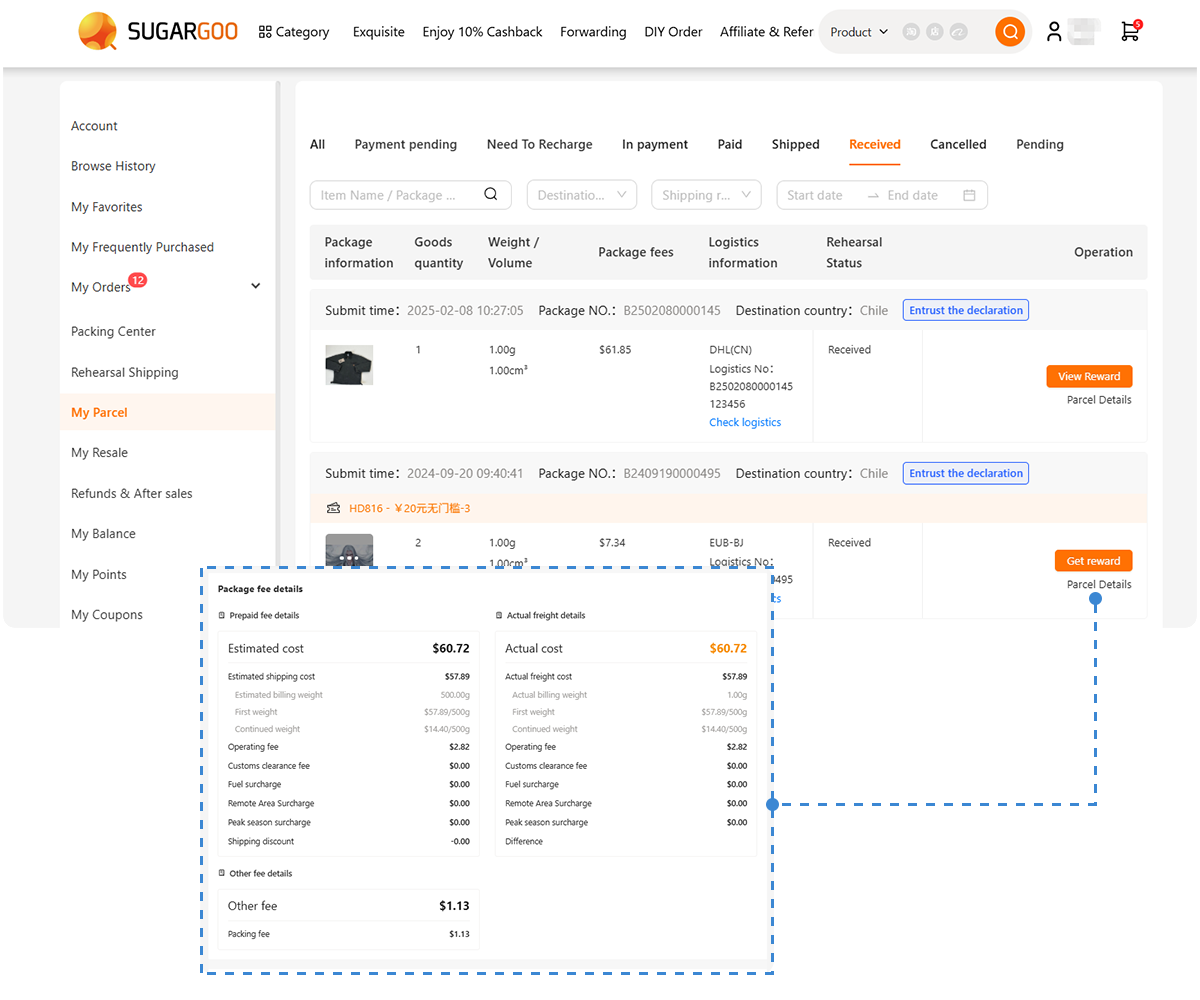
This is also where sourcing often overlaps with buying and forwarding services. For example, Sugargoo mainly works as a buying agent, but its Star Agent service can also help with sourcing-related tasks—like finding products, communicating with sellers, and managing orders before they enter the warehouse. It’s a practical option if you don’t need a full sourcing team but still want hands-on help.
A Few Things People Often Get Wrong
Sourcing agents aren’t magicians. They can’t turn unrealistic prices into quality products. Not every item is worth sourcing, and not every supplier will be perfect.
What they do offer is visibility. You see what’s possible, what’s risky, and what needs compromise—before money is locked in.
Is a Sourcing Agent Right for You?
If you’re buying one item for personal use, probably not. A buying agent is usually enough.
But if you’re dealing with bulk orders, customization, or long-term suppliers, a sourcing agent turns guesswork into a repeatable process. That’s the real value.