

Taobao is famous for cheap prices and endless product choices. For many international shoppers, it looks like a gold mine.
Then you try to place your first order — and things get complicated fast.
So the real question isn’t whether Taobao is worth using. It’s how you should buy from it: on your own, or through a sourcing agent.
Here’s a practical breakdown based on how both options actually feel in real use.
Buying Directly from Taobao: What You’re Signing Up For
When you buy directly, everything is on you. Finding the item, understanding the listing, paying, shipping, and fixing problems if something goes wrong.
Why Some People Prefer Buying Direct
It can be cheaper on paper No service fee. You pay the item price and domestic shipping only.
You stay in full control You choose the seller, message them directly, and handle the order yourself.
It works if you know the system For buyers who already understand Chinese platforms, Taobao can be fast and efficient.
Where Direct Buying Gets Hard
Language friction is constant Auto-translation helps, but it often misses details. Size charts, fabric info, and seller notes are easy to misunderstand.
Payment isn’t guaranteed Many sellers rely on Alipay. International cards may fail, and PayPal is rarely an option.
Talking to sellers takes effort If you need to confirm sizing, color, or versions, you’re expected to chat in Chinese. Mistakes happen here a lot.
International shipping isn’t simple Some sellers won’t ship overseas at all. Others charge high rates or offer limited tracking.
Fixing mistakes is stressful Wrong item? Poor quality? Returns from overseas are expensive and often not worth the trouble.
Using a Sourcing Agent: A Different Experience
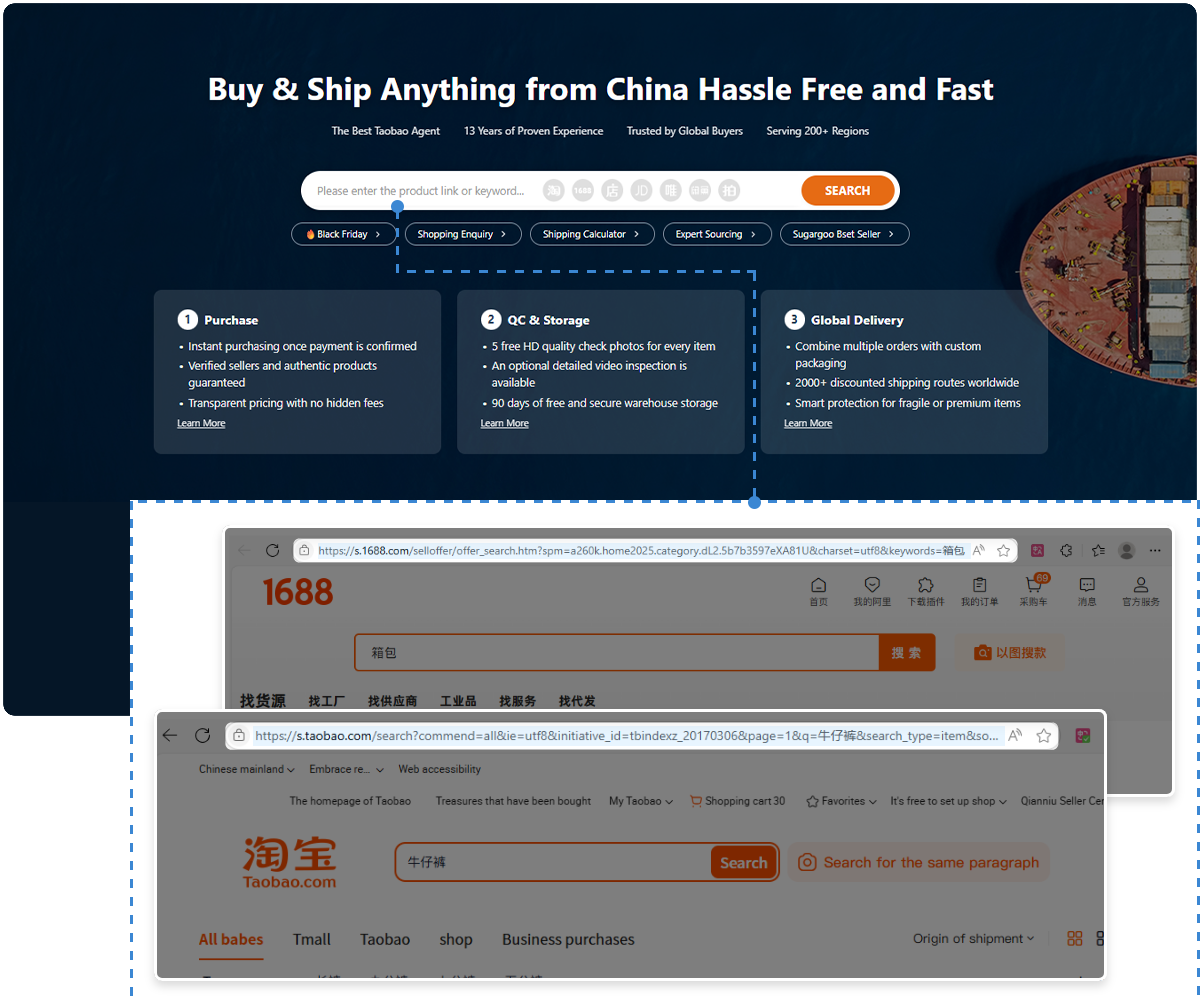
A sourcing agent sits between you and Taobao sellers. You still choose the products, but the agent handles the local process.
Why Many International Buyers Use Agents
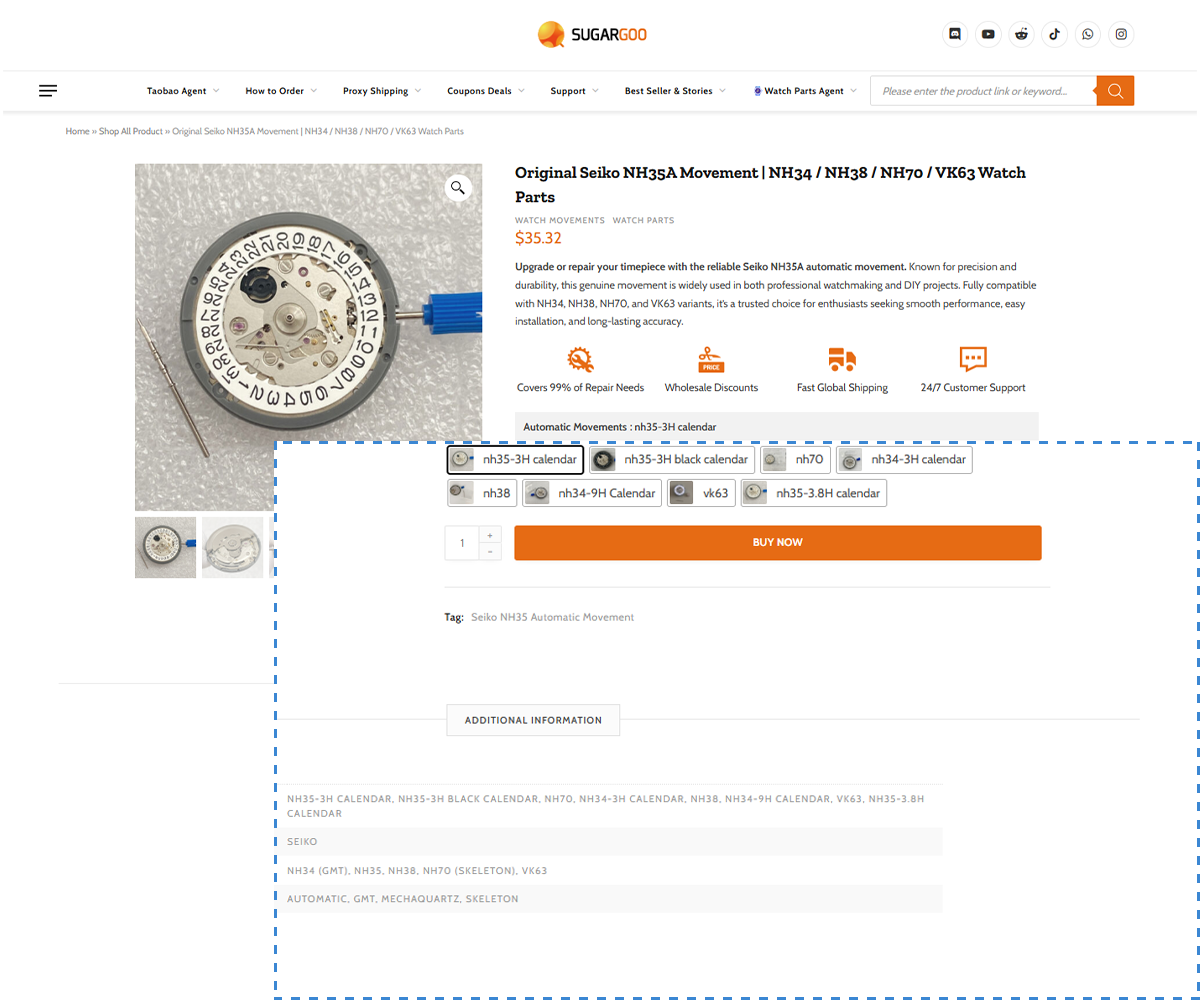
Everything is easier to read Product pages are translated and structured for non-Chinese users.
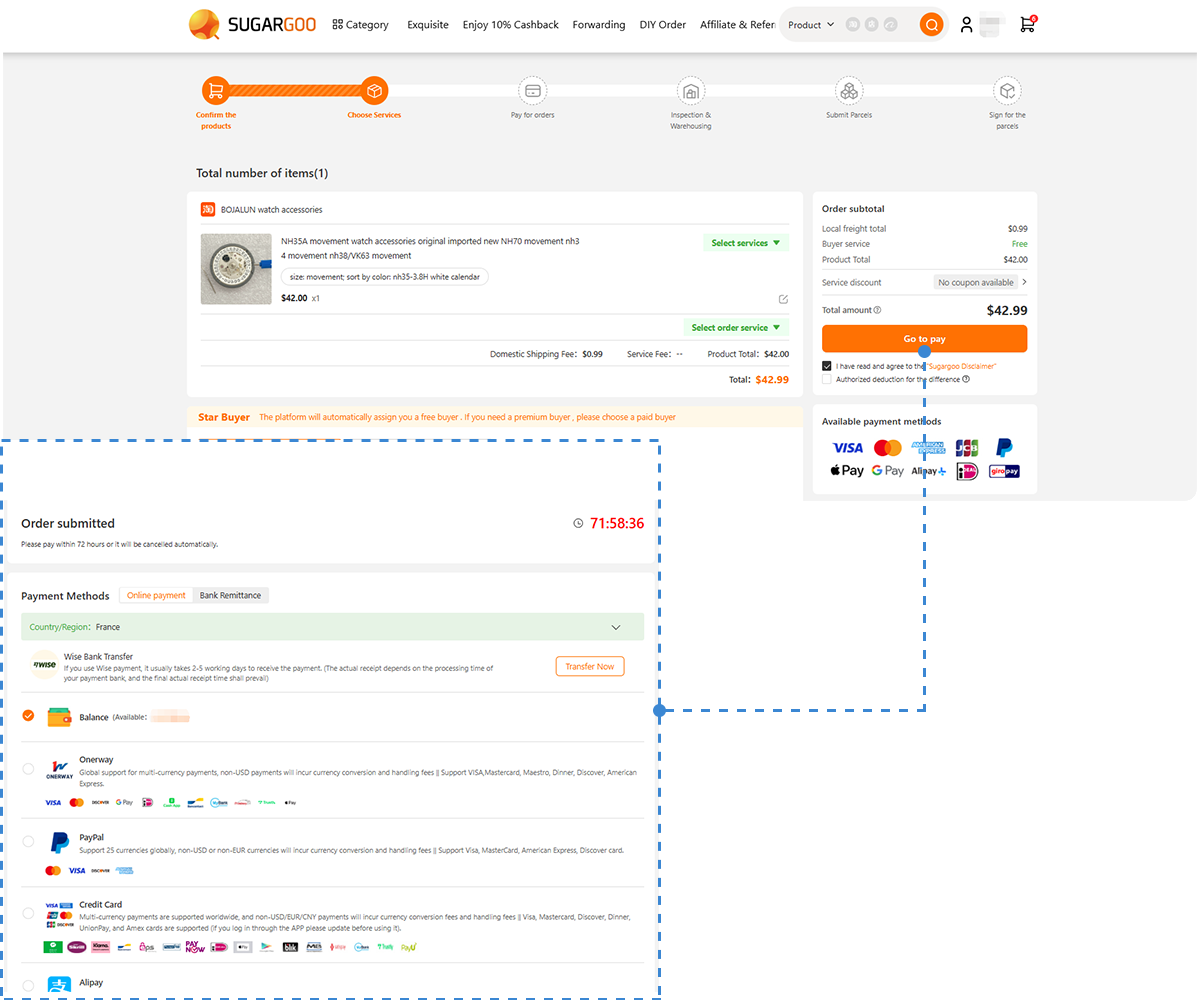
Paying feels normal Credit cards are usually supported, which removes a big blocker.
Someone checks the details for you Agents confirm size, color, versions, and availability before placing the order.
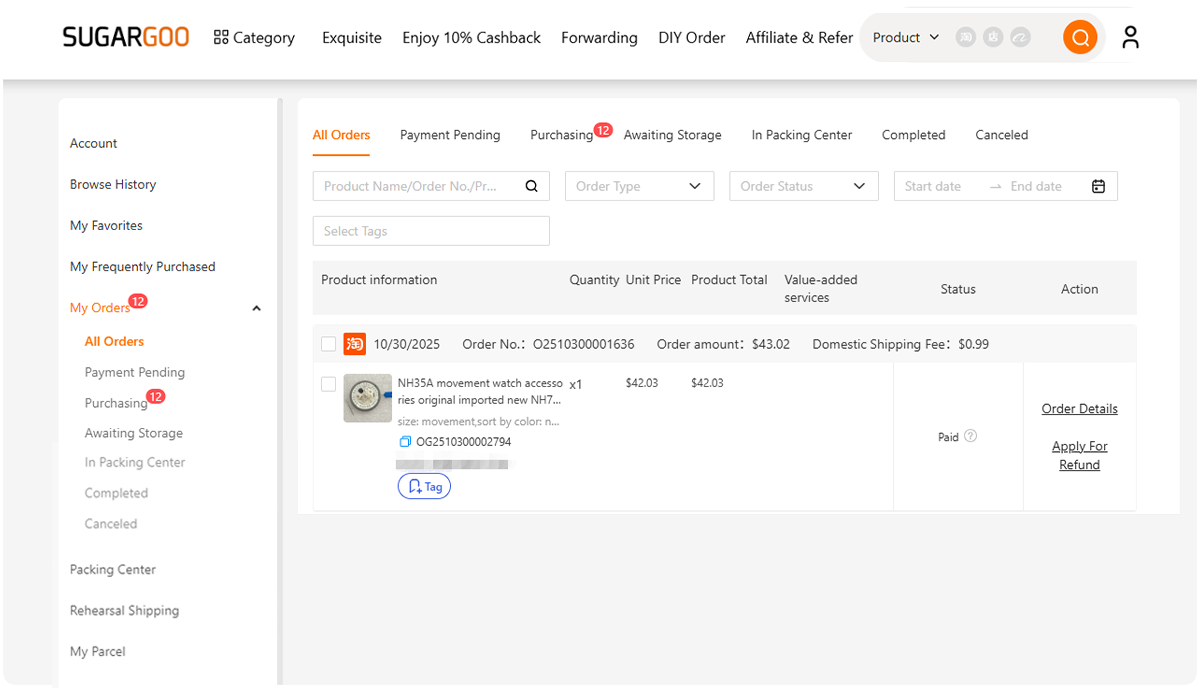
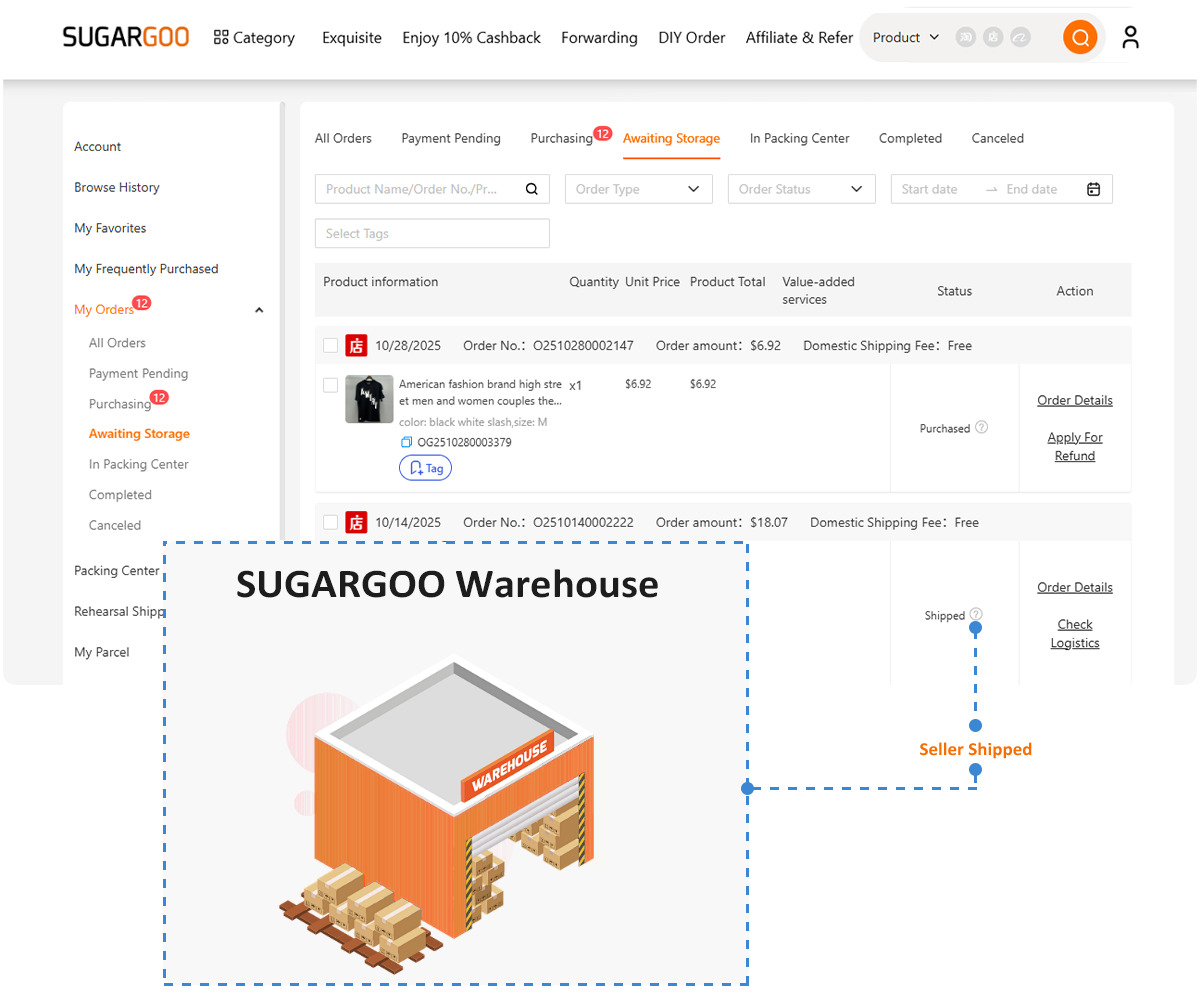
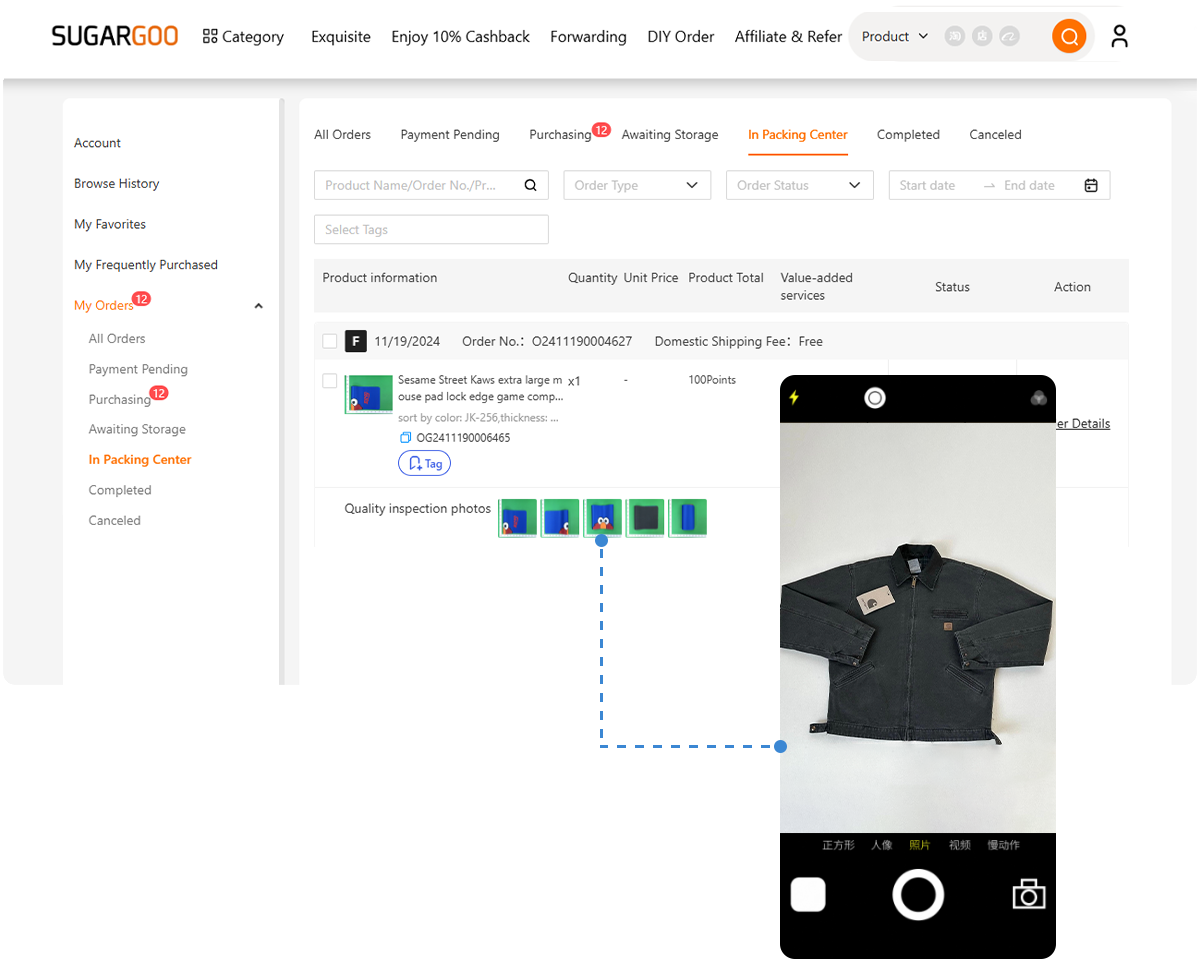
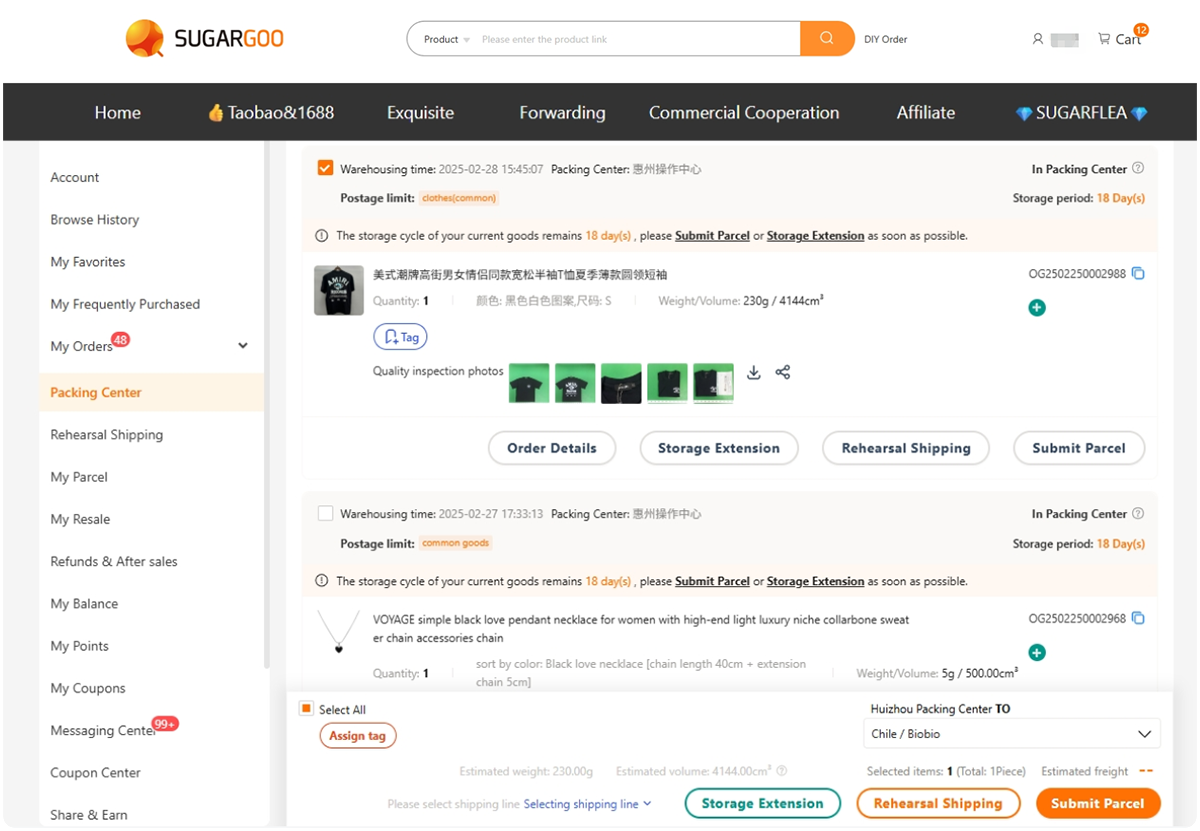
You see the item before it ships overseas Orders arrive at a warehouse first. Photos and basic inspections reduce surprises.
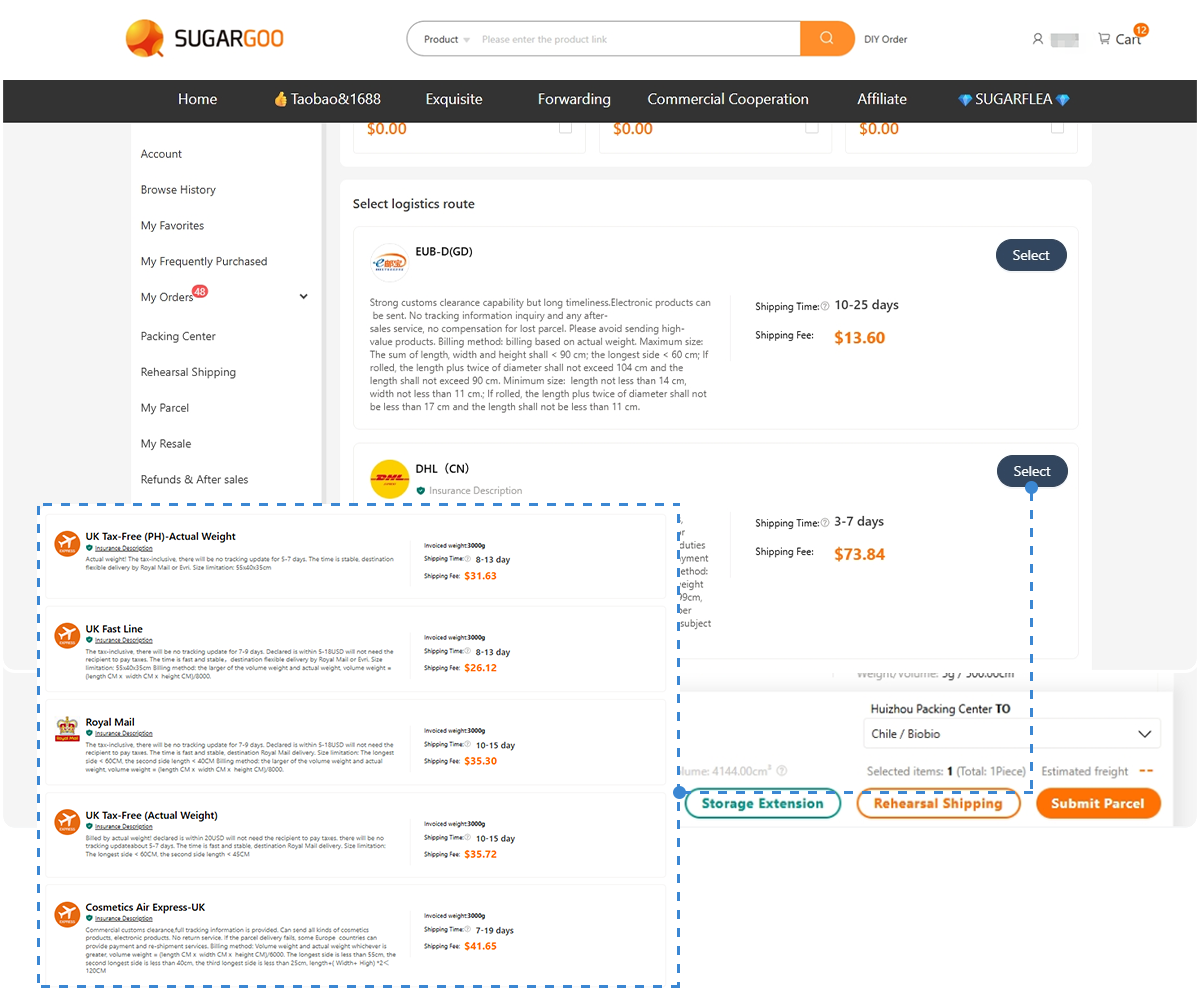
Shipping is more flexible Multiple purchases can be combined into one package, which often saves money.
Problems are handled locally If something is wrong, the agent can deal with the seller before the item leaves China.
Downsides of Using an Agent
You pay a small extra cost per order.
You rely on the agent’s workflow Response times and handling speed depend on the platform you choose.
Not ideal for tiny purchases For a single low-cost item, the extra step may feel unnecessary.
The Cost Question Most Buyers Miss
Direct buying looks cheaper at first. But real cost isn’t just the item price.
Mistakes add up:
- Ordering the wrong size
- Choosing the wrong version
- Payment issues
- Shipping something back internationally
For many buyers, paying a small agent fee is cheaper than fixing one bad order.
Who Should Buy Directly from Taobao?
Direct buying usually works if you:
- Can read some Chinese
- Already use Alipay
- Know how to judge sellers
- Are buying simple, low-risk items
- Don’t mind handling issues yourself
Who Benefits More from a Sourcing Agent?
A sourcing agent makes more sense if you:
- Don’t speak Chinese
- Want a smoother, English-friendly process
- Buy from multiple sellers
- Care about checking items before shipping
- Prefer fewer surprises
A lot of buyers start with an agent and switch to direct buying later, once they’re more confident.
So, Which One Should You Choose?
Buying directly from Taobao gives you control, but also responsibility. Using a sourcing agent removes friction, especially if you’re shopping from overseas.
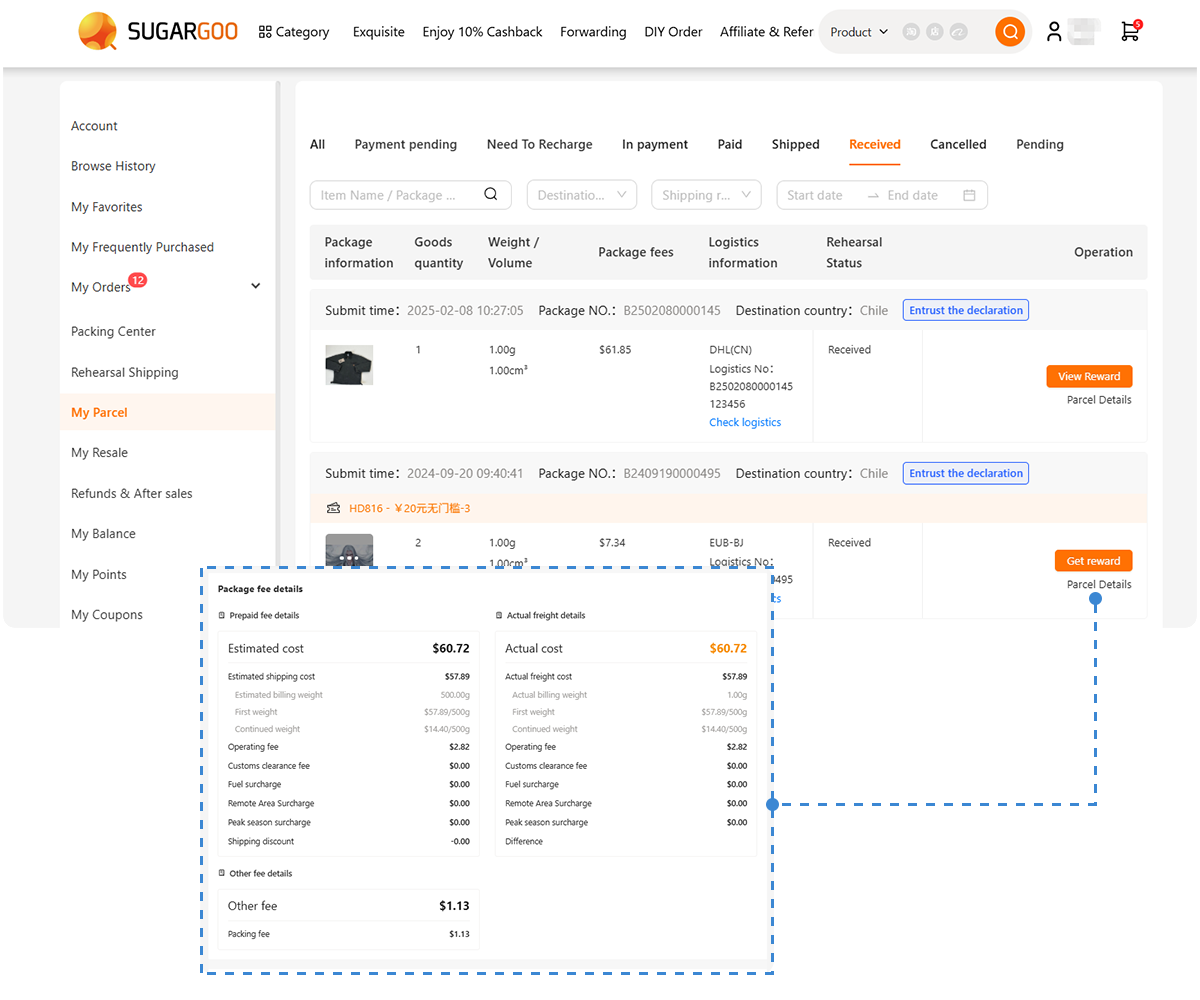
If convenience, clarity, and risk control matter more than saving a few dollars, platforms like Sugargoo simplify the process by handling translation, purchasing, inspection, storage, and international shipping in one place.
In the end, it comes down to how much work you want to do — and how many mistakes you’re willing to risk.