
The first time I opened Goofish, I thought something was wrong.
Everything was in Chinese. Buttons everywhere. Listings that looked half like Taobao and half like a garage sale. I almost closed the page after ten seconds.
But the item I wanted was there.
It was a discontinued hoodie from a small Taobao brand that had already vanished from most stores. Someone was reselling it for about half the original price.
That was the moment I realized what Goofish actually is.
It’s basically where a lot of Taobao items go after they disappear.
If you’re outside China, buying from Goofish isn’t as straightforward as using Amazon or eBay. The platform was clearly built for local users. Sellers expect domestic shipping. Payments are designed around Chinese wallets.
Still, after some trial and error, I figured out a way to make it work.
What Goofish Really Is
Goofish (闲鱼 / Xianyu) is part of the Alibaba ecosystem. Most people inside China treat it like a giant second-hand marketplace.
Imagine something between eBay and Facebook Marketplace, but heavily connected to Taobao users.
People sell things there for all kinds of reasons:
- clothes they rarely wore
- old sneakers
- anime merchandise
- electronics
- random collectibles
Sometimes it’s used stuff. Sometimes it’s brand new items someone bought impulsively and never opened.
Prices can be weirdly low. Not always, but often enough that people keep checking the platform.
For collectors or niche hobby buyers, it’s honestly one of the most interesting places online.
Why International Buyers Even Bother
Most overseas users discover Goofish by accident.
Usually it starts with something like this:
You’re searching for a Taobao item that’s sold out everywhere.
Google throws a strange listing at you.
You click it.
Suddenly you’re on Goofish.
That’s how it happened to me.
What makes Goofish special is the type of things you can find there. Old Taobao releases. Limited merchandise. Stuff people bought years ago and decided to sell later.
Anime collectors use it a lot. Streetwear fans too.
Sometimes you’ll even see items that were never meant to be sold outside China.
And every once in a while, there’s a really good deal.
The First Problem You’ll Notice
Language.
Goofish doesn’t try very hard to accommodate international users. The interface is Chinese, product descriptions are short, and automatic translation only helps a little.
Sometimes listings are just two or three words.
Something like:
“Almost new. Selling cheap.”
That’s the entire description.
The second problem is shipping. Most sellers ship within China only. International shipping simply isn’t part of their routine.
Then there’s payment.
Many sellers rely on Alipay transfers or local payment tools. Setting that up outside China can be annoying.
So buying directly isn’t always realistic.
The Method That Actually Worked for Me
After a few failed attempts, I stopped trying to purchase directly from sellers.
Instead, I started using a shopping agent.
The idea is simple.
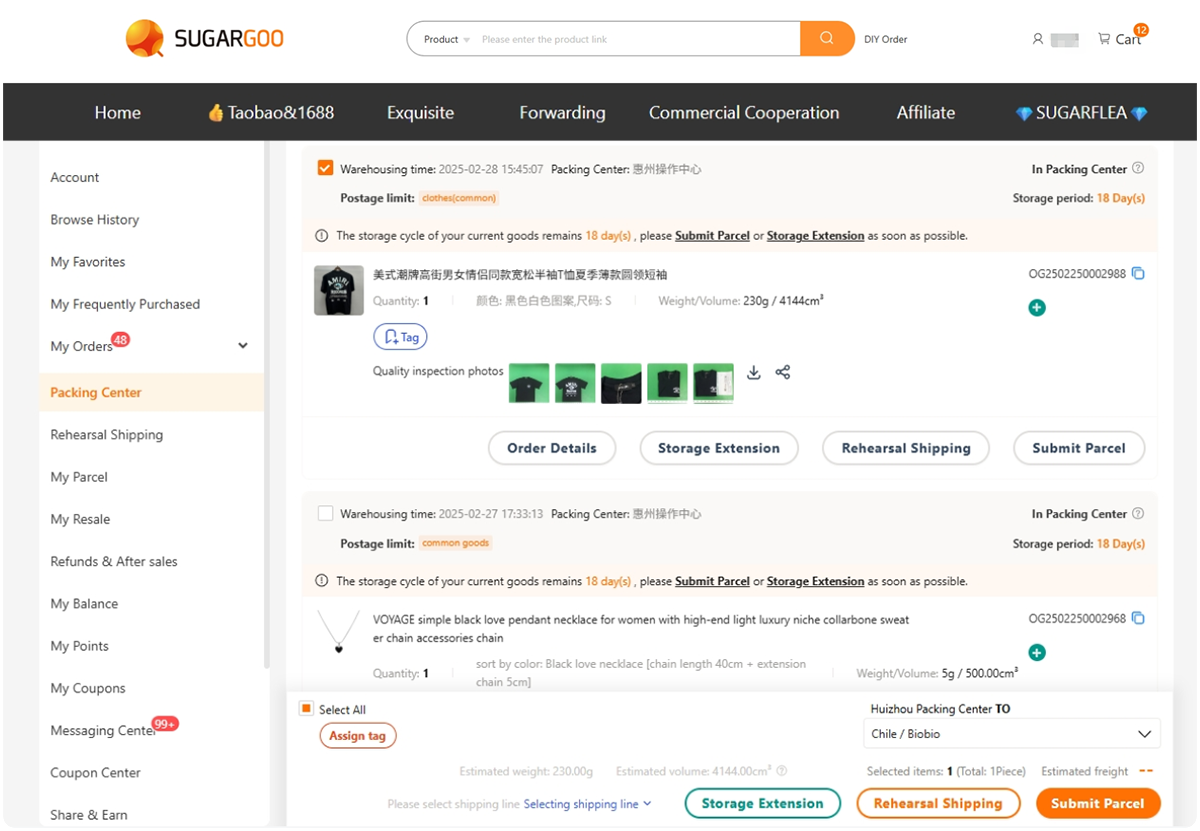
You find the item on Goofish, copy the link, and submit it to the agent’s ordering system. Some platforms call this a DIY order or manual purchase request.
From there the agent takes over.
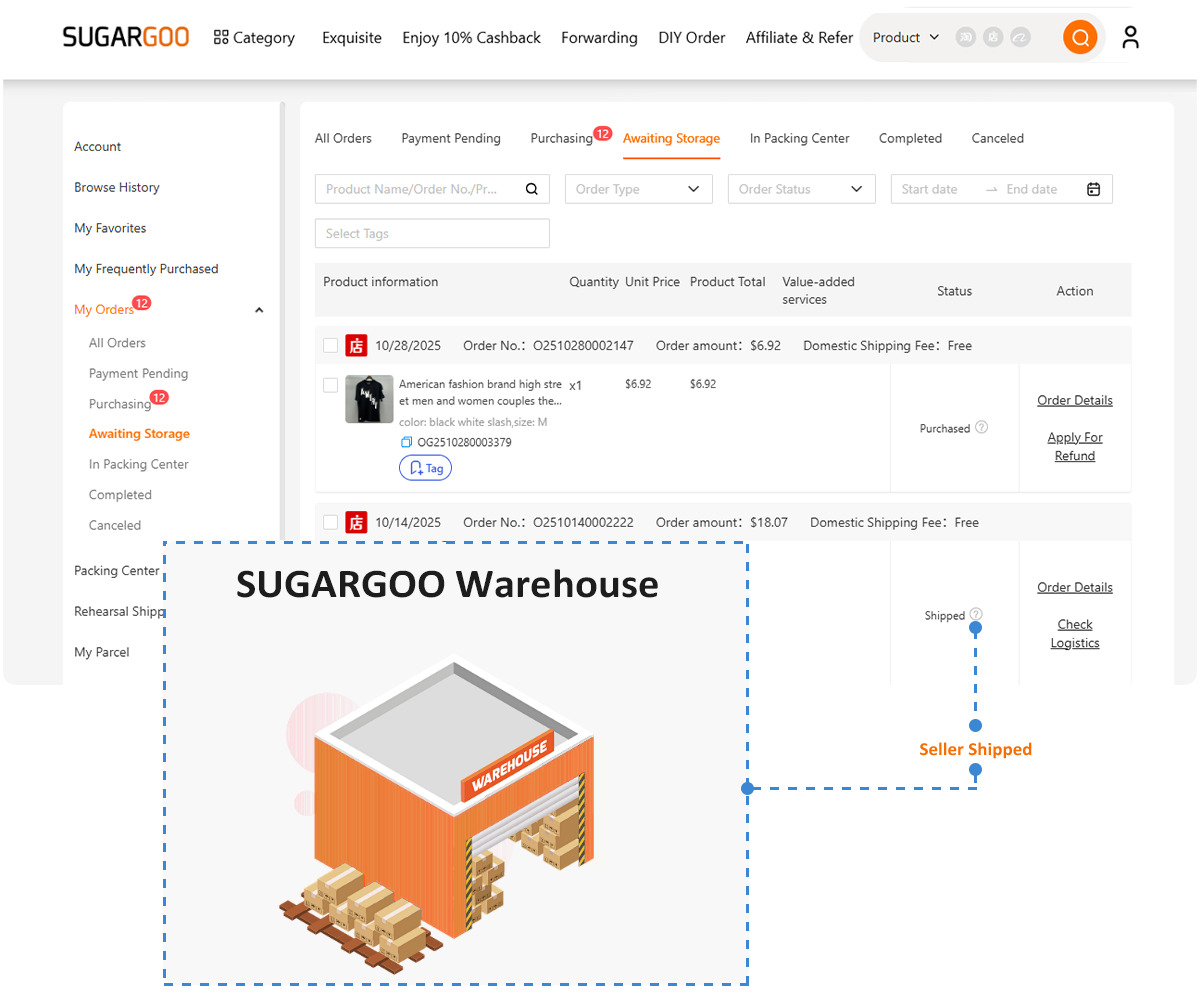
They contact the seller, pay for the item, and receive it at their warehouse in China.
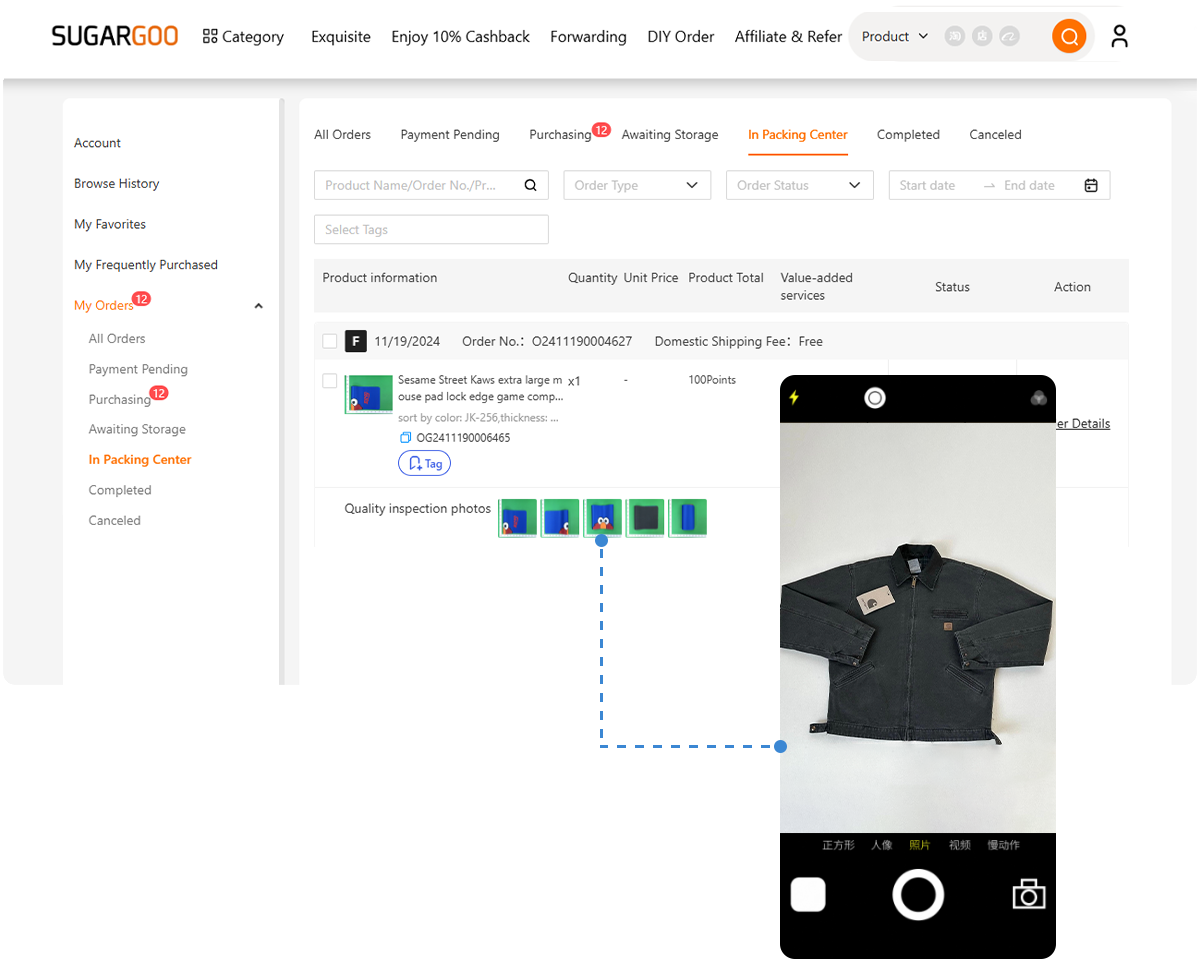
Once it arrives, they send photos so you can see the condition. That part is really useful because Goofish items are often second-hand.
If everything looks good, the item can then be shipped internationally.
The first time I tried this process it felt strange, but after a few orders it started to feel pretty normal.
How I Judge Goofish Sellers
Not every listing is reliable. Anyone who uses second-hand marketplaces knows this.
So I usually spend a few minutes checking the seller profile before buying anything.
One thing I look at is their transaction history. Many sellers have records showing how many items they’ve sold before.
If someone has dozens of successful transactions, I feel more comfortable.
Photos matter too.
Listings with multiple photos taken at home usually feel more trustworthy than stock images or heavily edited pictures.
Sometimes I send a short message asking a question about the item. Response speed tells you a lot about whether the seller is active.
None of these checks are perfect. But together they give you a decent impression.
A Few Things I Learned While Browsing
Searching in English rarely works well on Goofish.
Chinese keywords open up a lot more listings. Even simple translated words make a big difference.
Another trick is image search. If you upload a product photo, Goofish sometimes finds similar listings from other sellers.
Prices can vary quite a bit for the same item.
Negotiation is also fairly normal on the platform. Some sellers expect it.
You ask politely, they think about it, sometimes they drop the price a little.
Other times they just say no.
That’s part of the experience.
Shipping Outside China
Shipping usually happens in two stages.
First, the seller sends the item to the agent’s warehouse inside China. Domestic shipping is usually quick, often just a few days.
After the package arrives, the warehouse processes it and prepares it for international delivery.
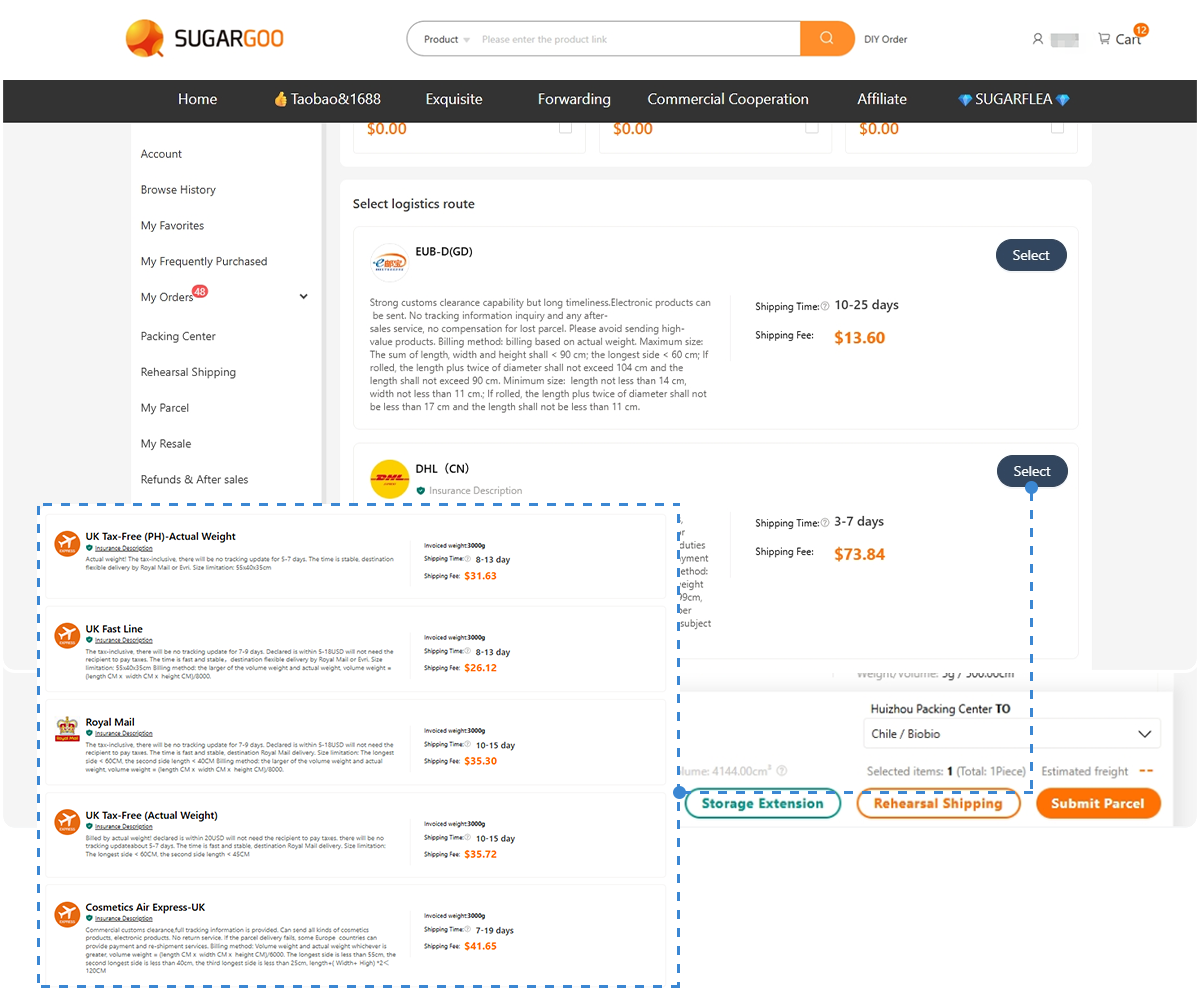
From there you can choose different shipping methods depending on speed and cost.
Some lines arrive in about a week. Others take longer but cost less.
Most of my packages arrive somewhere between one and three weeks.
The Tool I Started Using for Goofish Orders
After trying a few different methods, I eventually settled on using a shopping agent.
At the beginning I tried messaging sellers directly. That didn’t go very far. Most of them simply ship inside China and prefer local payments. Explaining international shipping every time quickly became tiring.
So I switched to a different approach.
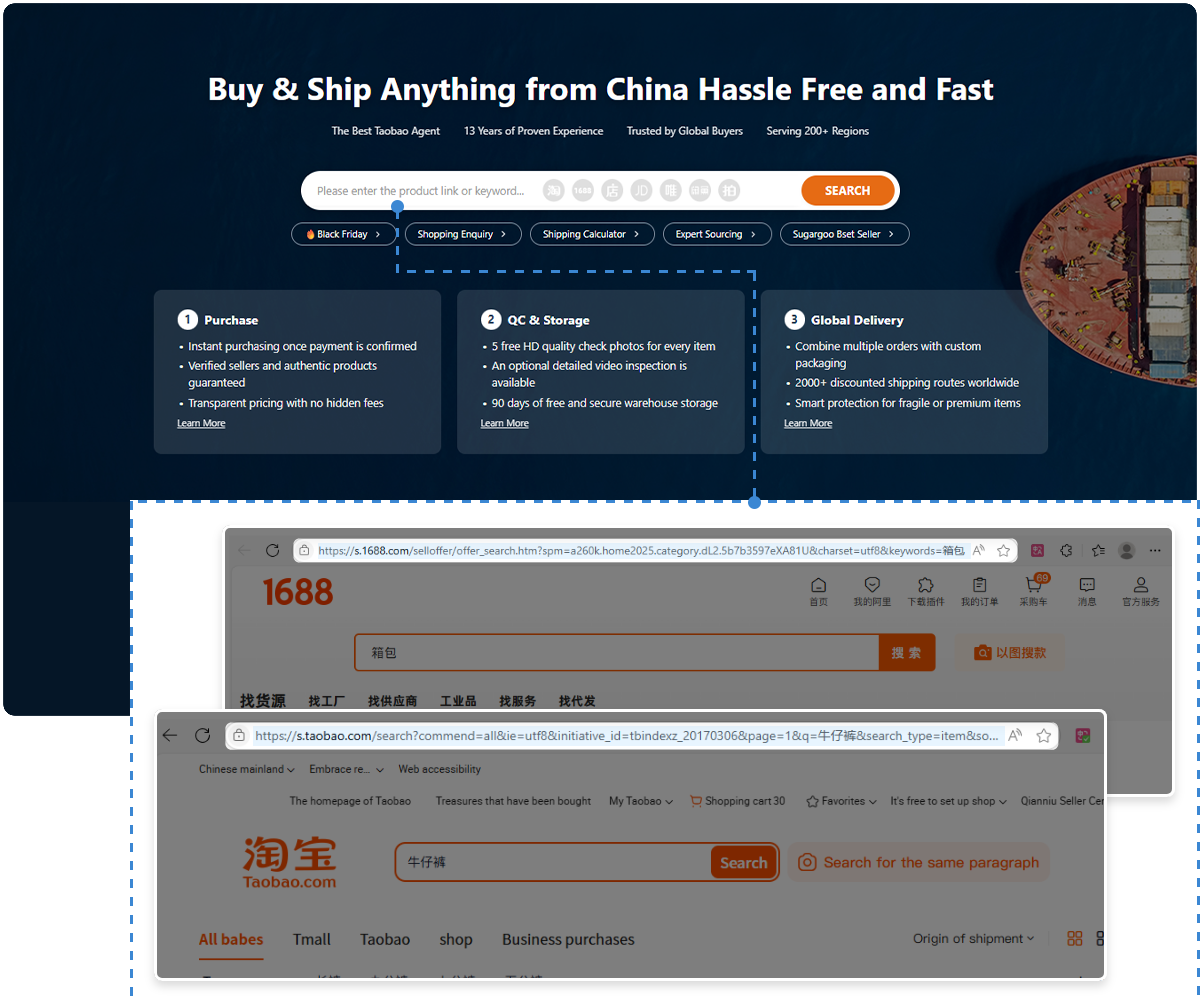
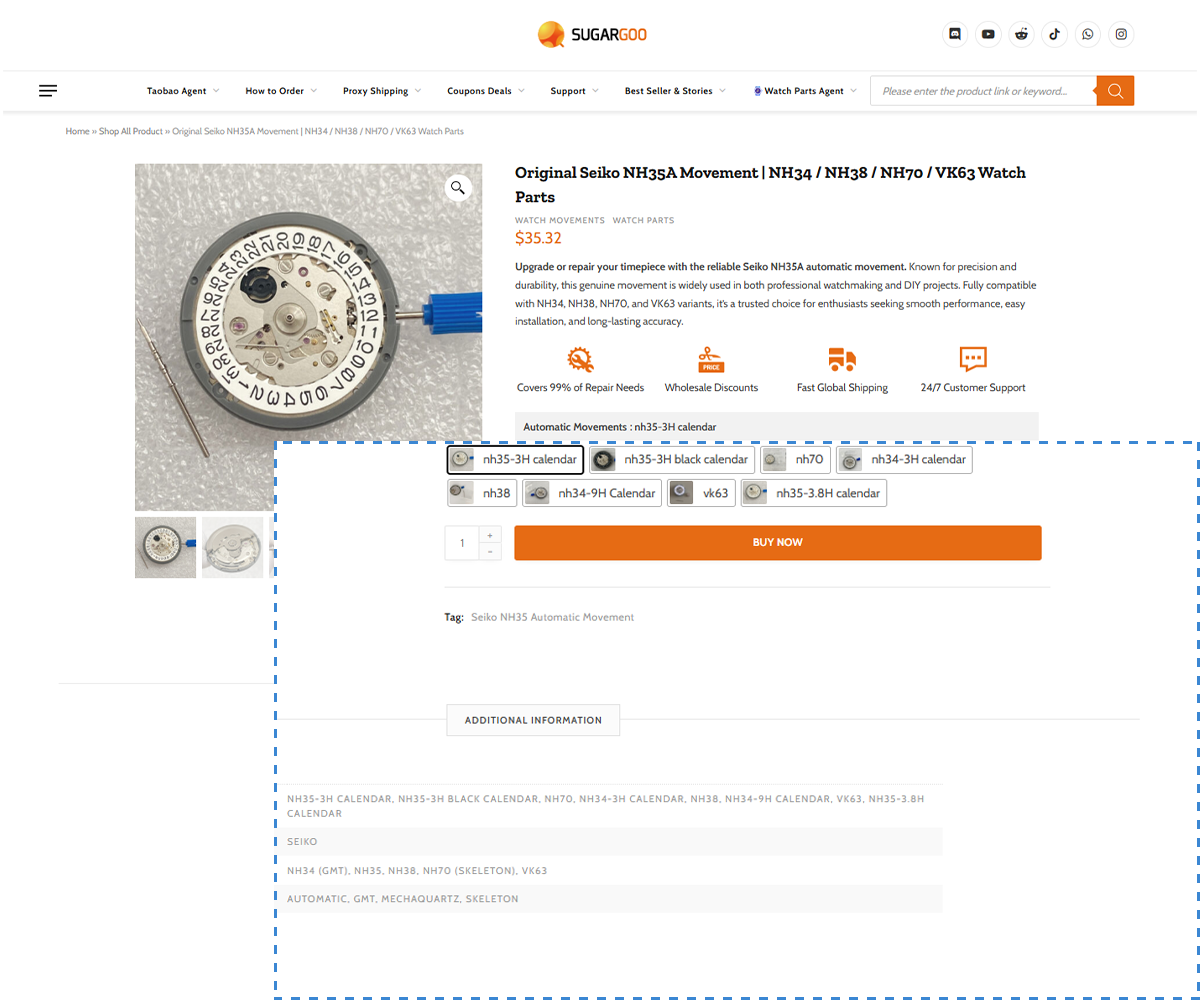
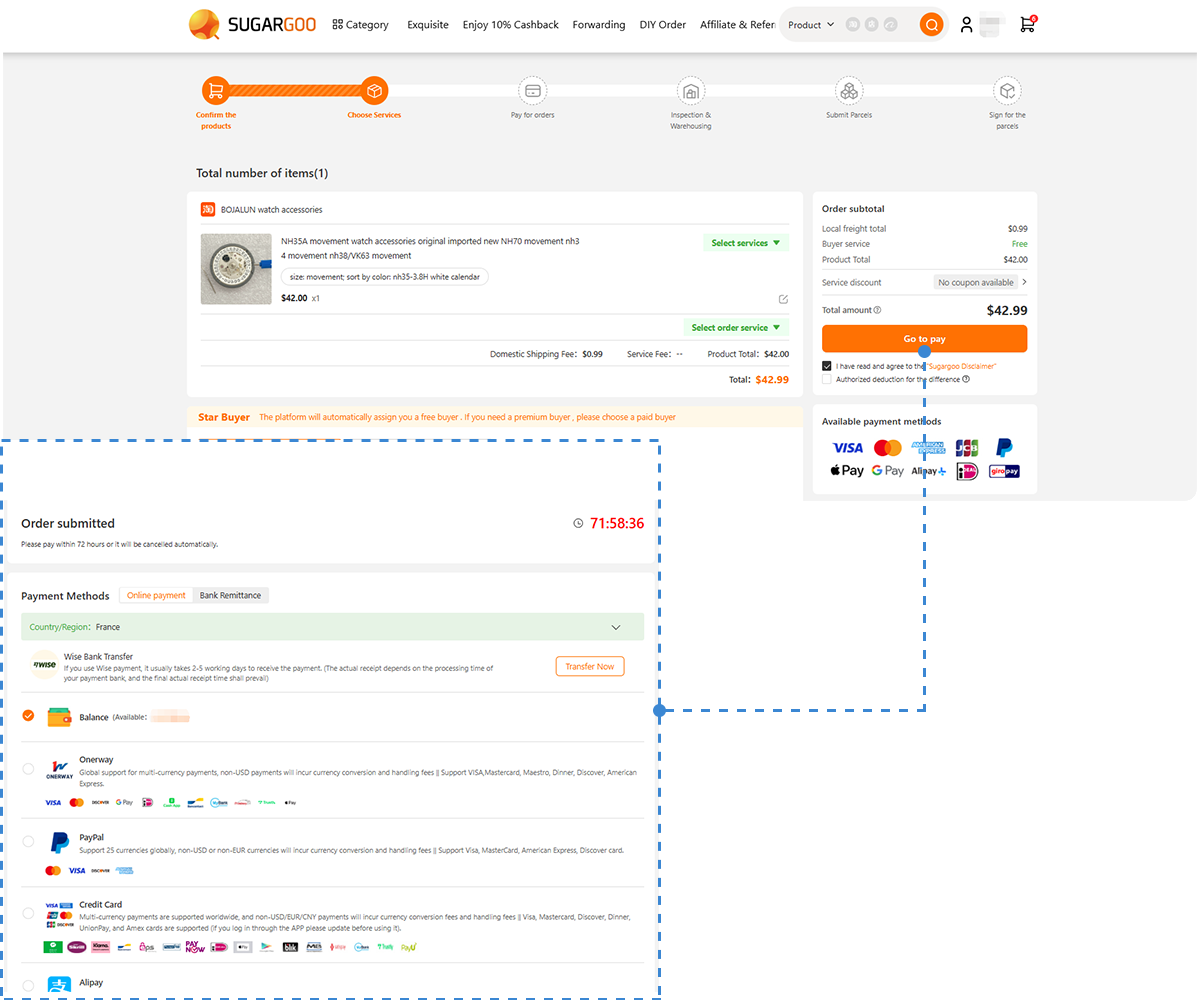
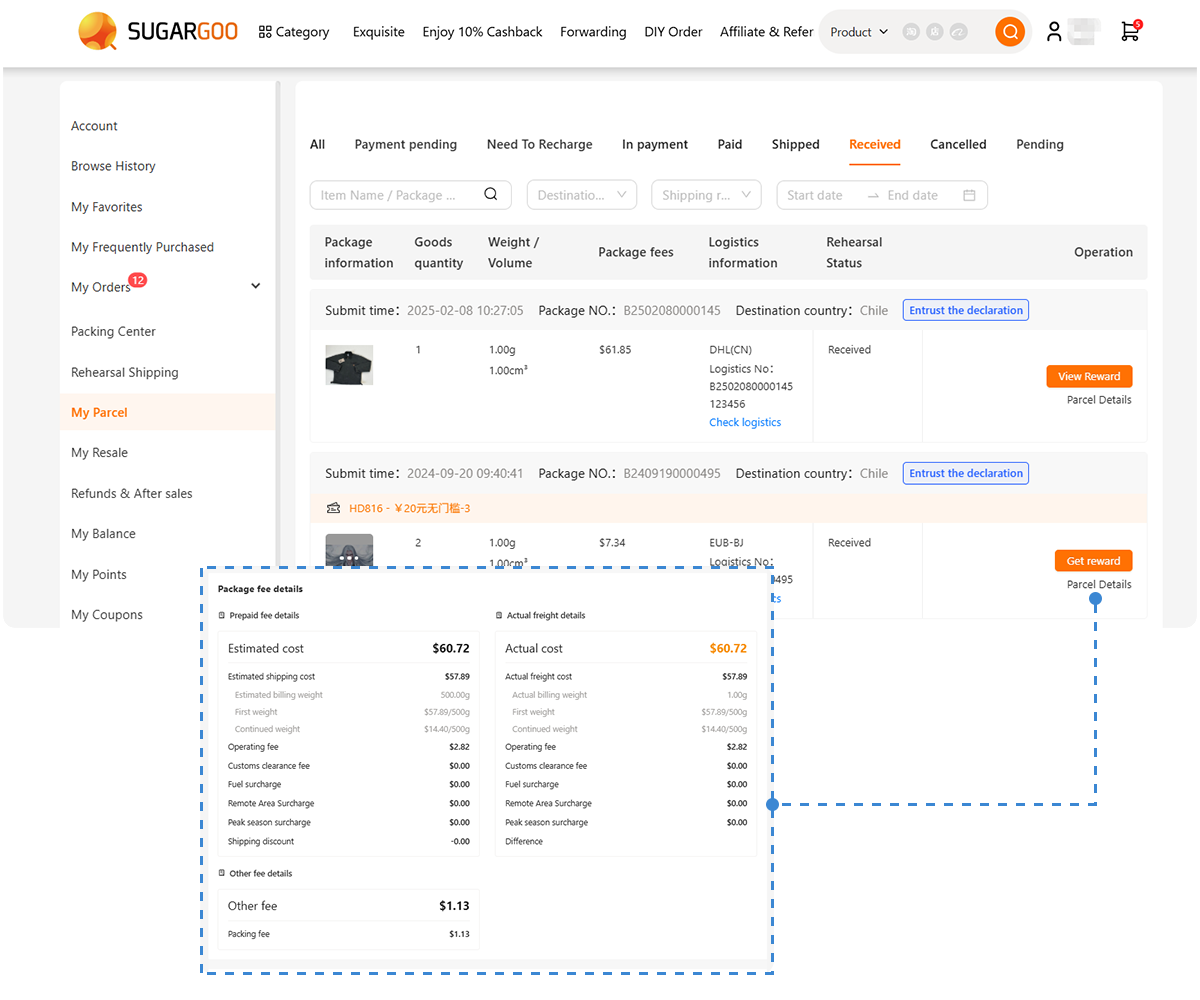
Now when I find something on Goofish, I usually copy the listing link and submit it through a DIY order with a Chinese buying agent like Sugargoo.
The idea is pretty simple.
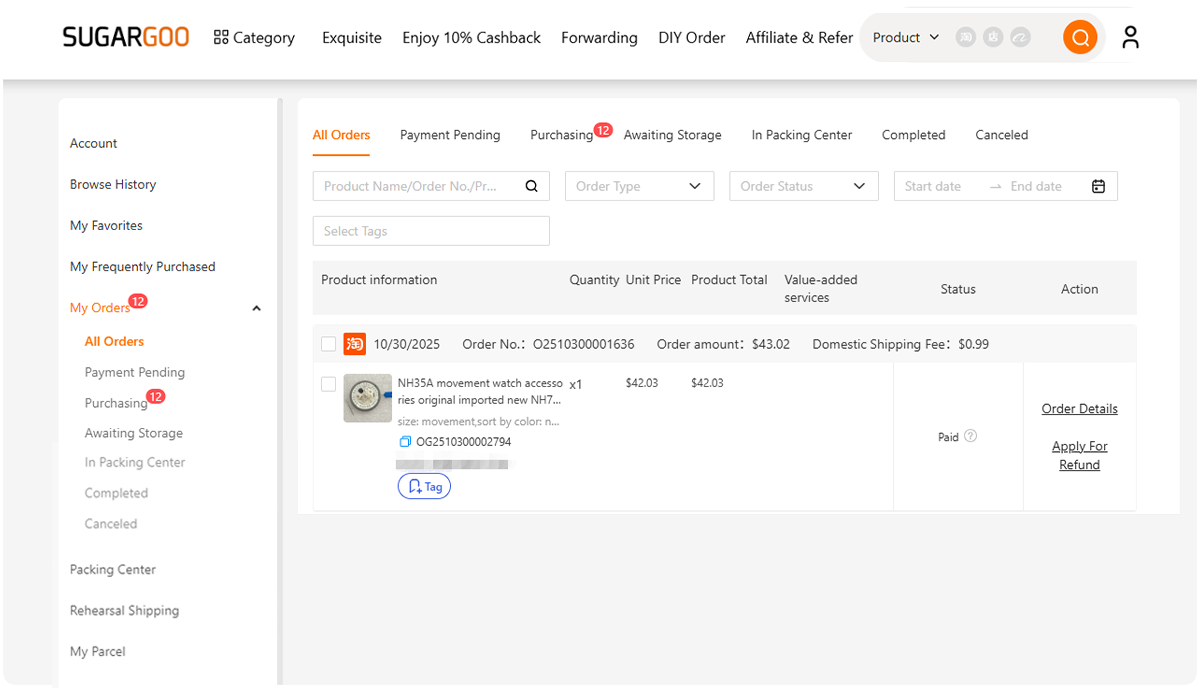
Instead of trying to purchase the item myself, the agent handles the local part of the transaction. They contact the seller, pay for the item, and receive the package at their warehouse in China.
From there, the process becomes much easier to manage.
Once the item arrives at the warehouse, they usually upload a few photos so you can see the condition before shipping it internationally. That part is especially useful for Goofish purchases because many listings are second-hand.
If something looks different from the seller photos, you can catch it early.
After that, it’s just a matter of choosing a shipping lineand sending the package overseas.
It sounds like an extra step, but in practice it actually removes a lot of friction when buying from Chinese marketplaces.
For me, it turned Goofish from a confusing platform into something I check almost every week.
Is Goofish Safe?
It depends on how careful you are.
Since the platform is mostly peer-to-peer, listings are created by individuals rather than stores. That always introduces some uncertainty.
But many sellers are just regular people selling things they no longer need.
Looking at seller history, checking photos carefully, and asking questions can filter out many bad listings.
Using an agent also helps because they inspect the item before it leaves China.
That extra step gives a bit more confidence.
FAQ
Can people outside China use Goofish?
Yes, but the platform wasn’t really designed for international buyers. Language, payment, and shipping can create small obstacles.
Does Goofish ship internationally?
Most sellers ship domestically only. Overseas buyers usually rely on a forwarding service or shopping agent.
Are items on Goofish always used?
Not necessarily. Many are second-hand, but brand-new items appear frequently as well.
Why are prices sometimes so low?
A lot of sellers are simply clearing out unused things. They’re not trying to run a store.
What’s the easiest way to buy from Goofish overseas?
Many buyers copy the Goofish listing link and submit it through an agent’s DIY order system so the purchase can be handled locally in China.
Final Thoughts
Goofish isn’t the easiest platform to navigate at first.
The interface feels unfamiliar, listings can be vague, and international shipping requires a few extra steps.
But once you understand how the ecosystem works, the platform becomes surprisingly useful.
Rare items appear there all the time. Things that disappeared from Taobao months or even years ago.
Sometimes you’ll search for weeks and find nothing.
Other times the exact thing you wanted shows up unexpectedly.
That unpredictability is part of what makes browsing Goofish interesting.