
The first time I ordered clothes from a Chinese store, I thought I had it figured out.
I usually wear a US Medium, so I picked a Medium without thinking too much. When the package arrived, the shirt looked great — but the fit felt off immediately. The shoulders were tighter, the sleeves shorter, and overall it felt closer to a US Small.
That’s when I realized something a lot of people run into:
Asian sizes are not the same as US sizes.
And more importantly — they’re usually smaller.
If you’ve ever wondered why this happens and how to avoid getting the wrong size, this guide breaks it down in a way that actually helps when you’re shopping.
Why Are Asian Sizes Smaller Than US Sizes?
There isn’t just one reason behind this. It’s a mix of body differences, design choices, and how sizing systems work in different regions.
Differences in Average Body Structure
One of the biggest reasons comes down to general body proportions.
In many Asian countries, the average build tends to be:
- Slightly shorter in height
- Narrower in shoulder width
- Smaller frame overall
In comparison, US sizing is based on a population that, on average, is:
- Taller
- Broader in shoulders
- Larger in build
Clothing brands design their sizing charts based on their primary customer base. So a “Large” in China is often created with a different body type in mind than a “Large” in the US.
I didn’t really think about this until I started comparing measurements instead of labels. Once I looked at actual numbers, the difference became obvious.
Slimmer Fit Preferences in Asian Fashion
Another thing that surprised me was how different the fit style is.
A lot of Asian clothing is designed to sit closer to the body. You’ll often see descriptions that translate to:
- “Slim fit”
- “Fitted cut”
- “Korean style”
Even when something is labeled as “loose,” it’s usually not as oversized as what you’d expect from US brands.
In contrast, US clothing often leans toward:
- Relaxed fits
- Roomier cuts
- Streetwear-style oversized silhouettes
So even if the size label looks similar, the way the garment is intended to fit can make it feel smaller.
No Universal Sizing Standard
This is something many people don’t realize at first:
There is no global sizing standard.
A “Medium” doesn’t mean the same thing everywhere.
- In China, sizes are often based on centimeters
- In the US, sizing may use inches or brand-specific systems
- Some brands mix letters (S/M/L) with detailed measurement charts
Because of this, two items labeled “L” can have completely different dimensions.
After a few bad purchases, I stopped trusting the label entirely. Now I go straight to the size chart first.
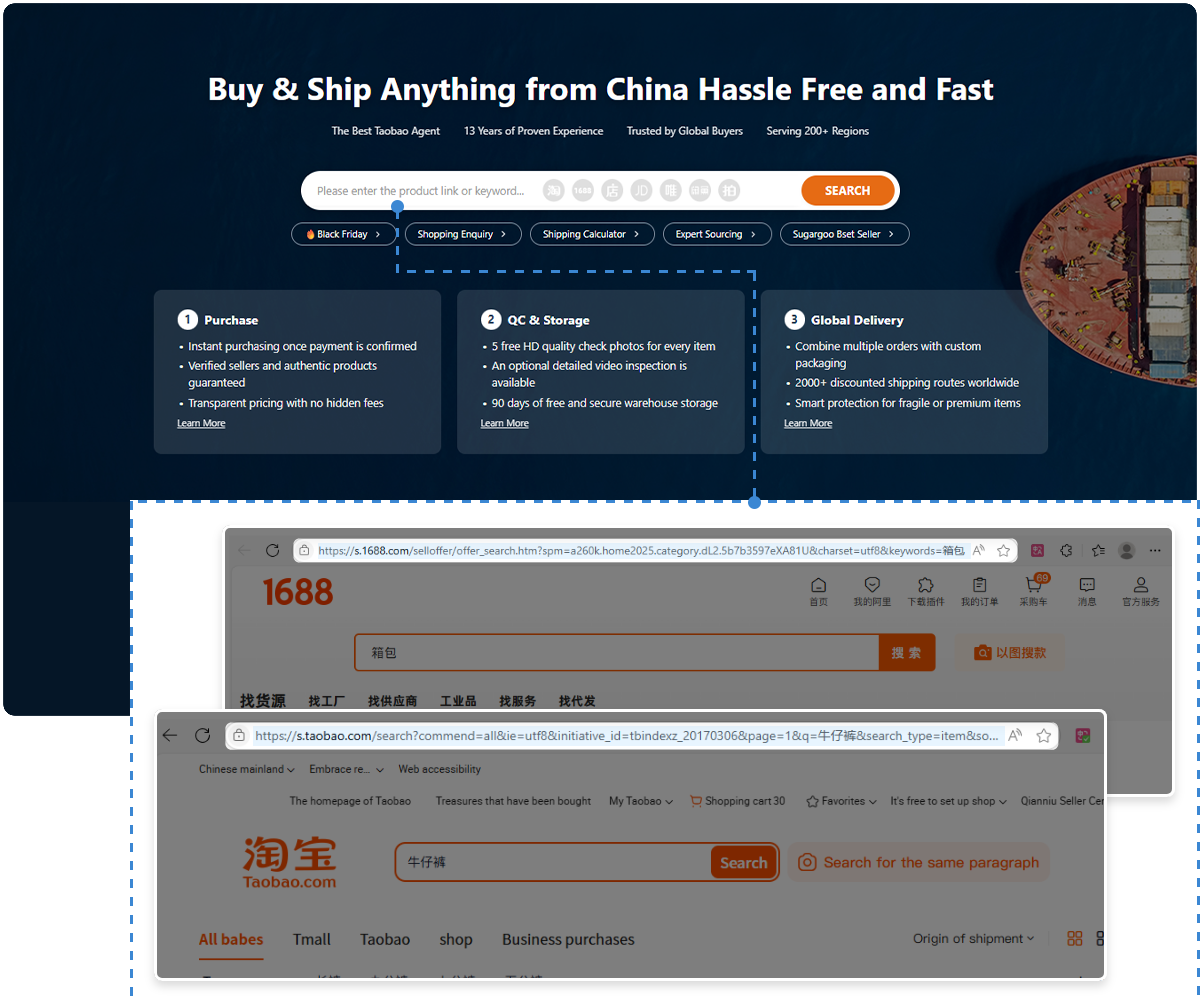
Platform-Based Selling (Especially on Taobao)
If you’re shopping on platforms like Taobao, things get even less predictable.
Unlike large global brands, many sellers:
- Run small independent shops
- Set their own sizing standards
- Use different factories
That means sizing can vary not just between brands — but between listings.
I’ve seen two nearly identical shirts from different sellers, both labeled XL, with noticeably different measurements.
This is one of the main reasons sizing feels inconsistent when shopping from Asian marketplaces.
Clothes Measurements vs Body Measurements
This is probably the most common misunderstanding.
When you see something like:
- 胸围 100cm (bust 100 cm)
That usually refers to the garment measurement, not your body.
So if your chest is 100 cm, that shirt will likely feel tight.
In most cases, you want the clothing measurement to be:
- About 5–10 cm larger than your body for a fitted look
- Even more if you prefer a relaxed fit
Once I understood this, sizing became much easier to manage.
Common Mistakes People Make
Looking back, I made most of these myself.
Mistake 1: Choosing Based on S/M/L Alone
This is the fastest way to get the wrong size.
Letters don’t carry consistent meaning across countries or even between sellers.
Mistake 2: Assuming One-Size Difference Is Enough
You’ll often hear advice like:
“Just size up once.”
Sometimes that works. Sometimes it doesn’t.
In reality, the difference can vary:
- +1 size for loose items
- +2 sizes for slim-fit clothing
- Or no change at all if the item runs large
Mistake 3: Relying Only on Translation Tools
Auto-translation helps, but it misses nuance.
For example:
- “偏小” → often means runs small
- “宽松版” → may not be truly oversized
- “修身” → usually slim fit
Without context, these can be misleading.
Asian Size to US Size Conversion (Quick Reference)
Here’s a rough idea based on what I’ve seen:
| Asian Size | Approx US Size |
| S | XS |
| M | S |
| L | M |
| XL | L |
| XXL | XL |
But this is just a guideline.
I’ve had items where the difference was bigger — especially with jackets or pants.
How to Choose the Right Size (What Actually Works)
After a few trial-and-error orders, I settled into a process that works pretty consistently.
Always Check the Size Chart
This is non-negotiable.
Look for:
- Chest / bust
- Shoulder width
- Length
- Sleeve length
Ignore the letter size until after you check these.
Measure Your Own Clothes (Not Just Your Body)
This made a bigger difference than I expected.
Instead of measuring your body directly, take a shirt that fits you well and measure:
- Chest (pit to pit × 2)
- Shoulder width
- Length
Then compare those numbers to the listing.
Read Reviews and Buyer Photos
This is especially useful on Taobao.
Look for comments that include:
- Height and weight
- Fit description
- Photos
If someone with a similar build shares their size choice, that’s often more reliable than the chart.
Use a Buying Agent for Extra Visibility
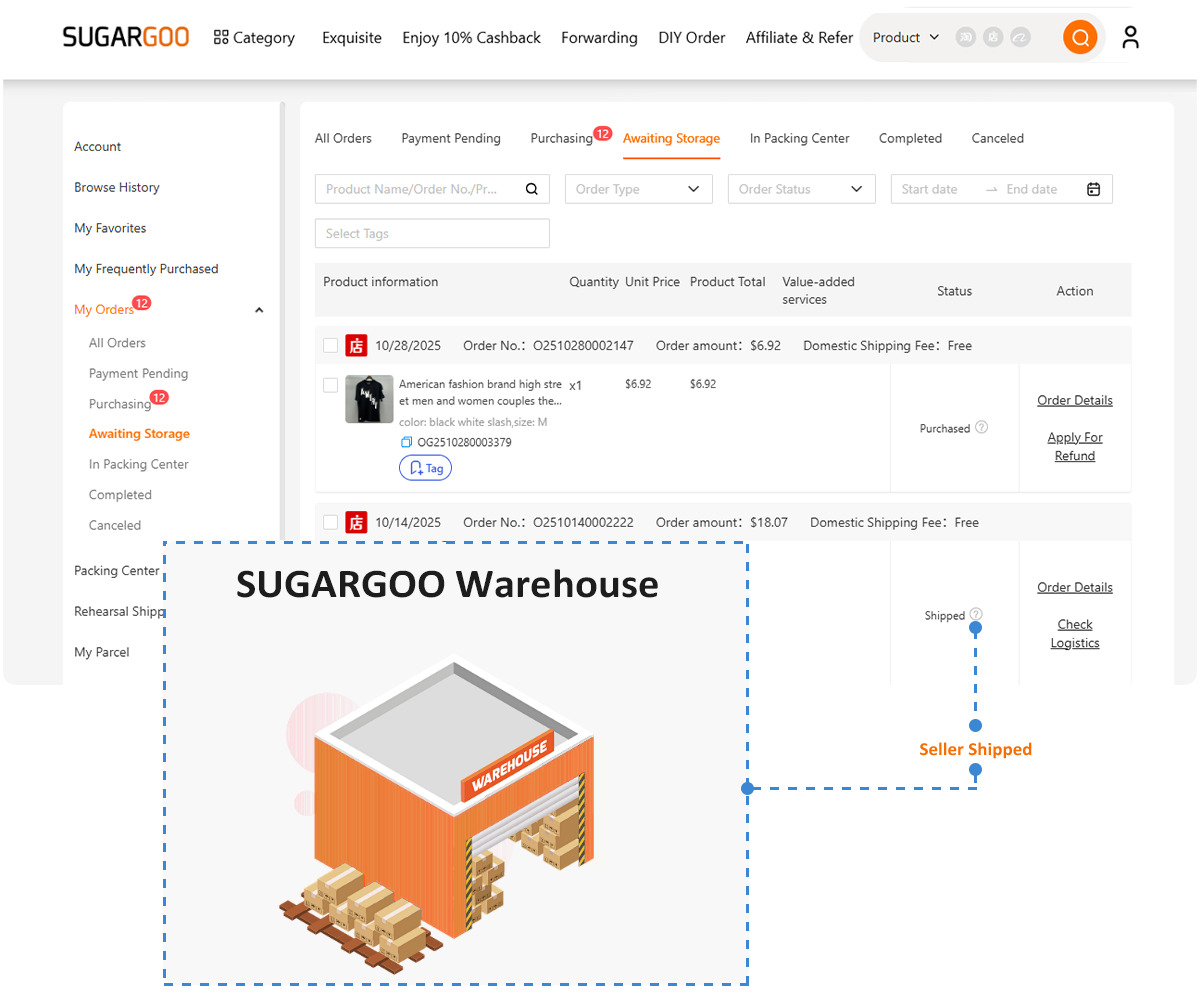
When I started ordering more regularly, I began using a service like Sugargoo.
What helped wasn’t just the shipping — it was the extra step in between.
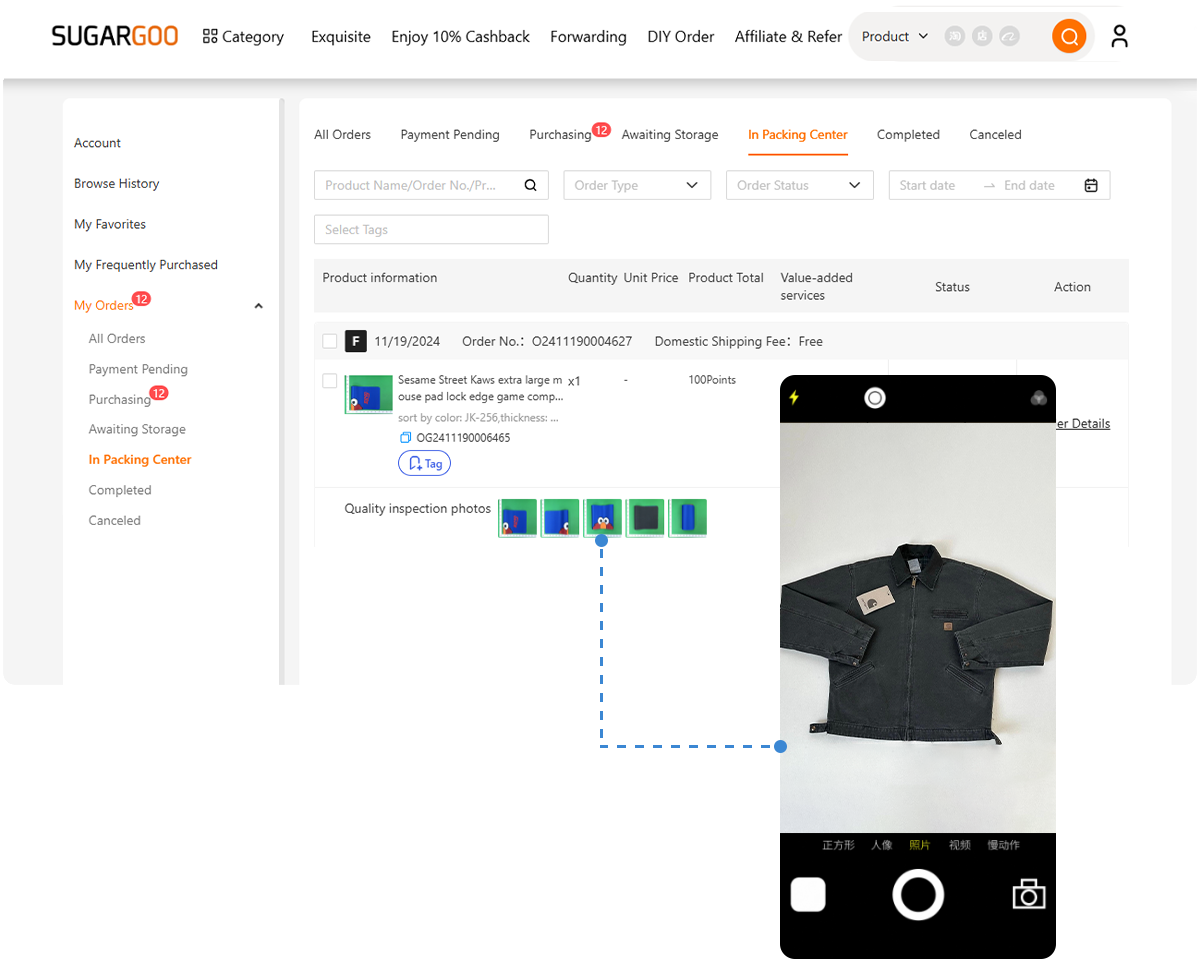
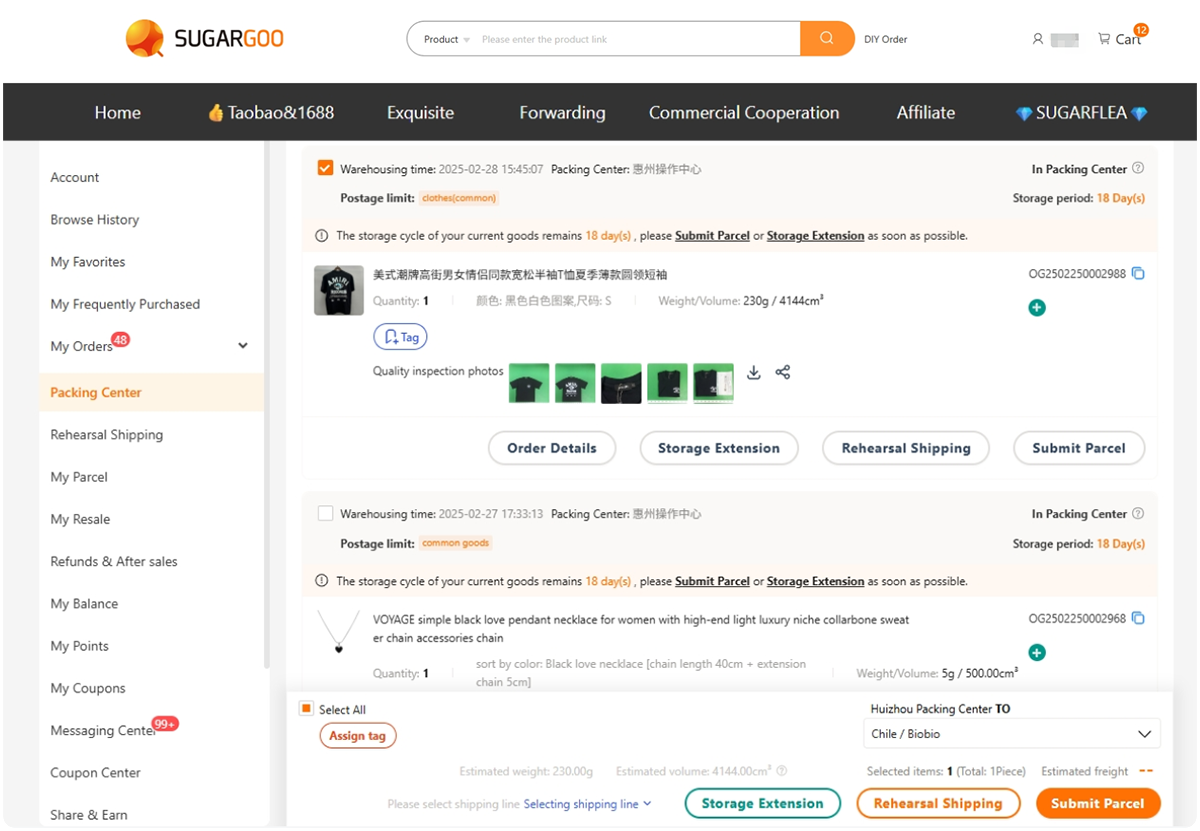
When items arrive at thewarehouse, they usuallytake inspection photos. That gives you a chance to see:
- The actual fit
- Fabric thickness
- Overall proportions
A couple of times, I noticed something looked smaller than expected and adjusted before shipping everything out.
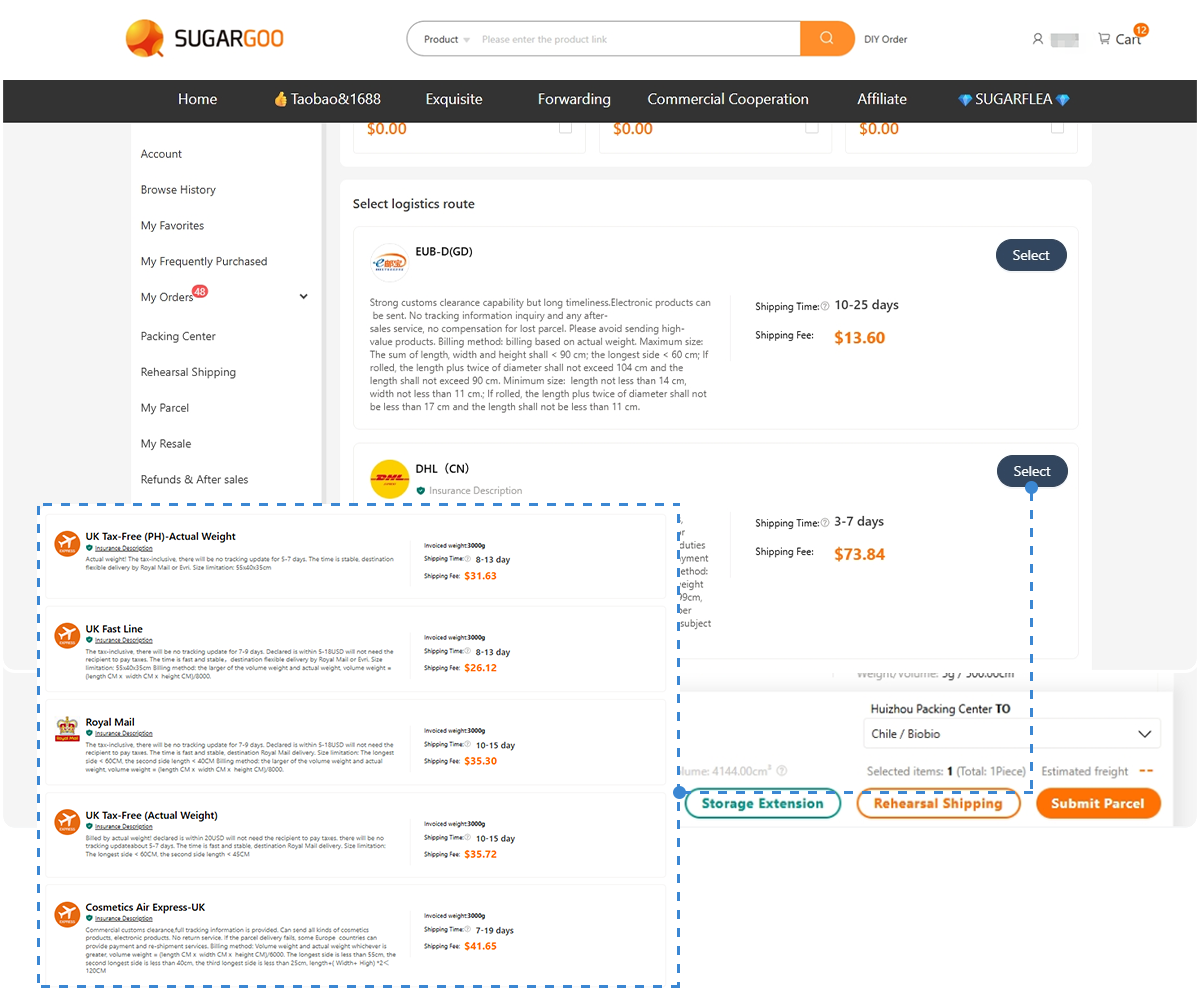
Another benefit iscombining multiple purchases into one package, which can make international shipping more efficient.
It’s not required, but if you’re buying from Chinese platforms often, it adds a bit of control to the process.
When in Doubt, Size Up — But Think About Fit
Sizing up is generally safer, but it depends on the style.
- Slim-fit item → size up 1–2
- Oversized item → stay true to chart
- Outerwear → allow extra room
Over time, you start recognizing patterns.
Differences Across Asian Countries
Not all Asian sizing is exactly the same.
From what I’ve noticed:
- Chinese sizing → most variable (especially on marketplaces)
- Korean sizing → slimmer, fashion-focused
- Japanese sizing → slightly smaller but more consistent
So even within “Asian sizes,” there are differences.
Final Thoughts
After a few sizing mistakes, I stopped treating size labels as reliable.
Now I focus on:
- Measurements
- Reviews
- Fit descriptions
Understanding why Asian sizes are smaller isn’t just about body differences — it’s about how clothing is designed and sold.
Once you adjust your approach, it gets a lot easier to shop across different regions without guessing every time.
And honestly, after getting used to it, I’ve found some of my favorite pieces from places I wouldn’t have considered before.