

For a long time, I kept asking the wrong question.
Whenever someone mentioned buying clothes online, I’d immediately wonder which platform was the cheapest. Friends would recommend Taobao. Social media would tell me to use SHEIN. Someone else would swear Temu had the best deals, while Amazon always sat there as the “safe” option.
Eventually I opened all four websites at the same time.
I thought I’d have an answer within twenty minutes.
I didn’t.
In fact, I probably left with more questions than I started with.
The Cheapest Hoodie Wasn’t the Cheapest Purchase
The first thing I searched for was a plain oversized hoodie.
Taobao won immediately on sticker price. It wasn’t even close. Some listings were so inexpensive that I refreshed the page because I assumed I’d read something wrong.
Then I looked at everything else.
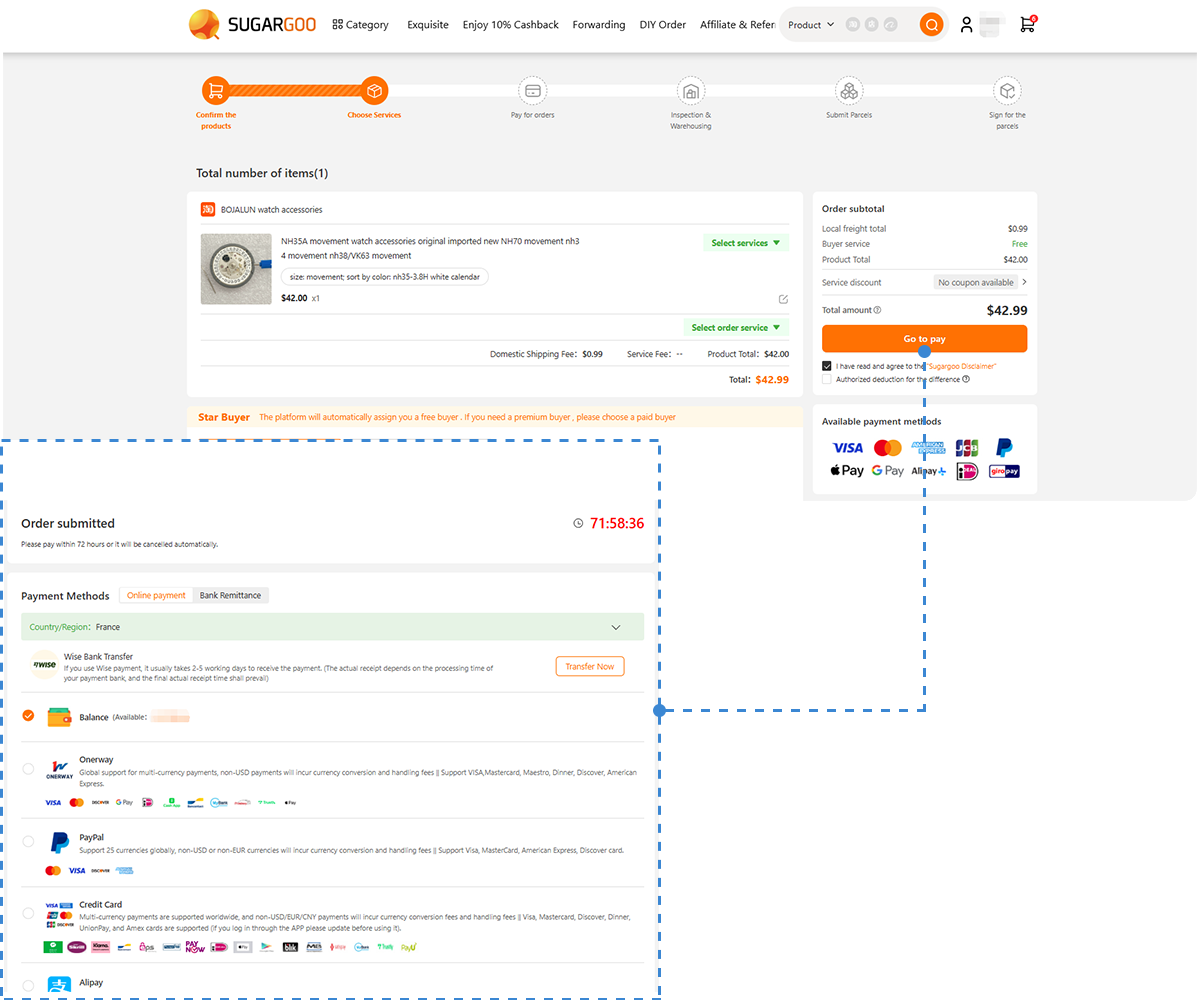
How would I pay for it?
How long would shipping take?
Was I really buying only one item?
The more practical questions I asked, the less useful that first price became.
By the time I had opened another calculator tab and estimated shipping, I wasn’t sure the hoodie on my screen was actually the bargain I’d imagined five minutes earlier.
Then I Accidentally Started Shopping Like a Real Person
Comparing one hoodie turned out to be boring.
Nobody I know orders exactly one thing.
So I added another T-shirt.
Then another.
A pair of trousers looked interesting.
A lightweight jacket found its way into the cart.
At some point I added a baseball cap for absolutely no reason except that it happened to match everything else.
I stopped counting after that.
What surprised me wasn’t the total cost. It was how differently each platform behaved once the basket became larger.
The comparison I thought I was making had quietly turned into a completely different one.
I Kept Changing My Mind About Taobao
At first I liked Taobao because everything seemed inexpensive.
Later I liked it for an entirely different reason.
The endless number of alternatives meant I rarely settled for the first listing I saw.
If one store offered a pair of cargo pants for $22, another seller often had something close enough for several dollars less.
If I disliked the color, another page solved that problem.
If the sizing looked questionable, there were dozens more options waiting.
I spent an embarrassing amount of time comparing socks that nobody except me would ever notice.
Somehow that became part of the fun.
Convenience Turned Out to Have Its Own Price Tag
After scrolling through page after page, I switched over to SHEIN.
The difference wasn’t dramatic.
It was subtle.
The site simply asked less from me.
I wasn’t translating anything.
I wasn’t opening five extra tabs to double-check measurements.
I wasn’t wondering whether I’d misunderstood a product description.
Everything moved along at a comfortable pace.
For someone replacing a couple of outfits after work on a Friday evening, that’s probably worth paying for.
You don’t notice convenience until you stop having it.
Temu Was Easier to Understand Than to Explain
I expected to dismiss Temu almost immediately.
Instead I found myself adding ordinary basics without thinking too much.
Nothing felt revolutionary.
Nothing looked especially unique.
But if my cousin called and asked where to buy a handful of cheap T-shirts before a vacation, Temu would probably come up in the conversation.
It’s difficult to criticize something that quietly does exactly what it promises.
At the same time, after twenty minutes of browsing, I struggled to remember anything I’d actually seen.
Amazon Solved a Problem Nobody Else Could
Halfway through comparing prices, another thought crossed my mind.
What if I needed these clothes next week?
That question changed everything.
Suddenly the higher prices on Amazon didn’t feel quite so high.
Knowing an item could arrive quickly without much uncertainty carries its own value.
Some purchases are about saving money.
Others are about avoiding stress.
Those aren’t always the same thing.
The Shopping Cart Was Teaching Me More Than the Prices
The funny thing is that I stopped paying attention to individual products.
Instead I started watching the cart itself.
Every new item shifted the balance.
With one purchase, SHEIN looked sensible.
With three, Temu became competitive.
Once the basket grew large enough, Taobao quietly pulled ahead again.
Nothing on the websites had changed.
Only my own behavior had.
That realization stayed with me longer than any specific price.
I Finally Understood Why People Combine Orders
Before this comparison, I never really understood why experienced Taobao shoppers talked so much about consolidation.
Then I imagined buying ten items from five different sellers.
Sending every parcel separately suddenly sounded exhausting.
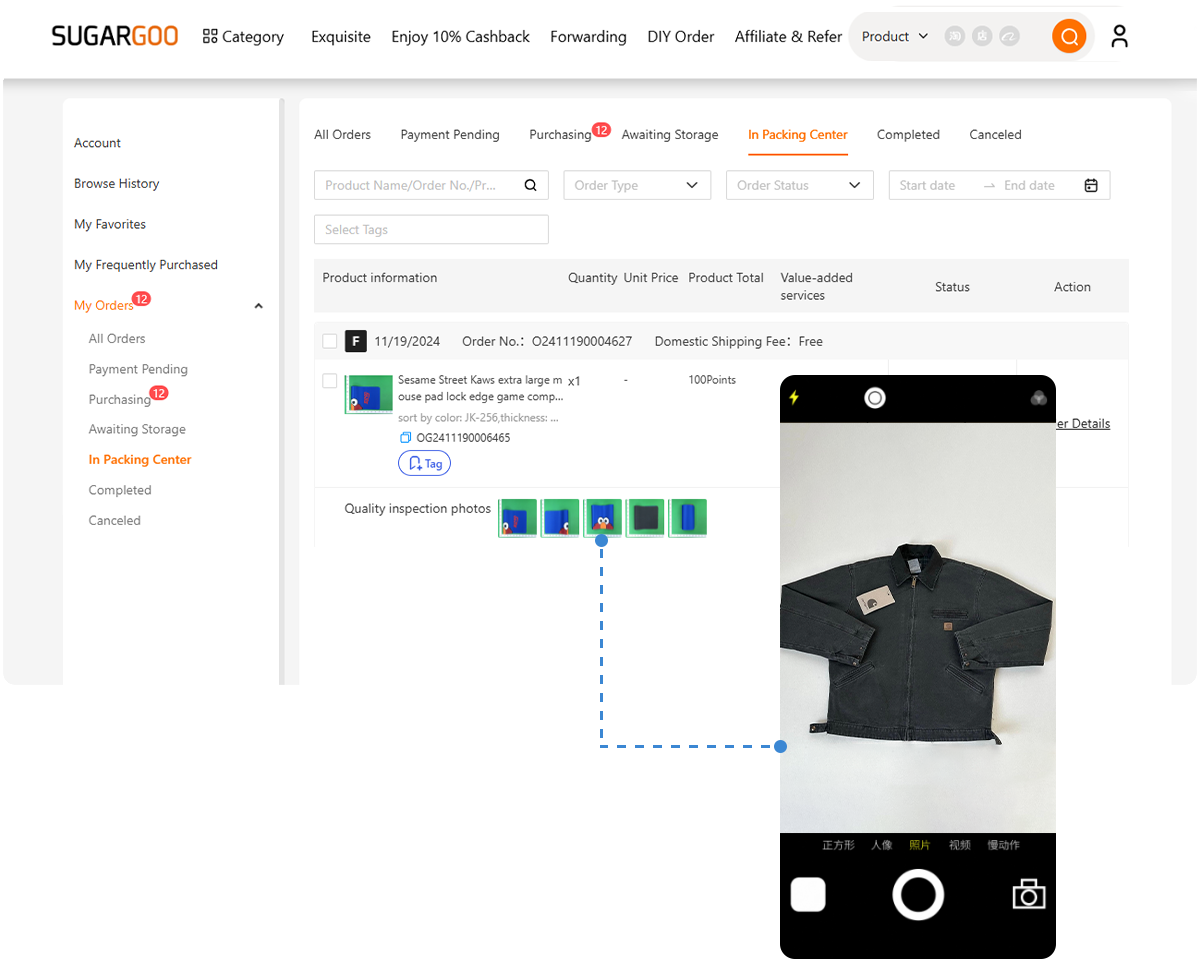
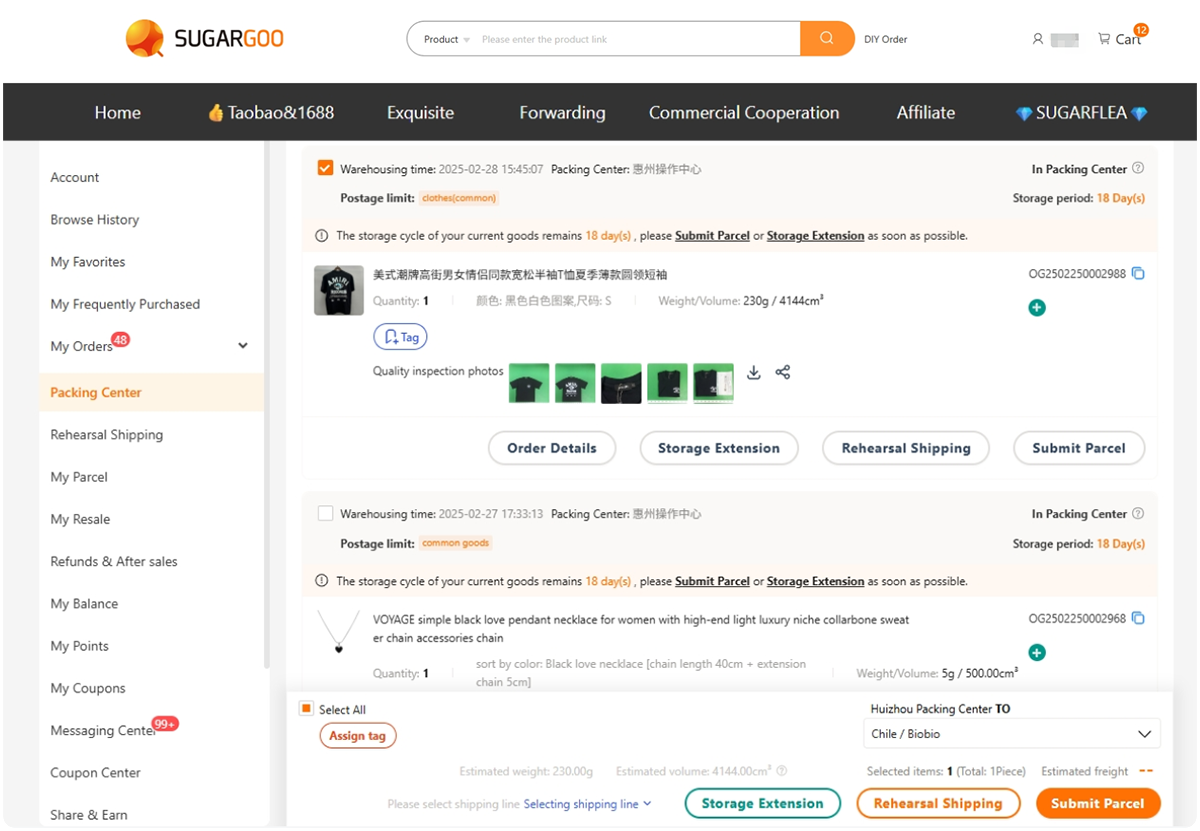
Collecting everything first, checking QC photos, and packing the purchases together felt far more logical. It’s a little like waiting until all your groceries are at the checkout before carrying them home instead of making ten separate trips.
The bigger the order became, the more obvious that approach seemed.
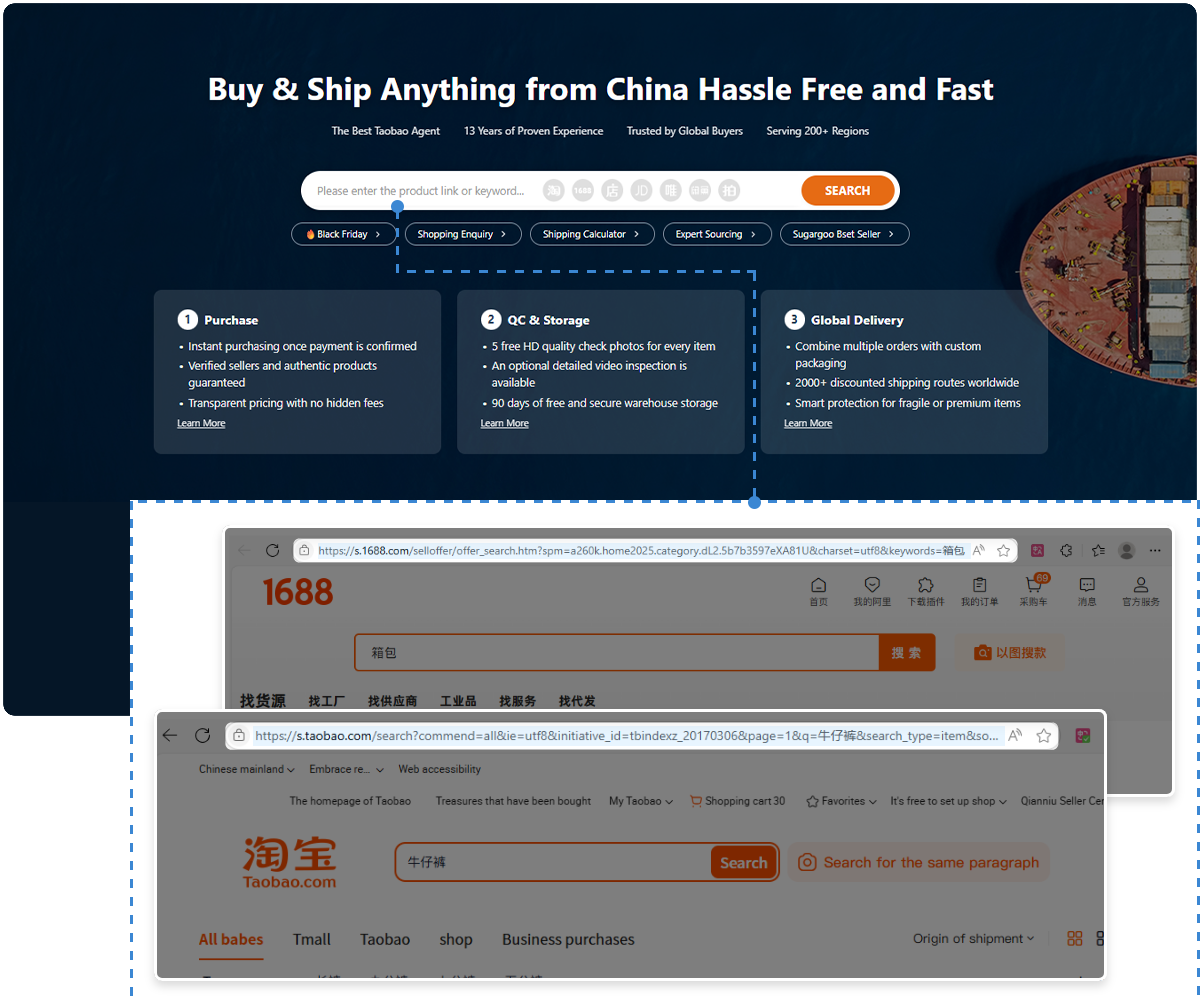
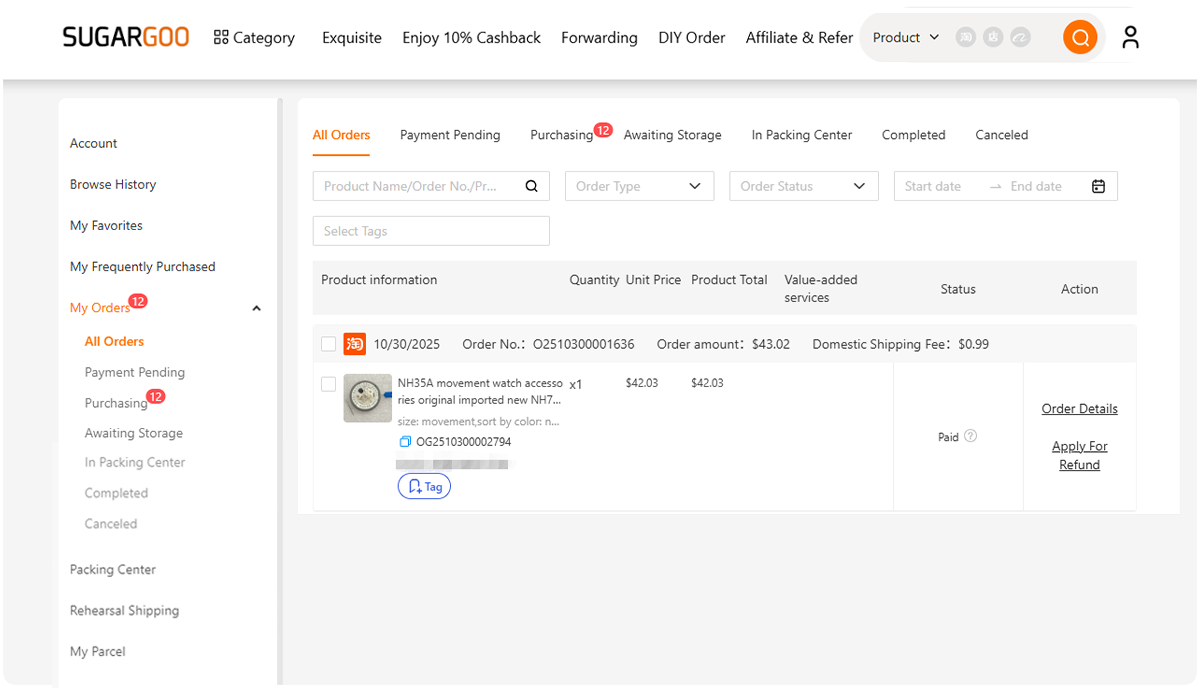
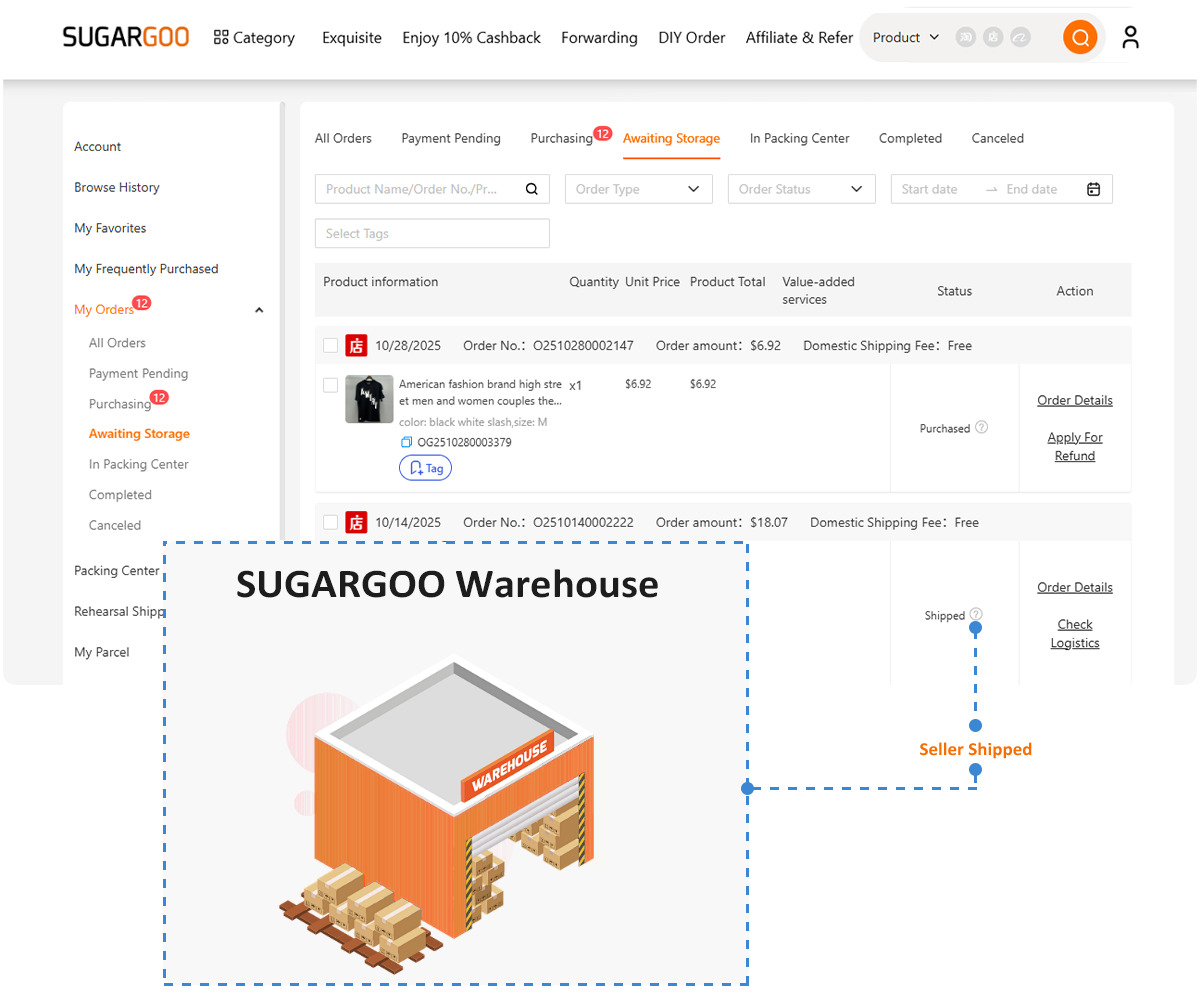
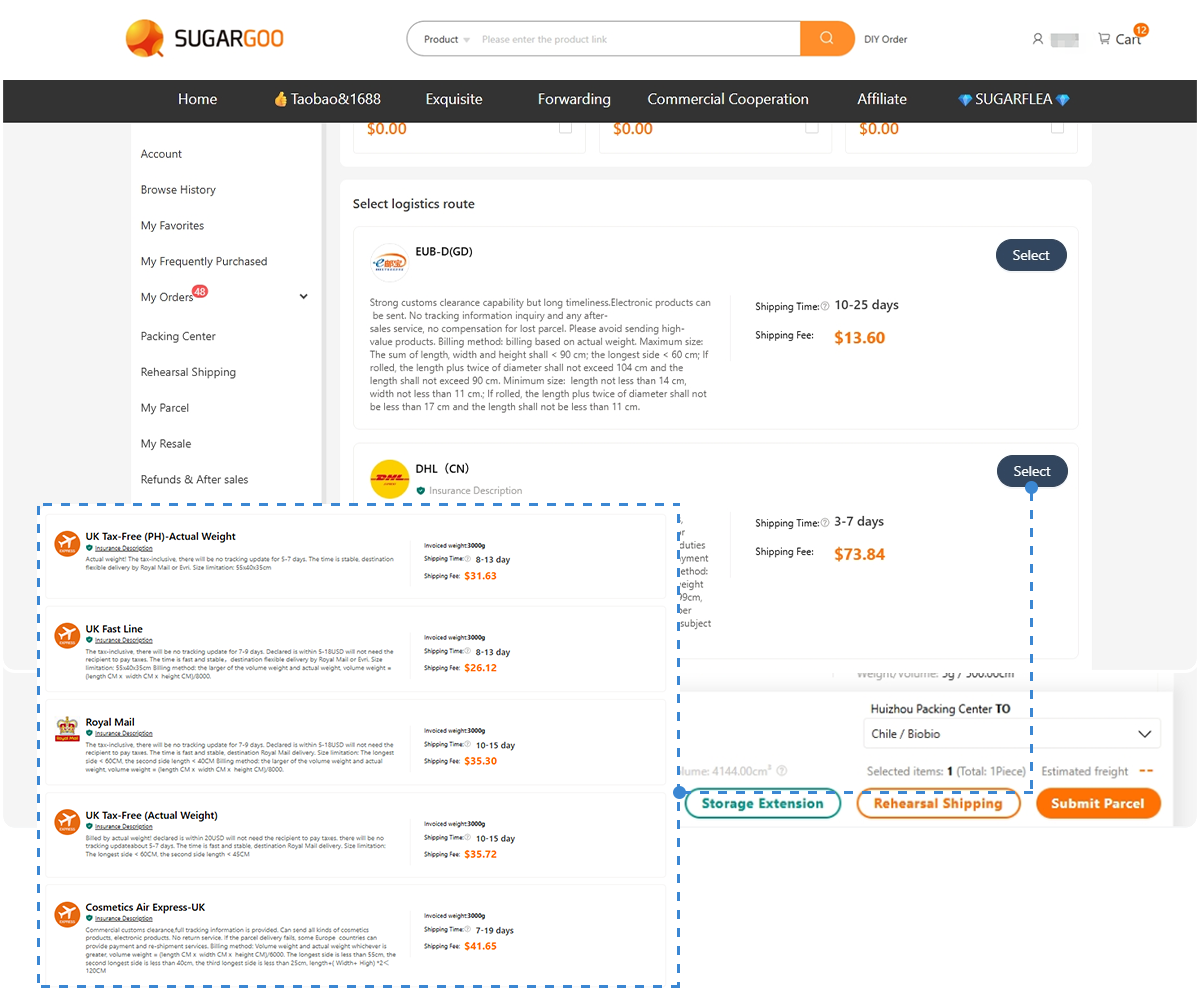
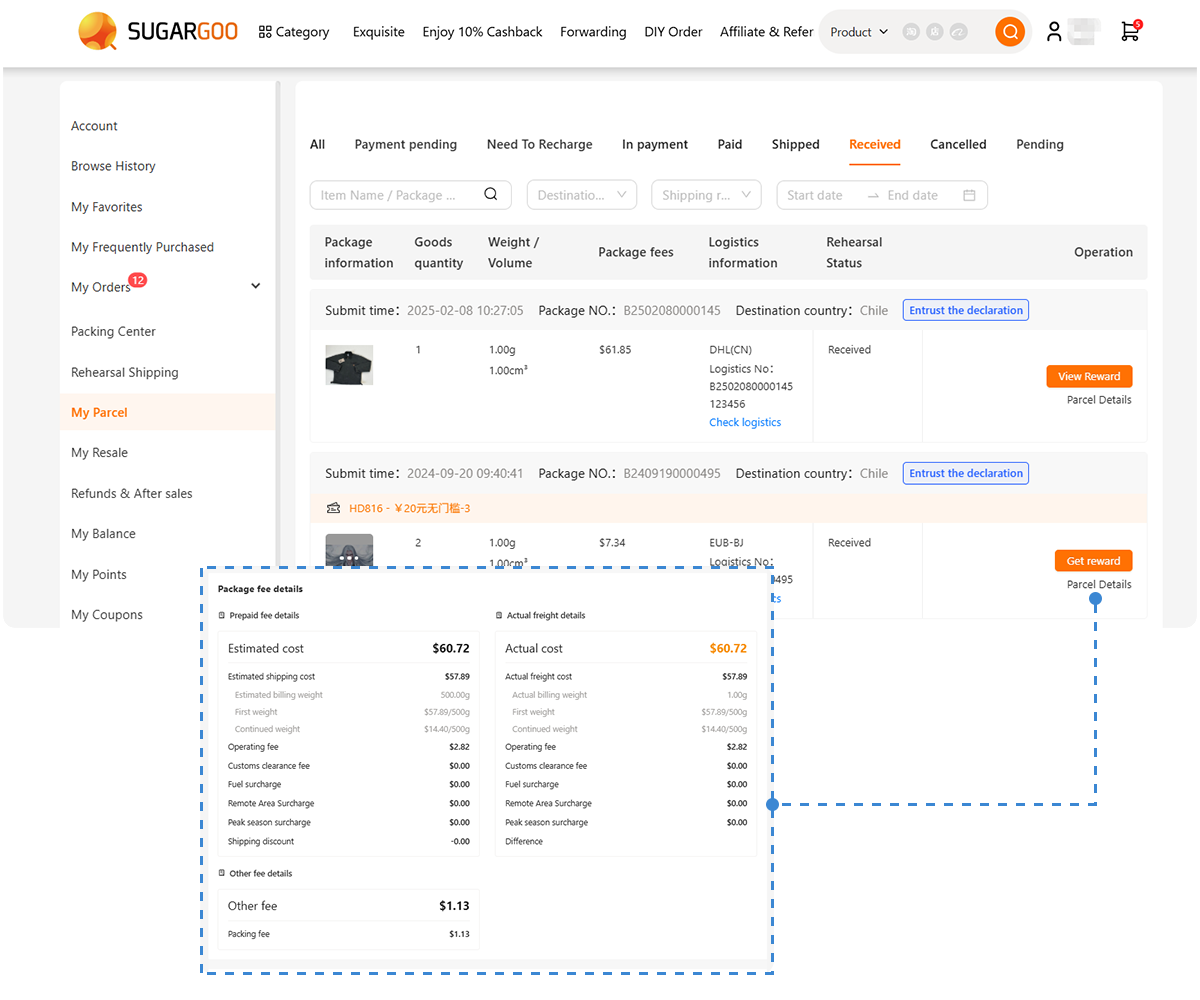
That’s also why many overseas shoppers use services like Sugargoo. Instead of dealing with multiple shipments, items can be collected in one warehouse, checked throughQC photos, andpacked together before international delivery. Once a shopping cart starts filling up, that approach usually feels much more practical.
Somewhere Along the Way I Stopped Looking for a Winner
The internet loves rankings.
Best platform.
Cheapest platform.
Fastest platform.
Real life isn’t nearly that tidy.
Some days you’re trying to stretch a budget across an entire season.
Some days you’ve got a wedding next weekend and realize your only white shirt no longer fits.
Sometimes saving fifteen dollars matters.
Sometimes getting the parcel before Friday matters more.
I don’t think either decision is wrong.
So Which Platform Would I Use Again?
Probably all of them.
I’d open Amazon if time was running out.
I’d browse SHEIN when I wanted something simple without much effort.
I’d keep Temu in mind for affordable basics.
And if I were rebuilding half my wardrobe or chasing styles that never seem to appear in local stores, I’d almost certainly end up back on Taobao with far more tabs open than I intended.
The biggest surprise wasn’t discovering which website had the lowest prices.
It was realizing that the answer kept changing every time I changed the way I shopped.
Maybe that’s why the debate never ends.
We’re all comparing different carts while pretending we’re comparing the same store.