

I Thought “Medium” Was Universal — Turns Out It’s Not
For a long time, I never really thought about sizing.
If I needed a hoodie or a jacket, I’d just pick my usual size and move on. Simple.
That habit worked almost everywhere… until I started buying clothes from Taobao.
The first piece I ordered looked completely fine when it arrived. No obvious issues. But once I tried it on, something felt slightly off. Not dramatically wrong — just not right either. The fit around the shoulders was tighter than I expected, and the overall shape didn’t match what I saw in the product photos.
At first, I assumed I just picked the wrong size.
But after it happened again (and then again), I realized the issue wasn’t random.
👉 I was reading Taobao size information the same way I read Western sizing — and that doesn’t really work.
Why Taobao Sizes Don’t Work Like You Expect
Here’s the part that throws most people off:
There isn’t a single, consistent sizing system across Taobao.
Different sellers:
- use different measurement standards
- design for different fits
- and sometimes label sizes loosely
So even though you’ll see familiar labels like S, M, or L, those labels don’t carry a fixed meaning.
At the same time, most listings do include detailed measurements — but instead of being obvious, they’re hidden behind abbreviations like:
- Bust
- Waist
- Shoulder
- Length
If you ignore those and rely only on the letter size, you’re basically guessing.
The Most Common Clothing Abbreviations (And What They Really Mean)
Let’s go through the ones you’ll see the most — because this is where things start to make sense.
S / M / L — Useful, But Not Reliable
This is the first thing most people look at.
And honestly, it’s the least useful part of the size chart.
On Taobao, “M” is not a standard size. It’s just a label the seller assigns. That means:
- One shop’s M might feel like a Small
- Another shop’s M might fit oversized
- Some items are intentionally cut loose
👉 The takeaway: treat it as a rough hint, nothing more.
Bust — Probably the Most Important Number
You’ll see this on almost every top.
But here’s the detail that causes confusion:
👉 In most cases, “Bust” refers to the clothing itself — not your body.
So if a listing shows:
- Bust: 102 cm
That’s the measurement of the garment laid flat (or around the chest area), not the person it’s made for.
If your actual chest measurement is also 102 cm, the fit will likely be tight.
A better approach is to leave some extra room depending on how you want it to fit.
Waist — Not Always Straightforward
Waist measurements seem simple at first… until you realize they depend heavily on the design.
For example:
- High-waisted pants sit above your natural waist
- Low-rise styles sit below it
- Some waistbands stretch, some don’t
So two items with the same listed waist measurement can feel completely different when worn.
Hip — Easy to Ignore, Easy to Regret
A lot of people skip this number.
That’s usually a mistake.
If you’re buying jeans or fitted pants, the hip measurement can matter just as much — sometimes more — than the waist.
It’s entirely possible for something to match your waist perfectly and still not fit overall.
Shoulder — The Silent Fit Killer
This one doesn’t get enough attention.
But when it’s wrong, the whole garment looks off.
If the shoulder width is too narrow:
- the fabric pulls
- sleeves don’t sit right
- movement feels restricted
Especially for jackets and structured tops, this number is worth checking.
Length — Depends on What You’re Buying
“Length” isn’t a fixed concept.
It changes depending on the item:
- Shirts → how long it is from top to bottom
- Dresses → overall vertical length
- Pants → either total length or inseam
If the listing isn’t clear, photos usually give you a clue.
Sleeve — Small Detail, Big Difference
Sleeve length matters more than people expect.
If it’s slightly short, the whole piece can feel off — even if everything else fits.
This is especially noticeable with hoodies and coats.
Where Most People Go Wrong
Understanding the terms helps — but there are still a few habits that lead to bad sizing choices.
Relying on Letter Sizes Alone
It’s tempting because it’s quick.
But on Taobao, that shortcut rarely works.
Matching Numbers Exactly
If your chest is 100 cm, picking a shirt with a 100 cm bust sounds logical.
In reality, that leaves no room for movement.
Trusting Descriptions Too Much
Words like “loose” or “slim” don’t always translate well.
Sometimes “loose” is barely relaxed. Other times it’s extremely oversized.
Looking at Only One Measurement
Clothing doesn’t fit based on a single number.
Everything works together — waist, hips, shoulders, length.
Ignoring that usually leads to something feeling off.
A Simple Way to Get the Right Size (Without Overthinking It)
You don’t need a complicated system. Just a consistent one.
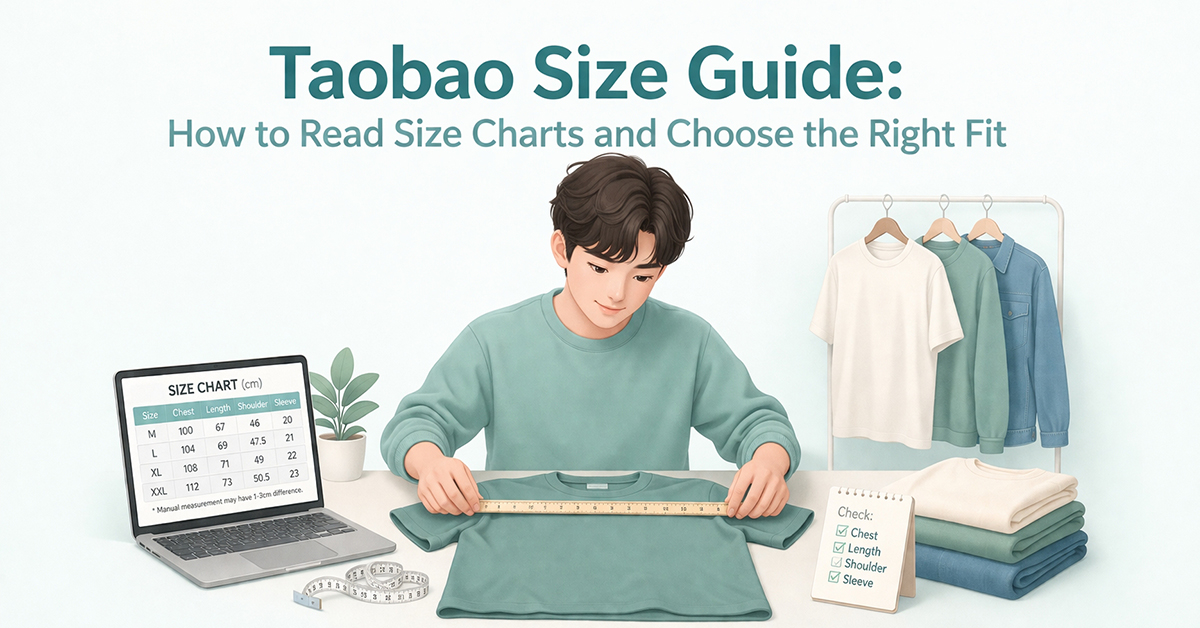
Step 1 — Get Your Measurements
You only need to do this once.
Focus on:
- chest
- waist
- hips
- shoulders
Step 2 — Read the Size Chart Properly
Ignore the letter size for now.
Look directly at the numbers and compare them with your own.
Step 3 — Leave Some Extra Space
Clothes need room.
How much depends on the fit you want, but generally:
- a little extra for fitted pieces
- more for relaxed or oversized styles
Step 4 — Use Photos as a Reality Check
Size charts tell you numbers.
Photos show you how it actually looks.
Pay attention to:
- how it sits on the model
- where it falls on the body
- whether it looks tight or loose
What Helps When You’re Still Unsure
Even when you do everything right, there are still situations where sizing isn’t completely clear.
Some listings are vague. Some charts feel inconsistent.
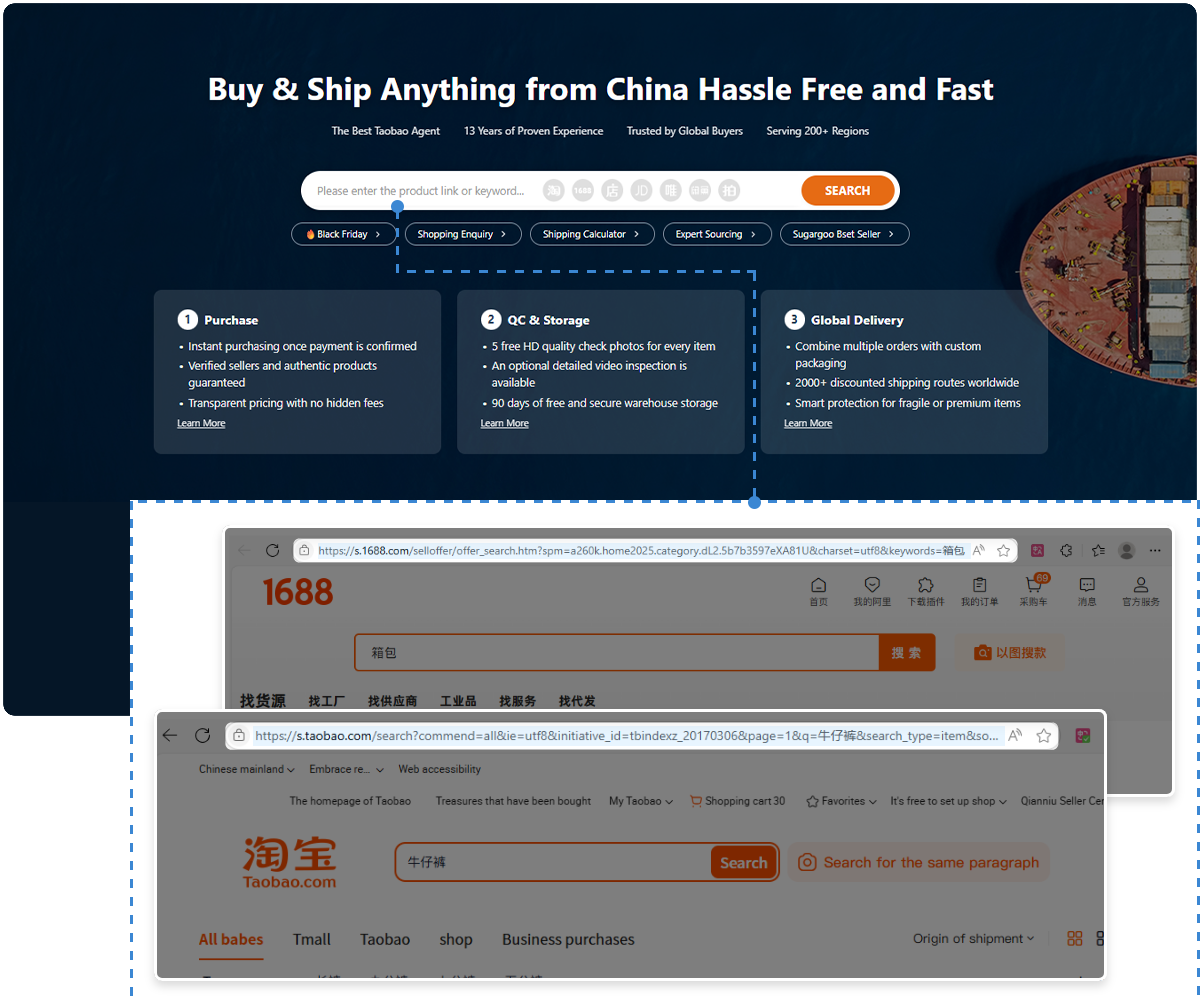
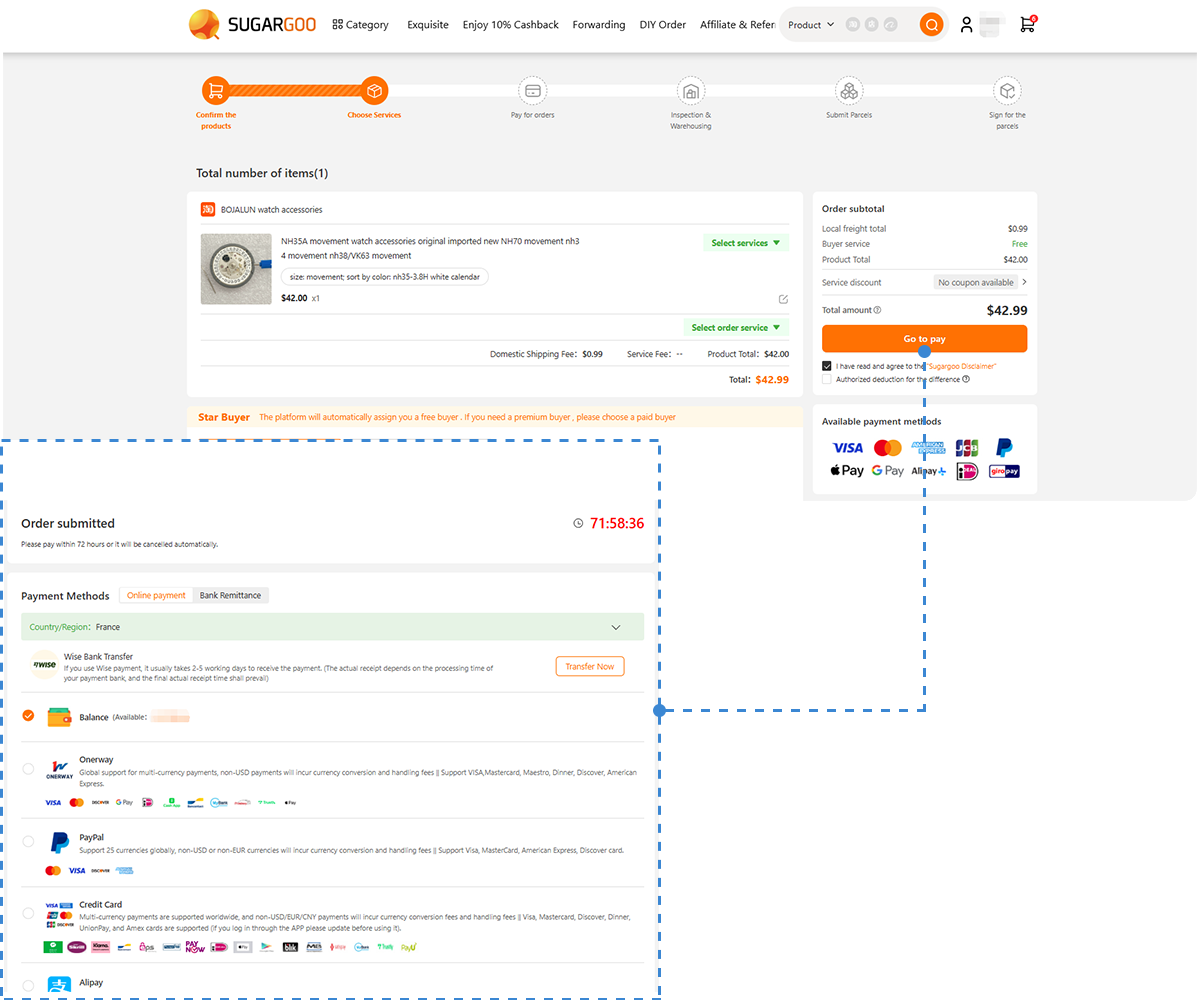
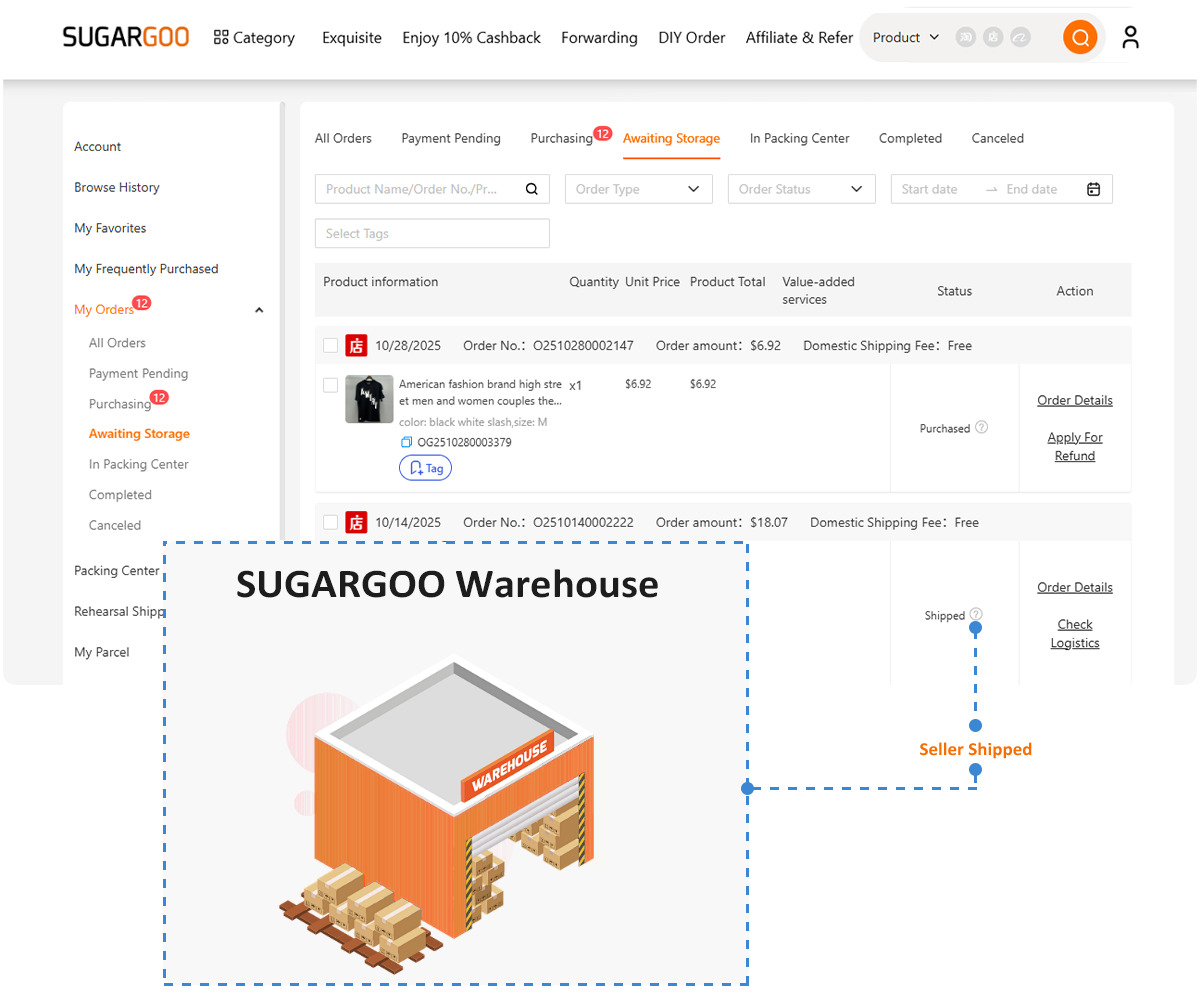
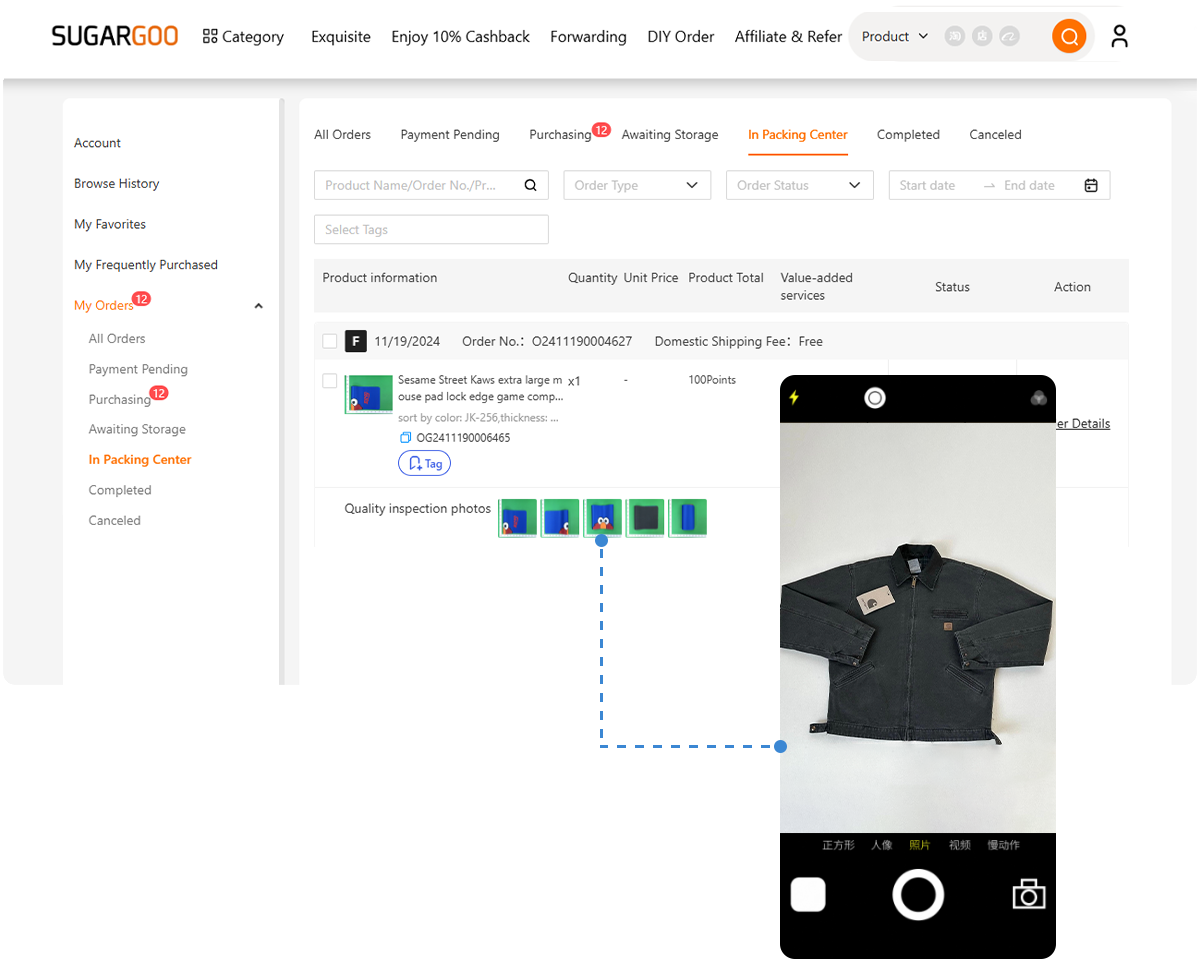
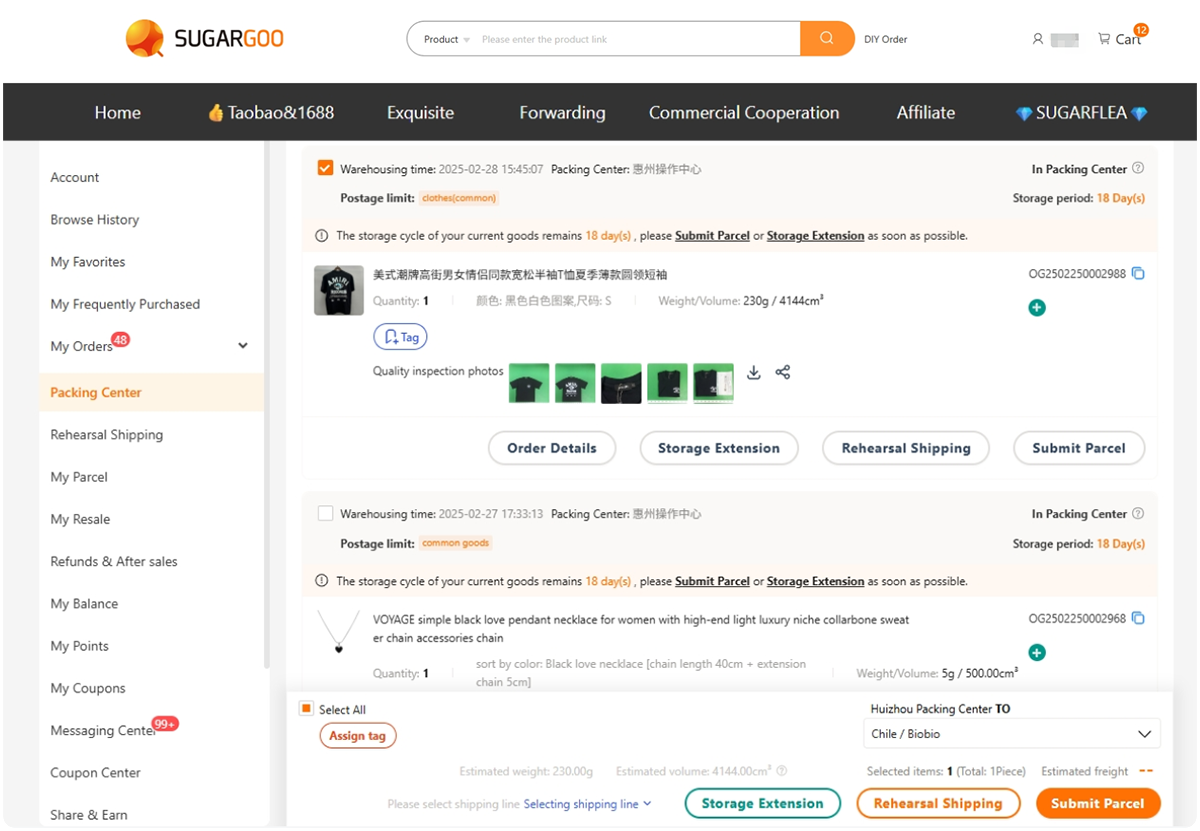
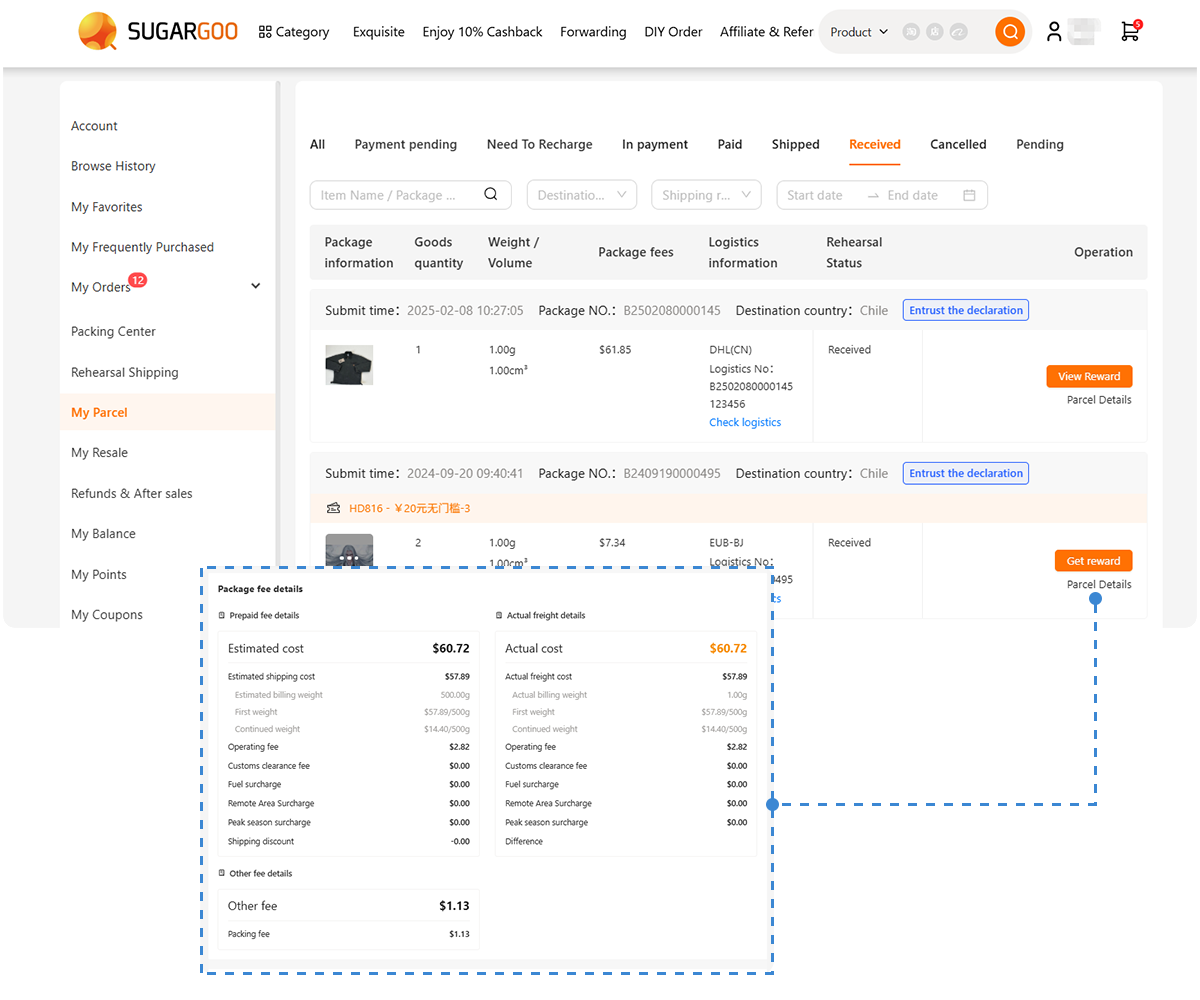
That’s one of the reasons I started using a shopping agent like Sugargoo.
What makes a difference for me:
- Theyprovide real photos after the item arrives at the warehouse
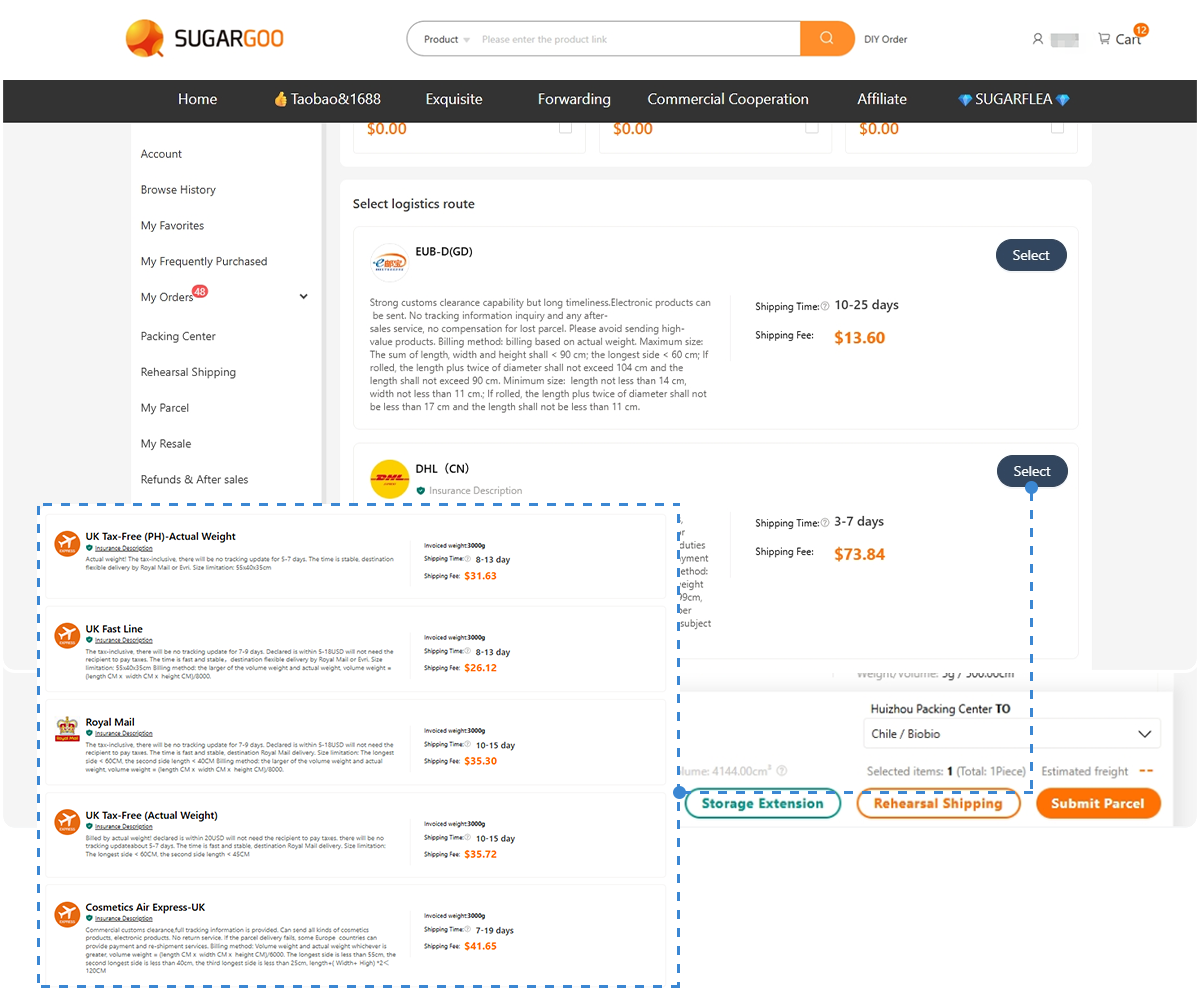
- You get a chance to check details before international shipping
- You can combine multiple items into one package
It doesn’t solve every problem, but it gives you a second layer of confirmation — which helps.
Small Habits That Make a Big Difference
Over time, a few simple habits can save you a lot of trial and error:
- keep a note of your measurements
- don’t rush through size charts
- check if the item is described as running small or large
- when stuck between two sizes, going slightly bigger is usually safer
Final Thoughts
Taobao sizing isn’t random — it just follows a different logic.
Once you shift from relying on S/M/L to actually reading measurements like bust, waist, and shoulder, things start to click.
It takes a bit more effort at first.
But after a few purchases, it becomes second nature — and the results are a lot more consistent.