

The first time I ordered clothing fromTaobao, I thought I had it figured out.
I usually wear a US Medium, so picking an Asian “L” felt like a safe bet. When the package arrived, the shirt technically fit—but it was tighter than expected, shorter in length, and just didn’t feel right.
That was when I realized something important: Taobao sizing isn‘t just smaller—it works differently.
If you’re trying to convert Asian sizes to US sizes, this guide will save you time, money, and a lot of frustration.
Why Asian Sizes Are Different from US Sizes
One of the biggest misconceptions is thinking Asian sizes are simply “one size smaller.” That’s only partly true.
In reality, the difference comes from how clothing is designed.
Asian brands (especially on Taobao) tend to:
- Use slimmer cuts
- Have narrower shoulders
- Shorter garment lengths
- Fit closer to the body
US sizing, on the other hand, generally assumes:
- Broader builds
- Looser fits
- Longer proportions
So even when the label looks similar, the actual fit can feel completely different.
Quick Asian to US Size Conversion (Reference Only)
Before we go deeper, here’s a rough conversion chart you can use as a starting point.
Men’s Clothing
| Asian Size | US Equivalent |
| M | XS / S |
| L | S |
| XL | M |
| 2XL | L |
| 3XL | XL |
Women’s Clothing
| Asian Size | US Equivalent |
| S | XS |
| M | S |
| L | M |
| XL | L |
⚠️ Important: This is not universal. On Taobao, every store can have its own sizing system.
The Real Rule: Ignore the Letter Size
If you take only one thing from this guide, let it be this:
👉 Never rely on S / M / L when shopping on Taobao.
Instead, always check the measurement chart.
This is what actually determines whether something will fit.
How to Read Taobao Size Charts
At first glance, Taobao size charts can look confusing, especially if you don’t read Chinese. But once you understand the structure, it becomes much easier.
Common Terms You’ll See
- 肩宽 = Shoulder width
- 胸围 = Chest / Bust
- 衣长 = Length
- 袖长 = Sleeve length
- 腰围 = Waist
- 臀围 = Hips
Most charts are organized like this:
- Columns: S / M / L / XL
- Rows: Measurements in centimeters
Everything Is in CM (Not Inches)
This is where many people make mistakes.
Taobao uses centimeters by default.
If you’re used to inches, you’ll need to convert:
- 1 inch = 2.54 cm
For example:
- 100 cm chest ≈ 39.4 inches
It’s a small detail, but getting it wrong can completely throw off your sizing.
The Best Way to Get the Right Size
After a few failed orders, I stopped guessing and started using a simple method that works almost every time.
Step 1: Measure Yourself (or Your Clothes)
Instead of measuring your body directly, I recommend this:
👉 Take a shirt or pair of pants that fits you well
👉 Lay it flat
👉 Measure key areas
For example:
- Chest width
- Length
- Shoulder
This gives you a real-world reference.
Step 2: Compare with the Size Chart
Now match those numbers with the Taobao chart.
If your shirt measures:
- 58 cm chest
- 72 cm length
Look for the closest match—not the label.
Step 3: Add a Margin
Different fabrics and cuts affect fit.
I usually add:
- +2–4 cm for comfort (regular fit)
- +4–8 cm for looser styles
This small buffer makes a big difference.
Sizing Differences by Clothing Type
Not all clothing behaves the same. Some categories are easier to size than others.
T-Shirts and Hoodies
4
These are the easiest to work with.
- Oversized styles: more forgiving
- Slim fit: size up more carefully
👉 Tip:
If the listing says “宽松版” (loose fit), you may not need to size up as much.
Pants and Jeans
This is where things get tricky.
Instead of S/M/L, focus on:
- Waist (腰围)
- Hip (臀围)
- Length (裤长)
👉 Important: Some listings show flat measurements, not body measurements.
So a “waist 40 cm” actually means:
→ 80 cm circumference
Jackets and Outerwear
These vary a lot depending on style.
- Streetwear: often oversized
- Formal wear: runs smaller
👉 Always check shoulder width for jackets.
This is the hardest area to adjust if wrong.
Common Mistakes People Make
After helping friends shop on Taobao, I’ve noticed the same mistakes come up again and again.
Trusting the Size Label
An “XL” means nothing without measurements.
Ignoring Product Reviews
The comment section is gold.
Buyers often say things like:
- “Runs small”
- “Fits like US M”
- “Too short”
This is often more reliable than the official chart.
Assuming All Stores Are Consistent
Two stores selling similar items can have completely different sizing.
Always treat each listing as its own case.
Not Checking Fit Type
Words like:
- 修身 (slim fit)
- 宽松 (loose fit)
These matter more than you think.
How Buying Agents Help Reduce Sizing Risk
If you’re ordering from outside China, using a buying agent can make the process much easier.
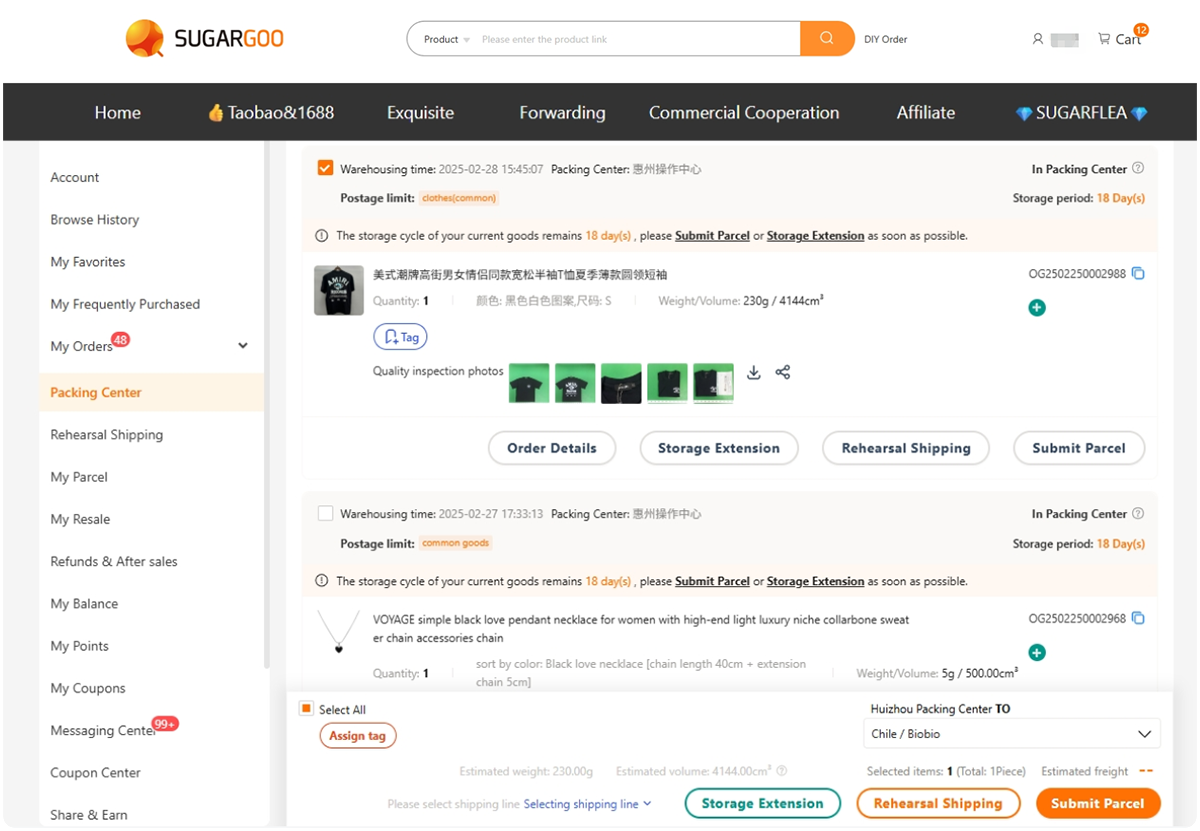
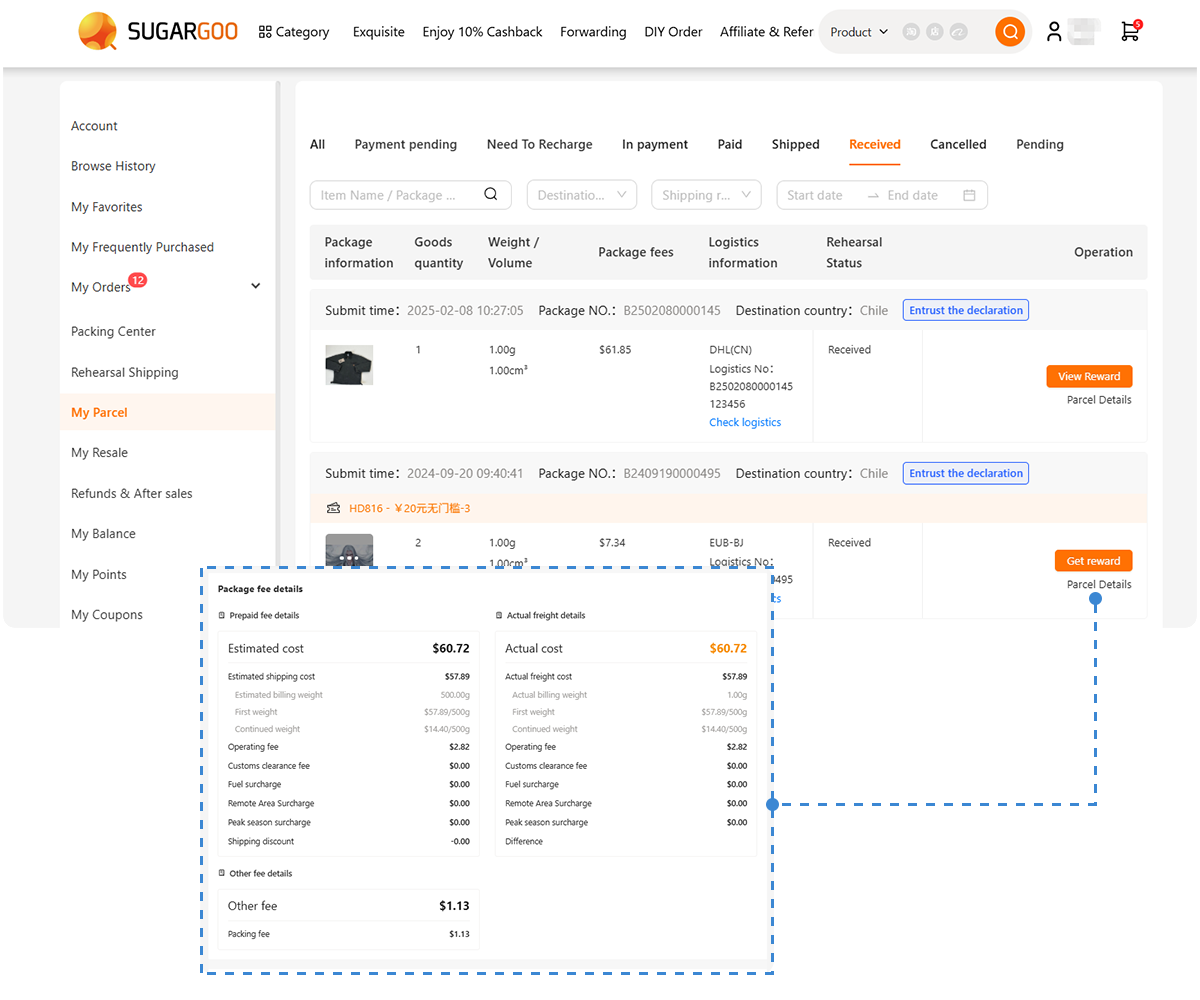
For example, platforms like Sugargoo allow you to:
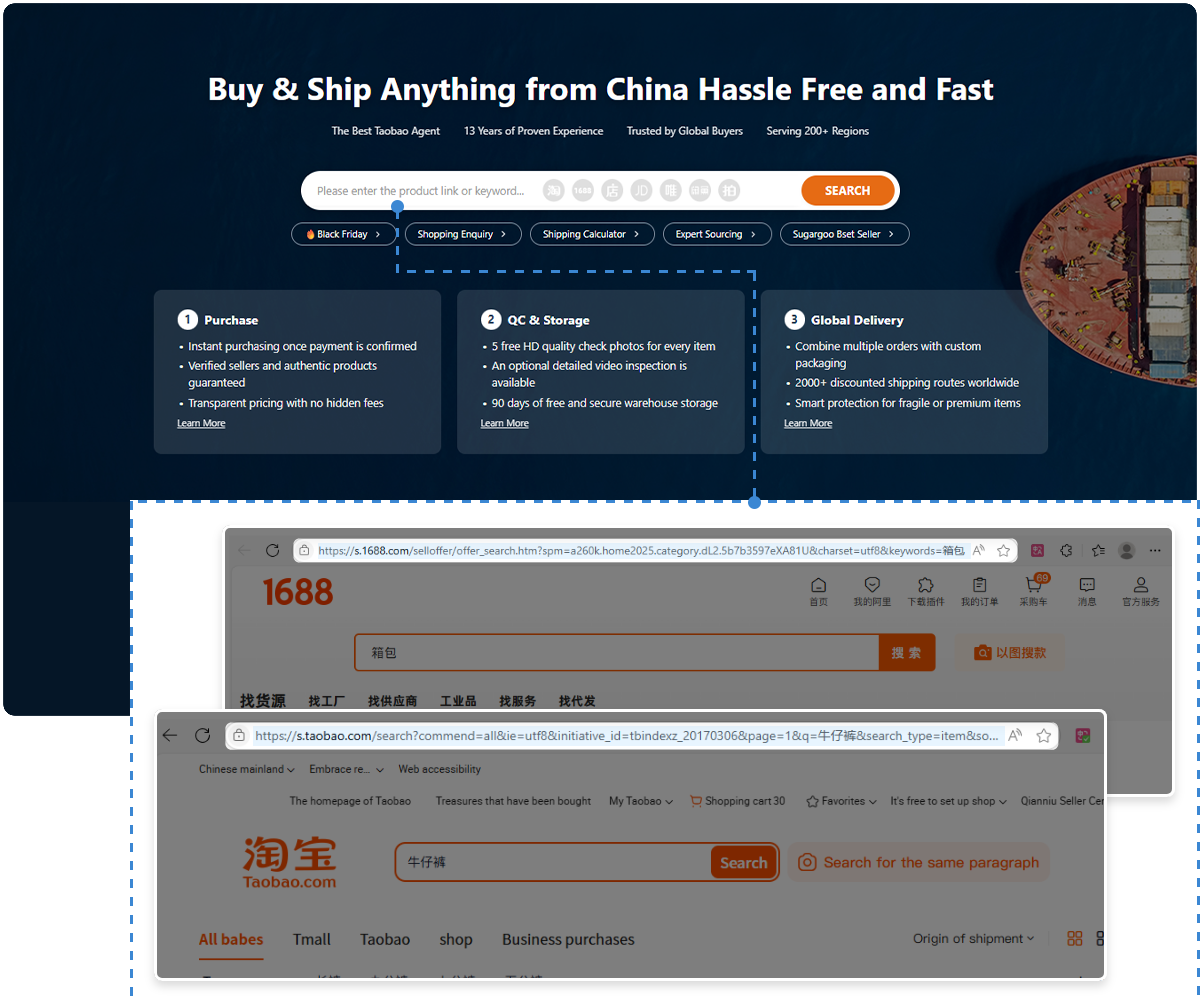
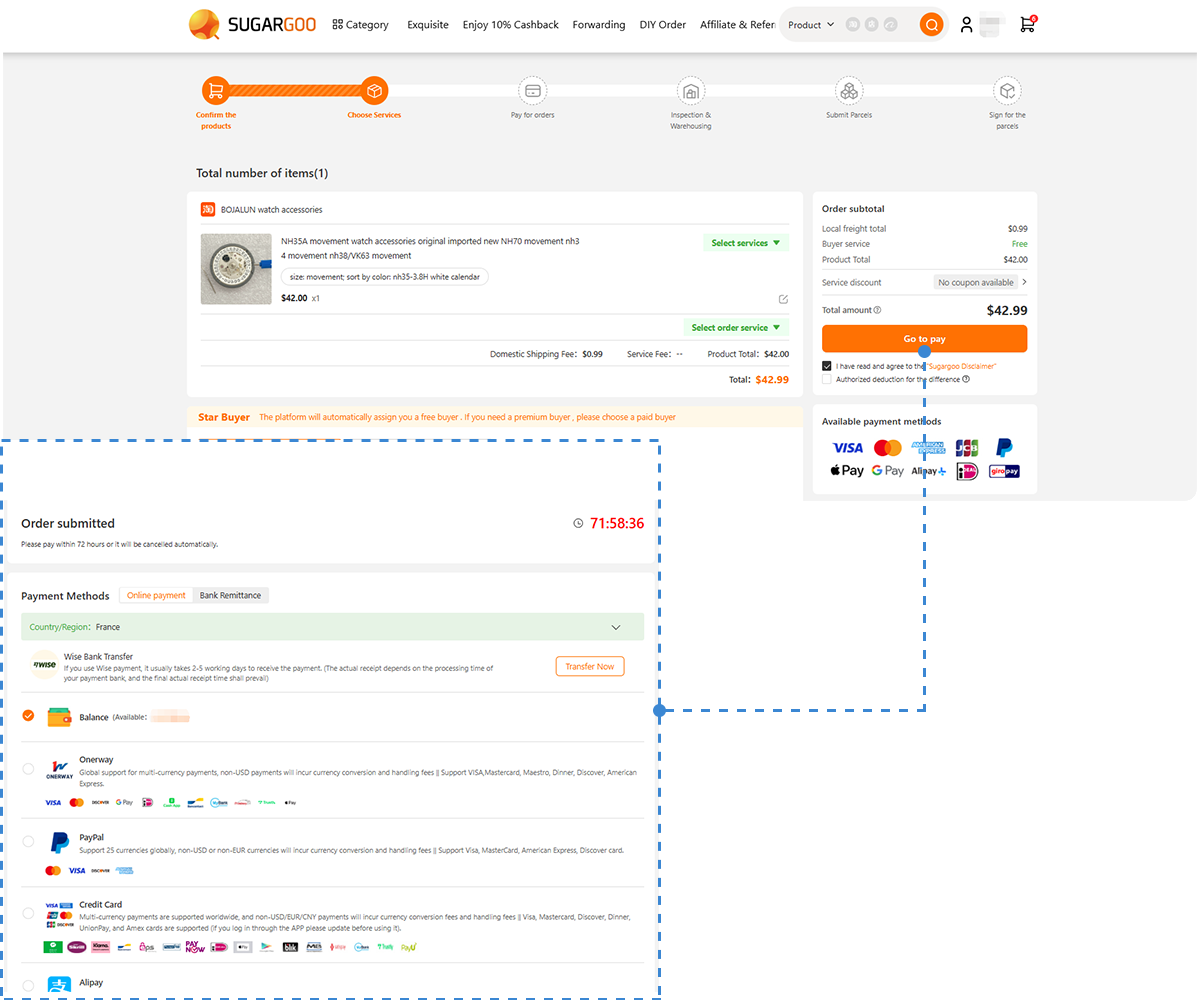
- Paste Taobao links and order easily
- Viewwarehouse inspection photos
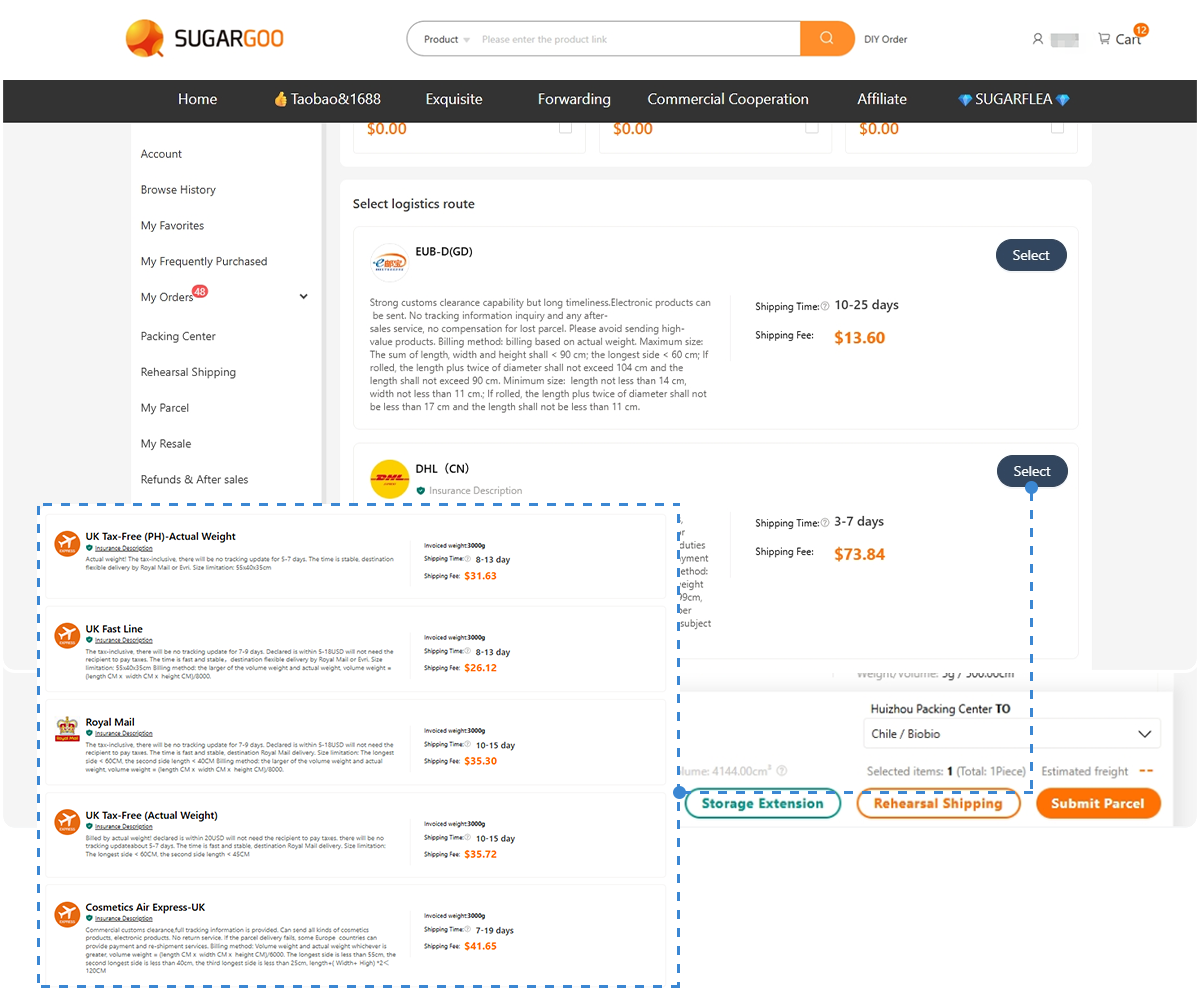
- Combine multiple items into one shipment
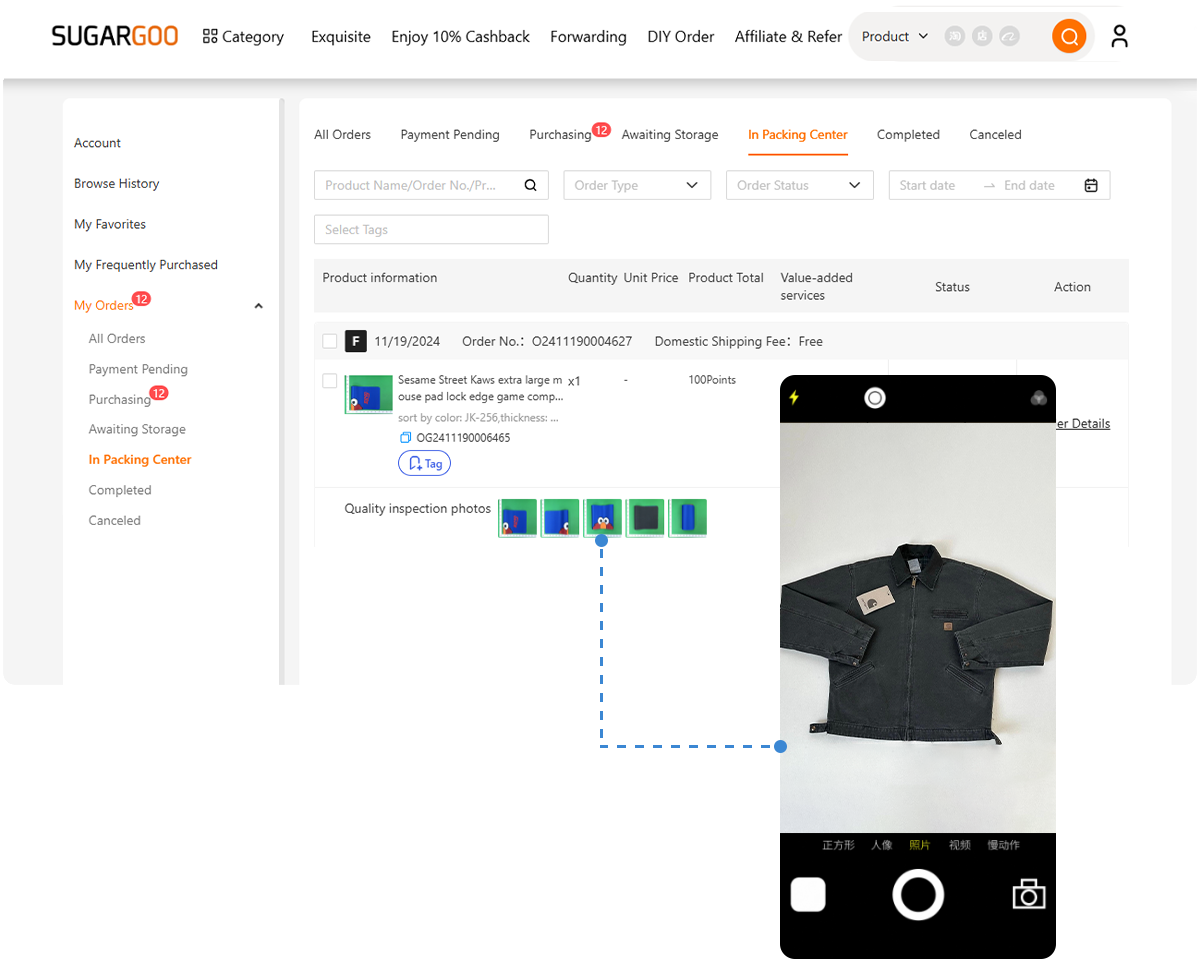
One feature I find especially useful is the QC photos.
When the item arrives at the warehouse, photos are taken. You can check:
- Fit appearance
- Label size
- Overall quality
If something looks off, you can decide before shipping internationally.
This doesn’t completely eliminate sizing issues—but it definitely reduces the risk.
Is It Better to Size Up or Follow Measurements?
This depends on your approach.
If you’re guessing:
👉 Size up (safer, but not always accurate)
If you’re using measurements:
👉 Follow the chart (more precise)
Personally, I almost never rely on “size up by one” anymore.
It works sometimes—but not consistently.
Should You Buy Clothes from Taobao?
Despite the sizing challenges, I still use Taobao regularly.
Here’s why:
Pros
- Huge variety of styles
- Lower prices
- Unique designs you won’t find elsewhere
Cons
- Inconsistent sizing
- Harder returns (international buyers)
- Requires more effort
If you’re willing to spend a bit of time checking measurements, it’s absolutely worth it.
FAQ: Asian Size vs US Size
Is Asian size always smaller than US size?
Usually, yes—but not always by the same amount. It depends on the brand and style.
Should I go one or two sizes up?
As a rough rule:
- Slim fit: +2 sizes
- Regular fit: +1 size
But measurements are still more reliable.
Why are Taobao sizes inconsistent?
Because Taobao is a marketplace, not a single brand.
Each seller:
- Designs their own sizing
- Uses different factories
- Targets different audiences
How do I convert cm to inches quickly?
Divide by 2.54.
Example:
- 100 cm ÷ 2.54 ≈ 39.4 inches
What’s the safest way to avoid sizing mistakes?
- Measure your clothes
- Compare with charts
- Check reviews
- Use an agent with QC photos
Final Thoughts
At first, Taobao sizing can feel a bit messy.
But once you stop guessing based on S, M, or L, and actually look at the numbers, things start to make more sense.
After a few orders, you’ll notice patterns. You’ll get faster at reading charts, and picking the right size won’t feel like a gamble anymore.
Eventually, what used to feel confusing becomes something you can handle pretty easily.