

I didn’t start with Weidian.
Like most people, I spent quite a bit of time browsingTaobaofirst. It felt like the obvious choice—huge selection, structured listings, and a familiar shopping layout. But after a while, something started to feel off.
I kept seeing the same products over and over again. Same photos, similar descriptions, yet prices were all over the place.
Then one day, someone dropped a Weidian link in a discussion thread. I clicked it without expecting much.
The price difference caught me off guard.
That was the moment I realized these two platforms aren’t just “similar marketplaces”—they operate in completely different ways.
Why People Start Looking Beyond Taobao
Taobao is still one of the biggest shopping platforms in China. No question about that.
But if your goal is specifically to find cheaper products, especially for things like sneakers, streetwear, or accessories, you’ll probably run into a few patterns:
- Listings that look identical but have different prices
- Stores that seem polished, but not necessarily cheaper
- Products that feel “marked up” compared to what you expected
After a while, you start wondering:
Is this really the lowest price… or just the most visible one?
That curiosity is usually what leads people to Weidian.
The Core Difference (This Is Where Everything Changes)
At a glance, Weidian and Taobao both look like e-commerce platforms. But once you use them, the difference becomes obvious.
Taobao feels like a marketplace
- Structured product pages
- Search-driven discovery
- Reviews, ratings, and store rankings
- Sellers competing for visibility
It’s organized. Predictable. Built for scale.
Weidian feels more like a network of small shops
- Many stores run independently
- Links are often shared directly instead of searched
- Product pages can be minimal
- Less emphasis on reviews or branding
Some stores look almost unfinished. Others feel like hidden gems.
And that difference alone explains a lot about pricing.
Why Weidian Is Often Cheaper
This is the part most people care about.
When I first compared prices, I assumed it was just random. But after looking at more listings, a pattern started to show.
Fewer platform costs
On Taobao, sellers often pay for:
- Ads
- ranking exposure
- platform fees
Those costs don’t disappear—they get built into the price.
Weidian shops, on the other hand, often operate with much lower overhead. Less marketing, less competition for search traffic.
That alone can bring prices down.
Different types of sellers
Taobao has a mix of brands, official stores, and large retailers.
Weidian leans more toward:
- small sellers
- factory-connected shops
- niche resellers
Some of them don’t care about branding at all. They just want to move products.
That changes pricing behavior completely.
Less “presentation markup”
On Taobao, presentation matters:
- clean photos
- detailed descriptions
- customer service systems
All of that adds effort—and cost.
Weidian listings can be rough:
- fewer images
- short descriptions
- minimal formatting
But sometimes, the product behind those listings is very similar.
Shopping Experience: Smooth vs Raw
Using Taobao feels familiar, even if you don’t speak Chinese.
You can:
- search easily
- compare listings
- read reviews
- follow structured checkout steps
It’s designed for convenience.
Weidian is different.
You don’t always browse it—you often arrive there through a link.
Sometimes:
- there’s no clear product description
- no visible reviews
- limited purchase options
At first, it feels confusing. Even a bit sketchy.
But after a while, you start to understand how it works.
The Reality for International Buyers
If you’re outside China, this is where things get more practical.
Taobao
- Some items support international shipping
- There are official global features
- But shipping costs can be high
- Certain products are restricted
Weidian
- No direct international checkout
- No built-in global shipping
- Requires a workaround
And that workaround is where buying agents come in.
How People Actually Buy from Weidian
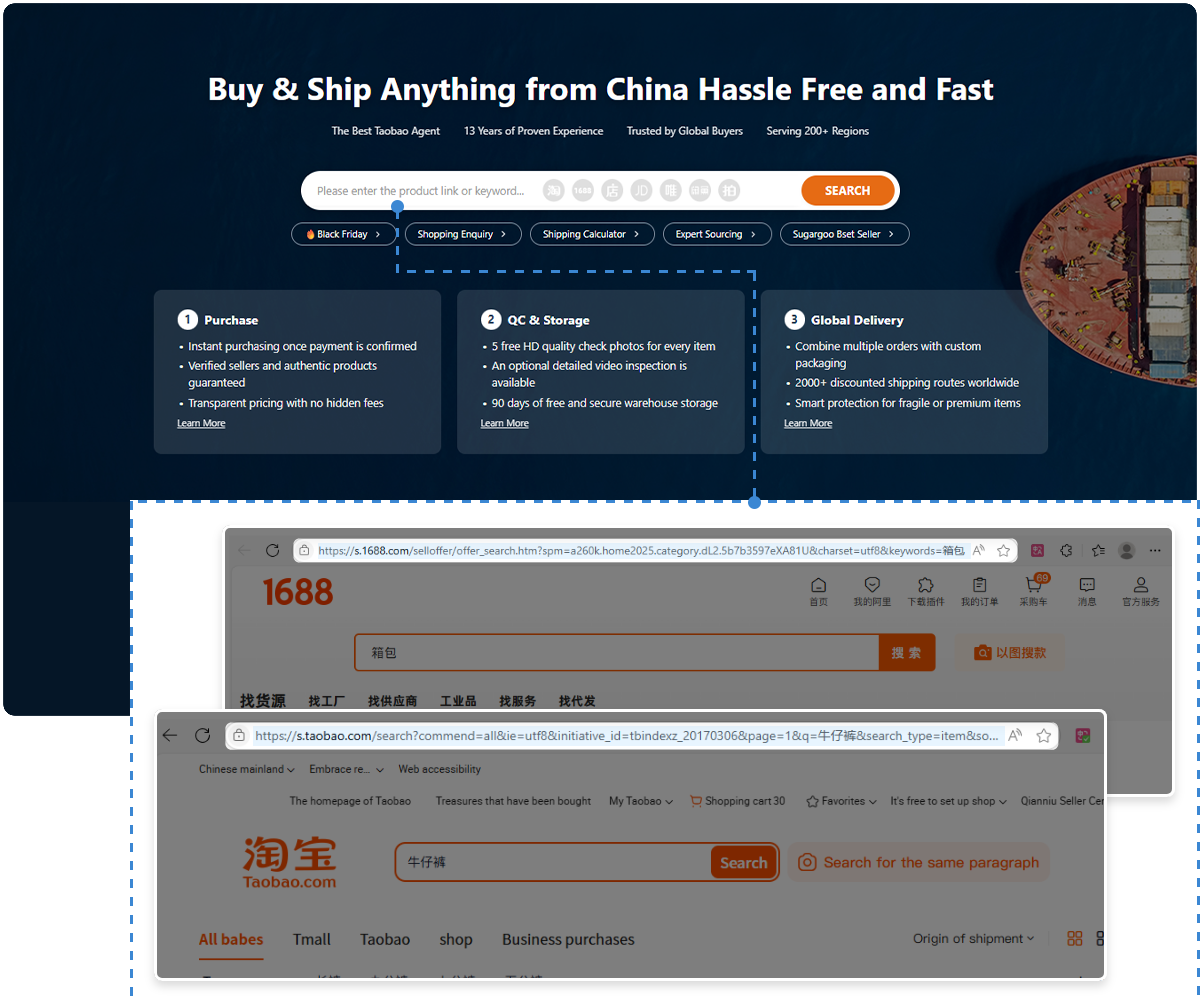
Most international buyers don’t purchase directly. Instead, they use a buying agent.
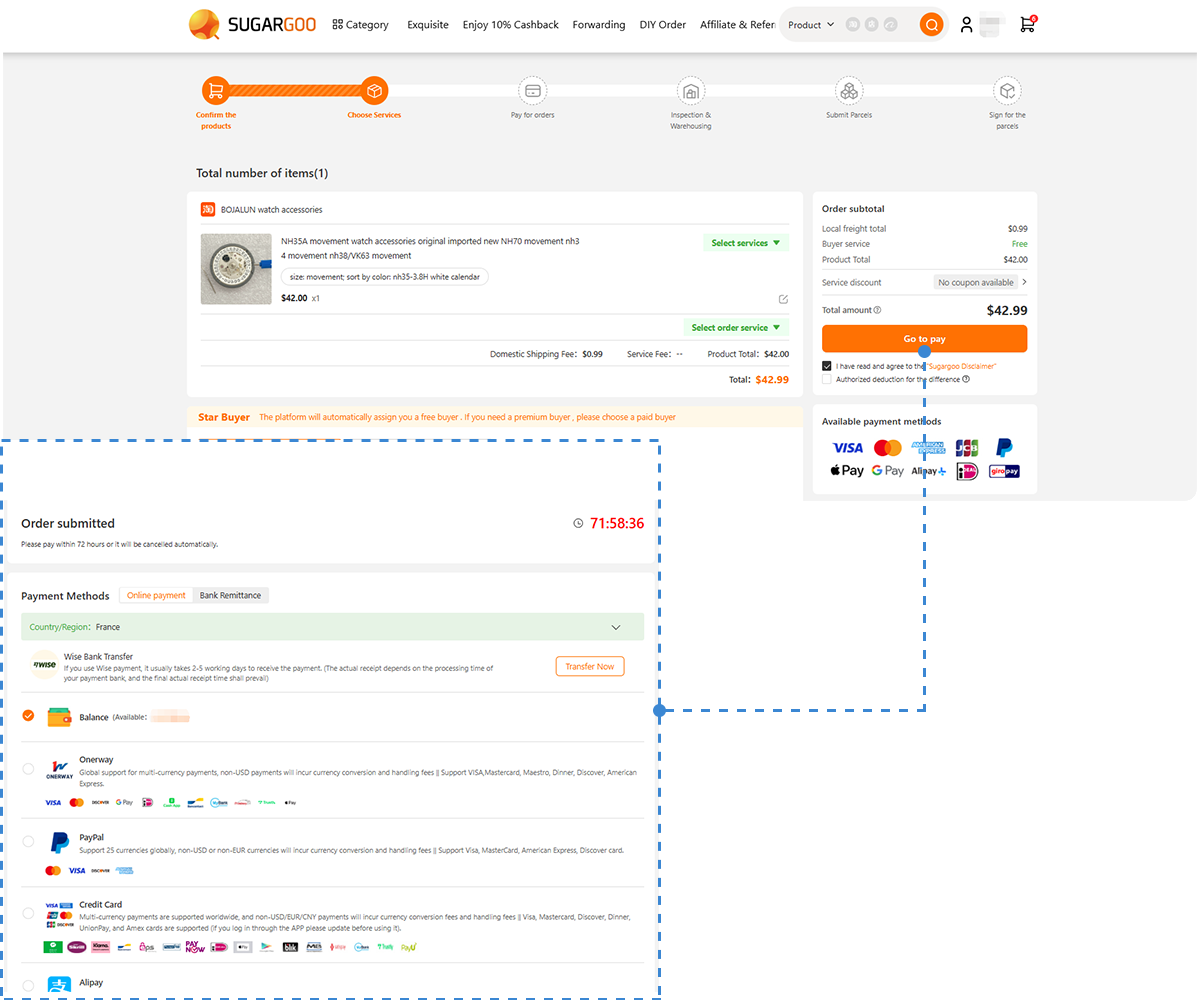
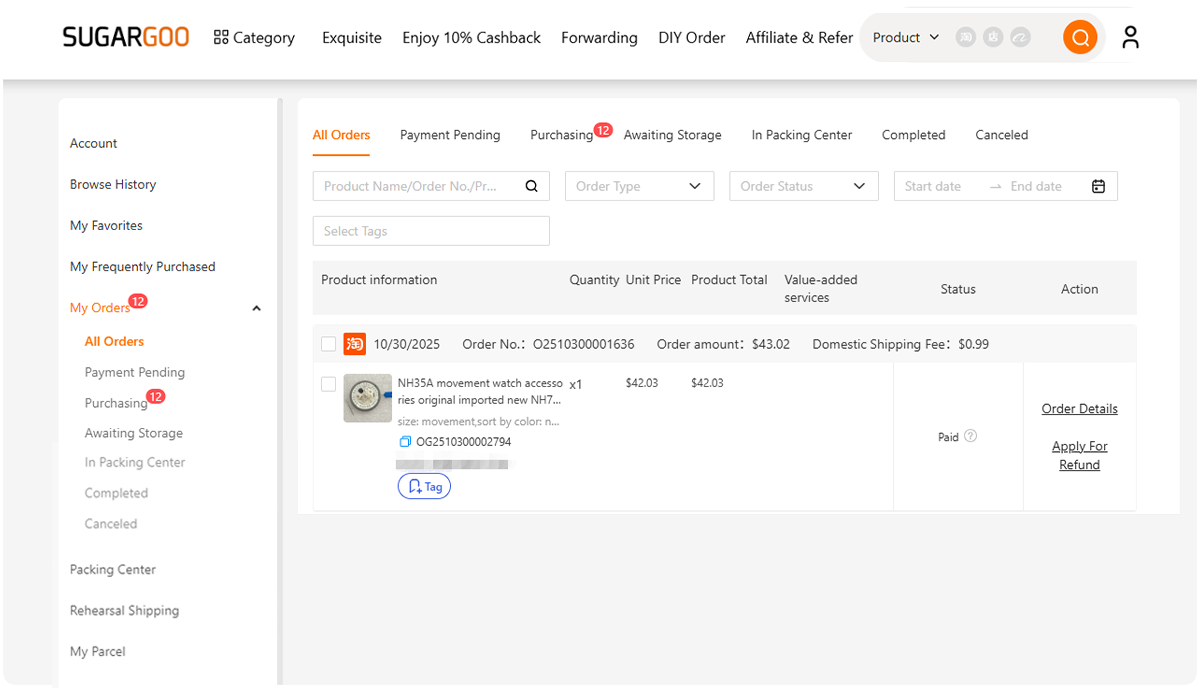
The basic flow looks like this:
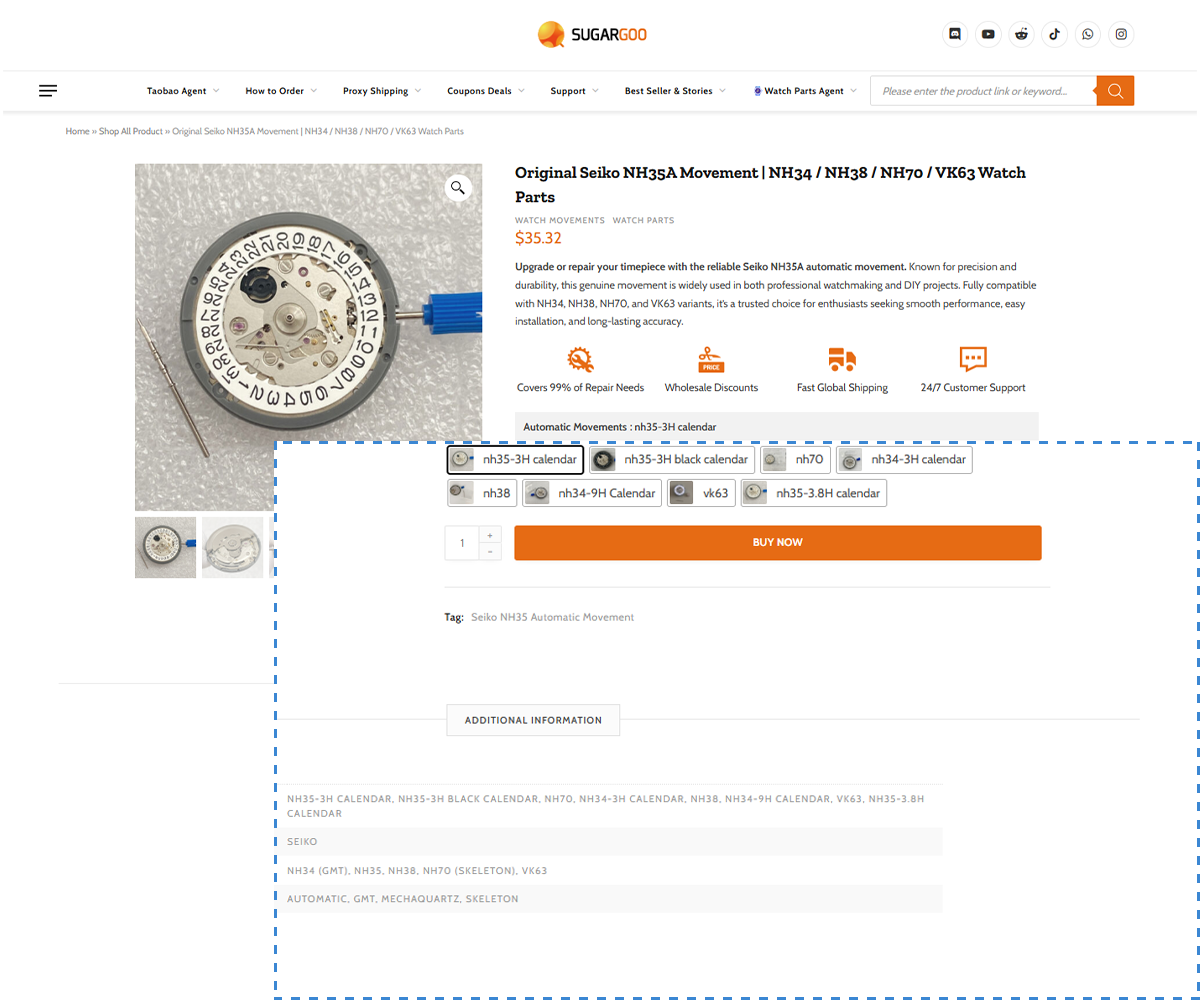
- Copy a Weidian product link
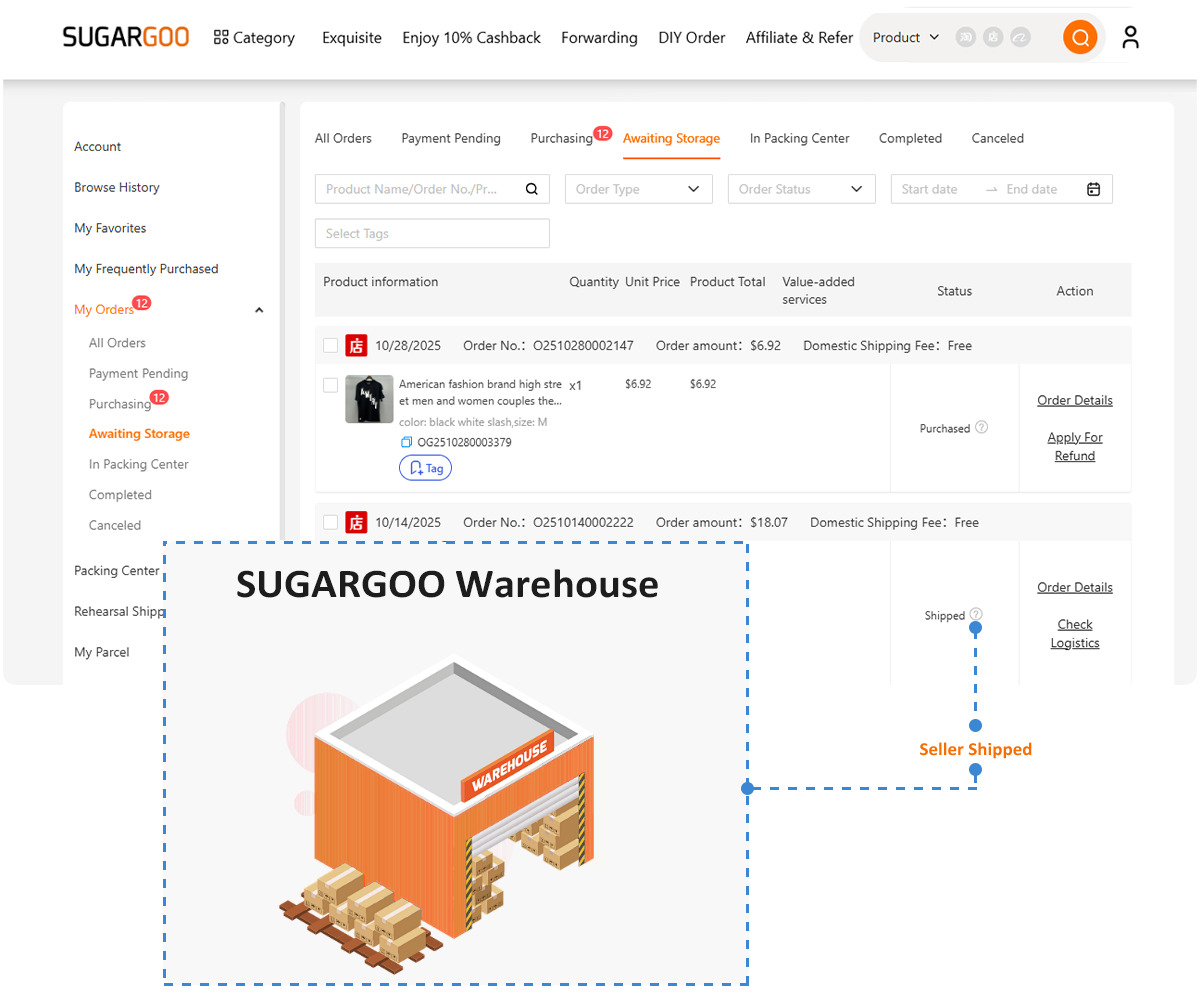
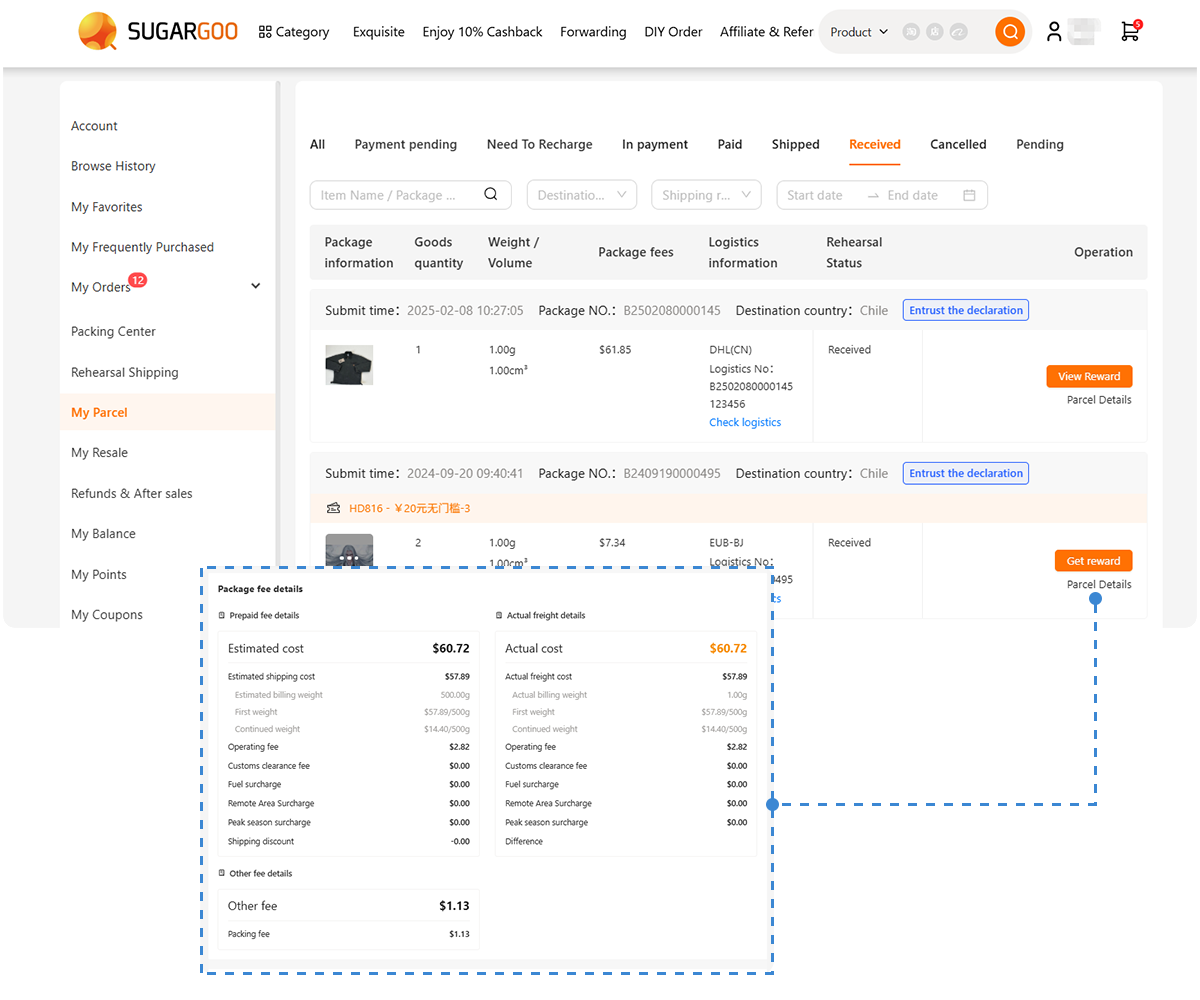
- Paste it into an agent platform like Sugargoo
- The agent places the order in China
- The item arrives at the agent’s warehouse
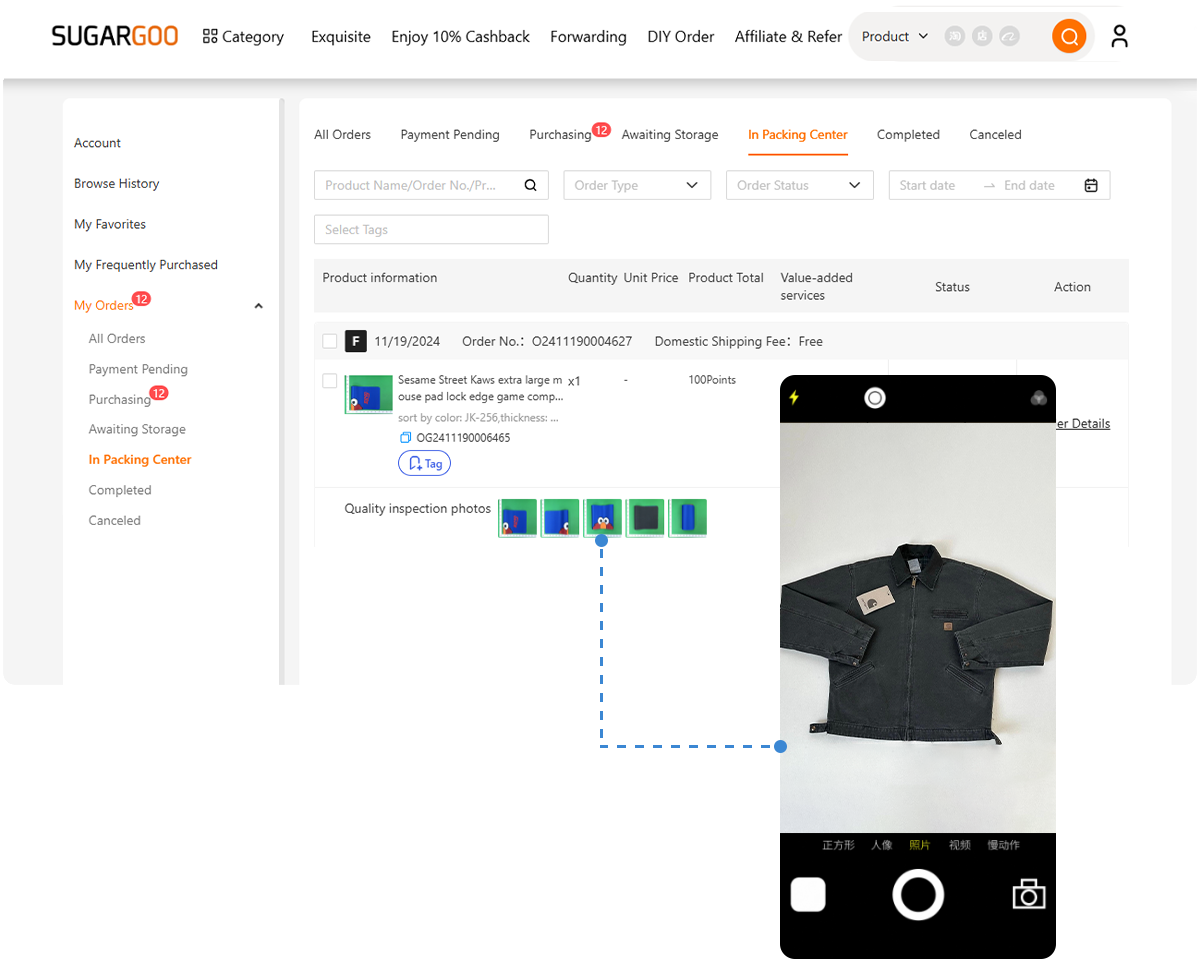
- Photos are taken for inspection
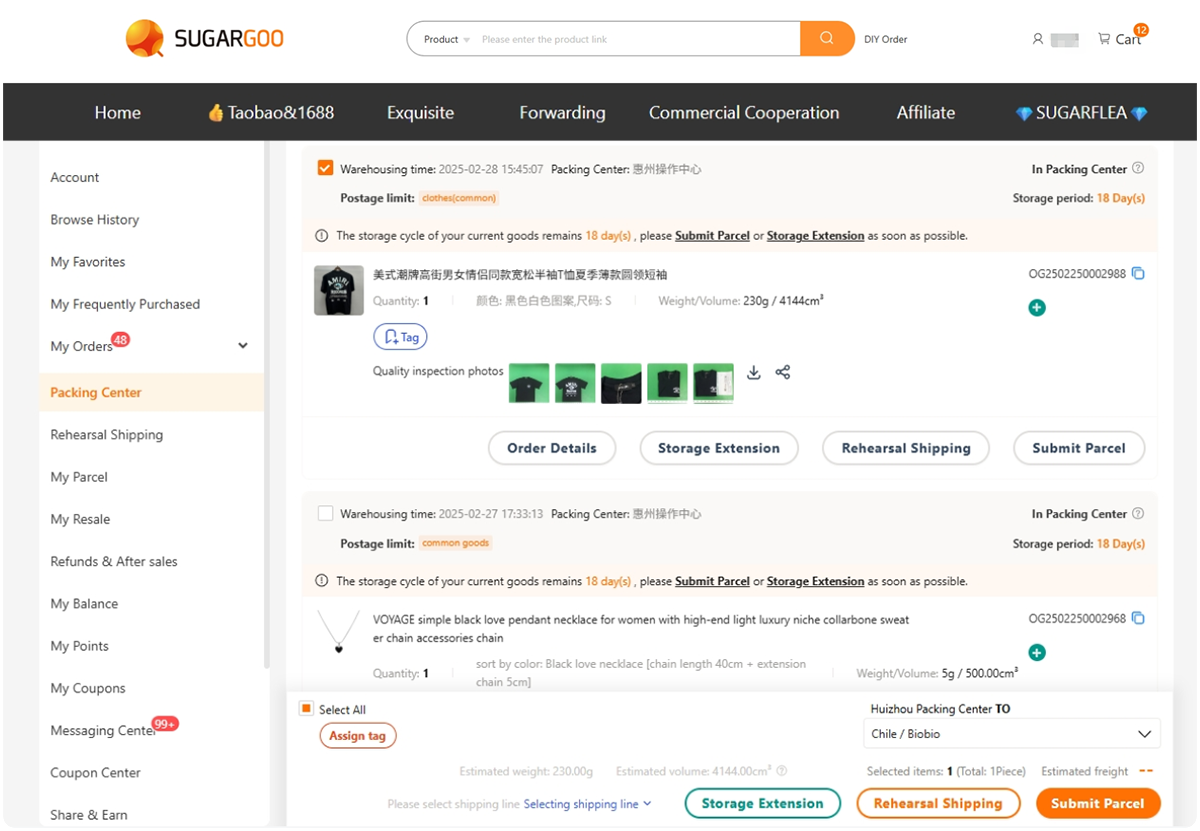
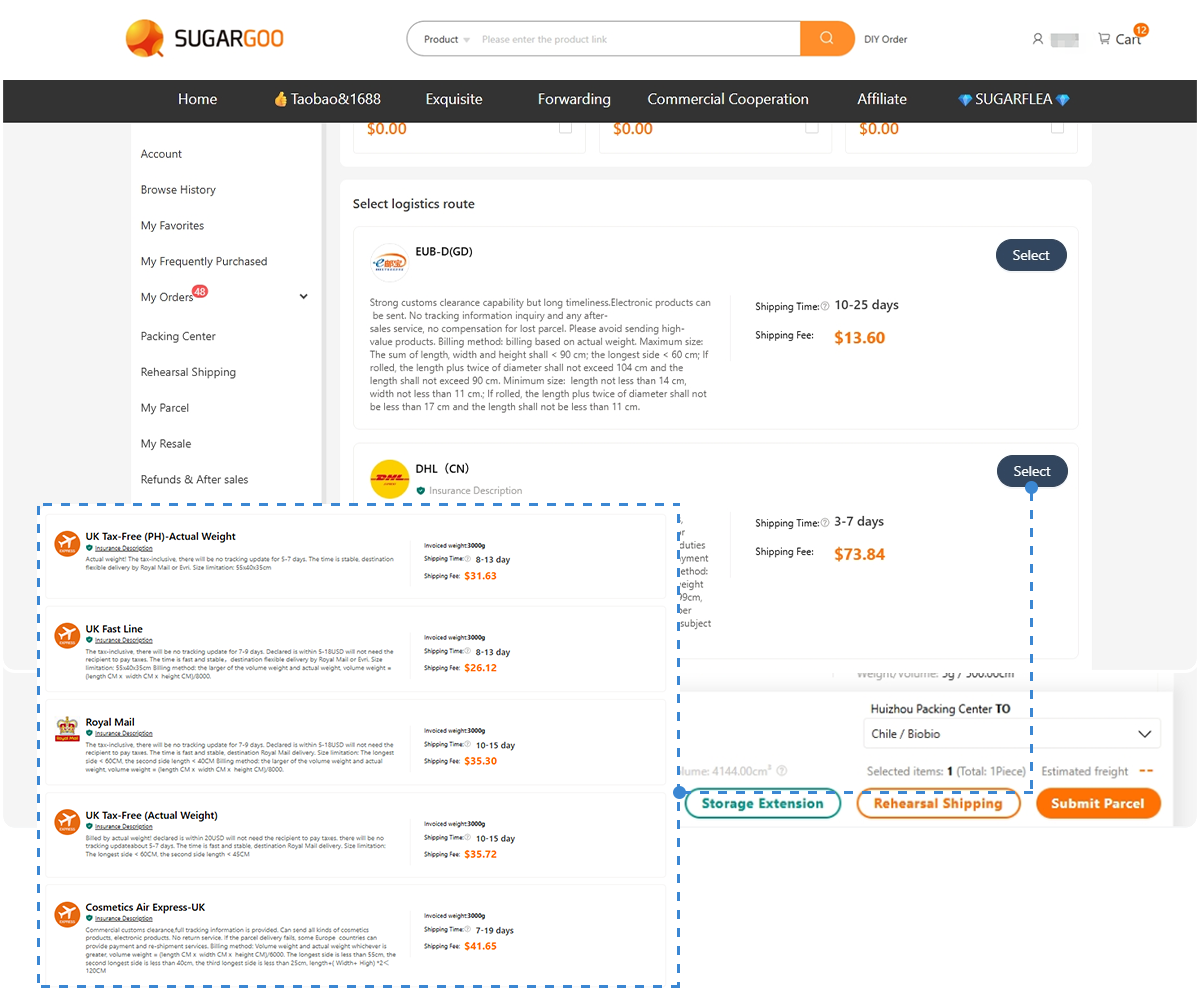
- You choose shipping and send it internationally
What makes this setup useful is the extra control.
You can:
- check the product before shipping
- combine multiple orders into one parcel
- choose different shipping lines
- add protection or insurance
Risks You Shouldn’t Ignore
Lower prices don’t come without trade-offs.
On Weidian
- No consistent review system
- Product quality can vary
- Returns are harder (especially internationally)
- Some listings lack clear details
You’re relying more on judgment.
On Taobao
- Reviews can be misleading
- Some stores sell similar-looking but lower-quality items
- Prices don’t always reflect real value
It’s safer overall—but not perfect.
Who Should Use Which Platform?
After switching between both for a while, the difference became clearer.
Taobao makes more sense if:
- you want a smoother shopping experience
- you prefer clear product information
- you’re buying something standard
- you don’t want to deal with extra steps
Weidian is worth exploring if:
- you’re focused on price
- you’re okay with a bit of uncertainty
- you’re buying fashion, sneakers, or niche items
- you don’t mind using an agent
A Simple Price Comparison (Realistic Scenario)
Here’s the kind of difference I’ve personally seen:
- Sneakers on Taobao: around $90–120
- Similar listing on Weidian: around $40–70
Not always identical—but close enough to notice.
The gap isn’t small. And after a few purchases, it becomes hard to ignore.
Which One Is Better for Cheap Products?
It depends on what you mean by “better.”
If better means:
- easier
- safer
- more predictable
→ Taobao wins.
But if better means:
- lower prices
- more flexibility
- access to less visible sellers
→ Weidian starts to make more sense.
Final Thoughts
I still use both.
Taobao is where I go when I want something straightforward.
Weidian is where I look when I feel like digging a bit deeper.
The interesting part is that they often overlap. Same products, different paths, different prices.
Once you’ve seen both sides, it’s hard to stick to just one.
FAQ
Is Weidian always cheaper than Taobao? Not always. But for certain categories—especially fashion—it often is.
Can I trust Weidian sellers? Some are reliable, others not. It depends on the store. Using an agent helps reduce risk.
Do I need to know Chinese to use these platforms? It helps, but it’s not required. Many buyers rely on translation tools or agent services.
What’s the easiest way to buy from Weidian? Using a buying agent like Sugargoo is the most common approach.