


Not every purchase from China requires a sourcing agent.
Sometimes, clicking “Buy Now” is enough. Other times, it turns into a messy back-and-forth that eats time, money, and patience.
So when does a sourcing agent actually make sense? The answer isn’t about how much you spend — it’s about how complex the purchase is.
Not Everyone Needs a Sourcing Agent (And That’s Okay)
There’s a common belief that buying from China automatically means you need a sourcing agent. That’s not true.
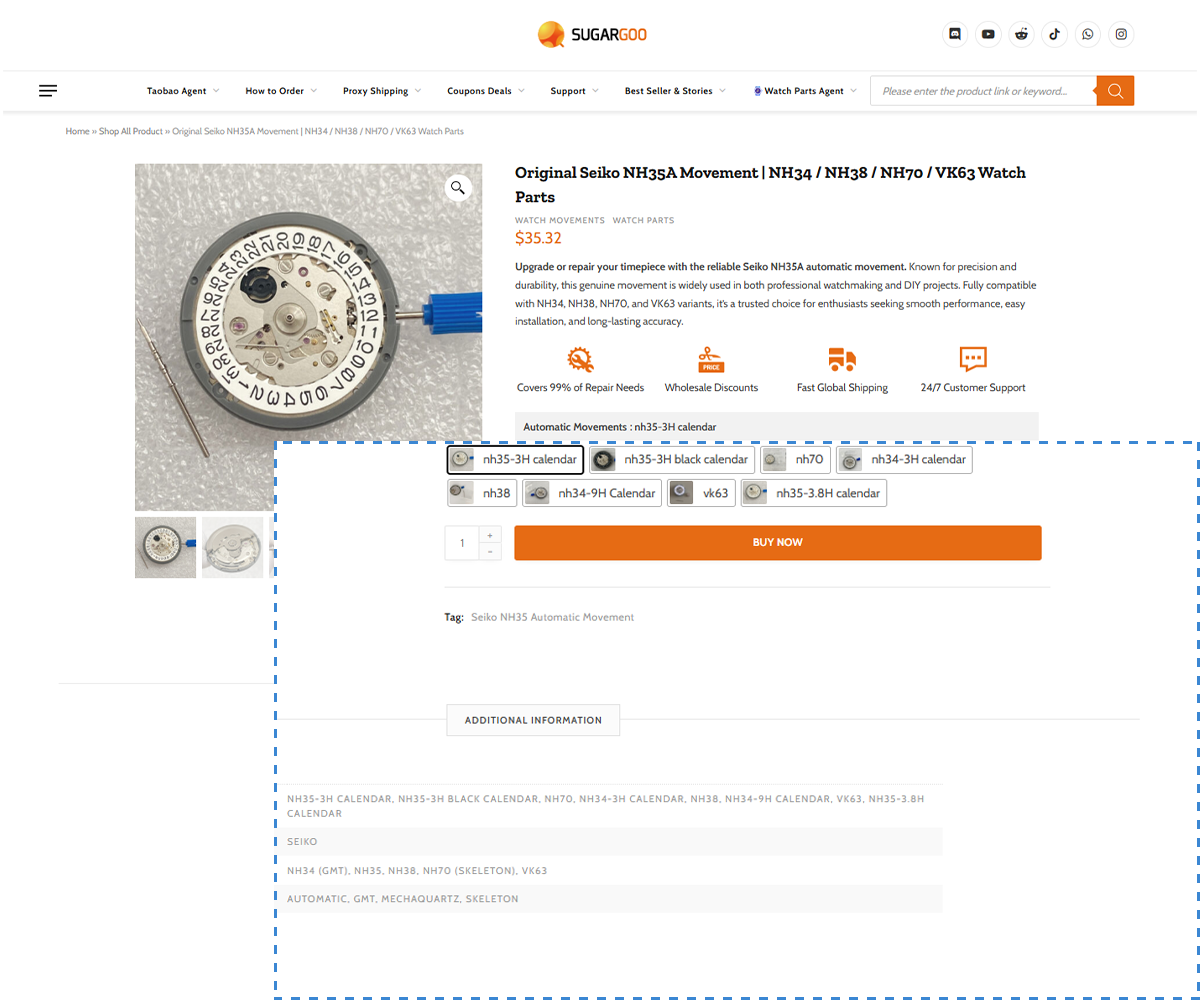
If you’re buying a standard product, from a clear listing, with fixed specs and no customization, you can often handle it yourself with a basic shopping or forwarding service.
A sourcing agent becomes useful only when buying stops feeling simple.
The Real Question: How Complex Is Your Purchase?
A good rule of thumb:
If buying feels more like a project than a click, you probably need a sourcing agent.
Complexity shows up in different ways:
- Multiple suppliers instead of one
- Unclear specs or inconsistent pricing
- Language barriers that slow everything down
- Quality risks you can’t verify from photos alone
When these stack up, a sourcing agent isn’t a luxury — it’s a shortcut.
Situations Where You Actually Need a Sourcing Agent
- You Found a Product, But There’s No Clear Link
You saw it on Instagram, TikTok, or a marketplace screenshot.
There’s no store name, no product page — just an image.
This is where sourcing agents step in to trace suppliers, compare versions, and confirm what’s actually being sold behind the scenes.
- You Need Customization or Spec Changes
Logos, materials, sizing tweaks, packaging changes — even small modifications can break a normal ordering flow.
Once sampling, pricing revisions, and production timelines enter the picture, direct buying tools start to feel limited.
- You’re Buying from 1688 or Direct from Factories
Many factory-side sellers focus on domestic buyers.
That often means:
- Minimal English support
- Tiered pricing that isn’t obvious
- Different quality levels under similar listings
A sourcing agent helps translate not just language, but expectations.
- You’re Dealing with High-Risk Categories
Footwear, apparel, electronics, fragile items — these come with higher chances of mismatch or defects.
A sourcing agent can confirm details before shipping, check sizing logic, or flag inconsistencies that aren’t visible online.
- You’re Placing Small-to-Mid Bulk Orders
You’re not ordering container loads, but you’re buying more than one unit.
Factories may not prioritize you, and mistakes become expensive fast.
This is where having someone manage communication, follow-ups, and confirmations actually saves money.
- You’re Tired of Guesswork and Rework
If you’ve already dealt with:
- Wrong items
- Quality surprises
- Sellers going quiet after payment
Then the cost of “doing it yourself” isn’t really low anymore.
When You Don’t Need a Sourcing Agent
To be fair, here are cases where you probably don’t need one:
- Standardized items with clear listings
- One-off personal purchases
- Products you’re comfortable testing through trial and error
In these cases, a simple ordering and forwarding setup is usually enough.
Sourcing Agent vs Forwarder vs Proxy Buyer
A quick way to separate roles:
- Proxy buyer: buys exactly what you tell them
- Forwarder: handles shipping and logistics
- Sourcing agent: helps you decide what to buy, from whom, and how to reduce risk
A sourcing agent doesn’t just place orders — they manage uncertainty.
Is a Sourcing Agent Worth the Cost?
People often focus on service fees, but overlook hidden costs:
- Replacing incorrect items
- Delays from miscommunication
- Inventory that can’t be sold due to quality issues
In many cases, you’re not paying for buying — you’re paying to avoid mistakes.
Where Services Like Sugargoo’s Star Agent Fit In
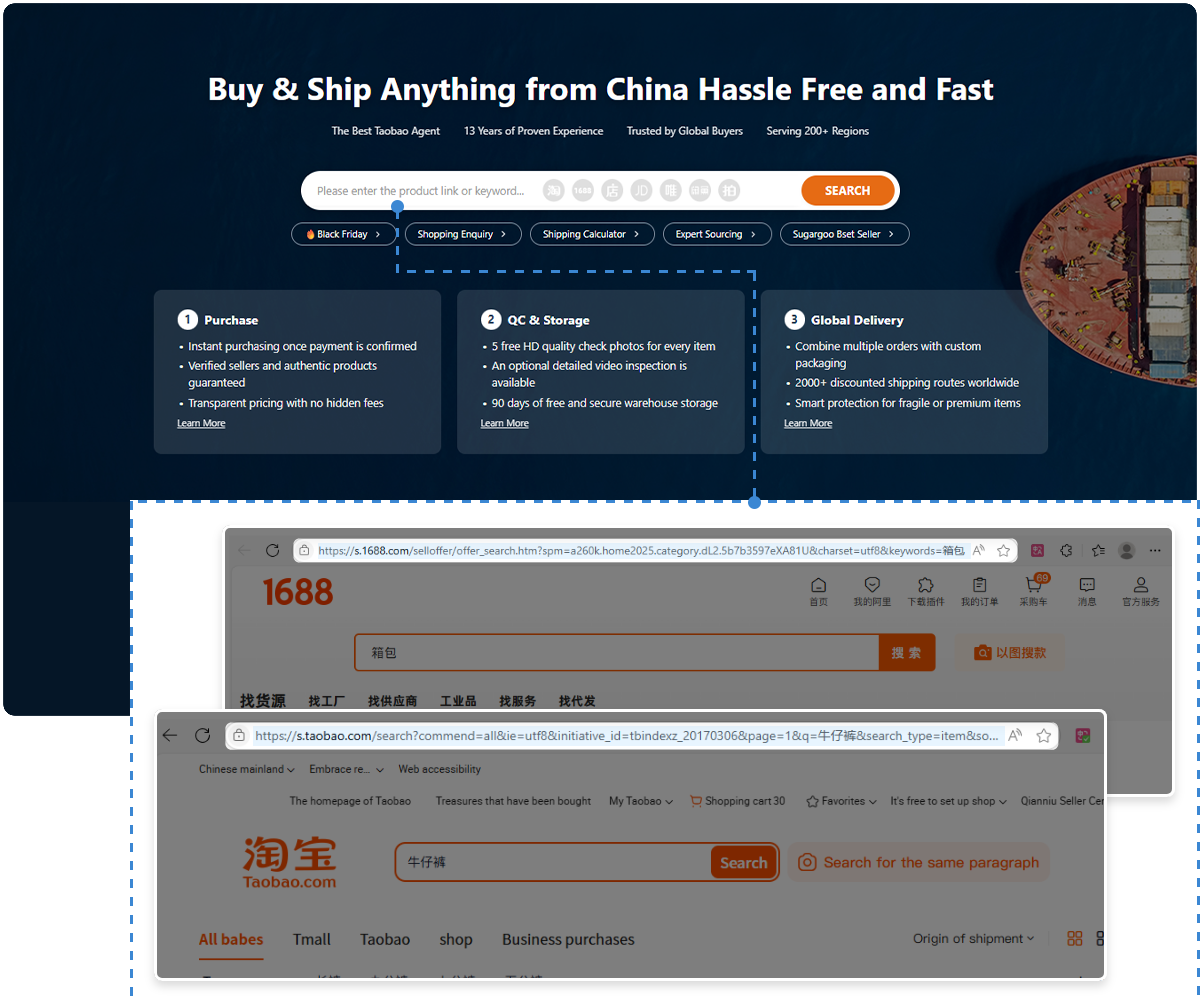
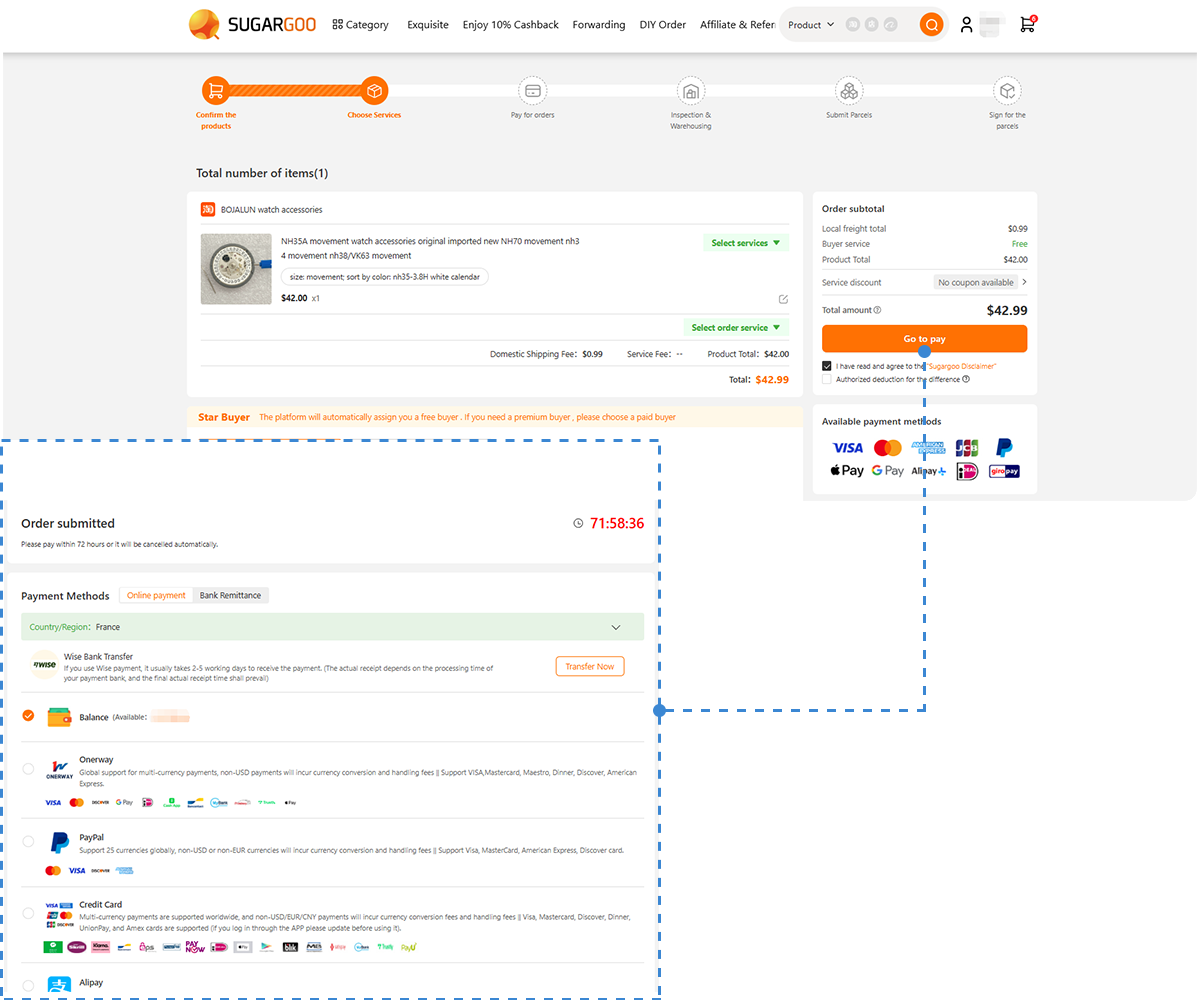
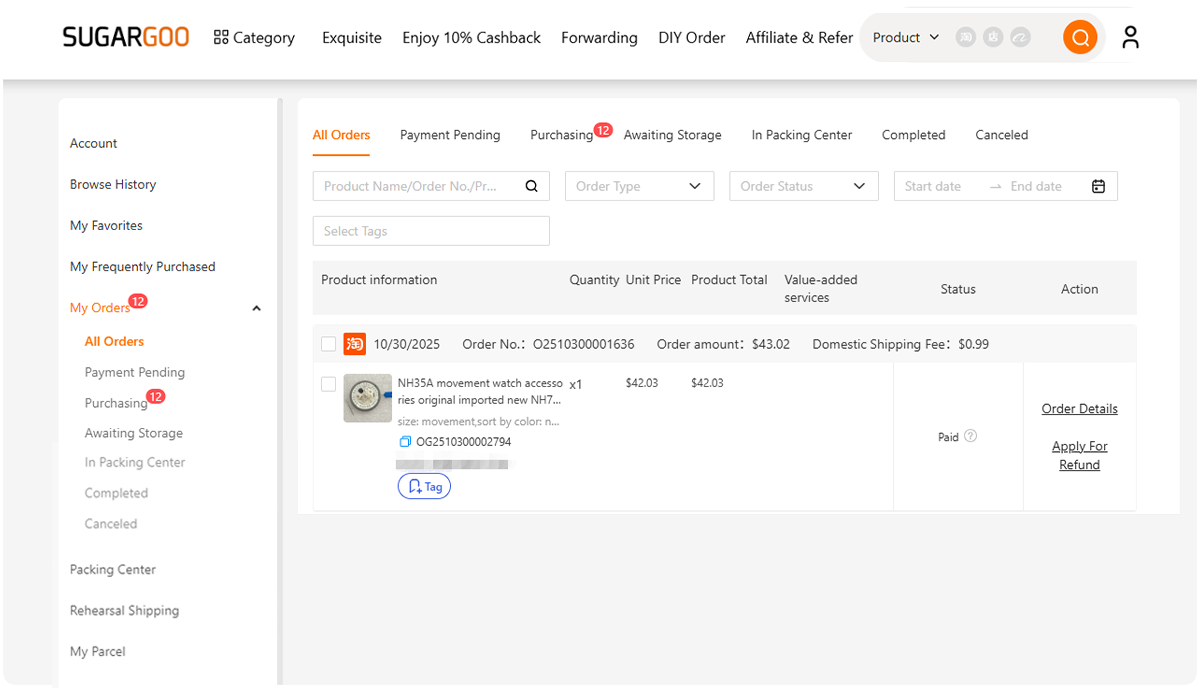
For buyers who move beyond simple orders, services like the Star Agent Services of Sugargoo combine sourcing, seller communication, order tracking, and quality checks in one workflow — especially useful when dealing with customization, factory suppliers, or multi-item orders.
It’s not meant for every purchase, but it makes sense once buying starts involving decisions, not just transactions.
A Simple Self-Check Before You Decide
Ask yourself:
- Do I need to communicate details back and forth with the seller?
- Am I unsure about quality or specifications?
- Am I placing more than a one-off order?
- Would fixing a mistake cost more than a service fee?
If you answered “yes” to three or more, a sourcing agent is probably the smarter option.