

If you spend enough time browsing Chinese shopping sites, sooner or later you’ll run into the same problem: many sellers don’t ship internationally. That’s usually when people discover forwarding services in China.
And almost immediately, another thought comes up:
This sounds useful… but is it safe?
That hesitation is normal. You’re paying someone you’ve never met, your package travels halfway across the world, and once it leaves China, fixing mistakes feels difficult. The truth is that using a forwarder isn’t automatically risky—but it’s also not something you should jump into blindly.
Why Forwarding Feels Risky to Beginners
Most people don’t worry because they’ve had a bad experience.
They worry because they don’t understand what happens behind the scenes.
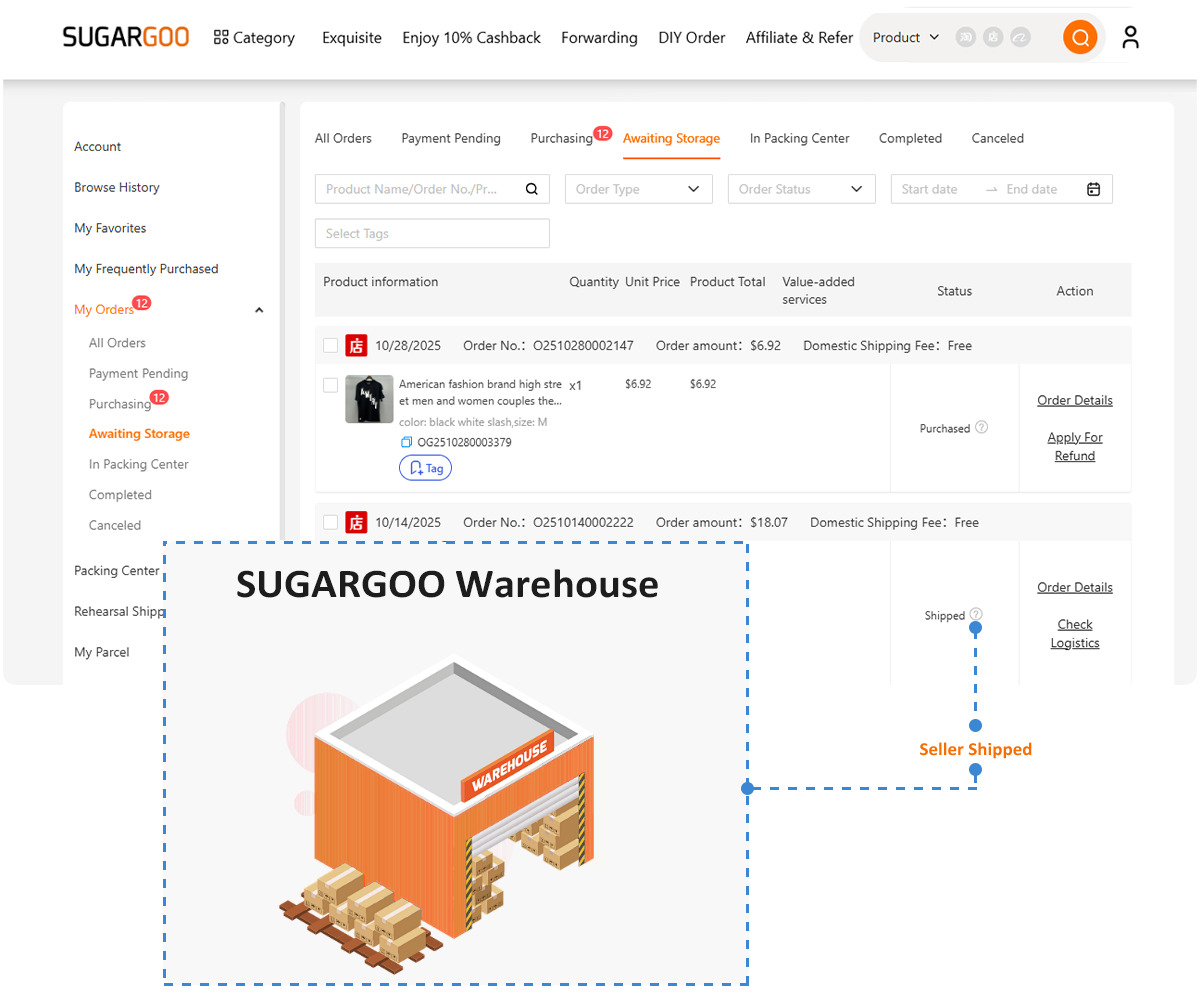
You place an order, the seller ships domestically, a forwarder receives it, repacks it, and then hands it off to an international carrier. That’s a lot of steps you never see. When something feels invisible, it’s easy to imagine the worst.
In reality, millions of packages move through this process every year without issues. Problems usually appear when expectations don’t match how forwarding actually works.
Is It Even Legit to Use a Forwarder in China?
Yes. Forwarding is legal and widely used.
A forwarder isn’t doing anything unusual—they simply receive goods at a local address in China and ship them overseas. This setup has existed for years and supports both personal shoppers and small businesses.
Where confusion comes in is service quality. Some forwarders run proper platforms with clear systems. Others operate more casually. From the outside, it can be hard to tell the difference, and that’s where people start to feel uneasy.
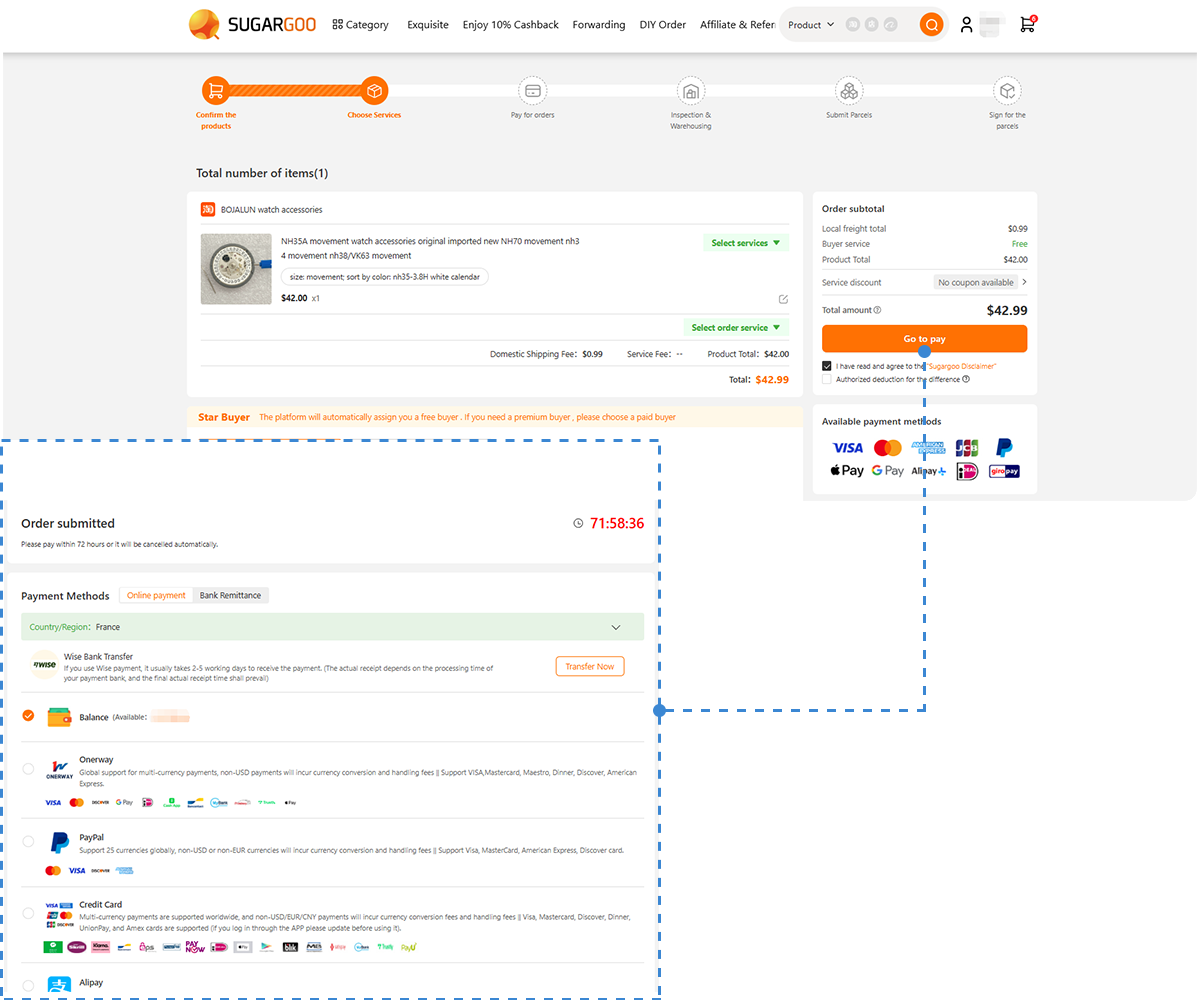
Where Trust Issues Usually Begin: Payment
If people feel unsafe, payment is often the reason.
When payments are unclear, handled privately, or poorly documented, trust drops quickly. Buyers worry about what happens if something goes wrong, or whether they’ll even get a response.
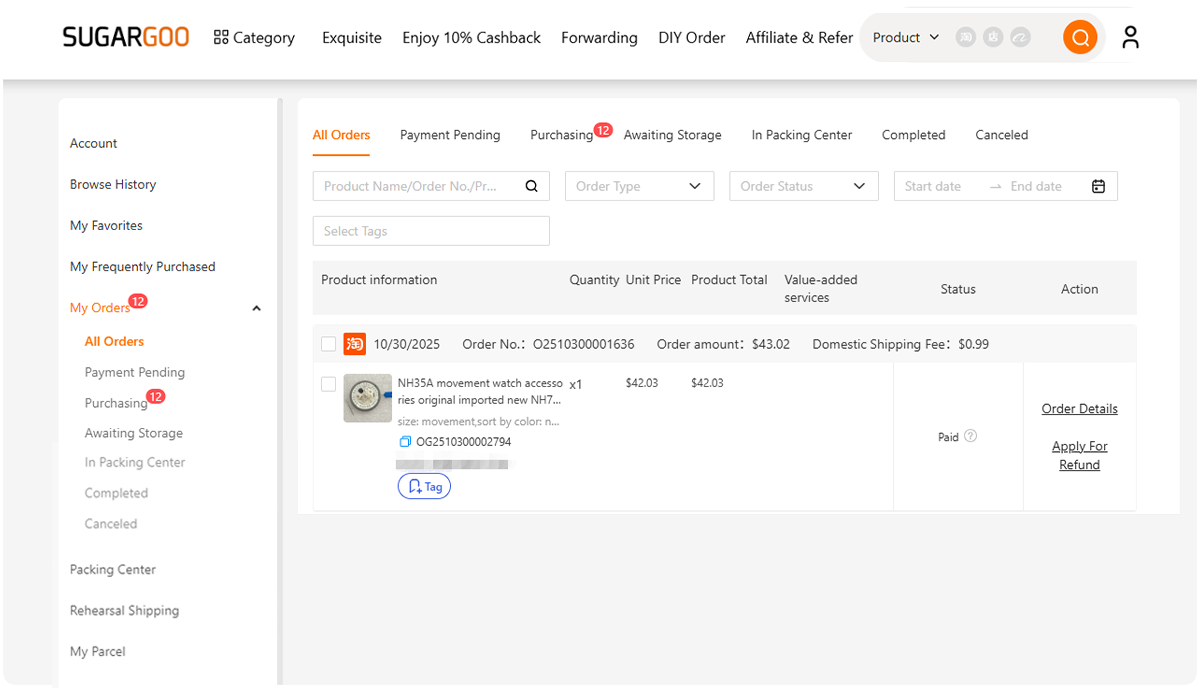
On the other hand, services that show order history, payment records, and shipping status tend to feel far more reliable—even if they cost slightly more. In forwarding, clarity often matters more than price.
Shipping Problems Aren’t Random
Lost or damaged packages don’t usually happen out of nowhere. They’re often the result of small decisions earlier in the process.
For example:
- Orders from multiple sellers aren’t combined
- Items are shipped in original, weak packaging
- No extra protection is added for international transit
Once a package starts moving internationally, it passes through many checkpoints. If it isn’t packed well, damage becomes much more likely.
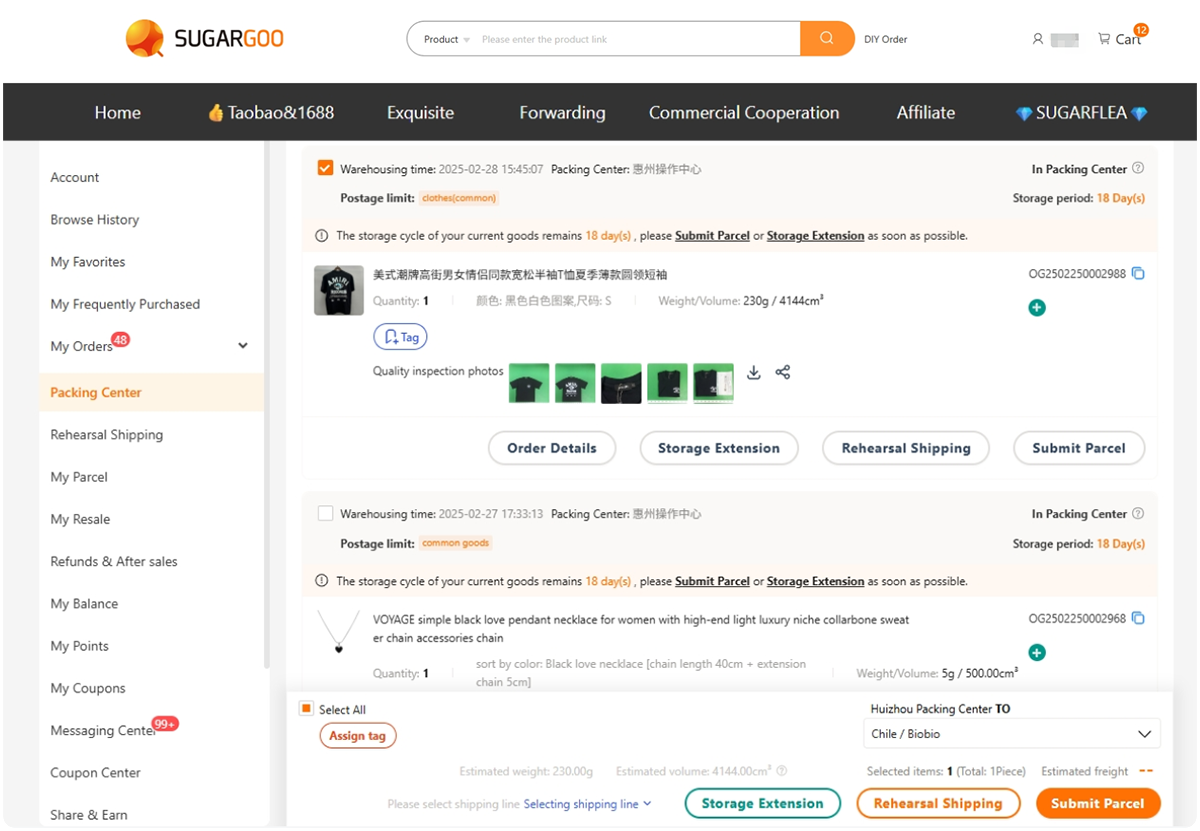
This is why experienced users pay attention to consolidation, reinforced packaging, and insurance—even if they don’t use them every time.
Quality Issues: What You Don’t Check Can Hurt You
One of the most common misunderstandings is expecting a forwarder to check products by default.
Most won’t.
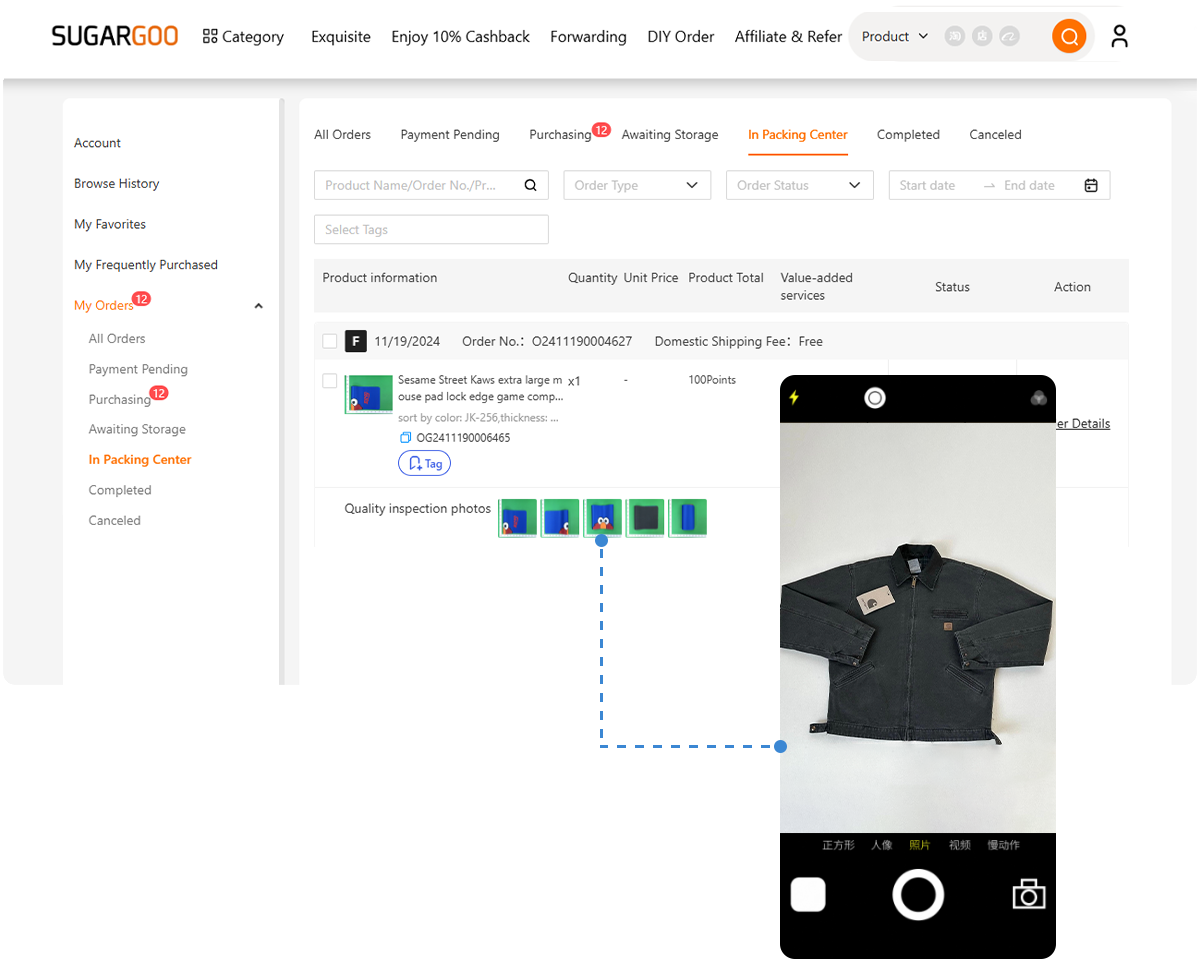
If you don’t request inspection, the forwarder typically ships whatever arrives. That means you might not see the product until it’s already in your country. At that point, returning or exchanging items becomes expensive and impractical.
Even simple photo checks can prevent frustration, especially for clothing, electronics, or higher-value items.
Customs Sounds Scarier Than It Is
Customs problems feel intimidating, but they’re rarely dramatic.
Delays usually come from incorrect declarations, restricted items, or misunderstandings about value limits. Many buyers don’t realize that rules differ by country, so a shipment that cleared once may not clear the same way again.
While no service can guarantee smooth customs clearance, experienced forwarders tend to avoid obvious mistakes and warn users about sensitive products in advance.
Who Tends to Run Into Trouble?
Patterns show up pretty quickly.
Issues are more common when users:
- Try forwarding for the first time without reading details
- Choose the cheapest option available
- Ship expensive items with no insurance
- Skip inspection to save time or money
None of these guarantee a bad outcome, but together they increase the odds of disappointment.
How Regular Users Actually Reduce Risk
People who forward regularly don’t usually stress about safety anymore. They adjust their habits.
They look for services with:
- A proper user system and order tracking
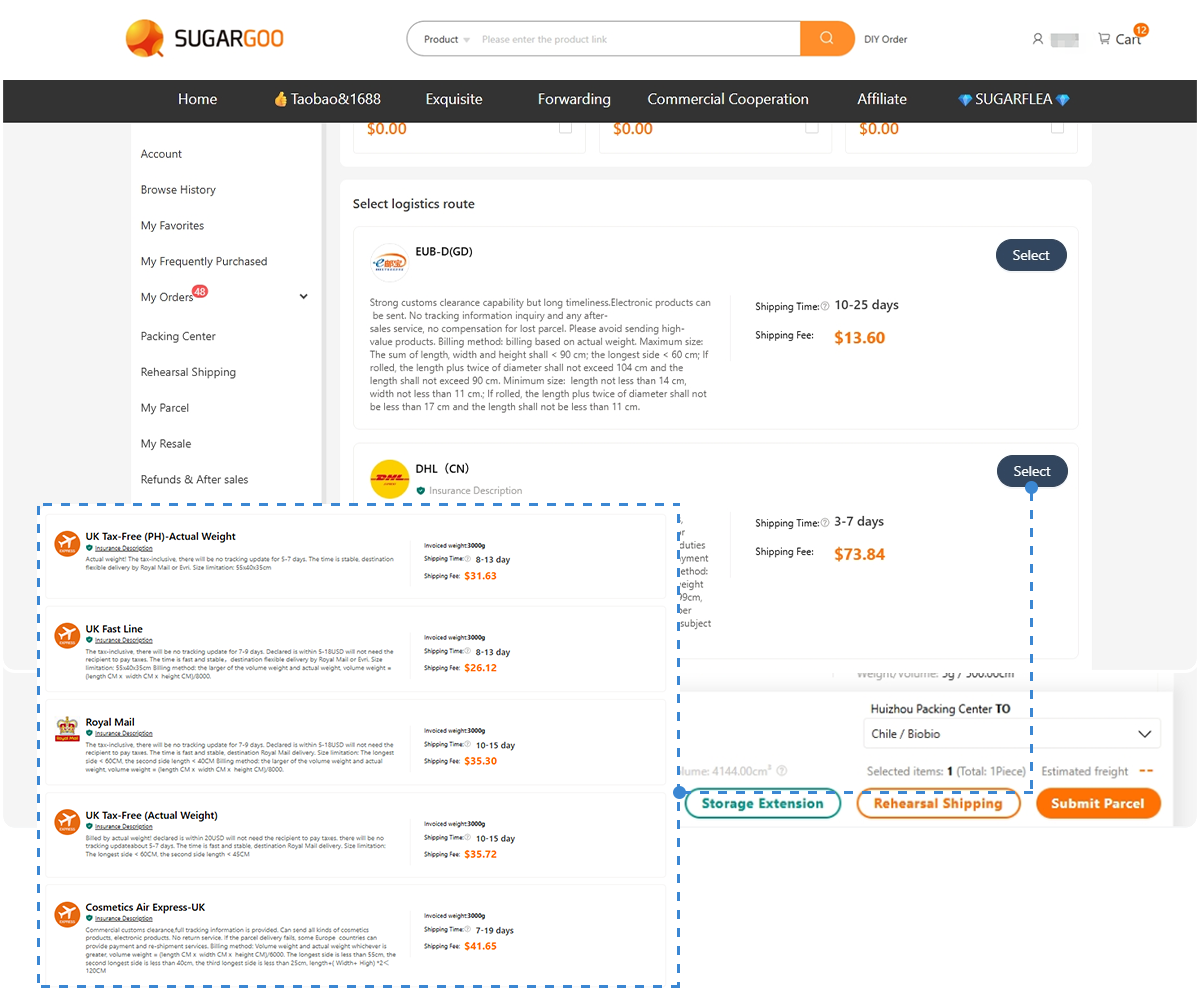
- Clear shipping options and explanations
- Add-on services like inspection and consolidation
- Support that responds when questions come up
Over time, it becomes obvious that structure and communication matter more than anything else.
Forwarder vs Buying Agent: Why the Difference Matters
Not all services play the same role.
A pure forwarder focuses on shipping. A buying agent often helps place orders, talk to sellers, and catch issues before items ever leave China. For beginners, that extra layer can prevent small mistakes from turning into expensive ones.
If you’re unfamiliar with Chinese platforms, having that support can make the process feel far less risky.
A More Structured Option for First-Time Users
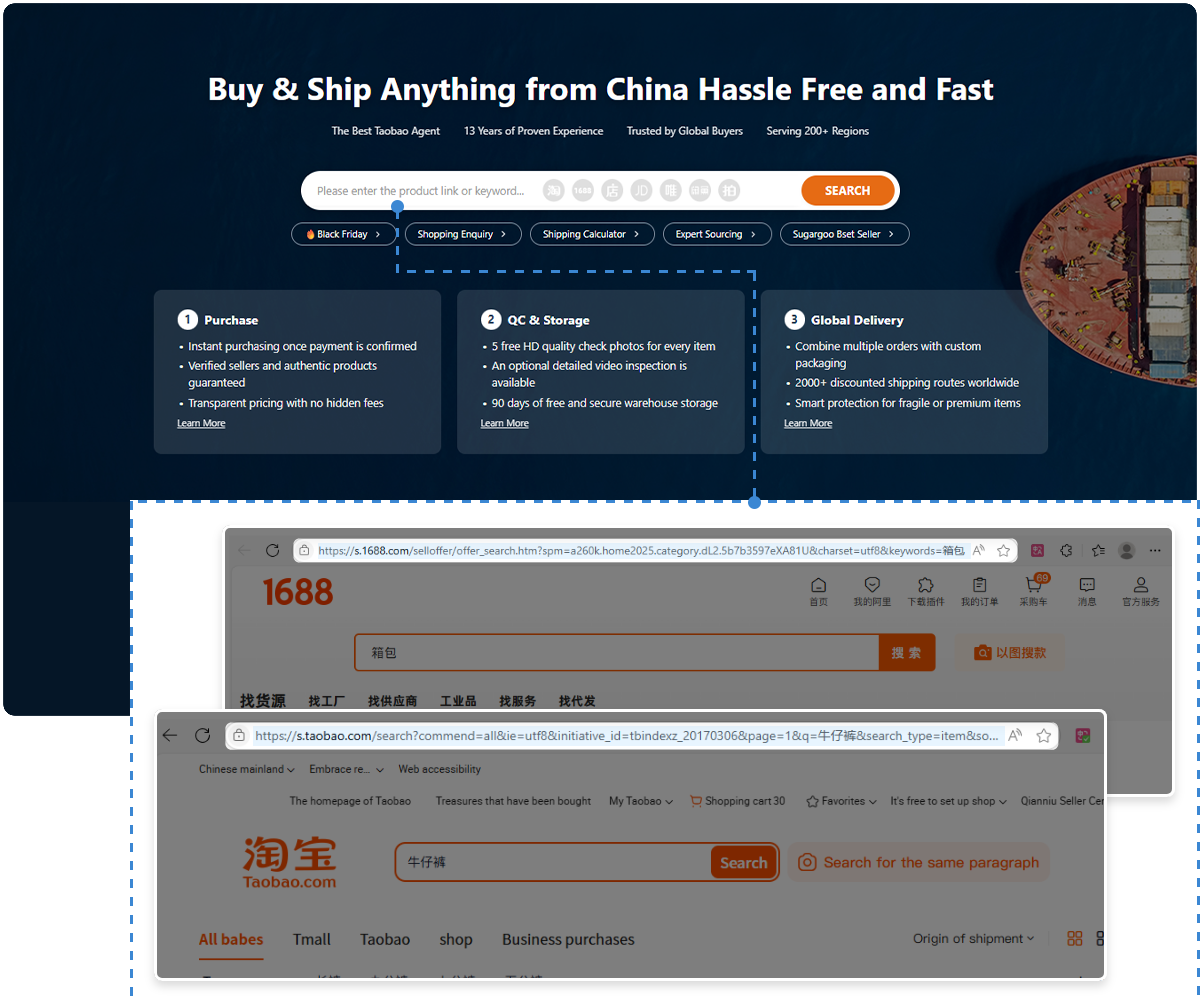
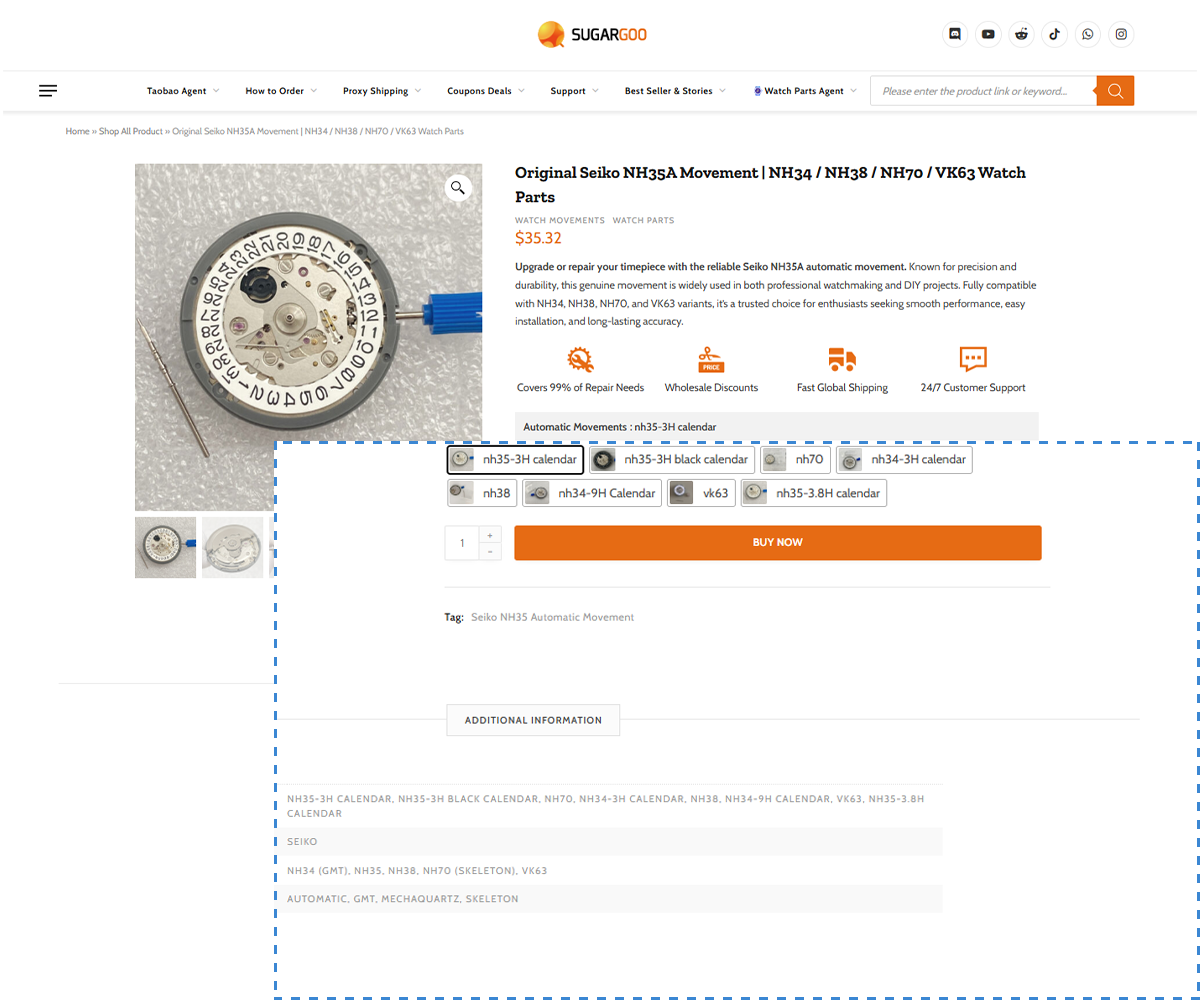
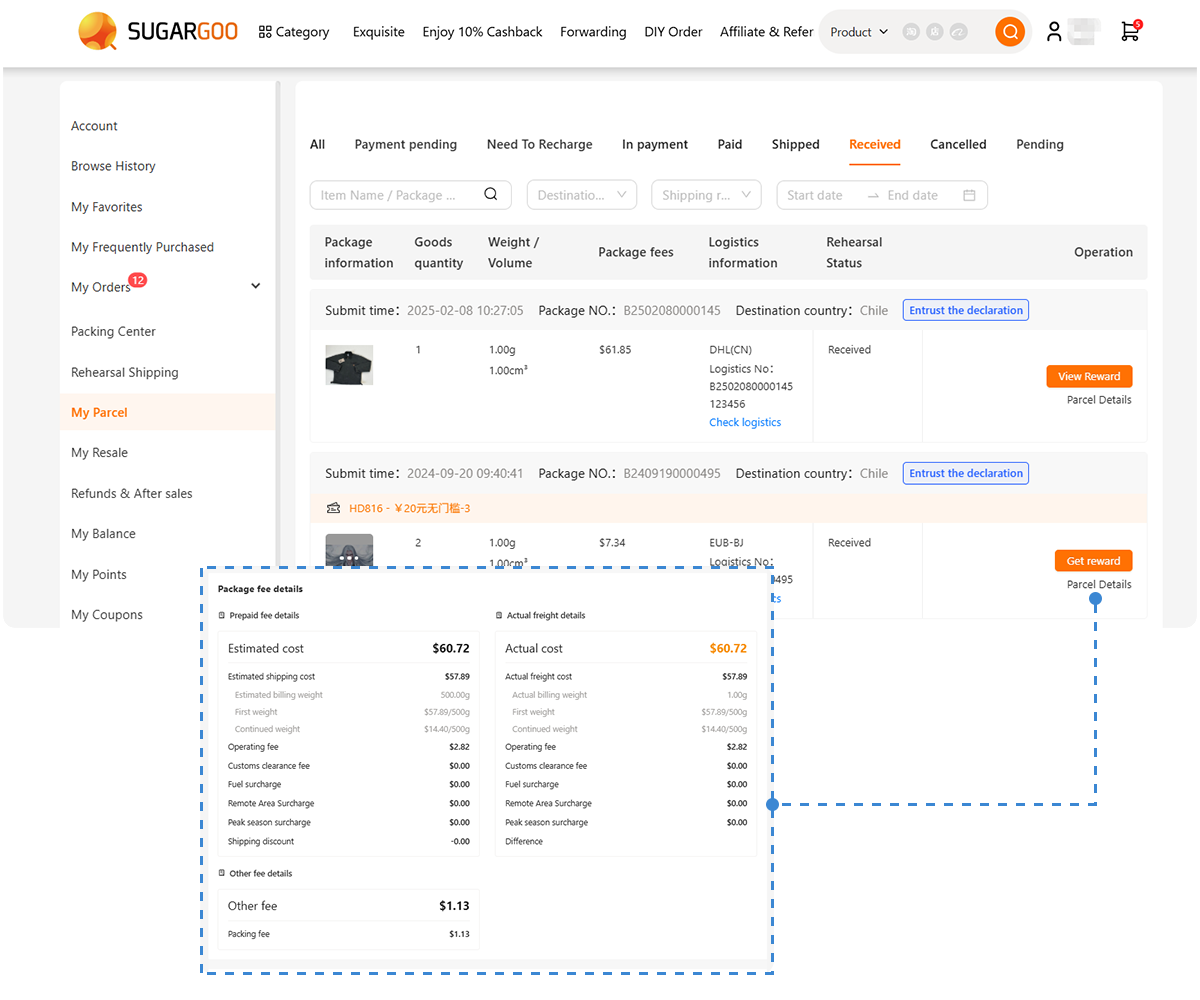
Some users prefer starting with a platform that combines multiple steps into one place. Sugargoo offers both buying assistance and forwarding, allowing users to submit Taobao, 1688, or Weidian links without handling everything themselves.
Services like quality inspection, order consolidation, reinforced packaging, shipping insurance, and multiple international routes help reduce uncertainty before a package ever leaves China. For beginners, that structure often feels easier to manage than working with informal forwarders.
Is Using a Forwarder in China Safe?
It can be.
Most problems don’t come from forwarding itself. They come from rushing decisions, skipping checks, or choosing services without understanding how they operate.
Once you know what to expect and how to reduce risk, using a forwarder becomes less of a gamble and more of a practical tool for shopping internationally.