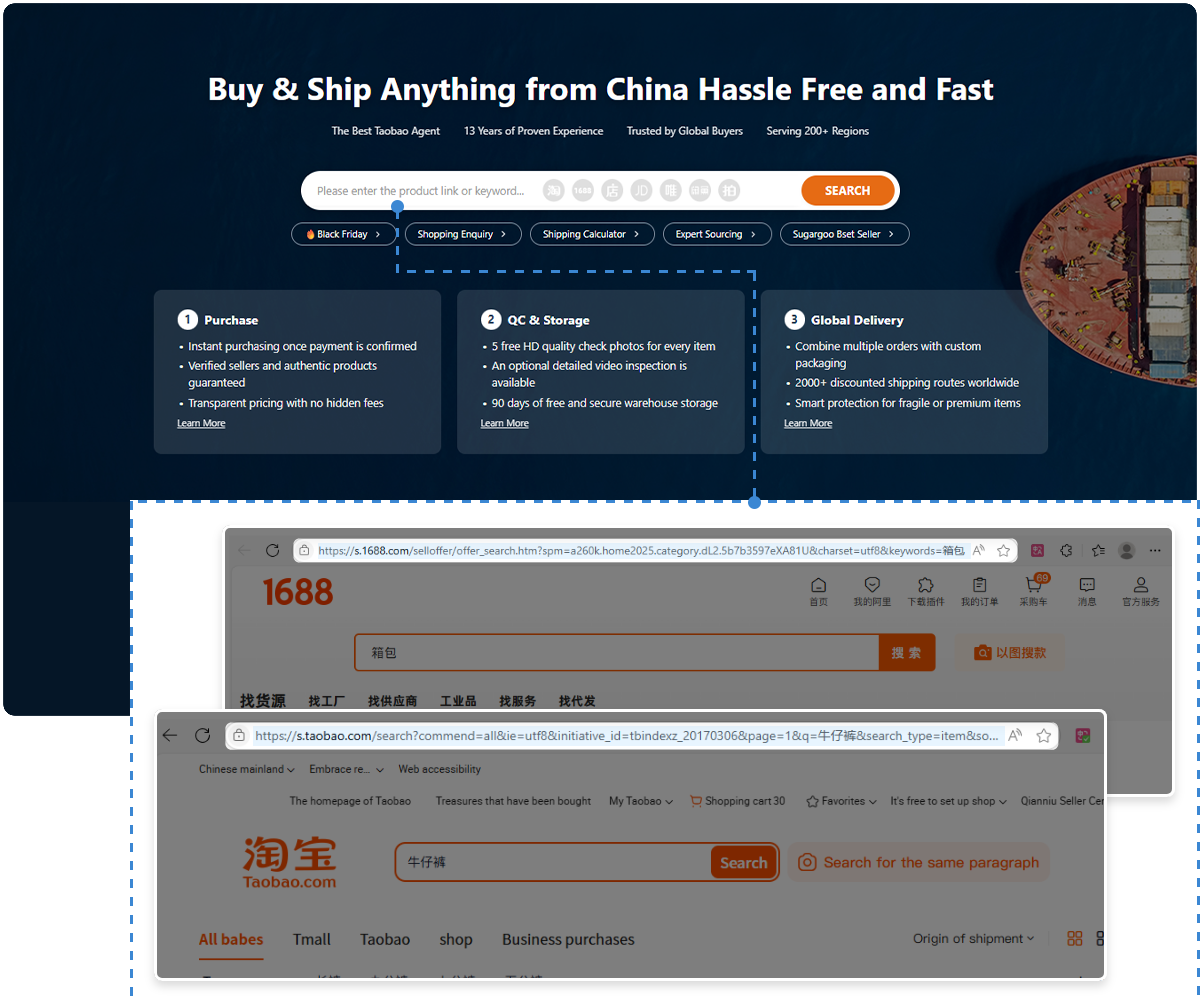



Chinese e-commerce platforms are known for their massive product range and competitive pricing. Sites like Taobao, 1688, and JD.com allow international shoppers to reach manufacturers, brands, and niche products that rarely appear on Western marketplaces.
For overseas buyers, however, the biggest obstacle usually appears long before shipping or checkout. It is the language itself—and the way small misunderstandings quietly compound into real risk.
In the sections below, we examine where these language barriers actually occur on Chinese shopping sites and how international buyers can reduce their exposure to costly errors.
Why Language Barriers Matter More Than Most Buyers Expect
Chinese e-commerce platforms are built for domestic users. They assume:
- Fluency in written Chinese
- Familiarity with local shopping habits
- Comfort communicating directly with sellers
When these assumptions do not match the buyer’s reality, problems appear quickly. Language barriers do not just slow down the process—they shape decisions, limit options, and reduce protection when something goes wrong.
In practice, misunderstanding is often the root cause of failed orders and unsuccessful refunds.
Product Pages: When Translation Misses the Real Meaning
Automatic translation can make a product page readable, but not reliable.
Many listings use:
- Keyword-heavy titles combining model numbers, materials, and usage scenarios
- Industry shorthand that translation tools cannot interpret correctly
- Important conditions placed at the end of a sentence or inside brackets
As a result, overseas buyers may not realize:
- The listing is for a component, not the full product
- The item is a pre-sale or display unit
- The price shown is only a partial payment
These details are rarely obvious after translation, yet they determine whether an order can be refunded later.
SKU Selection: A Small Click With Big Consequences
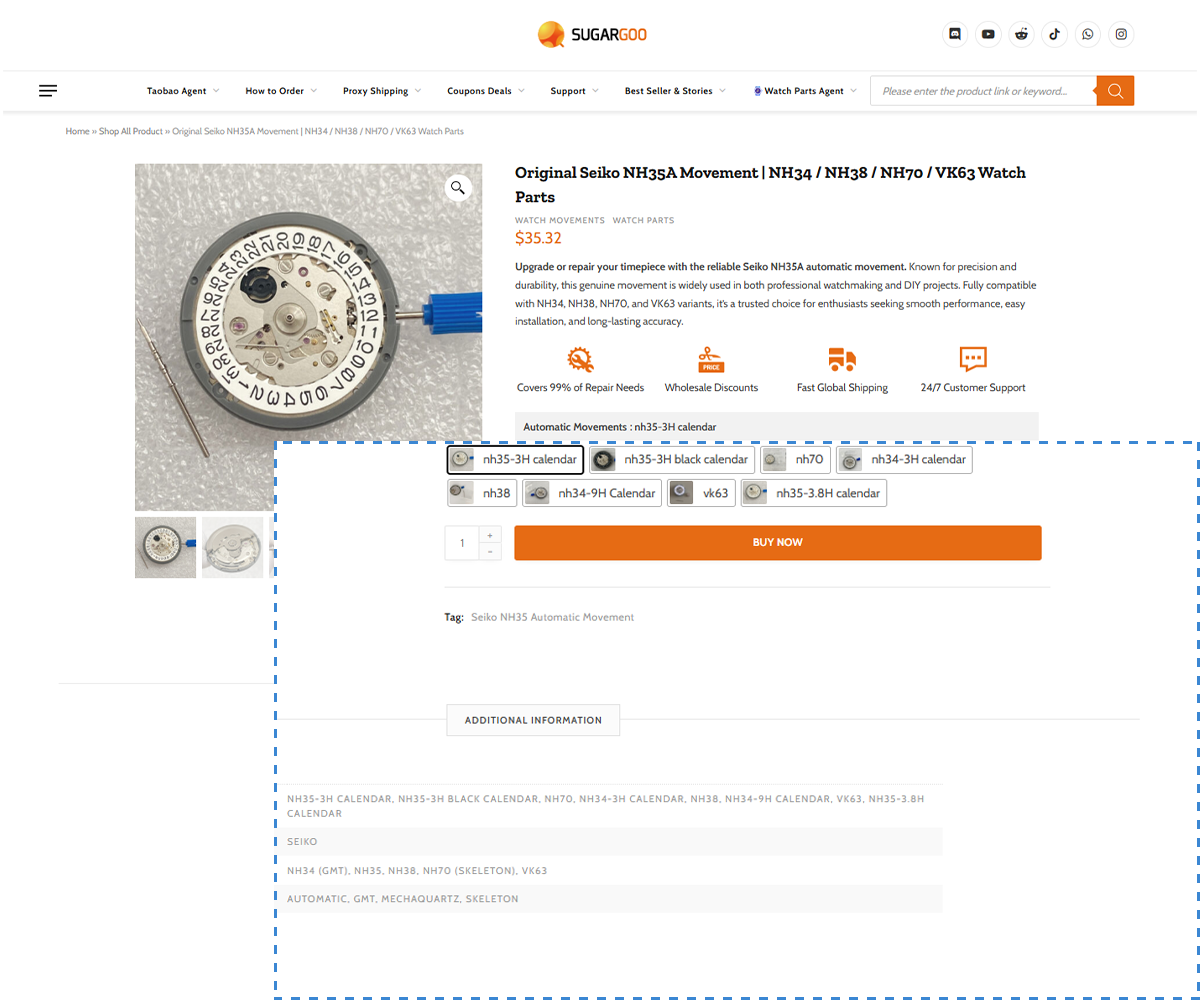
Choosing the correct SKU is one of the most error-prone steps for non-Chinese speakers.
On Chinese shopping sites:
- Size, color, and version names are often abbreviated
- Bundle options may look similar but include different items
- Translated text may reorder or simplify key distinctions
Seller Communication: Fast, Local, and Hard to Translate
Seller chats on Chinese platforms are optimized for speed, not clarity. Messages may include:
- Slang or shortened phrases
- Assumed context based on past conversations
- Platform-specific expressions unfamiliar to international users
Machine translation often struggles here, especially during:
- Pre-order questions about availability or customization
- Requests to confirm shipping details or additional fees
- After-sales discussions about damage or missing items
Miscommunication at this stage frequently leads to stalled or denied resolutions.
Platform Rules Are Easy to Overlook—but Hard to Undo
Important system messages are usually shown in Chinese only. These include:
- Time limits for initiating refunds
- Warnings about automatic order completion
- Instructions for dispute escalation
If buyers do not understand these prompts immediately, they may lose the chance to act. By the time the issue becomes clear, the platform may already consider the transaction closed.
Language Plus Culture: An Overlooked Combination
Some confusion goes beyond vocabulary.
Chinese sellers often expect buyers to:
- Understand measurements without explanation
- Recognize common material names
- Know standard packaging or quantity conventions
What feels vague to overseas buyers may be considered sufficient locally. Translation tools cannot bridge this cultural gap, even when the words themselves are correct.
How Language Barriers Reduce Refund Success Rates
When these issues overlap, the outcome is predictable:
- Incorrect orders due to unclear descriptions
- Ineffective negotiation because of poor communication
- Missed deadlines caused by misunderstood rules
In many cases, the product itself is not defective—the process simply breaks down because both sides are not operating in the same language environment.
Smarter Ways to Shop Without Fighting the Language
Experienced international buyers rarely rely on translation alone. Instead, they use layered solutions to reduce risk.
Common approaches include:
- Working with a shopping agent who understands Chinese listings and seller behavior
- Using a professional buying service to verify product details before purchase
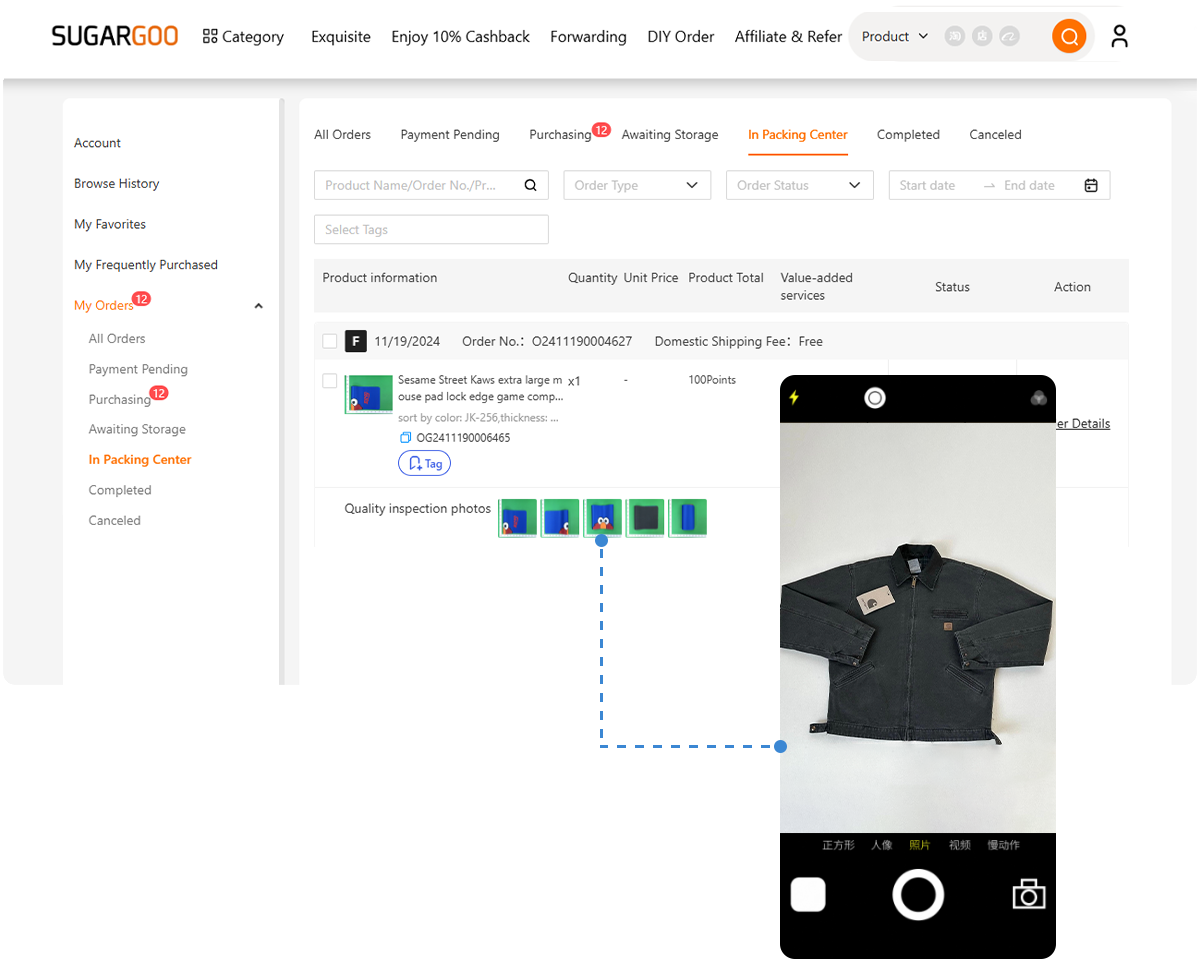
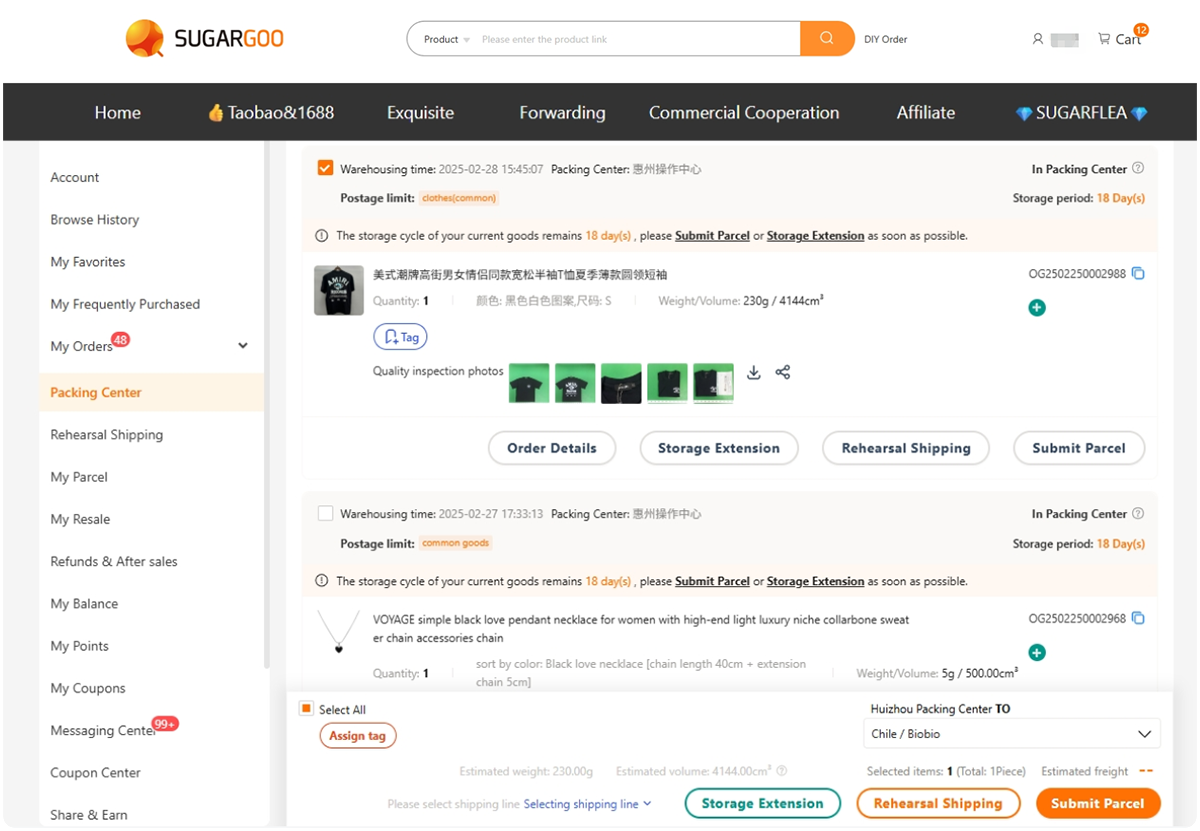
- Requesting a warehouse quality check to confirm the item matches the listing
- Getting structured refund help from teams familiar with platform rules and seller communication
These steps do not remove language differences, but they prevent misunderstandings from turning into losses.
Language Is a Risk Factor, Not Just an Inconvenience
Shopping on Chinese platforms offers real advantages—but only if buyers understand the risks involved.
The greatest danger is not being misled, but misinterpreting what is already there. Language barriers affect product selection, communication, and dispute outcomes long before shipping even begins.
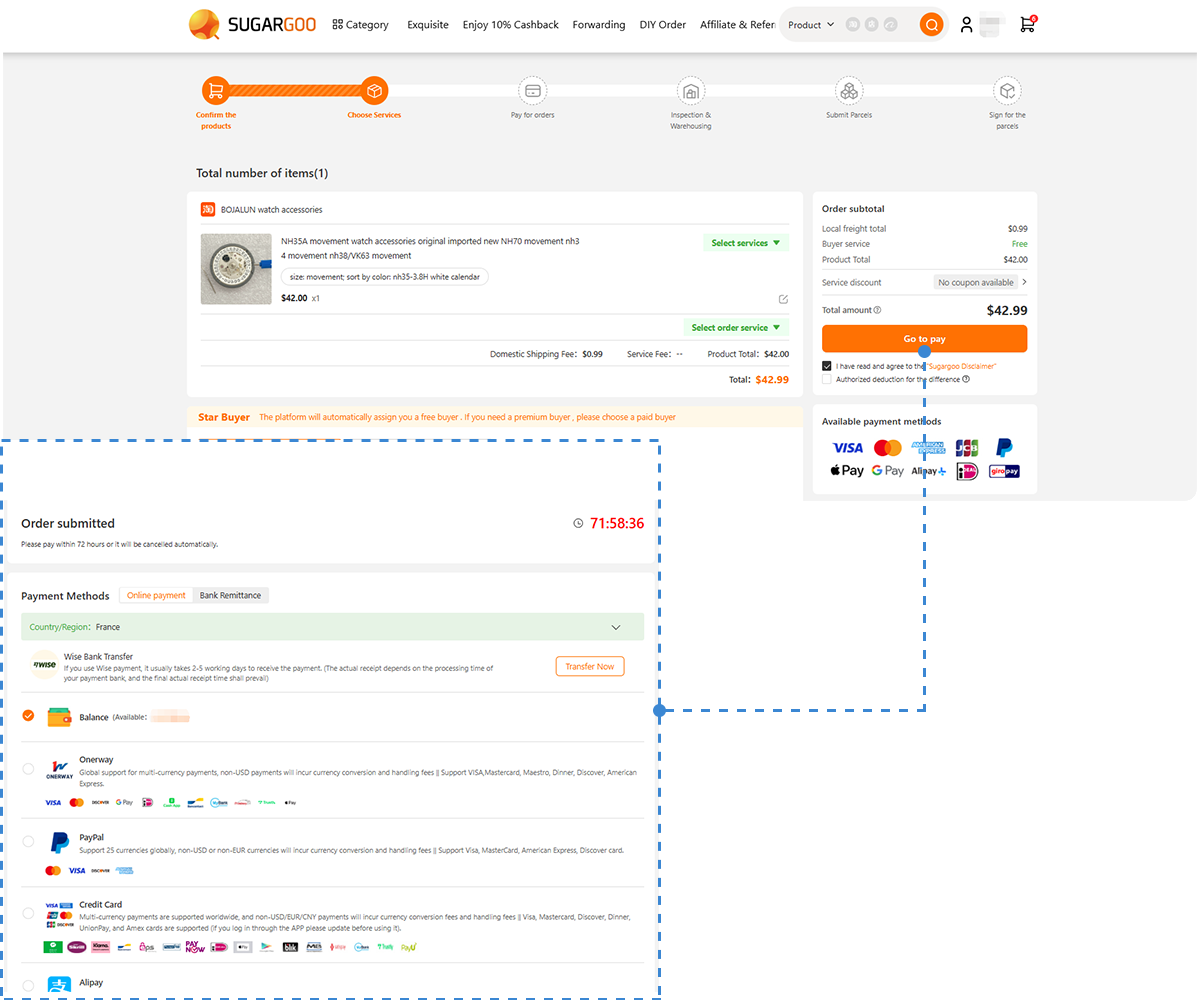
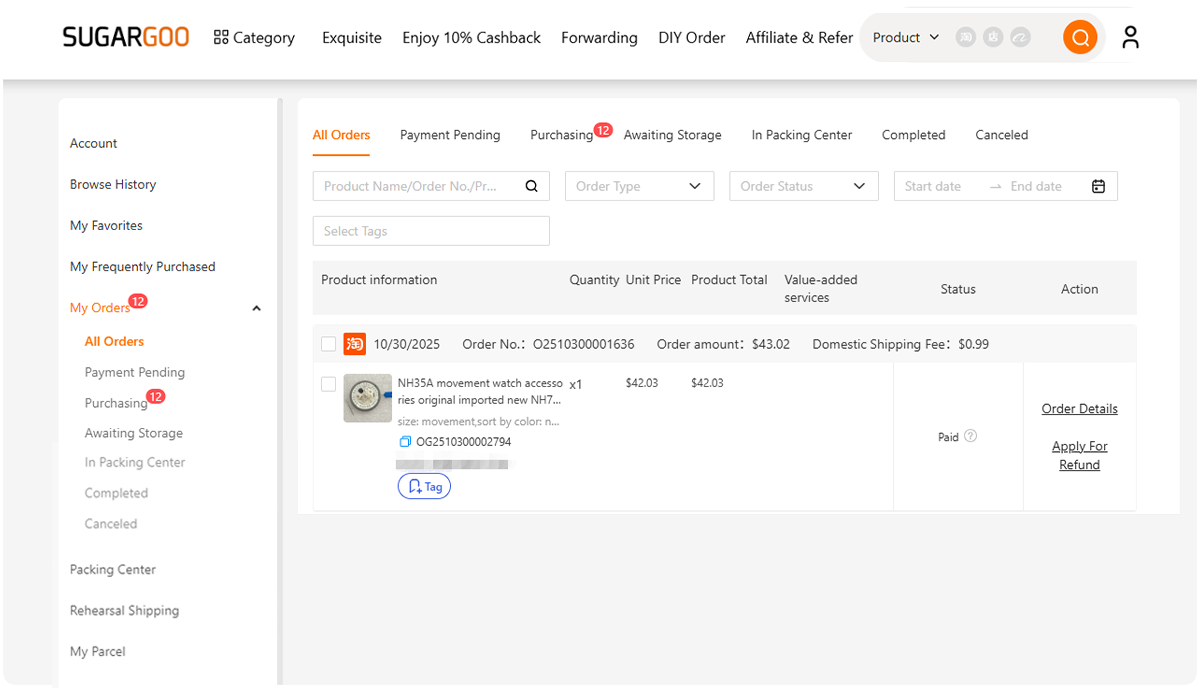
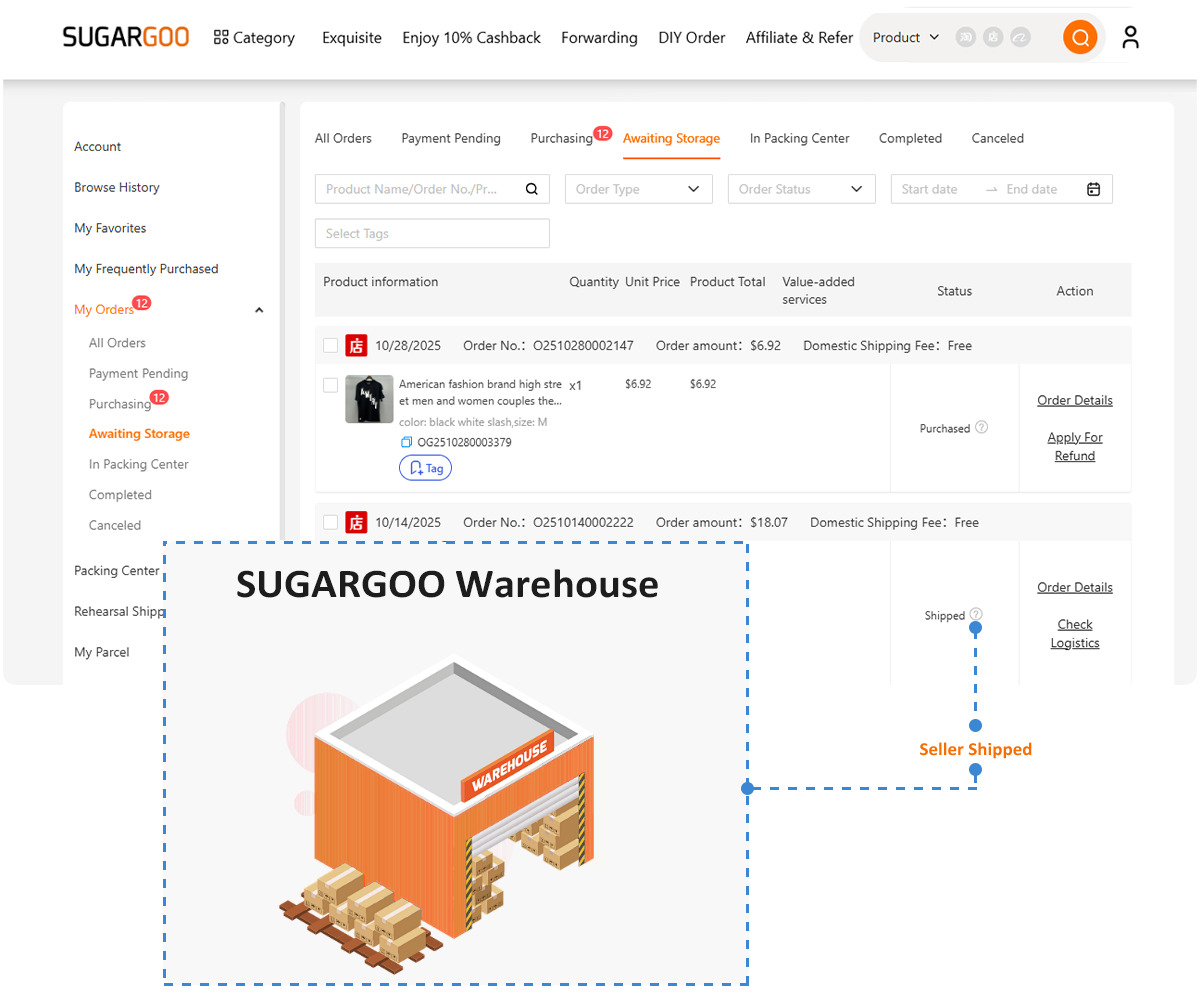
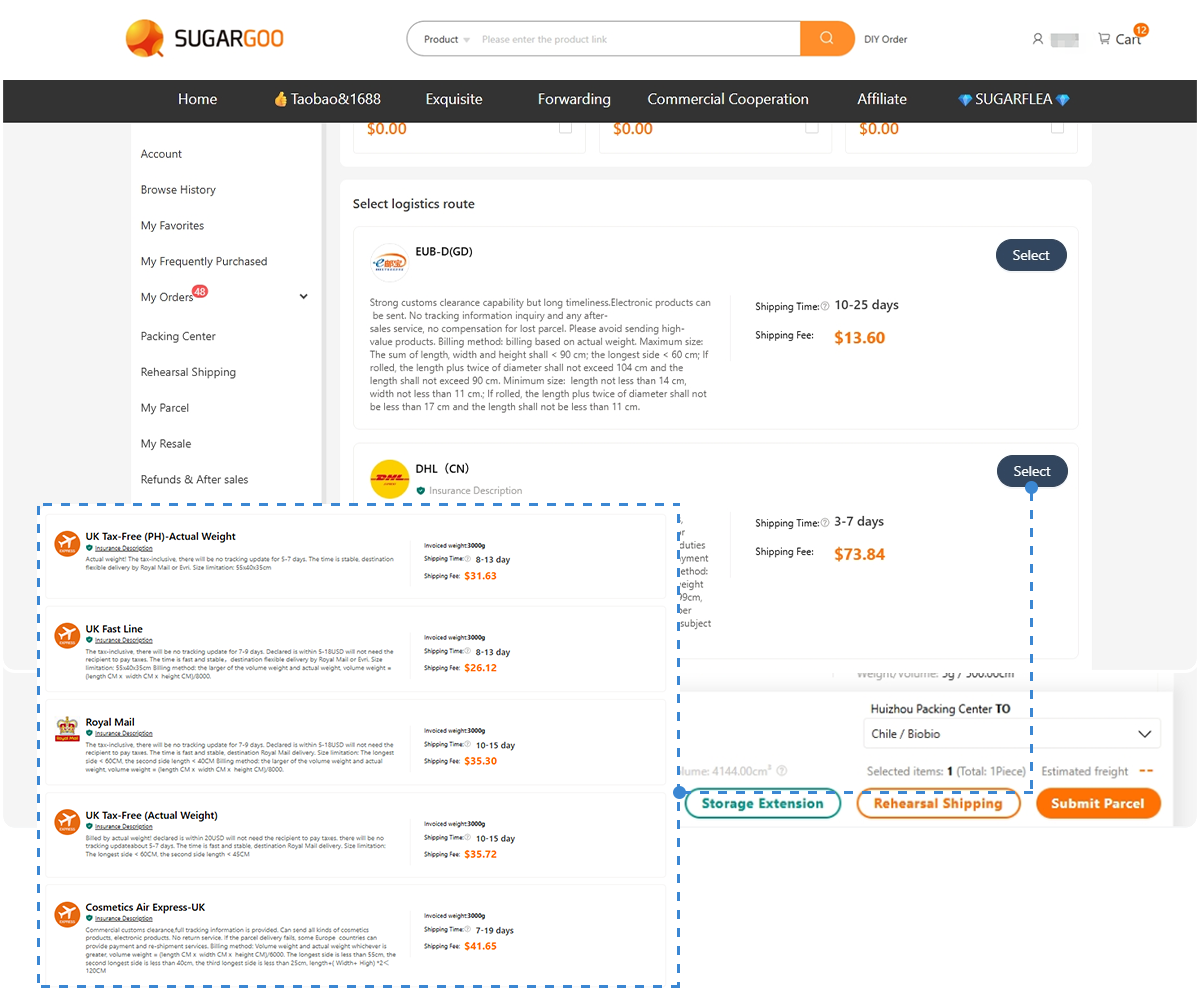
For overseas buyers, the safest approach is not guessing through translation tools, but building a setup that reduces language-related risks from the start. Using a platform like Sugargooallows buyers to bridge these gaps through assisted purchasing, clearer communication, item verification, and structured after-sales support—making shopping from China more controlled, transparent, and predictable.