

Sending small parcels from China is often assumed to be simple and low-cost. However, many overseas buyers quickly realize that even packages under 3kg can come with shipping fees that feel far from “cheap.” The reason is not distance or weight alone, but how international shipping systems price, handle, and move parcels across borders.
This article explains how to approach small-parcel shipping from China in a smarter way. Rather than listing courier names or temporary discounts, it focuses on how costs are formed—and how buyers can actively reduce them.
What “Small Parcel” Really Means in International Shipping
In practical terms, a small parcel usually refers to a shipment that:
- Weighs no more than 3kg
- Has moderate dimensions without excessive empty space
- Contains items of relatively modest value
A common misunderstanding is believing that lighter parcels are always cheaper. In reality, carriers compare actual weight with volumetric weight, charging whichever is higher. As a result, a loosely packed box can cost more to ship than a heavier but compact parcel.
For shipments near the 3kg threshold, packaging choices often matter more than the items themselves.
Why Similar Parcels End Up with Different Shipping Costs
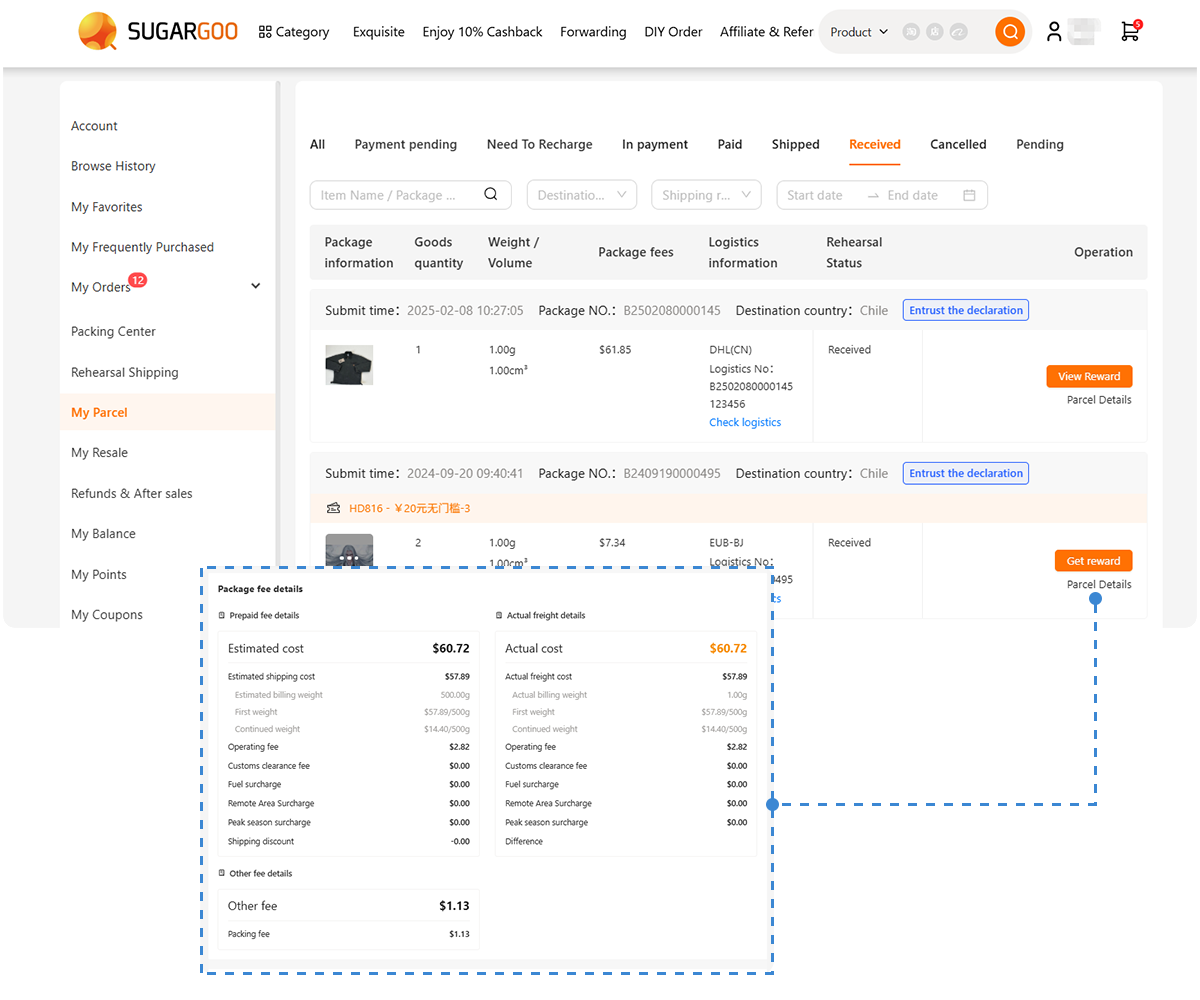
It’s not unusual for two buyers shipping nearly identical parcels to see very different prices. That’s because international shipping costs are built from several separate stages:
- Domestic delivery within China
- Warehouse processing and packing
- International transportation
- Customs clearance
- Local delivery after arrival
If any part of this chain is inefficient—such as oversized packaging or a poorly matched route—the final cost increases. The cheapest option is usually the one with fewer unnecessary steps, not the one that looks cheapest at first glance.
Cost-Effective Shipping Approaches by Weight Range
Parcels Between 1kg and 3kg
Typical contents: Clothing, shoes, compact consumer goods
This is the most common category for international buyers. Prices here are generally predictable, but differences between routes become more noticeable. A tightly packed 3kg parcel can sometimes cost less than a poorly packed shipment weighing less.
This weight range offers the greatest opportunity for cost optimization.
Items That Increase Costs Due to Volume
Some parcels are expensive not because they are heavy, but because they take up space:
- Retail shoe boxes
- Thick protective packaging
- Irregular shapes
Reducing volume—by removing boxes or compressing items—often lowers costs more effectively than changing carriers.
How to Evaluate “Cheap” Shipping Options
Instead of focusing on the lowest quote, compare shipping choices using broader criteria:
- Total cost after handling and processing
- Delivery consistency
- Tracking availability
- Customs performance for your country
- Suitability for parcels under 3kg
An option that balances these factors usually ends up cheaper in real terms than one with the lowest advertised rate.
Practical Cost-Saving Techniques for 3kg Parcels
Ship Items Together
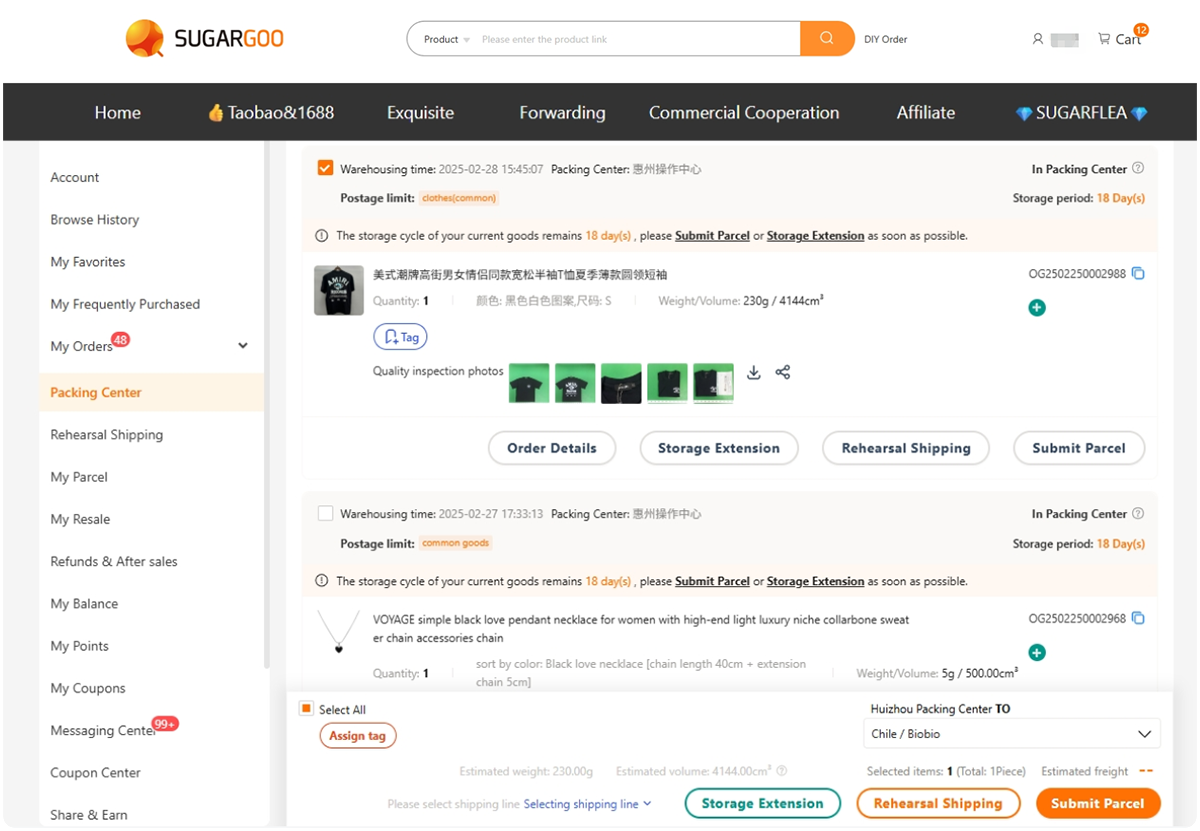
Combining multiple purchases into one shipment avoids paying repeated base fees.
Minimize Package Size
Removing unnecessary packaging reduces volumetric weight, which directly affects pricing.
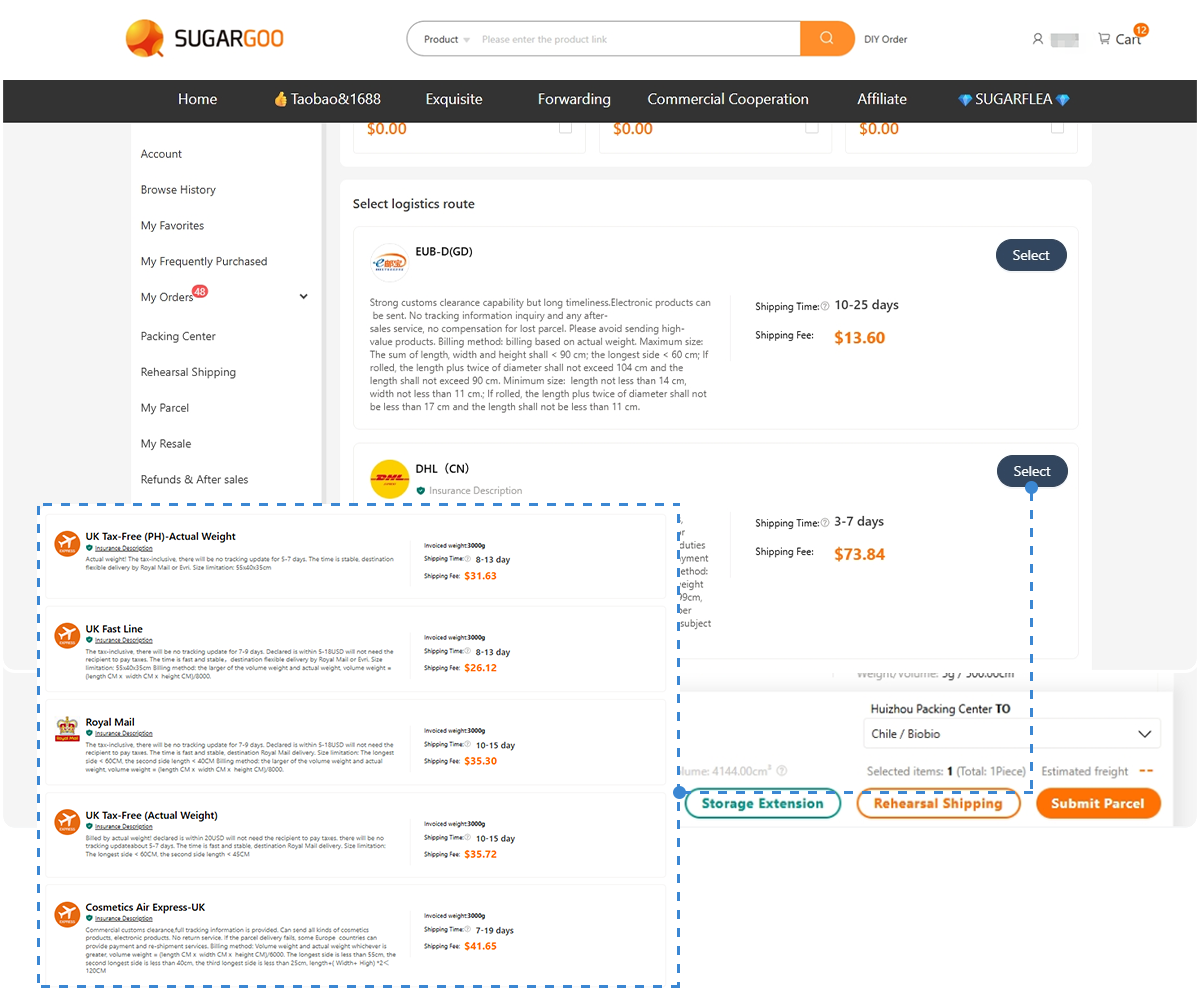
Compare Routes, Not Just Prices
Some shipping lines are optimized for specific regions. Testing different routes can reveal large price differences for the same parcel.
Use Insurance Strategically
Low-cost insurance can protect moderate-value parcels without adding much to the total cost.
Why Many Buyers Rely on Shipping Agents
Most sellers in China only offer domestic delivery. When buyers attempt direct international shipping, they usually face fixed routes, limited packaging control, and little transparency in pricing.
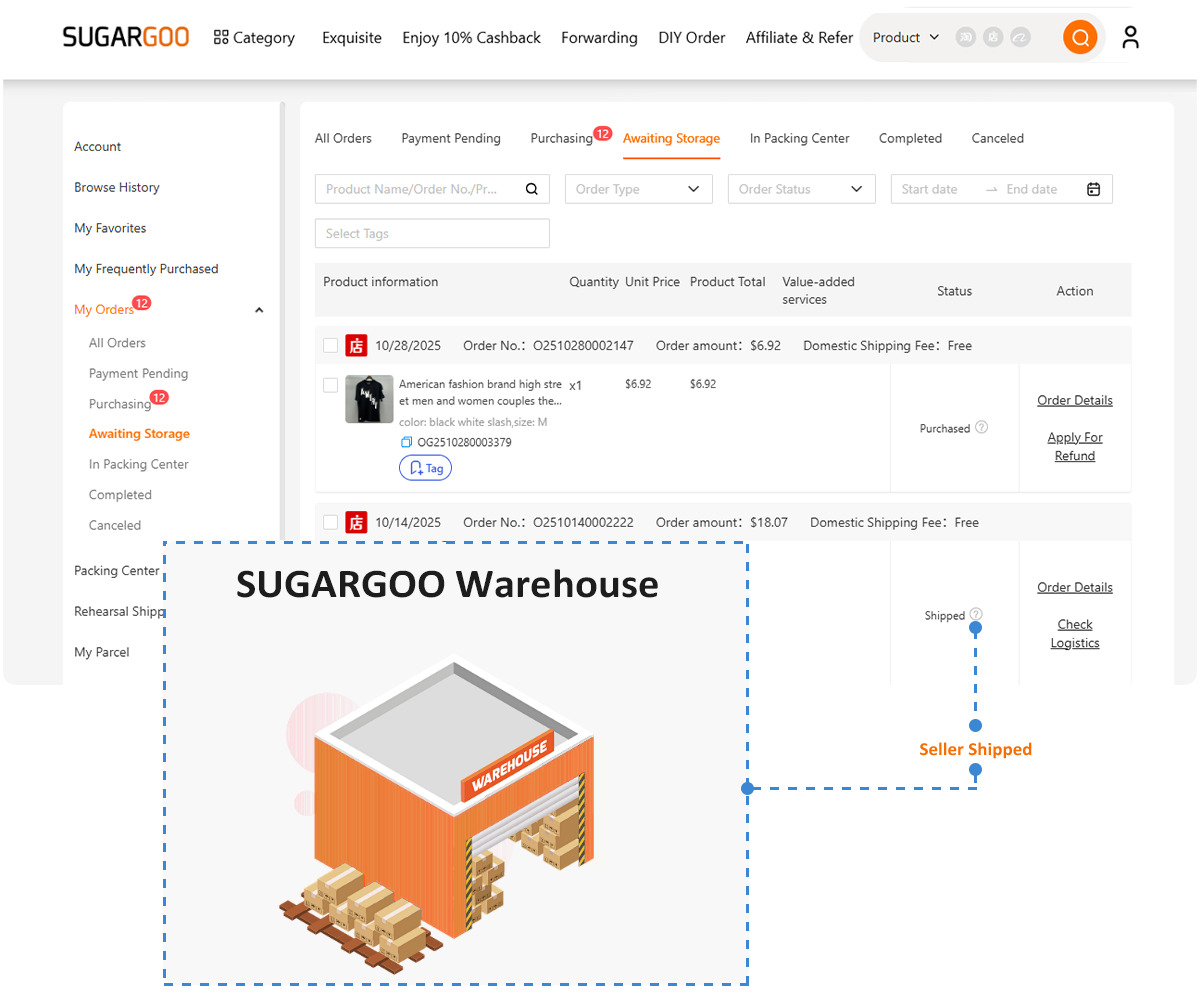
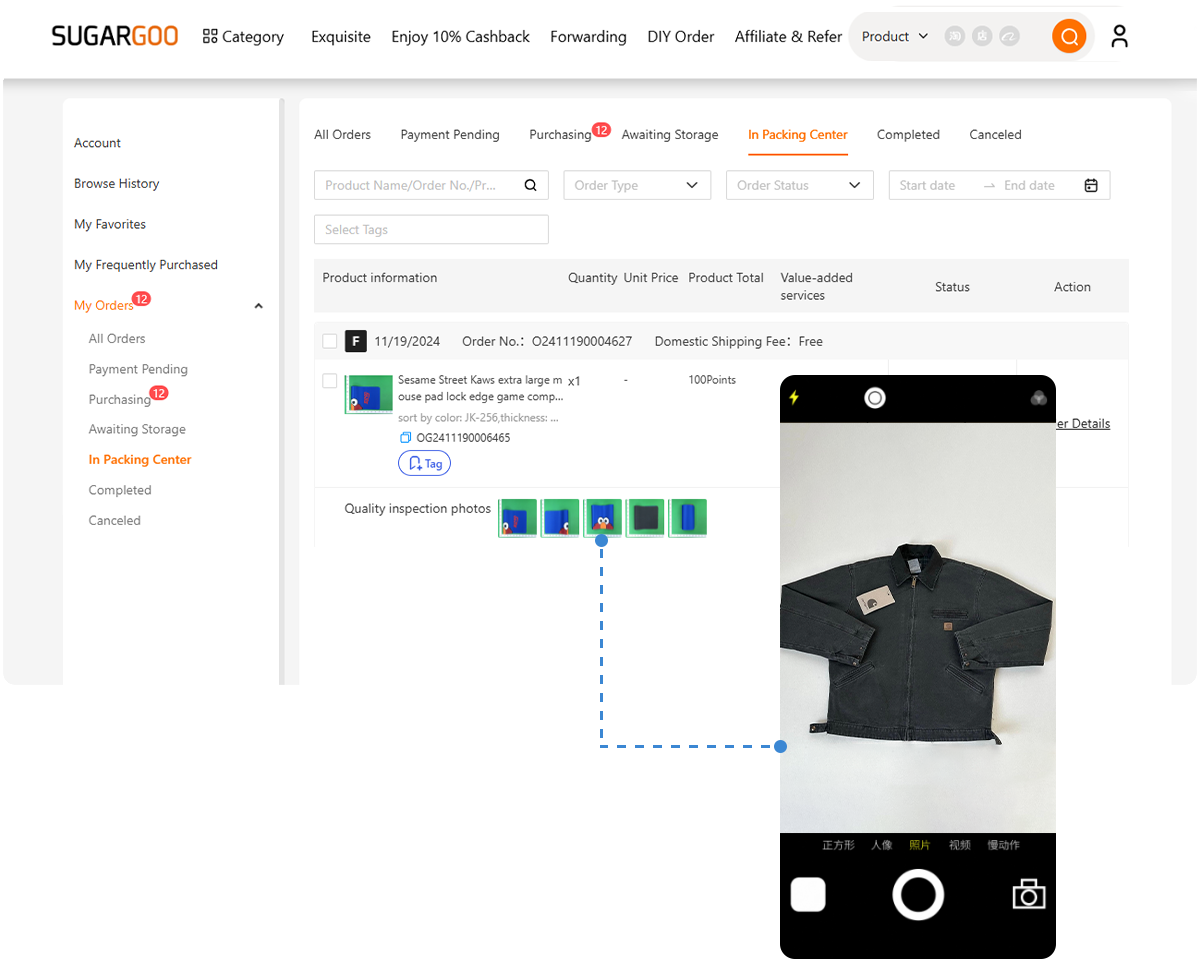
Using a shipping agent allows purchases to be sent to a warehouse before being delivered. From there, parcels can beinspected, combined, repacked, and shipped using different international routes. This flexibility is especially valuable for parcels close to the 3kg limit.
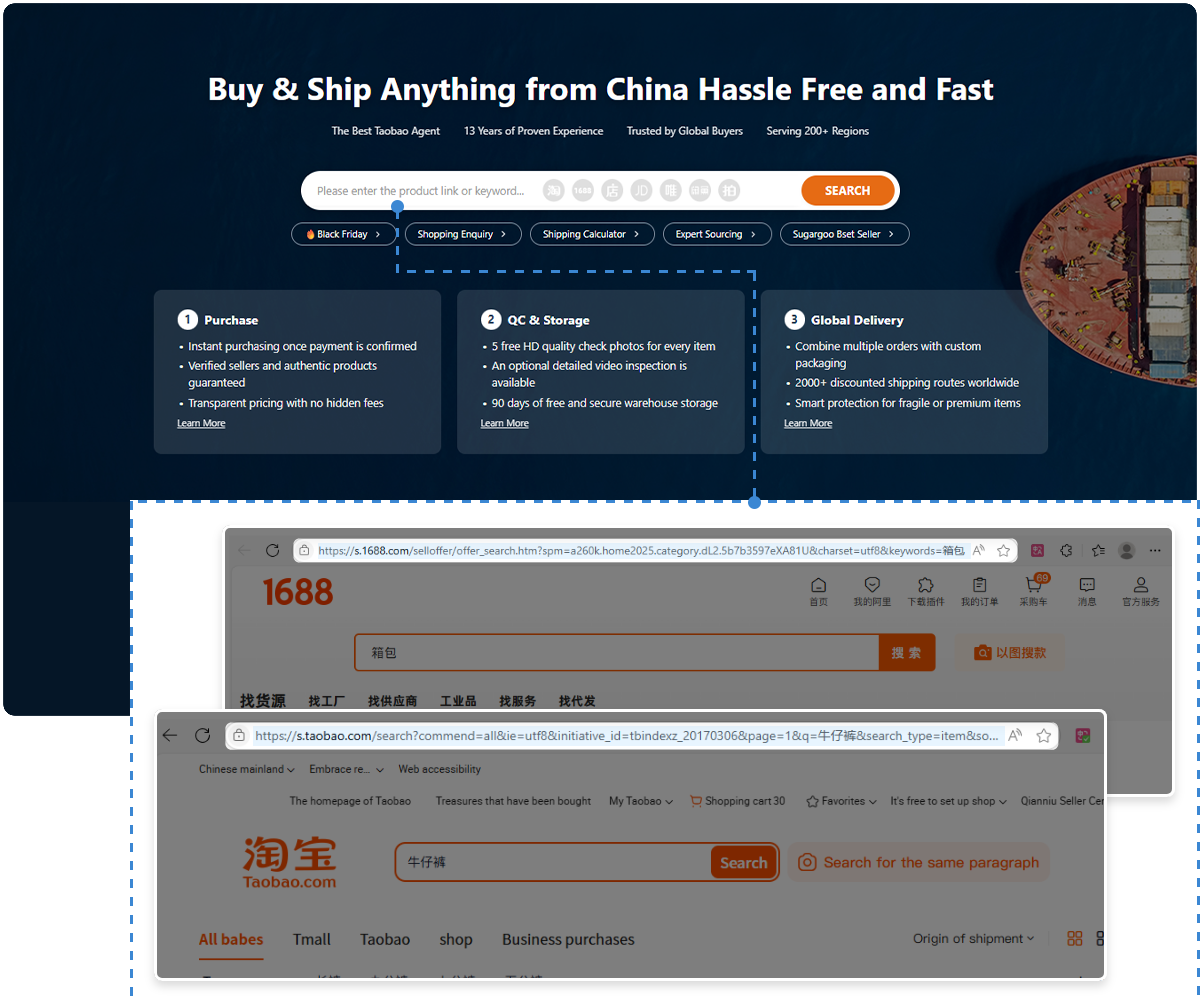
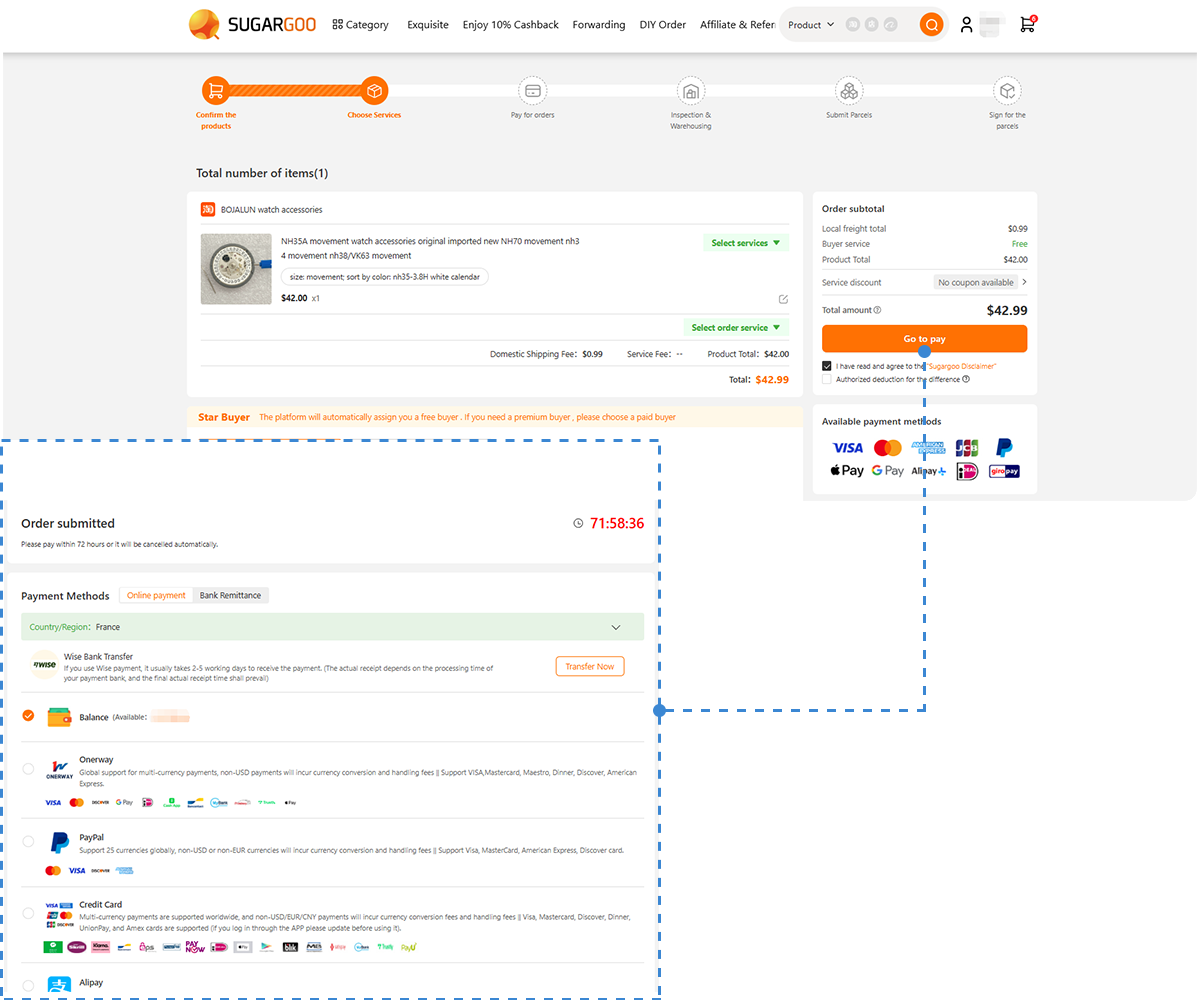
Platforms such as Sugargoo provide services like warehousing, consolidation, route comparison, and optional insurance, helping buyers manage shipping costs more systematically rather than relying on one-time quotes.
Lower Shipping Costs Come from Planning
Lower shipping costs for small parcels don’t usually come from a single clever trick. They come from knowing how shipping fees are built and making small, deliberate choices before a package is sent. Decisions like adjusting how items are packed, combining orders, or choosing a more suitable route often matter more than the shipping price shown at checkout.
Because smaller parcels are easier to modify, these choices can be applied consistently over time. With a bit of preparation, shipping expenses become more predictable, rather than something buyers have to guess at with every order.