

Many first-time importers end up choosing mobile accessories not because they are trendy, but because they are forgiving. A small pricing mistake rarely breaks the business, demand is predictable, and testing new products does not require large upfront investment. Items like phone cases, charging cables, and screen protectors allow sellers to learn how importing works without carrying excessive risk.
This article looks at how small sellers realistically bring mobile accessories in from China—how they find low-cost products, where beginners usually go wrong, and which decisions matter most when budgets are limited.
Why China Continues to Dominate Cheap Mobile Accessories
China’s role in mobile accessory manufacturing is the result of scale.
In southern China, mobile accessories are not produced in isolation. Around electronics hubs such as Shenzhen, suppliers rarely rely on a single factory. Molds, materials, assembly, and even packaging are often handled by different specialists located nearby. This division of labor keeps production flexible and allows suppliers to scale output quickly without pushing costs up every time demand changes.
Another reason prices stay low is that many accessories are designed for domestic sale first. When you source directly from China’s local marketplaces, you are often buying products intended for local retailers—not export clients—which removes several layers of markup.
This is why sellers searching for the cheapest mobile accessories often find better pricing on Chinese domestic platforms than on international wholesale sites.
Choosing the Right Accessories to Import as a Beginner
Not every mobile accessory is suitable for first-time importing.
If you are starting small, focus on products that are:
- Lightweight
- Non-electronic
- Easy to inspect visually
- Unlikely to face shipping restrictions
Examples include phone cases, protective films, stands, holders, and basic cables.
Items such as power banks, fast chargers, or wireless devices can introduce complications. These products may require certifications, face air-shipping limits, or increase customs scrutiny. Many small sellers delay these categories until they have more experience with logistics.
Where Small Sellers Actually Find the Cheapest Suppliers
International platforms often present themselves as the default option, but they are not always the most cost-effective.
For small orders, many sellers turn to:
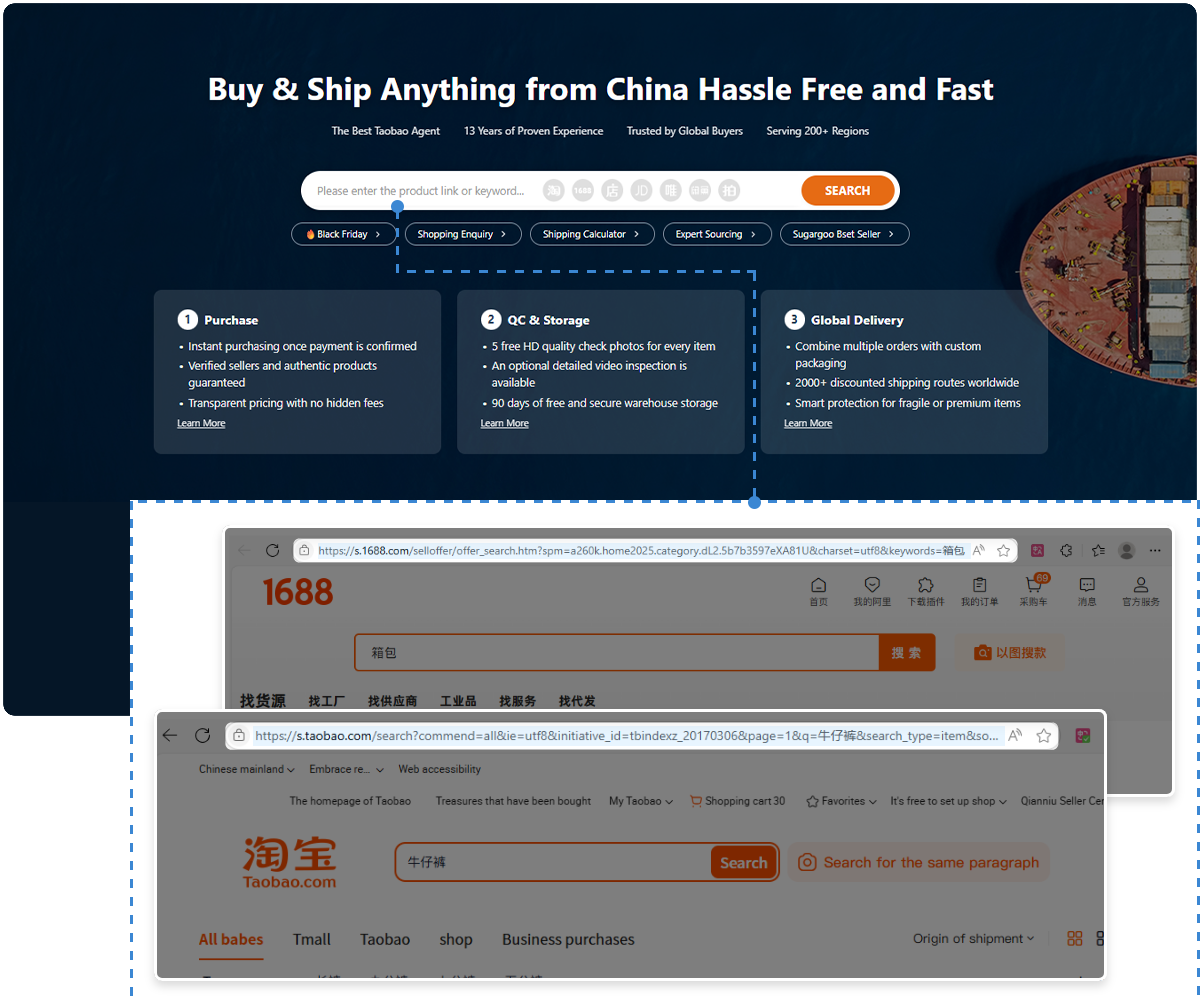
- 1688, where factories sell directly to the Chinese market
- Taobao, which works well for testing styles and trends in small quantities
The downside is obvious: listings are in Chinese, sellers expect local payments, and international shipping is rarely supported. This is usually where beginners feel blocked, even after finding attractive prices.
Understanding Total Import Cost (Not Just Product Price)
A common mistake is focusing only on the unit price.
In practice, importing from China involves several cost layers:
- Domestic shipping inside China
- Inspection or quality confirmation
- Add-on services
- International shipping fees
- Taxes or customs fees (depending on destination)
Ordering from multiple sellers without consolidation can quickly erase any price advantage. Managing how items are packed and shipped often matters more than saving a few cents per unit.
Why Buying Agents Are Commonly Used for Importing from China
To work around platform limitations, many small sellers use buying agents.
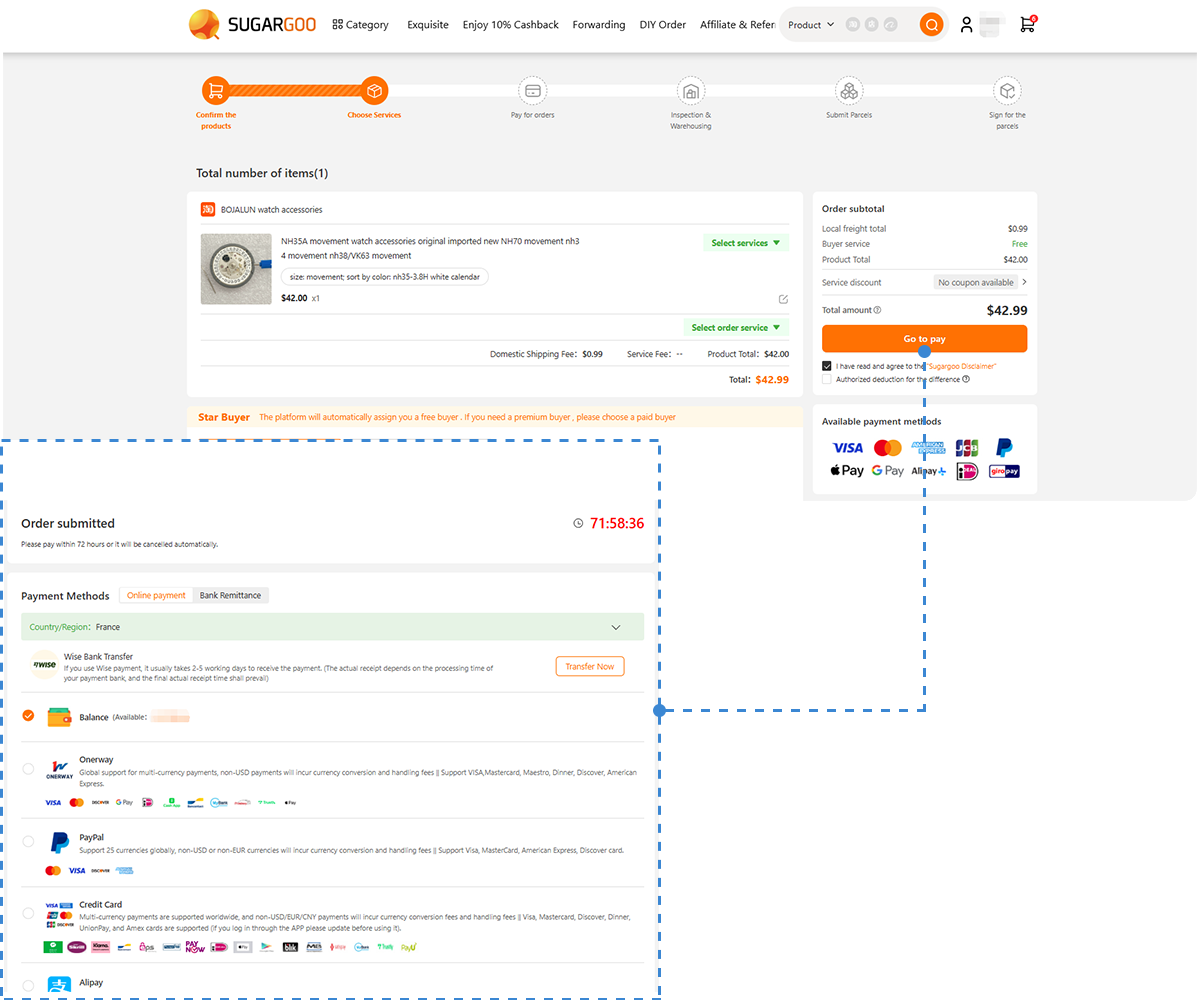
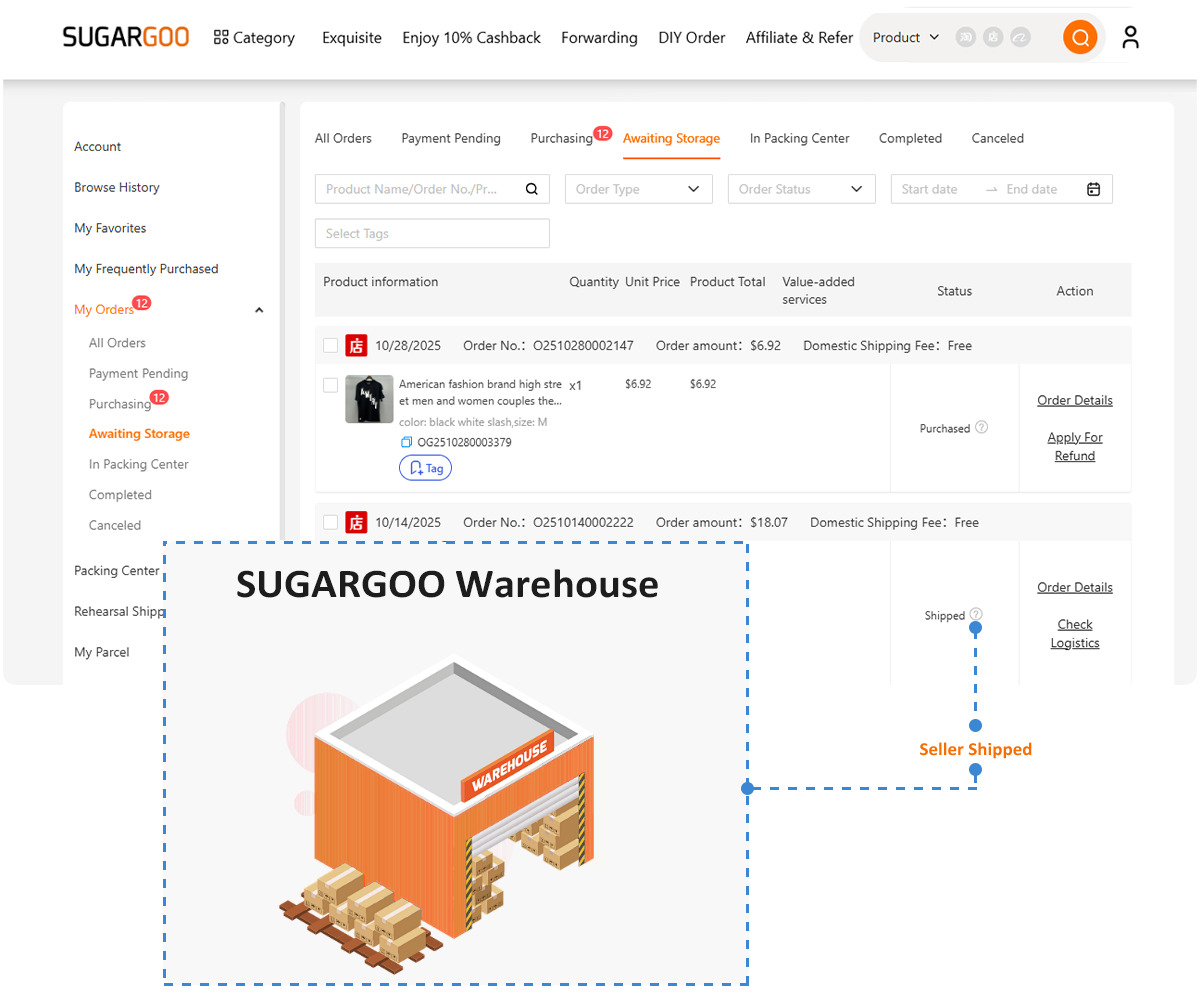
For overseas sellers, the biggest challenge is not finding products—it is handling everything that happens after clicking “buy.” This is where a buying agent becomes useful. Rather than acting as a marketplace, the agent works on the ground in China, placing orders on local platforms, coordinating with sellers, receiving goods, and preparing them for international shipment.
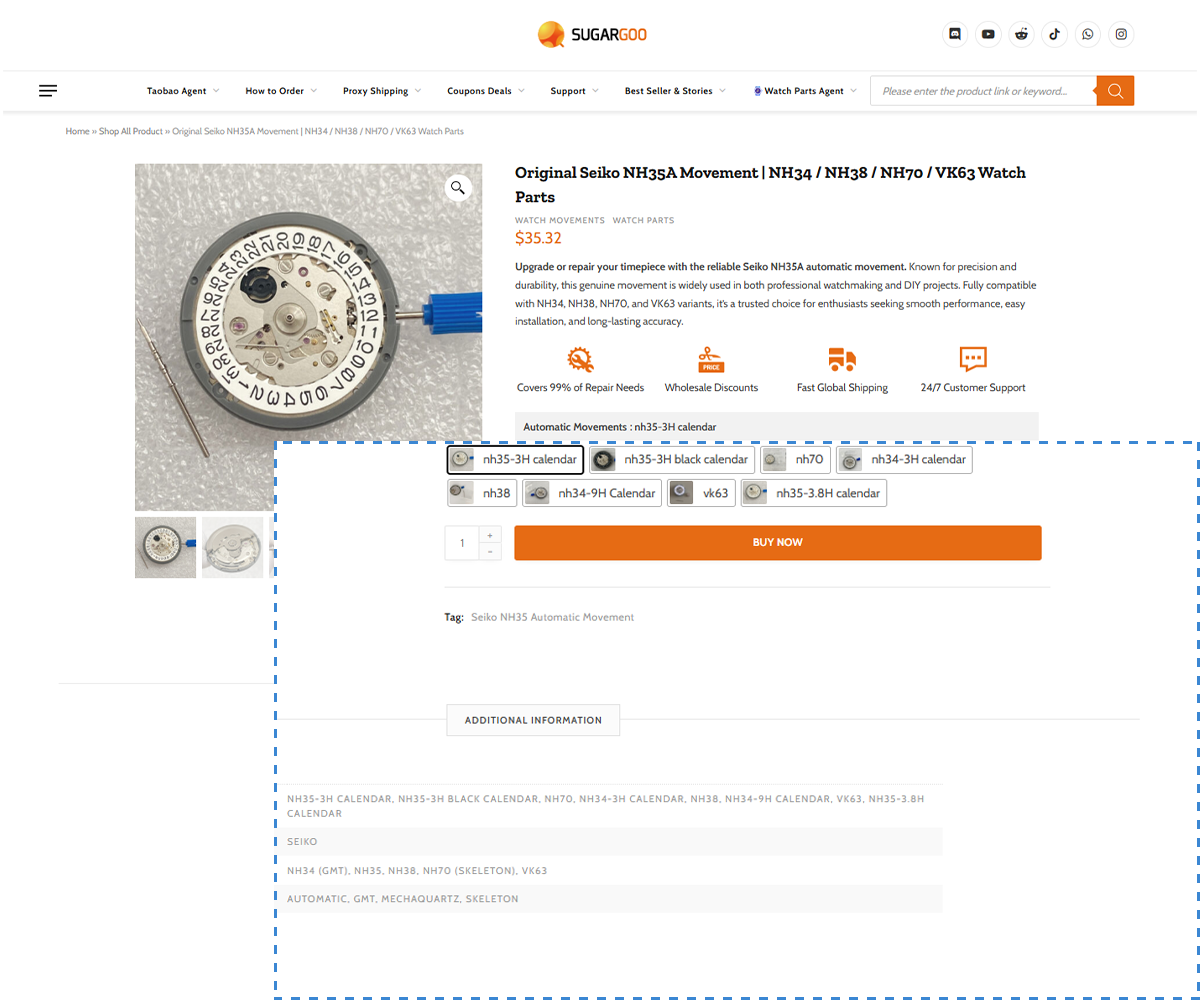
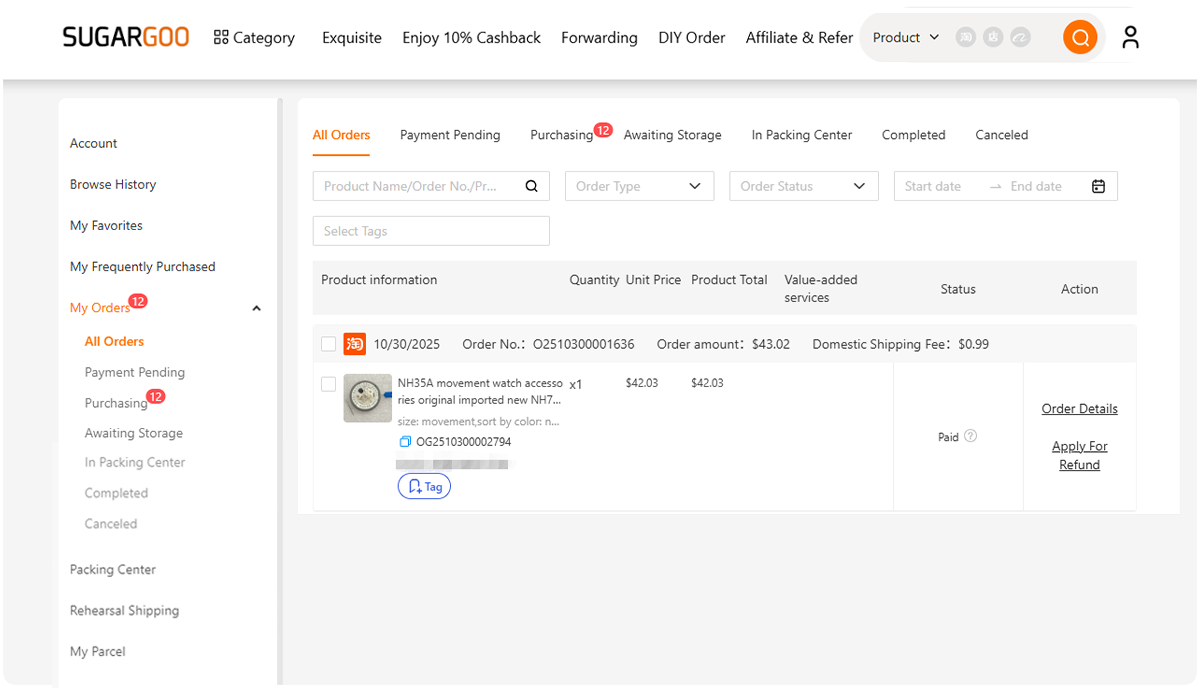
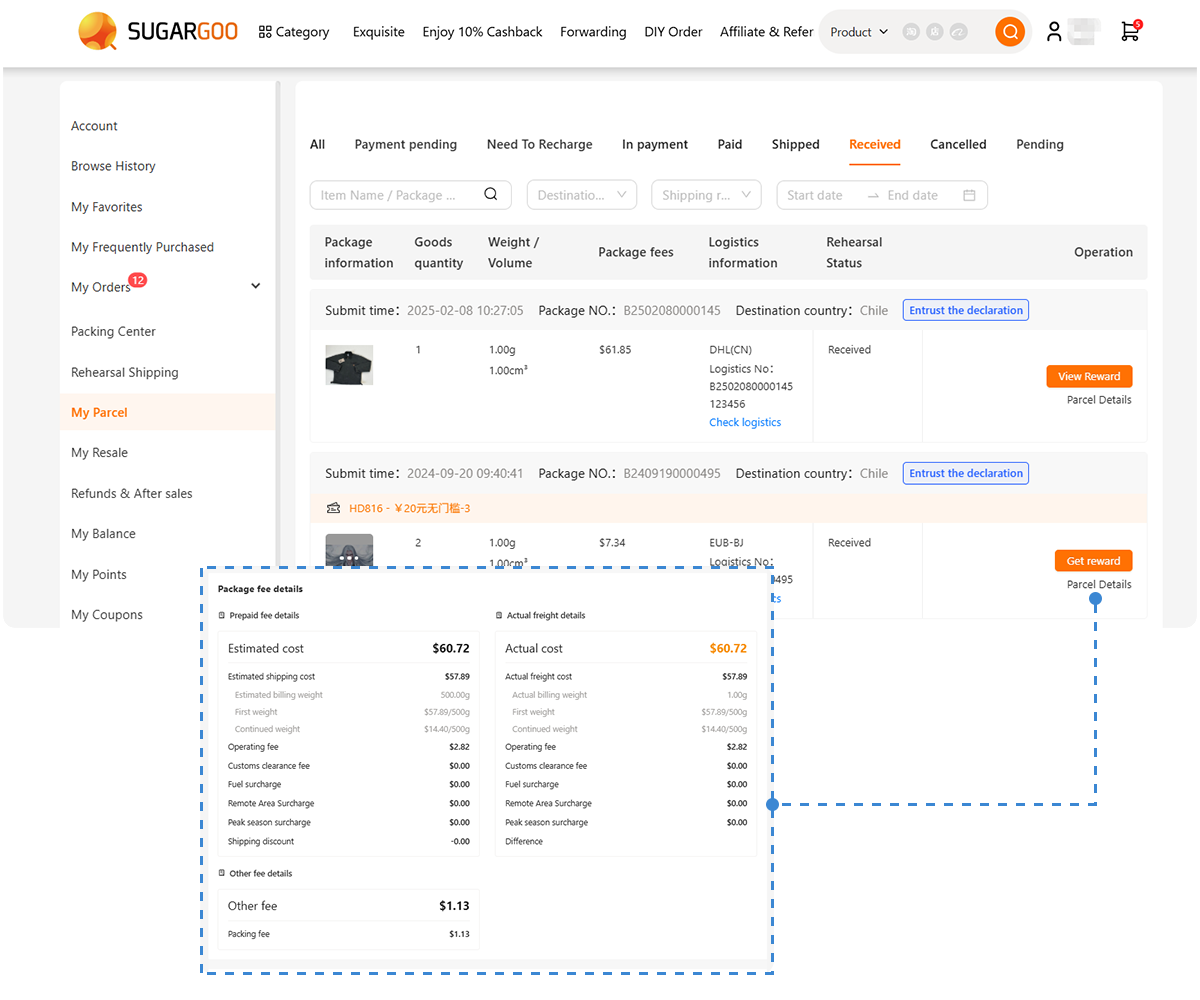
When sourcing from Taobao or 1688, overseas shoppers often paste product links into a platform like Sugargoo, which provides an English interface and manages the purchase and logistics flow. If you are unfamiliar with this process, this guide explains each step clearly: How Does Ordering from Sugargoo Work? Learn How to Buy From China Step by Step
Quality Issues Are Common—But Manageable
Mobile accessories frequently look identical online while differing significantly in real quality.
Problems small sellers encounter include:
- Inconsistent materials across batches
- Poor cable durability
- Slight sizing or color mismatches
- Packaging differences that affect resale
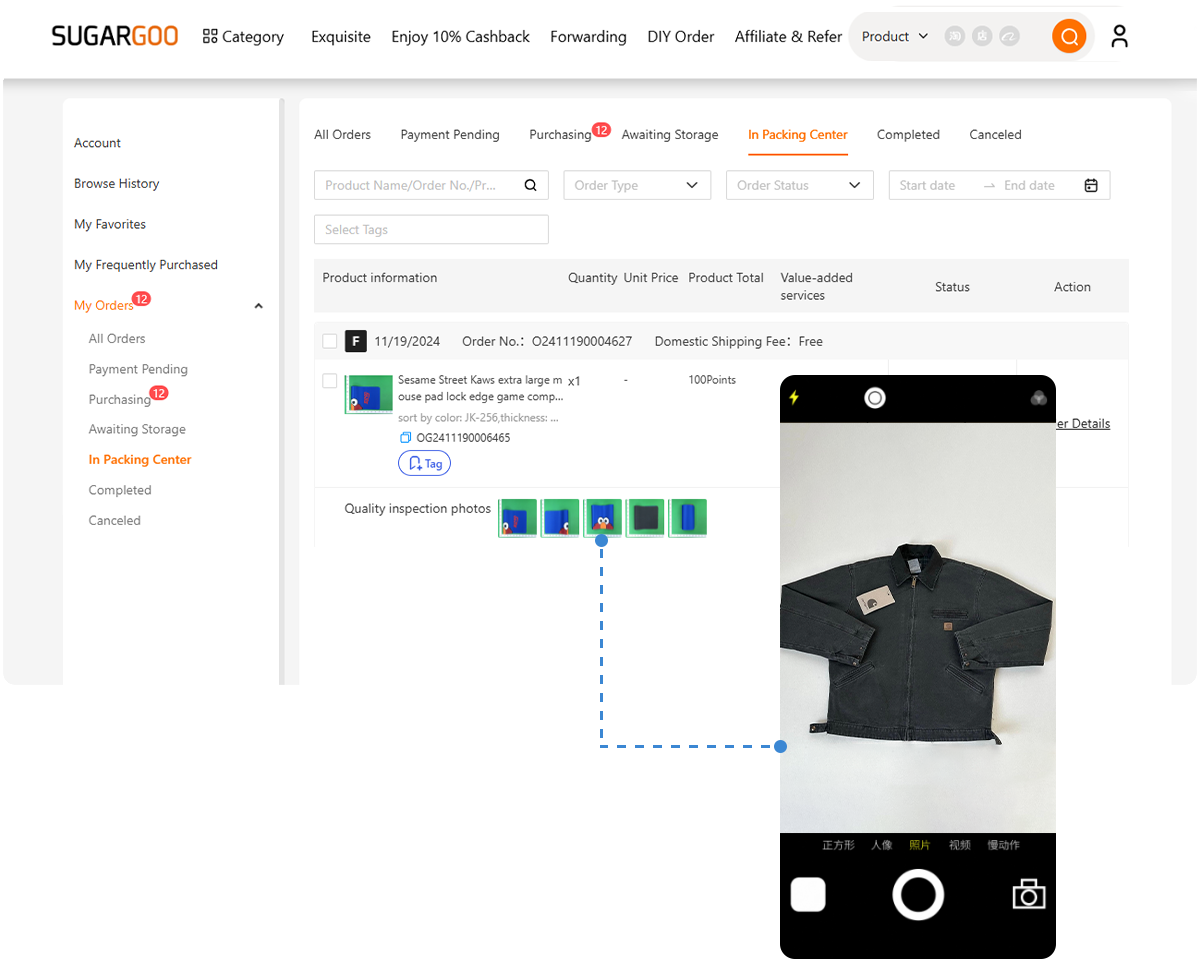
Inspecting items before they leave China is far easier than dealing with international returns. Warehouse inspections and photo confirmations allow sellers to catch issues early. You can see how this works in detail here: Sugargoo Quality Check Service: The Ultimate QC Guide for Overseas Buyers
Shipping Strategy Matters More Than Many Expect
Shipping costs often determine whether importing remains profitable.
To keep expenses under control, small sellers usually:
- Combine orders from different sellers into one shipment
- Remove unnecessary retail packaging
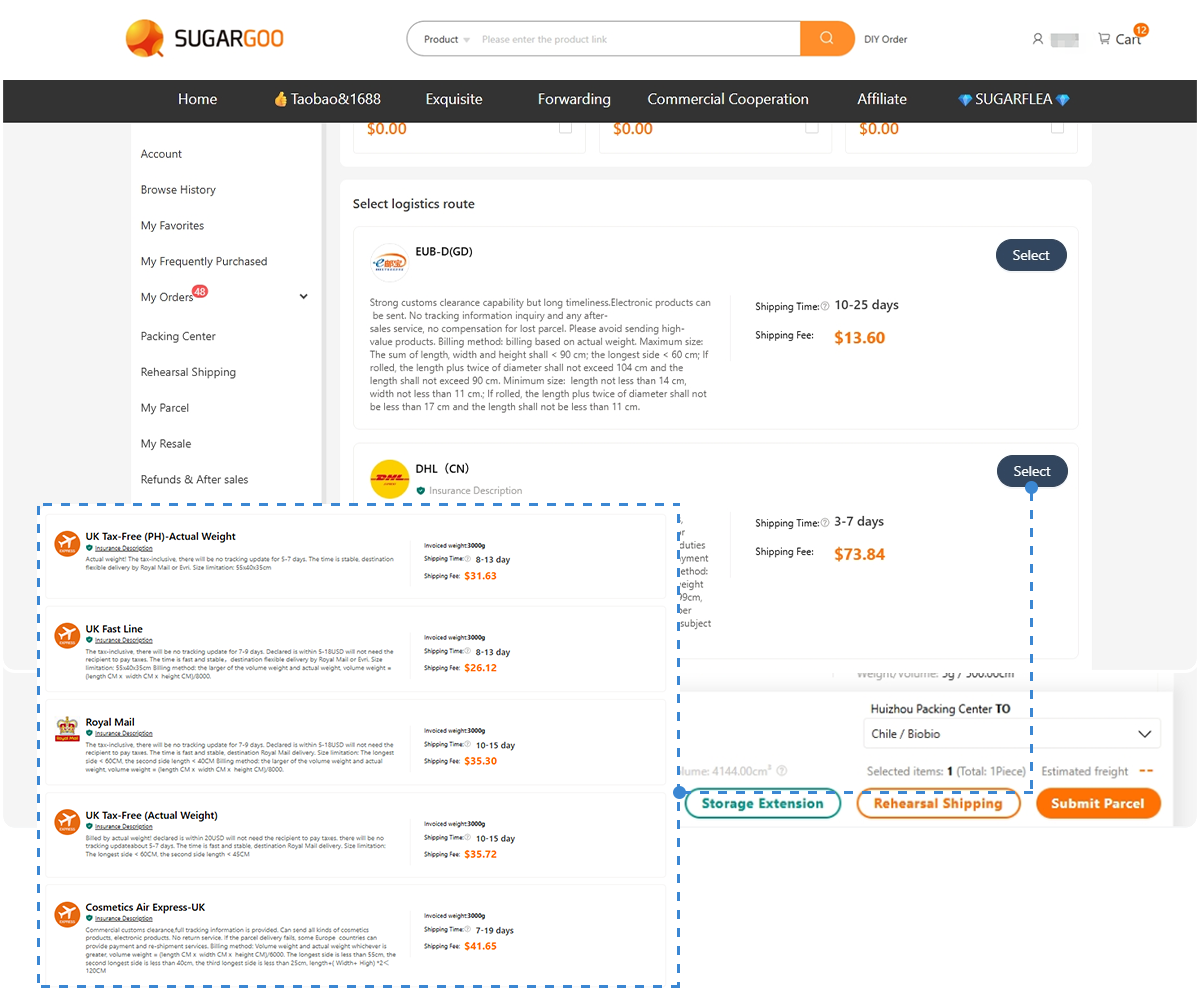
- Select shipping lines based on weight and volume
- Avoid restricted items when possible
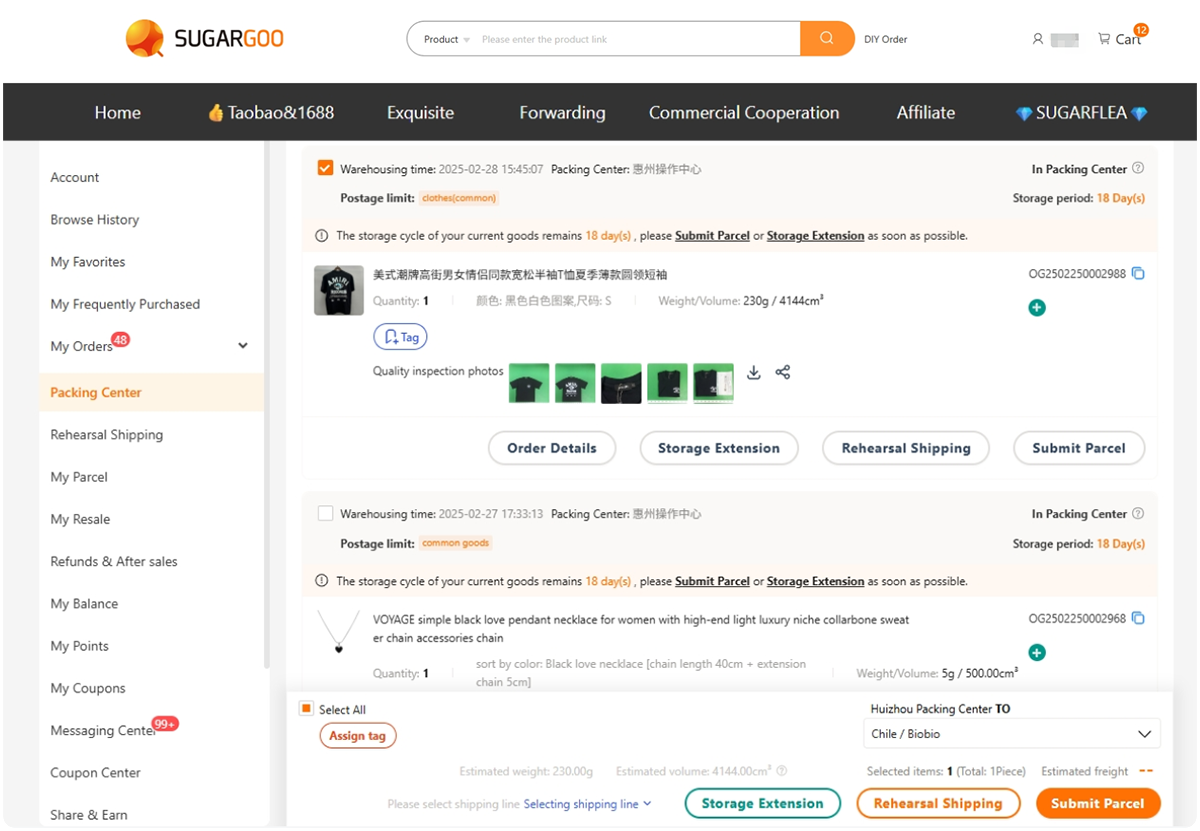
Instead of shipping individual parcels, consolidation services significantly reduce per-unit shipping costs. For a practical explanation of this process, see: How Does Package Consolidation Work at Sugargoo?
A Simple Import Workflow for Small Sellers
A typical importing process looks like this:
- Select a product category with low risk
- Identify suppliers on Taobao or 1688
- Paste product links to a buying agent site
- Confirm pricing and specifications
- Complete quality inspection
- Consolidate items into one shipment
- Ship internationally
This approach allows sellers to test products and suppliers before committing to larger orders.
Who Benefits Most from Importing Mobile Accessories from China?
Importing mobile accessories from China works especially well for:
- Small online stores
- Marketplace sellers
- New brands testing product ideas
- Sellers focused on cost-sensitive markets
By sourcing directly from domestic platforms and managing logistics carefully, small sellers can access pricing that is difficult to match elsewhere.
Sellers who source directly from China’s domestic marketplaces often discover that pricing works differently than expected. The advantage comes less from negotiation and more from accessing the same supply channels used by local retailers.
For those who prefer not to deal with language barriers, seller communication, and fragmented shipping on their own, working with a buying agent such as Sugargoo offers a more controlled way to import from China while keeping order sizes flexible.